REVIEW · ROME
Colosseum, Palatine Hill and Roman Forum Guided Tour
Book on GetYourGuide →Operated by GV Tours Global · Bookable on GetYourGuide
Rome’s gladiator arena hits hard. This guided walk links three must-see ruins into one clear story, from the Colosseum to the Roman Forum and up to Palatine Hill. You’ll get expert explanations that make the stones feel less like rubble and more like places with people and power.
I love two things right away: the headsets that keep your guide’s voice crisp, even when the crowds get loud, and the way gladiators and ancient politics get explained in plain language. Guides named in past groups, like Laura and Matteo, are often praised for keeping energy high and the facts easy to follow.
One possible drawback: the overall pace is efficient, so if you want lots of unscheduled wandering time or slow-photo stops, the schedule can feel a little tight—especially around busy viewing areas like the crowds outside and inside the Colosseum.
In This Review
- Key things that make this tour worth your time
- Why this Colosseum–Forum–Palatine combination works
- Meeting point and getting inside without going in circles
- Entering the Colosseum: gladiator drama and real crowd logic
- Palatine Hill: the emperor views and the “where power lived” lesson
- The Roman Forum: politics, commerce, and daily life in stone
- Timing and pacing: 2.5–3 hours that still feel like enough
- What I’d watch for if you’re picky about photos
- Small group experience: why it can feel better in Rome
- Value check: does $50.11 make sense for what you get?
- Who this tour is best for (and who should reconsider)
- Should you book this Colosseum, Palatine and Roman Forum guided tour?
- FAQ
- How long is the Colosseum, Palatine Hill and Roman Forum guided tour?
- What does the ticket price include?
- Is Arena access included?
- What languages are available for the live guide?
- Where do I meet the tour?
- Is the tour wheelchair accessible?
Key things that make this tour worth your time
- Headsets included so you don’t lose the story when you’re standing among people
- Optional Arena access to stand closer to the performance space (when you select that upgrade)
- Palatine Hill viewpoints over modern Rome, with the emperors’ “where the power lived” context
- Roman Forum guided walking route focused on politics, commerce, and daily life
- Small group option if you want a more personal feel and quicker Q&A
Why this Colosseum–Forum–Palatine combination works
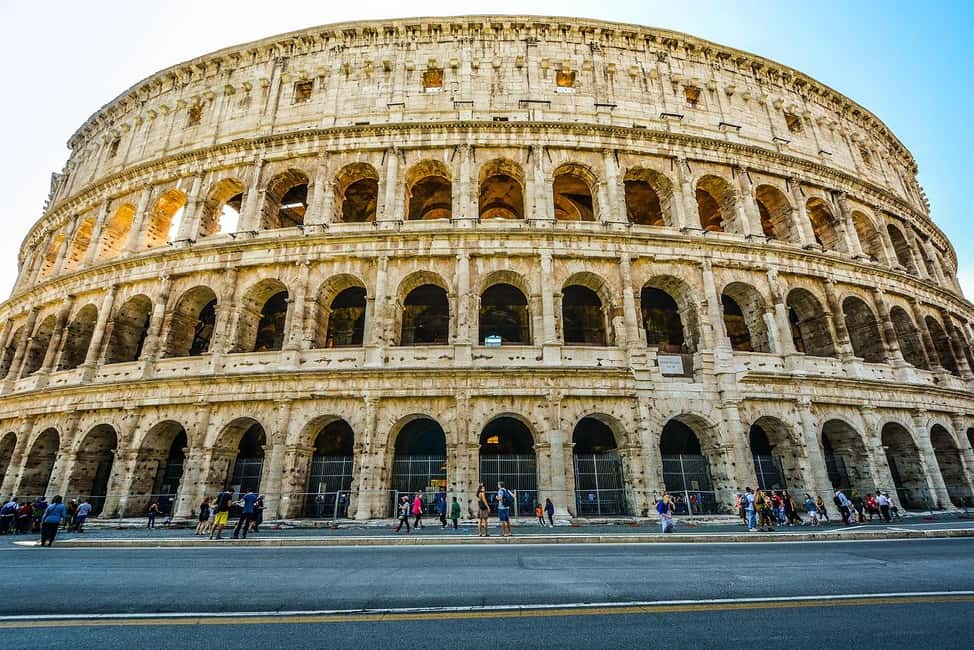
This is one of those Rome combos that makes sense because the sites talk to each other. The Colosseum is the spectacle. The Forum is the decision-making. Palatine Hill is where the ruling class showed off. Put them together in one guided flow, and your brain stops treating each stop as a random photo spot.
What you get here is a guided narrative with just enough time at each area to understand what you’re looking at. You won’t have time to pretend you’re an archaeologist for a day, but you will come away with a working mental map.
And yes, you’ll still feel the scale. Even if you’ve seen pictures, standing in the Colosseum area makes you realize how engineered and dramatic Roman life could be.
You can also read our reviews of more guided tours in Rome
Meeting point and getting inside without going in circles
You’ll start at a meeting point that can vary based on the option you book. Common start locations listed include Largo Gaetana Agnesi, Via della Polveriera, 8. Either way, plan to arrive a few minutes early so you’re not stressed at the start.
Before you enter the Colosseum and Roman Forum areas, expect mandatory security checks. High season can mean longer waits, and that can influence how quickly you move once you’re there. This is one reason guided tours are valuable: you’re not just standing in line hoping for the best. You’re following a plan.
A practical note: the tour provides headsets, which matters more than people think. In Rome, sound travels weirdly, and crowds talk. With headsets, your guide’s explanations stay clear while you look around.
Also, bring a passport or ID card. A valid photo ID is required for access to all sites, and it’s worth double-checking that names for Colosseum bookings match your ID.
Entering the Colosseum: gladiator drama and real crowd logic
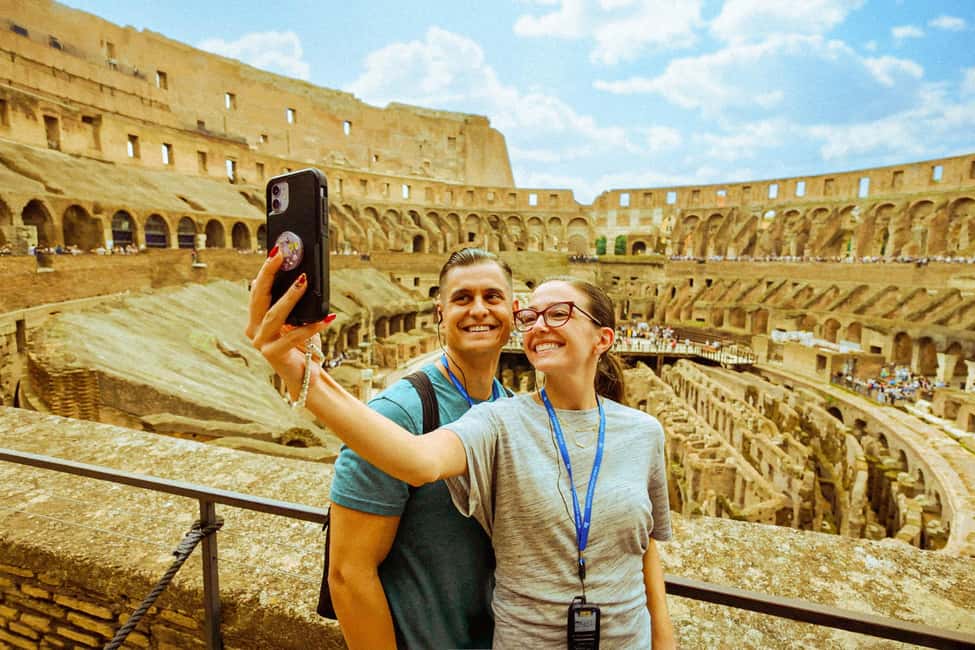
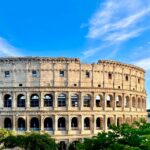
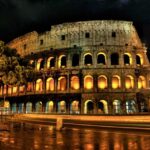
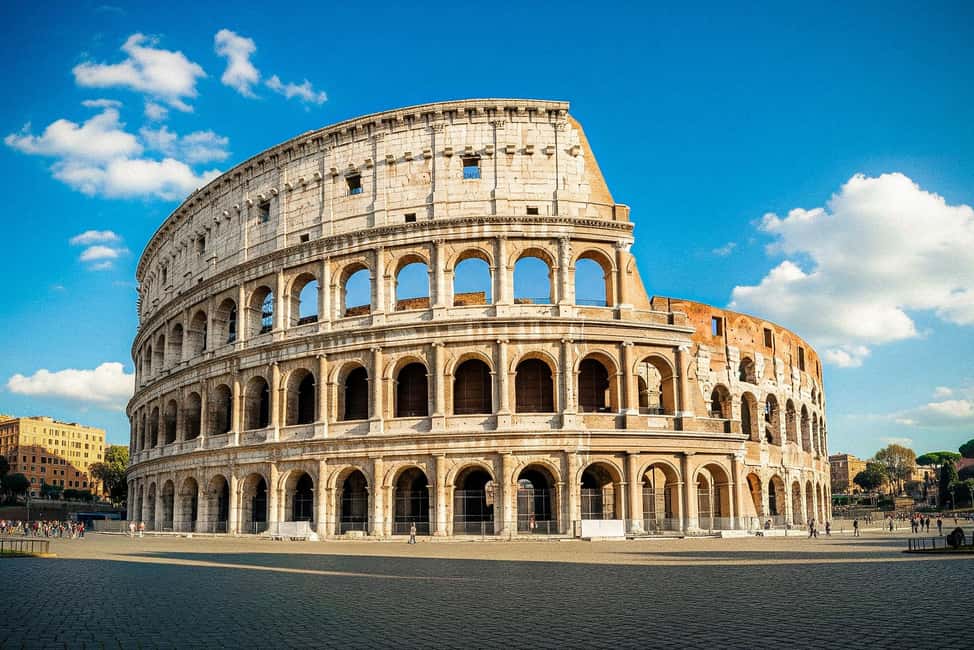
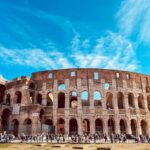
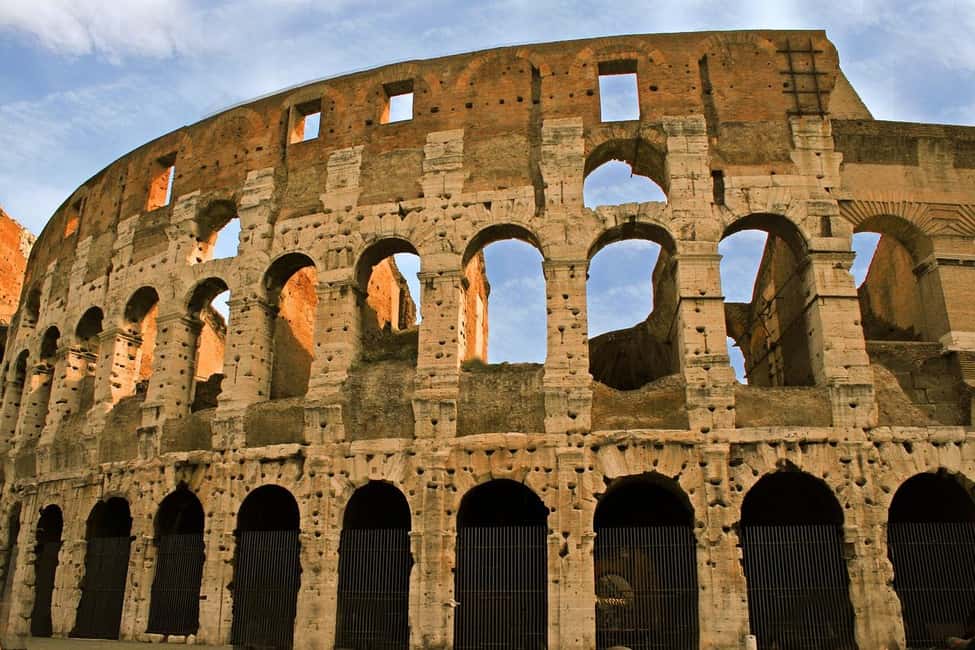
Your tour starts at the Colosseum, the largest ancient amphitheater in the world. The guide’s job is to turn the structure into a story you can picture: who sat where, what fights meant, and how gladiator combat became part entertainment and part political messaging.
I love the way a good guide connects details. It’s not just what the building looked like. It’s why it was built the way it was, and how it shaped behavior—Roman citizens showing up for spectacle, emperors using it for legitimacy, and the whole thing running on strict design and procedure.
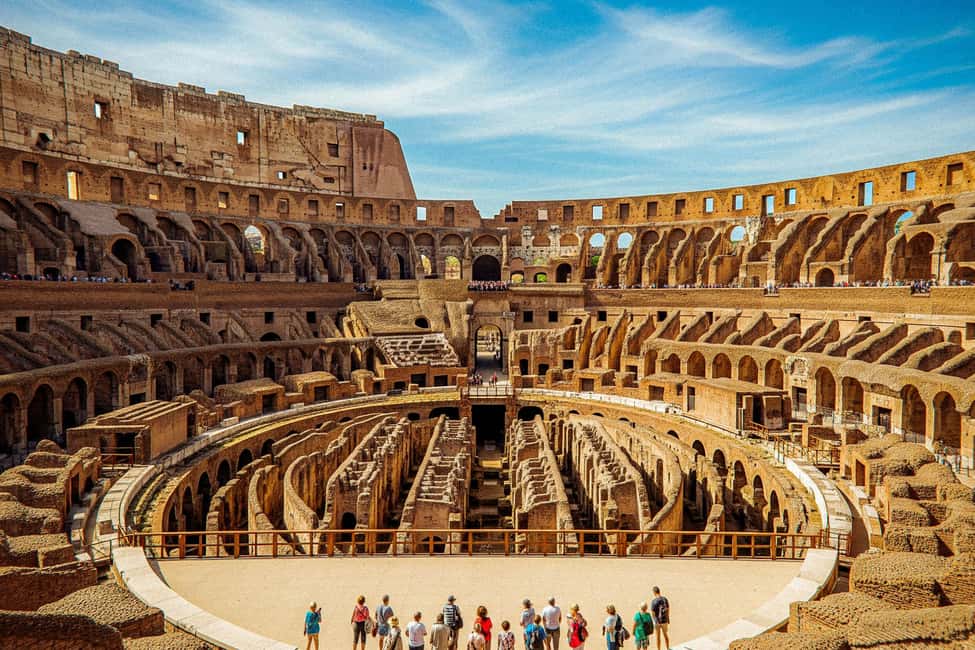
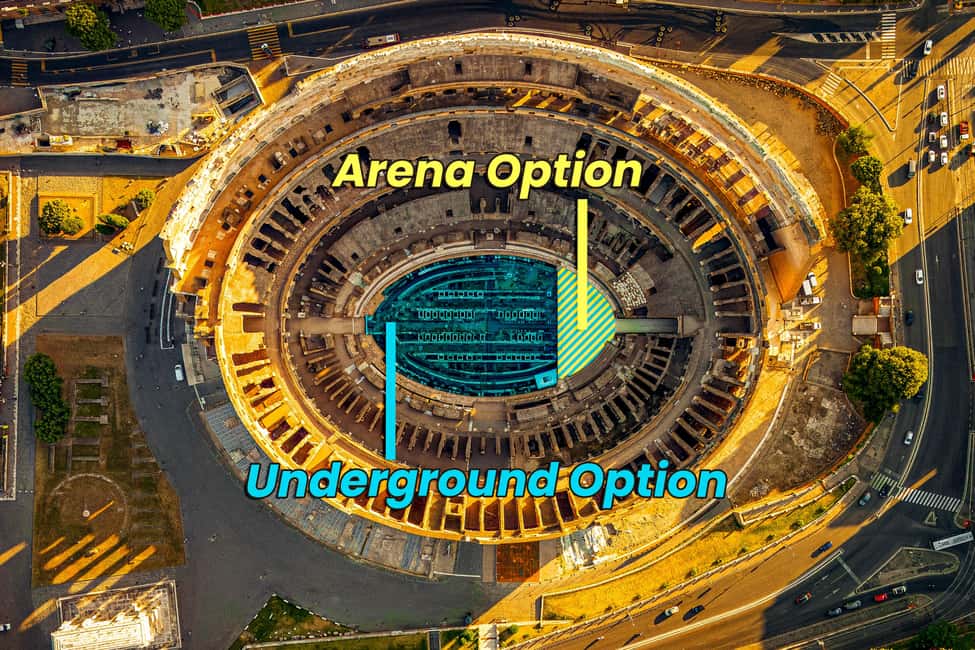
If you choose the upgrade, you can get Arena access and a guided visit to the Arena portion. That’s the most striking way to understand the scale between the performance space and the seating. You’ll get to stand in the area that makes gladiator stories feel less like mythology and more like stagecraft.
One heads-up based on how timed entry works: if you select the Arena option, you may have less extra free time afterward, because the tour flow follows the site schedule. In other words, it’s great for the experience, but don’t plan to linger forever on your own right after.
Palatine Hill: the emperor views and the “where power lived” lesson
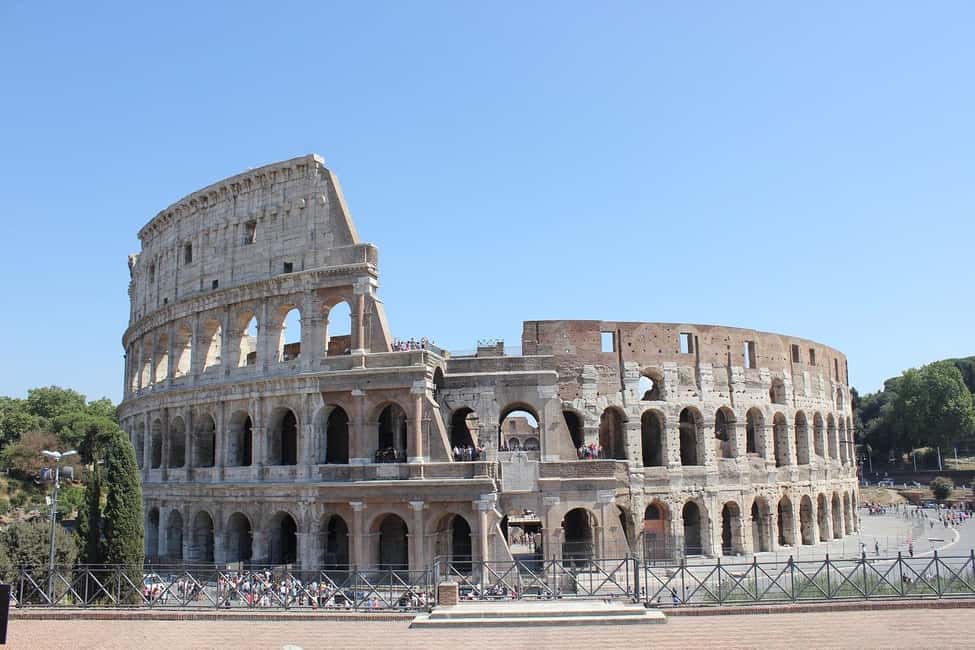
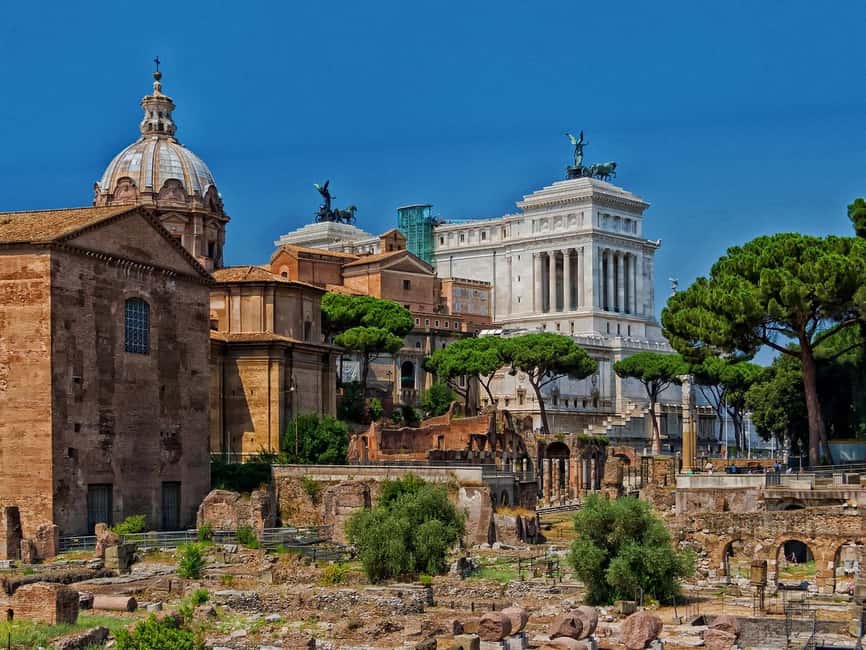
After the Colosseum, the tour shifts to Palatine Hill, often described as the birthplace area of Rome. This is where you start seeing Rome’s ruling class logic in physical form. The hill isn’t just scenic; it’s symbolic. Palatine tells you where status wanted to be and why.
Expect a guided tour of about 45 minutes on Palatine Hill. That’s enough time to understand the big picture—what palaces represented, how this hilltop became a center of authority, and how the ruins fit together—without turning the visit into a full-day dig.
The best part here is the panoramic views. Even in a city full of viewpoints, Palatine’s setting makes you see how the ancient core sits relative to everything else. You look out and it clicks: the Forum below makes sense, and the Colosseum nearby makes even more sense.
Also, this stop can feel like both a history lesson and a geography lesson. If you’ve ever gotten lost in Roman ruins before, Palatine often helps you get your bearings. It’s a natural “reset” point in the tour.
The Roman Forum: politics, commerce, and daily life in stone
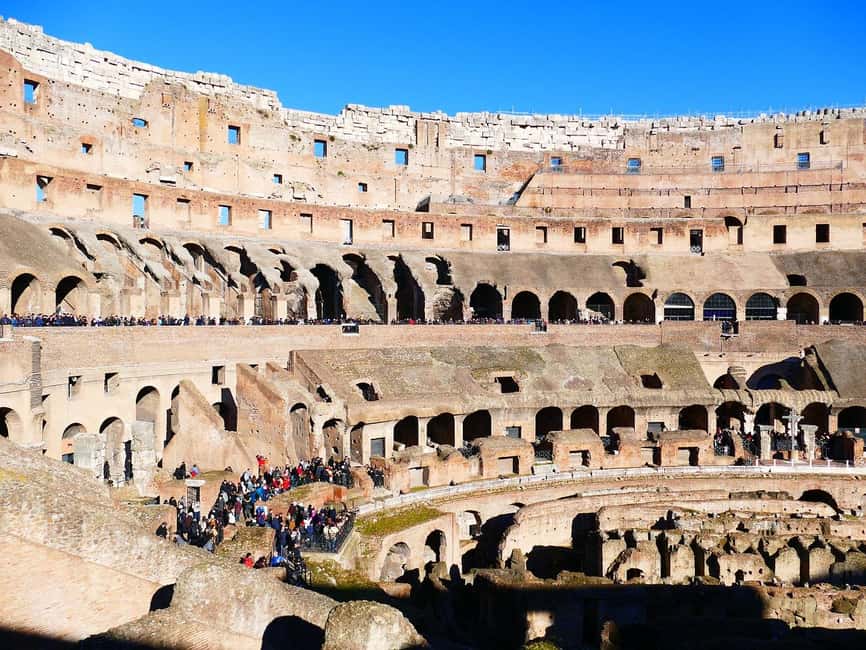
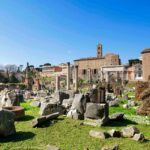
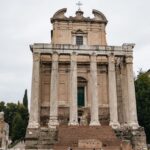
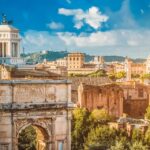
Then you walk the Roman Forum, the heart of ancient Rome’s public life. This part is where the tour becomes extra satisfying if you like stories about how societies actually run.
Instead of treating the Forum as a pile of old buildings, the guide frames it as the engine room: politics in motion, commerce and business activity, and the daily rhythm of a major city. You’ll start picturing speeches, meetings, traders, and monuments in the same space, which is hard to do when you’re reading alone from placards.
The guided segment here is about 45 minutes, which keeps things focused. You’ll hit the most important areas and come away with a sense of how the Forum worked as a system, not just as a collection of ruins.
One thing I appreciate is that a strong guide will also handle the crowd flow. The Forum gets crowded too, and you want someone who can keep your group from getting stuck in the worst positions for photos or sight lines.


Timing and pacing: 2.5–3 hours that still feel like enough
This tour runs about 2.5 to 3 hours. In July and August, the duration is reduced to 2 hours, which matters because summer heat is real and the sites are exposed.
So what does that mean for your experience? You’re getting guided time, not just ticket time. The Colosseum portion is guided for about 1 hour, then Palatine Hill about 45 minutes, and the Roman Forum about 45 minutes. That’s a tight structure, and it’s why you feel informed instead of overwhelmed.
The pace is also why the tour suits people who like an efficient plan. If you’re the type who wants to linger and wander freely, you can still do that, but you’ll likely want to add time before or after the guided portion on your own.
What I’d watch for if you’re picky about photos
The Colosseum, Arena option, Forum, and Palatine Hill are all photogenic. The catch is that guided tours naturally keep you moving so everyone stays together and the group reaches key points.
If you’re a serious photographer, you might find certain segments rushed relative to your ideal pace. Some visitors mention wanting more time for photos, and that tracks with how sites work during busy periods and when you’re following a timed guided route.
My advice: take photos during stops when the guide pauses, not while you’re walking. You’ll get sharper shots and you won’t miss the key explanations.
Small group experience: why it can feel better in Rome
There’s a small group option available. In practice, smaller groups tend to move with more breathing room through crowded stone corridors and viewing zones.
It also tends to make the tour feel more interactive. You’re more likely to ask a question and get a real answer instead of a short, generic one. Past groups mention guide styles that keep the mood fun and the group engaged, like Matteo’s humor and Caterina’s engaging storytelling.
If you care about hearing every detail without shouting over the crowd, a small group can be a smart upgrade.
Value check: does $50.11 make sense for what you get?
At $50.11 per person, the real question isn’t whether it’s cheap. It’s whether it’s worth paying for help at the exact places where Rome can eat your time.
Here’s what’s included that you’d otherwise have to manage yourself:
- Entry to the Colosseum
- Entry to the Roman Forum and Palatine Hill
- A live guide (with multiple language options)
- Headsets
- Optional Arena tour and Arena access if you pick that upgrade
When you add up the cost of admission plus the fact you’re getting a structured, guided route across three major sites, the price starts to look reasonable. Also, the headsets are a quality-of-life inclusion. I’d happily pay extra for that alone when I’m trying to understand what I’m looking at.
If you’re the type who likes to read on your own and doesn’t mind slow exploration, you might choose to skip guided help. But if you want the sites explained in a way that makes the ruins coherent, this is a strong value.
Who this tour is best for (and who should reconsider)
This tour is a great fit for you if you want a guided orientation to Rome’s most famous ancient areas in a short time window. It works well for first-timers who want context fast and for repeat visitors who want a clearer storyline than guidebooks give.
It’s also a good choice if you want the Arena option, because that’s the most “stand here, feel it” upgrade within the tour framework.
It’s not suitable for wheelchair users, based on the tour’s stated limitations. The sites themselves also involve uneven terrain and crowds, which is usually challenging even with partial access.
If you hate crowds, consider going earlier in the day when possible. Some guides and groups emphasize that morning timing can help you feel less squeezed by heat and people.
Should you book this Colosseum, Palatine and Roman Forum guided tour?
I think you should book this tour if you want three headline ruins connected by a clear story, and you care about understanding what you see while you’re standing there. The included headsets, the guided time at each major area, and the optional Arena upgrade make it a practical choice for a limited schedule.
Book it if you value structure. Skip it or plan your own add-on time if you’re the kind of person who needs long photo breaks and lots of unscripted roaming.
Either way, do wear comfortable shoes and bring your ID. Rome is amazing, but it runs on security lines and stone steps, and the best experience comes when you’re ready for that rhythm.
FAQ
How long is the Colosseum, Palatine Hill and Roman Forum guided tour?
The tour lasts about 2.5 to 3 hours. During July and August, the duration is reduced to 2 hours.
What does the ticket price include?
It includes entry to the Colosseum, the Roman Forum, and Palatine Hill, plus a guided tour and headsets. Arena entry and a guided Arena tour are included only if you select the Arena option.
Is Arena access included?
Arena access is included only if you choose the option that adds entry and a guided tour of the Colosseum Arena.
What languages are available for the live guide?
The live tour guide is offered in German, English, Italian, Spanish, and French.
Where do I meet the tour?
The meeting point may vary depending on the option booked. Options listed include Largo Gaetana Agnesi and Via della Polveriera, 8.
Is the tour wheelchair accessible?
No. This tour is not suitable for wheelchair users.