REVIEW · ROME
Exclusive tour of Ancient Rome and Domus Tiberiana
Book on GetYourGuide →Operated by ontario srls · Bookable on GetYourGuide
Palatine Hill feels like Rome’s backyard. This exclusive-style visit pairs Palatine Hill and the Roman Forum with views over Circus Maximus, plus access to areas of the imperial palaces that are hard to see on your own. I like that the tour is led by an expert archaeologist guide, not a script reader, and you get enough context to make the ruins click instead of staying just stone.
Two things I’d put at the top: the restored Domus Tiberiana sections on Palatine Hill (after almost 50 years closed) and the guided focus on how public life and politics really worked in ancient Rome. The one drawback to keep in mind is the airport-style security and the strict rules (ID required, no large bags), which means you’ll want to arrive on time and travel light.
In This Review
- Key moments that make this tour worth your time
- Palatine Hill, one of Rome’s power centers
- The Roman Forum: politics, public life, and the “why” behind the stones
- Domus Tiberiana: the imperial residence that’s finally back
- Restricted areas of the imperial palaces (and why that feels special)
- Circus Maximus views: the arena behind the Empire’s drama
- What the 2 to 2.5 hours really covers
- Who this tour is best for (and who should skip it)
- Price and value: is $99.92 fair for this experience?
- Practical tips before you go: security, ID, and what to bring
- Should you book the Exclusive tour of Ancient Rome and Domus Tiberiana?
- FAQ
- What sites are included in the tour?
- How long does the tour take?
- Are tickets included or do I need to buy them separately?
- Is there a guide during the visit?
- Is food or drink included?
- Do I need ID to enter?
- Is there security at the entrance?
- What items are not allowed?
- Is the tour suitable for wheelchair users?
- Is this tour suitable if I recently had surgery?
Key moments that make this tour worth your time

- Domus Tiberiana just reopened: learn what has been restored and why it was off-limits for so long
- Priority access where it counts: less waiting, better angles for Forum and Circus Maximus views
- Expert-led interpretation: you’ll connect building blocks to real Roman power and daily life
- Restricted-feeling palaces on Palatine Hill: you’ll walk parts of the imperial complex many people miss
- A “Rome starts here” route: the stops follow how the city grew from its earliest core
Palatine Hill, one of Rome’s power centers

Palatine Hill isn’t just scenic ruins. It’s where Rome’s elites built their status, and where the story of “who ruled” becomes physical under your feet. You’ll start in the area connected with the imperial palaces and the early heart of the city, so you can see why emperors weren’t simply visiting Rome—they were living in its symbolism.
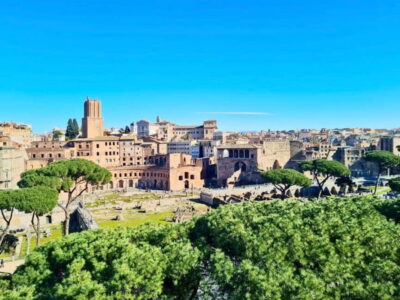
What I like about beginning on Palatine is that the hill gives you scale. From here, the Roman Forum looks less like random columns and more like a stage. Your guide helps you read the layout so that when you reach the Forum, you’re not just looking up at walls—you’re understanding the relationships between institutions, streets, and views.
If you’re lucky with the guide, you’ll feel the difference. In past tours, guides such as Dino have been praised for taking extra time to explain which portions have been explored recently and what new openings change in our understanding. Another guide, Donnatella, has earned high marks for balancing deep knowledge with attention to your questions and concerns.
You can also read our reviews of more tours and experiences in Rome.
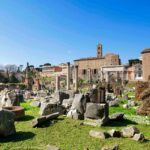

The Roman Forum: politics, public life, and the “why” behind the stones
The Roman Forum is where Rome’s big decisions played out daily. This isn’t a quick pass-through of the most photographed spots. The format is designed to help you follow the flow of civic life—who gathered, where speeches and announcements would have landed, and how authority showed itself in buildings and space.
Here’s the value for you: the Forum can feel confusing at ground level because you’re surrounded by fragments. With an expert archaeologist guide, you learn how the ruins relate to each other, so you start noticing patterns—where power sat, where movement happened, and where the city’s social and political energy would have concentrated.
You’ll also get priority access for the best views over the Forum and toward the Circus Maximus. That matters because the Forum’s viewpoints aren’t equally good at every moment. If you’ve ever visited Rome and felt like crowds dictate what you see, this kind of guided timing helps you reclaim your eyesight—and your time.
Domus Tiberiana: the imperial residence that’s finally back

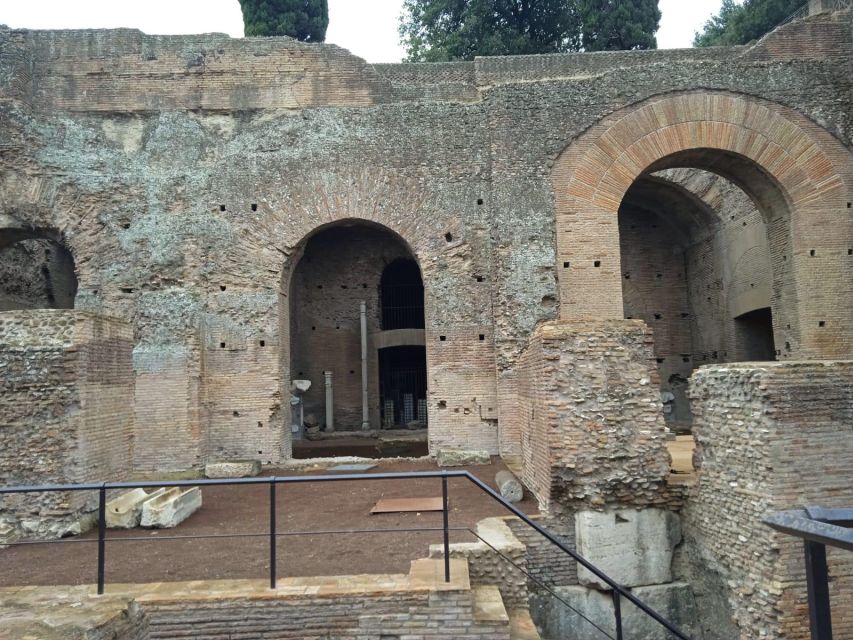
The big headline stop is Domus Tiberiana, an enormous imperial residence on Palatine Hill that overlooks the Roman Forum. The name alone sounds like a history lecture, but this is more practical than it first seems. The restoration has brought back access to spaces that had been closed for nearly 50 years due to structural issues.
Why that’s exciting for you: a long closure changes what people can study, and it changes what you can understand on site. When new areas reopen, the story isn’t simply “more ruins.” It’s updated context—how the building worked, how levels connected, and how the imperial household related to the political center just below.
The Domus Tiberiana is described as spanning about 4 hectares and featuring impressive multi-level arches. Walking through the right viewpoints gives you a sense of layering—how Romans designed “private grandeur” above a public world that never stopped moving.
One of the best parts of this tour style is that your guide won’t treat it as a museum exhibit. You get explanation for what’s newly accessible and what has only been explored in recent phases. That’s exactly the sort of detail that makes a reopening matter, instead of becoming another checkbox.
Restricted areas of the imperial palaces (and why that feels special)

This tour doesn’t only stick to the most common walkways. You’ll explore restricted areas connected to the imperial palaces on Palatine Hill. That matters because so much of Palatine is either hard to interpret or hard to reach depending on how the site is managed.
When you’re in those spaces with a guide, you also learn to read them differently. Instead of thinking, “I’m standing in a palace,” you start asking smarter questions: Which room-level would have had the best visual control? How does the structure relate to court life? Where would movement between zones have made sense for staff and residents?
The result is that the ruins stop being background. They become a map of Roman control—literal control, in stone—over the city’s most important landscape.
Circus Maximus views: the arena behind the Empire’s drama

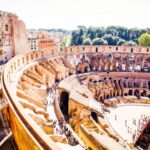
The Roman Forum and Palatine Hill are always connected to spectacle in your mind—because Rome was a show as much as a government. On this tour, you get stunning views of the Circus Maximus, the world’s largest amphitheater.
Even if you never watch a race from the seats, the view helps you understand something important: the imperial world wasn’t locked away on a hill. It faced the public stage. People could step from civic and political life into entertainment, and rulers understood that entertainment could steer mood, loyalty, and attention.
This is one reason I enjoy tours like this rather than self-guided wandering. The guide ties the viewpoint to meaning. You’re not just sightseeing; you’re building a mental timeline of what Romans would have experienced in the same general direction and sightlines.




What the 2 to 2.5 hours really covers

This experience runs about 2 to 2.5 hours, depending on the starting time and how the route flows. That’s a sweet spot for this area of Rome: long enough to cover Palatine, the Forum, and Domus Tiberiana with guidance, not so long that you start wishing for a bench in the middle of history.
For you, it also means better focus. In a short window, the guide can keep the story coherent—start with Rome’s early core, move into imperial spaces, then connect back to public life in the Forum and the entertainment world in the direction of Circus Maximus.
Still, plan your expectations. This is a walking tour on uneven ancient surfaces. The overall goal is learning and orientation, not “slow stroll only.” If your walking pace is limited, you may find the route demanding.
Who this tour is best for (and who should skip it)

This tour fits best if you want expert interpretation and you care about the specifics of what you’re seeing. You’ll enjoy it most if you like archaeology that explains the “how” and “why,” not just the “what.”
It’s also a good pick if you like order and context. Palatine Hill and the Roman Forum can overwhelm you fast. A structured guide route helps you keep your bearings and understand why each stop exists.
On the other hand, it’s not suitable for wheelchair users and it’s also noted as not suitable for people with recent surgeries. If either applies, it’s worth considering a different format that’s easier on your body.
Price and value: is $99.92 fair for this experience?

At $99.92 per person for about 2 to 2.5 hours, this isn’t a bargain-basement option. But the value is tied to three things you actually feel during the visit: expert guidance, site access, and time saved.
You get:
- a professional local expert guide
- entry/admission to the Roman Forum and Palatine Hill
- skip the ticket line
- a guided focus that includes the reopened Domus Tiberiana
For Rome, skipping the line and having a guide who can explain recently explored/reopened areas is often what justifies the cost. Without it, you can still see ruins—but you spend more time sorting out what matters, and you may miss the best angles and interpretive context.
Food and drinks aren’t included, so you’ll want to plan to purchase what you need on your own. The good news is that this time window is short enough that it usually works well even if you grab a snack before or after.
Practical tips before you go: security, ID, and what to bring

Rome loves rules, and this one is no exception. You must bring a passport or ID card, and everyone must pass through airport-style security. That means it’s smart to show up early enough to deal with checks without rushing your nerves.
You’ll also need to travel light:
- no luggage or large bags
- no drones
- no alcohol and drugs
- no explosive substances
If you want the smoothest experience, pack smart—small bag, essentials only, and keep your ID accessible. Also keep in mind that the tour is offered in Italian and English, so choose the language that lets you follow the nuance on things like restorations and architectural levels.
Should you book the Exclusive tour of Ancient Rome and Domus Tiberiana?
If you want a Rome visit where the ruins come with explanations you can actually use, I think this is a strong booking. The stand-out reason is the focus on Domus Tiberiana after its long closure, plus priority access to viewpoints and a guided route that links Palatine Hill, the Roman Forum, and the direction of Circus Maximus.
I’d book it if:
- you like expert archaeological context
- you want to understand how imperial life connected to public politics
- you’re curious about what’s changed with restorations and newly accessible portions
I’d skip or choose something else if:
- you need wheelchair access or are dealing with post-surgery limitations
- you’re hoping for a super casual, sit-and-see pace
- you don’t want to deal with airport-style security and strict bag rules
FAQ
What sites are included in the tour?
The tour includes admission to the Roman Forum and Palatine Hill.
How long does the tour take?
The duration is listed as 2 to 2.5 hours, depending on the starting time.
Are tickets included or do I need to buy them separately?
Your admission is included for the Roman Forum and Palatine Hill, and the tour also offers skip-the-ticket-line entry.
Is there a guide during the visit?
Yes. The tour includes a live local professional guide, available in Italian and English.
Is food or drink included?
No. Food and drinks are not included.
Do I need ID to enter?
Yes. You should bring a passport or ID card.
Is there security at the entrance?
Yes. The tour requires you to pass through airport-style security.
What items are not allowed?
The tour notes restrictions including no large bags or luggage, no drones, and no alcohol and drugs or explosive substances.
Is the tour suitable for wheelchair users?
No. It’s listed as not suitable for wheelchair users.
Is this tour suitable if I recently had surgery?
It’s listed as not suitable for people with recent surgeries.