REVIEW · ROME
Fettuccine, Ravioli & Tiramisu Cooking Class in Rome
Book on GetYourGuide →Operated by Master pasta makers srl · Bookable on GetYourGuide
Nothing beats learning pasta by hand. This Rome cooking class runs about 3 hours and starts just steps from Piazza Navona, where you make tiramisù, fresh fettuccine, and ravioli from scratch with an English-speaking chef, then eat your work with wine.
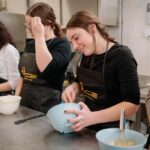
I especially love the chance to choose your fettuccine sauce, with options like Cacio e Pepe and Amatriciana, so you leave with more than one flavor idea. I also like that the instruction is hands-on, from kneading and rolling dough to finishing ravioli and assembling your tiramisù.
One possible drawback: the setting is inside a restaurant space that can feel busy and warm, and the pacing may feel a bit rushed at times, so it’s best if you’re comfortable sharing the room and keeping up.
In This Review
- Key highlights to pay attention to
- Near Piazza Navona at Restaurant Gusto: Where the class actually starts
- The 3-hour flow: Tiramisù first, then fresh fettuccine and ravioli
- The fettuccine sauce menu: Cacio e Pepe, Amatriciana, Tomato & Basil
- Ravioli with butter and sage: the moment you remember
- Tiramisù under the spotlight: what you learn and how it lands
- Wine, coffee, and limoncello: dinner becomes part of the lesson
- Where this class delivers value for $82
- Small-warning items: pacing, space, and the restaurant feel
- Chef energy in English: what you can look for when it’s your instructor
- Who should book this Rome pasta and tiramisù class
- Quick practical tips so you enjoy the class more
- Should you book this cooking class?
- FAQ
- Where is the meeting point?
- How long is the cooking class?
- What dishes will I make?
- What sauce options can I choose for the fettuccine?
- Are drinks included?
- Is the class taught in English?
- Is the class wheelchair accessible?
- Is it suitable for young children?
Key highlights to pay attention to

- Piazza Navona area start: Meeting point is Via Giuseppe Zanardelli 14 at Restaurant Gusto, so you can build a day around it.
- You make all the main dishes: Tiramisù, fresh fettuccine, and ravioli are the core of the experience.
- Fettuccine sauce choice: Pick Tomato & Basil, Cacio e Pepe, or Amatriciana and tailor your plate.
- Hands-on pasta work: Kneading and rolling dough are part of the lesson, not just background cooking.
- Drink pairing at the table: A glass of wine (or non-alcoholic drink), then finish with coffee or limoncello.
Near Piazza Navona at Restaurant Gusto: Where the class actually starts
This class is easy to plug into a Rome day because it starts close to Piazza Navona. Your meeting point is Via Giuseppe Zanardelli 14, at Restaurant Gusto. If you like walking cities, you’ll probably appreciate not having to plan transit or battle a confusing commute.
The practical upside of this location is timing. You can pair it with other nearby sights or grab a quick gelato stop before you go in, without losing half your day to logistics. And because the class is in English, you won’t be stuck trying to translate kitchen gestures like you’re playing charades with dough.
Just keep expectations realistic about the environment. Based on how people describe the space, it can feel like a working restaurant rather than a quiet cooking studio. That’s not a deal-breaker, but it does matter if you want a calm, slow lesson.
You can also read our reviews of more cooking classes in Rome


The 3-hour flow: Tiramisù first, then fresh fettuccine and ravioli

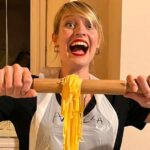
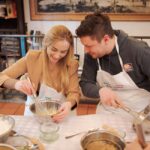
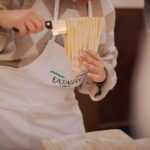
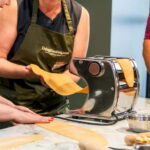
The structure is built around a classic Italian meal rhythm. You begin with tiramisu, then move into making fresh pasta: fettuccine and ravioli. You’re not watching someone else cook the whole time. You’ll knead dough, roll it out, and handle the shaping steps, guided by the chef.
In a 3-hour session, the big trick is pace. You’ll likely spend part of the time actively making food, then shift into cooking and tasting phases. One review noted the hands-on portion may feel shorter than the full 3 hours, so if you’re the type who loves repeating steps slowly, just remember you’ll be learning the method more than doing every step twice.
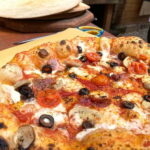
Still, the payoff is that you’ll sit down afterward with a complete meal built from what you made. That matters because you get to connect technique to taste. Pasta dough texture, sauce cling, and the way ravioli holds filling all make more sense once you’ve done it with your own hands.
The fettuccine sauce menu: Cacio e Pepe, Amatriciana, Tomato & Basil
Here’s one reason I like this class for real value: it lets you choose your fettuccine sauce. You’ll pick one of three Roman-style options: Tomato & Basil, Cacio e Pepe, or Amatriciana.
Why this matters: each sauce teaches a different kind of “Italian cooking logic.”
- Tomato & Basil leans toward a fresher, brighter profile, where you learn how sauce and pasta behave together.
- Cacio e Pepe is about the simple, salty power of cheese and pepper, and it helps you understand how a minimal sauce needs the right consistency.
- Amatriciana brings a richer, savory edge, so you get a contrast against the other options even if your pasta dough method is the same.
Even if you think you already know these dishes from restaurants, making them yourself changes how you think about timing and texture. You’ll be watching how sauce thickens and how it coats pasta, which is hard to learn from a menu photo.
Ravioli with butter and sage: the moment you remember
After the fettuccine, you turn to ravioli, and the class pairs it with a butter and sage sauce. Ravioli is a smart choice for a cooking class because it forces you to practice something tactile: portioning and closing, then trusting the method to seal properly.
Butter and sage is also a useful learning sauce because it’s not trying to hide problems. If the pasta is too thick or the ravioli is uneven, you’ll notice in texture. If the sauce is off, you’ll feel it immediately. That makes it a good “feedback” meal, where your hands-on work shows up in the bowl.
People who’ve taken the class mention that the final meal is satisfying and the instruction is clear. That’s exactly what you want here: a lesson that results in something you can actually recreate later, not just a plate of food you eat and forget.
Tiramisù under the spotlight: what you learn and how it lands
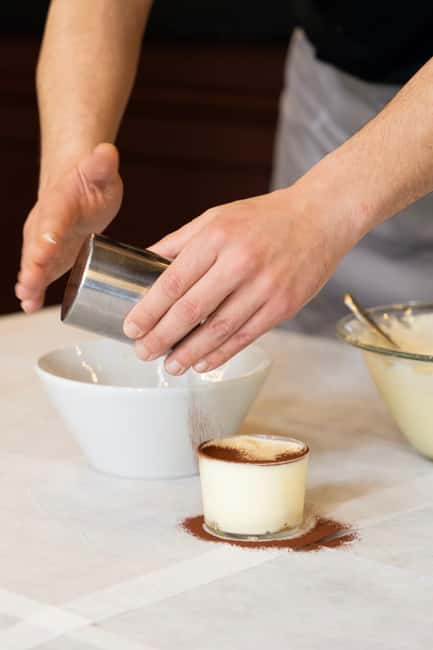
You start with tiramisù, which is an excellent “starter dessert” for a class because it’s both technique and assembly. You’ll learn the method that makes tiramisù work—how the layers come together and how the dessert should feel when you serve it.
Now, a heads-up for your expectations: at least one person felt the tiramisù part wasn’t the star of the meal. That doesn’t mean it’s bad. It just means the class emphasis may lean more toward pasta than dessert depth. If tiramisù is your main mission, I’d treat this as a solid lesson, not a full-on pastry workshop.
Still, the best part is that you get dessert in your final meal experience. It’s not a side activity. You leave with an Italian ending that matches the rest of your cooking: hands-on, then sit down, eat, and compare your work to what you ordered in Rome before.
You can also read our reviews of more tours and experiences in Rome

Wine, coffee, and limoncello: dinner becomes part of the lesson
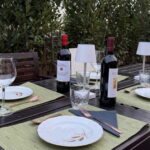
This isn’t a dry cooking lesson where you finish and leave. The class builds in dining: you enjoy your creations with a glass of wine (or a non-alcoholic drink). There’s unlimited water too, which is the kind of detail that matters when you’re eating rich food and working around the kitchen.
Then you finish with coffee or limoncello. That ending is a small but real part of the Rome vibe. It’s a reminder that in Italy, the meal is the event. Cooking is only half the fun. The other half is eating what you made in a relaxed setting.
One practical tip: if you’re sensitive to alcohol, choose the non-alcoholic option. You still get the full meal experience, and you’ll likely enjoy the cooking steps more if you’re not feeling lightheaded mid-lesson.
Where this class delivers value for $82
At $82 per person, you’re paying for more than a recipe. You’re paying for ingredients, instruction in English, and a complete meal at the end: fettuccine, ravioli, and tiramisù, plus wine/soft drinks and coffee or limoncello.
The value angle here is simple:
- You get the core meal plus drinks included.
- You learn pasta technique you can use again at home.
- The sauce choices mean you can tailor the result to your taste.
If you were to do this as a private lesson elsewhere, the price would likely jump. Even as a group class, the inclusion of your finished dinner makes it feel closer to a cultural meal experience than a one-off activity.
The key is matching your expectations. If you want a full immersion in Italian food culture with lots of slow, lecture-style education, this is more hands-on workshop than classroom. If you want to cook, eat, and leave with skills you can repeat, it’s a good deal.
Small-warning items: pacing, space, and the restaurant feel
I’d plan your mindset for a working restaurant environment. Some people describe it as a busy space where the walkway and seating can make it feel like the group is packed in. One person also mentioned it gets hot, and that the pace can be quick.
That means you should come prepared to:
- Stay flexible if the schedule moves quickly.
- Share a tight space with other cooks.
- Focus on learning the method rather than expecting a quiet, slow studio vibe.
Also, be realistic about how much you personally handle every final plating step. One review suggested that the pasta you make may be cooked/served in a way that mixes portions. That doesn’t remove the value of the lesson, but if you’re the kind of traveler who wants total control of what lands on your fork, this might not be your ideal setup.
Chef energy in English: what you can look for when it’s your instructor
The chefs/instructors get consistent praise for staying lively and giving clear guidance in English. People have mentioned names like Lori, Maria, Mimi, and Tommy/Tomi, and the common thread is that they keep the class moving while still teaching you what to do next.
Why this matters for you: pasta classes can go sideways when the instruction is too technical or too vague. Here, the feedback suggests instructors focus on getting you to the finished dish, with a fun tone that makes it easier to ask questions.
A good sign before the class starts is whether your instructor explains the steps in a way you can repeat. If you’re unsure, don’t wait—ask. With pasta, the smallest fix (dough thickness, flour amount, sealing technique) changes everything.
Who should book this Rome pasta and tiramisù class
This class fits best when you want an active, social activity with a real payoff dinner. It’s a good choice for:
- Couples who want a hands-on date that ends with wine and dessert
- Friends traveling together who like shared activities
- Families with kids old enough to follow along and enjoy cooking (it’s not suitable for children under 4)
If you’re traveling solo, it can still be fun because the class structure includes group interaction, eating together, and an instructor who keeps things lively.
You might skip it if your priorities are a super quiet environment, lots of time for deep dessert technique, or a super individualized service style. This is a hands-on group class in a restaurant space, so it’s best when you like the energy of doing, not when you want a private, slow lesson.
Quick practical tips so you enjoy the class more
You’ll have more fun if you treat this like a cooking sprint with dinner at the end.
Bring a smart attitude:
- Expect to get a bit messy handling dough.
- Wear something comfortable that you can move in.
- Plan to eat what you make. This class is designed to be your meal, not just a tasting demo.
Also, double-check what you’ll drink. You’ll have wine included, but you can also get a non-alcoholic option. If you want to stay sharp for the pasta steps, it’s an easy choice.
Finally, if you care about sauce, decide beforehand what you’re craving. The class gives you options, so you can make your final plate match the Italy you want to taste: cheesy and peppery, savory and rich, or tomato-bright.
Should you book this cooking class?
Book it if you want a hands-on Rome experience near Piazza Navona where you make a full Italian meal from scratch: tiramisù, fresh fettuccine, and ravioli. The included dinner, drinks, and English instruction make the $82 price feel reasonable, especially if you value doing the cooking rather than just watching.
Think twice if you’re sensitive to busy restaurant energy, want a long, slow dessert lesson, or expect every detail to be perfectly individualized. In that case, you may prefer a different format.
If you’re flexible and you like learning by doing, this class is one of the more practical ways to take Rome home with you—because you’ll leave with technique, not just photos.
FAQ
Where is the meeting point?
The meeting point is Via Giuseppe Zanardelli 14, at Restaurant Gusto.
How long is the cooking class?
The duration is 3 hours.
What dishes will I make?
You’ll make tiramisù, fresh fettuccine, and ravioli from scratch.
What sauce options can I choose for the fettuccine?
You can choose Tomato & Basil, Cacio e Pepe, or Amatriciana. Ravioli is served with butter and sage sauce.
Are drinks included?
Yes. You’ll get a glass of wine or a non-alcoholic drink, plus the experience includes unlimited water. It also ends with limoncello or Italian coffee.
Is the class taught in English?
Yes, the instructor provides instruction in English.
Is the class wheelchair accessible?
Yes, it is listed as wheelchair accessible.
Is it suitable for young children?
It is not suitable for children under 4 years old.