REVIEW · ROME
Rome: Stadium of Domitian Entry and City of Rome Audioguide
Book on GetYourGuide →Operated by OPERA ROMANA PELLEGRINAGGI · Bookable on GetYourGuide
One place in Rome doesn’t just look old, it explains Rome. This combo pairs Stadium of Domitian entry with a Heart of Rome smartphone audioguide, so you’re not stuck with one museum-only experience. I like the practicality: guaranteed access by reservation and a ticket you can show right on your phone. I also like the storytelling format, where the audio track connects Roman-era sites to later Christian testimonies you’ll see around the city. The main drawback to consider is that it’s not built for everyone: it isn’t suitable for wheelchair users and people with claustrophobia, and the audio depends on downloading an app in advance.
For timing, it helps that it’s a small group (limited to 10). That keeps the visit feeling controlled instead of chaotic, which matters when you’re hopping between ancient spaces and modern streets. One extra note: even if you buy your tour ticket, you still need to make sure you can use the Vatican&Rome App to access the audio portion.
In This Review
- Key Points at a Glance
- Stadium of Domitian Entry and Skip-the-Line Value
- Your Stadium Stop: What You’ll Actually Do There
- Heart of Rome Audioguide: Turning a Walk Into a Story
- Smartphone Setup: The One Thing You Must Get Right
- Group Size, Pace, and Meeting Point Reality
- What’s Included (and What Isn’t) When You Want Control
- Comfort, Rules, and Who Should Skip This Combo
- What you should bring
- What isn’t allowed
- Not suitable for
- Price, Timing, and Why This Combo Works in One Day
- Tips to Get More Out of the Stadium and the Walk
- Should You Book This Rome Stadium + Heart of Rome Combo?
- FAQ
- What does the Stadium of Domitian ticket include?
- Do I need a guide for this experience?
- Can I use my smartphone for entry?
- How do I listen to the Heart of Rome audio guide?
- What languages are available for the audio?
- Where is the meeting point?
- What should I bring?
- Is the tour suitable for wheelchair users or mobility impairments?
Key Points at a Glance

- Guaranteed access to the Stadium of Domitian by reservation, with smartphone ticket entry
- Heart of Rome audio guide in six languages for a self-guided walk
- Small group size capped at 10 for a calmer pace
- Easy logistics: you’re not waiting at the ticket line
- Optional upgrades exist, like an add-on VR experience mentioned by one reviewer
Stadium of Domitian Entry and Skip-the-Line Value
Rome’s best moments often happen when you avoid friction. That’s where this ticket combo earns points. You get Stadium of Domitian entry with reservation, and you don’t have to line up for standard purchasing. On a busy travel schedule, “skip the ticket line” isn’t a luxury. It’s time you can spend doing the thing you came for: looking closely, reading context, and getting your bearings.
The Stadium itself is a smart anchor. It’s an ancient structure tied to the daily rhythm of Roman public life, not just a single famous facade. Even if you’ve already seen the big postcard sites, this kind of stop adds texture: you start noticing how Rome organized space for crowds, movement, and spectacle. That’s the value of pairing it with an audio walk afterward—your “Rome brain” stays engaged.
Now the price: $17 per person for entry plus audio is not crazy for Rome, especially since it includes both components (stadium + city audio track). The key question isn’t whether it’s cheap; it’s whether it removes friction. In this case, it does: guaranteed access and a guided audio format packaged with the entry ticket.
Just keep expectations grounded. This is not a live guided tour with someone standing next to you the whole time. There’s no guide included, and the meaningful interpretation is delivered via audio.
You can also read our reviews of more city tours in Rome


Your Stadium Stop: What You’ll Actually Do There
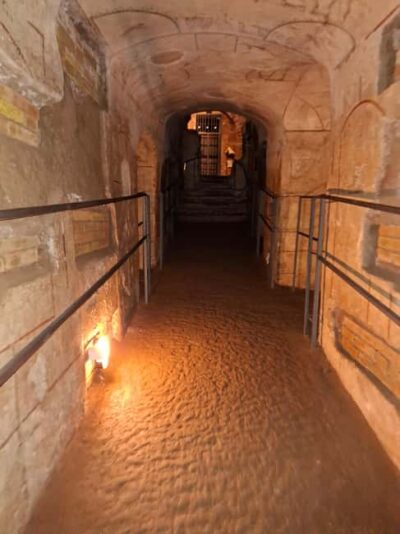
The on-site experience is built around visiting the Stadium of Domitian and using an audio guide there. Since the materials you’ll use are included with the ticket, you’re not hunting for an app purchase or paying again for basic explanations.
You’ll start at the meeting point: Stadio di Domiziano on Via di Tor Sanguigna. That matters because Rome’s attractions are spread out enough that meeting-location confusion can eat half a morning. Once you’re there, you follow the flow for reserved entry.
Here’s what tends to make this kind of site experience work well:
- You’re in a contained environment, so the audio narration can focus on architecture and history without you constantly checking your phone map.
- The pacing of a one-day combo is simple: you do the stadium first, then you shift to the Heart of Rome walk. That order helps—seeing an ancient structure primes you to spot what changed (and what stayed).
One reviewer specifically praised how the remnants are well presented and called the exhibition “great,” while another mentioned a VR add-on (extra cost) that sounded worth it. That tells you there’s likely more than one way to experience the space. If you love tech extras, check whether the optional VR is available during your visit. If you don’t, you’re still covered with the included audio.
Heart of Rome Audioguide: Turning a Walk Into a Story
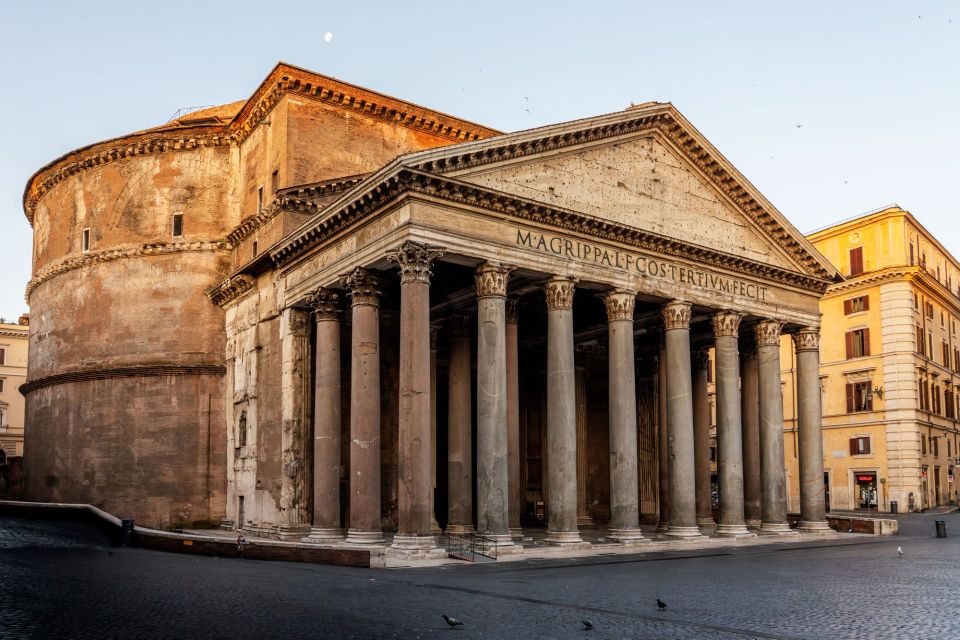
After the stadium visit, you move into the real magic trick of this tour combo: the Heart of Rome audio guide. Instead of returning your ticket to the shelf after entry, you’re given a way to connect landmarks in a sequence.
The audio format retraces symbolic sites across Rome, walking through the memories of the Roman Empire and then into later layers—Christian testimonies, the faith of martyrs and saints, art shaped by spirituality over centuries, and the architectural scenes that frame it all. That’s why this combo feels more valuable than buying a stadium ticket alone. You get continuity.
One thing I especially like about audio-led city walks in Rome is that they help you move at your own pace without losing the plot. You’re not stuck in a group schedule. You can pause, look at details, and then resume when you’re ready. For a city as visually dense as Rome, that flexibility is a big deal.
Language support is also strong: the virtual audio track is available in Italian, English, French, Spanish, German, and Portuguese. That means you can keep the same story thread even if you’re traveling with friends or family who don’t speak English.
And yes, the audio includes recognizable stops. For example, one reviewer highlighted that it explains how Piazza Navona looked in Roman times. So you’re not just hearing vague “Rome was great” narration—you’re getting specific context tied to places you can see.
Smartphone Setup: The One Thing You Must Get Right
This tour’s biggest practical difference from many guided products is that the audio depends on technology. The stadium portion includes an audio guide, but the city walk requires you to download a specific app.
The “know before you go” tip is crucial: you’ll need to download the Vatican&Rome App from the App Store or Play Store to listen to the audio guide.
So here’s the advice I’d give you the night before:
- Download the app in advance (not at the meeting point with weak wifi).
- Make sure your headphones are ready.
- Fully charge your smartphone.
- Consider offline needs. The tour info doesn’t explicitly say how much content is downloadable, so don’t gamble—plan as if you’ll need good connection where possible.
Also, you can show your ticket on your smartphone. That simplifies entry, but it also means your phone becomes the key. If you worry about battery life, bring a small power bank (not listed as required, just smart).
If you follow that setup, the audio aspect stops being a chore and becomes the best part of the day.
Group Size, Pace, and Meeting Point Reality
This is a small group tour capped at 10 participants. In Rome, that’s a sweet spot. Too many people and you lose control of your schedule. Too few and it can start to feel like a private consultation. Here you get something more predictable: you’re guided into the reserved entry flow without feeling swallowed by a crowd.
The tour includes a host or greeter (Italian and English). That’s important because it’s the human layer you may need if something doesn’t work—like a ticket scanning hiccup or where to stand when the group is called.
Speaking of hiccups, one review described a frustrating ticket issue that took them to multiple locations before they were finally allowed in after staff intervention. I can’t predict whether that happens to you, but it’s a reminder to double-check your confirmation email and keep your booking details accessible on your phone. Rome is full of ticket systems, and sometimes the wrong counter handles the wrong type of pass.
Meeting point clarity helps reduce that risk. You’ll head to Stadio di Domiziano on Via di Tor Sanguigna. Go there with a little extra buffer—Rome slows you down even when everything is “simple.”



What’s Included (and What Isn’t) When You Want Control
Your package includes:
- Stadium of Domitian entry fee
- Stadium of Domitian audio guide
- Heart of Rome audio guide
Not included: a guide. That matters because it changes the experience style. You’re buying interpretation through audio, not through a person who can answer questions in real time.
This approach can be a plus if you like freedom and don’t want to keep up with footsteps. It can also be a minus if you love interactive Q&A or you want someone to tailor the story to your interests.
In practice, think of this as a “self-guided day with ticket assurance.” The reserved entry is what you’re really paying for, and the audio is what keeps the day from being random wandering.
Comfort, Rules, and Who Should Skip This Combo
This combo isn’t for everyone, and the limitations are worth reading carefully before you book.
What you should bring
- Comfortable shoes (you’ll be walking during the city audio portion)
- Headphones (required to listen)
- A charged smartphone (for your ticket and audio)
What isn’t allowed
- Food and drinks
- Baby carriages
Not suitable for
- People with mobility impairments
- People with claustrophobia
- Wheelchair users
That last point is especially important. A stadium setting can involve enclosed or awkward-feeling spaces depending on the route and access points, and if you’re sensitive to that, it’s better to choose a different format.
If you meet the physical criteria, you’ll probably enjoy the experience more. If not, don’t force it—Rome rewards the trip that fits your body, not the one that looks perfect on paper.
Price, Timing, and Why This Combo Works in One Day
The tour is listed as valid for 1 day with starting times based on availability. That’s a real advantage for planning. If you only have limited time in Rome (and most visitors do), a one-day combo that includes both entry and an audio city route is a smart way to stack value.
At $17 per person, you’re not paying for a full live guide or a long multi-stop itinerary. You’re paying for:
- Reserved access (so you’re not spending your best morning waiting)
- Audio interpretation that you can control with headphones
- A structured way to connect sites after you leave the stadium
In other words, this is best for travelers who like a clear plan but want to walk independently after the first stop.
If you’re the type who prefers “show me, then tell me exactly what to do next,” you might find this style too independent because the package doesn’t include a guide. If you’re the type who likes to roam, stop, look up facts, and adjust pace to your energy, this combo will feel natural.
Tips to Get More Out of the Stadium and the Walk
A few practical habits can turn this from a basic sightseeing day into a genuinely memorable one.
First, treat the stadium visit as the warm-up. After you see the structure, listen to how the audio frames what you’re looking at. Then, when the Heart of Rome audio takes over, you’ll recognize the pattern: how Roman civic life evolves into later religious and artistic layers.
Second, keep your phone use simple. Don’t juggle ticket screens and settings mid-walk. Have your app ready before you start the city track.
Third, if you’re curious about extras, ask about the optional VR add-on mentioned by a reviewer. If it’s available during your visit, it could be a fun way to visualize the space. If not, the included audio still gives you the explanation thread.
Finally, wear shoes you don’t regret. Rome walking is real, and since the audio portion depends on your movement, you don’t want sore feet cutting the day short.
Should You Book This Rome Stadium + Heart of Rome Combo?
Book it if you want a ticket-secured Stadium of Domitian visit plus a multilingual audio walk that helps you connect Roman and later Christian layers across the city. I’d especially recommend it if you travel in a small group, like self-guided pacing, and you’re comfortable using a smartphone app with headphones.
Skip it if you need wheelchair-friendly access, have claustrophobia concerns, or prefer a live guide you can ask questions to. Also skip the “last minute app download” plan—this experience depends on the Vatican&Rome App, and scrambling kills the vibe.
If your goal is a one-day Rome experience that doesn’t waste time in lines and doesn’t stop at one single site, this combo is a strong value.
FAQ
What does the Stadium of Domitian ticket include?
It includes Stadium of Domitian entry, a Stadium audio guide, and the Heart of Rome audio guide.
Do I need a guide for this experience?
No. A guide is not included. You’ll use the included audio guides.
Can I use my smartphone for entry?
Yes. You can show your ticket on your smartphone.
How do I listen to the Heart of Rome audio guide?
You need to download the Vatican&Rome App to listen to the audio guide.
What languages are available for the audio?
The Heart of Rome audio is available in Italian, English, French, Spanish, German, and Portuguese.
Where is the meeting point?
Go to Stadio di Domiziano on Via di Tor Sanguigna.
What should I bring?
Bring comfortable shoes, headphones, and a charged smartphone.
Is the tour suitable for wheelchair users or mobility impairments?
No. It is listed as not suitable for wheelchair users and people with mobility impairments.