REVIEW · ROME
Rome: 1-Day City Highlights & Colosseum Private Guided Tour
Book on GetYourGuide →Operated by Tour in the City - Travel Agency Rome - · Bookable on GetYourGuide
Rome is a lot in one day. This private tour is a smart way to see the big hits—Spanish Steps, Trevi, Pantheon—and then get into the Colosseum and Roman Forum with reserved, skip-the-line-style access. It’s built for first-timers who want Rome’s essentials without losing half the day to lines and walking in the wrong direction.
Two things I really like: the morning route is flexible so you can steer toward what you care about most, and the Colosseum portion comes with a guided plan that explains what you’re actually looking at. One practical consideration: lunch is on your own, and the day includes moderate walking plus strict rules on bags inside the Colosseum.
If you end up with Georgio as your guide, you’ll probably feel the difference. His explanations tend to make the ruins click fast, and the post-lunch walking section is where his pacing helps you move without rushing or getting lost.
In This Review
- Key things to know before you go
- How the morning pickup and private driving really helps
- Spanish Steps, Trevi Fountain, and Piazza Navona with less stress
- Pantheon rules, oculus views, and why it still hits
- Tiber River, Ponte Sant’Angelo, and the Janiculum viewpoint payoff
- Piazza Venezia and Hadrian’s Mausoleum: city symbols and imperial power
- A real lunch break: what to do with your time
- Entering the Colosseum: reserved access, security, and smart pacing
- Roman Forum and Palatine Hill: views you feel in your legs
- Duration, walking level, and who should pass
- Price and value: what you’re paying for at $621.08
- Who this private Rome day tour suits best
- Should you book this Rome highlights and Colosseum private tour?
- FAQ
- How long is the Rome highlights and Colosseum private tour?
- Where are you picked up, and where does the tour end?
- Is lunch included?
- What’s included for the Colosseum and Roman Forum?
- What dress code do I need?
- Are bags, backpacks, or selfie sticks allowed?
- Is this a private tour, and what languages are available?
- What is the cancellation policy?
Key things to know before you go
- Hotel pickup + private transport means you’re not fighting buses or taxis between scattered sights.
- Morning highlights are flexible but you still need a short list of what matters most to you.
- Colosseum access includes privileged entry plus a professionally guided 3-hour block for the Colosseum and Roman Forum.
- Bag and selfie-stick rules are strict inside the Colosseum, so pack light.
- Dress code applies for churches and worship sites: no shorts or sleeveless tops; knees and shoulders covered.
- This is not built for wheelchair users and it involves moderate walking.
How the morning pickup and private driving really helps
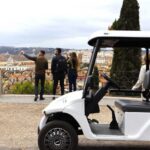
You start with a morning pickup from your accommodation in central Rome. Then you’re in a private car with an air-conditioned ride and an English-speaking driver, with parking handled for you. That small detail matters in Rome—time lost searching for a parking spot can eat your whole schedule.
The tour is also private in the real sense: the maximum group size is 7, and the minimum is 2. That keeps things calmer around crowded squares and makes it easier for your guide to adjust on the fly if the day is hot, rainy, or otherwise messy.
Your guide’s first big job is setting the tone. You’ll move between landmarks in a logical flow, with scenic stops along the way, rather than treating Rome like a checklist you sprint through.
You can also read our reviews of more guided tours in Rome
Spanish Steps, Trevi Fountain, and Piazza Navona with less stress
The day’s first photo stops are classic for a reason. The Spanish Steps are where you’ll get that postcard Rome feeling right away—wide stairs, elegant façades, and the buzz of people hanging around. It’s a great place to orient yourself before the rest of the day starts stacking up.
Then comes Trevi Fountain, famous for its coin-toss tradition. Your guide will help you get in position for photos and understand why it matters in Roman culture and urban life—not just where to stand. Crowds can be intense, so having a planned moment instead of wandering helps a lot.
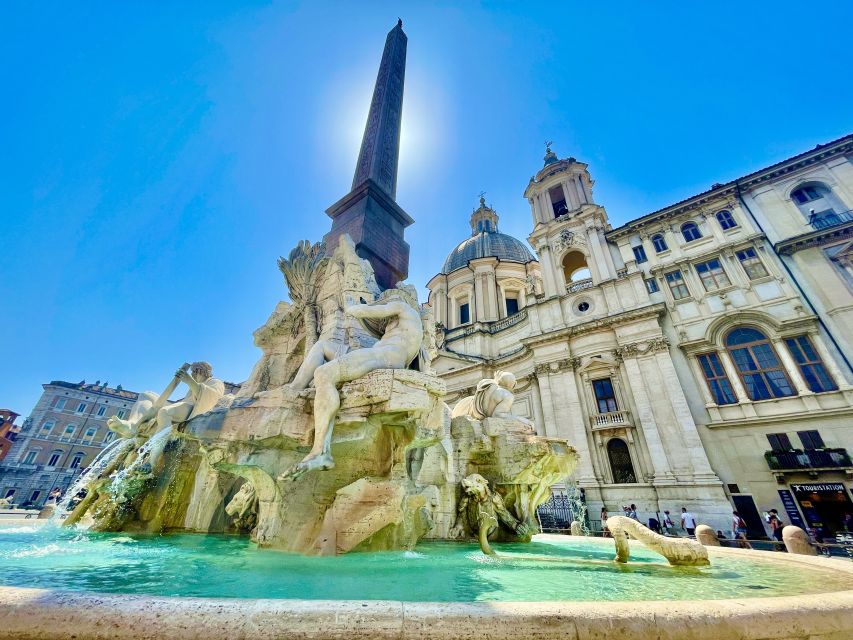
Piazza Navona is the next showpiece. This is a Baroque square anchored by Bernini’s Fountain of the Four Rivers, and it’s one of the best places in Rome to see how art, politics, and city planning all worked together. The downside is that it’s popular—so expect people. The upside is that you’ll be seeing it as part of a route, not as a “good luck” mission.
Pantheon rules, oculus views, and why it still hits
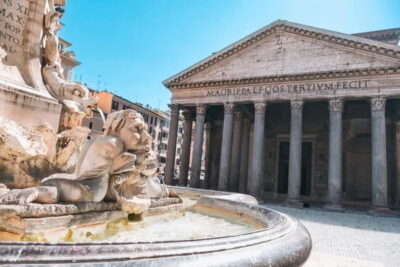
Next up is the Pantheon, one of the best-preserved ancient buildings in Rome. Even if you’ve seen photos, standing inside is different because the scale is real and the design is doing the work.
Your guide points out how it was originally a temple and how it functions today as a church. One moment to aim for is the oculus—the opening near the top that lets in daylight in a way that feels almost intentional for the space below. If you time it right, you’ll catch light that turns the interior into a moving photograph.
This is also where you should be mindful of the dress code. For places of worship, you need knees and shoulders covered—no shorts, no sleeveless tops for men or women. Rome has a way of enforcing rules at the door, and you don’t want a last-minute clothing scramble.
Tiber River, Ponte Sant’Angelo, and the Janiculum viewpoint payoff
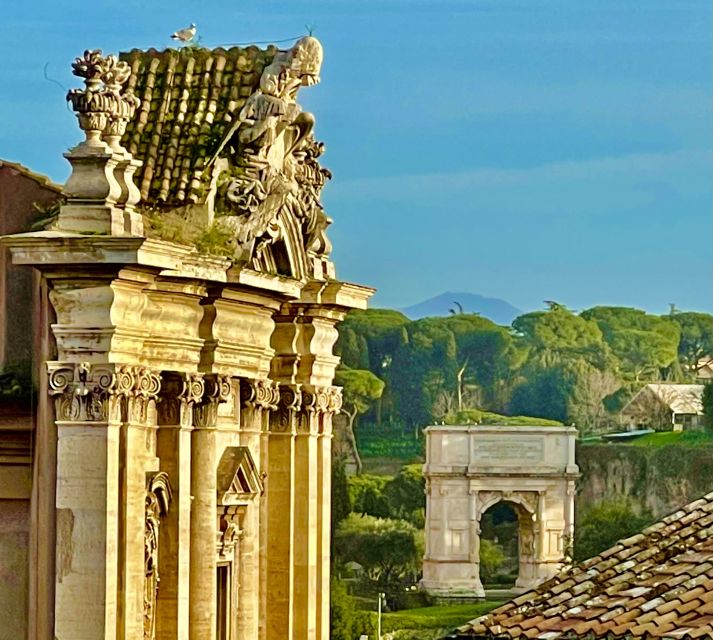
After the main squares and the Pantheon, the route starts rewarding you with bigger views. You’ll get time along the Tiber River and then Ponte Sant’Angelo, the bridge that offers wide perspectives toward Castel Sant’Angelo. Even from the street level, it’s easier to understand Rome’s geography when you can see how the river slices through the city.
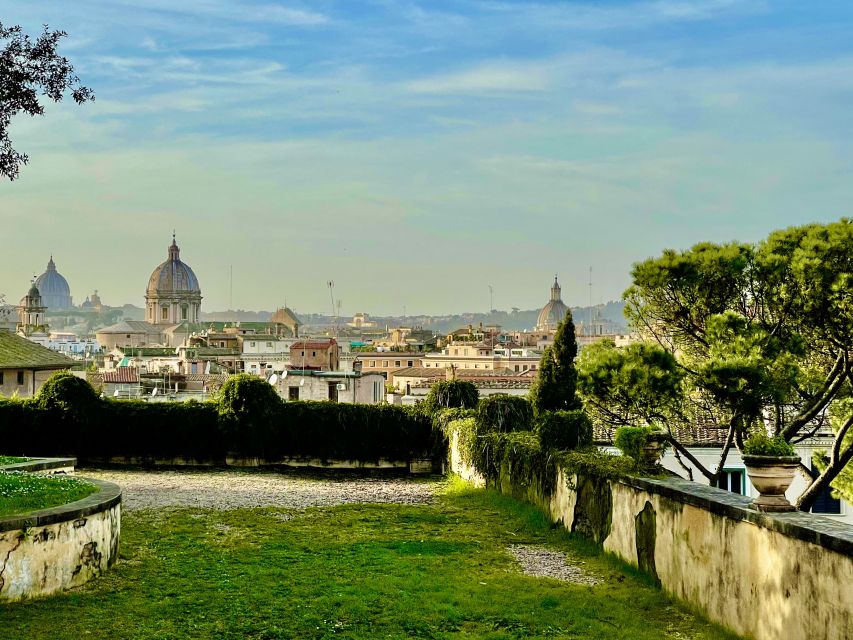
Then you climb to Janiculum Hill, one of the best places in Rome to get a sense of scale. From up here, you can look out over the sprawling city and spot key monuments from a distance. It’s also where you’ll see the historic Circus Maximus from above—this ancient stadium once powered huge chariot-racing crowds, and the viewpoint helps you imagine the energy.
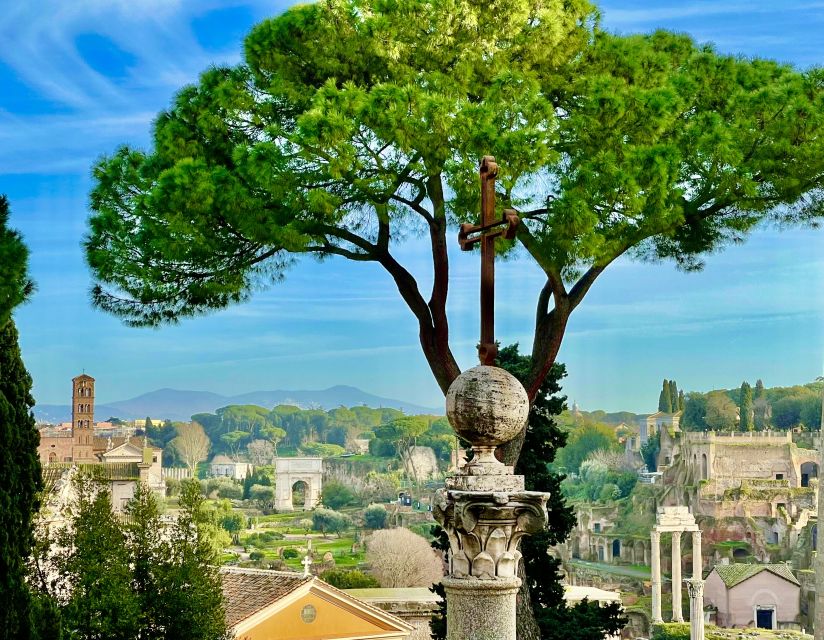
The hill also sets you up for the archaeological area later. Seeing the Forum and Palatine views from a distance makes the ruins feel less random and more like a system—Rome’s power center spread out across space, not just one isolated site.
Piazza Venezia and Hadrian’s Mausoleum: city symbols and imperial power
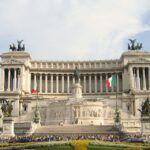
Piazza Venezia brings you to one of the most recognizable Rome monuments: the Vittoriano, often called the Wedding Cake. Even if you don’t love its style, it’s a strong marker of modern Italian identity sitting in the middle of an ancient city. It’s a reminder that Rome isn’t frozen in time.
From there, you continue toward Hadrian’s Mausoleum, a massive imperial presence that helps you connect the “big emperor” story across centuries. Your route continues onward to Ponte Sant’Angelo, so you’re not just hopping around—you’re building a mental map of where power lived and how Rome displayed it.
This part of the morning is less about one perfect photo and more about getting your bearings. If you like seeing how Rome’s layers fit together—ancient, medieval, modern—this stop sequence does the job.
You can also read our reviews of more city tours in Rome

A real lunch break: what to do with your time
Lunch is included as time, not food. You’ll take a relaxing break for lunch, and it’s not included, so you can choose where and what you eat.
Here’s how I’d play it: keep it close to where the tour is operating, because you’ll be on a schedule for the Colosseum portion after lunch. If you go far, you risk turning a simple meal into a timing headache. Also, pick something that doesn’t require a long wait—your day’s energy is best saved for the afternoon ruins.
If your priority is photos, you might choose a quick sit-down spot first, then save walking gear for after lunch. If your priority is comfort, grab a meal that gives you a calm reset before the Colosseum crowds and security checks.
Entering the Colosseum: reserved access, security, and smart pacing
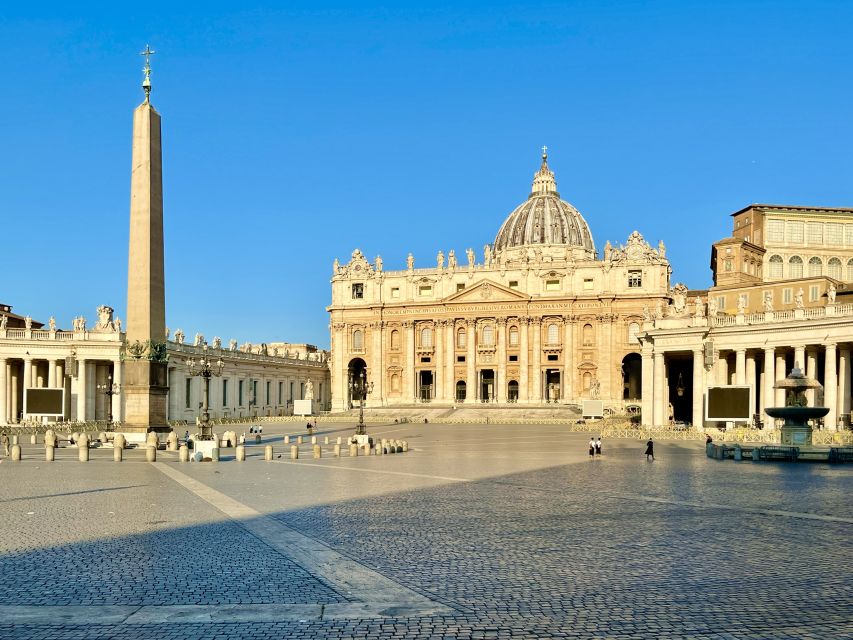
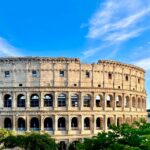
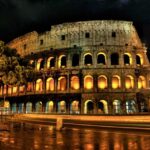
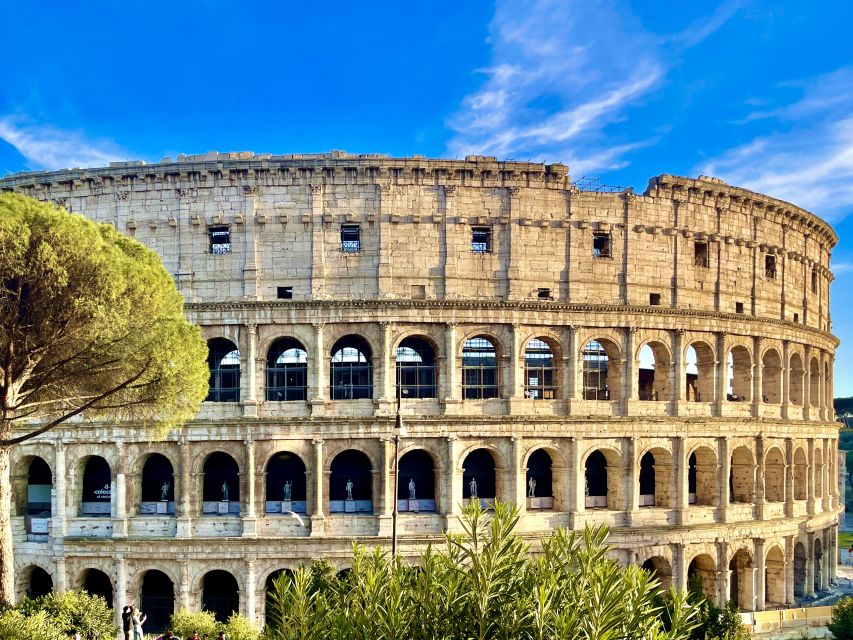
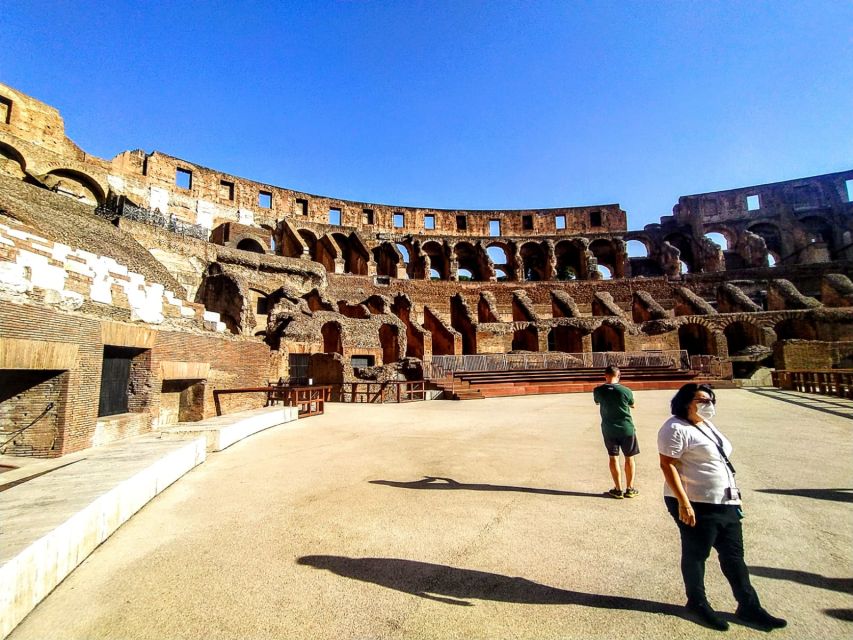
After lunch, you get the main event: an exclusive skip-the-line private tour of the Colosseum. You’ll have privileged entrance and a reservation service tied to the Colosseum, Roman Forum, and Palatine Hill area.
One logistical detail you should treat seriously: large bags, backpacks, and suitcases aren’t allowed. The Colosseum doesn’t offer a cloakroom service, so you can only bring small bags. Your best move is to travel light—passport or ID, wallet, phone/camera, and a small layer if you get chilly.
Also, selfie sticks are not allowed inside the Colosseum for security reasons. That one always catches people off guard, so plan to shoot handheld or use standard camera grips.
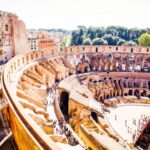
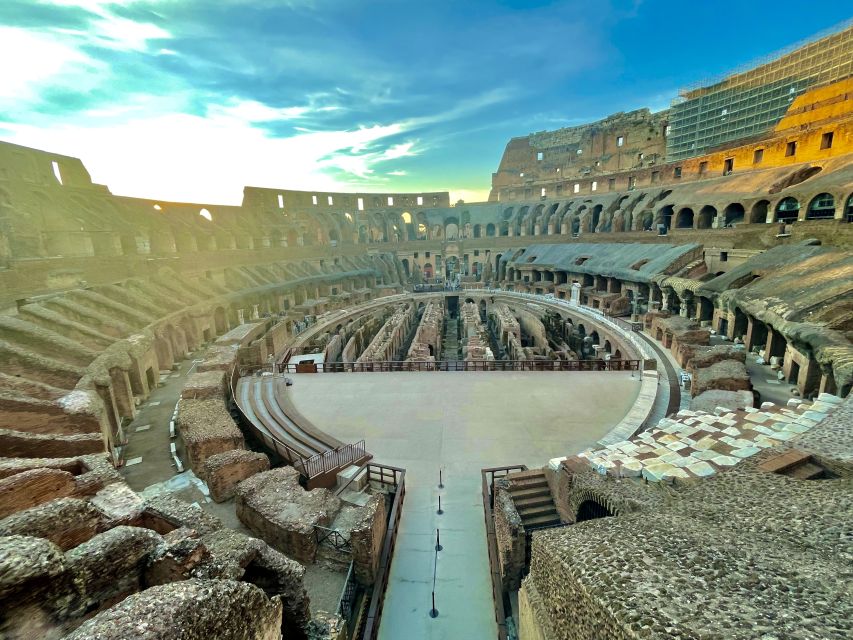
Inside, the guide focuses on what makes the Colosseum so impressive: Roman construction techniques, the engineering behind seating and flow, and what the venue was designed to stage. You’ll also be reminded that it wasn’t just “a big ruin”—it was built for spectacle, including gladiator fights and exotic animal shows. The goal is to help you look at the stone and understand the system behind it.
Roman Forum and Palatine Hill: views you feel in your legs
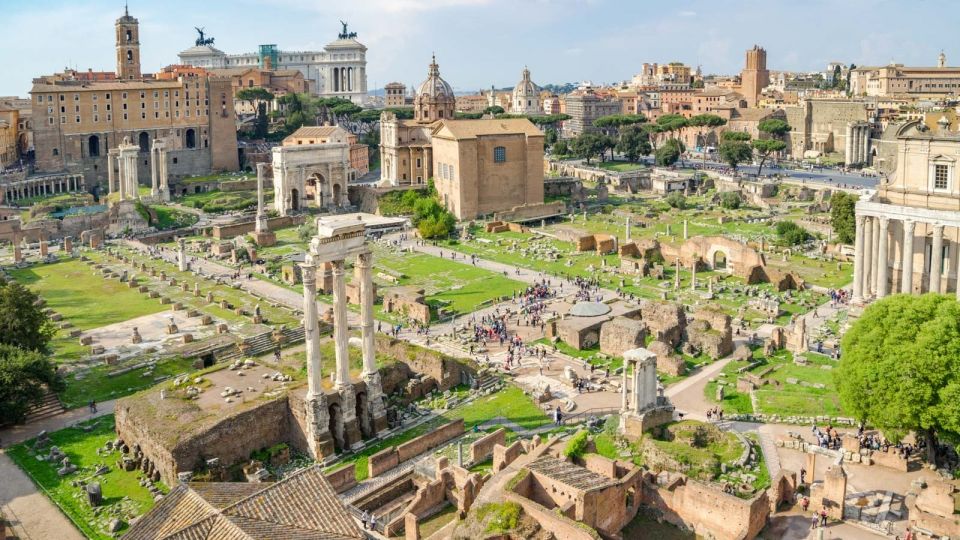
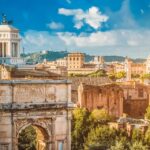
Your tour continues with a professionally guided 3-hour Colosseum and Roman Forum portion, and then it extends into Palatine Hill. This is where the day turns from monuments to atmosphere.
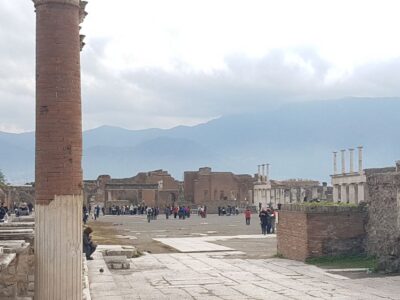
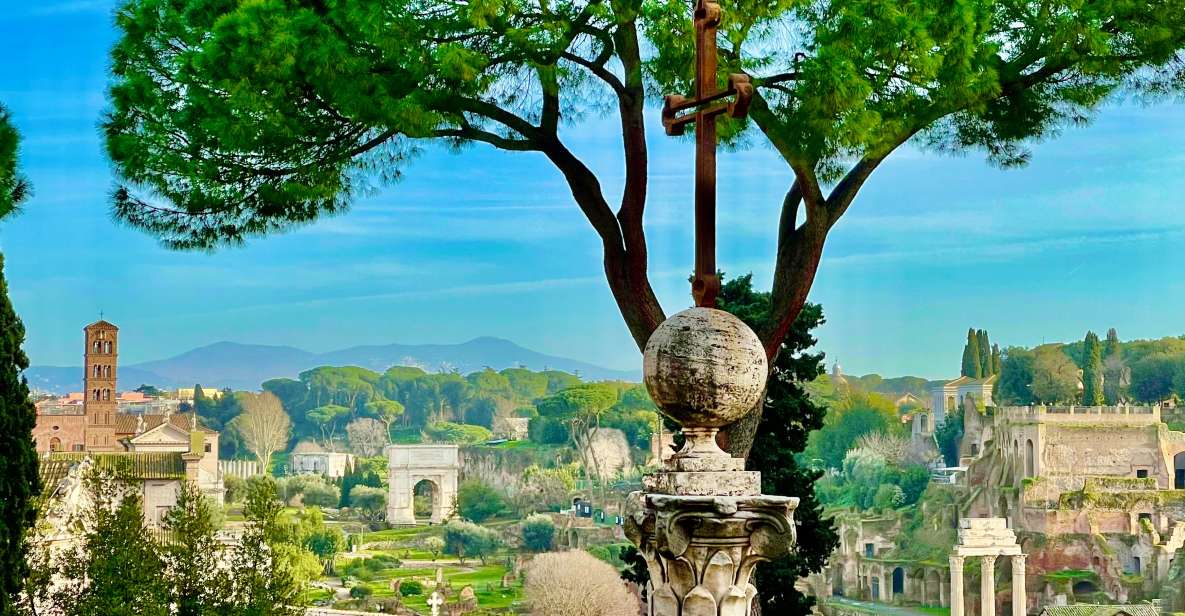
Palatine Hill was the prestigious residence zone of Roman emperors. From its elevated position, you get commanding views: one side looks toward the Circus Maximus area, and the other opens over the Roman Forum. Standing above it changes how you read the space—you start to see why emperors picked this area, and how the Forum functioned as Rome’s political, religious, and commercial center.
You’ll encounter some of Rome’s most evocative ruins within the archaeological area. The guide’s job here is to translate what you’re seeing: which parts connect to power, which parts show daily influence, and which angles reveal the Forum’s layout.
The payoff is that you don’t just walk through the Forum—you understand what you’re looking at while you walk. That’s the difference between “I saw it” and “I get it.”
Duration, walking level, and who should pass
This is a 6-hour day. On paper, it sounds short. In practice, it’s a tight mix of driving between sights, a morning sequence with scenic stops, then a long Colosseum afternoon with walking and uneven surfaces.
The tour notes a moderate amount of walking. That’s good news if you’re comfortable moving at a tourist pace for a few hours. It’s not good news if you’re prone to pain, fatigue, or mobility limitations.
This tour is explicitly not suitable for wheelchair users and not designed for people with mobility impairments. If you’re in a mobility situation, you’ll want a different plan that focuses on minimal stairs and fewer walking segments.
Finally, dress code rules apply. Even if you’re just visiting the Pantheon, you need knees and shoulders covered for places of worship. Bring a light layer that covers easily if you’re traveling in warmer weather.
Price and value: what you’re paying for at $621.08
At $621.08 per person, this isn’t a cheap “hop-on, hop-off” day. But it also isn’t trying to be. You’re paying for private transport, guided time, admission access, and the Colosseum timing that matters most.
What’s included that makes the price feel more rational:
- Hotel pickup + private car and driver with parking fees and permission to enter the city center
- A professional guide service for the morning panoramic component (3 hours)
- Admission fees with privileged entrance
- A 3-hour guided Colosseum and Roman Forum block with skip-the-line access and reservation service covering Colosseum, Roman Forum, and Palatine Hill
- Taxes, insurance, and support/assistance
The biggest “value lever” for you is your group size and how much you dislike lines. Since the min is 2 people and the max is 7, couples and small groups can spread costs while keeping the experience private.
The biggest “value risk” is expectations. If you want a slow, sit-and-stare Rome day with lots of free roaming, a 6-hour structured route with strict Colosseum rules may feel rushed. If you want Rome’s highlights plus the Colosseum done in the most efficient way possible, the price starts to look more like a convenience fee—in the good way.
Who this private Rome day tour suits best
This is ideal for you if:
- It’s your first trip to Rome and you want the core landmarks plus a real Colosseum experience.
- You want private driving to connect distant sights without stress.
- You care more about guided clarity than wandering for hours to figure things out.
- You can commit to moderate walking and pack light for security.
It’s not the best fit if:
- You use a wheelchair or have mobility constraints that make uneven ancient surfaces hard.
- You can’t follow the Colosseum bag and selfie-stick rules.
- You want lunch included and planned for you. Lunch is flexible, not included.
Should you book this Rome highlights and Colosseum private tour?
If your main goal is seeing Rome’s icons plus understanding the Colosseum and Forum without losing time to lines, I’d seriously consider it. The combination of private transport, a morning that stays flexible, and a guided Colosseum block with privileged access is built for efficiency and clarity.
Book it if you’re comfortable with moderate walking and you’re willing to pack a small bag. Skip it if you need full accessibility support or you’d rather spend your day doing long, unstructured wandering.
If you do book, go into lunch with a plan for what you’ll do after. And if you get Georgio, be ready for strong explanations that help the ruins feel less like stone and more like a working city.
FAQ
How long is the Rome highlights and Colosseum private tour?
The tour runs for 6 hours. Exact starting times vary, so you’ll need to check availability for the times offered on your date.
Where are you picked up, and where does the tour end?
Pickup is included from your accommodation in central Rome. The tour ends at Colosseo, and drop-off back at your hotel is not included.
Is lunch included?
No. There is a break for lunch, but food and drinks are not included, so you choose where to eat.
What’s included for the Colosseum and Roman Forum?
You get admission fees with privileged entrance and a professionally guided 3-hour service for the Colosseum and Roman Forum with skip-the-line access. There is also a reservation service for special skip-the-line entrance to the Colosseum, Roman Forum, and Palatine Hill.
What dress code do I need?
A dress code is required for places of worship. No shorts or sleeveless tops are allowed; knees and shoulders must be covered for both men and women.
Are bags, backpacks, or selfie sticks allowed?
Large bags, backpacks, and suitcases are not allowed. You can only bring small bags since there is no cloakroom service. Selfie sticks cannot be used inside the Colosseum.
Is this a private tour, and what languages are available?
It’s a private group. The minimum is 2 people and the maximum is 7. Live tour guide languages include Spanish, English, French, German, Italian, and Russian.
What is the cancellation policy?
You can cancel up to 4 days in advance for a 50% refund.