REVIEW · ROME
Rome: A Journey Back in Time to the Roman Era, Half Day Tour
Book on GetYourGuide →Operated by Welcome Italy by Spare Tour S.r.l. · Bookable on GetYourGuide
Rome has a quieter side than the Colosseum. In this half-day tour, I love how you trade big, overwhelming ruins for first-rate Roman art in the Museo Nazionale Romano, then step into the Baths of Diocletian, where the scale still hits you but the pace feels manageable. I also like that the tour threads art, architecture, and science together, with time set aside for the planetary sundial inside Santa Maria degli Angeli. One thing to consider: it’s only 3 hours, so you’re not going to cover every corner of ancient Rome, and the basilica dress rules can trip you up if you’re traveling light.
You’ll start and end at Basilica of Saint Mary of the Angels and Martyrs, then move through Palazzo Massimo alle Terme and the Diocletian Baths area with guided time built in. Expect walking (including some underground-looking spaces and places of worship) and plenty of photo pauses, but not a slow, sit-down museum day. The upside is that it’s structured to show you the art and monuments people miss when they rush straight to the headline sites.
Before you go, plan for practical constraints: comfortable shoes are a must, the tour runs in all weathers, and it’s not suitable for people with mobility impairments or wheelchair users. Also, the basilica has a clothing requirement, so if you’re in shorts, mini skirts, or bare shoulders, you’ll need a quick fix.
In This Review
- Key Highlights You’ll Feel Right Away
- Why This Tour Works When Colosseum-First Plans Fail
- Starting at Santa Maria degli Angeli: A Dress Code Reality Check
- Palazzo Massimo alle Terme: Roman Masterpieces in a Manageable Route
- Possible drawback: museum intensity in a short time
- Baths of Diocleziano: The Courtyard Story and Why It’s Not Just Ruins
- Practical note: walking comfort matters here
- Underground Areas and Places of Worship: Seeing Rome Through Different Rooms
- The Planetary Sundial in Santa Maria degli Angeli: When Astronomy Gets Political
- Don’t trip on the dress code
- Price and Value: Is $167.66 for 3 Hours a Good Deal?
- Who This Half-Day Route Fits Best (and Who It Might Not)
- What to Bring: The Small Stuff That Makes the Tour Feel Easy
- How to Get the Most Out of the Guided Time
- Should You Book This Tour?
- FAQ
- How long is the Rome: Roman Era half day tour?
- Where does the tour start and end?
- What’s included in the price?
- Is hotel pickup or drop-off included?
- What languages are the guides?
- What should I wear for the basilica?
- Is this tour suitable for wheelchair users or limited mobility?
Key Highlights You’ll Feel Right Away
- Museum art without the main-sight chaos: Palazzo Massimo alle Terme keeps you focused on masterpieces rather than crowds.
- Terme di Diocleziano restored by Michelangelo: you’ll see the thermal-baths setting shaped by a later giant.
- Underground and worship spaces: the tour includes walking through areas that change how you picture Roman daily life.
- Imperial palace treasures and famous works: highlights include Myron’s Discus Thrower (Myron’s Discobolus) and the Old Boxer.
- Science stop at the planetary sundial: Santa Maria degli Angeli features the one planetary sundial built by 17th-century astronomers for the Pope.
- Guides who explain the why, not just the what: guides like Mohammed and Fabio are praised for pacing and context.
Why This Tour Works When Colosseum-First Plans Fail
Ancient Rome can feel like a firehose. The Colosseum and big-ticket ruins are iconic, but they’re also noisy, crowded, and often so huge that your brain starts to blur details.
This tour does a smarter switch. Instead of trying to beat the crowds where everyone goes, you focus on where Rome’s precious art is kept: the Museo Nazionale Romano, especially Palazzo Massimo alle Terme. I like this approach because it changes your question from What did Rome build? to What did Rome value—and how did art and ideas travel through time?
You’ll also get a rare combo that’s hard to assemble on your own. You move from visual art (sculpture, frescoes, mosaics) to a major architectural site (the Baths of Diocletian, tied to Michelangelo’s restoration choices) and then to a science-and-faith moment at Santa Maria degli Angeli. It’s one of those days where the pieces connect, even if you didn’t know they would.
You can also read our reviews of more tours and experiences in Rome.

Starting at Santa Maria degli Angeli: A Dress Code Reality Check
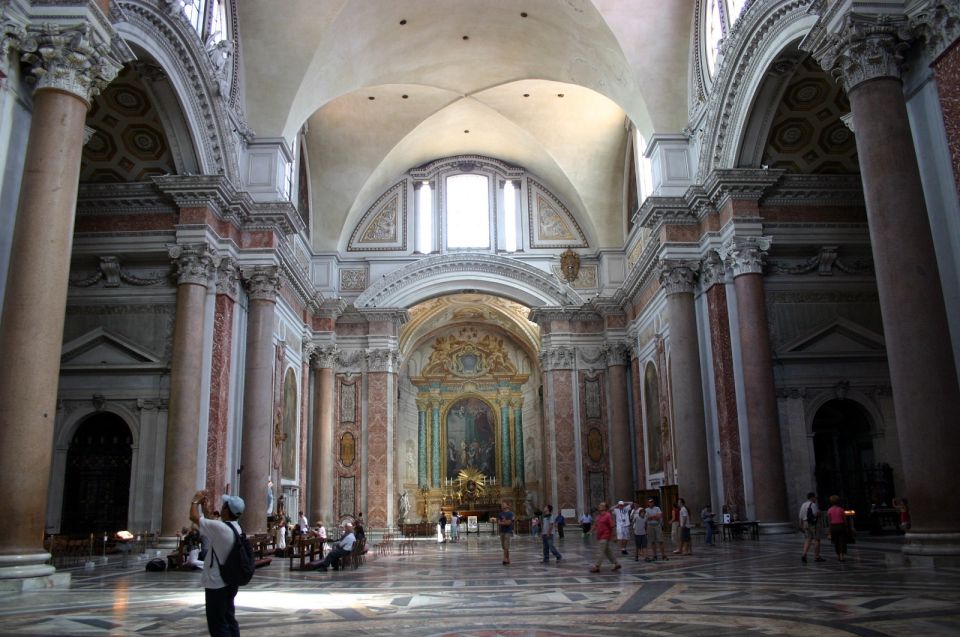
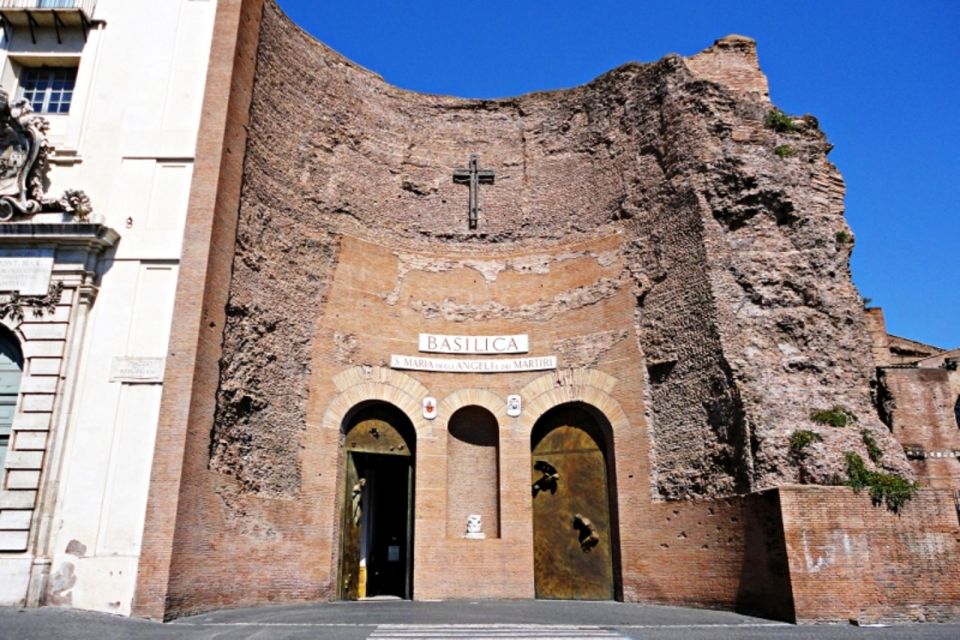
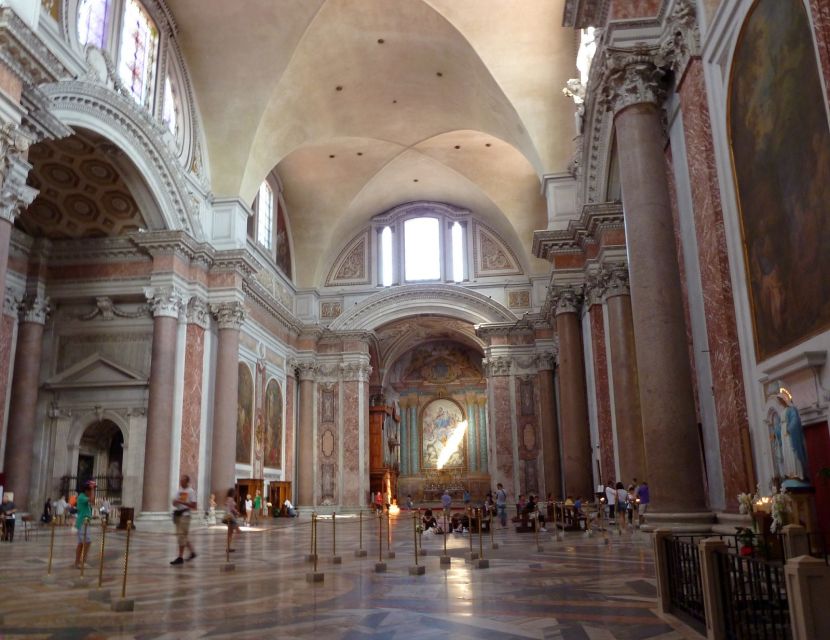
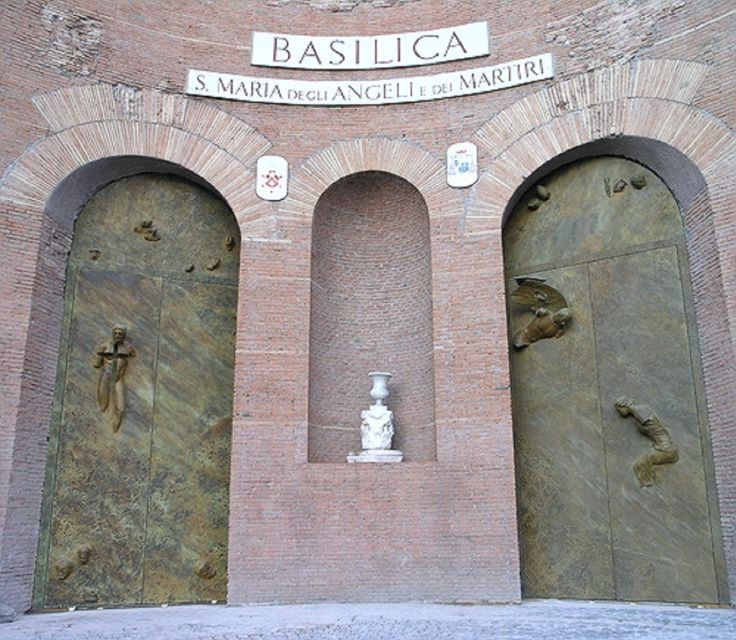
The tour begins at the Basilica of Saint Mary of the Angels and Martyrs. This matters because the stop is not just a meeting point; it sets the tone. You’re stepping into a major religious space, and that means there are rules.
Here’s the practical part: the basilica entrance requires appropriate clothing. Shorts, miniskirts, and uncovered shoulders are not allowed. If you’re visiting in hot weather, plan ahead. A light layer for your shoulders can save you from turning a history stop into a scramble.
You’ll walk to the other sites from here, but you’re also reminded that this Rome is not frozen in the past. The building is still active, still functioning, and still expects visitors to respect the space.
Palazzo Massimo alle Terme: Roman Masterpieces in a Manageable Route
Your second stop is the National Roman Museum at Palazzo Massimo alle Terme. This is where the tour’s logic clicks hardest. The message is simple: you’ll get famous Roman art away from the worst crowd and traffic pressures, and you’ll have guided time that helps you read what you’re seeing.
What you can expect inside:
- A guided museum visit (about 75 minutes)
- Time to photograph
- A walk that stays within the museum complex rhythm
This is also where the tour connects art to imperial life. The guide points you toward works and themes you might otherwise miss or only skim. Some highlights mentioned for this experience include:
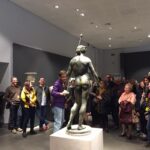
- Myron’s Discus Thrower (Myron’s Discobolus), a sculpture people often bring up when they talk about classical Greek influence on Roman art taste.
- The Old Boxer, a striking figure that helps you picture Roman interest in physical realism and dramatic character.
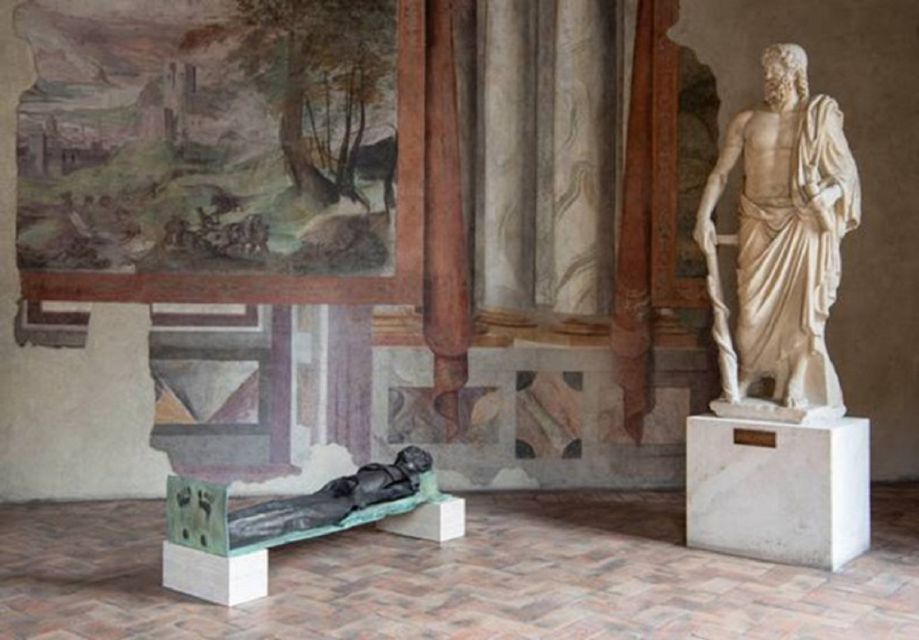
- Frescoes described as coming from the Garden Villa of Empress Livia, plus mosaics and tomb-related pieces that show Roman decoration wasn’t only about beauty—it was about identity and status.
I like this museum stop because it doesn’t just toss artwork at you. You’ll get context for why these works mattered, and how the museum collections connect to the broader Roman story (not just a list of objects).
Possible drawback: museum intensity in a short time
The tour is only 3 hours total, which means the museum is a guided highlight tour, not a full, slow education. If you’re the type who wants to stare at every detail for an hour, you’ll feel a little rushed at Palazzo Massimo. The trade-off is that you’ll still see standout works and not waste your morning on long queues.
Baths of Diocleziano: The Courtyard Story and Why It’s Not Just Ruins
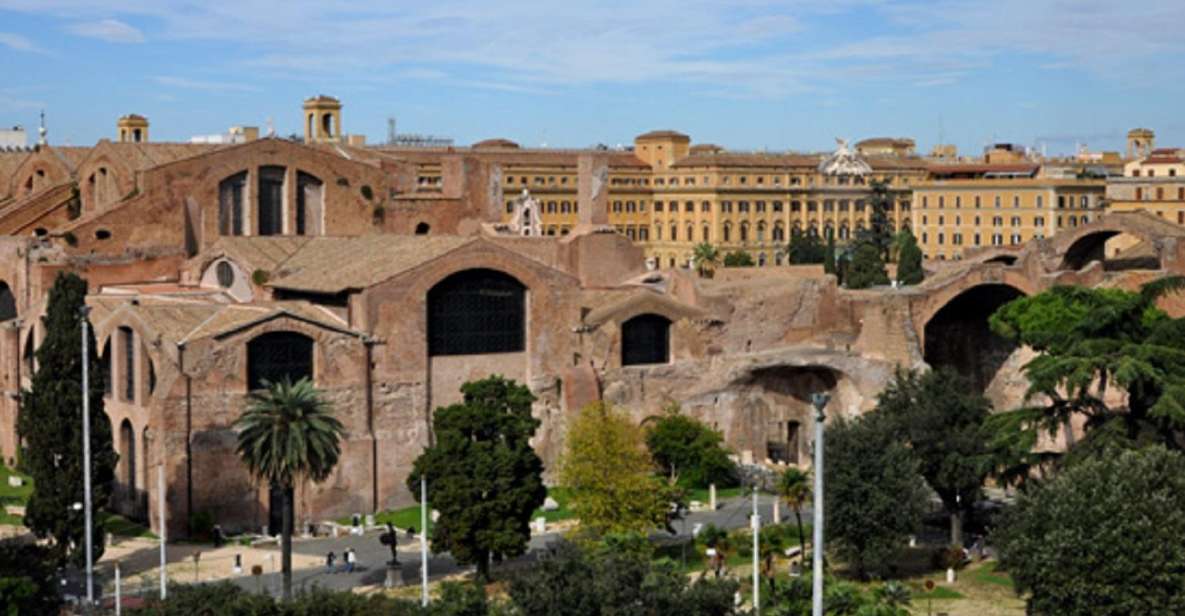
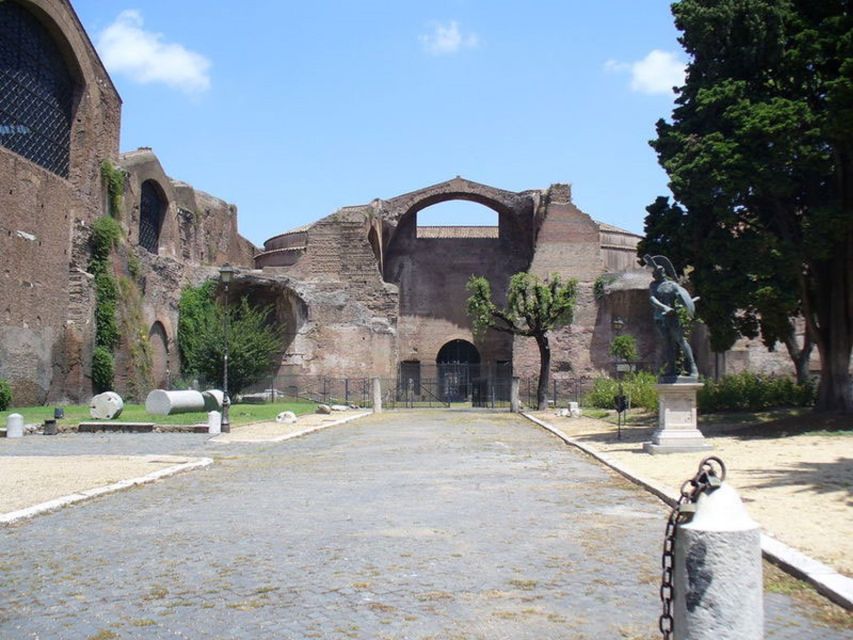
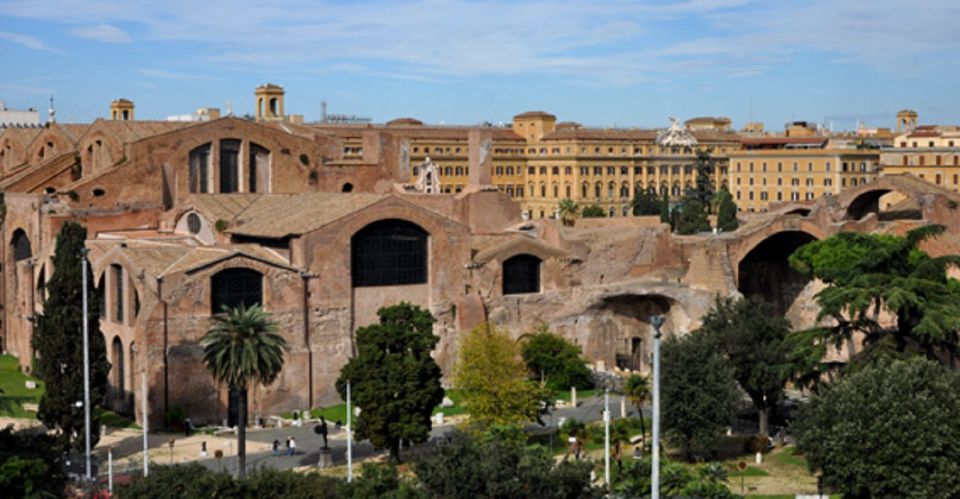
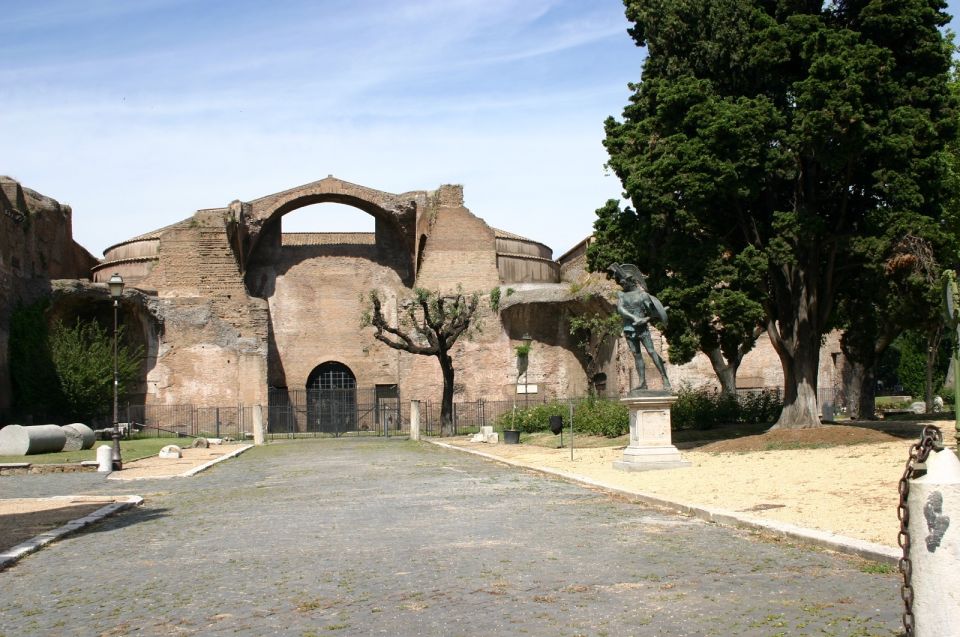
Next up: the Baths of Diocletian. This stop is about an hour of guided time with photo pauses and walking.
When people hear Baths of Diocletian, they think big stone structures. That’s part of it, but this tour adds a second layer: how later centuries reshaped the space.
One of the standout details is the mention of an evergreen wood area tied to the thermal baths setting, plus the big idea that the huge courtyard was restored by Michelangelo. That kind of historical layering changes what you see. You’re not only looking at ancient architecture. You’re also seeing how Renaissance-era minds handled the remains—what they chose to restore and how the site took on a new role.
Even if you don’t know the technical names of everything you’ll see, you’ll get the mental map:
- The baths weren’t only about hygiene. They were social life, ritual life, and cultural life wrapped into one place.
- The scale helps you feel the ambition of Roman public spaces.
- The later restoration adds a “Rome after Rome” perspective, which is often missing when people treat ruins like dead leftovers.


Practical note: walking comfort matters here
This is an outdoor walk with museum-adjacent time. Wear comfortable shoes and plan for uneven paths. You’ll be moving steadily, and you’ll get the most out of it if your feet aren’t fighting you.
Underground Areas and Places of Worship: Seeing Rome Through Different Rooms
A key promise of this tour is walking underground areas and places of worship. That’s not random flavor text. It changes how Roman life comes across.
Surface monuments can trick you into thinking Rome was only about power and spectacle. Underground and worship spaces remind you it was also about everyday movement, ritual, and belief—about how people entered spaces, how sound and light worked, and how the built environment supported routine.
This is also where your guide helps you stop “touring” and start interpreting. Instead of asking only What is this? you’ll ask What did people do here? Who gathered? Why here?
If you like history that has atmosphere—thickness of stone, shifting levels, and the feeling that you’re stepping through layered time—this portion is a strong fit.
The Planetary Sundial in Santa Maria degli Angeli: When Astronomy Gets Political
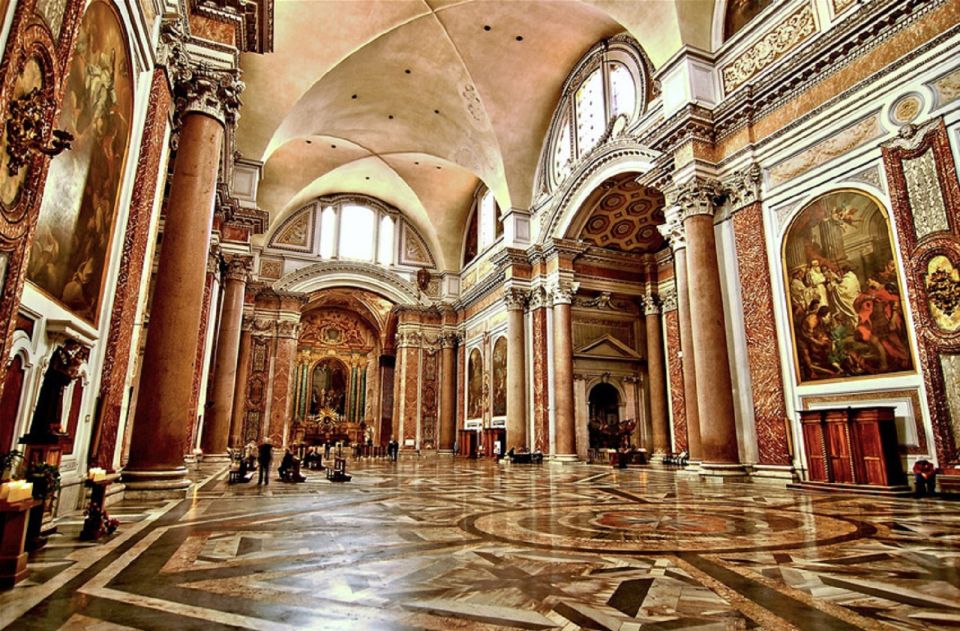
You finish at Basilica of Santa Maria degli Angeli again, with a guided visit about 45 minutes after the baths. This is the science stop, and it’s a good one.
Inside the basilica, the tour focuses on the one planetary sundial built by 17th-century astronomers for the Pope, designed to help calculate the perfect sequence of day and night throughout the seasons.
That might sound like niche trivia, but it’s actually a great anchor point. It shows you a side of Renaissance and post-medieval Rome that isn’t just art and architecture—it’s also measurement, timekeeping, and the belief that scientific tools serve religious and civic needs.
I like ending here because it gives your brain a final takeaway that’s different from just seeing ancient artifacts. You’re reminded that Rome’s intellectual life kept going, and it left its marks on places you can still walk into.
Don’t trip on the dress code
Because this is a basilica entrance, the clothing rules still apply. If you’re in shorts or bare shoulders, bring something simple that covers up. It’s faster than trying to improvise at the doorway.
Price and Value: Is $167.66 for 3 Hours a Good Deal?
The price is listed at $167.66 per person for a 3-hour tour with a professional guide and museum entrance tickets included.
Here’s how I’d judge value for this kind of experience:
- You’re paying for guided time across multiple major stops (museum, baths area, basilica).
- The museum ticket is included, which matters because museum-only tickets add up fast in Rome.
- You’re not paying for hotel pickup, so you keep the cost focused on the tour itself.
At the same time, consider what you are not getting:
- You’re not covering every big Roman landmark, and you’re not doing a full-day museum immersion.
- It’s not designed for low-walking, sit-and-stare pacing.
For the right traveler, it’s a fair deal: someone who wants a high-density Roman art and architecture route, with guide-led context, without spending the whole day stuck in logistics and queues.
If you’re on a tight schedule and you want Rome’s best art outside the main crush, this feels like the kind of tour that pays for itself in saved time and better understanding.
Who This Half-Day Route Fits Best (and Who It Might Not)
This tour is a strong match if you:
- Like art history but don’t want to spend your whole trip in one building
- Want Roman sculpture, frescoes, mosaics, and tomb-related objects in a guided format
- Prefer a quieter, structured approach rather than racing from Colosseum to Forum to Pantheon
- Enjoy historical layering, including how Michelangelo’s restoration shaped what you see
It may not be a great match if you:
- Need step-free routes or wheelchair access (it’s listed as not suitable for wheelchair users)
- Want very long museum time at a slow pace
- Are determined to spend the full morning on outdoor ruins only
Also, the tour runs in all weathers. If you’re someone who’s miserable in rain or wind, you’ll want to bring weather-friendly layers and consider how you handle wet stone and sudden temperature shifts.
What to Bring: The Small Stuff That Makes the Tour Feel Easy
This tour is short enough that good preparation matters. Pack for movement.
Bring:
- Comfortable shoes
- Sunglasses
- Camera
And add one smart Rome habit: a light cover-up for the basilica. Since uncovered shoulders and short hems aren’t allowed, it’s worth having something quick on hand that you can wear without drama.
How to Get the Most Out of the Guided Time
A 3-hour Rome tour lives or dies by how you use the guide. The best part here is that the format supports context, not just object spotting.
Guides such as Mohammed and Fabio are praised for being informative and for taking their time through the museum, church, and baths. That pace is exactly what helps you connect themes like imperial life, Roman taste, and how later artists and astronomers interacted with the city.
To make the most of it, do two things:
- Ask questions about why an artwork or building mattered, not just what it is
- Use the photo stops as moments to re-anchor your brain: look up, take in the scale, then bring your attention back to the guide’s explanation
It’s the difference between collecting pictures and collecting understanding.
Should You Book This Tour?
I’d book this if you want Roman art and architecture with good pacing in just half a day. The route is smart: it gives you major museum works like Myron’s Discus Thrower and the Old Boxer, pairs them with the emotional scale of the Baths of Diocletian, and then finishes with a genuinely unusual science angle at Santa Maria degli Angeli’s planetary sundial.
Skip it if you’re expecting a long, slow museum day, or if mobility needs make walking and the route setup difficult. Also, don’t underestimate the basilica dress code. A tour like this is worth it only if you can walk in comfortably.
If you’re ready for a concentrated, well-guided Roman experience that feels both art-credible and historically layered, this one is a strong pick.
FAQ
How long is the Rome: Roman Era half day tour?
The duration is 3 hours.
Where does the tour start and end?
It starts and ends at the Basilica of Saint Mary of the Angels and Martyrs.
What’s included in the price?
Entrance tickets to the museum are included, along with 3 hours with a professional guide.
Is hotel pickup or drop-off included?
No. Pickup and drop-off from the hotel are not included.
What languages are the guides?
The tour guide is available in English and Italian.
What should I wear for the basilica?
Appropriate clothing is required. Shorts, miniskirts, and uncovered shoulders are not allowed.
Is this tour suitable for wheelchair users or limited mobility?
No. It is listed as not suitable for people with mobility impairments and wheelchair users.