REVIEW · ROME
Hands-On Pasta & Tiramisu Class near Colosseum
Book on GetYourGuide →Operated by HI CHEF · Bookable on GetYourGuide
A walk by the Colosseum is great. Cooking here is better. This hands-on pasta and tiramisù class puts you in an ancient Roman restaurant beside Fori Romani, where an Italian chef teaches you classic methods you can repeat at home. You’ll work with fresh ingredients, using your hands to shape your pasta, and you’ll finish with the dessert that defines Italian comfort food.
I like that you get real technique, not just watching someone else cook. You’ll make both fresh pasta and tiramisù from scratch, step by step, and you’ll also hear the stories behind famous dishes. One more plus: the chef-style teaching seems to stick, especially with chefs like Marco and Fabrizio, who are described as patient and clear in their instructions.
The only possible drawback is simple: you’re booking a cooking class, not a sightseeing guided tour. So if you’re hoping for long Colosseum context or extra museum time, this won’t replace that.
In This Review
- Key highlights to know
- Where You Start: Ristorante Massenzio Ai Fori, Next to Rome’s Big Names
- Fresh Pasta by Hand: What You Learn (and Why It Works)
- Tiramù From Scratch: The Dessert Class That Teaches Timing
- Chef Energy: Wine, English Instruction, and the Friendly Pace
- The Rome Setting: Fori Romani and the Colosseum Feeling
- What’s Included (and What You’ll Plan Separately)
- Price and Value: Is $62.31 Worth Two Hours?
- Who This Class Fits Best (and Who Might Prefer Something Else)
- What to Bring: Comfort Beats Fashion Here
- Booking Tips: How to Get the Right Time Slot
- Should You Book This Hands-On Class Near the Colosseum?
- FAQ
- Where is the class located?
- How long is the hands-on class?
- Is the instruction offered in English?
- What dishes will we make?
- Is wine included?
- Are ingredients provided?
- What is not included in the price?
- What should I wear or bring?
- Is it wheelchair accessible?
- What if I have food allergies?
Key highlights to know
- Fori Romani setting: an ancient restaurant near Colosseo makes the class feel like part of the city, not a detour
- Chef-led, hands-on lessons: you’ll actively make fresh pasta and tiramisù from scratch
- Wine included: you cook with a glass of wine as part of the experience
- Clear, patient instruction: multiple chefs are mentioned for being friendly and easy to follow
- Air-conditioned cooking space: helps in warm weather when you’re working with dough
- Ingredient + tools provided: you focus on learning, not shopping
Where You Start: Ristorante Massenzio Ai Fori, Next to Rome’s Big Names
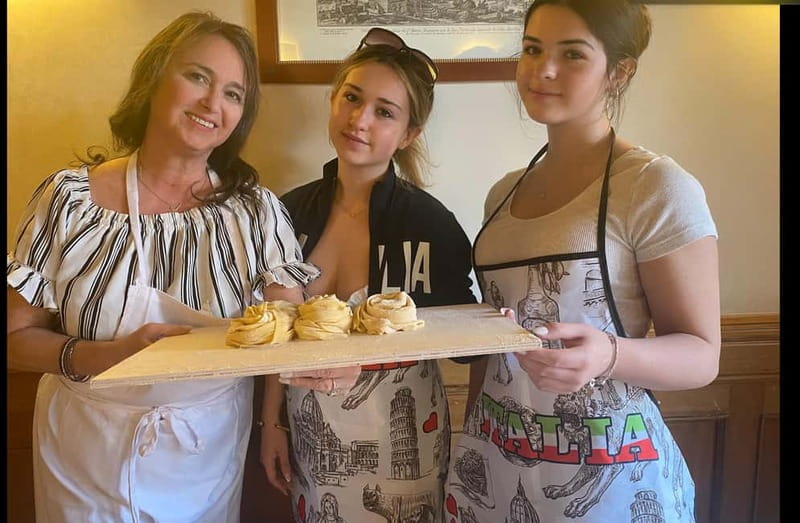
You’ll meet at Ristorante Massenzio Ai Fori, and from there the class experience stays comfortably local. This matters more than it sounds. When your cooking starts near Fori Romani and not across town, you avoid the “one more transfer” problem that can drain your day in Rome.
I also like that the activity ends back at the meeting point. That keeps the whole block of time self-contained. You can plan dinner nearby without racing across the city afterward.
One practical note: because starting times vary, you’ll want to check availability so your class lines up with your Colosseum plans. If you’re doing early morning ruins, a later afternoon class can keep you from feeling like you’re spending your whole trip either in lines or in transfers.
You can also read our reviews of more cooking classes in Rome


Fresh Pasta by Hand: What You Learn (and Why It Works)
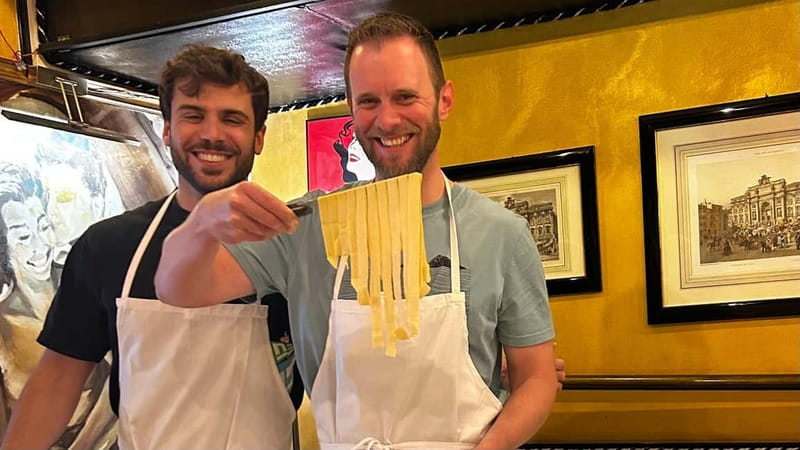
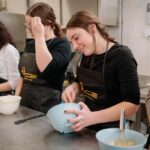
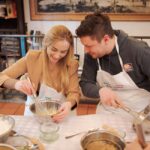
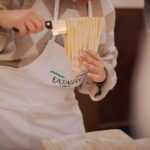
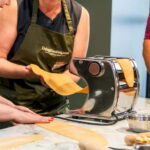
The main event is fresh pasta, and not the “mix stuff and hope” version. You’ll learn how to create pasta using simple, old-school approaches with fresh ingredients and hands-on technique. You’ll make a portion of fresh pasta by hand, guided through the process step by step.
Here’s a key detail that affects your experience: once you’ve made your individual pasta shapes, the pasta is cooked in the same pot. That means you’re not sitting around waiting for your own tiny batch to boil separately. It keeps timing efficient and keeps the class flowing, which is important in a short two-hour window.
Also, keep an eye on how the chef explains the dough and the handling. The most useful cooking classes don’t just give you a recipe. They give you judgment: how the dough should feel, how to respond when it’s too dry or too sticky, and how to work calmly while you’re learning something new. The class format is built for that kind of learning, with an instructor available to guide you while you’re actually making the pasta.
And yes, using your hands is part of the point. Rome is famous for structure—arches, columns, order. Pasta-making here is a different kind of structure: touch, pressure, and timing.
Tiramù From Scratch: The Dessert Class That Teaches Timing
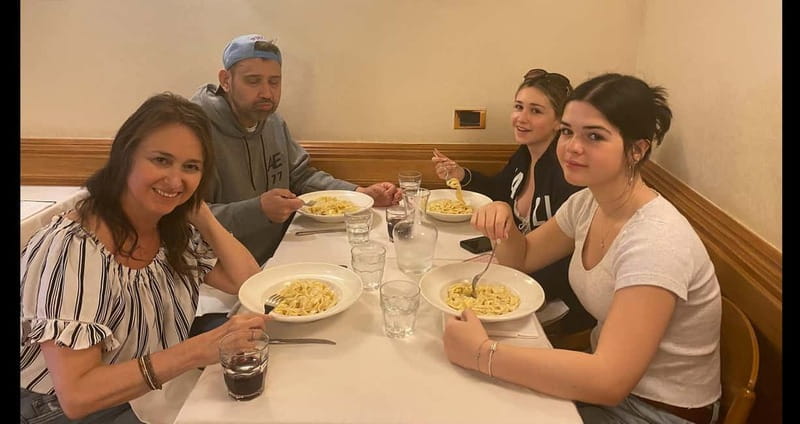
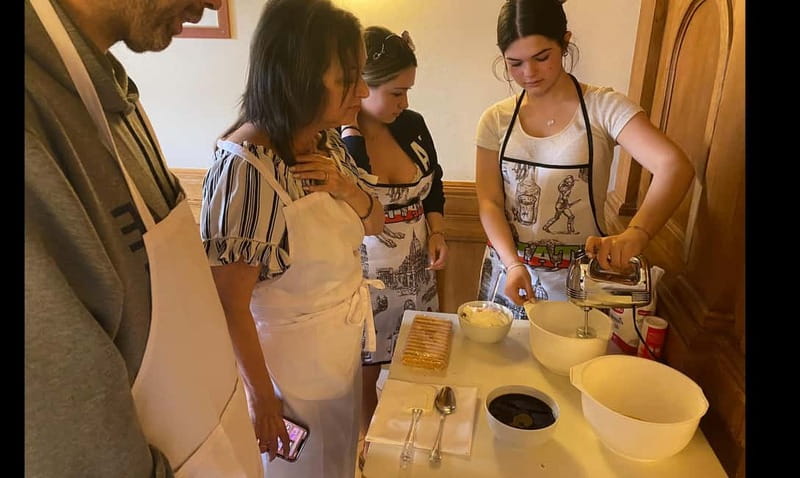
After pasta, you move into tiramisù. You’ll make the dessert from scratch as well, which is great if you’ve only ever eaten it from a café menu. This is the kind of lesson that changes how you look at tiramisù at home, because you learn what each step is doing.
The class also focuses on the history behind famous Italian dishes and the different forms they can take. That doesn’t mean you’ll get a lecture that eats up cooking time. Instead, it’s the background you need to understand why the dish is built the way it is. Food in Italy is often about technique plus meaning, not just flavor.
If you love dessert, you’ll also appreciate that you get to eat what you cook. The experience is designed to end with the payoff: pasta you shaped yourself and tiramisù you made yourself, both served as part of the class outcome.
Chef Energy: Wine, English Instruction, and the Friendly Pace
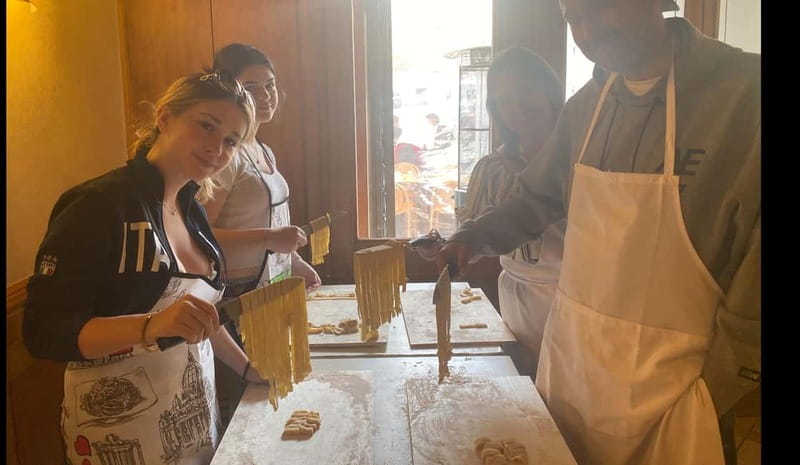
A class like this lives or dies by the chef. In this one, chefs are described as patient, friendly, and fun, with clear instructions. Marco is specifically mentioned for being patient, and Fabrizio is also mentioned as part of the welcoming, lighthearted energy.
You’ll also get an instructor who teaches in English, which is a big deal in a hands-on class. When you’re working with dough, you don’t want to guess what the next step means. Clear language helps you focus on the work, not decoding it.
Then there’s the glass of wine. That’s not just a perk. It changes the atmosphere in a good way—more social, more relaxed, less like a homework assignment. Even if your Italian cooking skills are starting at zero, the wine and group vibe help you settle into the experience.
One more practical point: this is an air-conditioned cooking location. That’s useful in Rome, especially if your class is scheduled during warmer hours. Cooking is physical, and comfort keeps you learning instead of just surviving.
The Rome Setting: Fori Romani and the Colosseum Feeling
You’re not cooking in a generic studio far from the city. The restaurant is located next to Fori Romani and near Colosseo, so the area itself becomes part of the mood. You get the sensation of being close to Rome’s layers while you practice something that’s also layered—regional dishes, older techniques, and the kind of food culture that’s been passed along for generations.
This is the travel sweet spot: you’re still in the tourist zone, but you’re doing something personal and hands-on rather than taking another photo and moving on.
How to plan it: if you want the classic Colosseum moment, consider scheduling your class for a time when you can still enjoy the neighborhood afterward. Since the class ends back at the meeting point, you’re well positioned for an easy continuation of your day in the ruins area.
You can also read our reviews of more tours and experiences in Rome


What’s Included (and What You’ll Plan Separately)
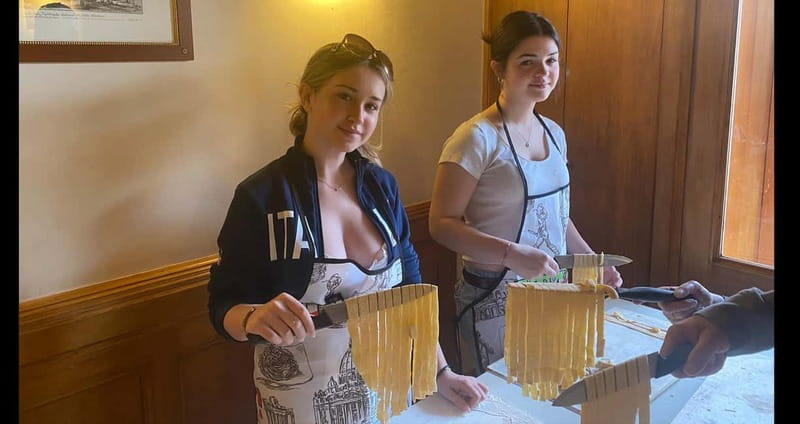
Included:
- Air-conditioned cooking space
- Experienced English-speaking chef instructor
- All cooking ingredients
- One glass of wine
Not included:
- Hotel pickup and drop-off
- Additional food and drinks
That list is refreshingly straightforward. The big value is that ingredients are handled for you. In a city where groceries can be confusing and cooking supplies aren’t part of most sightseeing days, having everything supplied lets you focus on learning and making.
It also means you should plan your meals around the class. Since you’re cooking and making your own dishes, you likely won’t want a huge heavy meal right before. But the course duration is short enough that you can still fit it into a normal day.
Price and Value: Is $62.31 Worth Two Hours?
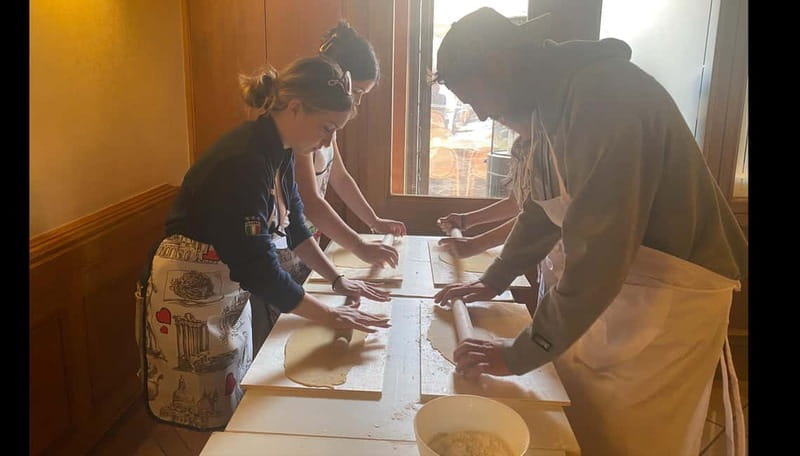
At $62.31 per person for a roughly two-hour class, you’re paying for three things: instruction, ingredients, and a real experience tied to the Colosseum/Fori Romani area.
Let’s look at value in practical terms:
- You’re not just buying pasta. You’re buying the time with an Italian chef plus the chance to cook two dishes end-to-end.
- You’re covered on ingredients, so you avoid the “I need to shop for this before I can learn it” problem.
- Wine is included, which adds to the overall experience rather than feeling like an optional upsell.
For many visitors, this ends up being a better use of time than squeezing in one more generic dinner. You’ll come away with skills, not just photos.
Who This Class Fits Best (and Who Might Prefer Something Else)
This class makes the most sense if you fall into one of these buckets:
- You want a hands-on food experience in Rome that’s close to the big sights
- You like learning with a teacher in the room, not just following a screen
- You want to meet other people without long planning
- You’re excited to make both a pasta course and a dessert course
It might feel like a mismatch if you mainly want museum-style learning or you’re expecting a long guided walk through the Colosseum area. This is about cooking. The Rome setting is part of the experience, but the focus stays on pasta, tiramisù, and technique.
Also, if you have food allergies, you should notify in advance. The information explicitly asks you to do this, which is the right move for a hands-on class where ingredients matter.
What to Bring: Comfort Beats Fashion Here
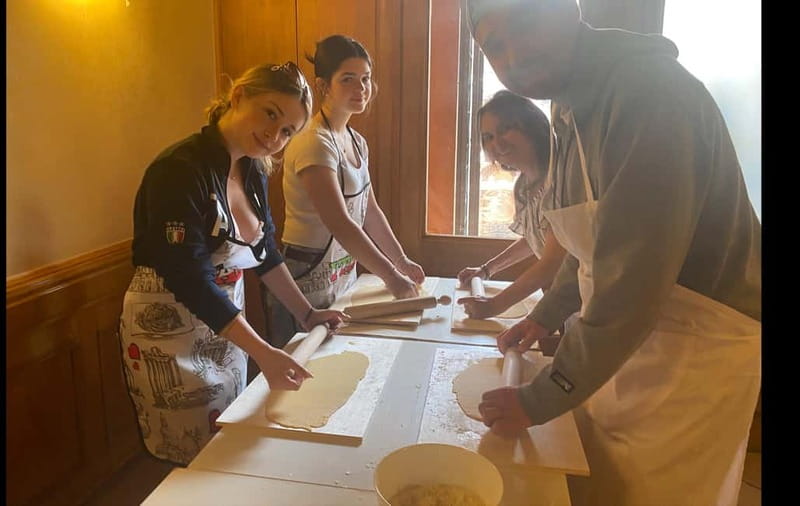
This is a cooking class, so plan for comfort. Wear:
- Comfortable shoes
- Comfortable clothes
That’s not just a suggestion. Dough work and standing times can make stiff shoes miserable fast. Think practical first, then dress like a tourist afterward.
Booking Tips: How to Get the Right Time Slot
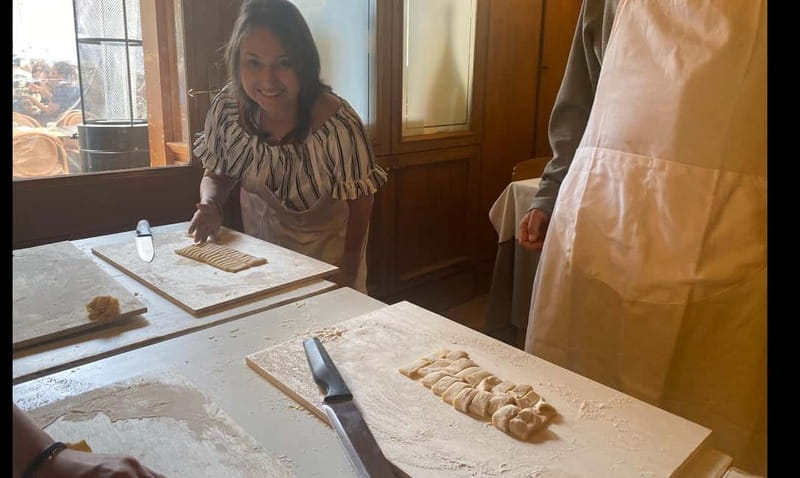
Two hours sounds simple, but your success depends on matching the class to your day. With varying starting times, you’ll want to pick a slot that complements:
- your Colosseum/Fori Romani plans
- your energy level
- your dinner timing afterward
If you’re someone who hates tight schedules, the option to reserve and pay later can help. It lets you lock in the experience while you fine-tune the rest of your trip.
Should You Book This Hands-On Class Near the Colosseum?
If you want a memorable Rome moment that’s more than a photo stop, I’d book it. The combination of hands-on pasta + scratch tiramisù, an English-speaking chef, and an included glass of wine makes the price feel fair for what you get. Plus, the meeting point by Fori Romani keeps the experience grounded in real neighborhood Rome instead of a far-off activity zone.
Skip it only if you’re not interested in cooking and you’d rather spend that time on a traditional guided sightseeing tour. Otherwise, this is the kind of class that gives you both a good evening and repeatable skills.
FAQ
Where is the class located?
The class meets at Ristorante Massenzio Ai Fori, and it ends back at the same meeting point.
How long is the hands-on class?
The duration is about 2 hours. Starting times vary, so you’ll want to check availability.
Is the instruction offered in English?
Yes. The instructor teaches in English.
What dishes will we make?
You’ll make fresh pasta and tiramisù from scratch.
Is wine included?
Yes. A glass of wine is included with the experience.
Are ingredients provided?
Yes. All cooking ingredients are provided.
What is not included in the price?
Hotel pickup and drop-off are not included, and additional food and drinks are not included.
What should I wear or bring?
Wear comfortable shoes and comfortable clothes. The class provides the ingredients.
Is it wheelchair accessible?
Yes, the experience is wheelchair accessible.
What if I have food allergies?
If you have food allergies, notify in advance so the team can account for them.