REVIEW · ROME
Rome: Colosseum, Ancient Rome Tour or Self AudioGuided Tour
Book on GetYourGuide →Operated by Tour in the City - Travel Agency Rome - · Bookable on GetYourGuide
Roman drama, delivered with a fast pass. This Colosseum visit pairs fast-track entry with an expert-led or audio guide option, plus tickets that keep the Roman Forum and Palatine Hill open to you for 24 hours. I like that you get straight inside without wasting time in queues, and I love how the stories about gladiators and other spectacles actually make the building feel like it had a pulse. One drawback to plan for: the Forum and Palatine walking can be a lot, especially if you’re traveling with kids.
You’ll start at a local meeting point (Via Labicana, 96 or Piazza di San Clemente area), then head to Colosseum security, where your name and ID card are checked. I also like that you can choose your pace: live guidance for the big wow moments, or a self-guided route when you want to linger over details. Just don’t show up late—timed, named tickets can’t be swapped.
In This Review
- Key things to know before you go
- Why this Colosseum plan is smart: fast-track entry plus a 24-hour Forum/Palatine ticket
- Guided tour or self audio-guided: pick the style that fits your brain
- Guided option: you’re following the stories
- Self audio-guided option: you move when you want
- Meeting point, timing, and security checks: the part that can make or break your day
- Entering the Colosseum fast: what “skip the line” really buys you
- Gladiators, naval battles, and the arena psychology: what to listen for
- Roman Forum and Palatine Hill: short stops inside a big walking zone
- What the audio guide does best (and where a live guide wins)
- Practical tips so you enjoy it instead of just completing it
- Who should book this Colosseum experience (and who might skip it)
- Should you book this Colosseum tour?
- FAQ
- How long is the Colosseum tour?
- Does this include fast-track entry into the Colosseum?
- Do I get to visit the Roman Forum and Palatine Hill too?
- What languages are available for the audio guide?
- What should I bring for the visit?
- Is this tour wheelchair accessible?
Key things to know before you go
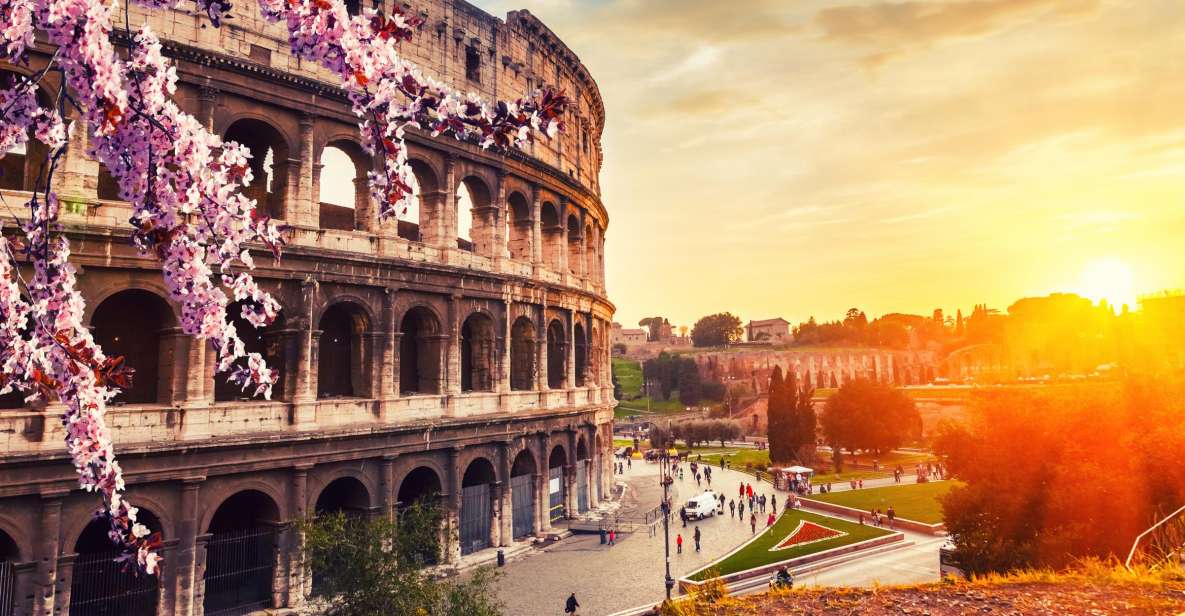
- Fast-track into the Colosseum: you skip the ticket line and go straight to the fun part.
- Access to the 1st and 2nd tiers: you’ll see more than the ground-level crowd.
- Expert guide with headsets (guided option): clearer listening in busy areas.
- 24-hour Roman Forum and Palatine Hill ticket: see them the same day or later.
- Multilingual self audio option: download storytelling with 44 points of interest in multiple languages.
- Timing matters: dated, timed, named tickets and security checks are strict.
Why this Colosseum plan is smart: fast-track entry plus a 24-hour Forum/Palatine ticket
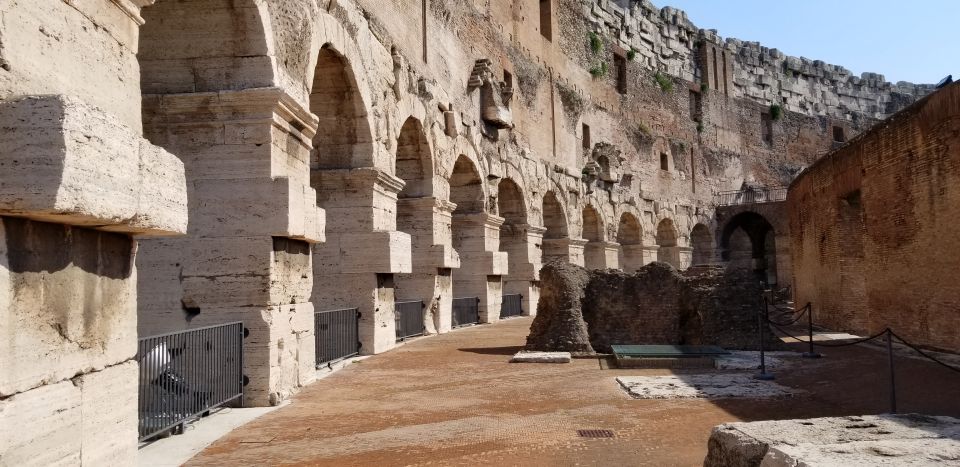
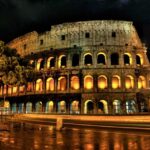
The Colosseum is one of those places where time evaporates fast. You’re ready to look, and then suddenly you’re stuck waiting. This tour cuts that waiting down with fast-track entrance and a route that takes you through the Colosseum with access to the 1st and 2nd tiers. That matters because higher viewpoints help you read the building—levels, structure, and how the whole thing was designed to hold crowds.
The second big win is what happens after the Colosseum: your ticket for the Roman Forum and Palatine Hill stays valid for 24 hours. That’s huge for how Rome actually works. If you want a quick Forum glance right after, you can. If your feet (or your kids’ feet) revolt, you can come back later and finish at a calmer pace.
This setup also helps you avoid the classic “tick-box Rome day” where you rush, miss details, then feel annoyed at yourself. The Colosseum is already a lot to process. Having extra time for the Forum and Palatine—without forcing it all into the same visit—feels like a gift.
You can also read our reviews of more tours and experiences in Rome.

Guided tour or self audio-guided: pick the style that fits your brain
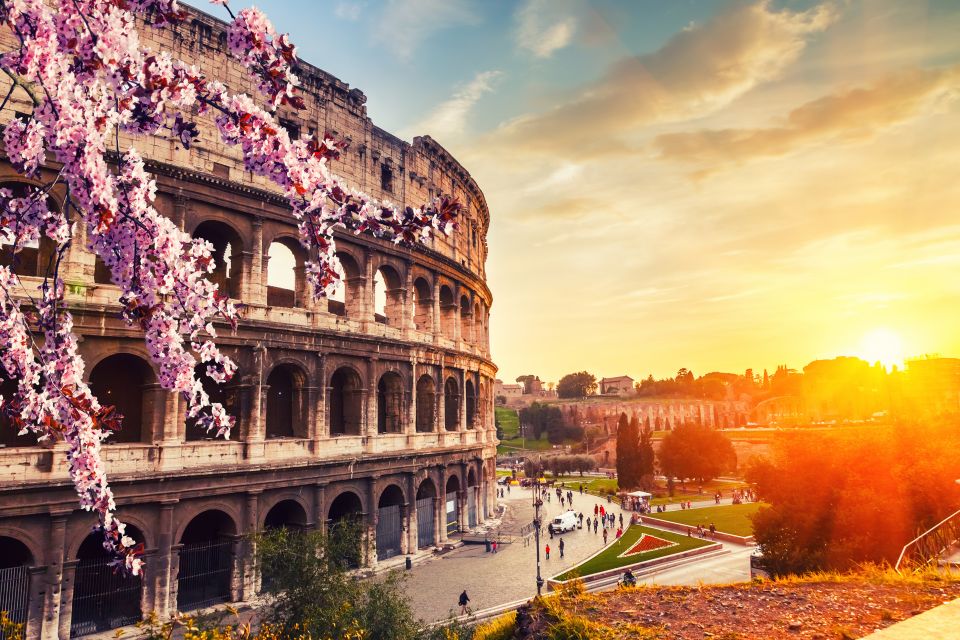
This experience comes in two forms: a live guided option (English) or a self audio-guided option where you explore on your own.
Guided option: you’re following the stories
With the live guide, you get an expert, friendly tour leader plus a headset/radio system (so you can actually hear in crowded spaces). That headset detail sounds minor until you’re standing shoulder-to-shoulder with strangers and trying to catch a sentence through the roar of noise. In practice, it helps you keep up, especially when the guide is pointing out details you’d otherwise miss.
The guided style is especially useful if you like narrative—gladiator life, public spectacles, and how Roman engineering turned entertainment into mass theater. Multiple guides featured in the experience bring different flavors: Fabrizio’s explanations leaned into how the Colosseum connected to power and society. Fleur and Barbara paced with a real eye for comfort, including shade-finding in punishing heat. Frederico’s pace worked well for families, with extra materials for younger visitors. Katerina and Zelya were both praised for being engaging and making the history click without turning it into a lecture. Alex also brought strong energy when the day’s emphasis shifted beyond the Colosseum.
Self audio-guided option: you move when you want
If you’d rather wander, the self audio version lets you do exactly that. You download the audio to your smartphone and follow multilingual storytelling. The tour is built with 44 points of interest, and audio languages listed include English, Chinese, German, French, Italian, Spanish, and Portuguese (the provider lists those languages as available options). If you’re traveling with people who want different speeds, this can keep everyone happier: one person can pause for photos, another can walk faster, and nobody needs to wait for the group.
Just know the trade-off: audio is great for independence, but it can’t answer your personal questions. And on busy days, being self-guided can mean you spend a little more energy figuring out where to stand to get the best views.
Meeting point, timing, and security checks: the part that can make or break your day
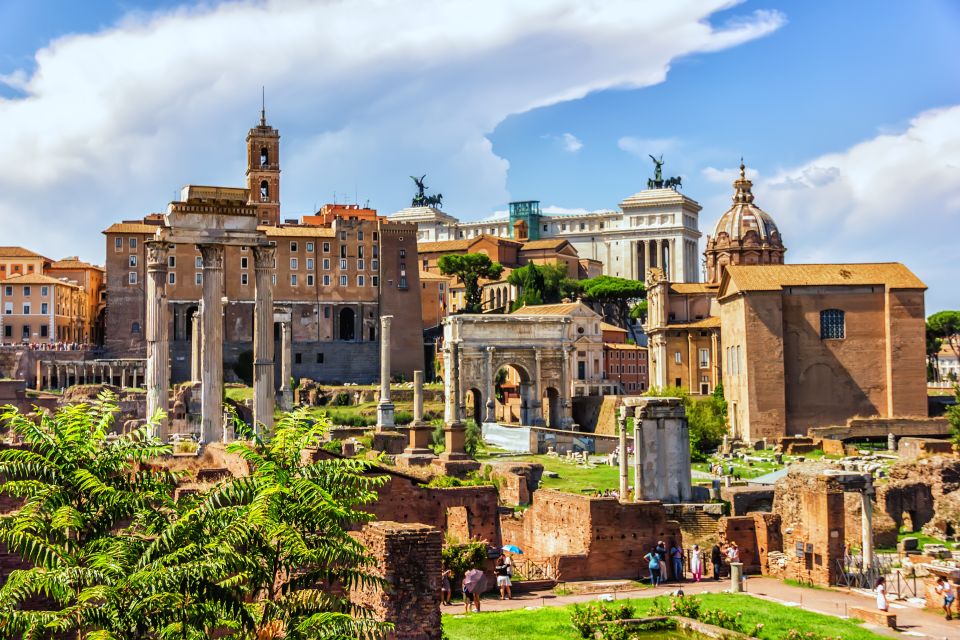
Start early enough to take Rome seriously. The tour starts at a meeting point that varies by option, with two specific options listed: Via Labicana, 96, Piazza di San Clemente and another meeting location depending on what you booked.
From there, you’ll deal with Colosseum security. Here’s the practical bit: the Colosseum security checks each visitor’s name and ID card, so the wait can be longer than you expect. Also, tickets are dated, timed, and named. That means if you arrive late, you can’t count on being able to jump in later or reschedule—your tickets aren’t flexible.
One more “read this before you go” point: the experience operates in all weather conditions, and the provider notes that admission tickets can’t be amended or canceled due to rain. So if you’re the type who hates wet stone and crowds, be honest with yourself about whether you’ll still go.
What to bring is straightforward and important:
- Passport or ID card
- Comfortable shoes
- Charged smartphone
- For self audio: headphones (earphones aren’t included)
And keep the carry-on simple. Pets aren’t allowed, and luggage or large bags aren’t allowed either.



Entering the Colosseum fast: what “skip the line” really buys you
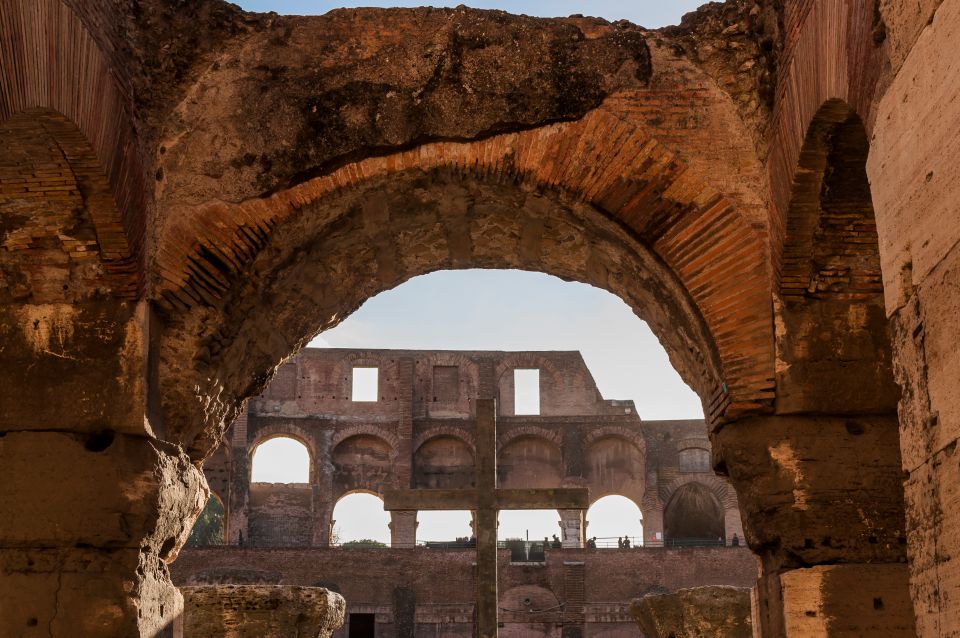
“Skip the line” can mean a lot of things in Rome. In this case, it translates to fast-track entry with the Colosseum ticket included, plus a route that gets you into the building quickly instead of waiting outside.
What you’ll like most is what skipping the line protects: your time to actually look. The Colosseum isn’t one of those monuments where you can sprint through and still feel satisfied. The joy is in how the structure reveals itself as you move between viewpoints. Getting in quickly helps you arrive there with your energy intact.
Inside, the guided plan includes a break/photo stop and guided viewing time, plus additional time to see key areas. The goal is not just to point at stones—it’s to help you understand what you’re seeing: engineering choices, how it worked as a venue, and why it mattered.
One of the best moments—especially on a guided day—is when your guide turns vague “Roman entertainment” into clear images. Stories about brave gladiators, animal hunts, and even naval battles (yes, naval battles) help you imagine the arena as an event machine, not just ruins.
Also: the Colosseum tier access matters. Access to the 1st and 2nd tiers gives you a wider view of the arena space and seating levels. That’s where the building starts to make sense.
Gladiators, naval battles, and the arena psychology: what to listen for
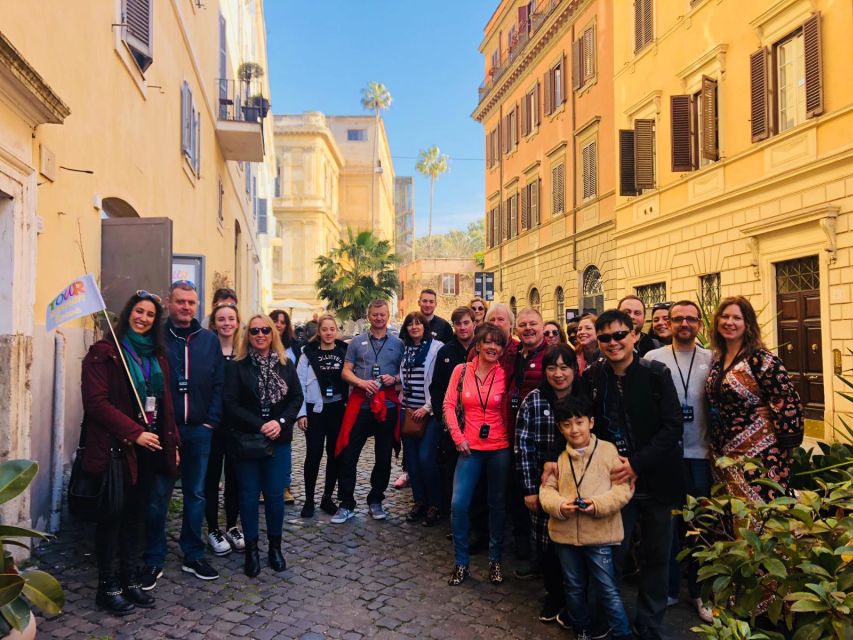
If you do the guided option, listen for the guide’s focus points. The provider describes the stories you’ll hear—gladiator fights and bloodthirsty entertainments, plus other spectacle details like animal hunts and naval battles. In other words, you’re not just getting facts. You’re getting context about why the Romans built this place as they did and what it was designed to do.
I’d also pay attention to how the guide handles pacing. In one family-friendly experience, Frederico kept the group moving but still responsive to kids, even using picture books to show gladiators and related details. In another, Fleur seemed to read the weather and group energy, timing breaks and finding shade when it hit extreme heat. That “when to slow down” skill is what separates a guide who talks from a guide who manages attention.
If you choose the self audio version, you’re relying on the 44 points of interest to guide you. Your job is to use those points to structure your time. Don’t treat it like background noise. Put your phone down sometimes and look with your own eyes. Then return to the audio when you want the story.
Either way, aim for the moment when you look down at the arena and stop thinking about Instagram angles. Try to picture the crowd pressure, the noise, the timing. That’s when the Colosseum stops being scary and becomes fascinating.
Roman Forum and Palatine Hill: short stops inside a big walking zone
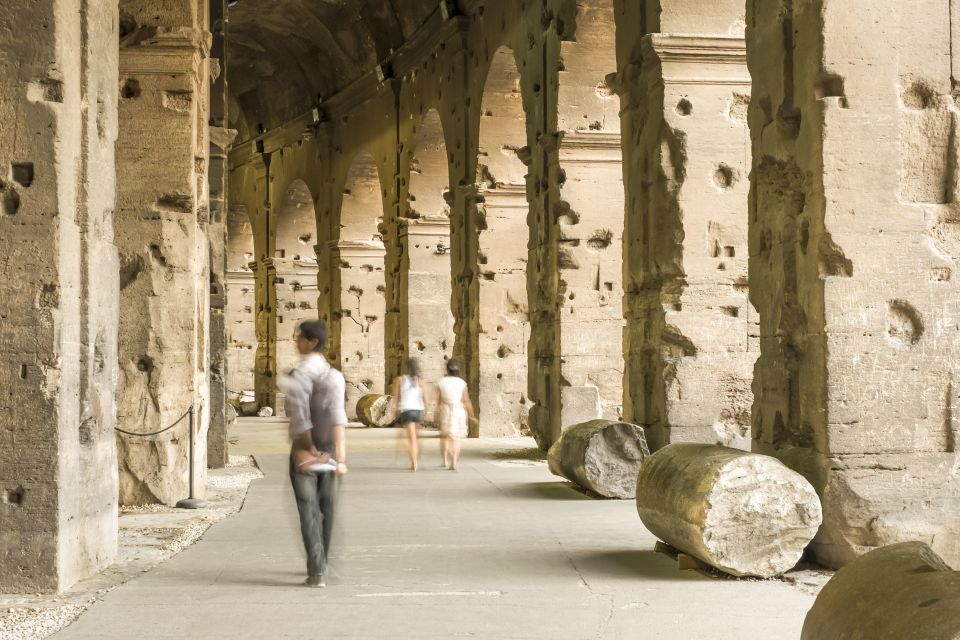
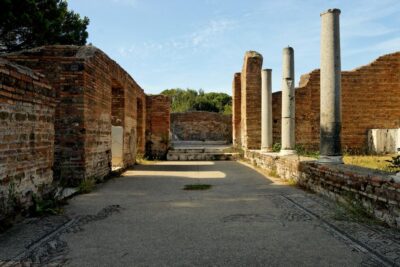
The tour includes time at the Roman Forum and Palatine Hill, but it’s clear these aren’t leisurely stroll stops. The provider lists the Forum visit (around 45 minutes) and Palatine Hill (around 30 minutes) as part of the experience, and the 24-hour ticket gives you flexibility to return later if needed.
Here’s how I’d approach it:
- On a guided visit, you’ll get a quick, high-impact orientation to the Forum’s role as Rome’s nerve center—Senate areas, temples, the Vestals, triumphal arches, and the altar linked with Julius Caesar.
- On Palatine Hill, you’ll get the payoff view and the sense of the emperors’ residential power. The Circus Maximus valley views are part of the appeal.
The drawback is real: Forum + Palatine are spread out and the ground isn’t “easy mode.” One review noted that after the Colosseum, the Forum and Palatine can be too big to walk—especially with kids. So if you’re with younger children, plan for breaks and consider saving some of Palatine/Forum for later with the 24-hour ticket.
The good news: because your ticket stays valid for a day, you don’t have to cram everything into one “survive Rome” afternoon.
What the audio guide does best (and where a live guide wins)
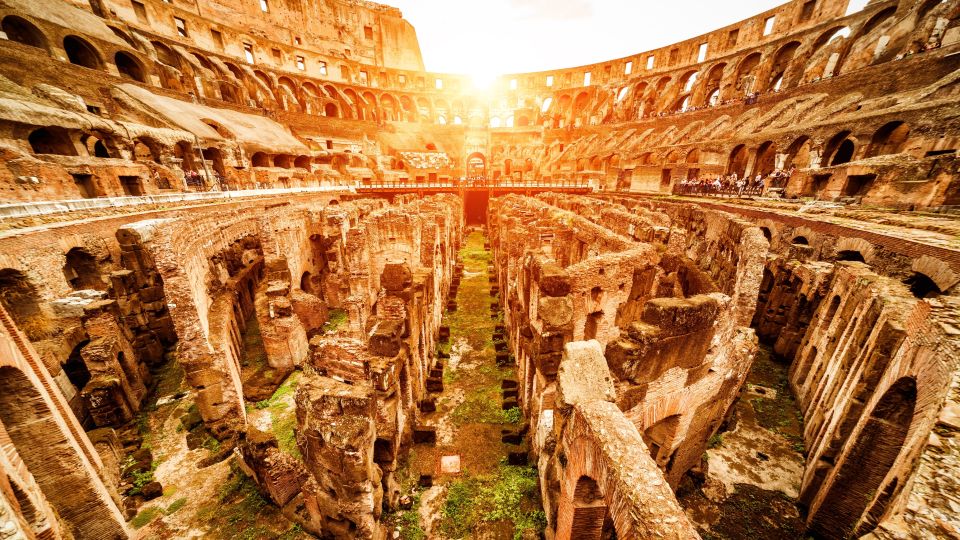
If you choose self audio, the biggest strength is control. You can pause, rewind, speed up, and focus on exactly what interests you—without matching your pace to a group. The provider’s multilingual setup (with storytelling in several languages and 44 points of interest) makes it easier to travel with mixed preferences.
Audio also helps when you want to avoid the “group herd” feeling. You’re not stuck waiting for everyone to catch up to the last photo angle.
But a live guide wins in moments when you want more than the script. For example:
- You ask a question and get a real answer.
- You want help interpreting what you’re looking at.
- You need pacing help when it’s hot or you hit a dense crowd.
If you’re a first-time Colosseum visitor and you really want meaning—not just sights—go guided. If you’ve been before or you prefer independent exploring, go self audio and use the 44 points to structure your walk.
Practical tips so you enjoy it instead of just completing it
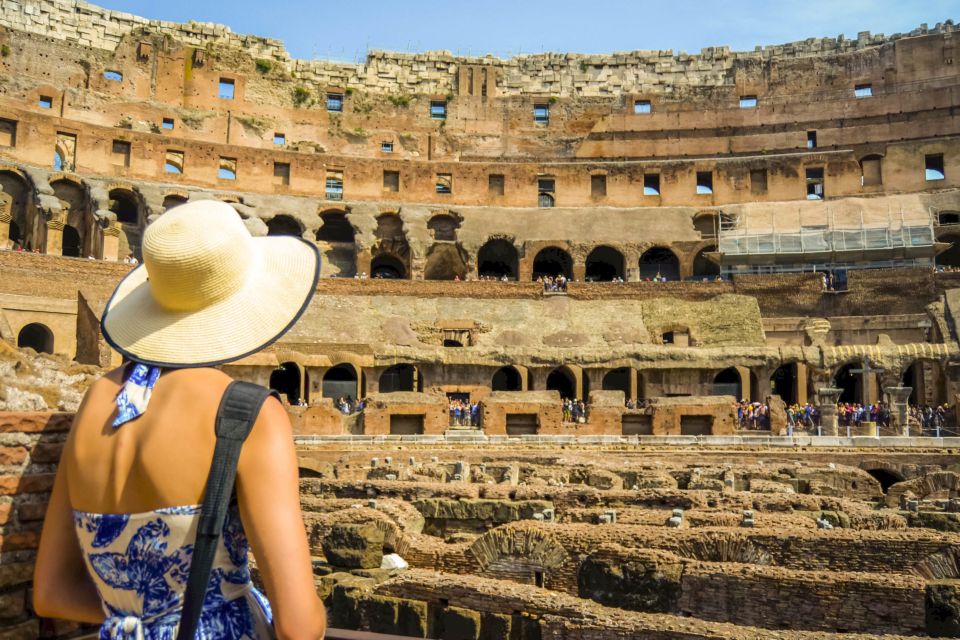
Here are the details that help most on a Colosseum day.
1) Wear shoes you can actually hike in.
This site involves steps and walking over uneven stone. Comfort matters more than style.
2) Bring your ID and treat timing like a rule, not a suggestion.
Security checks match names and ID card details. Timed, named tickets can’t be amended if you miss your moment.
3) For self audio, bring headphones.
Earphones aren’t included in the self option. Also bring a charged smartphone, since the audio is downloaded onto it.
4) Heat is not theoretical in Rome.
Guides have shown they’ll pace and find shade. If you’re visiting in hot months, plan water breaks and don’t feel guilty taking them.
5) Decide how hard you want to work after the Colosseum.
You can tack the Forum and Palatine onto the same day, or spread it out across the 24-hour ticket. Choose based on your group’s energy, not just your ambition.
Who should book this Colosseum experience (and who might skip it)
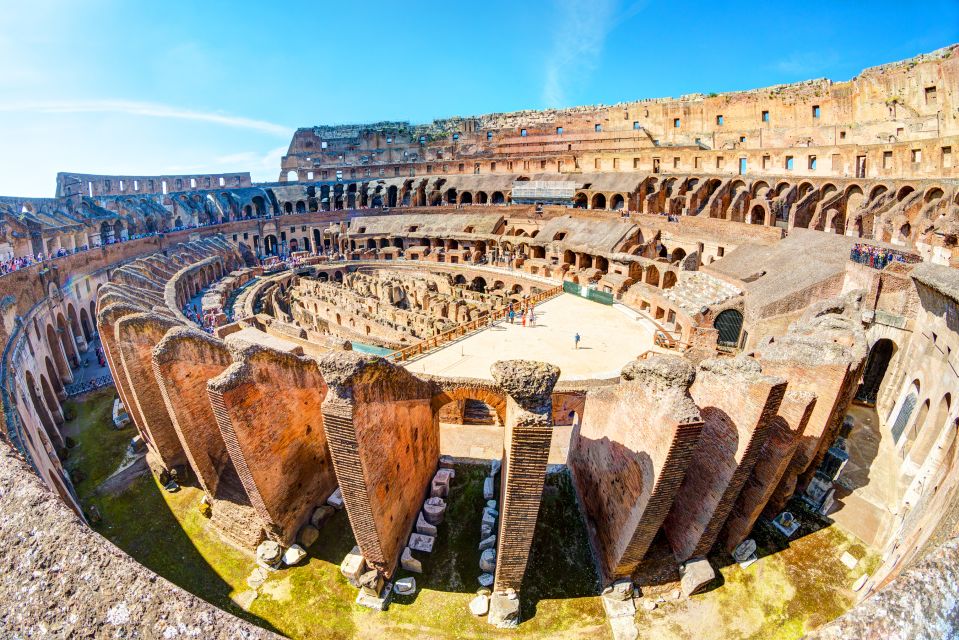
This works really well for:
- First-time visitors who want fast-track entry and a smoother start.
- Families who need an efficient plan (especially if you pick guided and your guide manages pacing well).
- Travelers who like history told through stories, not just dates.
- People who want flexibility thanks to the 24-hour Roman Forum and Palatine Hill ticket.
It might be less ideal for:
- Wheelchair users, since the provider states it’s not suitable for wheelchairs.
- Anyone who hates strict timing and security checks, because late entry can’t be fixed once dated, timed, named tickets are involved.
- Groups expecting an easy walk through everything right after the Colosseum. The Forum and Palatine can feel like a lot after you’ve already done the big-ticket site.
Should you book this Colosseum tour?
If your goal is to see the Colosseum without wasting half your day in lines, I think this is a strong choice. The value comes from two places: you get fast-track entry (so your energy goes into viewing) and you get a plan that doesn’t end at the Colosseum. The 24-hour access to the Roman Forum and Palatine Hill turns a tight schedule into something more forgiving.
The other reason I’d book is the range of options. You can go guided for human storytelling, including English live commentary, or go self audio when you want your own pace with multilingual tracks and 44 points of interest.
If you hate structured timing or you’re traveling with someone who can’t handle uneven walking, consider whether you’ll truly enjoy the Forum and Palatine portion right away. Still, the 24-hour ticket is there to help you adapt.
FAQ
How long is the Colosseum tour?
The duration is about 2.5 hours, with starting times depending on availability.
Does this include fast-track entry into the Colosseum?
Yes. Both options include fast-track entrance tickets to the Colosseum, plus skip-the-ticket-line access.
Do I get to visit the Roman Forum and Palatine Hill too?
Yes. You receive tickets that are valid for 24 hours to enter the Roman Forum and Palatine Hill.
What languages are available for the audio guide?
The self audio-guided option includes multilingual storytelling in English, Chinese, German, French, Italian, and Spanish, and the provided details also list Portuguese as available.
What should I bring for the visit?
Bring a passport or ID card, comfortable shoes, and (for the self audio option) a charged smartphone and headphones.
Is this tour wheelchair accessible?
No. The activity is not suitable for wheelchairs.