REVIEW · ROME
Heart of Rome: Private Walking Tour
Book on GetYourGuide →Operated by LivTours - We craft tours, you live them · Bookable on GetYourGuide
Two hours, and Rome’s icons line up fast. This private walking tour takes you from the Spanish Steps area into the maze of alleys, then onto the Pantheon, Trevi Fountain, and Piazza Navona with a guide who explains what you’re seeing. I also love that you get more than just postcards, with stops that include charming corners and small piazzas along the way. The main drawback to plan around: Pantheon entry isn’t included on the first Sunday of the month or during certain national holidays.
If you want your sightseeing without the hassle of figuring out routes and ticket logistics at peak crowds, this is built for that. You meet at Babington’s Tea House (at the bottom of the Spanish Steps) and finish back near Piazza Navona, with a guided break that typically includes a café moment and famous Roman gelato.
In This Review
- Quick hits: What makes this tour worth your time
- A 2-Hour Taste of Rome’s Big Names Without the Headache
- Starting at Babington’s Tea House by the Spanish Steps
- The Spanish Steps and the Streets Between: Why the Walk Matters
- Trevi Fountain: The Coin Toss and the Things You’ll Notice Faster
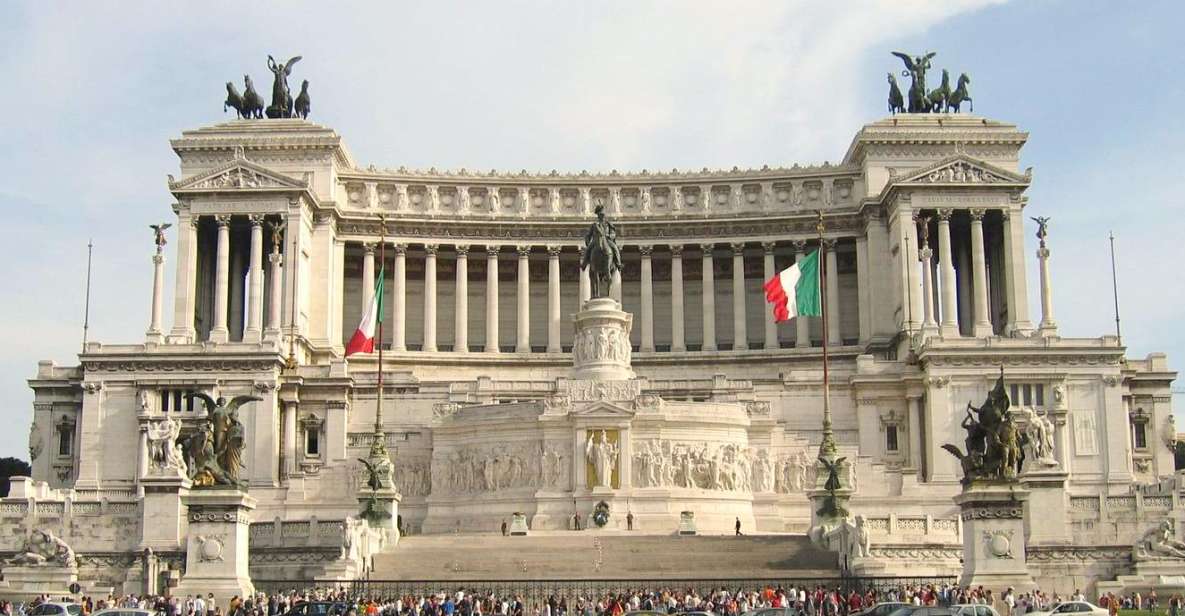
- Piazza Venezia: A Monumental Pause in the Middle of the Story
- Pantheon: When Skip-the-Ticket-Line Helps (and When It Doesn’t)
- Gelato and a Local Café Moment: Fuel for the Final Stretch
- Piazza Navona: Bernini’s 4 Rivers Fountain and the Street-Scene Finale
- Value and Price: Is $165.40 for 2 Hours a Good Deal?
- Who This Tour Fits Best (and Who Might Want a Different Plan)
- What to Pay Attention To During the Walk
- Should You Book Heart of Rome: Private Walking Tour?
- FAQ
- How long is the Heart of Rome private walking tour?
- Where does the tour start and where does it end?
- Is this tour private?
- Which major sites are included?
- Is the Pantheon ticket included?
- Do I get any help with tickets for the Pantheon?
- What languages is the guide available in?
- Will there be food or drinks during the tour?
- What should I wear to visit the sites?
Quick hits: What makes this tour worth your time
- Private guide, 2 hours: You move at a human pace and can ask questions as you go.
- Big-name Rome, connected by real streets: Spanish Steps → Trevi → Piazza Venezia → Pantheon → Piazza Navona.
- Pantheon entry depends on date: If it’s not available, you’ll still get guidance at the site area.
- Street-level Rome focus: Cobbblestones, small fountains, and hidden-feeling squares show up naturally.
- Gelato break included in the flow: You stop for a favorite Roman ice cream during the walk.
- Ends at Piazza Navona: A great final scene, especially if you like lively performers and fountain views.
A 2-Hour Taste of Rome’s Big Names Without the Headache
Rome is easy to get wrong on your own. You can end up sprinting between landmarks, losing time to crowds, or stopping at the wrong entrances. This tour is designed to do the opposite: you follow your guide through the streets and let the walking route connect the dots for you.
I like how the format keeps it manageable. Two hours isn’t long enough to feel like you’re touring Rome’s entire planet, but it is long enough to stand in front of the Pantheon and then actually see the Trevi Fountain and Piazza Navona in the same outing. And because it’s private, you’re not stuck waiting for a larger group to regroup every time you stop for photos.
The tour also leans into the “street Rome” side of the city. Instead of treating each stop like an isolated photo op, you get stories for little fountains, buildings, and small piazzas that you’d normally walk past without noticing.
You can also read our reviews of more walking tours in Rome


Starting at Babington’s Tea House by the Spanish Steps
Your tour meets at Babington’s Tea House, right at the bottom of the Spanish Steps, in Piazza di Spagna. That’s a practical starting point because it’s a recognizable anchor in one of Rome’s busiest zones, which means you’re less likely to lose time before the tour even begins.
The itinerary lists the start area as the Furla location as well, which makes sense for navigation in the real world: you’ll be meeting at a nearby, obvious landmark while the broader “start point” area is that shopping street zone. The main benefit is simplicity. You’re not trying to decode Rome on arrival with a map and a time crunch.
From there, the walk starts in the “Rome is tight and theatrical” zone—stairs, viewpoints, and streets that feel like they fold in on themselves. You’ll feel that shift right away as the guide leads you out of heavy traffic energy and toward the slower, older texture of the city.
The Spanish Steps and the Streets Between: Why the Walk Matters
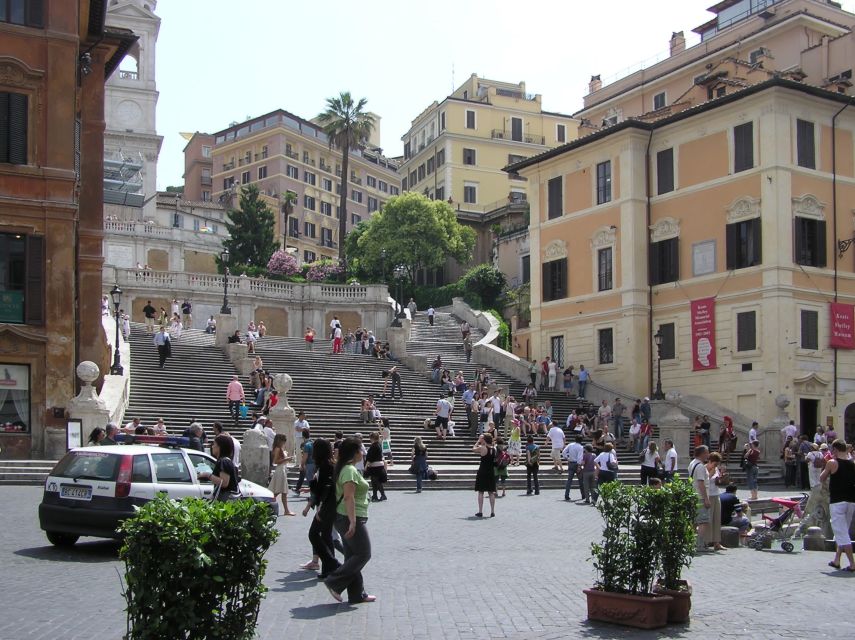
The Spanish Steps stop isn’t just about standing where people stand. With a guide, you’ll get context that makes the area feel less like scenery and more like a story with a reason.
What I like about this section is the way it sets expectations for the rest of the walk. Rome’s center isn’t one big straight line from point A to point B. It’s more like a web, and the fun part is watching how the city’s shape changes as you turn corners. Your guide helps you make sense of the pattern while you’re moving.
This part also helps you see a key theme of the tour: you’re escaping some of the most intense crowd pressure simply by staying in guided flow. You’re still in central Rome, but you’re not wandering randomly, and you’re not stopping to figure things out while others pass you.
If you’re the type who normally says I’ll just wander, I get it. But with a route like this, wandering usually means missing the small piazzas and details that make the big landmarks hit harder later on.
Trevi Fountain: The Coin Toss and the Things You’ll Notice Faster
Trevi Fountain is famous for a reason, but it can also be overwhelming. There’s always the crush, the noise, and the sense that you might be there mostly to photograph people photographing themselves.
A guided stop helps you slow that down. Instead of just rushing to the water for your coin toss moment, you’ll get pointers on what to look for in the fountain’s setting and design, and you’ll have time to actually take it in.
You’ll also have a guided walk segment to the next areas after Trevi. That matters because Trevi can feel like a dead end if you’re on your own—you see it, you do the thing, and then you leave without understanding where you are in the city’s logic. Here, it stays connected to the story of the day.
Practical note: even with a guide, Trevi is Trevi. Wear comfortable shoes and plan for crowds as part of the deal. The value is how you manage your time inside the busiest visual stop.
Piazza Venezia: A Monumental Pause in the Middle of the Story
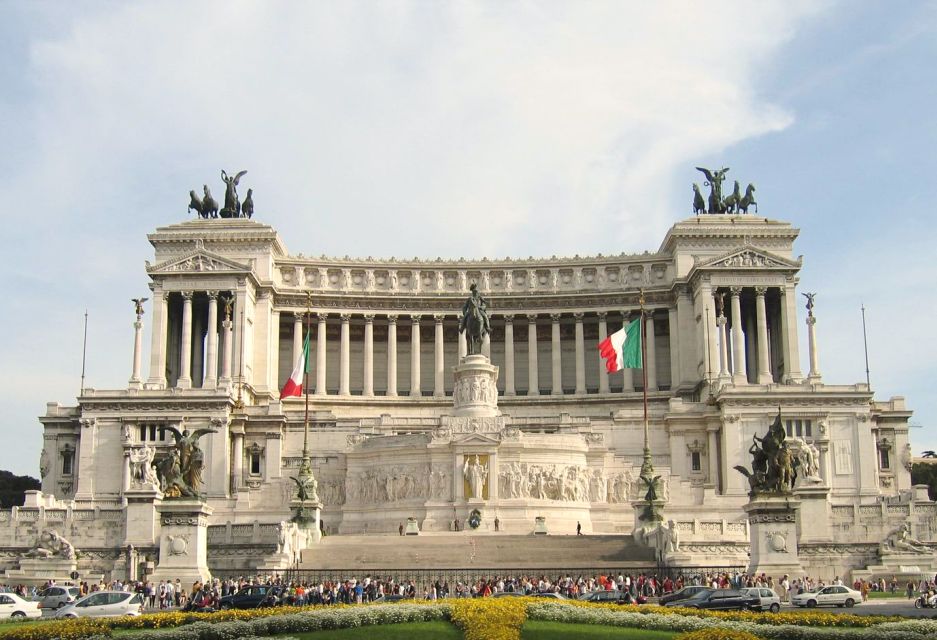
After Trevi, you move to Piazza Venezia, another major anchor square. This is one of those places where Rome’s scale becomes obvious. You’re standing at a junction where the city’s layers overlap, and your guide’s job is to connect that feeling to the historical meaning of the space.
I like Piazza Venezia on this type of tour because it acts like a breather. You’re stepping away from the most crowded photo-stations for a moment, and you get a clearer sense of direction before you reach the Pantheon area.
Think of it as the tour’s “you’re really in Rome now” checkpoint. The streets leading out of it can look complicated, but the guide keeps the flow going so you don’t lose your place.
You can also read our reviews of more private tours in Rome




Pantheon: When Skip-the-Ticket-Line Helps (and When It Doesn’t)
The Pantheon is the big moment. You’ll be guided to it as the walk opens up in front of this striking structure, and you’ll learn what makes it stand out. It’s noted as the only completely intact pagan temple left in Rome, which gives the stop extra weight beyond its beauty.
The tour includes skip the ticket line access, which is a real advantage in Rome’s center. Waiting can chew up your time and kill your energy, especially during peak visiting hours. With a guide managing entry, you’re more likely to spend your attention inside the experience rather than outside in a queue.
But there’s one crucial caveat: Pantheon entry is not included if your tour date falls on the first Sunday of the month or on these national holidays: April 25, June 2, and November 4. On those days, no refunds are issued for that missing component.
How to handle this as a traveler:
- If the Pantheon is your number one reason for booking, check the calendar carefully.
- If you’re mainly here for the big Rome route and don’t mind the Pantheon being a guided exterior focus on those dates, the rest of the itinerary still has plenty of payoff.
Also remember the dress code. For places of worship, you’ll need shoulders and knees covered. That’s especially important around historic sites where entry rules are enforced. Bring a light layer or plan your outfit so you’re not scrambling.
Gelato and a Local Café Moment: Fuel for the Final Stretch
Rome walking tours can turn into endurance tests if you skip breaks. This one builds in downtime so the second half doesn’t feel like survival.
The plan includes a local café break time, and it also notes a stop at a favorite Roman gelateria for ice cream. I appreciate this because it’s not just a random detour. It’s timed to give you energy before the final highlight zone.
If you’re walking with kids or you’re traveling in warm weather, this kind of stop matters more than it sounds. It keeps everyone happier and makes the remaining monuments feel like part of a relaxed afternoon instead of a checklist.
And if you’re particular about your food choices, keep it simple: you’re in Rome, you’re already walking, and you’ve got a guide who can point you toward what’s worth tasting right then.
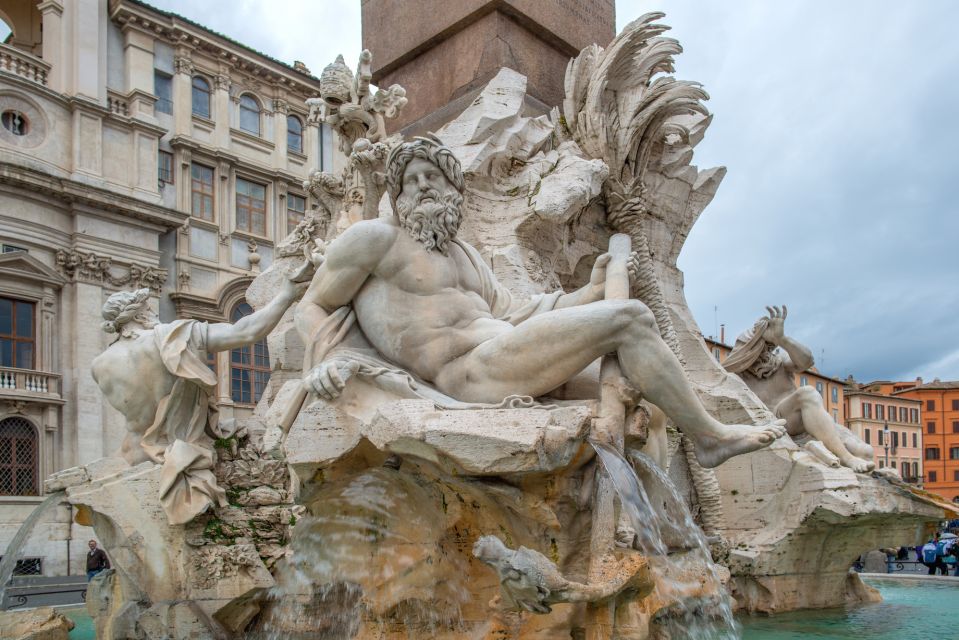
Piazza Navona: Bernini’s 4 Rivers Fountain and the Street-Scene Finale
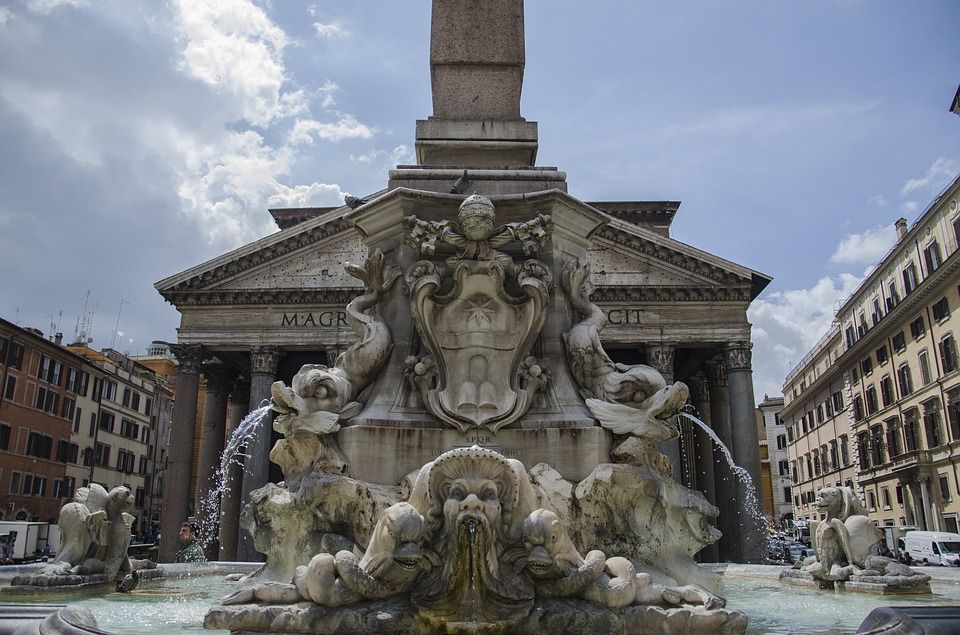
You finish at Piazza Navona, one of the most rewarding places to end a walking tour. It’s visually dramatic, with open space that feels different from the narrow alleys you’ve been threading through.
The tour focuses on Bernini’s 4 Rivers Fountain, which is a centerpiece of the square. This is the kind of monument that becomes more enjoyable when you understand what it represents and why it sits there. Your guide’s storytelling turns the fountain from “a photo background” into something you can actually read.
Another reason Navona works as a finish: it’s built for lingering. You’ll see sidewalk artists and musicians, and even if you’re not planning a performance stop, the atmosphere makes it easy to slow down after a two-hour walk.
Ending here is also smart logistically. You’re dropped near a major square with lots of options for continuing your evening, whether that means finding dinner, grabbing another gelato, or simply wandering without feeling lost.
Value and Price: Is $165.40 for 2 Hours a Good Deal?
Let’s talk about the money plainly. At $165.40 per person for a private 2-hour walking tour, you’re paying for one thing: a guide who’s working only for your group, not sharing attention with other parties.
That can be good value when:
- You want a personalized pace and the freedom to ask questions.
- You’re short on time and want the biggest sights connected in a focused route.
- You prefer learning in the moment rather than stopping to self-navigate every few minutes.
It may feel steep if you’re traveling as a bigger group where splitting private costs makes it cheaper per person, or if you’re comfortable doing a self-guided route and you don’t care about guided context. The tour’s price only makes sense if you’ll use the guide actively—especially for explaining how and why the spaces matter.
The Pantheon entry condition is also part of the value equation. If your date falls under the “Pantheon not included” rule, you should decide whether the rest of the stops still meet your expectations.
For me, the value hinges on this: you’re getting a tight route (Spanish Steps, Trevi, Piazza Venezia, Pantheon, Piazza Navona) plus guided interpretation, and you’re saving time that you’d likely spend managing crowds and figuring out logistics on your own.
Who This Tour Fits Best (and Who Might Want a Different Plan)
This tour fits well if you’re:
- Seeing Rome for the first time and want a high-impact sampler without turning your day into sprinting.
- The kind of traveler who enjoys guided context more than collecting stamps.
- Planning to walk anyway, so the two-hour commitment feels natural.
- Traveling with mixed ages where “private” and “manageable length” make sightseeing easier.
It might not be ideal if you:
- Are visiting on the first Sunday of the month or one of the listed national holidays and the Pantheon is non-negotiable for you.
- Prefer long, independent wandering without structured stops.
- Have clothing constraints that make the dress code tricky for places of worship.
The good news is the itinerary is built around Rome’s core landmarks, so even on a day when Pantheon entry isn’t included, the tour still has strong visual anchors and a satisfying finish at Piazza Navona.
What to Pay Attention To During the Walk
A guide can only do so much if the group isn’t ready for the reality of Rome. Here are the moments I’d focus on to get the most out of the experience:
- Wear shoes you can trust on cobblestones. The walk is part of the story, and your feet will feel it.
- Plan your outfit for the shoulders and knees covered requirement if you want smooth entry at religious or historic sites.
- Expect crowds around Trevi. Your goal isn’t to beat the crowd, it’s to use the guide’s flow so you don’t lose your time.
- Keep your phone charged. Piazza Navona is a great finish for photos, and you’ll want to capture the fountain scene.
Should You Book Heart of Rome: Private Walking Tour?
I’d book this tour if you want a focused, guided walk through Rome’s most recognizable sights, connected by the streets that make the city feel like a lived-in place rather than a theme park. The private format is the real differentiator for a two-hour window, and the route is structured so you end in a strong, fun final setting at Piazza Navona.
I’d think twice if your date depends on Pantheon entry. If your visit falls on the first Sunday of the month or one of the national holidays listed, you may not get the Pantheon ticket component, and that’s the biggest swing factor in the tour’s experience.
If you’re flexible with expectations and you’re excited to learn your way through Spanish Steps, Trevi, Piazza Venezia, and Navona, this is a solid way to see Rome without turning the day into chaos.
FAQ
How long is the Heart of Rome private walking tour?
The tour lasts 2 hours.
Where does the tour start and where does it end?
It starts in front of Babington’s Tea House at the bottom of the Spanish Steps (Piazza di Spagna) and ends back at the meeting point area near Piazza Navona.
Is this tour private?
Yes. It’s a private group with your own guide for the walking tour.
Which major sites are included?
You’ll visit the Spanish Steps, Trevi Fountain, Piazza Venezia, the Pantheon (with date-based ticket rules), and Piazza Navona.
Is the Pantheon ticket included?
Pantheon entry is included unless your tour is on the first Sunday of the month or during the national holidays April 25, June 2, and November 4.
Do I get any help with tickets for the Pantheon?
The tour includes skip-the-ticket-line when Pantheon entry is available.
What languages is the guide available in?
You can book in English, French, or Spanish. Other languages (Portuguese and Italian) are available on request.
Will there be food or drinks during the tour?
There’s a local café break time, and the tour also includes a stop at a Roman gelateria.
What should I wear to visit the sites?
For places of worship, shoulders and knees must be covered. Comfortable walking shoes are recommended.