REVIEW · ROME
Rome: Capuchin Crypt & Rome’s Dark Secrets Small Group Tour
Book on GetYourGuide →Operated by Dark Side City Tours · Bookable on GetYourGuide
Bone-lined rooms can change how you see Rome.
This small evening tour blends the Capuchin Crypt with nearby landmarks and true stories of love, betrayal, and wartime horror—no costumes, no cheap theatrics. I like that it stays intimate (max 10 people) and relies on strong storytelling, so you’re walking and listening, not watching a show. One thing to consider: it’s a walking tour through central streets, and the crypt requires covered shoulders and knees.
My favorite part is the shift in mood. You start in a chapel where over 3,500 human bones are arranged like an eerie message, then you move into Rome’s streets and connect the legends to real places. I also love the pacing: it’s long enough to get context and short enough that the whole evening still feels tight and focused.
The only potential drawback is the subject matter. The crypt is unavoidably macabre, and if you’re squeamish around death imagery, you may want to think twice before booking.
In This Review
- Key Things You’ll Appreciate on This Dark Secrets Tour
- How This 2-Hour Evening Walk Changes the Way You See Rome
- Starting at Piazza Barberini: Getting Oriented Fast
- The Capuchin Crypt: 3,500 Bones and a Very Specific Kind of Quiet
- Via Rasella: Wartime Horror in a Street You Can Actually Stand On
- Trevi Fountain at Night: Love, Betrayal, and a Story With a Strange Echo
- Pantheon Area: Ghost Stories Near Everyday Rome
- Piazza Navona: Closing the Loop on Rome’s Dark Legends
- Guide Style: What Makes the Stories So Memorable
- Is It Worth $45.55? The Value Breakdown That Actually Matters
- Who Should Book This (and Who Might Skip It)
- When to Go and What to Bring for a Smooth Crypt Visit
- Should You Book the Rome Capuchin Crypt & Dark Secrets Tour?
- FAQ
- What’s the duration of the Rome: Capuchin Crypt & Rome’s Dark Secrets tour?
- Where do I meet the guide?
- What stops are included on the route?
- Is the Capuchin Crypt ticket included?
- How long do I spend at the Capuchin Crypt?
- Does the tour run in bad weather?
- What clothing is required for the Capuchin Crypt?
- Is this tour wheelchair accessible?
Key Things You’ll Appreciate on This Dark Secrets Tour
- Small-group max of 10 keeps the vibe personal and easy to ask questions
- Capuchin Crypt entry is included, plus line-skipping is built in
- Expert storytelling on real streets ties legends to recognizable landmarks
- Two hours that hit several major sights (Trevi, Pantheon, Piazza Navona) without feeling rushed
- Weather-ready tour runs rain or shine, so bring the right clothing and shoes
How This 2-Hour Evening Walk Changes the Way You See Rome
Rome at night has a special rhythm. The city’s big monuments still look familiar, but the streets feel more personal—like you’re hearing secrets the stone has been holding for centuries. This tour takes that nighttime mood and pairs it with stories you can actually picture at street level.
You start in a straightforward place: Piazza Barberini, at the fountain in the middle of the square. Your guide holds a sign for Rome’s Bone Crypts and Dark Centre, and the group goes as one. From there, you’re set up for an evening that moves from the chapel’s silence to the city’s shadows.
The tour is designed to be compact. You’ll be inside the crypt for about 30 minutes, then you’ll walk and stop at a handful of central points, each with guided time. That structure matters because it prevents the classic “tour fatigue” problem—too much wandering, not enough listening.
You can also read our reviews of more tours and experiences in Rome.

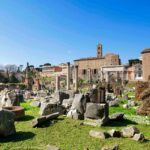

Starting at Piazza Barberini: Getting Oriented Fast
Piazza Barberini is a useful launch point because it’s central and easy to visualize. Meeting at the fountain also makes it simple to spot your group quickly. And since this tour ends back around the central sightseeing area, it’s a strong choice if you want a first-day orientation—or an evening primer before you revisit places on your own.
Pay attention to the guide’s sign when you arrive. The meeting point is specific, and the tour doesn’t waste time once it starts. The sooner you’re in sync with the group, the sooner you’ll shift into the darker storytelling tone.
Also, plan for walking. Even though the total time is only about two hours, the route includes multiple stops on foot, so comfortable shoes aren’t optional. If you’re traveling in weather that’s unpredictable, dress for rain and cooler evening air—this runs rain or shine.
The Capuchin Crypt: 3,500 Bones and a Very Specific Kind of Quiet
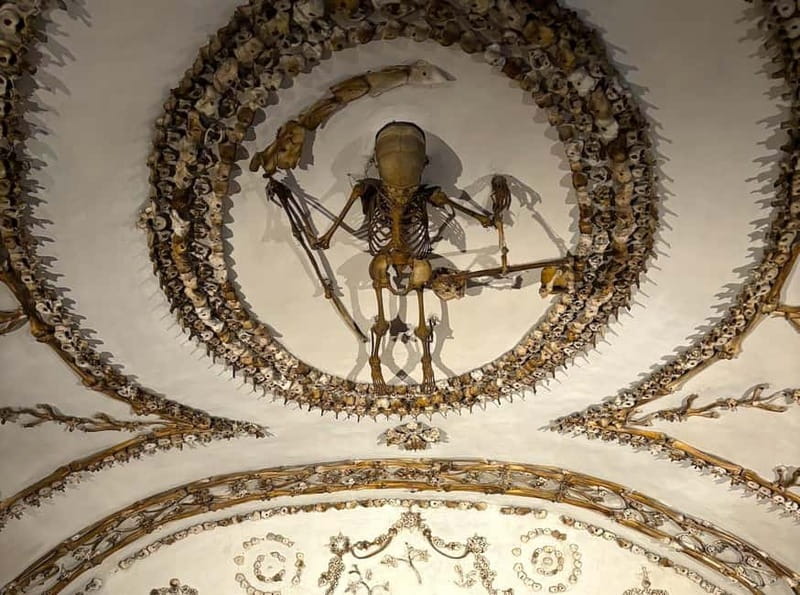
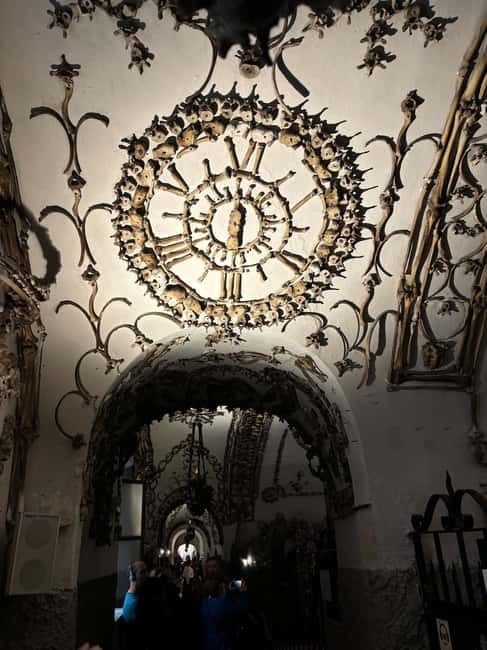
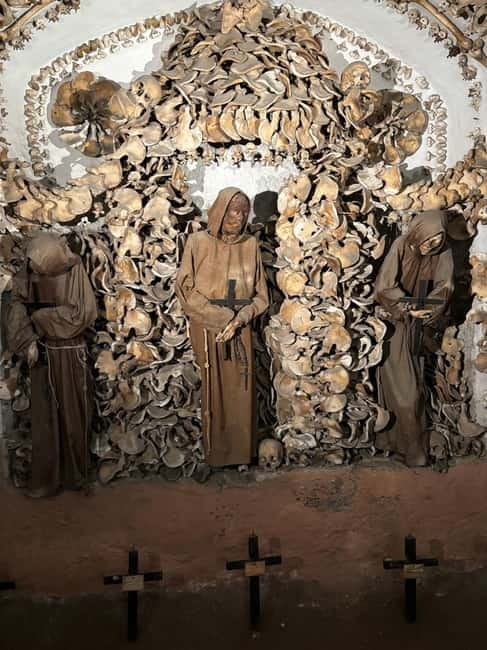
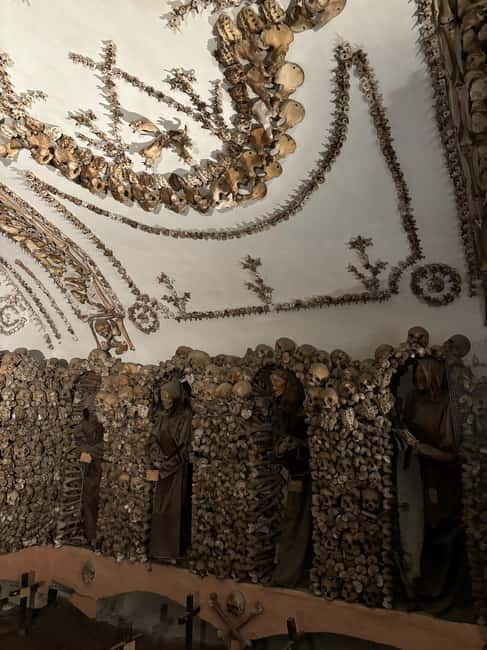
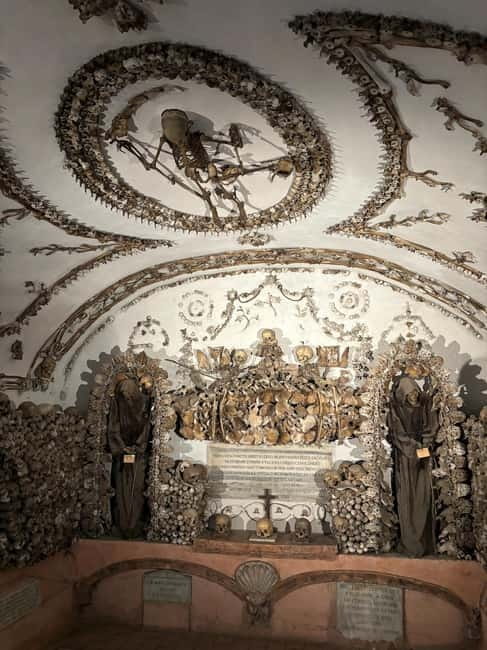
This is the main event, and it’s not like a typical museum visit. The Capuchin Crypt is built around a chapel lined with bones arranged in patterns meant to spark reflection. Your guide leads you inside for a guided visit of about 30 minutes, and that time is paced to let the scene sink in.
What you’re seeing isn’t random. The overall effect is deliberate: human remains used as symbolism, with the bones forming an unsettling visual language. If you’ve read about the crypt, you still won’t be prepared for the physical scale once you’re standing there.
Here’s the practical part you can’t ignore: in the Capuchin Crypt, shoulders and knees must be covered. If your outfit doesn’t meet the requirement, you can buy a covering on site for €1. It’s a small fix, but it’s worth thinking about before you go so you’re not dealing with it while you’re trying to get settled.
If you love history that feels human—faith, memory, mortality—this stop hits hard. It’s also one of those places where your guide’s framing matters. When you understand the intent behind the arrangement, it stops being only shock value and becomes a real cultural artifact.
Via Rasella: Wartime Horror in a Street You Can Actually Stand On
After the crypt, you step back into the city’s real streets—where stories stop being abstract and start feeling local. One of your stops is Via Rasella, with a guided segment of about 15 minutes.
The point here isn’t just to tell a ghost story. The route includes an account tied to a wartime massacre that left a wound Rome never forgot. That framing changes how you look at the street: it stops being just a connector between landmarks and becomes a place where history is still stitched into daily life.
You’ll likely notice the contrast in tone. In the crypt, the atmosphere is silent and eerie. On Via Rasella, the horror is anchored to a time and event connected to the modern city. It’s the kind of stop that makes Rome feel less like postcards and more like lived-in memory.
Trevi Fountain at Night: Love, Betrayal, and a Story With a Strange Echo
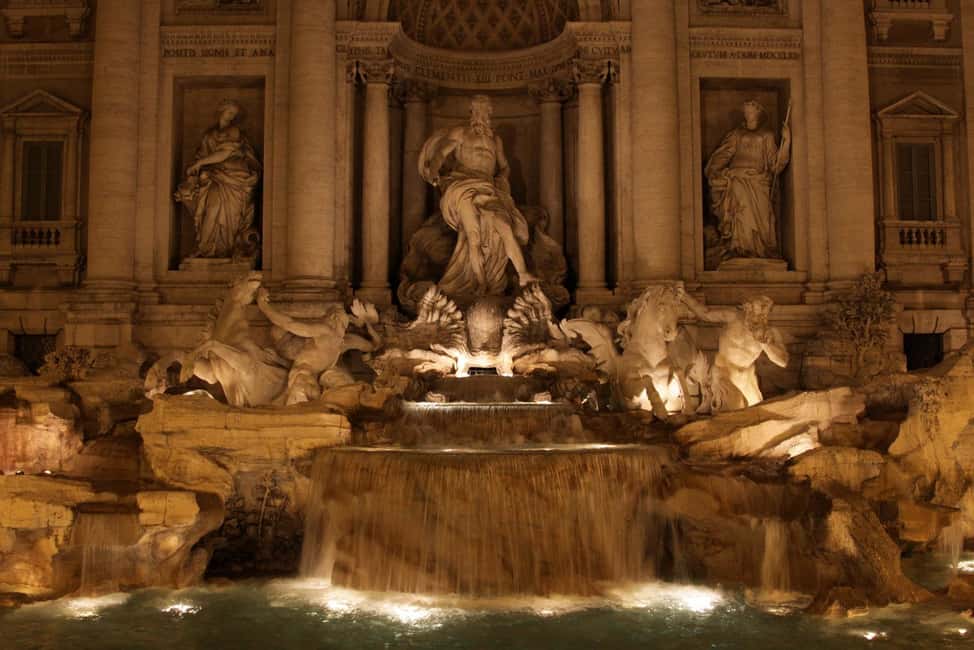
Next up is Trevi Fountain, guided for about 15 minutes. This stop is famous on its own, but the tour’s twist is that you’re not just there for photos. You’re there for a dark legend connected to love and doom—told in a way that places the story near the fountain itself.
The most memorable parts of these stories are usually the specific details that give them shape. Here, the tour includes tales of doomed love said to echo near Trevi, plus a story tied to a noblewoman’s handprint believed to appear after death. Even if you’ve heard versions of these kinds of legends around Rome before, the guided context helps you connect the narrative to where you’re standing.
One caution: Trevi is a magnet for crowds. This tour keeps its focus tighter than a sightseeing stampede, but you’ll still want to be patient and ready for busy streets in the evening. The timing is short at this stop, so listen closely when your guide talks and keep moving when the group does.



Pantheon Area: Ghost Stories Near Everyday Rome
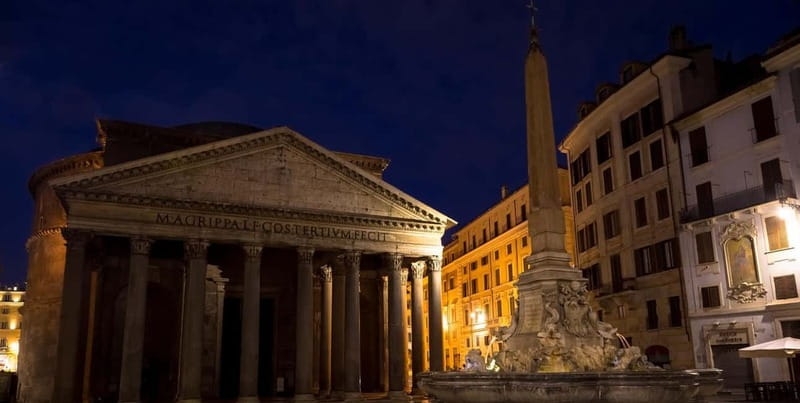
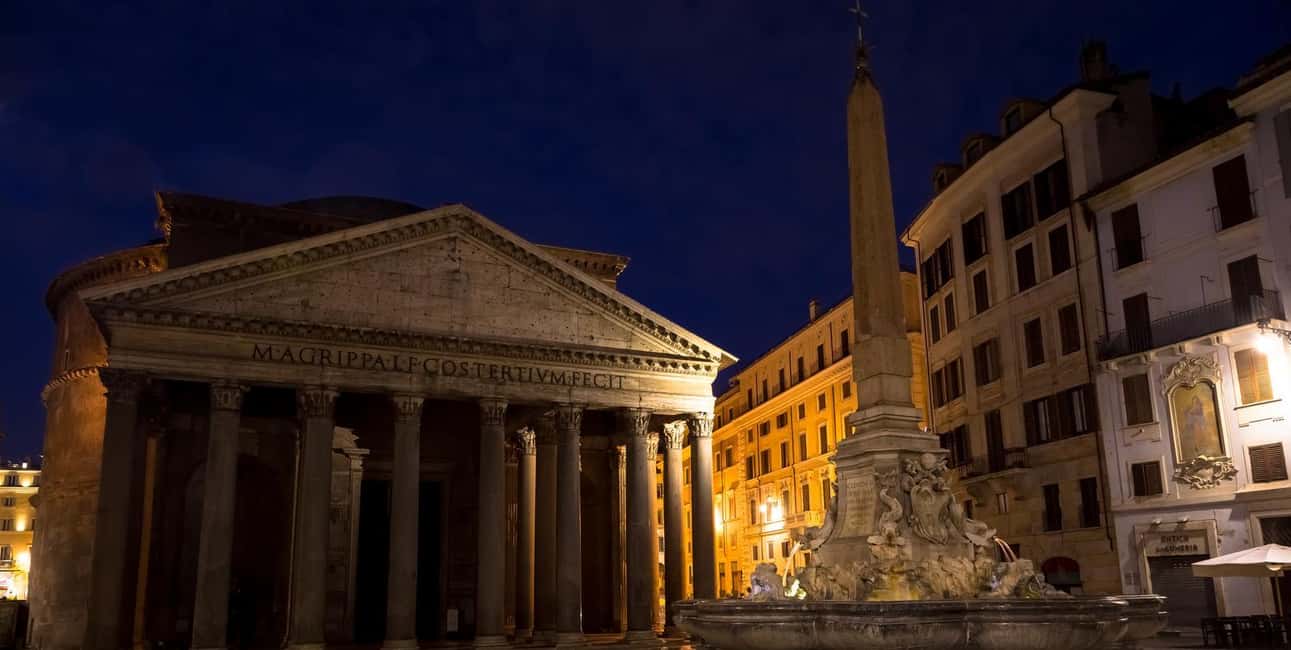
You’ll then spend guided time near the Pantheon (about 15 minutes). This is another classic Roman landmark area, but again, the value is in the storytelling angle.
The tour includes a ghost story tied to an old butcher’s shop near the Pantheon. That kind of legend works well on foot because you’re walking through the same kind of urban texture these stories grew from—small businesses, changing neighborhoods, and everyday streets that have layered meaning over time.
This is one of the stops where the “no gimmicks” approach pays off. A tour that acts like a theme park can feel silly fast. Here, the guide keeps the tone grounded, so the eerie elements feel tied to the city rather than manufactured for entertainment.
If you like your Rome with a little bite—legends that feel plausibly attached to real places—this is a highlight. You also end up with a better mental map of where to wander later, because you’re learning the neighborhoods in motion, not from a static pamphlet.
Piazza Navona: Closing the Loop on Rome’s Dark Legends
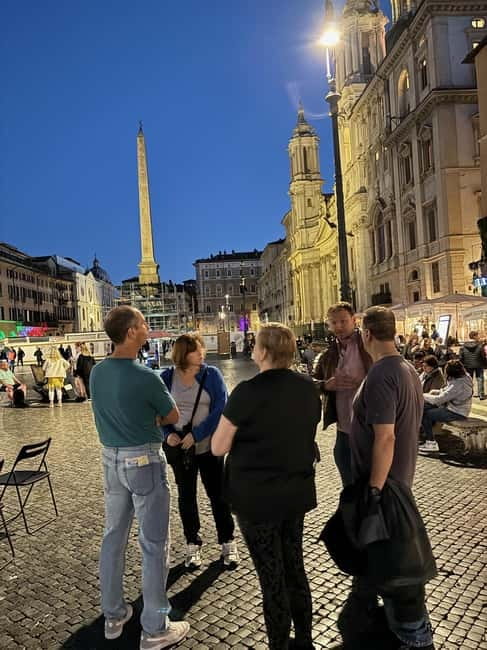
Your guided tour finishes around Piazza Navona (with about 20 minutes at the final stop). This is a smart ending point because the square is visually satisfying even when you’re coming off a heavy topic. You’ve gone from bone-lined chapel symbolism to wartime tragedy, then to love and ghostly stories, and now you get a grand open-air landing.
Piazza Navona can feel lively, but the tour’s effect is that the legends stay with you. It’s the kind of finish where the city’s beauty doesn’t cancel the dark material—it frames it. You start noticing details you’d normally ignore, like the way buildings and street corners can look innocent until you hear what happened there.
At the end, you’ll be directed back to the central meeting area experience. Since the start is clearly defined at Piazza Barberini, your guide will handle the finish location for your specific departure time.
Guide Style: What Makes the Stories So Memorable
This tour lives or dies on the guide, and the feedback for this one is consistently about storytelling skill and engagement. Names you might see associated with this tour include Alethea/Alethia and Leo, with a style that mixes historical context with humor—without turning the subject matter into a joke.
That matters more than it sounds. Dark legends can easily become repetitive when a guide narrates like they’re reading from a script. Here, the storytelling feels paced like a conversation: you get just enough context, then you’re looking at the place while the story lands.
It’s also worth noting what the tour doesn’t do. There are no costumes and no theatrics. That keeps the experience respectful and helps it feel authentic, especially at the crypt. If you’re trying to balance fascination with a sense of seriousness, this approach is a good fit.
Is It Worth $45.55? The Value Breakdown That Actually Matters
At $45.55 per person for about two hours, this tour isn’t the cheapest thing in Rome—but it’s also not trying to be. The biggest value drivers are practical:
- Capuchin Crypt entry is included, which saves you time and decision fatigue
- The tour skips the ticket line, so you lose less evening time to logistics
- You get a small group size (max 10), so you’re not packed into a crowd
- You receive guided storytelling at multiple central sights, not just one “big ticket” stop
For me, the real value is the combination. A crypt visit alone is memorable, but you’d miss the way the guide connects it to the city around it. Meanwhile, a general landmarks walk alone gives you sights but not meaning. This tour stitches the two together: you leave with photos and with a story-shaped understanding of what those places represent.
Also, this is a good length for people who don’t want to commit to a half-day. Two hours works well if you’re jet-lagged, if it’s your first night, or if you want a planned evening that still leaves time for dinner afterward.
Who Should Book This (and Who Might Skip It)
This tour is a great match for you if you like:
- Macabre history with respectful context
- walking between famous sights and learning why they’re connected to stories
- dark legends that feel tied to specific corners of Rome
It’s especially useful if you want your landmarks with explanations you’d never find on your own quickly. The route covers central anchors—Trevi, Pantheon, Piazza Navona—so you’ll likely spot places you’ll want to return to for a longer look.
I’d reconsider if you:
- are strongly squeamish about bones and death imagery
- can’t meet the shoulder-and-knee coverage expectation at the crypt
- need wheelchair accessibility (this tour isn’t suitable for wheelchair users)
When to Go and What to Bring for a Smooth Crypt Visit
This tour runs rain or shine, so bring the right layers and plan for wet sidewalks. Even if the weather stays good, evenings can feel cooler than you expect, especially if you’re moving between open squares and enclosed spaces.
Bring:
- Comfortable shoes (you’re walking between multiple stops)
- Weather-appropriate clothing
- A reusable water bottle
If you want to avoid last-minute outfit adjustments, wear something that meets the crypt dress expectation from the start. If you don’t, the €1 covering option is there, but you’ll enjoy the crypt more if you’re not worrying about it on the spot.
Should You Book the Rome Capuchin Crypt & Dark Secrets Tour?
If you want a focused, story-driven Rome evening—with a truly memorable anchor stop and a guided walk through major sights—this is an easy yes. The small group size, included Capuchin Crypt entry, and the no-gimmicks storytelling style are a strong combo for the money.
Book it if you like the idea of connecting bones-under-a-church symbolism to the city’s real streets and tragedies. Skip it if you’re uncomfortable with death imagery or if you know you won’t manage the crypt’s clothing requirement.
If your goal is to understand Rome beyond the usual highlights, this tour is one of the better ways to do it in two hours.
FAQ
What’s the duration of the Rome: Capuchin Crypt & Rome’s Dark Secrets tour?
It lasts about 2 hours.
Where do I meet the guide?
Meet your guide by the fountain in the middle of Piazza Barberini. The guide will be holding a sign that reads Rome’s Bone Crypts and Dark Centre.
What stops are included on the route?
The tour includes the Capuchin Crypt and walking stops at Via Rasella, Trevi Fountain, the Pantheon area, and Piazza Navona.
Is the Capuchin Crypt ticket included?
Yes. The tour includes the Capuchin Crypt entry ticket.
How long do I spend at the Capuchin Crypt?
The guided portion at the crypt is about 30 minutes.
Does the tour run in bad weather?
Yes, it runs rain or shine.
What clothing is required for the Capuchin Crypt?
Shoulders and knees must be covered. If needed, you can purchase a covering for €1 on site.
Is this tour wheelchair accessible?
No, it is not suitable for wheelchair users.