REVIEW · ROME
Rome: Bone Crypts Express – Tour in ENGLISH with tickets
Book on GetYourGuide →Operated by Rome With Mike · Bookable on GetYourGuide
A chandelier made of bones grabs your attention fast. I like the small-group feel and the way the guide connects what you’re seeing to faith, art, and history. If you want a long underground maze, this express stop may feel short and, in places, less underground than you expect.
You start in Piazza Barberini, meet your guide by the Triton Fountain, and walk to the Capuchin Museum before heading down into six bone-decorated chapels. The best part for me is the tone: eerie subject matter, but handled with respect and often with a bit of humor from guides like Mike, Alessandra, Heather, Angela, and Divan (based on previous guide assignments). My one caution: the site is a holy space with dress rules, so plan your outfit early.
In This Review
- Key highlights worth your attention
- Piazza Barberini start: quick orientation, easy central meet
- Inside the Capuchin Crypts: skip the line, then follow the story
- The six bone chapels: what you’ll see in each room
- Crypt of the Three Skeletons
- Crypt of the Leg Bones and Thigh Bones
- Crypt of the Pelvises in peaceful arches
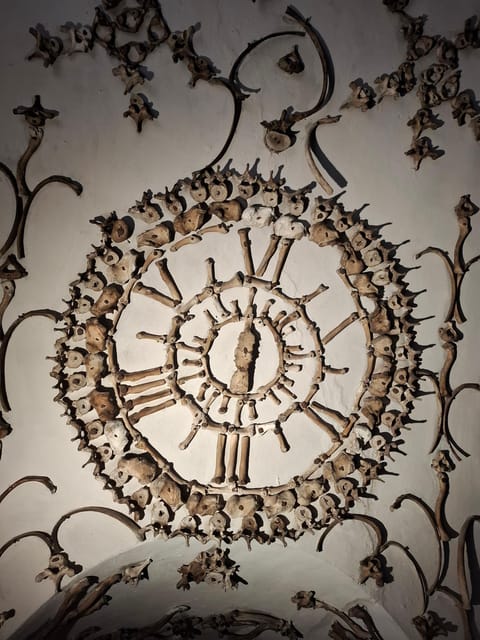
- Crypt of the Skulls and the hourglass symbol
- Crosses in the floor: final resting places
- Capuchin burial laws and why this cemetery exists
- Franciscan order roots, Capuchin identity, and Rome’s art crossovers
- One-hour format: good for focus, not for long lingering
- Dress code and site manners: small effort, big payoff
- Price and value: is $35 worth it for Rome’s bone chapels?
- Who should book this tour?
- Should you book the Capuchin Crypts Bone Crypts Express?
- FAQ
- How long is the Rome Bone Crypts Express tour?
- Where do I meet the guide?
- Is the tour in English?
- Does it include skip-the-line tickets?
- What should I wear?
- Is it suitable for kids, pregnant women, or wheelchair users?
Key highlights worth your attention
- Skip-the-line access so you lose less time and see more
- Six chapels of bone symbolism built from the remains of nearly 4,000 monks
- Clear storytelling on Franciscan vs Capuchin origins and burial practices
- Caravaggio context tied to Rome’s Baroque world, not random name-dropping
- A quick reality check on location: much of what you’ll see is in rooms, not deep catacombs
- Dress rules that matter: shoulders and knees covered; no shorts or skirts
Piazza Barberini start: quick orientation, easy central meet
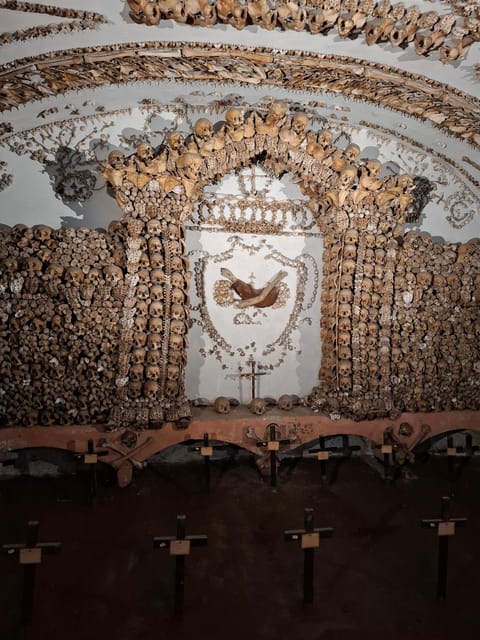
Your tour kicks off at Piazza Barberini, in front of the Triton Fountain (face side). This is one of those meeting points that’s hard to mess up. Once you spot the fountain, you can mentally bookmark the area and keep it simple for the rest of your day.
From there, the group walks toward the Capuchin Museum. I like this setup because it gives you a breath of normal Rome first, then shifts gears. You’re not dropped into the crypt with zero context, and the guide uses the walk to frame what you’re about to see—history, symbolism, and why these chapels exist at all.
You can also read our reviews of more tours and experiences in Rome


Inside the Capuchin Crypts: skip the line, then follow the story
The big practical win is the skip-the-line ticket access. Rome has a way of turning queues into time sinks, and this tour is built for people who want the experience without wasting half a day waiting. With a small group limited to 10, you can actually hear the guide and ask questions.
Your guided time is around 70 minutes. That makes this more of a focused visit than a slow wander. It also means you’ll move through several rooms in a logical flow, with the guide pointing out symbols as you go instead of leaving you to guess.
One detail to plan for: sections of the crypt use an on-site audio guide, but it’s not included with your tour. If you’re curious, you can consider whether you want that extra layer, but don’t count on it being part of what you paid for. Also, keep expectations grounded. A past participant pointed out the remains aren’t truly deep underground like a classic catacomb scene—they’re displayed across multiple rooms that are more room-like than basement-like.
The six bone chapels: what you’ll see in each room
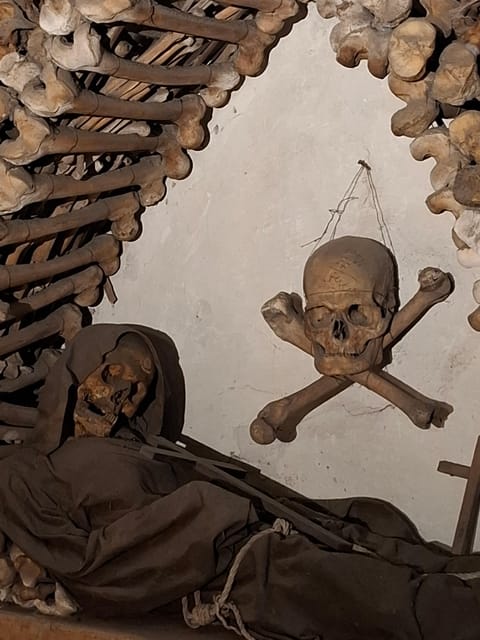
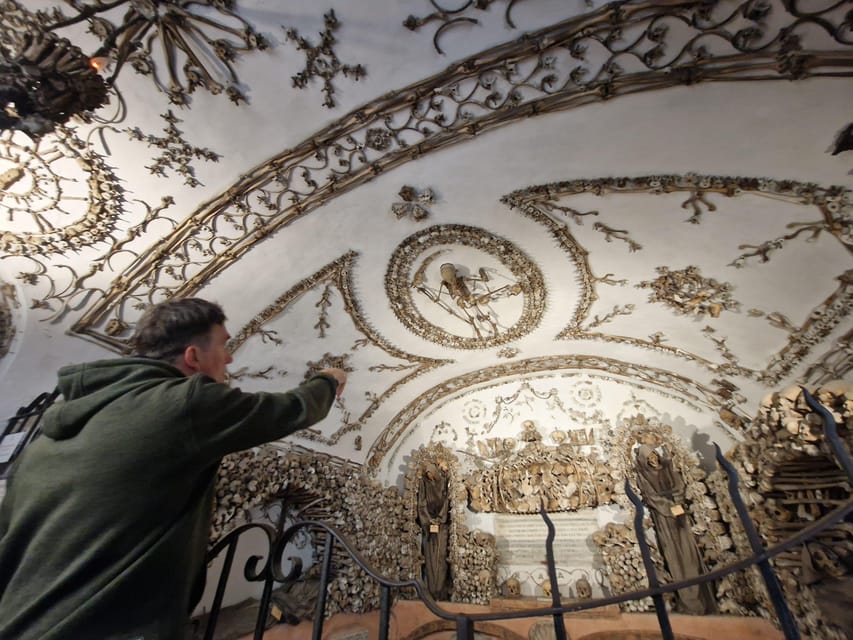
This is the heart of the tour: six chapels decorated using bones and skulls, tied together with Christian symbols. Nearly 4,000 Capuchin monks are represented here, and the guide helps you read the design choices instead of just staring in disbelief.
Crypt of the Three Skeletons
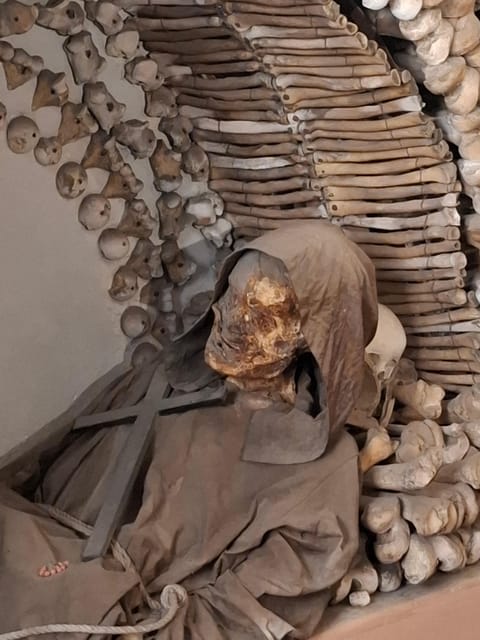
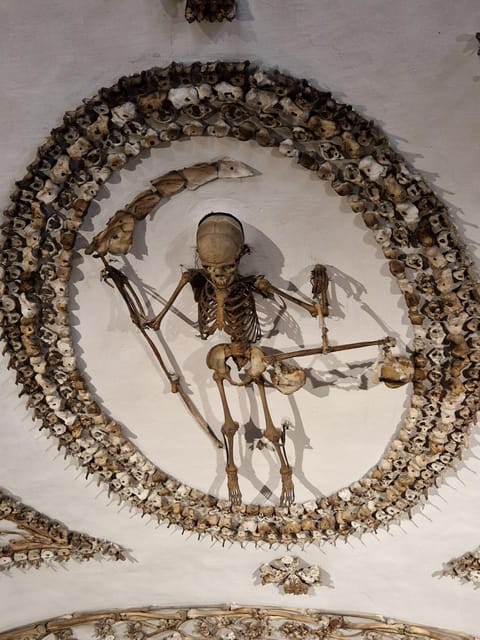
This is the one people often describe as iconic. You’ll see the skeletal arrangement used to communicate a theme of mortality. The guide’s framing matters here: it’s not only shock value. It’s an intentional message about death as part of faith, not just a spooky spectacle.
Crypt of the Leg Bones and Thigh Bones
This room shifts the focus from skulls to the body as a whole. Watching how the bones are arranged helps you understand the Capuchin approach: they turned human remains into a visual language. I like when guides slow down here, because it’s easy to miss the meaning while scanning for the most dramatic displays.


Crypt of the Pelvises in peaceful arches
In this chapel, you’ll see friars arranged in arches made from pelvic remains. It’s a quieter, more structured feeling room than you’d expect. The arches create a sense of order, almost like architecture built from anatomy—again, always tied back to religious symbolism.
Crypt of the Skulls and the hourglass symbol
This is where the skull imagery becomes the loudest. The room is topped with the symbolic hourglass, which reinforces the theme that time and life pass. If you came expecting purely macabre decoration, this is where the “spiritual and inspiring” part actually lands.
Crosses in the floor: final resting places
You’ll also notice crosses embedded in the floor marking the final resting places of seven monks. This detail changes the mood. It stops being only visual horror and becomes a small, concrete reminder that this is still a burial ground. When the guide connects those crosses to burial practice, the whole visit clicks into place.
Capuchin burial laws and why this cemetery exists
The tour spends real time on the story behind how the site formed. It’s not random; it follows the Capuchin way of handling death and remains.
One of the most interesting pieces of history is the relocation of monks’ remains from an old friary near the Trevi Fountain area. You’ll learn how remains were moved and why rules about Capuchin burial practices helped create this underground cemetery concept. That background matters because it stops the experience from feeling like a museum trick.
I also like how the guide explains the logic of the arrangements. The crypt isn’t just decoration; it’s communication—used to teach, to reflect, and to make the idea of mortality visible in a way people couldn’t ignore. That’s why the visit can feel haunting and still strangely meaningful.
Franciscan order roots, Capuchin identity, and Rome’s art crossovers
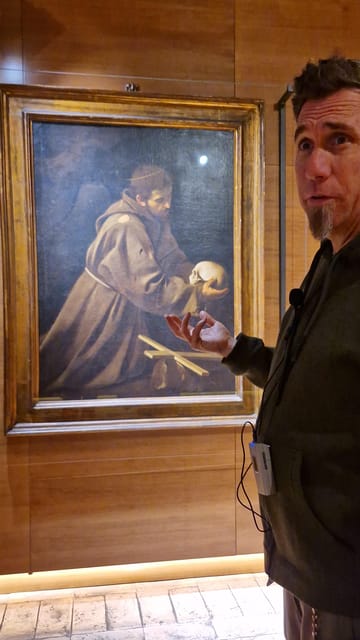
You don’t just learn about bones. You learn about the Franciscan and Capuchin threads that produced this spiritual world.
The guide explains how the Franciscan Order influences what the Capuchins became. Then it connects those beliefs to the choices made at this site—especially how burial and reflection became part of daily spiritual life.
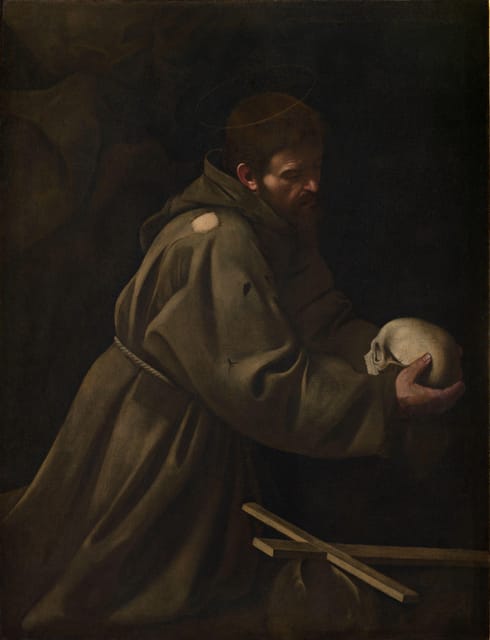
And then there’s the art side. You’ll hear stories tied to Caravaggio, often described as the bad boy of Rome. This portion works best if you think of it as a bridge: you’re seeing religious symbolism below street level, but the guide reminds you Rome’s spiritual world also lived in art, drama, and rebellion on the surface.
If you’re an art lover, don’t treat the Caravaggio mention as a trivia stop. The point is how Rome’s Baroque intensity overlaps with religious messaging. It helps you leave with a bigger understanding of why Rome can feel both sacred and theatrical.
One-hour format: good for focus, not for long lingering
This is an express tour. It’s one hour total, with about 70 minutes of guided time. That structure is a plus if you’re packing a tight itinerary, especially if you plan to keep exploring Rome right after.
The upside: you won’t get stuck. You’ll see the major rooms, get the key story beats, and understand what the guide wants you to notice. The downside: if you’re the type who needs extra time to process unsettling visuals or wants to linger in silence longer than the group pace, this format might feel brisk.
There’s also a practical reality check: the experience is not for everyone. The tour is not suitable for children under 10, wheelchair users, or pregnant women. Add the dress expectations—no shorts or skirts, with shoulders and knees covered—and you have two common barriers to plan around before you arrive.
Dress code and site manners: small effort, big payoff
The holy-site rules are clear: your shoulders and knees must be covered. Shorts and skirts are not allowed. Cargo shorts are acceptable, which is helpful if you’re traveling with practical clothing rather than fancy outfits.
I’d treat this as part of the experience design. When the group walks in dressed appropriately, the visit feels more respectful for everyone. Plus, you avoid the uncomfortable moment of being turned away or scrambling for a solution at the last minute.
Comfort also matters because you’ll be moving through a series of rooms. Wear shoes you can stand in without thinking about it every minute.
Price and value: is $35 worth it for Rome’s bone chapels?
$35 per person for a 1-hour guided visit with skip-the-line entry is a fair price if you care about context. You’re not paying just for entry. You’re paying for an English mother-tongue guide, a small group experience capped at 10, and a guided explanation of the symbolism across six chapels plus history connecting it to the Capuchin order and Caravaggio storytelling.
What you don’t get included is the audio guide, and there’s no food or drinks. But for most people, the main value is time saved plus guided interpretation. Without a guide, you’d likely see the bones and hourglass and skull arrangements and still wonder what connects it all.
I’d only call it poor value if you prefer self-paced visits and already know the full story. Otherwise, the guide is doing the heavy lifting.
Who should book this tour?
Book it if you want:
- A short, high-impact experience that fits into a busy Rome day
- An English guide to explain religious symbolism and history
- A small group visit that stays manageable
Skip it or consider another option if:
- You need wheelchair access
- You’re traveling with someone who is under 10
- The idea of bone décor would be too distressing for your group
- You want a longer underground exploration rather than a structured 1-hour stop
If you’re on the fence, I’d still lean toward booking—because the experience isn’t just macabre. It’s made to be reflective, and the guide’s pacing helps you move from shock to understanding without getting lost.
Should you book the Capuchin Crypts Bone Crypts Express?
Yes, if your goal is to see the Capuchin Crypts properly in a limited time window. The skip-the-line ticket access plus an English mother-tongue guide makes it one of the more practical ways to handle a site that can otherwise swallow time and attention.
Do it especially if you like tours where the guide explains symbols and history while you walk from room to room. This one has a track record for guides who mix facts with humor, like Mike, Alessandra, Heather, Angela, and Divan, and that blend is exactly what keeps the mood from going flat.
Finally, don’t show up unprepared. The dress code is strict enough to matter, and the experience is not designed for wheelchair use or young kids. If you meet those basics, you’ll get a memorable, thought-provoking hour in one of Rome’s most unusual spiritual spaces.
FAQ
How long is the Rome Bone Crypts Express tour?
The tour lasts about 1 hour total, with roughly 70 minutes of guided time.
Where do I meet the guide?
Meet your English mother-tongue guide in Piazza Barberini in front of the Triton Fountain (face side).
Is the tour in English?
Yes. The tour is in English with a live mother-tongue guide.
Does it include skip-the-line tickets?
Yes. It includes exclusive skip-the-line ticket access to the Capuchin Crypts.
What should I wear?
You’ll need shoulders and knees covered to enter. Shorts and skirts are not allowed, but cargo shorts are acceptable.
Is it suitable for kids, pregnant women, or wheelchair users?
No. It’s not suitable for children under 10, pregnant women, or wheelchair users.