REVIEW · ROME
Rome: Catacombs and Capuchin Crypt Guided Tour with Transfer
Book on GetYourGuide →Operated by the tour guy · Bookable on GetYourGuide
Bones, tunnels, and a dose of Rome beneath Rome. You’ll visit the Capuchin Crypt with bones arranged by Capuchin monks, then head down into early Christian catacombs on the Appian Way corridor. It’s one of those tours where the setting does half the storytelling, and your guide does the rest—bringing order to something that can feel shocking at first glance.
I like two things most here: the tour gives you skip-the-line entry to the Capuchin site and the catacombs experience is structured enough to feel informative, not chaotic. Second, the air-conditioned round-trip transportation keeps the day moving with less hassle than cobbling together multiple legs on your own. The main drawback to consider is that the catacombs portion can feel a bit time-pressed, especially if you’re the type who wants to linger at every corner.
In This Review
- Key points before you go
- Capuchin Crypt Ossuary: bones, chapels, and a guide that sets the tone
- Roman Catacombs of St. Callixtus: underground burial design and preserved details
- Appian Way and Aurelian Wall pass-by: why Rome’s roads matter
- Piazza Barberini pickup, transfers, and how to stay comfortable
- Guides you might meet: what people praise (and why it matters)
- VIP After-Hours option: the quieter version of the same story
- Price and value: why $41 can make sense here
- Who this tour fits best (and who should think twice)
- Should you book this Rome catacombs and Capuchin Crypt tour?
- FAQ
- FAQ
- How long is the daytime tour?
- Where does the tour start?
- Do you get skip-the-line entry?
- Is transportation included?
- What stops are included in the itinerary?
- Does the tour include the entry fees?
- Can I take photos inside?
- What should I wear?
- Is this tour suitable if I’m claustrophobic?
- What is the VIP After-Hours option?
Key points before you go
- Capuchin Crypt ossuary: bones of about 4,000 monks, shown through five bone chapels
- Catacombs with preserved art: you’ll see artworks and tomb spaces connected to early Christian figures
- Guides who make it click: names that show up often include Monica, Fiona, Maria, David, and Matteo
- Transportation included: central Rome pickup area to sites and back, by air-conditioned vehicle
- Short, focused itinerary: about 2.5–3.5 hours for the daytime tour, with a 2.5-hour VIP option after hours
Capuchin Crypt Ossuary: bones, chapels, and a guide that sets the tone
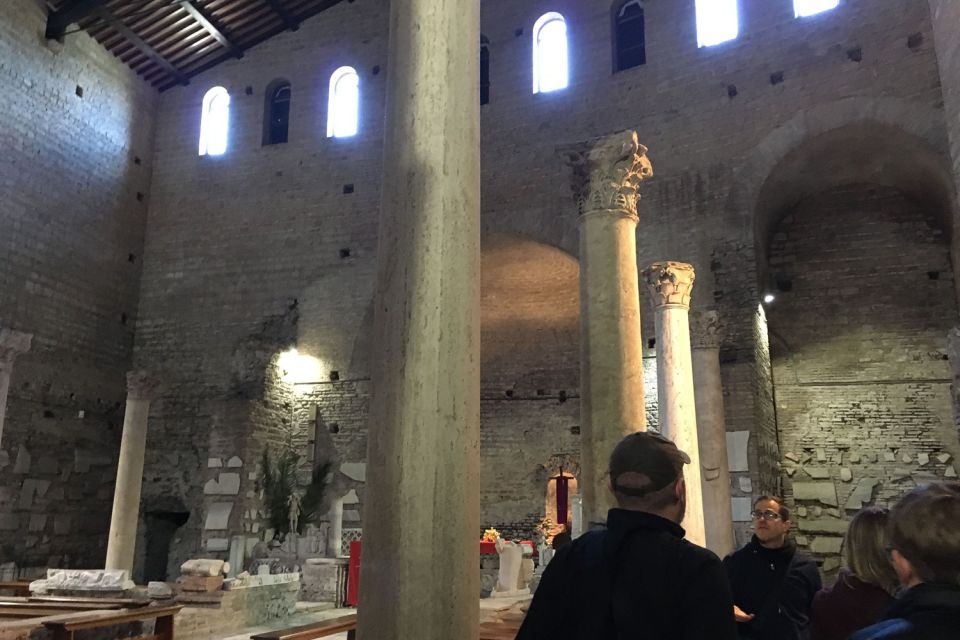
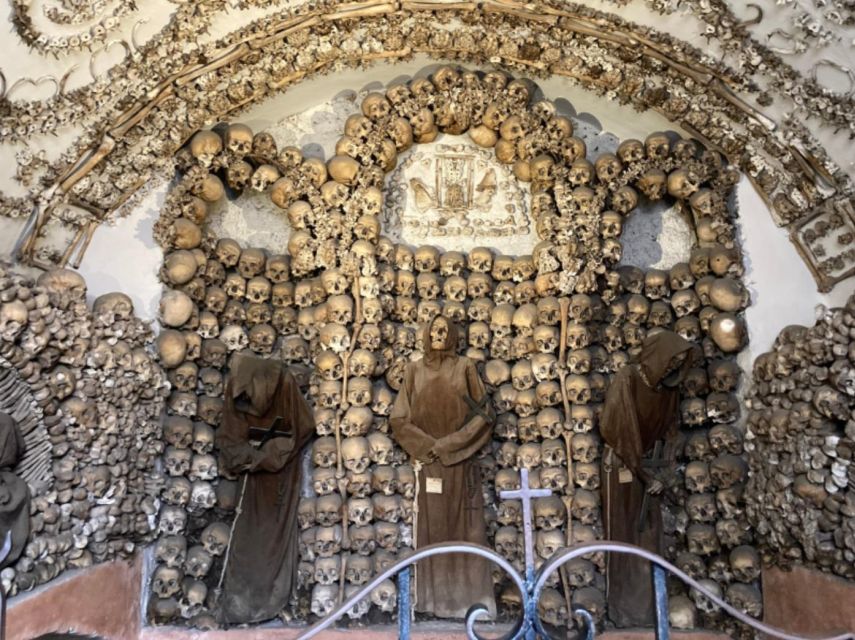
The Capuchin Crypt is exactly what it sounds like: an ossuary where Capuchin monks’ bones are arranged as a visual system. The scale is hard to absorb until you’re standing there—this site is decorated with the remains of roughly 4,000 friars. What makes it more than just a spooky photo stop is the way it reframes death as something ritualized, not random. Your guide usually does a good job explaining why the bones are arranged the way they are, and how the friars approached ideas like life, death, and eternity.
You’ll spend about 50 minutes here, which is enough time to see the “wow” moments and still hear the story behind them. That matters, because the crypt can feel like two different experiences at once: surreal visuals on the surface, and a deeper theme beneath. A few guides are repeatedly praised for being warm and balanced—people mention guides like Maria and Monica for making the history land without making it cold.
Practical note: you’ll want to dress correctly. Because it’s a religious site, you must cover shoulders and knees. Shorts and sleeveless shirts mean you may be refused entry, so pack a light layer even if Rome is warm.
You can also read our reviews of more guided tours in Rome



Roman Catacombs of St. Callixtus: underground burial design and preserved details
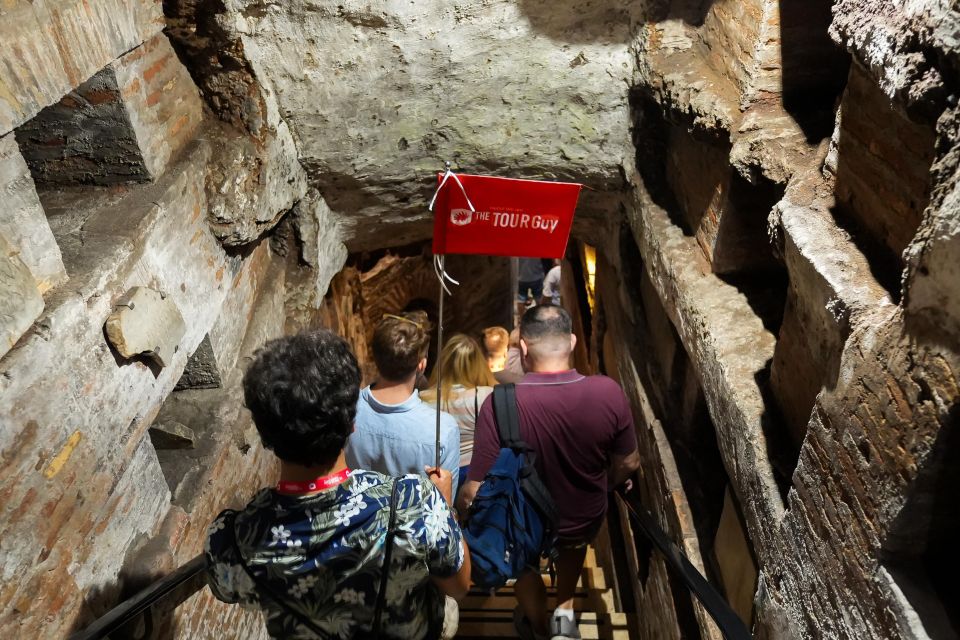
After you’ve wrapped your head around the crypt, you’ll head to the catacombs on the Appian Way side of Rome. The catacombs are some of the most significant underground burial systems connected to early Christianity, and the total network is described as extending over 10 miles. On this tour, you won’t see every tunnel (nobody does in one visit), but you’ll get an organized, guided look at key parts.
Plan on about one hour for the guided catacombs visit. The format is usually: first you admire cemeteries from ground level, then you descend and walk through the underground spaces. That “up first, down second” rhythm helps your brain recalibrate. It also sets context, so the carved rows and crypt structures feel intentional instead of just dark corridors.
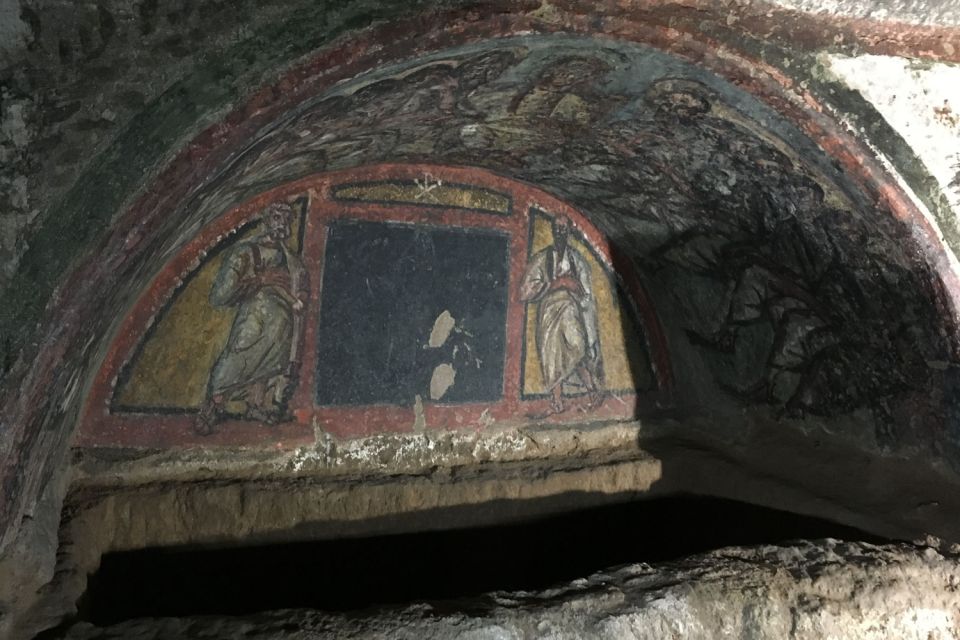
What I think you’ll appreciate most is the mix of art and architecture. You’re told about martyrs and pontiffs laid to rest there, and you’ll also see impeccably preserved paintings and crypts connected to 3rd-century popes. That combination shifts the catacombs from pure gloom to something closer to a historical record. One of the strongest repeated takeaways from guides is that they connect the scenes around you to specific people and time periods, rather than leaving it as general “early Christian stuff.”
One consideration: some people feel the catacombs time is a little tight. If you love to stare, pause, and read every surface, you might feel pushed. If you’re the type who prefers forward motion and good explanations over wandering, this timing can actually be a plus—it keeps the tour lively and prevents the day from dragging.
And yes, you should respect the physical reality: underground spaces can trigger claustrophobia. This is not a “maybe” tour if you’re sensitive to tight tunnels and enclosed areas.
Appian Way and Aurelian Wall pass-by: why Rome’s roads matter
You won’t spend hours walking the Appian Way itself, but you do get a quick, guided pass-by on the way back. That’s deliberate. The Appian Way wasn’t just a road—it was a major artery during the Roman Empire, and it shaped how people and power moved. Seeing it framed by your guide helps you understand why the catacombs are tied to this part of the city’s story.
Right after that, you’ll also pass by the Aurelian Walls. Even from a bus window, the idea is clear: Rome’s defenses were engineering, politics, and geography all at once. If you’re doing this as a first-day Rome activity, these road-and-wall moments give you a quick sense of scale—where the city’s boundaries were, and how travel and safety worked before cars and crowds.
Piazza Barberini pickup, transfers, and how to stay comfortable
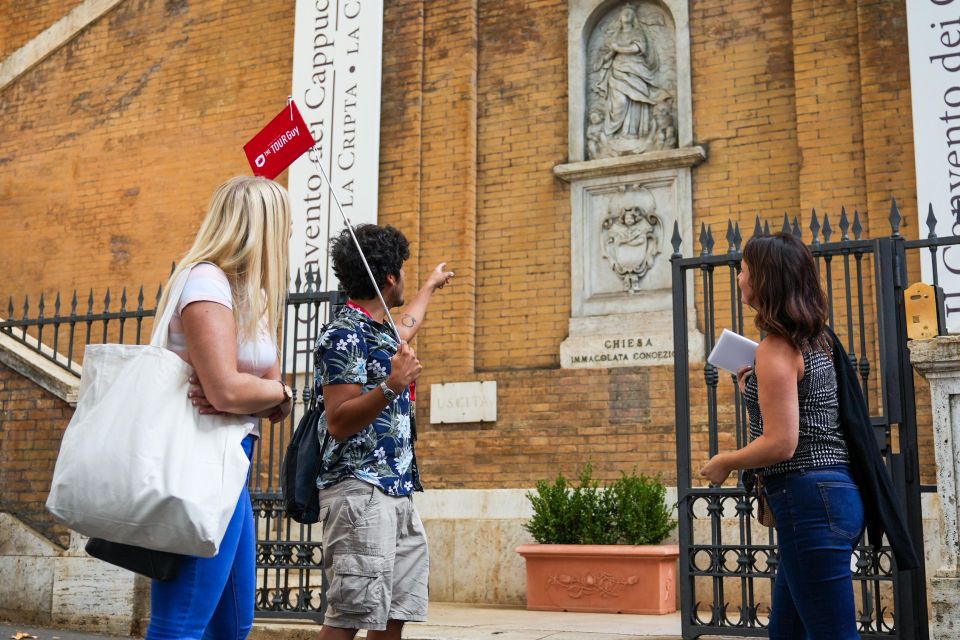
This tour is built to reduce decision fatigue. You meet your guide near Piazza Barberini (there’s also a start option at the Fontana del Tritone, depending on the booking). Then you’re moved between sites in a private, climate-controlled vehicle with round-trip transportation from central Rome. For a tour that’s half underground, that’s a big deal. You don’t have to think about bus lines, walking distance, or timing stress.
The ride time between stops is short. You’ll have transport legs (including a bus/coach segment) that keep you from losing too much of the experience to transit. And because it’s air-conditioned, you’ll likely feel the comfort difference right away on warm days.
A few small “how to make it better” tips:
- Wear comfortable shoes—you’ll be on foot at multiple sites, including in underground areas.
- Bring a jacket if you travel in spring or autumn. Underground spaces can feel cooler than the street.
- If your group isn’t directly next to the guide at the back of the catacombs, audio can sometimes be tricky. Try to position yourself closer to the front when you can.
Drop-off convenience is included too: depending on the option booked, you can end near the original pickup area (Piazza Barberini) or at other nearby points such as Fontana del Tritone or Santa Maria in Cosmedin. That’s useful for grabbing lunch or linking to public transportation right after.
Guides you might meet: what people praise (and why it matters)
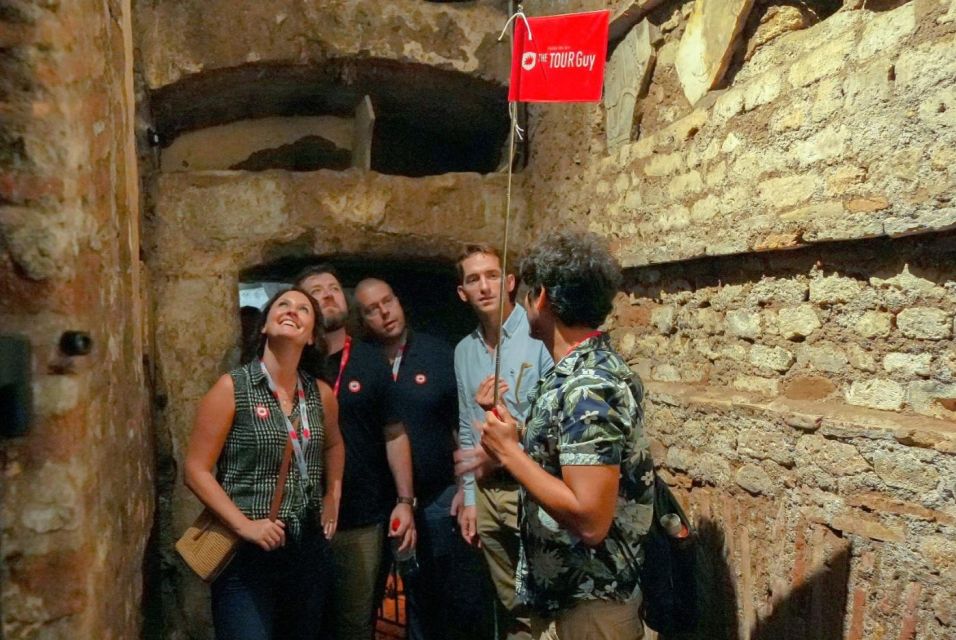
A standout part of this tour is the people factor. The guides named in recent feedback include Monica, Fiona, David, Maria, Matteo, and Davide. The common thread isn’t just that they know facts. It’s that they organize the story so you don’t get lost between the crypt visuals, the catacombs details, and the Roman history context.
You’ll also notice a few “small operations” points:
- Many people say guides speak clearly and answer questions well.
- Some guides get credit for blending serious history with a light touch, which helps in an environment that could otherwise feel heavy.
- Radios/microphone systems are usually effective, though a few notes mention occasional cutouts on vehicle rides. If you’re sensitive to sound issues, sitting closer to the front can help.
If you’re doing Rome with limited time, a strong guide turns this from a list of dark rooms into a coherent lesson about how early Christians used burial spaces, and how later generations interpreted those spaces.
You can also read our reviews of more tours and experiences in Rome





VIP After-Hours option: the quieter version of the same story
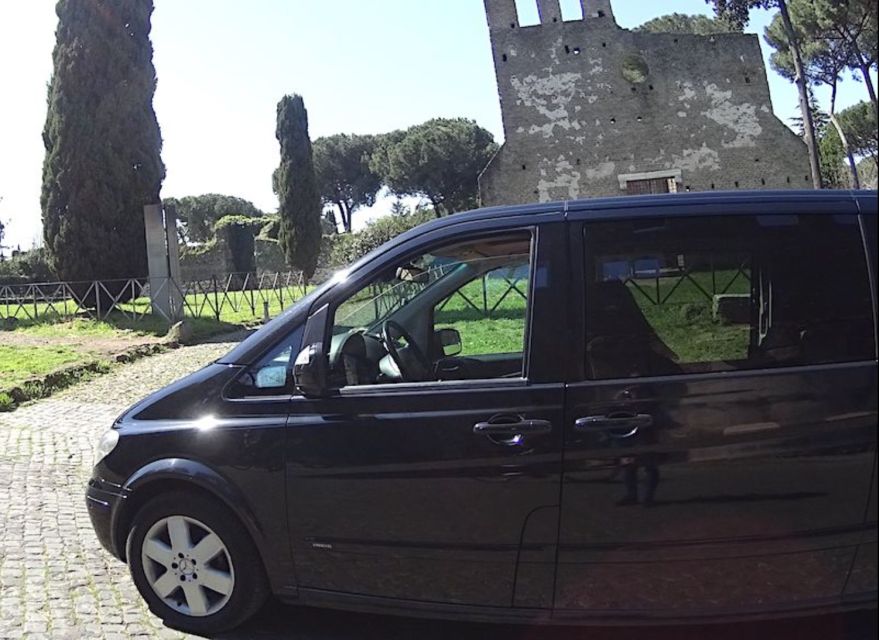
If you want the atmosphere to feel less like a daytime stampede, the VIP After-Hours option is a smart upgrade. It’s described as a private visit with last-entry access to the Capuchin Crypts, and then exploring the catacombs after hours as it gets darker.
The VIP tour is 2.5 hours (shorter than the daytime 3.5-hour maximum), so it’s still efficient, but the vibe can be calmer. If you hate crowds, or you just want the sites to feel more intimate, after-hours access is the reason to choose this.
Price and value: why $41 can make sense here
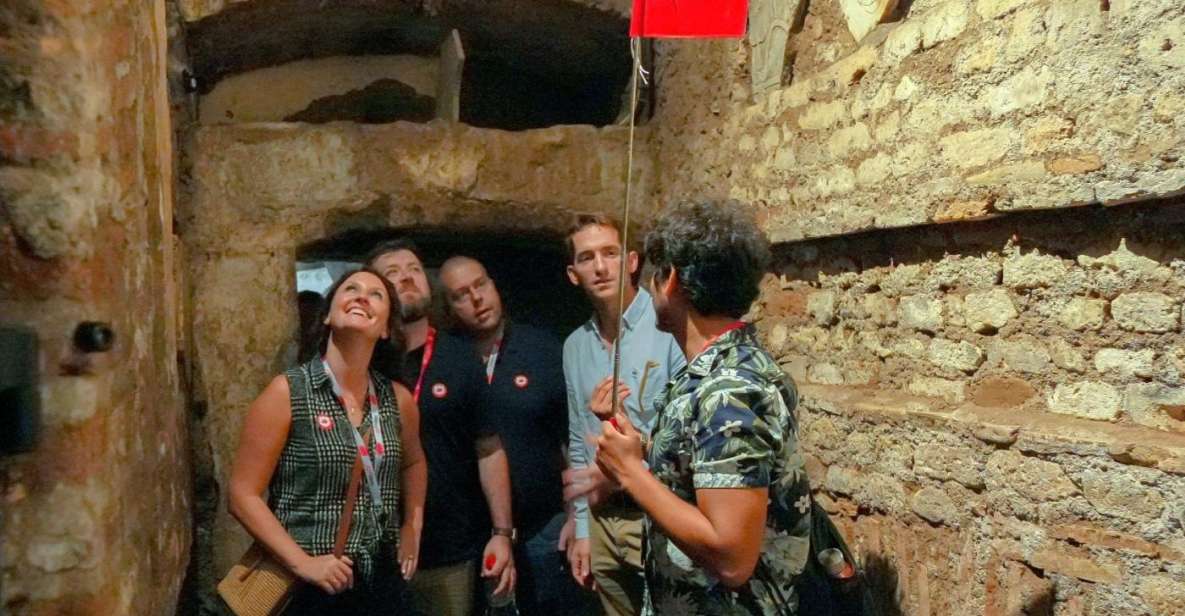
At $41 per person, the value comes from what’s bundled together. You’re not paying just for “someone to point things out.” You’re getting:
- guided entry into the Capuchin Crypt and catacombs portion,
- skip-the-line entry for the Capuchin site,
- and the round-trip air-conditioned transportation from central Rome.
If you tried to DIY this with separate tickets and timing, you’d likely spend time coordinating and absorbing walking/transit friction. Here, the tour compresses the logistics so your time goes toward the sites instead of the schedule.
The duration is also part of the value equation. In about 2.5–3.5 hours, you cover the most famous underground experiences in this corner of Rome plus short history framing on the Appian Way and Aurelian Walls.
Who this tour fits best (and who should think twice)
This tour is a strong fit if you want a guided, efficient way to see two major Rome underground experiences without worrying about navigation or entry logistics. It’s also a great first-day plan. You’ll get a sense of Rome’s scale—both through monuments above ground and the burial story under your feet.
It’s less suitable if:
- you have claustrophobia (underground tunnels are part of the experience),
- you need wheelchair access or special walking assistance (the tour states it can’t accommodate wheelchairs or walking impairments requiring special assistance),
- you’re traveling with strollers (not allowed),
- or you’re not able to meet the clothing rules (shoulders and knees covered).
If you’re traveling with kids, there’s a practical note: due to traffic regulations, all children must be seated. Car seats are available upon request if made at least 72 hours in advance.
Should you book this Rome catacombs and Capuchin Crypt tour?
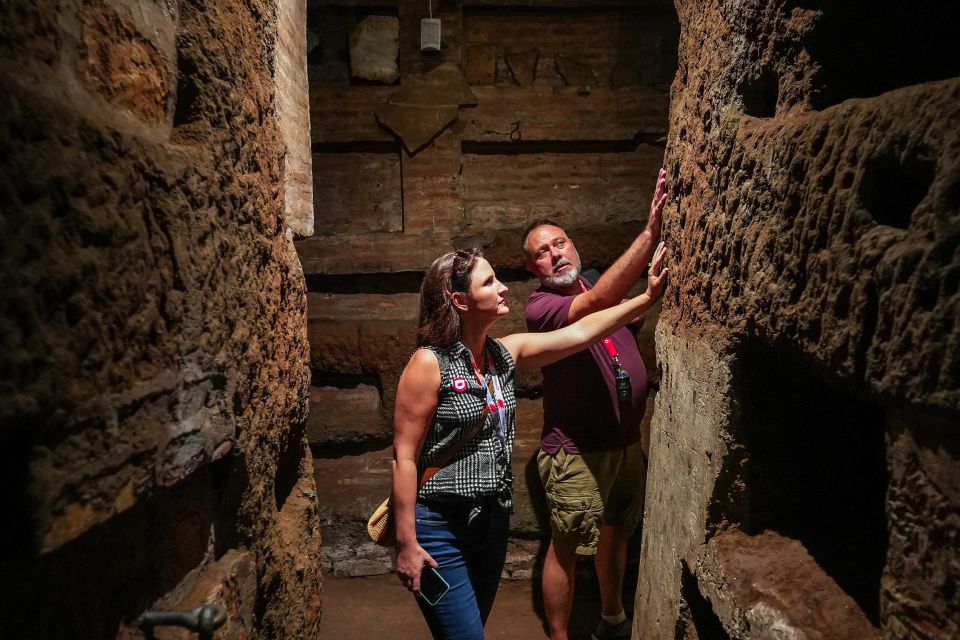
Yes—if you want the best-known underground Rome experience done with real structure. The Capuchin Crypt is the dramatic opener, and the catacombs are the historical backbone. With included transportation and skip-the-line entry, it’s also a low-stress way to make limited time count.
Think twice only if you’re very sensitive to enclosed spaces, can’t meet the dress rules, or you strongly prefer unhurried wandering. In that case, consider the after-hours VIP option, or choose a slower-style visit if available.
FAQ
FAQ
How long is the daytime tour?
It runs about 2.5 to 3.5 hours, depending on the day and start time.
Where does the tour start?
Meeting may vary by booking option, with start points listed near Piazza Barberini and Fontana del Tritone.
Do you get skip-the-line entry?
Yes. The tour includes skip-the-line entry to the Capuchin Crypts.
Is transportation included?
Yes. The tour includes round-trip transfer by an air-conditioned vehicle from central Rome and between sites.
What stops are included in the itinerary?
You’ll visit the Capuchin Crypts, the catacombs of Rome (the tour specifically references St. Callixtus), and you’ll pass by sites connected to the Appian Way and the Aurelian Walls.
Does the tour include the entry fees?
The tour includes entry fees for the sites it visits.
Can I take photos inside?
No. Photography is not allowed inside these religious sites.
What should I wear?
You must cover shoulders and knees. Shorts and sleeveless shirts are not allowed.
Is this tour suitable if I’m claustrophobic?
No. It isn’t suitable for people with claustrophobia due to the underground experience.
What is the VIP After-Hours option?
It’s a private visit with last-entry access to the Capuchin Crypts and a catacombs visit after hours. The VIP duration is about 2.5 hours.