REVIEW · ROME
Rome: City Pass 20+ Attractions, Vatican & Colosseum Option
Book on GetYourGuide →Operated by Turbopass City Pass · Bookable on GetYourGuide
Rome has a way of exhausting you with scale. This pass is built to keep it efficient with 20+ attractions in one plan.
I like two things right away: the mix of famous names plus lesser-seen sites, and the built-in rhythm for getting your bearings. You’ll also have guided experiences like the Catacombs of St. Callistus tour and city walking and bike time, which helps a lot on a first trip.
One heads-up: if you choose the optional Vatican Museums or Colosseum add-ons, your tickets are booked for the next available time slot within your pass validity. That’s great for saving time, but it means you should plan your days around those entries.
In This Review
- Key highlights at a glance
- Rome City Pass: The Big Idea (And Why It Feels Practical)
- What’s Actually Included: More Than Just the Usual Famous Stops
- Catacombs of St. Callistus: The Guided Tour That Adds Meaning
- The Hop-On Hop-Off Bus: Your Rome Navigation Safety Net
- Walking Tour and Bike Tour: Fast Track for First-Time Orientation
- Pantheon and Castel Sant’Angelo: Two Stops You Should Time Carefully
- Piazza Navona Underground and Roman Houses of Celio: Rome Below the Streets
- Ostia Antica Archaeological Park: Worth One Full Day
- Museum Variety: How to Use the Included Indoor Stops Without Wasting Time
- Optional Add-On: Vatican Museums and Sistine Chapel Skip-the-Line
- Optional Add-On: Colosseum Plus Roman Forum and Palatine Hill (PM)
- Discounts and Extra Perks: Small Money, Real Convenience
- Price and Value: Is $101.59 a Good Deal for You?
- Best Fit: Who This Rome City Pass Works For
- Should You Book the Rome City Pass?
- FAQ
- How long is the Rome City Pass valid?
- Is there a meeting point?
- Does the pass include the Vatican Museums?
- Does the pass include the Colosseum and Roman Forum?
- Are the Vatican Museums open on Sundays?
- Can I visit each included attraction multiple times?
- What do I need to bring on the trip?
Key highlights at a glance
- 20+ included entries across classic Rome and several “below the streets” stops
- Guided Catacombs of St. Callistus with a licensed local guide (multiple languages)
- 48-hour hop-on hop-off bus plus an audio guide to help you pace your trip
- Optional skip-the-line Vatican Museums and Sistine Chapel (if selected)
- Optional PM Colosseum + Roman Forum + Palatine Hill access (if selected)
- Ostia Antica included, so you can add a real ancient day without booking everything separately
Rome City Pass: The Big Idea (And Why It Feels Practical)
A Rome City Pass is only worth it when it saves you stress, not just money. This one groups a wide spread of sites into a single entry plan, so you can bounce between neighborhoods without constantly re-thinking tickets.
What makes it work is the balance. You get major “everyone comes here” stops like the Pantheon and Castel Sant’Angelo, but you also get places that feel like you’ve gone a little off-script, like Piazza Navona Underground and the Roman houses of Celio. If you like your Rome with both monuments and the small, specific details, that mix is the point.
You can also read our reviews of more city tours in Rome

What’s Actually Included: More Than Just the Usual Famous Stops

The included list covers a lot of different kinds of places, and that matters because Rome isn’t one type of sight. You’ll rotate between museums and galleries, ancient sites, and guided experiences, which helps you avoid the classic fatigue spiral of visiting only “big-ticket” attractions all day.
Here are the main categories you’ll be using:
- Museums and indoor breaks: think Museo Leonardo da Vinci Experience, Palazzo Merulana, Museo delle Cere (Wax Museum), GAMM Game Museum, and more. These are helpful when the weather turns or you want a change of pace from sunbaked ruins.
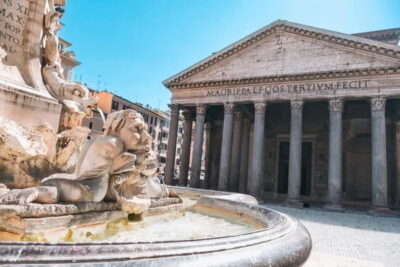
- Iconic landmarks: the Pantheon and Castel Sant’Angelo are the kind of stops that make Rome feel like Rome instantly.
- Ancient Rome sites: Vicus Caprarius, Case Romane del Celio, and Stadio di Domiziano (Piazza Navona Underground) offer that “how did people live here?” angle.
- A true day-trip option: Ostia Antica Archaeological Park is included, so you can spend a day with a quieter, more spread-out ancient landscape.
- A “Rome through the ages” media moment: an Ancient Rome multimedia video is listed as included, and even if you only give it part of your attention, it can help you place what you’ll see next.
One small but important practical note: each included attraction can be visited once. That’s totally workable, but it does mean you should decide early what you truly want to revisit (for example, the Pantheon is often a “one and done” kind of stop).
Catacombs of St. Callistus: The Guided Tour That Adds Meaning
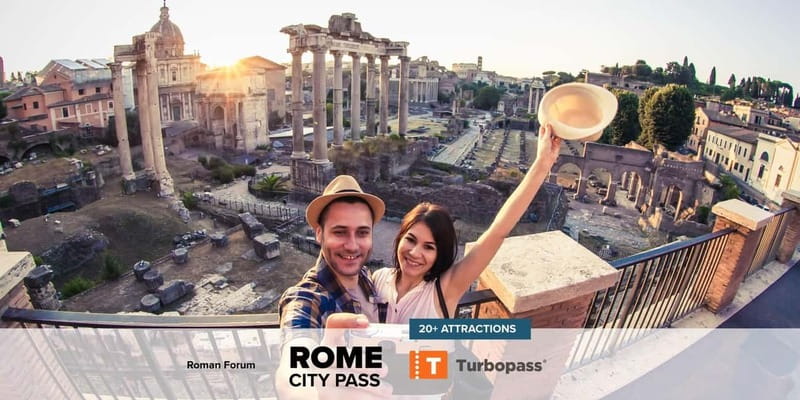
The best “included experience” here is the guided tour of the Catacombs of St. Callistus. You’ll go with a licensed local guide, and the tour runs in multiple languages including English, French, Spanish, German, and Italian.
Catacombs can be either a quick ticket grab or a real learning moment. With a guide, you’re more likely to understand what you’re looking at—how burials were organized, what certain spaces meant, and how this fits into Rome’s older layers of life. It’s also the kind of stop where being underground makes the timing feel different in a good way: you’re not fighting the heat in the same way you are outside.
Tip for planning: treat the catacombs as a “anchor” moment in your day. If you stack too many indoor museums right beside it, you can end up rushing. Pair it with one or two major outdoors sites nearby, then leave yourself a buffer for rest.
The Hop-On Hop-Off Bus: Your Rome Navigation Safety Net
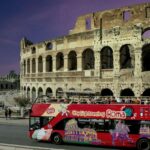
The pass includes a 48-hour hop-on hop-off bus with an audio guide. This is one of those quietly valuable features because Rome’s biggest challenge for many visitors isn’t finding sights—it’s moving efficiently between them without burning your legs or your day.
The way to use it well is simple:
- Use the bus early to get your bearings.
- Hop off for a set of nearby stops, then hop back on before you’ve started feeling that “Rome is one long uphill staircase” effect.
- Use the audio guide like a map of what to look for while you’re riding.
You don’t need to commit to every stop on the route. The value is flexibility: you can pace your trip around your energy, not around a rigid itinerary.
Walking Tour and Bike Tour: Fast Track for First-Time Orientation
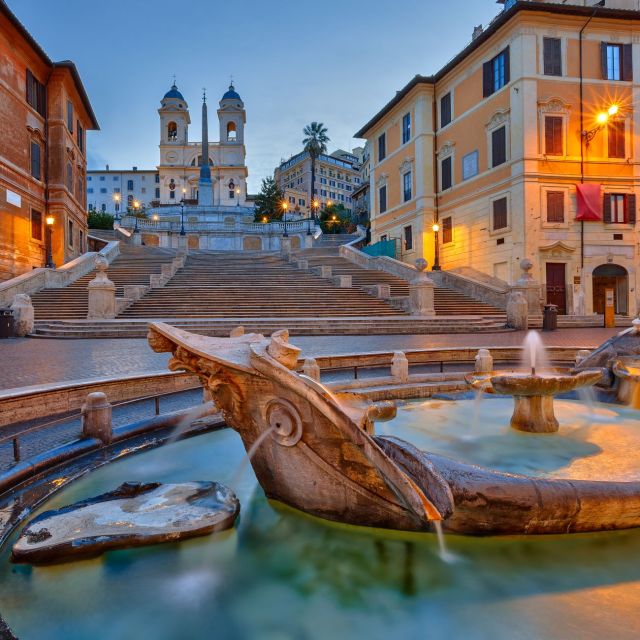
The pass includes a guided walking tour of central Rome and a guided bike tour of Rome’s highlights, plus a 2-hour bike rental. Even if you’re a confident traveler, these “orientation” formats help you build mental links between neighborhoods.
A walking tour tends to do the most for you at the start of the trip. It helps you understand which streets matter, where big landmarks sit relative to each other, and how to walk with purpose instead of zigzagging.
The bike tour can be a real time-saver if you want to see a lot without feeling like you’re clocking miles for the sake of it. Just remember that bike time is still time. You’ll want to avoid scheduling your most demanding museum right after you’re done pedaling.




Pantheon and Castel Sant’Angelo: Two Stops You Should Time Carefully
If you only had time for a couple “I’ll remember this forever” landmarks, the Pantheon and Castel Sant’Angelo are strong candidates.
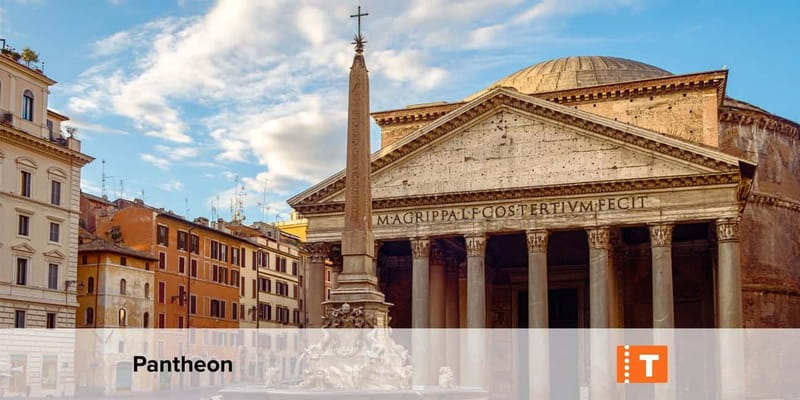
- Pantheon: It’s included, and it’s one of those places where your brain instantly shifts gears from modern Rome to ancient engineering. When you go, aim for a time when you can slow down. Even if you don’t linger inside for long, the exterior and the scale give you that immediate wow factor.
- Castel Sant’Angelo: The pass includes it, and it’s a perfect companion to the kind of Rome you get on the river edge. If you like visual variety—views, stonework, changing perspectives—this is a good one to place on a day when you’re not rushing between five other entries.
Practical tip: both are popular. Since the pass gives included entry, you’ll still want to plan your day so you’re not stuck waiting for a time slot you didn’t build around.
Piazza Navona Underground and Roman Houses of Celio: Rome Below the Streets
This pass includes two stops that many people miss because they don’t look like big monuments from the street level.
- Stadio di Domiziano (Piazza Navona Underground): This is tied to the area under Piazza Navona, and it’s included. The payoff is seeing how the space below connects to the story above. It turns a famous square into something more layered.
- Case Romane del Celio (Roman Houses of Celio): Also included, and it offers a “daily life” angle. You’re not just admiring ruins; you’re dealing with the sense of rooms, textures, and layout—how people actually occupied space.
These kinds of sites are ideal when you want a break from the classic photo loop. They also pair well with a walking day, because you can keep moving at a slower, more thoughtful pace.
Ostia Antica Archaeological Park: Worth One Full Day
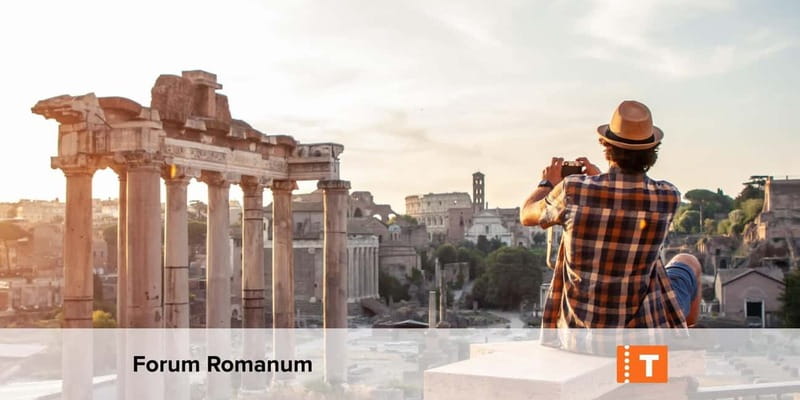
Ostia Antica Archaeological Park is included, and it’s one of the most valuable inclusions on the pass. It gives you space—literal space—to experience Roman remains without the constant crowd pressure you often get in the center.
This is the stop I’d plan for a full day, not a rushed half-day. You’ll get more out of it if you slow down and accept that it’s not just one building—it’s a whole ancient environment. And if you already know you’ll want at least one day away from the busiest streets, this inclusion saves you the effort of piecing together another booking.
If you’re trying to pack too much into Rome proper, Ostia is your pressure release valve.
Museum Variety: How to Use the Included Indoor Stops Without Wasting Time
Several included museum and gallery options are there for a reason: Rome weather and energy levels are unpredictable. You might hit heat, rain, or just that post-lunch brain fog.
Included options include:
- Museo Leonardo da Vinci Experience
- Palazzo Merulana
- Museo delle Cere Rom (Wax Museum)
- Palazzo Barberini and Galleria Corsini
- Palazzo Patrizi
- Vicus Caprarius (City of Water)
- GAMM Game Museum
The key strategy is to choose museums as tools, not obligations. Pick one when you need an indoor reset. Don’t force two back-to-back unless you’re actively enjoying that style of visit.
And if you’re traveling with anyone who likes interactive or modern-feeling exhibits, those museum entries can keep the day from becoming only ancient stone and ticket lines.
Optional Add-On: Vatican Museums and Sistine Chapel Skip-the-Line
If you select the option for the Vatican Museums and Sistine Chapel, the pass includes skip-the-line tickets. Your entry is booked for the next available time slot during your pass validity.
Two practical points you should know:
- The Vatican Museums are closed on Sundays, so your pass schedule matters.
- The ticket is timed. That means your best approach is to treat the Vatican like your day’s anchor and build everything around it.
Why skip-the-line matters: Vatican Museums can swallow hours. When you use a timed entry with reduced waiting, you get a more humane visit. It also helps you make the Vatican fit your overall Rome plan rather than turning your whole trip into a Vatican-only marathon.
Optional Add-On: Colosseum Plus Roman Forum and Palatine Hill (PM)
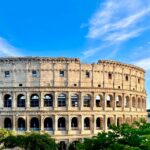
If you choose the optional Colosseum option, you’ll get PM access to the Colosseum Amphitheatre, plus the Roman Forum and Palatine Hill. Like the Vatican add-on, your ticket is booked into the pass validity for the next available time slot.
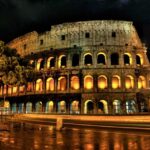
PM entry can be a great match for many travelers. Later access often means you can avoid the hottest part of the day and you might enjoy lighting that feels more cinematic for photos. It also slots well after you’ve done earlier sightseeing using the bus and indoor museums.
The big planning advantage here is knowing you won’t have to separately line up tickets for three headline areas. You can focus on pacing once you’re there: give yourself time in the Colosseum, then move into the Forum and Palatine with energy left.
Discounts and Extra Perks: Small Money, Real Convenience
The pass lists discounts that can save up to 20%, plus a few useful partners:
- Gelateria Della Palma for authentic Italian ice cream
- Opera Lirica di Roma
- Rome Bike Rental
- Transfer for Castel Romano Outlet
These aren’t the heart of the pass, but they can reduce decision fatigue. When you’re already paying for a concentrated sightseeing plan, little extras like an ice cream discount or a smoother bike rental experience help you feel like the pass is doing more than printing a ticket.
Price and Value: Is $101.59 a Good Deal for You?
At $101.59 per person, this pass is only a good buy if you’re using enough of what’s included. The value jumps if you plan to do the bigger add-ons (Vatican Museums and/or Colosseum PM), because those are the kinds of attractions where time and ticket hassle add up quickly.
If your plan is mostly a couple of outdoor monuments plus casual wandering, it might not feel as cost-effective. On the other hand, if you want structure and a packed list of entry points—especially with the bus, guided catacombs, and the chance to add Ostia Antica—the pass starts to make sense fast.
Also remember: public transportation (metro, buses, trams) isn’t included. The pass helps with sightseeing access, not your whole transportation bill. Still, the included hop-on hop-off bus can cover a lot of your city movement needs.
Best Fit: Who This Rome City Pass Works For
This pass suits you if:
- You want organized access to many sites without researching ticket-by-ticket logistics.
- You like a mix of famous landmarks plus niche stops (underground Rome and Roman houses).
- You’re planning to use the bus and at least one guided component for orientation.
- You want the flexibility of 2-, 3-, 4-, 5-, or 7-day validity (you pick your pace, then plug in timed add-ons if you choose them).
It may feel less ideal if you prefer totally spontaneous visits with no anchors at specific times. Timed entries for Vatican and Colosseum can be great, but they do change how you plan your day.
Should You Book the Rome City Pass?
Book it if you’re the kind of traveler who likes Rome with structure: planned entry points, included guides, and a hop-on bus to keep you moving. The standout value is the combination of major classics plus genuinely interesting included sites like Piazza Navona Underground, Case Romane del Celio, and Ostia Antica—all while avoiding the constant ticket juggling that can eat up your energy.
Skip it if your trip is short and you only want one or two must-dos, because the once-per-attraction rule means you can’t “milk” it by revisiting repeatedly.
If you do go, my advice is simple: pick your anchor day(s) first—Vatican and/or Colosseum if you add them—then build the rest around the included catacombs, one walking or bike day, and a full dedicated slot for Ostia Antica.
FAQ
How long is the Rome City Pass valid?
The pass is valid for 2 to 7 days. You’ll need to check availability to see the starting times for your chosen duration.
Is there a meeting point?
There is no meeting point. You receive your City Pass via email, and you should read the info for each included attraction.
Does the pass include the Vatican Museums?
Vatican Museums and Sistine Chapel entry are included only if you select that option. Otherwise, they are not included.
Does the pass include the Colosseum and Roman Forum?
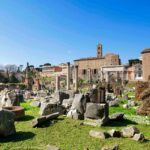
Colosseum Amphitheatre with Roman Forum and Palatine Hill (PM access) is included only if you select that option.
Are the Vatican Museums open on Sundays?
No. The Vatican Museums are closed on Sundays.
Can I visit each included attraction multiple times?
No. Each included attraction can be visited once.
What do I need to bring on the trip?
Bring your passport or ID card and a charged smartphone.