REVIEW · ROME
Rome: Colosseum, Arena and Ancient Rome Private Guided Tour
Book on GetYourGuide →Operated by Maya tours · Bookable on GetYourGuide
One of the toughest places to tour is the Colosseum. This private, small-group plan gets you in with skip-the-line help and then ties the ruins together with a guide who can explain what you’re looking at. I especially like that you get access beyond the outer walls, including the Gladiator’s Arena entrance experience, and that the schedule moves through three major sites in about three hours. The main drawback to plan around is timing: the Colosseum is strict, and if you’re late, entry may be denied with no do-over.
You’ll start at Piazza del Colosseo, 21, meet your guide holding a Maya tours flag, and be walked through security after you show your photo ID. Then you’ll spend time inside the Colosseum, followed by the Roman Forum and Palatine Hill for city views and context on how Rome worked. It’s a classic “one day, three big stops” formula, but it’s not a slow wander—this is structured, and the tight duration means you’ll want to save extra exploring for later on your own.
In This Review
- Key Things You’ll Notice on This Tour
- Entering The Colosseum Without Wasting Your Day
- Colosseum Arena Walk: What You’ll Be Looking At (and Why It Matters)
- A quick practical note
- Roman Forum: From Marketplace to Power Center
- Palatine Hill Views: Seeing Rome’s Myths From the High Ground
- One consideration
- Private Guide Energy: What You Can Expect From Maya Tours
- How Much Is $477.67 Worth for 3 Hours?
- What’s Included, What’s Not, and How to Prepare
- Who This Tour Suits Best
- Should You Book This Colosseum, Forum and Palatine Tour?
- FAQ
- How long is the Rome Colosseum, Arena and Ancient Rome private guided tour?
- Where do I meet the guide?
- Is admission included?
- Do I need to bring ID?
- What time should I arrive before the tour?
- Can I bring bags or drinks?
- Is the tour wheelchair accessible?
- What language is the guide?
- Is this tour refundable?
Key Things You’ll Notice on This Tour
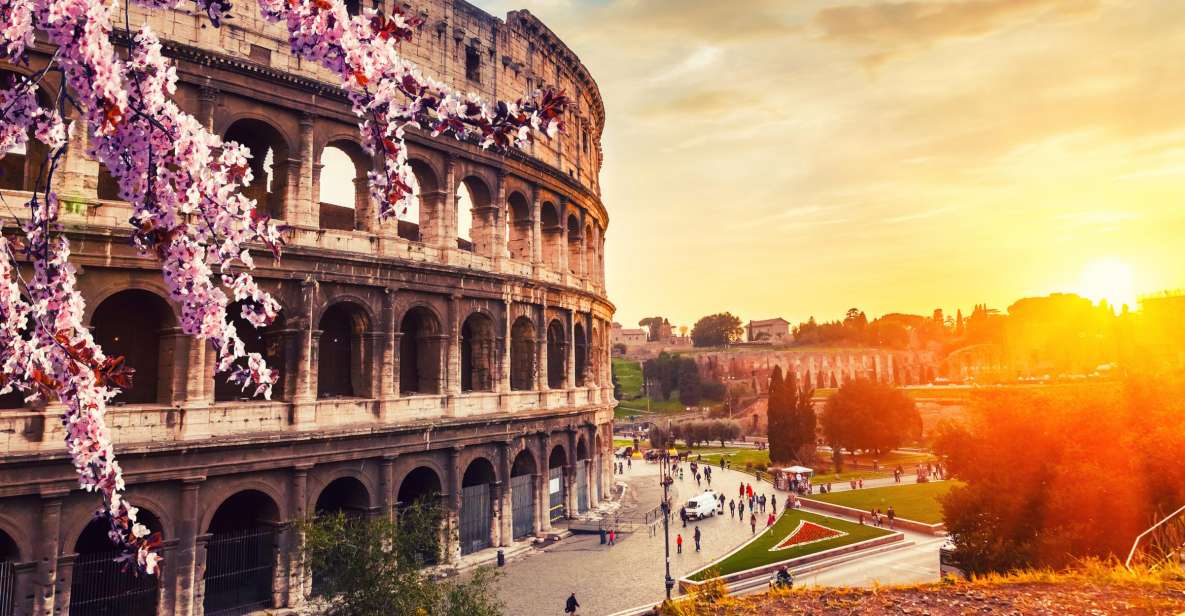
- Gladiator’s Arena entrance access: You enter the Colosseum from a special route that makes the whole visit feel more grounded.
- Skip-the-line timing support: You’re guided through security and into the monument with reserved entry.
- Clear stop-by-stop focus: Colosseum (about an hour), Roman Forum (about 45 minutes), Palatine Hill (about 45 minutes).
- Panoramas from Palatine Hill: You get the elevated perspective that helps the Forum and Circus Maximus make sense.
- A true private-group feel: You’re not sharing your guide with a crowd, which helps questions and pacing.
- Strict ID and arrival rules: Photo ID is mandatory, and Colosseum timing is unforgiving.
Entering The Colosseum Without Wasting Your Day
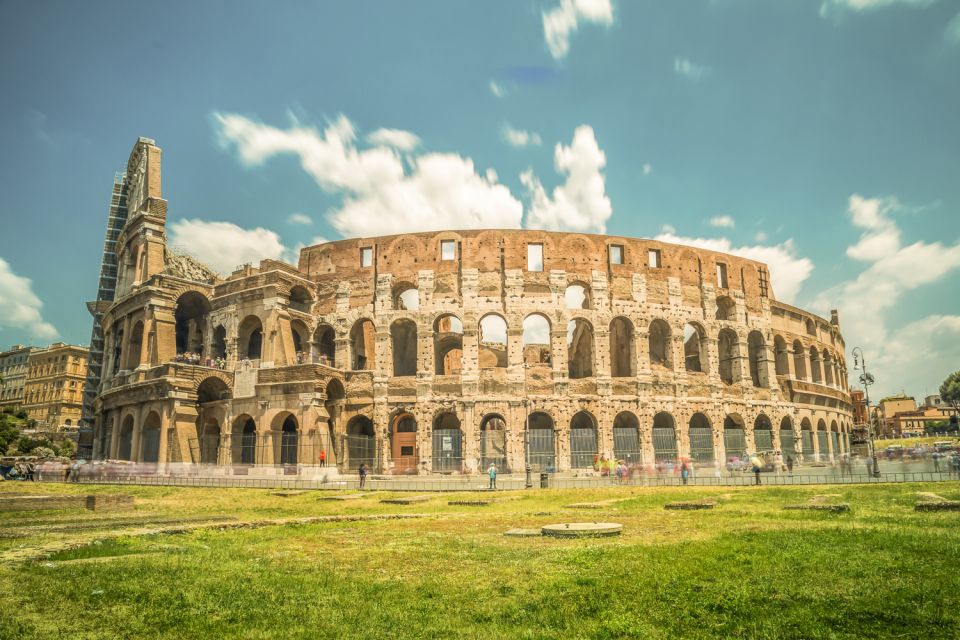
If you’ve tried to do Rome’s top sights on your own, you know the pain: lines, unclear entrances, and the clock constantly winning. This tour is built to reduce that friction. The meeting point is easy enough—Piazza del Colosseo, 21, at the Green Kiosk by the Colosseo Metro (ground floor entrance). After you check in, your guide (with a Maya tours flag) helps you get sorted quickly so you can focus on the stone instead of the paperwork.
Here’s what you should treat as non-negotiable: the Colosseum reservation timing is very strict. You’re asked to arrive at least 20 minutes before your departure time, and the tour also says 15 minutes ahead for general check-in. I’d aim for the bigger buffer. The Colosseum doesn’t allow late arrivals or rescheduling, and it’s non-refundable if you miss entry. Rome is romantic, but timing is king here.
Also be ready for ID checks. All clients must show a photo ID at entry, and your name must match the ID exactly. Even a copy can be accepted, but you should bring the actual passport or ID card you plan to use.
You can also read our reviews of more guided tours in Rome
Colosseum Arena Walk: What You’ll Be Looking At (and Why It Matters)
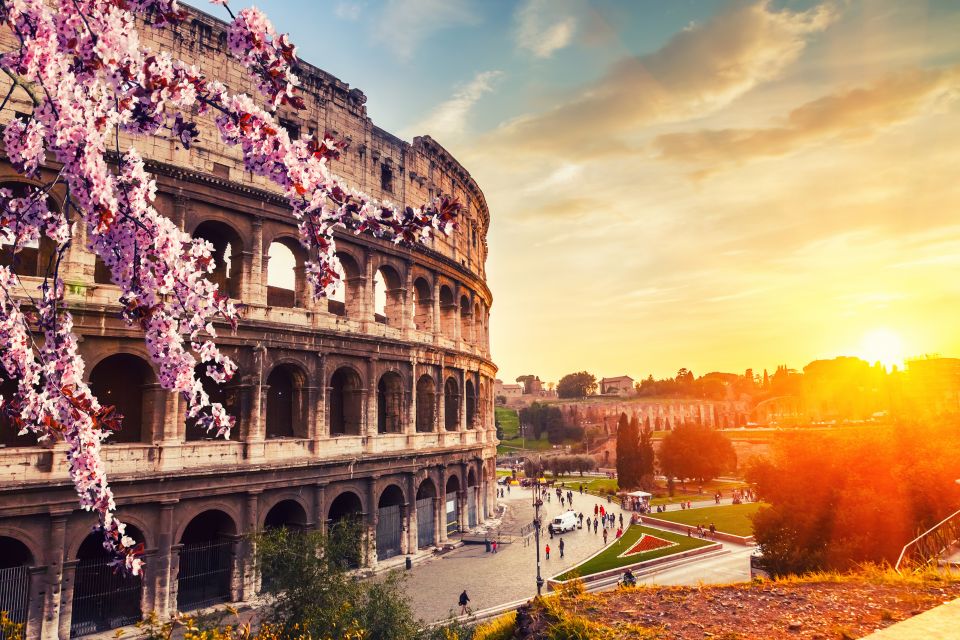
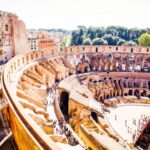
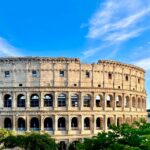
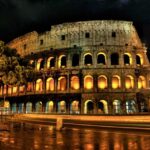
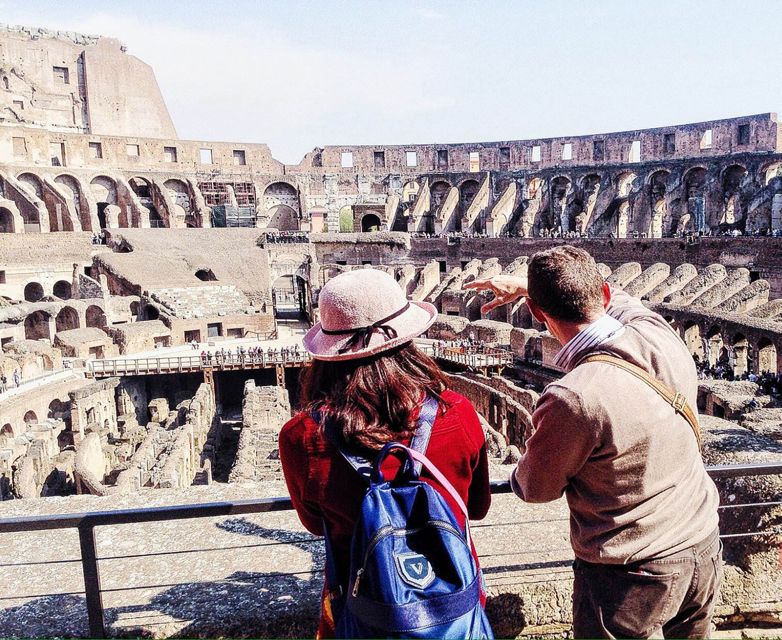
The Colosseum is famous, but it can also feel like a giant photo backdrop unless someone connects the dots. That’s where a good guide changes everything. This tour starts with a guided block of about one hour inside the Colosseum, and it’s designed to help you read the place.
You’ll explore the site with attention to how the games worked—where the elite likely sat, how the event structure ran, and the human stories around gladiators. The big idea is not just seeing the scale, but understanding the machinery of spectacle: who controlled it, where people watched from, and how the arena functioned as a center of Roman public life.
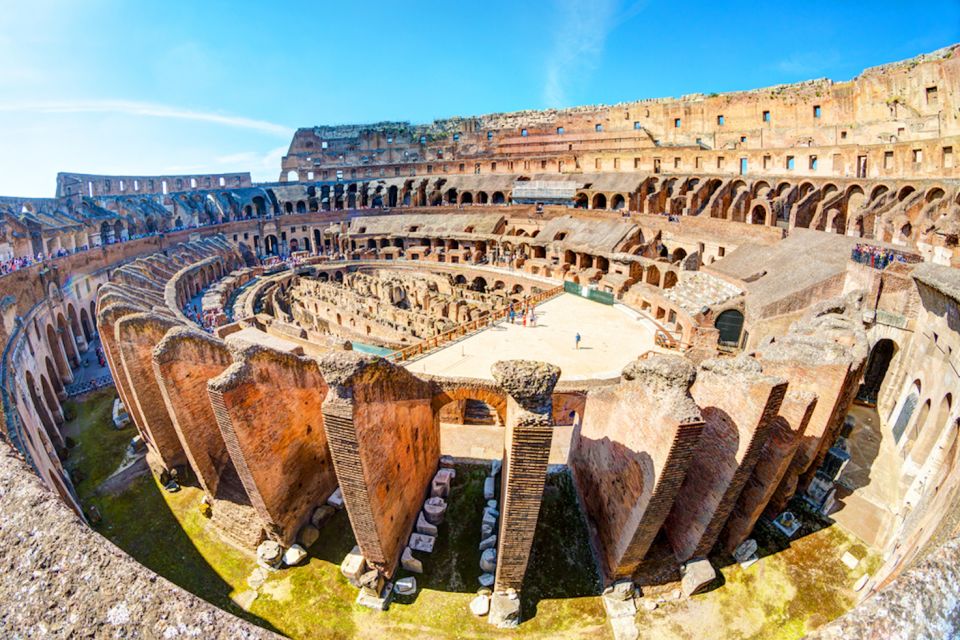
The standout feature is the access point from the Gladiator’s Arena entrance. Even if you’ve seen pictures, stepping into the arena zone changes your brain’s sense of proportion. Suddenly, you’re not just viewing architecture. You’re standing where crowds once looked down at performers, and the space feels less like ruins and more like a stage.
A quick practical note
The Colosseum has strict rules about what you can bring: no luggage or large bags, no glass, no sharp objects, and you’ll also want to avoid anything like alcohol or spray. If you’re touring in summer, pack light. You’ll thank yourself when you’re herding belongings through security.
Roman Forum: From Marketplace to Power Center
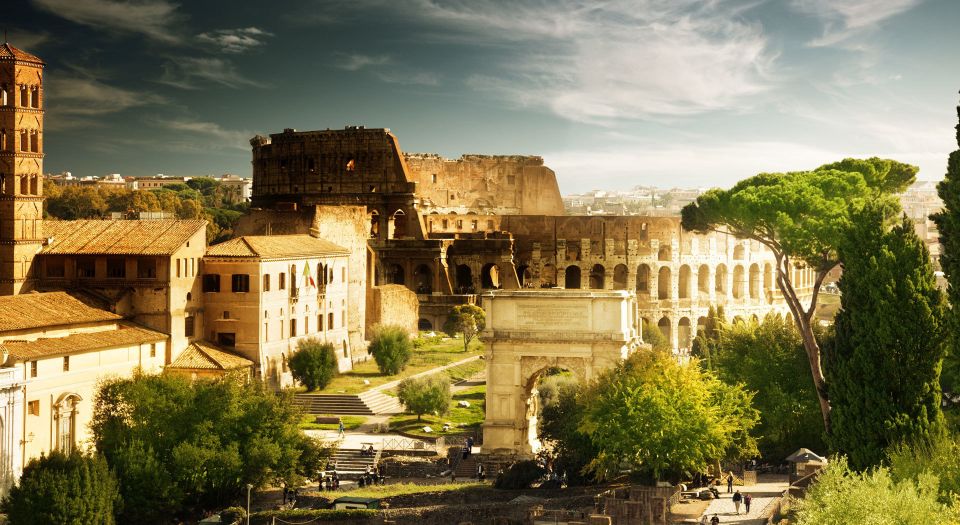
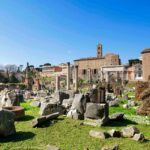
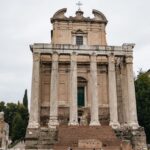
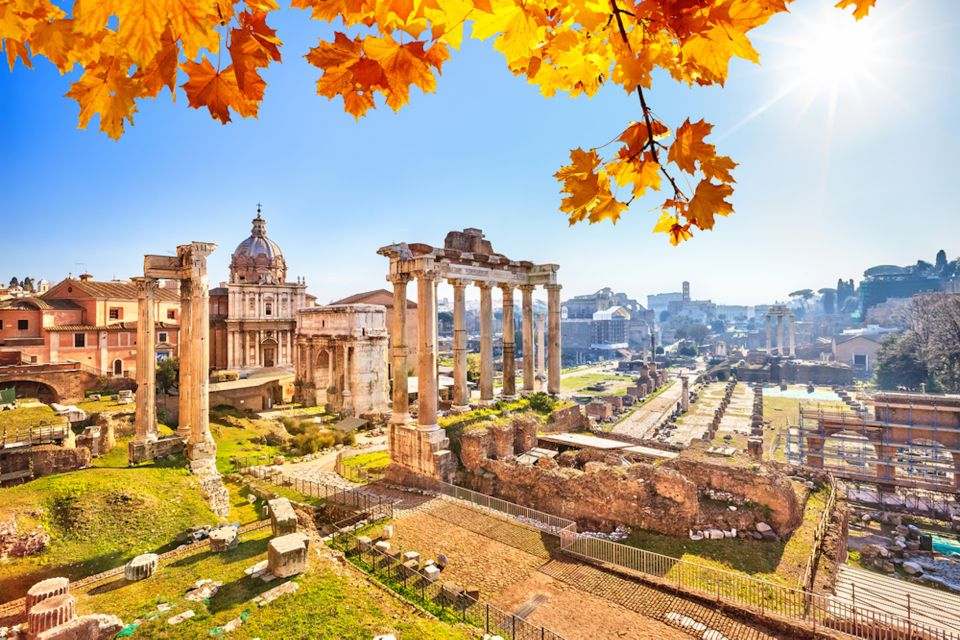
After the Colosseum, you head to the heart of old Rome for a guided visit of about 45 minutes at the Roman Forum. This stop can be a blur if you’re not guided, because the Forum is a jumble of remnants—temples, basilicas, arches, fragments of inscriptions. A good guide helps you “place” the ruins in a story: this area wasn’t just sightseeing material. It was the center of politics, religion, and commerce.
What makes this guided approach valuable is how it turns visible shapes into readable meaning. You’ll hear about major public buildings and understand why specific locations mattered. Your guide will point out architecture details and inscriptions so the stone starts to behave like a text you can follow, not just an archaeological free-for-all.
This is also the part where you’ll start noticing how Rome’s political identity was staged in public space. Standing in the Forum, you can almost see how speeches and ceremonies would have flowed through the plazas and streets. If you’ve ever wondered why emperors cared so much about monuments, the Forum is where you get that answer without a lecture.
Palatine Hill Views: Seeing Rome’s Myths From the High Ground
Next comes Palatine Hill, with about 45 minutes of guided exploration. This is where you get that “okay, now I get the city” feeling. Palatine is not only about ruins—it’s about vantage points, because it helps you understand why rulers and important families claimed that terrain.
Your guide will explain myths about Rome’s origins and connect them to what you can actually see on-site. Then you’ll explore ruins of palaces—elite spaces that once represented power and grandeur. Even if you only get fragments, the overall plan of the hill and the way rooms and corridors once formed helps you imagine what daily life might have looked like for the ruling class.
And the view matters. Palatine Hill is high enough to take in the broader layout, including classic sightlines like the Roman Forum area from above and views toward Circus Maximus. That panoramic perspective is the kind of mental map that makes your photos better too, because you’re capturing relationships between landmarks, not just individual buildings.
You can also read our reviews of more private tours in Rome



One consideration
This tour is timed and structured, so Palatine won’t be a long, slow “watch the sunset” session. If you crave extra time to linger over views, plan to return later. For many people, that’s the best strategy anyway: do your guided highlights first, then come back with your own pace.
Private Guide Energy: What You Can Expect From Maya Tours
This is a private group experience with an English live guide, and the format shows in the flow of the visit. With a small group, you can ask questions without waiting your turn, and your guide can adjust explanations based on what you seem most curious about.
In particular, I like that the guide approach isn’t just about facts—it’s about making the experience feel human. One guide name you might encounter is Susi, who’s described as personable and entertaining, with an easy-going style that still packs in information. Another is Renè, praised for being professional but humorous, which is exactly the right tone for a place that can otherwise feel like it’s all dates and stone.
You don’t need a master’s degree in Roman studies to enjoy this tour. You just need someone to point out what’s worth your attention, and to explain why it matters. This tour is built for that.
How Much Is $477.67 Worth for 3 Hours?
Price is the big question here: $477.67 per person is not cheap. But you’re paying for several things at once: admission, a professional private guide, reserved access, and the fact that you’re visiting three major monuments in one shot.
Think of it as buying time and reducing friction. The Colosseum alone can swallow hours with lines and uncertainty. Add the Forum and Palatine Hill, and you’re really asking for a tight, well-managed itinerary. If you’re traveling with a companion or two and you want real guidance (not just a guidebook), a private format can be better value than it first appears.
If you’re a solo traveler who enjoys planning and doesn’t mind crowd logistics, you might decide to do these sites separately. But if you want the benefit of someone steering your day—especially inside the Colosseum—this style of tour often feels like the difference between sightseeing and understanding.
What’s Included, What’s Not, and How to Prepare
Here’s the clean breakdown. Included are your admission ticket, a professional private guide, and access to the Colosseum, Roman Forum, and Palatine Hill. Not included are hotel pick-up/drop-off and refreshments.
So, come prepared for basic touring reality:
- Bring a photo ID that matches the full names used at booking.
- Travel light (no large bags, and avoid anything prohibited).
- Wear shoes you can walk in comfortably; these sites involve uneven ancient surfaces and standing in key viewpoints.
Also, there’s a practical note about Jubilee-related restoration: some monuments or areas may be under restoration and subject to last-minute closures. You can’t control that, but a guide can often help you make the best of what’s open.
Who This Tour Suits Best
This experience fits best if you:
- Want to see the top three ancient Rome sites in one structured morning or afternoon block
- Prefer a guide who explains how the places worked, not just what they were called
- Value small-group pacing and the option to ask questions
- Like a clear route rather than figuring out entrances and priorities on your own
It may be less ideal if you:
- Want long free time at each site
- Hate strict timing rules (Colosseum entry is not forgiving)
- Need wheelchair access (this tour is noted as not suitable for wheelchair users)
Should You Book This Colosseum, Forum and Palatine Tour?
I’d book it if you want a high-confidence plan: arrive, check in, get inside fast, and leave with a clearer mental map of how Ancient Rome operated. The best part is the combination—arena-level Colosseum context plus Forum political/religious/commercial meaning plus Palatine views that connect it all.
I’d hesitate if you’re the type who needs lots of cushion time or you know you’ll struggle with strict entry rules. Also, if your goal is maximum time for wandering and photography at a single stop, this 3-hour structure may feel a bit tight.
If your day in Rome is limited and you want the big monuments done well, this is a smart way to spend it.
FAQ
How long is the Rome Colosseum, Arena and Ancient Rome private guided tour?
The total duration is 3 hours. You can check availability to see starting times.
Where do I meet the guide?
Meet at Piazza del Colosseo, 21. The guide will be at the Green Kiosk outside the Colosseo Metro ground floor entrance. You should arrive early so you can get through security and be on time.
Is admission included?
Yes. The price includes your admission ticket and access to the Colosseum, Roman Forum, and Palatine Hill.
Do I need to bring ID?
Yes. Photo ID is mandatory for monument entry. You must bring a passport or ID card (a copy is accepted), and your full name must match what you provide when booking.
What time should I arrive before the tour?
You should arrive at least 20 minutes before your departure time to join the Colosseum entry. There’s also guidance to arrive 15 minutes before departure for check-in.
Can I bring bags or drinks?
Don’t bring luggage or large bags. Glass objects are not allowed, and alcohol and spray are also prohibited. Refreshments are not included on the tour.
Is the tour wheelchair accessible?
No. This activity is listed as not suitable for wheelchair users.
What language is the guide?
The live tour guide speaks English.
Is this tour refundable?
No. The activity is listed as non-refundable. Also, due to Jubilee-related restoration, some areas may close last minute.
If you tell me your travel dates and whether you’re going solo or with others, I can help you think through whether this private timing and pricing matches how you like to tour.