REVIEW · ROME
From Bones to Gods: Capuchin Crypt to Pantheon walking tour
Book on GetYourGuide →Operated by Rome - Tour · Bookable on GetYourGuide
Bones to gods, in one tight Rome walk. You begin at the Capuchin Crypt, where bones and faith sit side by side, then you move on to Trevi Fountain before ending at the Pantheon (25–27 B.C.). I like that the tour includes entry tickets to both the Pantheon and the Capuchin Museum, and I also like the storytelling style—guides like Gabriela/Gabi, Clara, Alma, and Joseph are praised for making the sites make sense, not just look impressive.
One catch: the whole experience is only about 2 hours, so it is not a slow “stroll and linger” kind of outing. You also need to follow the site rules—comfortable shoes help a lot, and you cannot bring luggage or large bags, plus short skirts and sleeveless shirts are not allowed.
In This Review
- Key things to know before you go
- The Bones-to-Gods idea that makes this tour click
- Capuchin Crypt: where devotion is literally arranged
- Trevi Fountain: coin toss, plus real context
- Pantheon: from pagan temple to church and mausoleum
- Guides you can actually learn from (and ask questions)
- Timing, start points, and how to avoid stress
- Price and value: what $76 gets you in Rome time
- Who this tour suits best
- Should you book this Bones-to-Gods tour?
- FAQ
- How long is the From Bones to Gods tour?
- How much does the tour cost?
- What stops are included on the walking tour?
- Is entry to the Pantheon included?
- Is entry to the Capuchin Museum included?
- What languages are available for the live guide?
- Where do I meet the guide?
- What should I bring, and what should I avoid?
- Can I cancel, and is pay later available?
Key things to know before you go
- Capuchin Crypt first: get the “bones to gods” theme going right away
- Entry tickets included: the Pantheon and the Capuchin Museum are covered
- Trevi Fountain with a plan: guided time plus the coin-toss moment
- Pantheon visit with context: pagan temple to church and mausoleum
- Guides who explain, not recite: multiple named guides are repeatedly praised
- Rules matter here: no large bags, and dress modestly
The Bones-to-Gods idea that makes this tour click
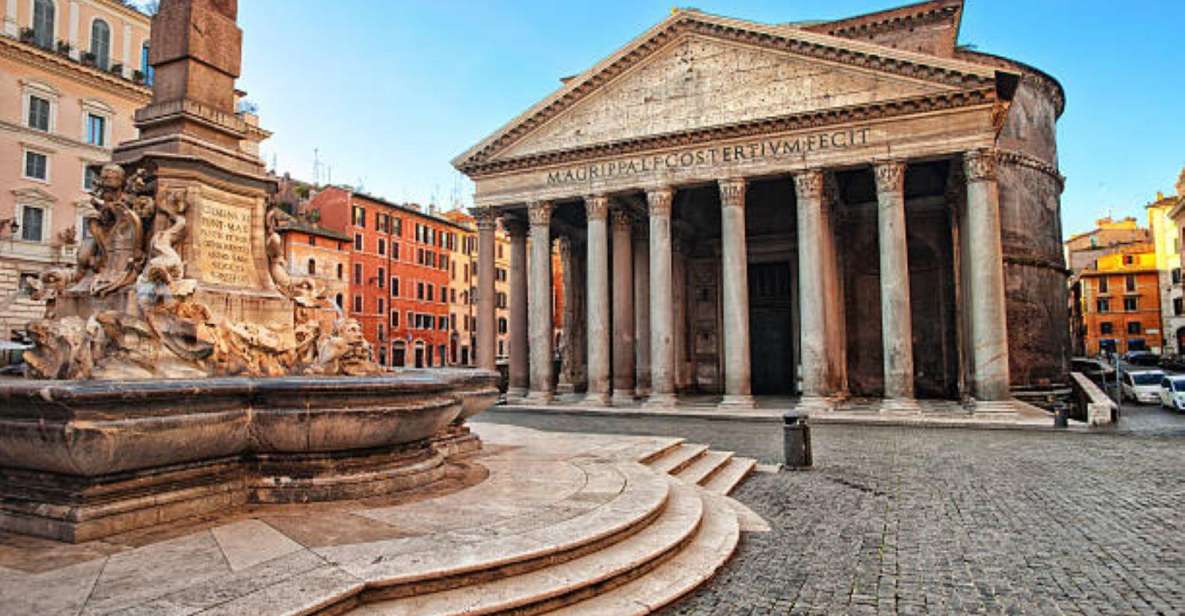
This is not a random highlight loop. The tour is built like a story, starting with something eerie and intimate (the Capuchin Crypt) and then stepping into Rome’s grand public religion at the Pantheon. In between, you get Trevi Fountain, one of the city’s most photographed spots—but you do not just snap pictures and move on. With a guide, the fountain becomes part of the bigger theme: how Rome keeps re-inventing meaning over time.
The biggest practical win is that you get an organized route with entry tickets folded in. For a city where timed tickets and queues can take over your day, having those pieces handled lets you focus on the experience rather than logistics.
You can also read our reviews of more walking tours in Rome


Capuchin Crypt: where devotion is literally arranged
Your tour starts at the Capuchin Crypt, and that timing matters. Seeing it first sets the tone for the rest of the walk. You get a guided visit that lasts about 45 minutes, which is enough time to understand what you are looking at without feeling rushed through it.
A few key things to know so you are not surprised:
- The display is strikingly unusual: bone and body forms are arranged as part of a tradition tied to the Capuchin monks.
- It is not an underground visit. You are inside a structured space, not down a random tunnel.
- Photos are not allowed in the crypt, so keep your phone away and just watch.
I find this stop works best when you let it be what it is: not a horror show, but a visual expression of faith, mortality, and memory. If you are even a little sensitive to the subject matter, plan a mindset shift before you enter. The more you accept the symbolism, the more the experience lands.
The guidance helps here. Several guides are praised for explaining the history and the meaning behind the Capuchin monks. That is the difference between seeing bones and understanding why the bones are arranged the way they are.
Trevi Fountain: coin toss, plus real context
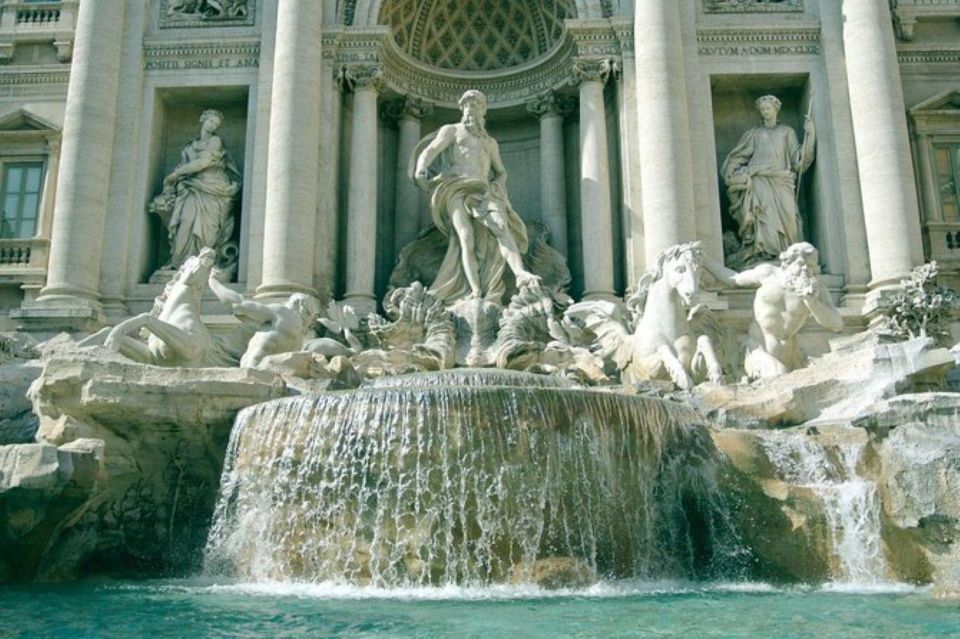
After the crypt, you move through the streets toward Trevi Fountain, with a guided stop of about 30 minutes. Trevi is busy, loud, and always full of people trying to get the classic photo. The guided time is useful because it gives you a structure: you know where to look, what to notice, and how the fountain fits into Rome’s bigger narrative.
You will have time to do the coin toss. The tour format keeps it simple: you arrive, take it in, and then follow the flow to the next stop. You are not stuck waiting for the guide or wandering with a map and a crowd around you.
What I like about this part of the route is the pairing. The fountain feels like pure showmanship on the surface, but once you learn a bit of the background, it stops being just a photo op. It becomes another example of how Rome turns belief, art, and public space into something you can experience in real time.
Pantheon: from pagan temple to church and mausoleum
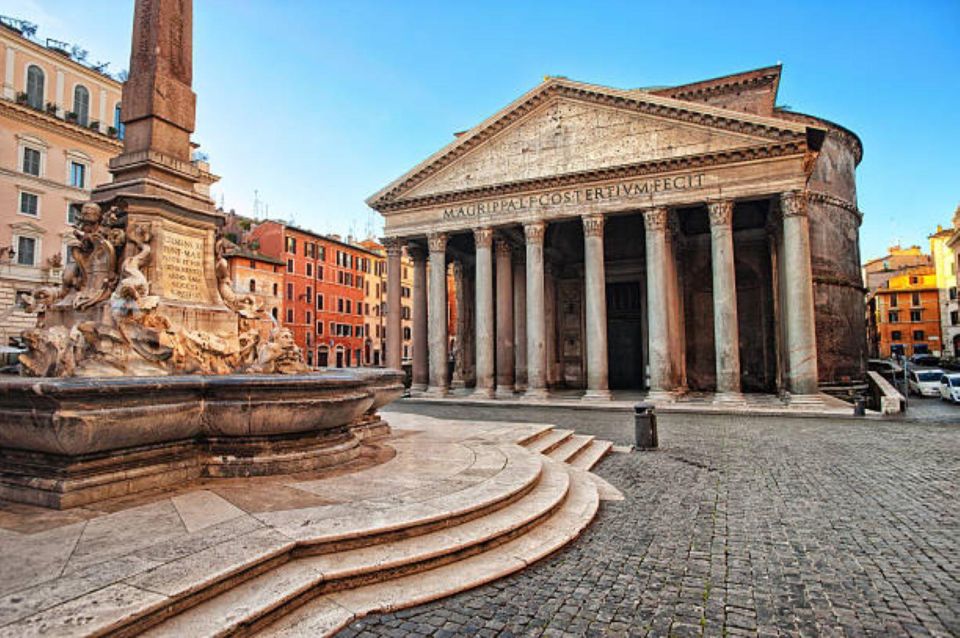
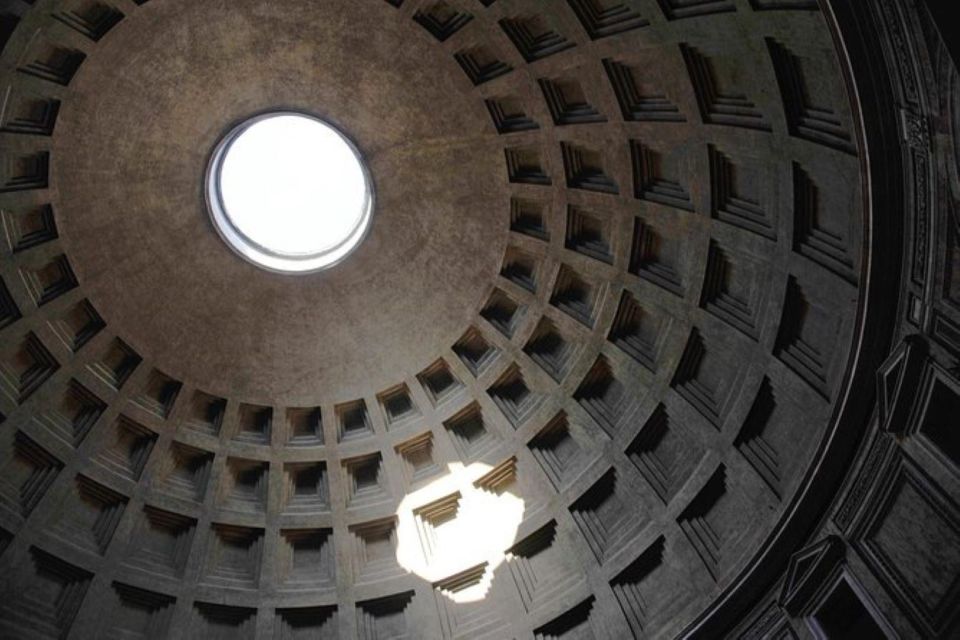
The tour ends at the Pantheon, with a guided visit of about 30 minutes plus entry included. If you only do one major interior in central Rome, this is an obvious contender. The building dates to 25–27 B.C., which still feels unreal even after you have seen photos for years.
Here’s the core idea you want to keep in your head before you enter: this temple started as a place for pagan gods, then later became a church and mausoleum. Rome did not just preserve the building—it repurposed it, layered new meaning on top of the old.
Inside, your guide’s job is to keep you from getting lost in the wow-factor and missing the story. The Pantheon’s design and symbolism are easier to appreciate when someone explains the shift in purpose over time. Guides like Gabriela/Gabi and Joseph get mentioned for their knowledge of both the crypt side and the Pantheon side, and that makes this ending feel cohesive instead of random.
The short duration is intentional. You get enough time to see the main interior and absorb the key points, but you are also nudged out before it becomes too long in one place. If you want to linger longer after the guided portion, plan to spend a bit more time in the surrounding area on your own.
Guides you can actually learn from (and ask questions)
The quality of the guide is a major theme in the feedback you will hear. Multiple guides are named, including Gabriela (often shortened to Gabi), Clara, Alma, and Joseph. What matters is not the name—it is the skill set: they keep the pace moving while still making space for questions.
There is also a practical advantage when the group is small. One person even got a more personal tour rather than feeling awkward in a mostly empty group. That fits the tour’s setup, which offers private or small-group options. If you want your questions answered—especially about the crypt’s symbolism or how the Pantheon changed roles—this format is a good match.
Also, languages are broad. You can find the tour offered in French, English, Spanish, Arabic, Italian, Persian, Portuguese, Russian, and German. That helps if your travel party includes people who do not want to rely on shaky translation at key moments.



Timing, start points, and how to avoid stress
This is a tight, efficient walking tour, about 2 hours total. That means you should treat it like a scheduled appointment, not a flexible wander. Wear comfortable shoes and expect walking between sites on busy streets.
You also have multiple starting location options, including spots around Barberini and Piazza della Minerva (one listing shows Piazza della Minerva, 72). The meeting point can vary depending on what option you book, so double-check the exact details you receive and arrive a few minutes early. In Rome, a five-minute delay can turn into a ten-minute scramble when crowds and street crossings get involved.
Dress rules are straightforward but worth noting ahead of time:
- No luggage or large bags
- Short skirts and sleeveless shirts are not allowed
If you are traveling in summer or plan to wear something airy, bring a light layer you can throw on quickly. It is easier than trying to figure out where to cover up at the last second.
Price and value: what $76 gets you in Rome time
At $76 per person for a 2-hour tour, the price is not “cheap,” but it is also not just paying for someone to walk beside you. You are paying for three things you would otherwise have to manage separately:
- Expert local guidance
- Entry tickets to the Pantheon
- Entry tickets to the Capuchin Museum
If you have ever tried to stitch together a same-day plan across multiple ticketed sights, you know how fast time and frustration add up. Here, the included admissions make the route feel more realistic—especially when you still want Trevi Fountain in the middle without turning your day into three separate missions.
Is it worth it? For most people who want a guided narrative and included entry, yes. If you already know the history and you prefer solo pacing, you might save money booking just the sites you want. But you would lose the “bones to gods to fountain to temple” storyline that connects the stops.
Who this tour suits best
This tour works especially well if:
- You want a guided route that links three iconic Rome sights with a clear theme
- You like explanations that help you read what you are seeing (not just look at it)
- Your trip is short and you want high value in a compact time window
It is also a good fit for families, based on the way guides are described when kids are involved. The crypt and the Pantheon can be taught in a way that holds attention, not just overwhelm it.
Who might want to skip or adjust expectations:
- If the Capuchin Crypt topic feels too intense, you might prefer a lighter history tour instead.
- If you hate rules about bags and clothing, you may feel constrained.
- If you want long free time at each stop, the 2-hour structure may feel rushed. This is guided first, linger later.
Should you book this Bones-to-Gods tour?
If you want Rome to feel like a story—not a checklist—this is a strong pick. The combination of the Capuchin Crypt, Trevi Fountain, and the Pantheon makes sense as a themed walk, and the included admissions take a big chunk of planning off your plate. I also like that the guide style gets praised again and again, including for making the experience moving and understandable.
I would book it if your goal is learning through guided viewing in a short time. I would think twice if the crypt’s subject matter is a hard no for you, or if you want maximum unscheduled time at each site. If you are in the middle—curious but practical—this tour hits a nice balance.
FAQ
How long is the From Bones to Gods tour?
It runs for about 2 hours.
How much does the tour cost?
The price is $76 per person.
What stops are included on the walking tour?
The route includes the Capuchin Crypt, a guided stop at Trevi Fountain, and a guided visit to the Pantheon.
Is entry to the Pantheon included?
Yes. Entry ticket to the Pantheon is included.
Is entry to the Capuchin Museum included?
Yes. Entry ticket to the Capuchin Museum is included.
What languages are available for the live guide?
The tour offers live guides in French, English, Spanish, Arabic, Italian, Persian, Portuguese, Russian, and German.
Where do I meet the guide?
The meeting point may vary depending on the starting option you choose.
What should I bring, and what should I avoid?
Bring comfortable shoes. You cannot bring luggage or large bags, and short skirts or sleeveless shirts are not allowed.
Can I cancel, and is pay later available?
You can cancel up to 24 hours in advance for a full refund, and you can reserve now and pay later.