REVIEW · ROME
Rome: Colosseum Arena, Roman Forum & Palatine Tour
Book on GetYourGuide →Operated by Tours And Tours · Bookable on GetYourGuide
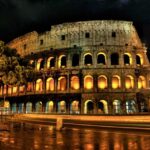
Walking into the Colosseum arena floor changes the timeline. This 3-hour guided route strings together the Roman Forum and Palatine Hill in a way that makes gladiator spectacle and Roman politics feel connected, not random.
I especially like the hands-on, close-up look at the arena’s underworld—where the engineering systems helped make animals appear and the whole show run like clockwork. I also like how you get a guide with strong storytelling; names like Maria, Laura, and Giuseppe come up often, and the common thread is clear, organized explaining with time for questions.
One possible drawback: it’s a walking tour with stairs, and the arena floor can be hot. If weather shuts the arena floor access, it may be closed without advance notice, and refunds aren’t provided for that situation.
In This Review
- Key takeaways before you go
- The big idea: gladiators plus empire, in one tight loop
- Price and value for a $44.41 ticket
- Meeting at Via delle Terme di Tito 93 (and finding it fast)
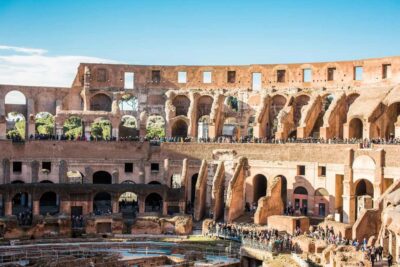
- Entering the Colosseum: what you’ll actually feel on the inside
- Arena floor access: the signature experience (if you select it)
- Gladiator training and living conditions, without the guesswork
- Roman Forum: where the speeches and power lived
- Triumphal arches of Titus and Constantine
- Palatine Hill: the climb that buys you city views
- Who this tour suits best (and who should choose another plan)
- How to prepare: small things that change everything
- Should you book the Colosseum Arena, Forum & Palatine Tour?
- FAQ
- How long is the tour?
- What is the price per person?
- Where is the meeting point?
- Do I need an arena-floor option, or is it automatic?
- What’s included in the tour?
- What languages are available for the guide?
- Is hotel pickup included?
- What should I bring?
- What happens with the arena floor in bad weather?
- Is it suitable for wheelchair users or mobility impairments?
Key takeaways before you go
- Arena floor access (option matters): You can get the exclusive walk on the floor, but only if you select that option.
- Engineering stories that make sense: You’ll hear how the Romans managed the show from underneath.
- Forum + Palatine in one sweep: Three major sites in 3 hours is intense, but efficient.
- Titus and Constantine arches on the route: You’ll see two of the remaining triumphal arches in the city.
- Headsets help you hear clearly: Expect headset use during the guided sections.
- Heat and walking are real factors: Bring water and plan for moderate walking and stairs.
The big idea: gladiators plus empire, in one tight loop
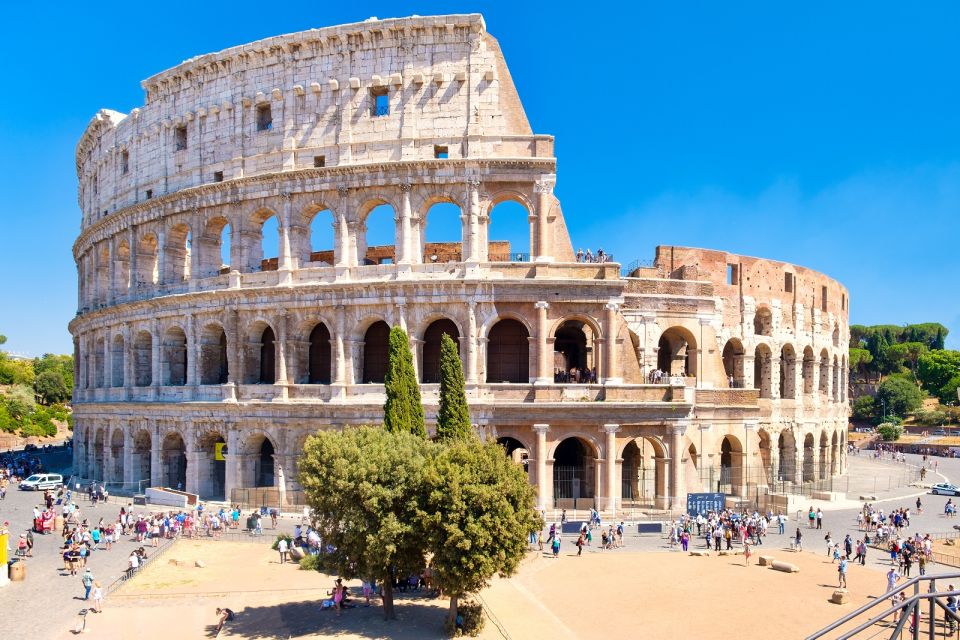
This tour works because it pairs two kinds of Roman power. You see the spectacle machine in the Colosseum—where gladiators trained, lived, and faced the crowd’s roar—and then you move into the political heart of Rome at the Forum. End with Palatine Hill, where the views and the setting connect the city’s scale to the people who ruled it.
The guide isn’t just naming monuments. They’re explaining why certain spaces existed and how the Romans pulled off big public performances. That’s what turns the visit from sightseeing into understanding.
You can also read our reviews of more tours and experiences in Rome.

Price and value for a $44.41 ticket
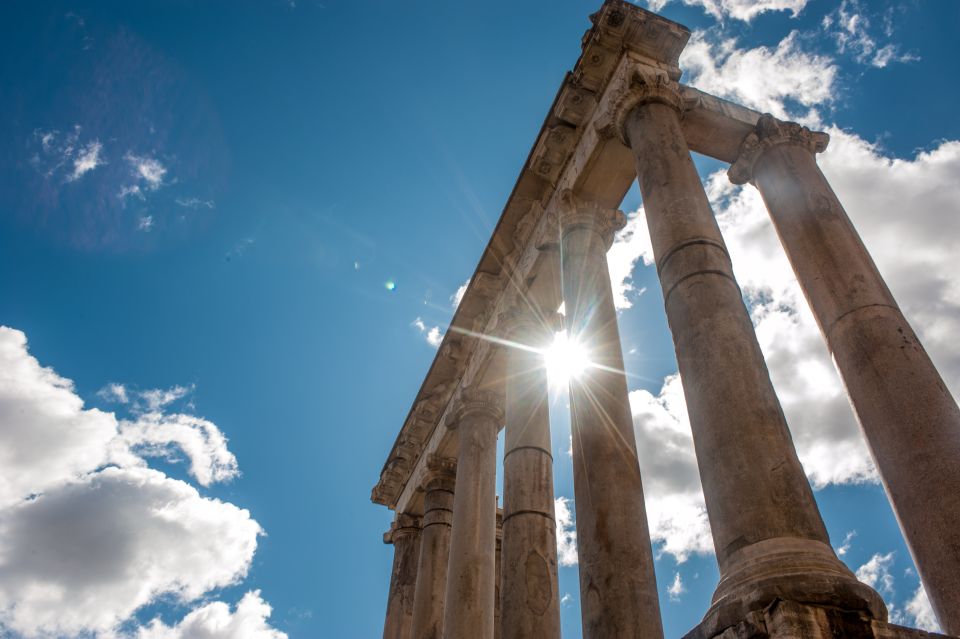
At about $44.41 per person, you’re paying for three core entrances plus a live guide and headsets. The big value is that the tour is structured to cover: Colosseum (including the arena floor option), Roman Forum, and Palatine Hill—without you needing to stitch it together yourself.
This price also makes sense if you hate queue time. The tour includes skip-the-ticket-line entry, plus airport-style security is part of the deal. You’re basically buying time and guidance, not just access.
If you want the full “wow” factor, pick the option that includes arena floor access. Without it, you’ll still get the Colosseum tour, but the signature element is the chance to stand where the action happened.
Meeting at Via delle Terme di Tito 93 (and finding it fast)
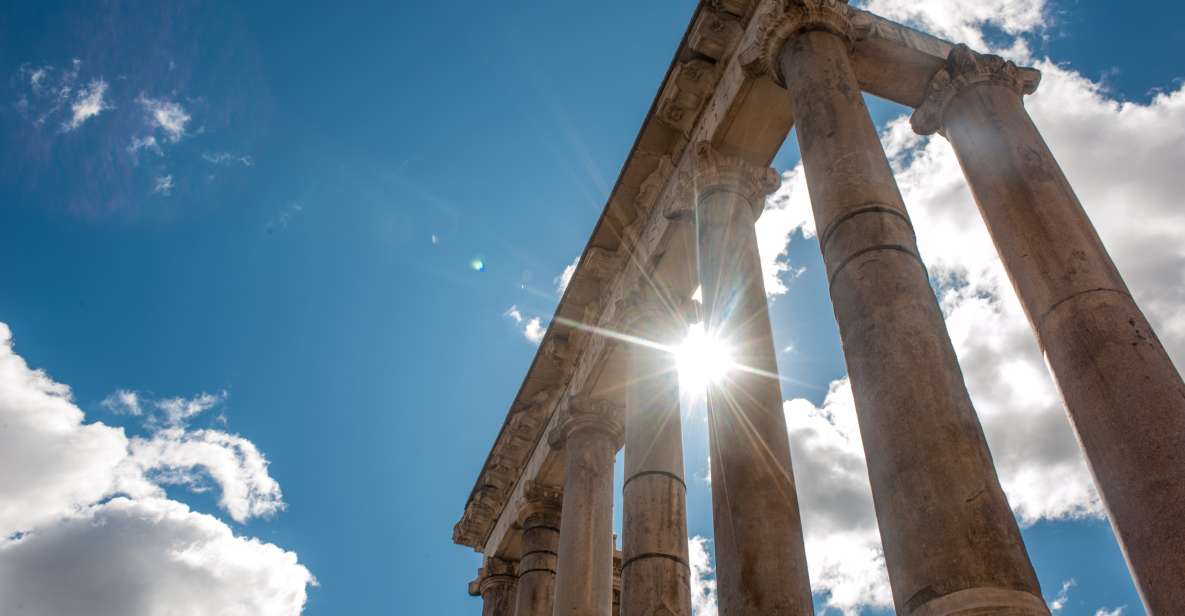
You start at Via delle Terme di Tito 93 and end right back there. If you’re coming by metro, the directions are straightforward: from Colosseo metro station, go to the terrace above the station, walk about 100 meters on Via Nicola Salvi, then turn left.
This is one of those tours where arriving on time matters. The security process can slow things down, and the group moves through timed sections.
Bring your ID (passport or ID card). The tour requires complete names for everyone in the reservation, and entry can’t be guaranteed if details are incomplete.
Entering the Colosseum: what you’ll actually feel on the inside
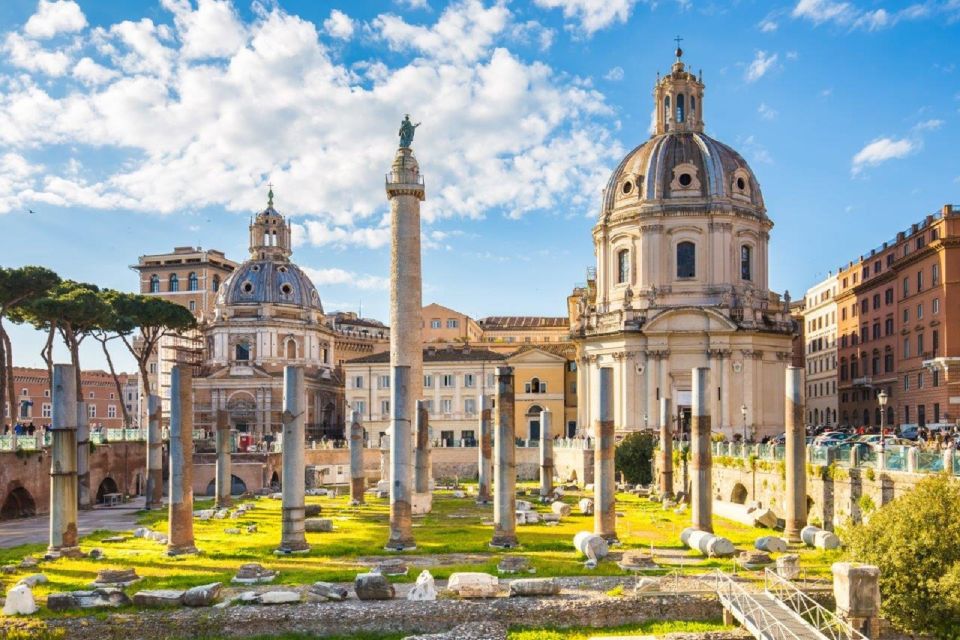
Once you’re in, the tour focuses on the story layer—how the Colosseum was designed to function as a system. You’re guided through the Colosseum with a strong emphasis on the people and the mechanics of the show.
A key advantage here is pacing. Many guides are praised for running the visit without rushing, and you tend to get time to absorb the space and ask questions. Headsets also help keep the experience clear, especially if your group is larger.
What to watch for: all of this is outdoors and exposed. Even if the tour moves well, you’ll still feel the sun and air on your skin.
Arena floor access: the signature experience (if you select it)
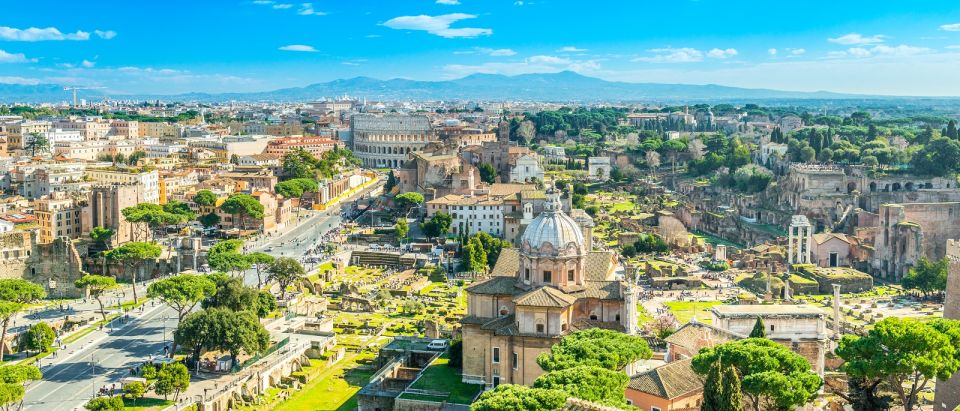
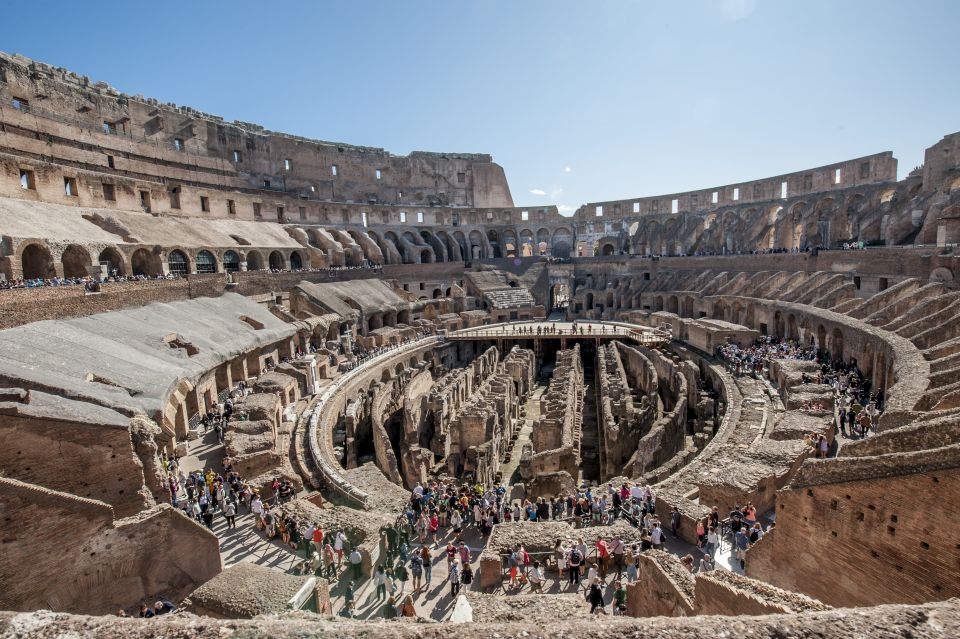
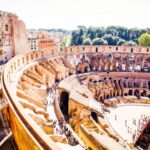
The Colosseum arena floor stop runs about 1 hour, and it’s the centerpiece if you choose the arena-floor option. This is where the tour becomes more than a history walk. You’re standing inside the performance space and seeing the layout from a perspective most visitors never get.
The guide explains the complex engineering systems under the arena—how the Romans organized the infrastructure that helped create the illusion of animals appearing. The lesson is more interesting than it sounds because it connects design choices to real-world logistics: moving, timing, and staging.
Practical note: expect stairs and uneven surfaces in and around major ancient sites. Also expect heat. Even a short time inside that arena can feel long when the sun is strong.


Gladiator training and living conditions, without the guesswork
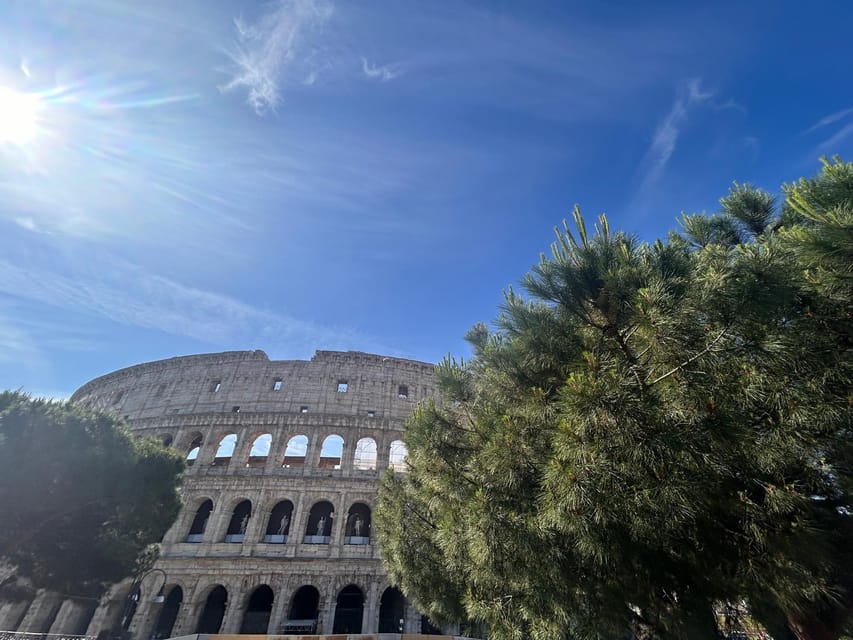
Your Colosseum time includes stories about gladiators as humans, not just myth. The guide covers training and the harsh reality of life in that world—where men and beasts spent their final hours before becoming part of the show.
This part works best if you’re open to moral complexity. The tour doesn’t have to make the subject pleasant to make it memorable. It’s a blunt setting, and the guide’s job is to help you understand it in context, not just react to it.
If you get a guide like Maria, Laura, or Giuseppe (names that come up repeatedly), the talk tends to be structured and energetic—fun but still grounded. That mix is what keeps the arena stories from turning into a lecture.
Roman Forum: where the speeches and power lived
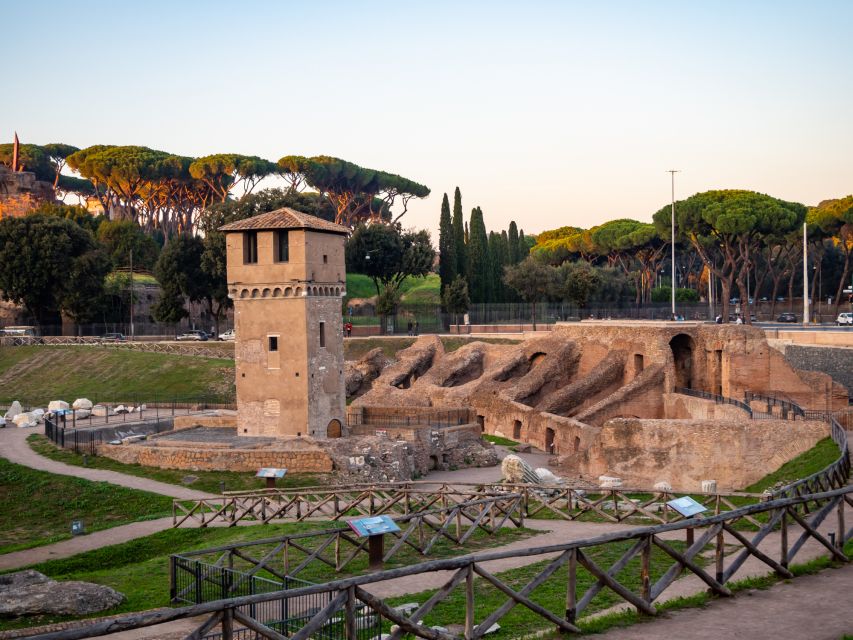
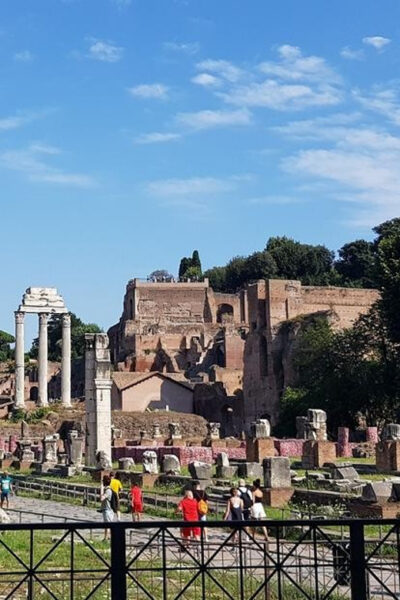
After the Colosseum, you move to the Roman Forum for another 1 hour guided walk. Think of this as Rome’s public stage—where law, politics, and status played out in the open.
The tour’s strength is that it connects the Forum to what you just saw. The gladiator games weren’t separate from the state; they were part of how leaders displayed control, wealth, and legitimacy. Once you’ve seen the scale of the Colosseum, it’s easier to understand why the Forum mattered so much.
You’ll also get key context about Roman life and empire-building, which helps the Forum’s ruins feel like a functioning urban center rather than a collection of rocks.
Triumphal arches of Titus and Constantine
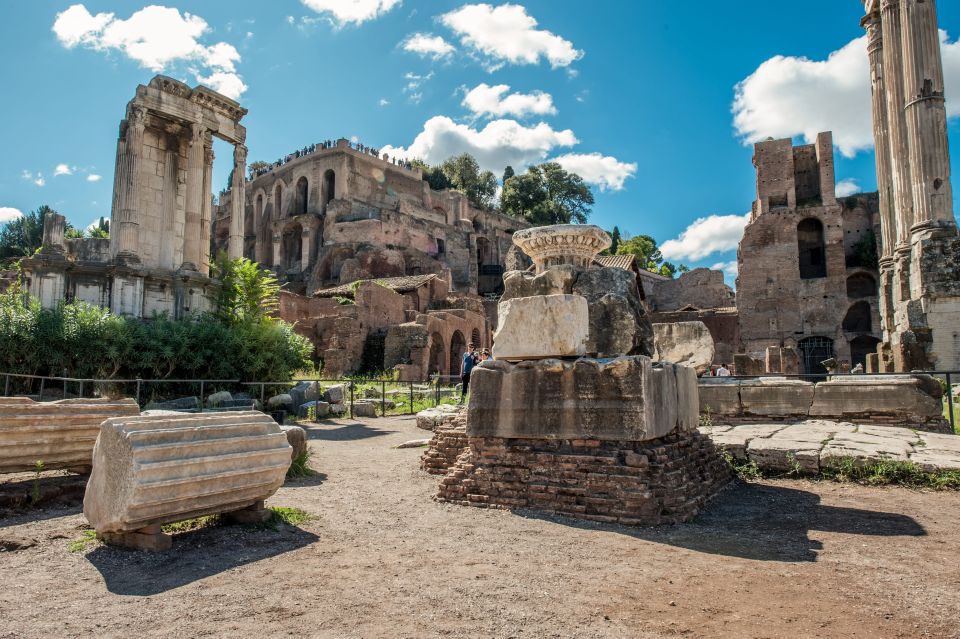
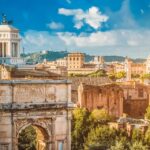
During the visit, you’ll see the triumphal arches of emperors Titus and Constantine. Two of only three remaining arches in Rome, they’re a great mid-tour visual reward—big, recognizable, and tied directly to the empire’s self-promotion.
These arches add another layer: they show that Rome didn’t only build for entertainment. It built monuments to explain who mattered and why.
From a photo perspective, arches frame the city like natural picture borders. From a comprehension perspective, they’re a shortcut into how Roman leaders used architecture as messaging.
Palatine Hill: the climb that buys you city views
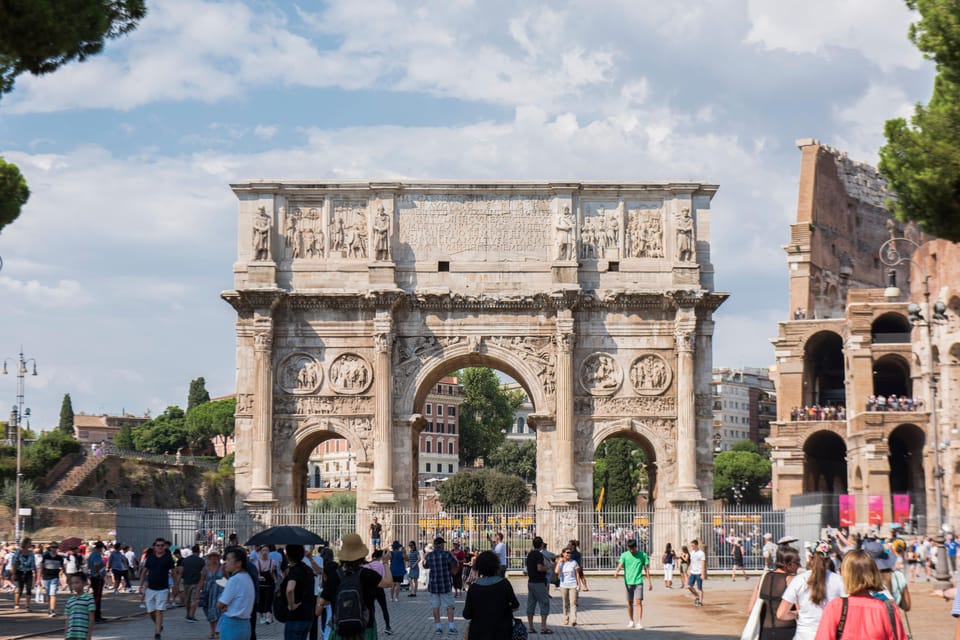
Your final stop is Palatine Hill, guided for about 1 hour. Palatine is where Rome feels enormous. The setting helps you picture the city’s geography and the power centers above it.
The tour’s Palatine focus includes the climb itself plus the payoff: stunning views over sprawling Rome below. It’s the kind of moment that makes the historical scale click. You stop thinking in terms of ruins and start thinking in terms of an actual city with movement, distance, and reach.
Downside: this is not a laid-back stroll. You should expect a moderate walking level with stairs and steps. The tour isn’t labeled suitable for mobility impairments or wheelchair users, so plan accordingly if mobility is an issue.
Who this tour suits best (and who should choose another plan)
This tour is a strong fit if you want a high-impact “greatest hits” Rome day with a guide guiding the interpretation. It’s also ideal if you care about understanding how ancient systems worked—especially the arena’s engineering and staging.
It’s less ideal if you:
- need step-free access,
- expect a slow pace with minimal walking,
- or hate crowds and heat exposure (the sites are big and outdoor).
If you’re traveling with kids, it can work because the guide typically keeps the stories lively. Just know the heat and stairs can be tough, so pack for it.
How to prepare: small things that change everything
Based on the common practical feedback, here’s what I’d do to make the day smoother:
- Bring water and a sun hat. The arena floor can get hot fast.
- Wear solid walking shoes. There are steps and ancient surfaces.
- Use whatever the tour provides—headsets are there for a reason.
- Don’t over-plan right after. Your legs will feel this one.
One more thing to keep in mind: in inclement weather, the arena floor may be closed off without notice. You may still access the Colosseum through the gladiators’ gate, but arena-floor access can be prohibited. Refunds aren’t offered for this closure.
Should you book the Colosseum Arena, Forum & Palatine Tour?
I’d book it if you want three major sites in one guided sweep and you value interpretation over wandering. The combination is efficient, and the arena-floor option is the difference between seeing the Colosseum and experiencing its performance space.
Choose it especially if you like guides who explain the “how” as much as the “what”—the Roman engineering behind the show, gladiator living and training, and the empire symbols you can still see in the triumphal arches.
I’d skip or reconsider if mobility is limited or if you’d be unhappy losing arena-floor access due to weather. In that case, you might want a plan that’s less weather-dependent.
If you book, do the one thing that pays off everywhere in Rome: show up early, hydrate, and accept that this is a lot of walking for a 3-hour tour. The payoff is seeing how gladiators, power, and place all link together.
FAQ
How long is the tour?
The tour duration is about 3 hours.
What is the price per person?
The listed price is $44.41 per person.
Where is the meeting point?
You meet at Via delle Terme di Tito 93 and the tour ends back at the same location.
Do I need an arena-floor option, or is it automatic?
Entry to the Colosseum is included, and access to the arena floor is included only if you select that option.
What’s included in the tour?
It includes a guide, a walking tour, entry to the Colosseum, access to the Roman Forum and Palatine Hill, and headsets. Skip-the-ticket-line is also included.
What languages are available for the guide?
The live guide is available in Italian, Spanish, French, German, and English.
Is hotel pickup included?
No. Hotel pickup and drop-off are not included.
What should I bring?
Bring a passport or ID card (and passport/ID for children as applicable).
What happens with the arena floor in bad weather?
If weather is bad, the arena floor may be closed off without notice. Entry through the gladiators’ gate will not be affected, but arena-floor access will be prohibited, and refunds cannot be provided in these cases.
Is it suitable for wheelchair users or mobility impairments?
No. The tour is not suitable for people with mobility impairments and not suitable for wheelchair users.