REVIEW · ROME
Rome: Colosseum, Forum and Palatine Hill
Book on GetYourGuide →Operated by BIBBO TOURS · Bookable on GetYourGuide
History gets easier with a real guide. On this Rome Colosseum, Roman Forum, and Palatine Hill tour, you get skip-the-line entry plus headsets, and I love how the guide keeps the pace right while pointing out the best moments to look up, imagine, and understand. One thing to plan for: the meeting point can take a little hunting, and you’ll want to arrive early to avoid getting left behind.
In about 2.5 hours, you’ll move through three layers of Ancient Rome in a smart order. First comes the Colosseum with time on both the 1st and 2nd levels, then the Roman Forum as the civic and religious core, and finally Palatine Hill, tied to myth, power, and sweeping views of the city.
In This Review
- Key highlights that make this tour worth it
- Why the Colosseum, Forum, and Palatine Hill trio works
- Entering the Colosseum: skip-the-line flow and what you really see
- Colosseum 1st floor vs 2nd floor: how the guide turns views into understanding
- The Roman Forum stop: where public life, religion, and politics overlap
- Palatine Hill: legends, imperial homes, and big-sky views
- Pace, group size, and how the guide keeps it from feeling chaotic
- Price and value for this 2.5-hour Rome ticket package
- Meeting point and timing: the small details that prevent stress
- What to bring and what Rome sites won’t allow
- Who this tour suits best (and who should choose another style)
- Should you book this Colosseum, Forum, and Palatine Hill tour?
- FAQ
- How long is the Colosseum, Roman Forum, and Palatine Hill tour?
- Where does the tour start?
- What’s included in the price?
- Does this tour skip the line?
- What languages are available?
- Do I need a passport or ID?
- Are headsets provided?
- Is transportation included?
- What items are not allowed during the tour?
- What is the cancellation window?
Key highlights that make this tour worth it
- Skip-the-line access so you spend less time stuck and more time seeing
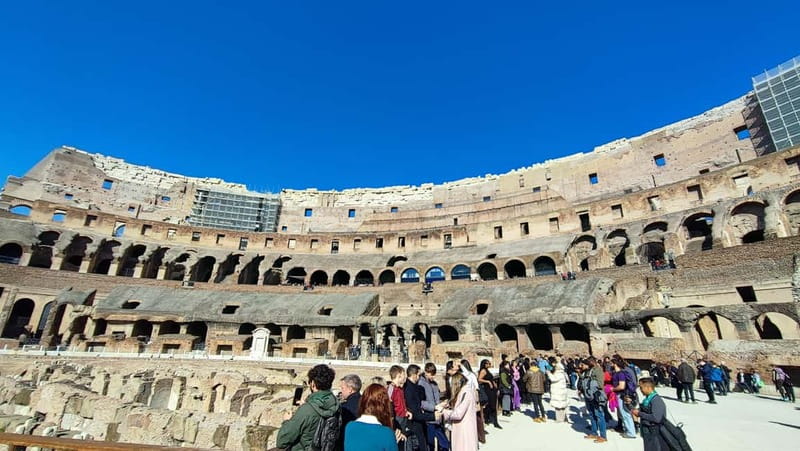
- Colosseum 1st and 2nd floors with perspective on where different spectators sat
- Headsets to catch every detail, even when the site is loud and crowded
- Roman Forum and Palatine Hill guided walking that turns ruins into daily-life stories
- Guides who use visuals (illustrations) to help you picture how monuments looked
Why the Colosseum, Forum, and Palatine Hill trio works
Most first-time Rome plans pick one site and call it a day. I like this combo because it shows you the full rhythm of the ancient city. The Colosseum is spectacle and power on display. The Roman Forum is politics, commerce, and religion in the open air. Palatine Hill is where legends meet emperors and private life meets imperial scale.
That order matters. If you start on Palatine, the power feels abstract. If you start in the Colosseum, you feel the culture of crowds first, then the Forum makes more sense, because you can connect what people cheered for with what they debated, traded, and worshiped.
This tour also keeps things practical. In a short time, you get just enough time at each zone to build a mental map, rather than bouncing between landmarks without context.
You can also read our reviews of more tours and experiences in Rome.
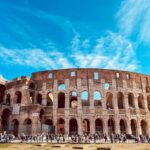
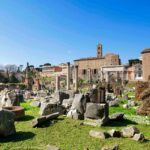

Entering the Colosseum: skip-the-line flow and what you really see
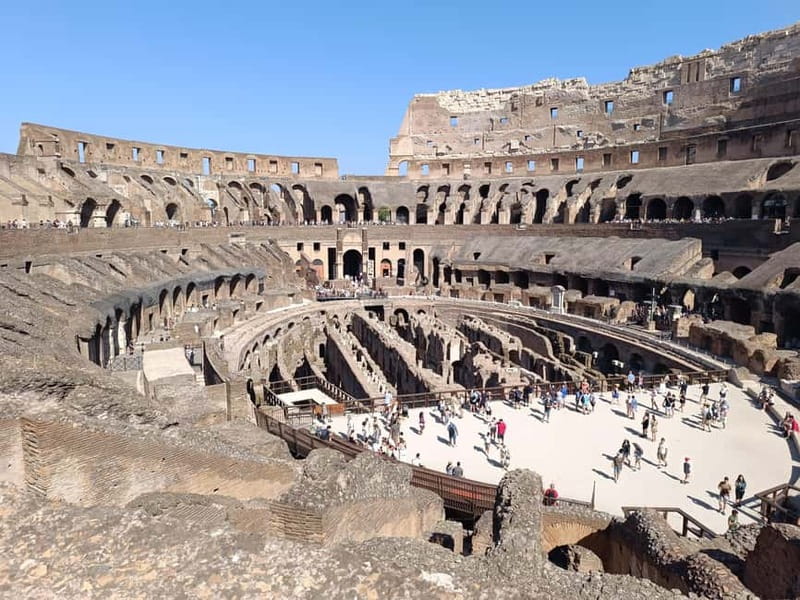
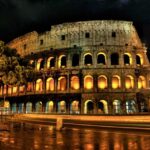
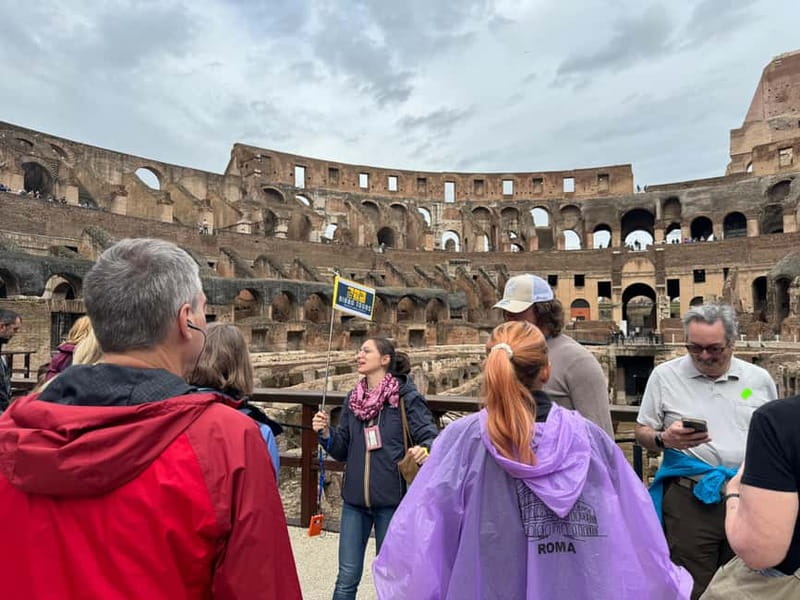
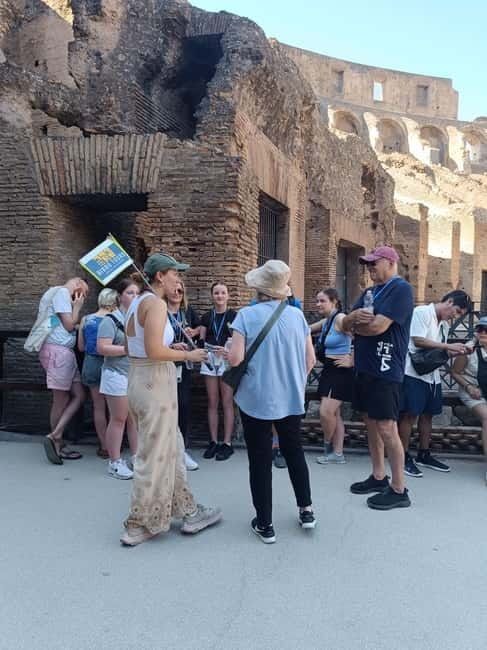
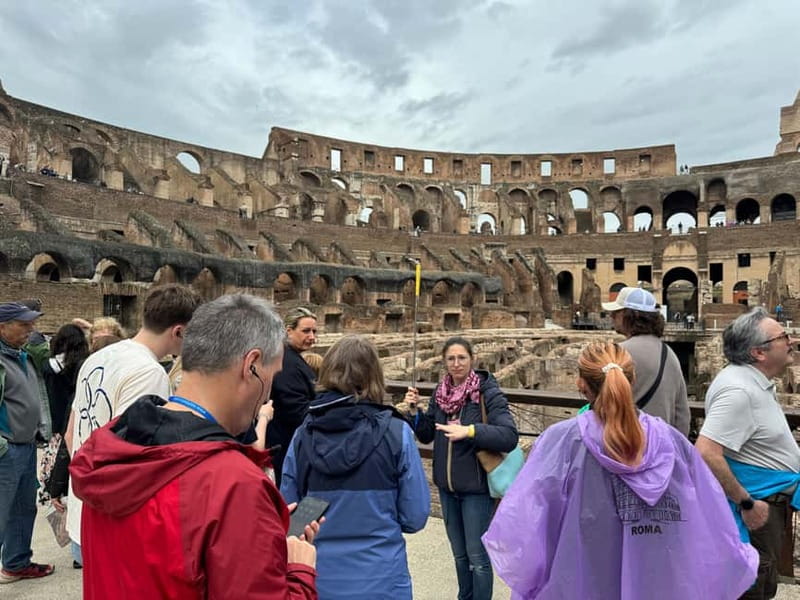
The Colosseum section is the centerpiece, and it’s where a good guide can change everything. You’ll use a separate entrance to skip the line, which is a big deal here because queues can be brutal and long. Once inside, the tour is guided for about 75 minutes, but the real value is how the guide times the stops so you’re not just walking through crowds.
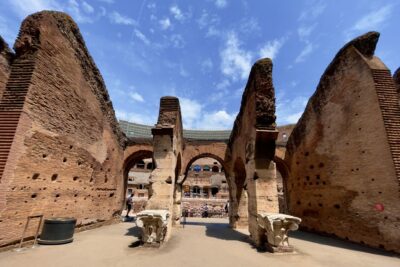
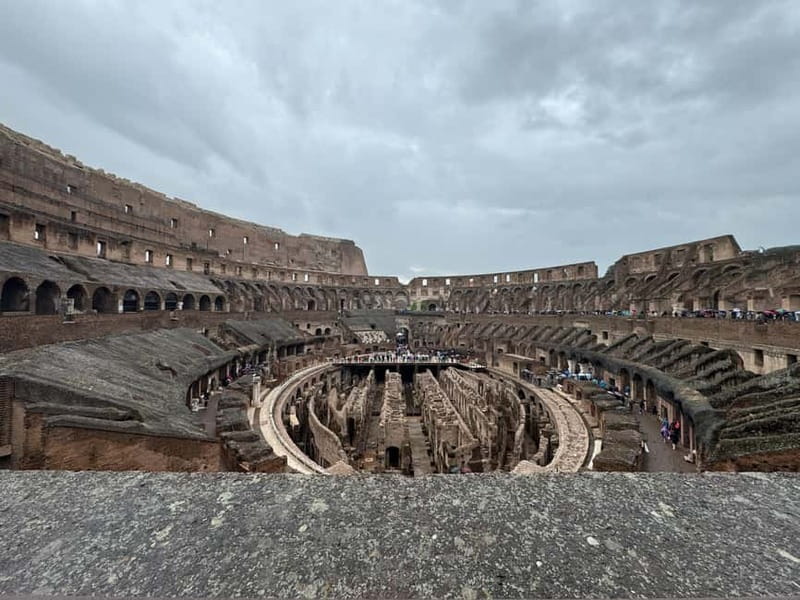
One of my favorite parts of this tour is the way the guide talks about the Colosseum in layers. You’re not stuck with only the ground-level view. You get access to the 1st and 2nd levels, which helps you understand how different floors meant different experiences and status.
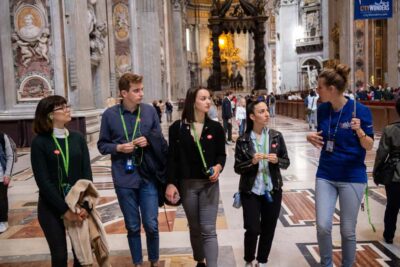
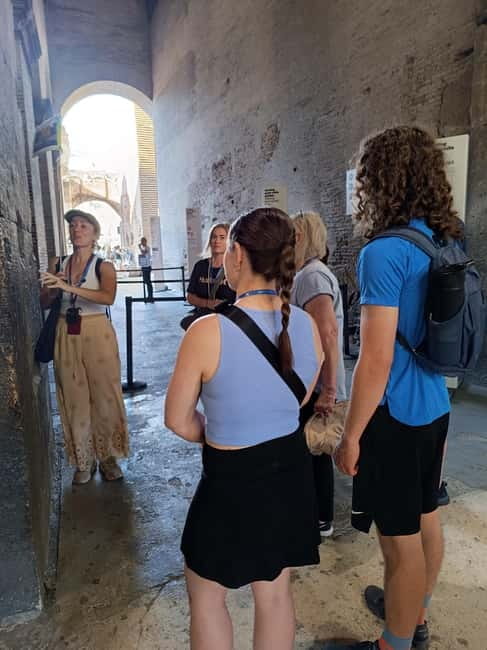
Guides like Marcello and Ricardo have been especially praised for pacing that feels relaxed, not rushed. That matters because the Colosseum can overwhelm you fast if you’re trying to read everything at once. With a guide, you get the main stories first, then the details land where they should.
Colosseum 1st floor vs 2nd floor: how the guide turns views into understanding
At the 1st floor, you’ll see the seating area where some of the most important and wealthy spectators sat. It’s easy to think of the Colosseum as one big bowl. The guided approach helps you see it as a designed system—different zones, different prestige, and different angles of viewing.
Then the tour moves you up to the 2nd floor, where panoramic views of both the amphitheater and Rome start to click. This is where you stop thinking only about the ancient structure and start noticing how it sits inside the modern city. You get the best kind of mental comparison: what the Romans built for crowds, and what Rome is now.
What I like is that you’re not just told facts. The guide often uses visual aids—like a book with illustrations—to show how parts of the amphitheater may have looked in the past. That technique helps if you’re struggling with ruins that feel incomplete. Instead of guessing, you can connect the dots quickly.
The Roman Forum stop: where public life, religion, and politics overlap
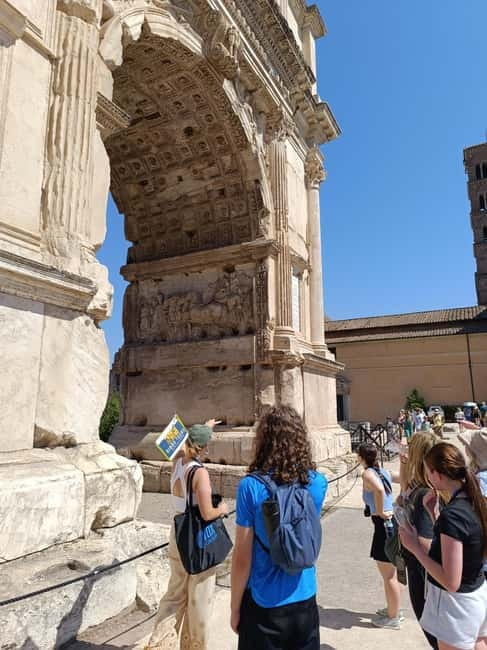
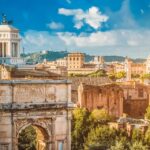
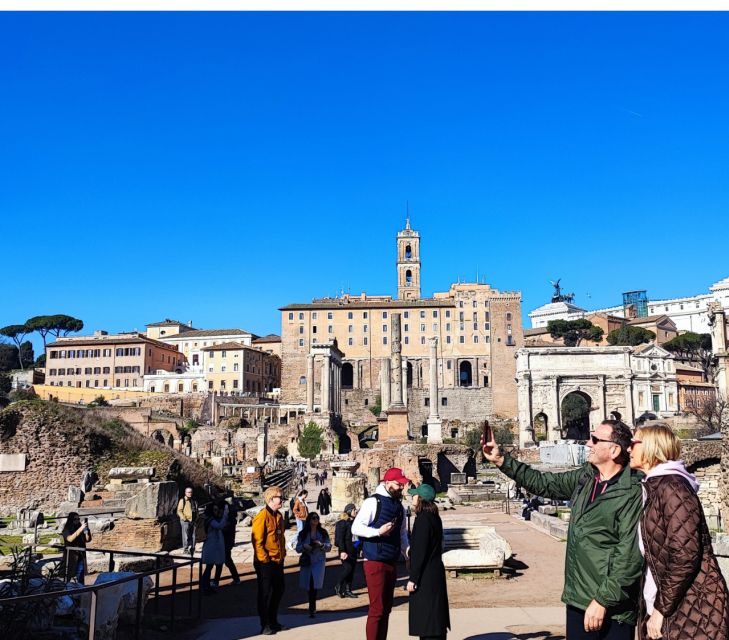
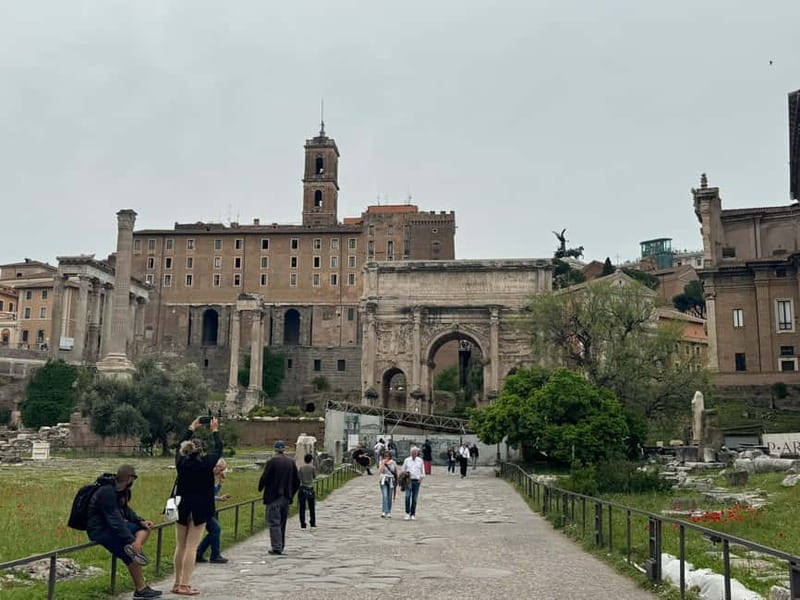
After the Colosseum, you move into a different mood: the Roman Forum. This is where Ancient Rome stops being a symbol and starts being a place where people worked, argued, worshiped, and made decisions.
The guided time here is shorter (about 45 minutes), but it’s designed for maximum context. You’ll walk through key ruins tied to public life—temples and monuments that show how power was performed in everyday space. Even if you’ve seen Forum photos before, the guide’s explanations help you see patterns: what likely mattered most, how areas connected, and why certain sites were built where they were.
I also appreciate that your headsets help here. The Forum can be noisy and crowded, and it’s hard to keep up when you’re trying to hear instructions over other groups. You stay in the flow instead of constantly asking someone to repeat.
Palatine Hill: legends, imperial homes, and big-sky views
Palatine Hill is often described as the birthplace of Rome in legend, and that blend of myth and archaeology makes it a favorite stop. Here, the vibe shifts from public institutions (Forum) to personal power and imperial presence.
You’ll have about 30 minutes guided on Palatine Hill, focused on archaeological remains tied to imperial palaces. The best part is that the views over Rome don’t feel like a bonus—they help you understand how this hill became valuable. High ground plus commanding sightlines is an obvious advantage, and you can see why leaders wanted to be here.
If you want a moment to pause and process everything you just learned, Palatine is that moment. It’s where the stories stop feeling like a lecture and start feeling like a landscape.


Pace, group size, and how the guide keeps it from feeling chaotic
A recurring theme in the experience is pacing. People loved the way guides kept the tour moving without rushing, which is exactly what you want with three major stops in one go. Even when the heat or crowds spike, a strong guide helps you stay oriented.
Group size also affects the vibe. This tour can run as a private group, but even in standard group formats, it’s often small enough that questions don’t vanish into the distance. Guides such as Marcello, Laura, and Ilianara have been praised for learning names and making the tour feel personal without turning it into a free-for-all.
If you’re traveling with kids, a balanced pace and clear explanations can make a big difference. The tour is built to keep everyone focused through short stops, not endless walking with no breaks.
And yes, there’s a practical comfort layer. Several guides have been noted for being mindful about the weather, including help with staying in shade and managing water during warm conditions. That turns the tour from stressful to doable.
Price and value for this 2.5-hour Rome ticket package
The price listed is $126.88 per person for a 2.5-hour guided tour covering the Colosseum, Roman Forum, and Palatine Hill. On its face, that sounds like a lot until you compare it to the cost of entry tickets plus the value of having a licensed guide.
Here’s what makes the money feel more justified:
- You get licensed guidance through all three sites, not just one.
- Entry is included for the Colosseum, Roman Forum, and Palatine Hill.
- You get headsets, which protects your time because you’re not guessing or missing key info.
- You also get skip-the-line entry, which can easily save real hours in Rome’s busiest zones.
If you’re visiting for the first time, you’ll likely get more out of this structure than DIY wandering. And if your main goal is understanding what you’re seeing, guided time is the fast path.
If your goal is only photos, you might prefer a self-guided itinerary. But if you want the why behind the walls and seats, this tour format tends to be a strong value.
Meeting point and timing: the small details that prevent stress
You’ll meet at a location that depends on the option booked. Two listed possibilities are Fontana del Colosseo and Caffè Roma. The tour also notes that meeting point details can vary, so I recommend planning to show up early rather than arriving right at the start time.
Here’s the practical tip that matters: some meeting points can be harder to spot because the group area may be tucked down stairs or away from the main flow. The good news is that the operator provides a photo and a flag to help you find the right spot. Still, give yourself buffer time.
Also take the 15-minute rule seriously. The tour says guests arriving after departure won’t be accommodated, and lost tickets can’t be refunded. That’s common in Rome, and it’s one reason I always treat the meeting time like it’s your museum entry time.
What to bring and what Rome sites won’t allow
This is one of those tours where packing too much can backfire. You’ll need a passport or ID card for entry, and the operator notes that copies are accepted. You’ll also want to have the participant names exactly as provided at booking, including middle names where applicable, matching the name on your ID.
What isn’t allowed is important:
- No baby strollers
- No non-folding wheelchairs
- No bikes
- No alcohol or drugs
- No bags
- No electric wheelchairs
Also note the infant rule: infants aged 0 to 4 are classified as such only if they’re carried. If an infant walks, they’re charged the full child fare. If you’re traveling with little ones, plan around that and keep expectations clear.
A simple approach: travel light, bring your ID, and don’t plan on stashing anything in a bag. Rome’s security and site rules can be strict.
Who this tour suits best (and who should choose another style)
This tour is a strong fit if you want to:
- See all three headline Ancient Rome sites in one efficient block
- Understand the Colosseum’s layout (not just its exterior)
- Get the Forum context without feeling lost
- Finish with Palatine Hill views and imperial context
It may not be a fit if you need stroller access or if you rely on wheelchair mobility, since the tour is not suitable for wheelchair users and certain wheelchairs are not allowed.
If you’re the type who enjoys stories, diagrams, and stop-and-look moments, guides who use illustrations can be a big win. And if you’re easily overwhelmed by crowds, the headset setup and structured stops help you keep your footing.
Should you book this Colosseum, Forum, and Palatine Hill tour?
If you’re booking Rome for the first time, or you want the quickest route to a clear mental picture of Ancient Rome, I think this is an easy yes. The combination of skip-the-line entry, licensed guiding across all three sites, and headset support makes it feel efficient and worth the cost.
I’d book it especially if you care about understanding what you’re seeing—where elite spectators sat, what the Forum really meant as public life, and why Palatine became the place for imperial residences.
Just don’t underestimate the start. Do the small prep: arrive early, double-check your meeting spot details, and travel light so the rules don’t slow you down.
FAQ
How long is the Colosseum, Roman Forum, and Palatine Hill tour?
The tour lasts about 2.5 hours.
Where does the tour start?
The meeting point may vary by the option booked, with listed possibilities including Fontana del Colosseo and Caffè Roma.
What’s included in the price?
The tour includes a licensed guide, Colosseum entry, Roman Forum and Palatine Hill entry, and headsets.
Does this tour skip the line?
Yes. It includes skip-the-line entry through a separate entrance.
What languages are available?
The live guide is available in English, Spanish, French, German, and Italian.
Do I need a passport or ID?
Yes. You must bring a passport or ID card for entry, and a copy is accepted.
Are headsets provided?
Yes. Headsets are included so you can hear the guide clearly.
Is transportation included?
No. Transportation to the meeting point is not included.
What items are not allowed during the tour?
Baby strollers, bikes, alcohol and drugs, bags, and certain wheelchairs are not allowed.
What is the cancellation window?
Free cancellation is available up to 3 days in advance for a full refund.