REVIEW · ROME
Gelato and Pasta Cooking Class in Rome – Piazza Navona
Book on GetYourGuide →Operated by IPM COETUS SRL · Bookable on GetYourGuide
Gelato and pasta, right on Piazza Navona. This hands-on class puts you inside Ristorante Tucci, where you make both dessert and fresh pasta, then eat what you create in the heart of Rome. You start with a welcome drink, learn step-by-step with an English-speaking instructor, and finish with a proper sit-down meal.
I especially like the way the gelato process feels doable, even if you’ve never used a machine before. You’ll also get that satisfying chef moment: you make the fettuccine, then the restaurant’s chef cooks it with your chosen sauce while you relax.
One consideration: the gelato machine area is very small, and the space isn’t wheelchair accessible, so this isn’t a fit for mobility impairments.
In This Review
- Key things to look forward to
- Arriving at Piazza Navona and Getting Set Up at Ristorante Tucci
- The Prosecco Start and Gelato Making That Feels (Almost) Too Easy
- Fettuccine From Scratch: What You Make (and What Actually Counts)
- The Short Waiting Window: Why You Don’t Feel Like You’re Just Killing Time
- Eating Your Pasta and Gelato: Sauce Choice and the Restaurant Finish
- What You Actually Get for the Price (and Why It Feels Fair)
- Timing, Pacing, and Language: How the Class Works for Different Groups
- Dietary Options and What to Tell the Restaurant in Advance
- Accessibility and Space Reality at the Gelato Machine
- Practical Tips Before You Go
- Who This Cooking Class Suits Best
- Should You Book This Gelato and Pasta Class on Piazza Navona?
- FAQ
- What’s included in the Gelato and Pasta class?
- How long is the experience?
- Where do I meet the class?
- Is the class taught in English?
- Do they support vegetarian diets?
- Is this class wheelchair accessible?
Key things to look forward to
- Small group (max 10), so you’re not stuck watching from the sidelines
- Gelato + fettuccine together in one 2.5-hour experience, with your creations served at the table
- English instruction with a friendly, humorous teaching style from chefs like Luca, Sara, Simone, and Bea
- Your sauce choice for pasta, handled by the restaurant chef for a polished result
- Roman atmosphere at Piazza Navona, with time to people-watch after cooking
- Included food and drinks that make the price feel more like a meal deal than just a demo
Arriving at Piazza Navona and Getting Set Up at Ristorante Tucci

This class starts right where Rome looks like postcards: Piazza Navona. When you walk in, you’re not hunting through a maze or trying to find a “kitchen tour.” You simply go inside Ristorante Tucci and ask staff members for your class, and they’ll take it from there.
Inside, the vibe is classic Roman casual. You’ll get settled and started with a welcome drink, then the group moves together into the cooking rhythm. Because it’s limited to 10 people, you get more attention than you would in bigger group tours. That matters, especially for kids and first-timers, who usually need reassurance and quick feedback.
The practical upside of this location is timing. You can plan this as an afternoon reset between major sights. It’s also a nice break from the constant walking and crowd noise, while still feeling deeply “Rome.”
You can also read our reviews of more cooking classes in Rome

The Prosecco Start and Gelato Making That Feels (Almost) Too Easy
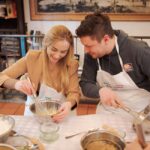
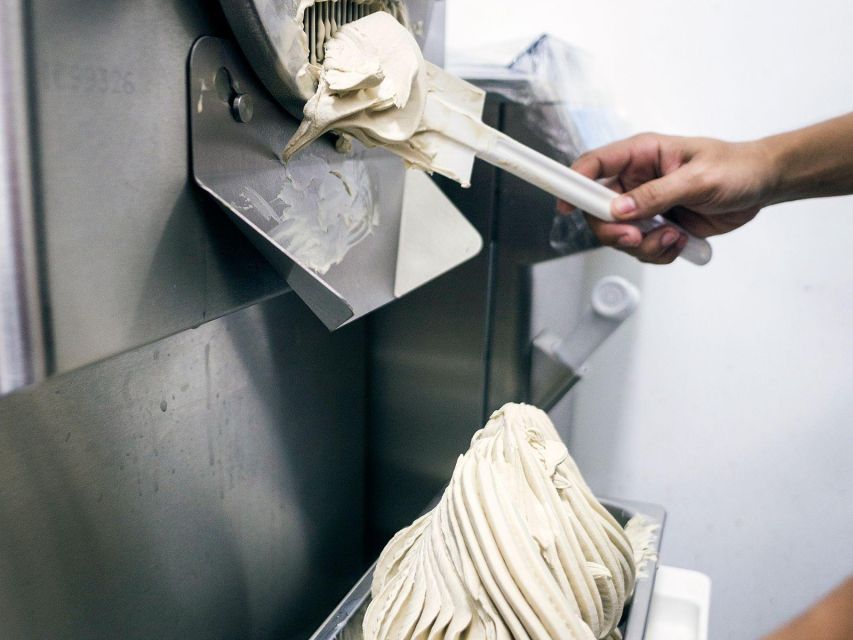
You begin with a welcome glass of Prosecco as you sit down and get briefed. After that, you move into the gelato part of the lesson, guided by a professional gelato maker. In practice, the structure is simple: you learn the steps, you help prepare the base, and the gelato machine does most of the heavy lifting.
This is one of the most praised parts of the experience. Many instructors are mentioned by name in people’s accounts, including Luca and Simone, and the recurring theme is clear, friendly coaching. You’re not thrown into confusion. You get directions you can follow, and you get the small “you’re doing it right” moments that make the whole thing click.
You also get a real sense of what makes Italian gelato taste better than generic “ice cream.” Even without getting overly technical, you learn the importance of mixing steps, consistency, and timing. And when your gelato is ready, you don’t have to hope it worked out—you eat it.
One more reason I like this setup: gelato making is hands-on without being exhausting. Even if your pasta is your biggest concern, you’ll still leave with something that tastes like Rome.
Fettuccine From Scratch: What You Make (and What Actually Counts)
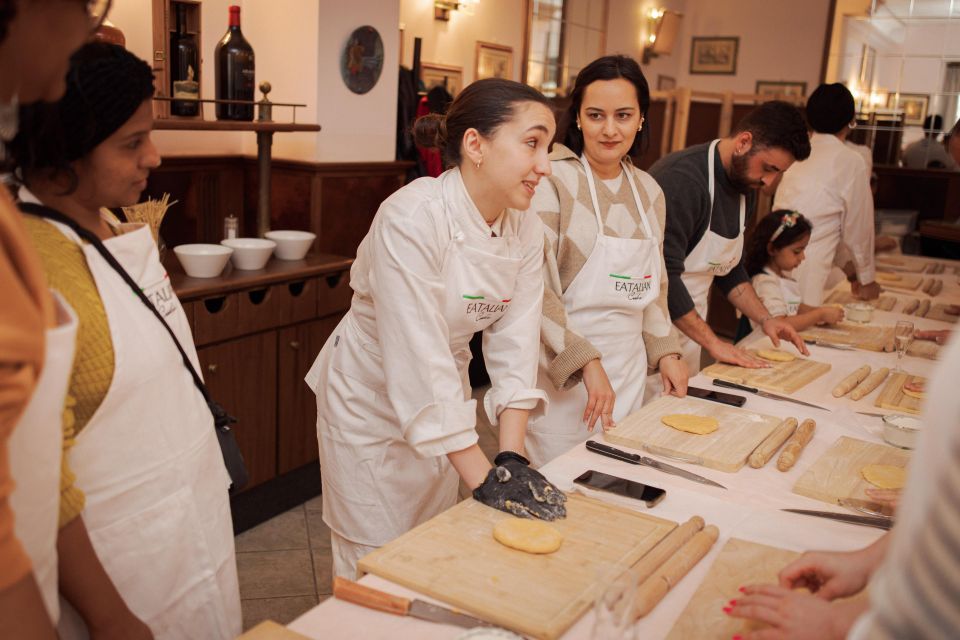
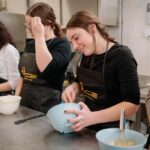
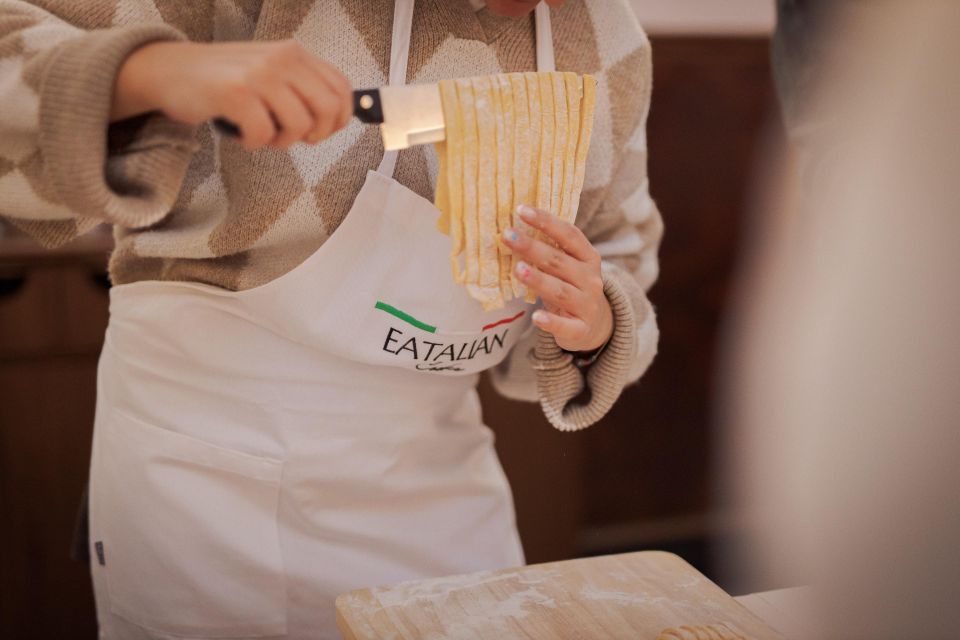
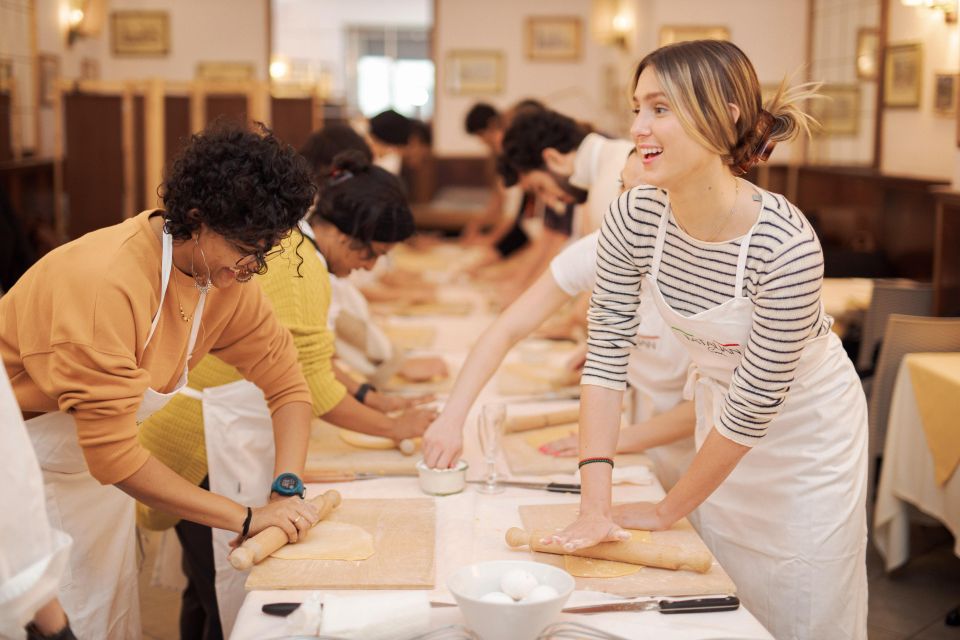
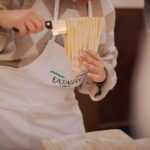
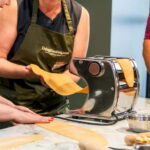
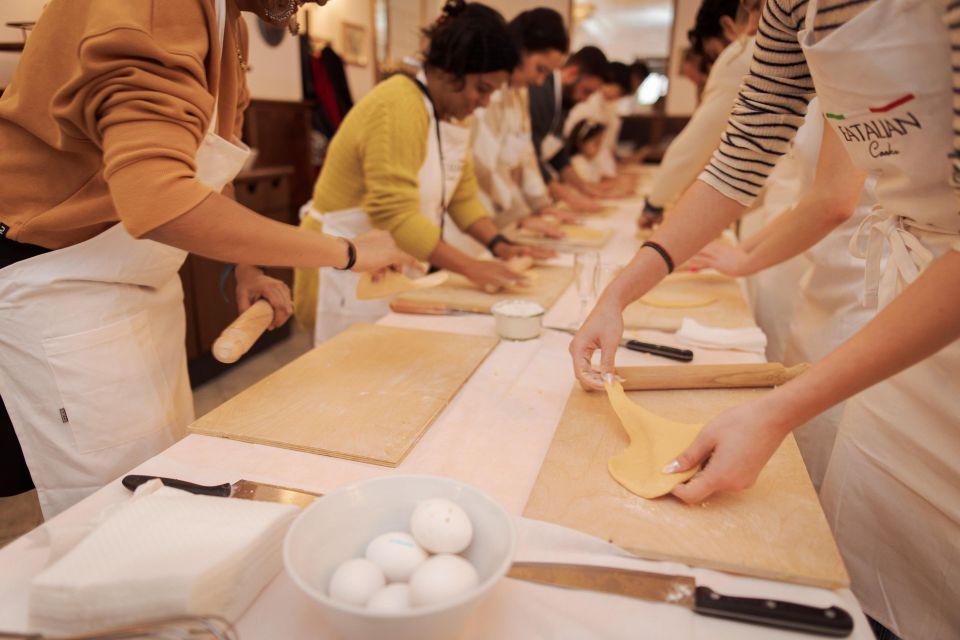
Next comes fresh pasta—fettuccine, made from scratch. This is the part where you’ll dust your hands, roll dough, and shape noodles under guidance. The class is designed so you’re active, not passive. You get to do the work, and you also get support if your technique is a little uneven.
The best feedback I’ve seen from real class experiences is that the instructors keep the pace manageable. People mention clear steps and a relaxed teaching style, including Sara and Bea, and that you can still get good results even if it’s your first time. One common detail: even when someone’s noodles don’t look perfect, they still end up tasting excellent once the pasta is cooked properly and served with sauce.
That chef step is important. You create the pasta, but you’re not responsible for getting the final cooking timing just right. The restaurant chef cooks your fettuccine to perfection after you prepare it, then plates it for you with your chosen sauce.
If you’re traveling with kids, this portion tends to land well because it’s physical and visual. They see dough turn into noodles, then noodles turn into dinner.
The Short Waiting Window: Why You Don’t Feel Like You’re Just Killing Time
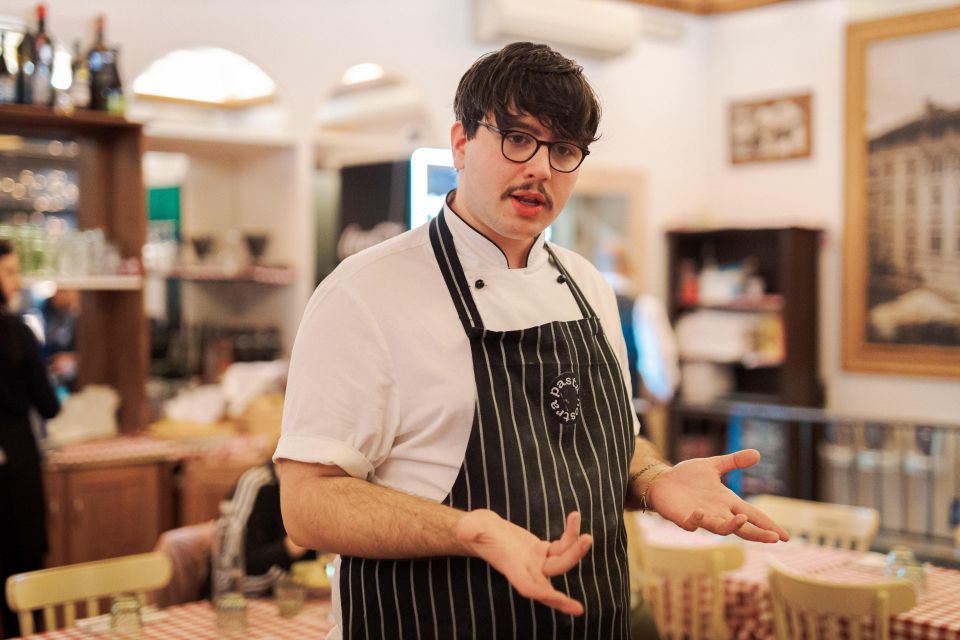
Between cooking steps, the format is smart. You’re not left standing around hungry. While the chef handles the final pasta cooking, you sit down and enjoy included extras.
You’ll have a bruschetta appetizer and a glass of wine or beer. If you’re traveling with kids under 18, soda is included for them. Water is also provided throughout.
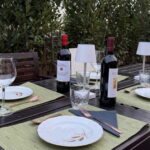
This part isn’t filler. It’s the “Roman pace” of the experience. You get to chat, watch the room, and enjoy that Piazza Navona energy without the pressure of constantly doing something. Many people also mention sitting outside during the meal portion, looking out over the piazza while eating pasta and gelato they made earlier. Even if your seating is indoors, you still get that sit-down break that turns cooking into a full experience.
Eating Your Pasta and Gelato: Sauce Choice and the Restaurant Finish
Once the chef finishes cooking, you’ll get your pasta dish—your fettuccine with sauce. You get to choose the sauce, and the restaurant handles the cooking side. That’s the key to why this class tastes good at the end, not just because you made it.
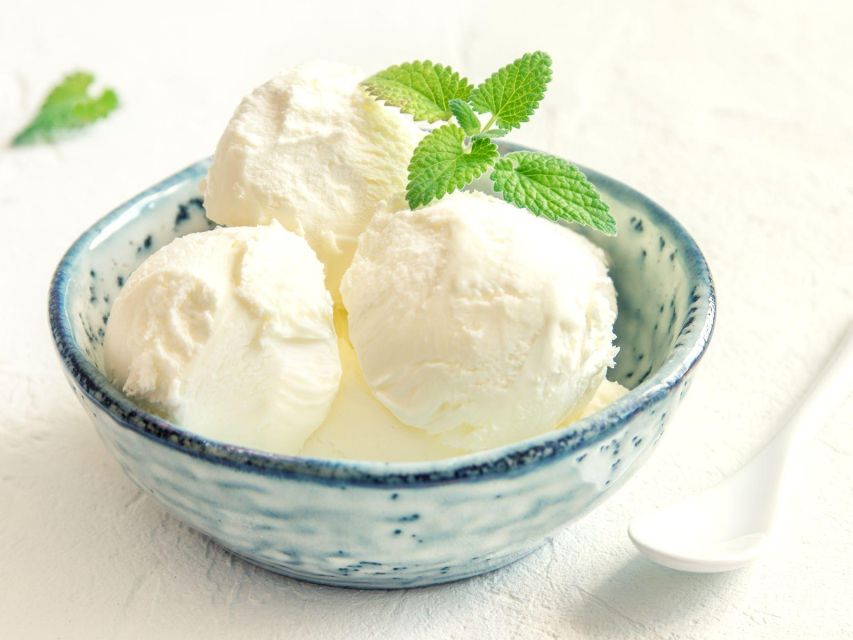
For the gelato finish, you’ll also be served the house-made gelato you prepared. The dessert part is included, so you don’t have to worry about paying extra to get the reward. In fact, many people describe the gelato as one of the best they had during their trip, which is a pretty strong endorsement for a food workshop.
A nice detail is how the experience balances skill-building with actual eating. You’re learning, but you’re also getting a satisfying meal. For value, that pairing is hard to beat.
Some class endings include small extras like a certificate, which people mention as a fun keepsake. The exact add-ons can vary, but the overall feel is consistent: you finish with pride and a full stomach.
You can also read our reviews of more tours and experiences in Rome
What You Actually Get for the Price (and Why It Feels Fair)
At $58 per person for about 2.5 hours, you’re paying for more than instruction. You’re paying for ingredients, professional guidance, use of the gelato equipment, and—most importantly—the chef cooking your pasta to the right texture and timing.
Here’s what’s included:
- Gelato cooking instruction, plus gelato as dessert
- Fettuccine pasta instruction, plus a cooked pasta dish with your chosen sauce
- Bruschetta appetizer
- 1 glass of wine or beer (and soda for children under 18)
- Water
When you compare that to “buy food plus a short demo,” this feels like a real meal experience. You’re not just sampling. You’re making and eating both components, and the included drinks make it easier to treat it as a full afternoon plan rather than a quick snack.
It also helps that the group is small (limited to 10). More attention usually means fewer mistakes that lead to wasted ingredients or a sad end plate.
Timing, Pacing, and Language: How the Class Works for Different Groups
The class is taught in English, and the pacing is built for a mixed group. People describe the pace as good, and the instruction as easy to follow. That’s especially relevant if you don’t speak Italian or you’re worried about understanding cooking terms.
Because the group is small, the instructor can correct technique without turning it into a lecture. Many people credit instructors like Luca, Simone, Sara, Alexandra, and Sia for making the experience relaxed and fun, not stiff. In a cooking class, that tone matters. You’ll be more likely to try the steps if you feel comfortable.
For families, it also helps that children aren’t just “present”—they participate. Kids enjoy making pasta shapes and gelato steps they can actually see working. That said, the class isn’t suitable for children under 6.
Dietary Options and What to Tell the Restaurant in Advance
Food workshops are only enjoyable when the eating works for you. This class supports vegetarian and other diets, but you need to inform the provider about your needs when booking.
One clear limit: it isn’t suitable for vegans. So if you’re strictly plant-based, plan something else.
If you have allergies or other requirements, mention them early. In practice, that’s usually what prevents last-minute substitutions.
The best habit here: communicate your needs when you book, and be specific about what you can’t have. That’s the simplest way to get a meal you’ll actually enjoy.
Accessibility and Space Reality at the Gelato Machine
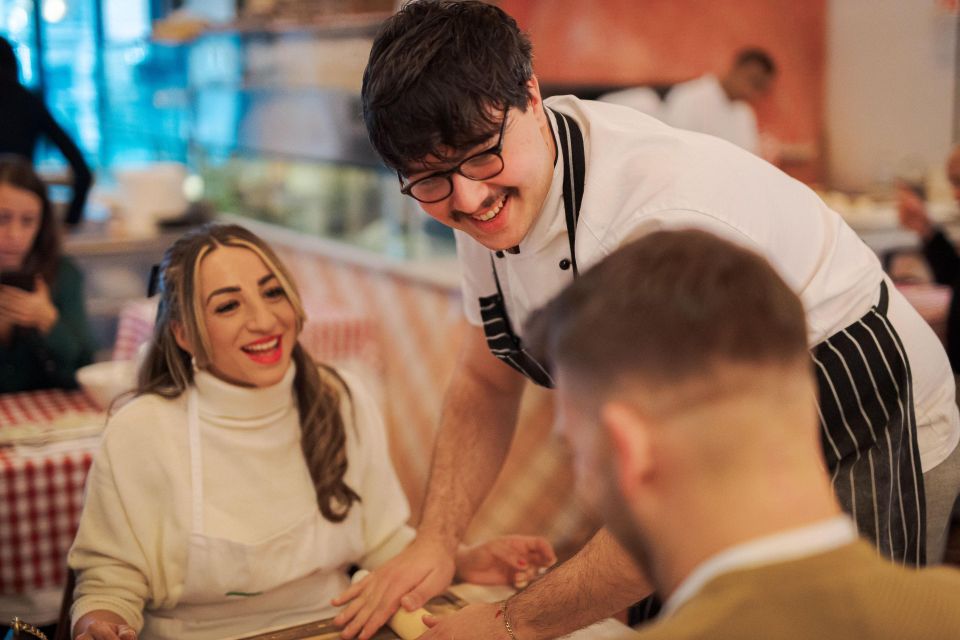
Let’s talk about the one area where logistics can matter: the gelato machine lab is very small and not wheelchair accessible. So if mobility is an issue, this won’t be comfortable or safe.
This also isn’t suitable for wheelchair users or people with mobility impairments. If you’re traveling with anyone who needs accessible spaces, it’s worth choosing a different Rome experience.
If you’re not dealing with mobility constraints, the small size is usually a plus. You’ll be closer to the action, and it’s easier for the instructor to see what you’re doing.
Practical Tips Before You Go
A few things I’d do to get the most out of the experience:
- Arrive a little early so you can settle in before the class starts
- If you have dietary restrictions, flag them when booking so the team can plan
- Wear something you don’t mind getting a little messy with pasta dough
- Expect a real sit-down meal, not just a tasting, since bruschetta and drinks are included
- If you’re sitting outside, take a moment before the first bite to enjoy the Piazza Navona views
Also, if you like photos, this is a great time to take them. You’ll have a “before cooking” moment with the piazza energy and an “after cooking” moment with the finished pasta and gelato.
Who This Cooking Class Suits Best
This class is a strong fit if you want a break from constant sightseeing and you like learning through doing. It works especially well for:
- Families with children 6 and up
- Food lovers who want a hands-on activity, not another museum stop
- Couples who want something memorable and different in the middle of a busy trip
- Anyone who enjoys a small-group vibe with English instruction
If you’re looking for a deep academic history of Roman cuisine, this isn’t that. It’s a cooking experience with food you eat right away, in a beautiful setting.
Should You Book This Gelato and Pasta Class on Piazza Navona?
Yes, I’d book it if you want a fun, well-paced cooking activity that ends with a satisfying meal. The combination of making gelato and fettuccine, having the chef finish the pasta, and then eating together right there on Piazza Navona makes it feel like real value, not just a pricey souvenir.
I’d think twice if accessibility is a concern, since the gelato machine area isn’t wheelchair accessible and the class isn’t suitable for mobility impairments. And if you’re vegan, this specific format won’t work.
If you do fit the basics, this is one of those Rome experiences that gives you something you can’t easily replicate from a guidebook: the pride of eating pasta and gelato you actually made yourself.
FAQ
What’s included in the Gelato and Pasta class?
You’ll get gelato cooking instruction and the gelato you make as dessert, plus fettuccine pasta cooking instruction and a cooked pasta dish with your chosen sauce. The meal also includes bruschetta, water, and one glass of wine or beer (soda is included for children under 18).
How long is the experience?
The class lasts 2.5 hours.
Where do I meet the class?
Meet inside Ristorante Tucci on Piazza Navona. When you arrive, ask any staff member and they’ll direct you to your class.
Is the class taught in English?
Yes. The instructor speaks English.
Do they support vegetarian diets?
Yes, vegetarian options are available, and other diets are supported as long as you inform the activity provider when booking. Vegans should note it isn’t suitable for vegan diets.
Is this class wheelchair accessible?
No. The gelato machine area is very small and not wheelchair accessible, so it isn’t suitable for wheelchair users or people with mobility impairments.