REVIEW · ROME
Rome: Colosseum, Palatine Hill and Roman Forum Guider Tour
Book on GetYourGuide →Operated by Discovery Live Tours · Bookable on GetYourGuide
Rome’s ruins feel personal fast.
I love how this tour gets you into the heart of the Colosseum first, with a guide helping you picture gladiator crowds and the arena’s layout. I also like the way it connects the Roman Forum and Palatine Hill into one clear storyline about how Rome worked day to day, not just what survived in stone.
One thing to keep in mind: the walking and timing are packed, and some portions can feel more self-guided once you’re inside. If you’re slow on your feet, or you want lots of unbroken time at each site, you’ll want to manage expectations and wear comfortable shoes from the start.
In This Review
- Key highlights at a glance
- Why the Colosseum, Forum, and Palatine Hill combo makes sense
- Meeting at Colosseo: the easiest way to avoid a stress spiral
- Entering the Colosseum: your guide’s job is to help you see the arena
- A smart Colosseum tour pacing: what’s guided vs what’s on your own
- Palatine Hill: imperial homes, plus a key Augustus story
- Roman Forum: where politics, religion, and commerce met
- Timing, tickets, and walking: practical notes that matter
- Languages, headsets, and how to get the most out of the guide
- Price and value: is $96.29 per person a fair deal?
- Who should book this tour, and who should consider another option
- Booking checklist and timing tips (so it goes smoothly)
- Should you book this Colosseum, Forum and Palatine Hill guider tour?
- FAQ
- Where does the tour meet?
- What time should I arrive?
- Is hotel pickup included?
- Does this tour skip the ticket line?
- What languages are offered?
- Do I need to bring ID?
- Are large bags or luggage allowed?
- Are headsets provided?
- Is the tour suitable for people with mobility impairments?
- How far in advance do I need to book?
Key highlights at a glance
- Colosseum arena access with a guide so you can place what you’re seeing in context
- Forum power center overview linking religious, political, and commercial life in one flow
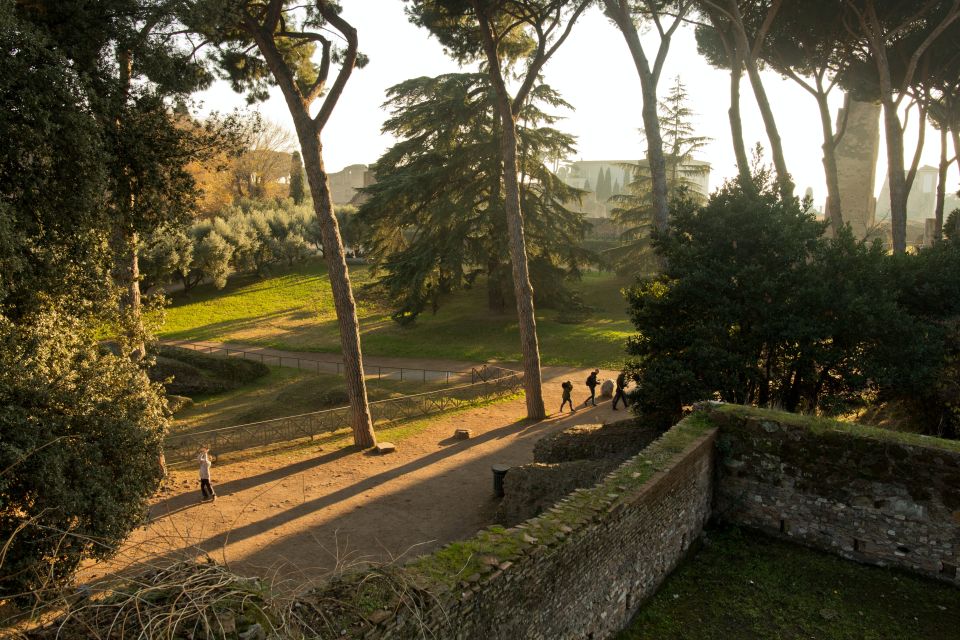
- Palatine Hill imperial homes plus the story of where Augustus wanted the imperial palace
- Skip-the-ticket-line setup so you start exploring sooner
- Headsets for groups over 5 to keep the guide’s explanations clear
- Guide languages include Russian, English, and Italian
Why the Colosseum, Forum, and Palatine Hill combo makes sense
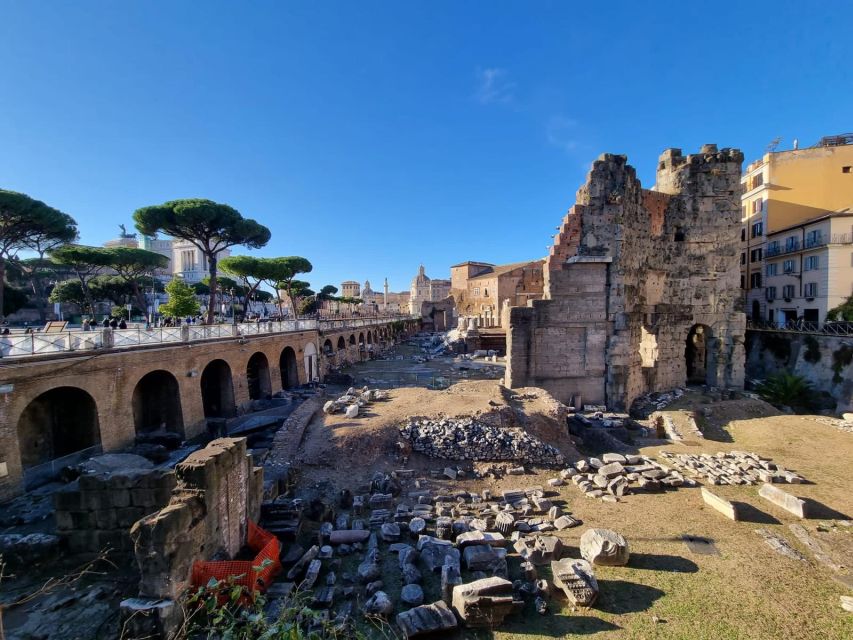
Rome’s ancient sites are spread out, and it’s easy to treat each ruin like a separate postcard. This kind of guided route does something smarter. You start with the spectacle engine (the Colosseum), then shift to the stage where leaders ran the empire (the Forum), and finish on the hill where the people in charge actually lived (Palatine Hill).
That order matters. When you walk the arena areas first, it becomes easier to imagine the mood of the city—crowds, politics, propaganda, and theater all mixing. Then the Forum stops feel less like random stones and more like an operating system: where big decisions were announced, where public life happened, and where religious authority overlapped with politics.
I also like that the tour is guided by a certified pro with a university background in history and/or art. Even if you’ve read a lot beforehand, having someone connect the dots on-site makes the place click faster.
You can also read our reviews of more tours and experiences in Rome.

Meeting at Colosseo: the easiest way to avoid a stress spiral
Meet up is at the front of the metro station Colosseo, and the guide will be holding a yellow umbrella. Aim to arrive 15 minutes early. This isn’t just good etiquette. It’s how you avoid losing time if lines are longer than expected or if the group is already assembling.
Here’s the practical tip I’d follow: stand at the ground level entrance/exit for the station area. The meeting point is listed as the front of the metro station Colosseo, but there’s also an upper level option that can confuse things. If you show up late or at the wrong level, you can easily miss the start window.
What to bring is simple:
- Passport or ID card (all visitors must carry IDs)
- No luggage / large bags (not allowed)
If you’re traveling light, good. If you’re carrying a day bag, keep it minimal so you don’t get slowed at security checks.
Entering the Colosseum: your guide’s job is to help you see the arena
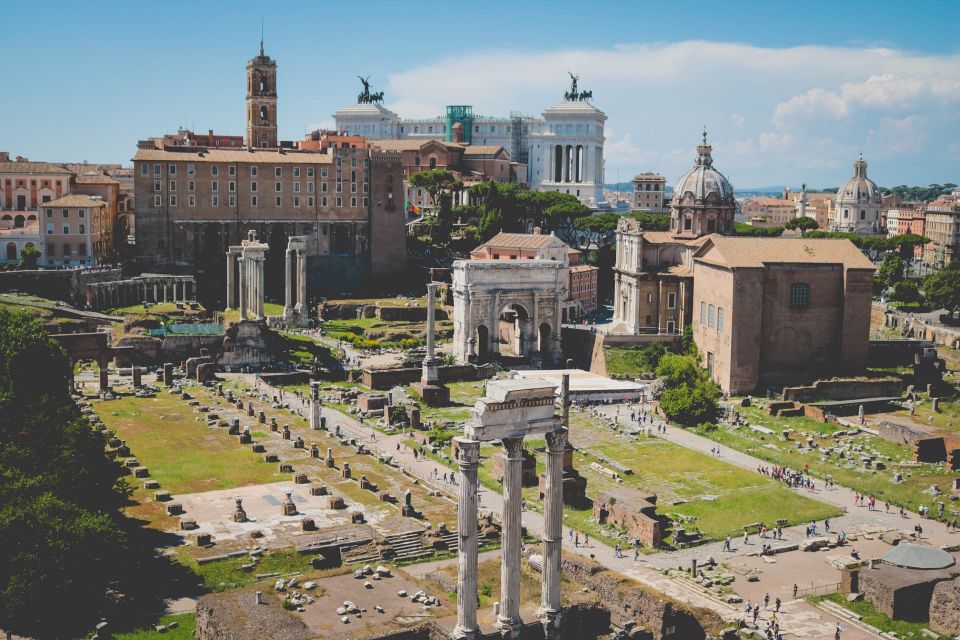
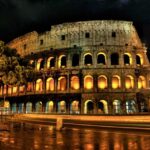
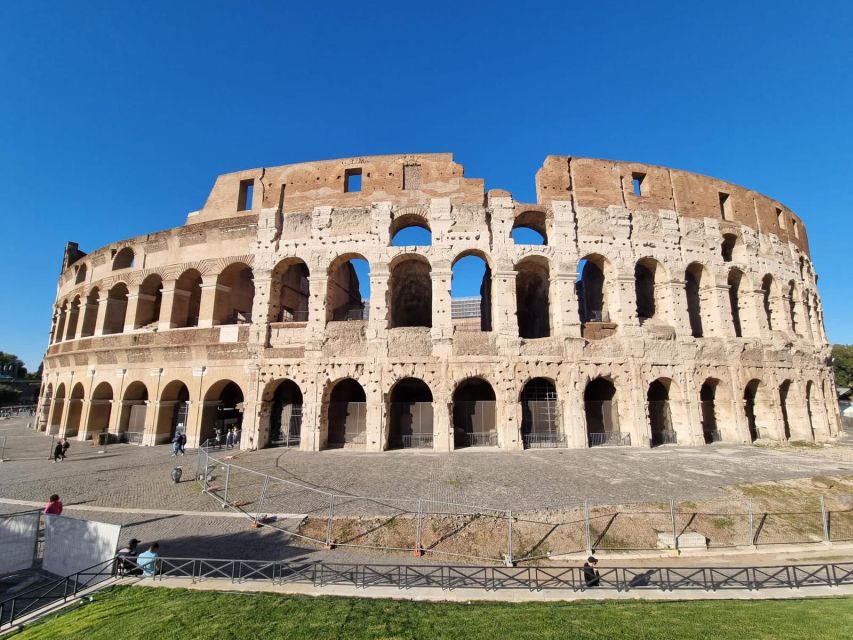
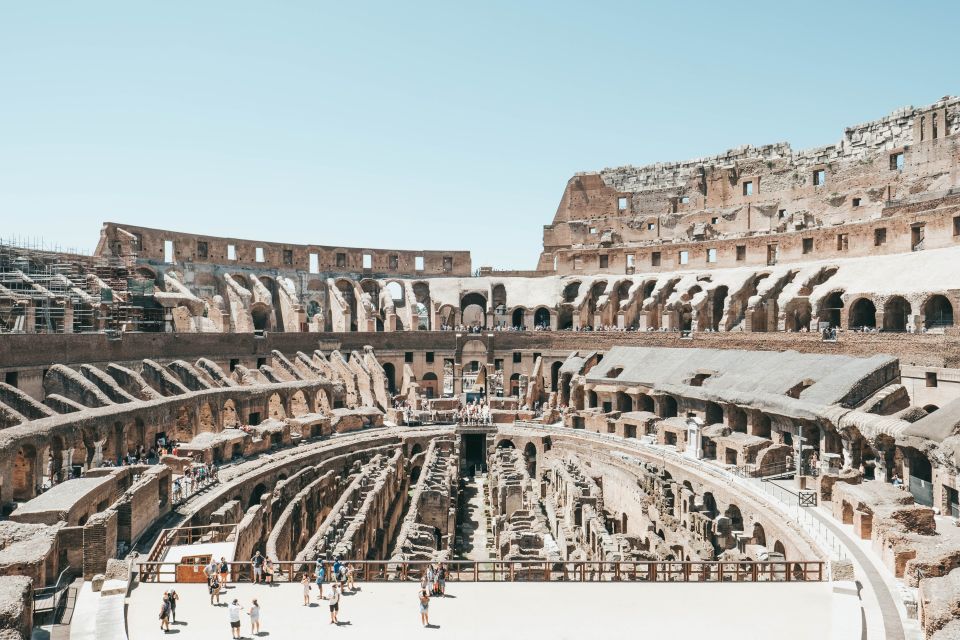
The first major stop is at the Colosseo itself. You’ll have time for a photo stop, then a guided visit focused on what you’re actually looking at. The tour listing also calls out arena-level experiences—areas where the floors and seating zones help you understand the sightlines and scale.
The Colosseum is famous for gladiators, but the guide framing matters. You’re not only hearing about famous fights. You’re also getting the bigger picture: the kinds of events that used to fill the stadium, from re-enactments to animal fights and theatrical performances. That helps you avoid the common mistake of turning the Colosseum into a one-note attraction.
A detail I really like for photos and for understanding: you can walk areas where spectators used to sit. Standing in those viewpoints changes how you read the structure. Instead of seeing an old building from the outside, you start thinking like a spectator who had a seat and a role in the show.
Also, if your group is larger than five, you’ll get headsets. That matters here. The Colosseum is loud with crowds and constant movement, and clear audio makes the difference between hearing facts and just watching scenery.
A smart Colosseum tour pacing: what’s guided vs what’s on your own
One of the most useful things to know before you go is how the guidance is distributed. The tour experience is designed to include a guided component at the Colosseum, and then you have access to explore other areas.
In practice, that can mean:
- The Colosseum is the main guided focus (with structured time for the tour part)
- Palatine Hill and the Roman Forum may lean more self-paced once you’re inside, even though the overall plan includes stops there
So I suggest you treat this as a guided story starter for the stadium, then use your own pace to slow down where you want. If you’re the type who wants to read every plaque, this structure can feel freeing. If you prefer constant explanation every minute, you might wish the guide time stretched longer at each site.
Either way, it’s still valuable because you’ll arrive at the Forum and Palatine Hill already “tuned in” to what matters.
Palatine Hill: imperial homes, plus a key Augustus story
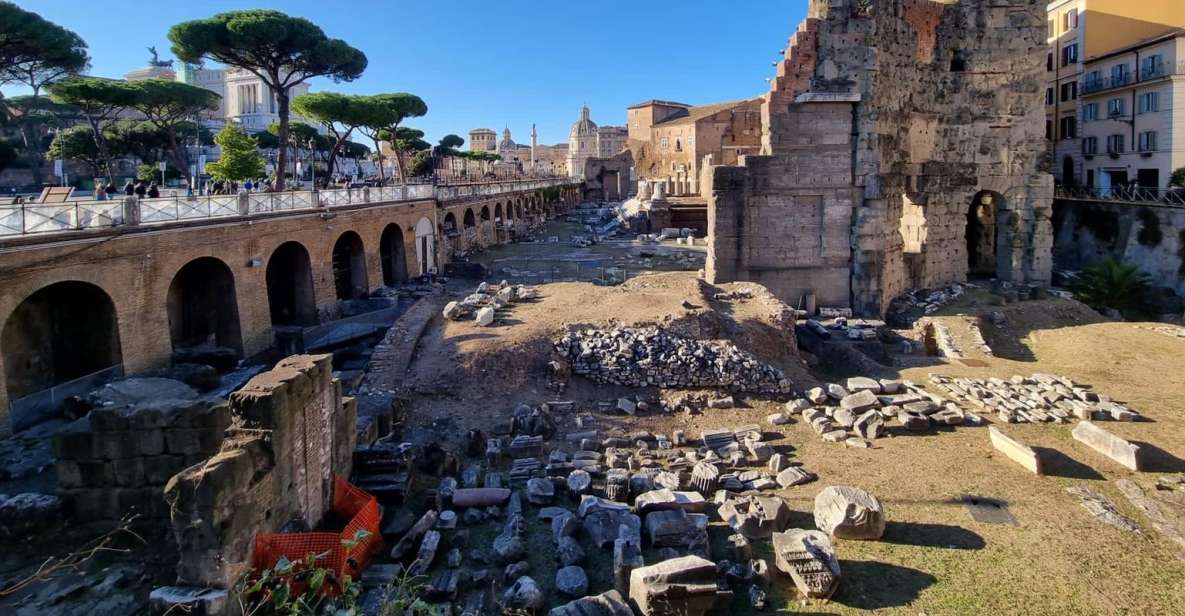
After the Colosseum, the tour heads to Palatine Hill. This stop is where the vibe shifts from entertainment to power living. You’re walking among the idea of wealth and status—this was where affluent patricians lived, and it later ties directly into the imperial story.
The tour framing highlights a specific turning point: the hill is where Octavian Augustus decided the seat of the Imperial Palace should be placed. Even if you already know Augustus as a name, having that decision anchored to where you’re standing makes it more real. You stop thinking of him as a distant figure and start seeing him as someone choosing a location for control.
You’ll also get the sense of why Palatine Hill mattered. From a practical perspective, the hill’s scale and viewpoint help you understand how Rome’s leadership could be seen and felt across the city. It’s not just “pretty ruins.” It’s geography tied to authority.
The listing includes guided time at Palatine Hill, but since this is still part of a timed tour, you should plan to move efficiently. If you’re likely to stop for lots of photos, bring that energy early rather than saving it all for the end.


Roman Forum: where politics, religion, and commerce met
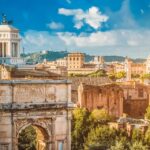
The Roman Forum is the empire’s meeting place in stone form. This stop is set up with a mix of a break, photo time, and a guided visit. The guide’s goal here is simple: make the Forum feel like a functioning place, not an empty courtyard.
The Forum is described as the commercial, religious, and political center of Rome and the wider empire. That’s a useful trio to keep in mind while you walk. As you move through the space, look for how those three spheres overlap—because that’s the part people often miss when they only focus on temples or only focus on government buildings.
The tour’s structure also lets you reset mentally. You get a break and photo stop, then a guided segment, and after that you can explore on your own. That’s a good balance: it gives you direction without trapping you in one pace the entire time.
If you’re trying to remember what you’ve seen, make it a quick habit: ask yourself one question at each cluster of ruins. For example: is this primarily political messaging, religious function, or economic activity? With that mental filter, the Forum becomes easier to sort.
Timing, tickets, and walking: practical notes that matter
This is a tour built for people who want a lot of big-sight impact in a limited time window. You’ll cover three heavy-hitter locations, and you’ll likely be on your feet more than you expect—Colosseum ground area, Forum walking, and hill slopes at Palatine Hill.
That’s why footwear matters. Bring comfortable shoes with traction. Marble and stone can look flat but feel slippery, and crowds move unpredictably.
You’ll also appreciate the “skip the ticket line” approach. It doesn’t eliminate crowds, but it can cut out one frustrating wait. If you’re traveling during a busy season, that time saved adds up.
A quick note on duration and scheduling: the listing uses a “2 days” duration and says to check availability for starting times. So before you lock anything in, confirm what “2 days” means in the booking calendar for your specific date and time slot. You want the plan that matches your actual itinerary on the ground.
Languages, headsets, and how to get the most out of the guide
The guide is available in Russian, English, and Italian. Headsets are included for groups larger than five, which is a good detail because it helps you hear explanations clearly without constantly trying to lean in.
Here’s how you can make language work for you even if your Italian or Russian is basic:
- Listen for the names and time markers the guide repeats
- Use the guided story as a frame, then confirm details with signage as you walk
- If you’re traveling with someone, agree on what you want: history facts, architectural understanding, or atmosphere and stories
Also, the tour specifies the guide has a university degree in History and/or Art. That’s not just paperwork. It usually means the explanations are structured, not random facts dumped at you.
From the guide praise included in the feedback, names like Rosa and Nadezhda come up for being kind and for sharing history in a way that feels connected to real ancient life and even gossip-level details. If your guide shares stories like that, you’ll probably remember the tour longer than the standard “here’s a wall” visit.
Price and value: is $96.29 per person a fair deal?
At $96.29 per person, this tour sits in a mid-range band for Rome’s top-site guided experiences. Whether it feels like a good deal depends on what you’d otherwise do.
Here’s where the value comes from:
- A certified guide with university-level background (not just a basic storyteller)
- Skip-the-ticket-line help, which can be a big time and stress saver
- Headsets for larger groups
- A guided structure that ties together Colosseum + Forum + Palatine Hill instead of leaving you to stitch the story yourself
You do pay extra if you want food or drinks, since those aren’t included. You also need to factor your own transport to the meeting point (hotel pickup/drop-off is not included).
If you’re short on time, or you want a coherent explanation while you’re standing in the exact places where the stories happened, this price can be a bargain. If you’re the type who prefers wandering solo with a guidebook and plenty of personal time at each site, you might decide you can DIY the visits cheaper—just plan for ticket lines and information gaps.
Who should book this tour, and who should consider another option
This is a strong choice for:
- First-time Rome visitors who want the big classics in the right order
- People who learn best with live context and who want the “why” behind the stones
- Travelers who appreciate a guide who tells stories, not just dates
It’s not a great fit if:
- You have mobility impairments (listed as not suitable)
If you’re traveling with family, it can still work well, but I’d suggest you align expectations with the pacing. This is not a slow, linger-only tour. It’s built to move and make the sites connect.
Booking checklist and timing tips (so it goes smoothly)
A few practical notes to keep it easy:
- You must carry passport or ID
- No luggage or large bags
- Opening hours for the sites can change, so don’t assume your day is set in stone
- The tour is non-refundable, so book when you’re comfortable with your plans
The booking notice is listed two ways: one part says at least 3 days before booking, and another part says at least 5 days. To avoid getting squeezed, I’d treat it as a “book earlier rather than later” situation.
Finally, arrive early at the meeting point and make sure you’re at the right level of the Colosseo metro station area. That single habit can save you from the most common start-time chaos.
Should you book this Colosseum, Forum and Palatine Hill guider tour?
I’d book this if you want the Colosseum to be more than scenery. The biggest payoff is how the guide helps you translate the architecture into what it meant for crowds, power, and daily Roman life. Starting at the Colosseum, then moving through the Forum and finishing at Palatine Hill, gives you a logical path that’s hard to replicate on your own in the same amount of time.
Skip this only if you need slow pacing, unlimited time in each ruin, or you’re not comfortable with walking and hill terrain. If mobility is an issue, you should look for alternatives designed for your needs.
If you’re flexible, bring ID, keep luggage minimal, show up at the yellow umbrella at Colosseo, and you’ll get a very satisfying overview of Rome’s power center in one structured visit.
FAQ
Where does the tour meet?
The tour meets at the front of the metro station Colosseo. Your guide will be holding a yellow umbrella.
What time should I arrive?
Arrive 15 minutes before the tour starts.
Is hotel pickup included?
No. Hotel pickup and drop-off are not included.
Does this tour skip the ticket line?
Yes, it includes a skip-the-ticket-line setup.
What languages are offered?
The live guide is available in Russian, English, and Italian.
Do I need to bring ID?
Yes. All visitors must carry IDs, and you’ll need a passport or ID card.
Are large bags or luggage allowed?
No. Luggage or large bags are not allowed.
Are headsets provided?
Headsets are included for groups larger than 5.
Is the tour suitable for people with mobility impairments?
No, it is listed as not suitable for people with mobility impairments.
How far in advance do I need to book?
The information provided says this activity must be booked at least 3 days before, and it also notes at least 5 days before. Booking earlier is the safer move.