REVIEW · ROME
Rome Driving Tour By Vintage Fiat 500
Book on GetYourGuide →Operated by ROME 500 EXP · Bookable on GetYourGuide
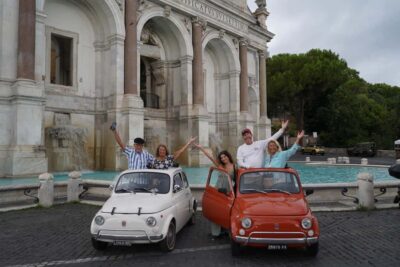
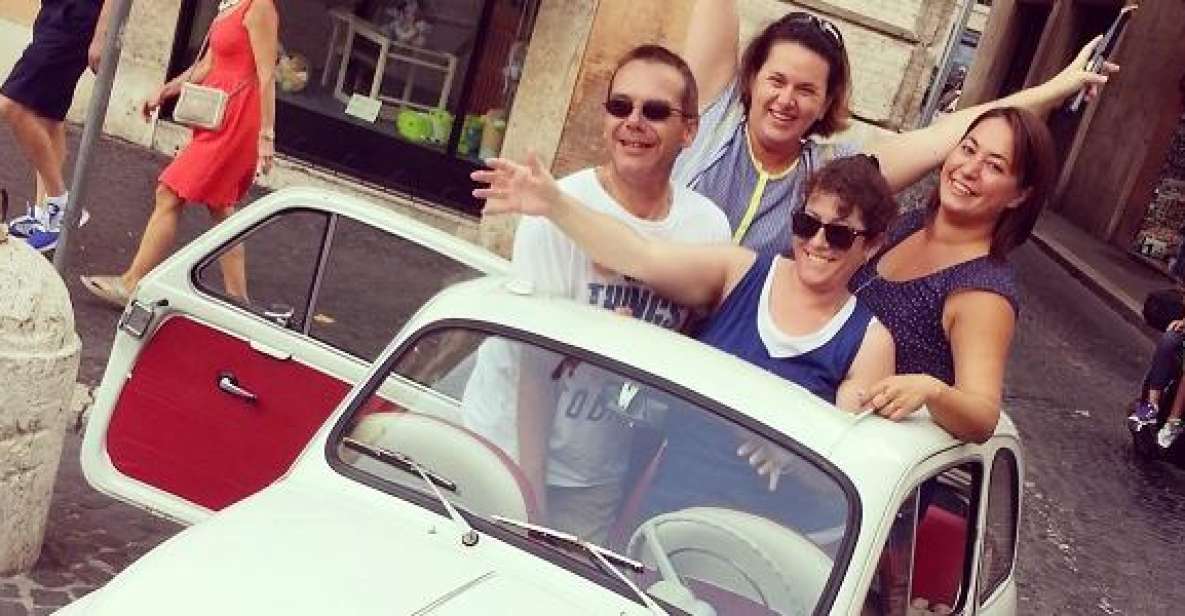
A Fiat 500 turns Rome into a movie set. You get behind the wheel of a candy-colored, open-top classic and follow your guide past Rome icons like the Colosseum and Circus Maximus. I love the photo-attracting car-attraction factor, and I love the small-street access that big tour buses can’t reach. The only real drawback to plan for: you’ll be in a manual car, and Rome traffic can feel chaotic even at a slow, controlled pace.
This is a fun way to do sightseeing with your own hands on the wheel. You choose a 1.5-hour or 3-hour outing, and you start right by the Colosseum area at Hotel Palazzo Manfredi on Via Labicana. If driving manual sounds sketchy, there’s an option to have a driver take over for a small surcharge.
In This Review
- Key things that make this Fiat 500 Rome tour worth your time
- Entering Rome from the driver’s seat near the Colosseum
- The first photo stops: Colosseum area, Arch of Constantine, Circus Maximus
- Colosseum area
- Arch of Constantine
- Circus Maximus
- Expect change
- Driving at 30 km/h: small car comfort, big Rome reality
- The open-top factor
- Convoy driving (and why you’ll feel less stressed)
- The Tiber River stretch on Lungotevere: views with local angles
- Trastevere’s tight streets: when a tiny car becomes the right tool
- Aventine Hill keyhole and Piazza dei Cavalieri di Malta moments
- Aventine Hill keyhole
- Piazza dei Cavalieri di Malta
- Coffee and gelato stops you can actually plan for
- Manual driving reality: what you need before you say yes
- Bring your driving credentials
- Experience level matters
- If you’re worried about size
- Not for everyone
- What’s included, what you pay for separately, and how the value adds up
- Included
- Not included
- Why this can be good value anyway
- Who should book this Fiat 500 Rome driving tour?
- Should you book this Fiat 500 Rome tour?
- FAQ
- Do I need to drive, or can someone else drive the car?
- What driving documents do I need?
- Can I bring luggage or bags?
- Where does the tour start, and when should I arrive?
- How long is the tour?
- How fast do you drive?
- Is the car roof open or closed?
- What sights are included?
- Are entrance tickets included?
- Is this tour suitable for mobility issues?
Key things that make this Fiat 500 Rome tour worth your time
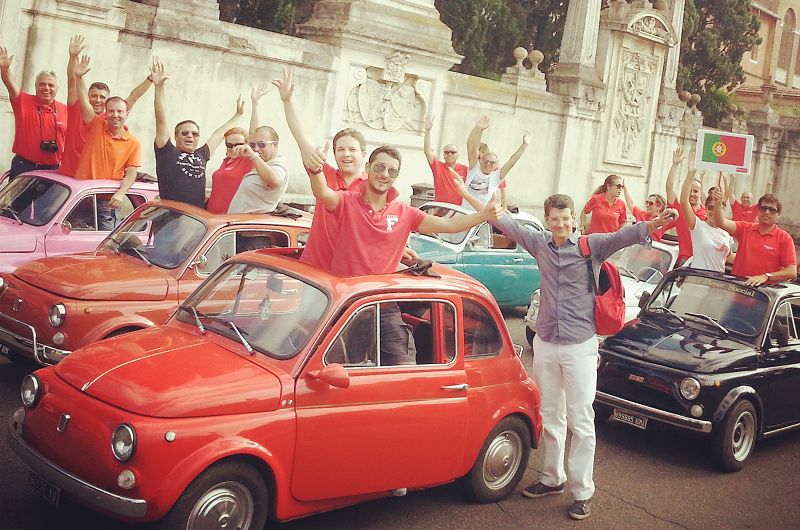
- Candy-colored open-top Fiat 500 vibes: You’re in a car people want selfies with.
- Route big buses can’t fit: Expect tight lanes and places larger vehicles simply can’t go.
- Real Rome driving at a calm pace: You never go faster than 18.5 mph (30 km/h).
- Stops with built-in photo moments: Common photo/photo-break stops include the Arch of Constantine and Circus Maximus.
- Tiber + Trastevere + viewpoints: You follow the Lungotevere, then cross into Trastevere’s narrow streets.
- Drive with a guide in your ear: Live commentary comes through while you’re in the convoy setup.
Entering Rome from the driver’s seat near the Colosseum
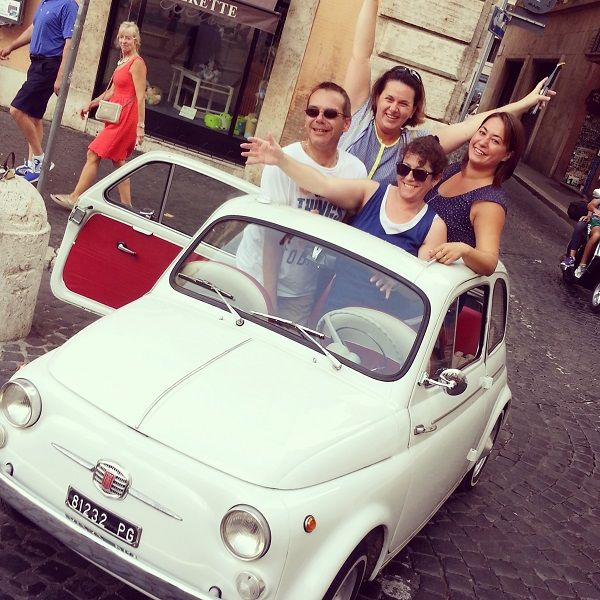
Starting near the Colosseum matters more than you might think. You meet at Hotel Palazzo Manfredi (125 Via Labicana), and the car is waiting just meters from the action. That means your first minutes are already in the thick of Rome, instead of spending time commuting across town.
From the get-go, the experience is about control and context at the same time. Your guide leads the route, and you’re driving behind that guidance. You’ll also get brief commentary before you head out again, so you’re not just rattling around inside a car-shaped novelty.
One more practical note: arrive 15 minutes early. With a vehicle this small and a meeting point this close to heavy tourist zones, getting everyone lined up matters.
You can also read our reviews of more tours and experiences in Rome.


The first photo stops: Colosseum area, Arch of Constantine, Circus Maximus
The tour is designed around “see it, then stop for it.” In many routes you’ll catch the Colosseum area early, then continue toward other big sights with photo breaks.
Colosseum area
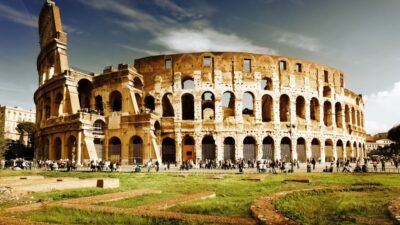
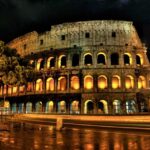
Even if you’ve seen the Colosseum from far away, seeing it while you’re in a tiny car moving slowly through nearby streets feels different. It’s closer, louder, and more immediate. Plus, you get the sense of how the city actually flows around the monument.
Arch of Constantine
The Arch of Constantine stop is a classic on this route, and it’s a smart one. It gives you a clean landmark moment where you can take pictures and then pivot back into the smaller-lane driving. It’s also a nice reminder that Rome’s “big monuments” sit right next to everyday streets.
Circus Maximus
Circus Maximus is another stop that works well for this kind of tour. You don’t just view it like a card in a textbook. You get a moving-city perspective, where the monument and the modern streets feel connected.



Expect change
Traffic and public events can shift the precise itinerary. Don’t treat this like a rigid script. Instead, treat it like a guided route that prioritizes good sight time and manageable driving.
Driving at 30 km/h: small car comfort, big Rome reality
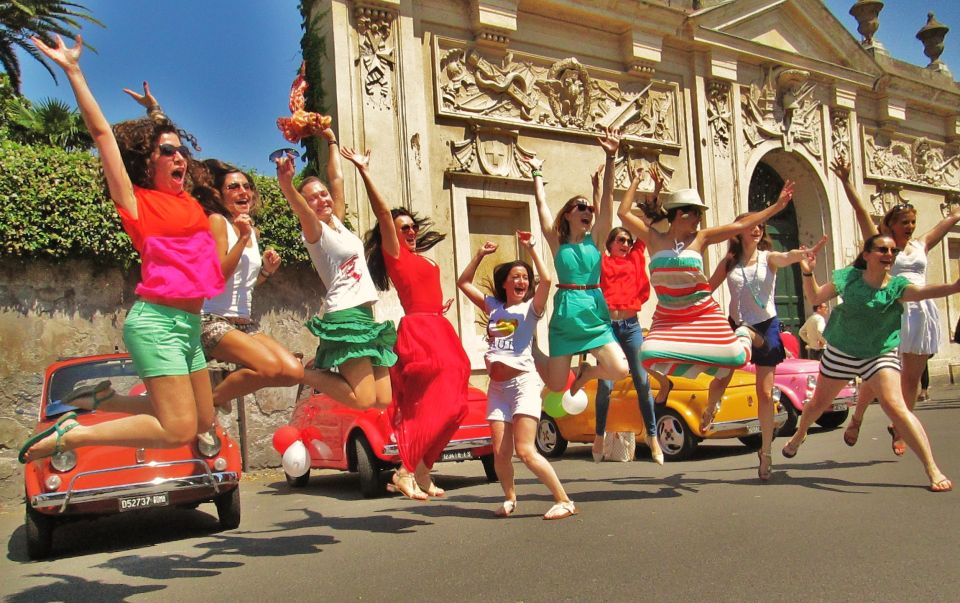
The Fiat 500s keep things slow on purpose: you’ll never go faster than 18.5 mph (30 km/h). That pacing changes the whole experience. You’re not “racing” through Rome. You’re learning the rhythm of it.
Here’s what that feels like in real life:
- You can actually look around instead of just focusing on the next turn.
- Photo moments happen without sprinting between stops.
- Narrow streets are easier to manage because you’re traveling at a speed that matches their constraints.
The open-top factor
The car has a soft-top roof, and the experience is meant to be enjoyed in the sun. Do yourself a favor and bring a hat. The exposed feel of an open-top ride is part of the charm, but Rome sun can go from friendly to intense fast.
Convoy driving (and why you’ll feel less stressed)
Rome is Rome. Even with slow speeds, it can be intense. The tour setup uses a convoy approach, with your group moving together and your lead guide directing the route. Many people also mention a scooter support guide helping protect the convoy’s path and manage on-the-road chaos.
That scooter “chaperone” detail is a big deal for safety and sanity. It means you’re not alone, guessing where to go next, while trying to drive in manual mode.
The Tiber River stretch on Lungotevere: views with local angles
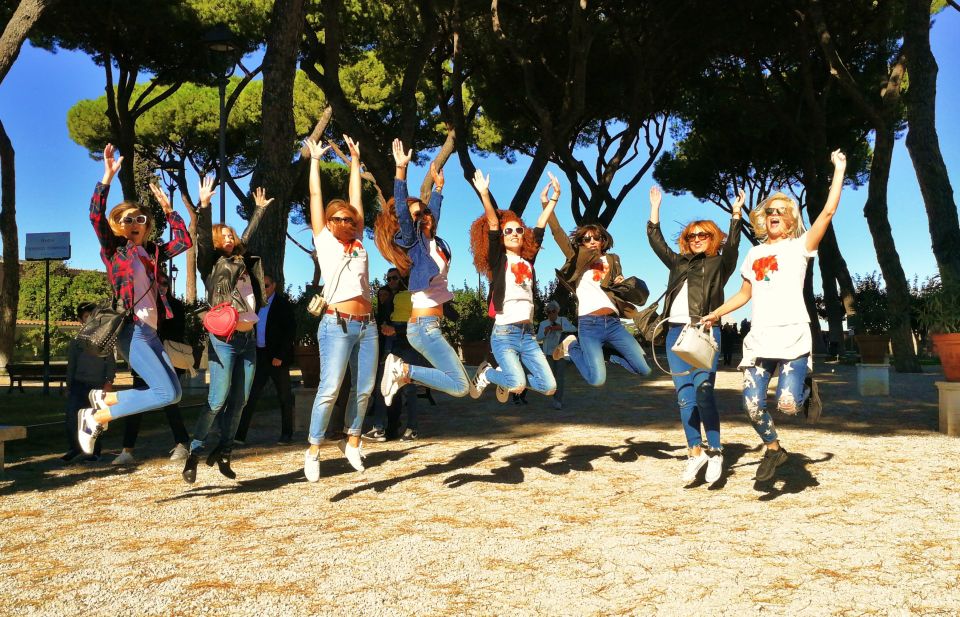
One of the best parts of this route is the drive along the banks of the River Tiber, often experienced through the Lungotevere roads.
Why this segment is worth your time:
- You get long sightlines compared with the tight inner streets.
- It feels like a different Rome zone—more flow, less labyrinth.
- It’s an easy contrast after the small-street sections.
Also, you’ll likely get little bursts of orientation from your guide while you’re moving. This is where the tour becomes more than “drive to monuments.” It becomes “understand where you are in the city.”
Trastevere’s tight streets: when a tiny car becomes the right tool
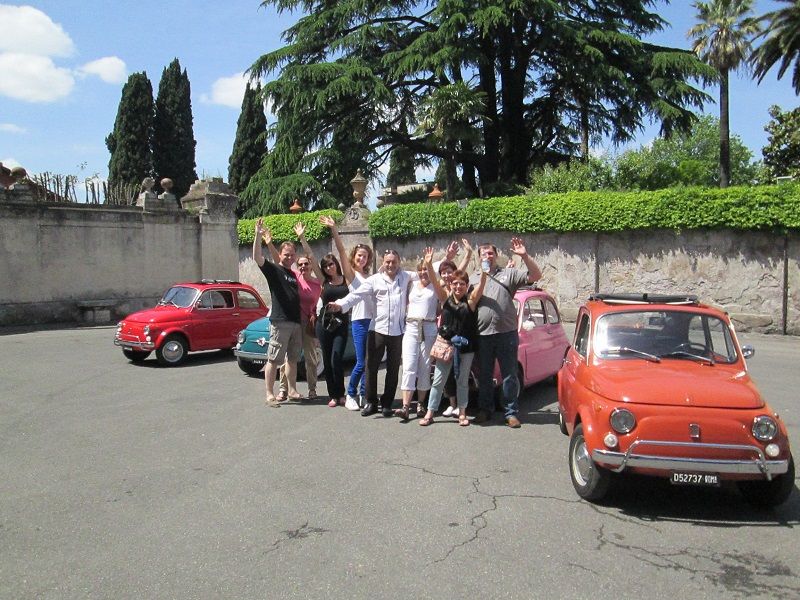
Crossing into Trastevere is where the vintage car choice really pays off. This area’s lanes are narrow, and bigger vehicles aren’t welcome in many of those corners. In a small Fiat 500, you can go where you’d struggle walking fast—or where you’d never attempt in a rental sedan.
This part is also the most fun-driving feel of the tour. You’re still going slowly, but the turns and narrow passages make it feel like you’re navigating real life in Rome, not just passing by the highlights.
A key benefit: you’re not just looking at Trastevere. You’re seeing how vehicles fit into the neighborhood’s texture. That changes your mental map for the rest of your trip.
Aventine Hill keyhole and Piazza dei Cavalieri di Malta moments
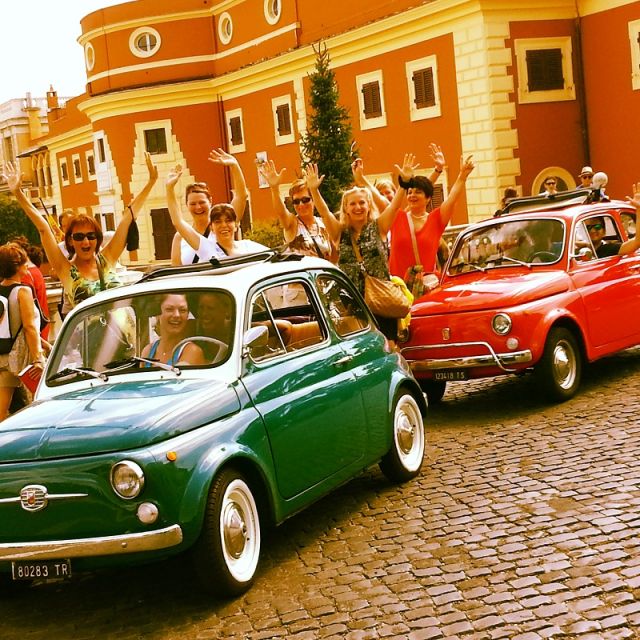
The tour doesn’t just hit the biggest names. You also get the “why did I never notice that?” type of stops.
Aventine Hill keyhole
A mention worth remembering: the route can include the secret keyhole of Aventine Hill. That’s one of those Rome details that rewards patience and curiosity. In a car tour setup, it can feel like you’re getting a shortcut to the sort of experience that’s easy to miss if you only follow the biggest walking circuits.
Piazza dei Cavalieri di Malta
Another listed stop is the charming Piazza dei Cavalieri di Malta (Piazza of the Knights of Malta). This kind of square works well in the middle of a driving tour. You get a break, a different visual mood, and time to take pictures without feeling like you’re constantly rushing from one monument to another.
If you’re the type who likes Rome for its textures—doorways, angles, little stories—these stops make the route feel more personal.
Coffee and gelato stops you can actually plan for
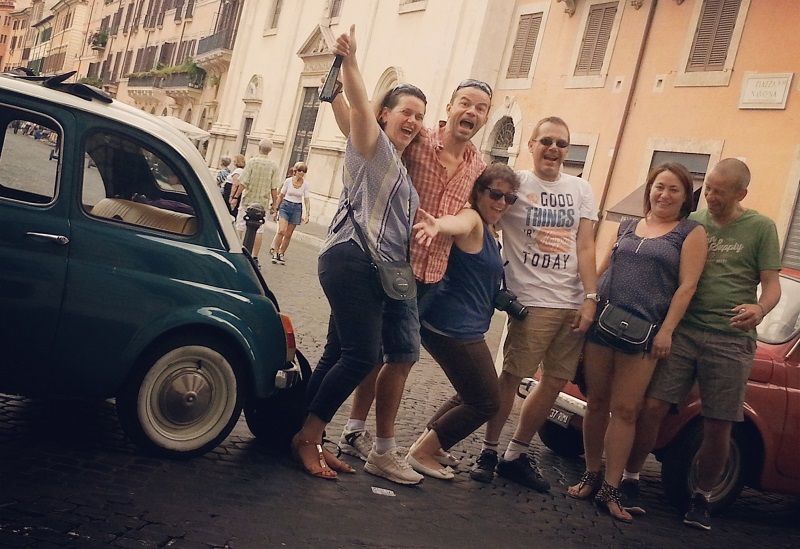
Food and drinks aren’t included, but the tour is built for the Rome reality: you’ll likely stop somewhere you can grab a cappuccino or espresso, and you may have time to hunt down one of Rome’s standout ice creams.
This is a practical advantage. A car tour can save you energy, so you can enjoy the break rather than spending it exhausted. Just remember: you’re paying for the driving experience and sightseeing time, not a pre-packaged meal deal.
Manual driving reality: what you need before you say yes
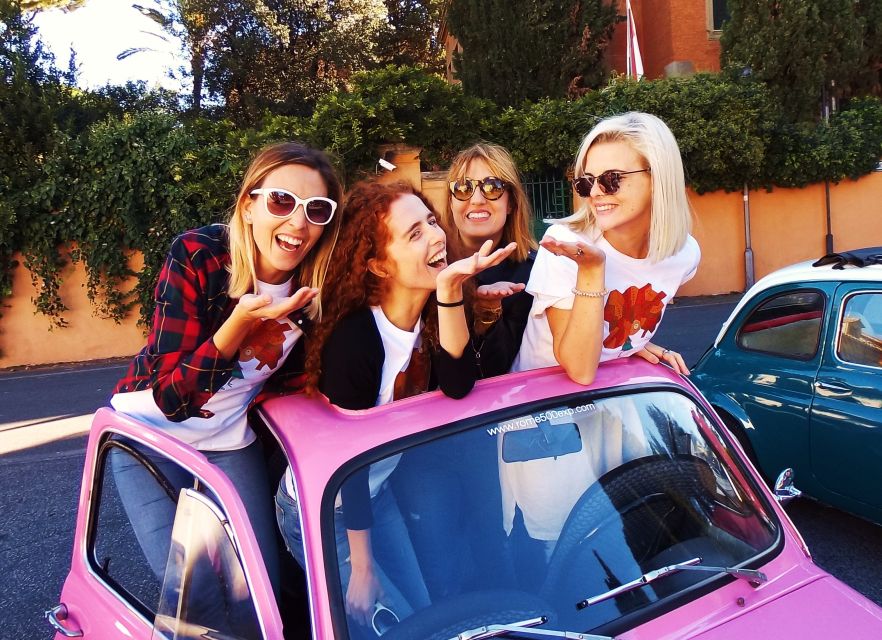
This tour is aimed at people who can handle a manual transmission car. That’s not a “nice to have.” It’s the core requirement.
Bring your driving credentials
You must bring a driver’s license and an international driver’s license. Also, the driver needs to carry a valid European Union driving license or international driving license.
Experience level matters
Occasional manual driving experience might not be enough. The operator can refuse the car if you’re not sufficiently expert to drive a manual vintage Fiat—without a refund. If manual driving gives you stress, consider booking with the option where a driver can take over for a small surcharge.
If you’re worried about size
Fiat 500s are small compared with modern vehicles. That’s part of the fun, but also part of the learning curve. If you’re used to large cars, expect the first few minutes to feel tighter, even at low speed.
Not for everyone
It’s not suitable for people with back problems or mobility impairments. Also, it’s not suitable for people who can’t drive manual transmission. If any of those apply, you’ll be happier choosing another Rome format.
What’s included, what you pay for separately, and how the value adds up
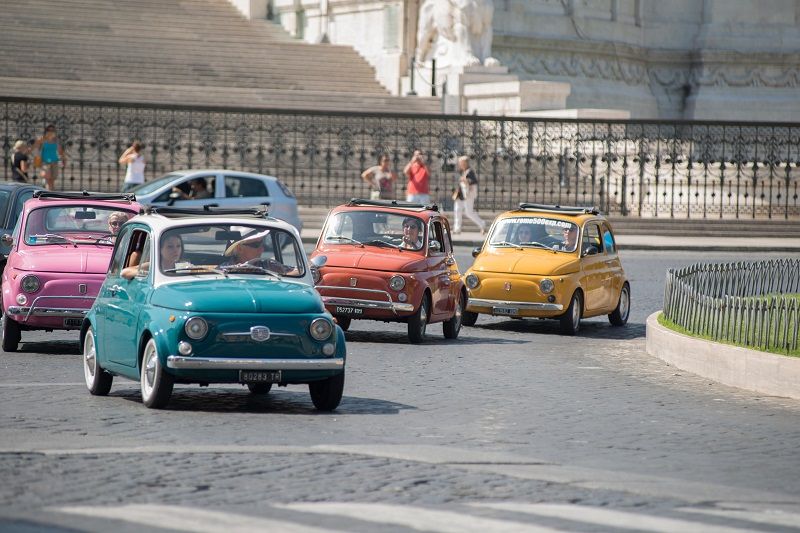
The price is $169.93 per person, for a 1.5 to 3 hour experience. Here’s what you’re getting for that number:
Included
- Car rental
- Tour leader fees
- Insurance
- Fuel
So you’re not managing gas, car logistics, or insurance paperwork. That matters in a city where paperwork and parking can become a whole second trip.
Not included
- Entrance tickets to archaeological sites, galleries, villas, and similar paid attractions
- Food and beverages
That’s typical for tours like this. You’re paying for the driving time, guidance, and access to streets you can’t easily reach with standard tours. If your plan is to do paid museum-style stops during the driving segments, you’ll likely need to budget extra.
Why this can be good value anyway
Even at a premium price, it can feel like strong value because you’re paying for three things most people can’t replicate on their own:
- A vintage car experience that changes how Rome feels
- Guided routing through small streets
- A controlled sightseeing pace with stops built in
If you’re craving the usual Rome checklists only, this might feel pricey. If you want something that feels like you actually joined the city for a few hours, it often lands as money well spent.
Who should book this Fiat 500 Rome driving tour?
This is a great fit if you:
- Love cars, especially vintage Italian ones
- Want access to narrow areas and roads bigger vehicles can’t handle
- Prefer guided sightseeing with time for photos
- Are comfortable driving manual (or plan to use the option for a driver)
It’s also a strong choice for families if adults are comfortable driving and the group can follow convoy rules. People also often highlight how the route feels like a special treat rather than just another tour bus morning.
If you don’t want the driving component and manual isn’t your thing, the driver option may be your best path. If you have mobility or back concerns, skip it.
Should you book this Fiat 500 Rome tour?
I’d book it if you want Rome with motion and personality. A vintage Fiat 500 does two things at once: it gets you to sights, and it changes the way you experience the city’s streets. The combination of slow, controlled driving, photo breaks at major landmarks, and the Tiber-to-Trastevere route is exactly what makes this one feel memorable.
I’d think twice if:
- Manual driving stresses you out
- You’re sensitive to sitting and road vibration
- You want fully ticketed museum stops included in the price
- You hate traffic and chaos entirely (even with convoy support, Rome can still feel like Rome)
If you meet the driving requirements and you’re ready for a city adventure that’s part sightseeing, part road trip, this is a fun and genuinely different way to see Rome.
FAQ
Do I need to drive, or can someone else drive the car?
You can drive yourself, and if you don’t feel like driving, a driver can be provided for a small surcharge.
What driving documents do I need?
You need a driver’s license and an international driver’s license. The driver must carry a valid European Union driving license or international driving license.
Can I bring luggage or bags?
No luggage or large bags are allowed.
Where does the tour start, and when should I arrive?
The car is in front of Hotel Palazzo Manfredi at 125 Via Labicana, about 100 meters from the Colosseum. Arrive 15 minutes before the activity starts.
How long is the tour?
Choose either a 1.5-hour or a 3-hour tour (starting times depend on availability).
How fast do you drive?
The tour keeps a leisurely pace and never goes faster than 18.5 mph (30 km/h).
Is the car roof open or closed?
The Fiat 500s have open-top roofs, so you’ll want sun protection like a hat.
What sights are included?
You’ll see sights such as the Colosseum, Arch of Constantine, Circus Maximus, the River Tiber along Lungotevere, plus stops connected to Aventine Hill and Trastevere.
Are entrance tickets included?
No. Entrance tickets to archaeological sites, galleries, villas, and similar places are not included.
Is this tour suitable for mobility issues?
No. It’s not suitable for people with back problems or mobility impairments.