REVIEW · ROME
Roman Vegetarian Food Tour
Book on GetYourGuide →Operated by walkingourmet · Bookable on GetYourGuide
Roman street food in 2.5 hours is a smart shortcut. This Roman Vegetarian Food Tour turns a simple walk into a flavor map of the city, with tastings that track the seasons and connect food to neighborhoods. I especially like the way you get story + taste together, and I also love the focus on classic Roman bites alongside standout sweets. One thing to consider: if you’re looking for a meat-heavy menu, this tour is built around vegetables and Italian classics with a vegetarian angle.
You’ll meet at the Giordano Bruno statue area and spend a small-group session (up to 10) with a 100% private guide. Many guides weave in local context around places you pass, and you may even pop into a church for art you can’t easily see on your own. It’s a good fit for couples, solo travelers, and families who want guidance without committing to a full-day food plan.
In This Review
- Key things I’d put on your radar
- Starting Near Giordano Bruno and Finding Street-Level Rome
- What Makes This Vegetarian Roman Tour Taste Like Rome (Not Like a Substitute)
- Seasonal Stops: How the Tour Teaches You to Eat with the Weather
- Roman-Style Savories: From Jewish-Roman Artichokes to Classic Bites
- Sicilian Sweets in Rome: Cannoli Pistacchio and Ricotta You’ll Remember
- Cheese’n’Pear, Gelato, and Homemade Chocolate: The Middle Course That Feels Like a Show
- Espresso Like a Local: Real Italian Coffee in the Right Setting
- Church Stops and Neighborhood Context: How Guides Turn Sightseeing into Food Clues
- Group Size, Languages, and Getting More From 2.5 Hours
- Price and Value: Is $81 Worth It for Food, Guide, and Tastings?
- Who This Tour Suits Best (and Who Should Rethink It)
- Should You Book Roman Vegetarian Food Tour?
- FAQ
- How long is the Roman Vegetarian Food Tour?
- What’s the price per person?
- Is it a private guide or a group tour?
- Where does the tour meet?
- What languages are available?
- Is the tour wheelchair accessible?
- What’s included in the price?
- Are alcoholic beverages included?
- FAQ
- Is free cancellation available?
Key things I’d put on your radar
- Season-led Roman cooking: you’ll taste what fits the time of year, not just whatever is most popular year-round
- Private guide, small group (10 max): more questions, more pacing control, less time waiting at counters
- Roman favorites with cultural context: you get the why behind dishes like Jewish-Roman artichokes
- Sicilian sweets inside a Rome walk: expect cannoli-style pastries like pistacchio and ricotta
- Serious espresso and dessert stops: gelato and chocolate are treated like part of the meal, not a dessert afterthought
Starting Near Giordano Bruno and Finding Street-Level Rome
The tour begins at the Giordano Bruno statue meeting point, which puts you in the Rome rhythm fast. From there, you’re not stuck in one food hall or one restaurant. Instead, you move neighborhood to neighborhood, which matters because Roman food isn’t one style—it’s a bunch of local traditions that overlap across streets.
I like that the experience is guided by people who explain what you’re eating and where you are. In real life, this is what makes a food tour feel worth the money. You’re not just collecting samples—you’re learning how Romans think about ingredients, seasons, and craft.
You’ll also get the benefit of a private guide who can tailor pacing. Even with multiple tastings, the walk stays manageable for most people because it’s not designed to be a marathon.
You can also read our reviews of more food & drink experiences in Rome

What Makes This Vegetarian Roman Tour Taste Like Rome (Not Like a Substitute)
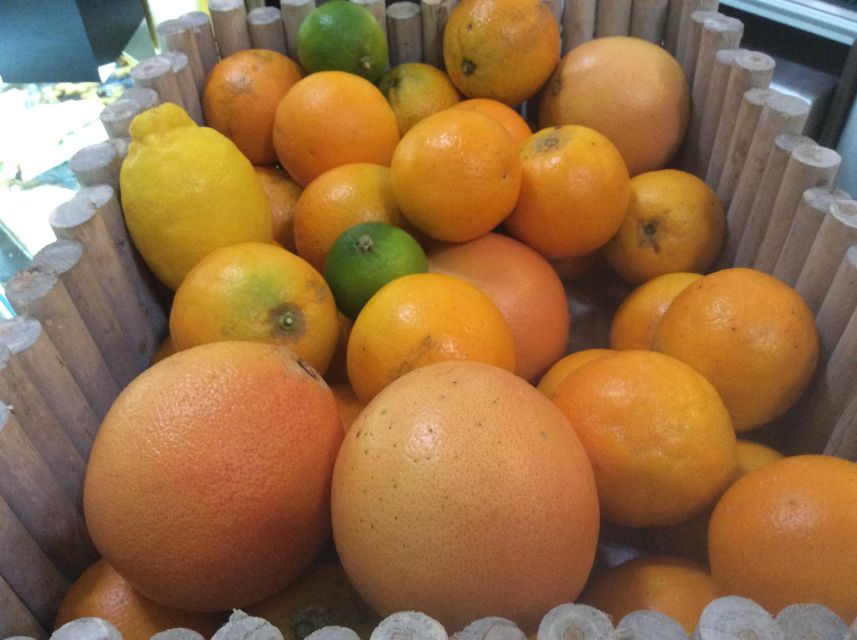
Roman cuisine has a reputation for meat, but this tour flips that idea into something more interesting. The focus is on resourceful cooking—turning humble ingredients into satisfying dishes. Vegetables and grains aren’t side characters here. They’re the main plot.
You’ll also see how “vegetarian” can play out in Italy. One recent experience included a savory item with cheese and anchovy, which is a reminder to check specifics if you avoid fish or meat completely. If you have a strict dietary rule, it’s smart to tell the guide before you start, so the tour matches your comfort level.
What I like most is that the menu isn’t just salads and sad substitutes. You’ll get classic flavors tied to Rome: dishes you’ll recognize as local, plus desserts that show how Italian food culture travels.
Seasonal Stops: How the Tour Teaches You to Eat with the Weather
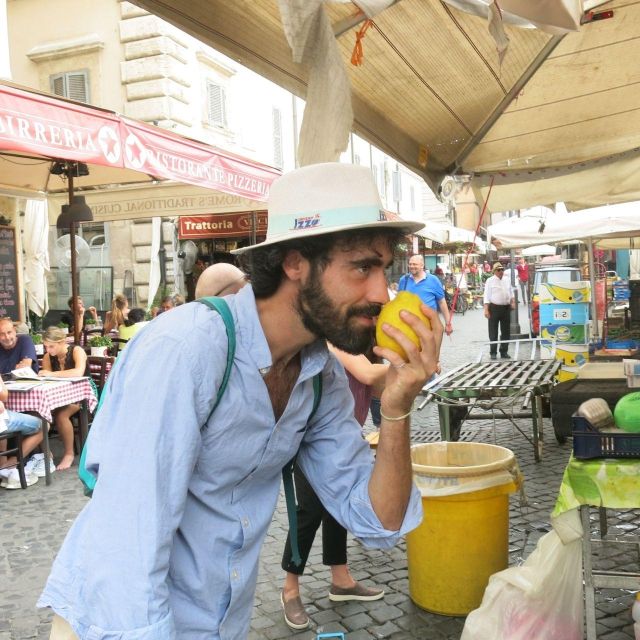
A big part of the value here is the seasons theme. The tour’s walking structure is designed so that “what’s fresh” becomes a lesson, not a marketing line. You’ll taste fresh fruit, and you’ll understand why certain ingredients show up when they do.
This is also where Rome food feels less like a checklist and more like a living system. Seasonal produce shapes texture, sweetness, and even how people build a meal. In winter, the flavors tend to feel warmer and more filling. In warmer months, you often get brighter notes and lighter tastes.
So if you’re visiting Rome in a specific season, this kind of tour helps you stop thinking food is interchangeable. Instead, you start noticing what the city is naturally good at right now.
Roman-Style Savories: From Jewish-Roman Artichokes to Classic Bites
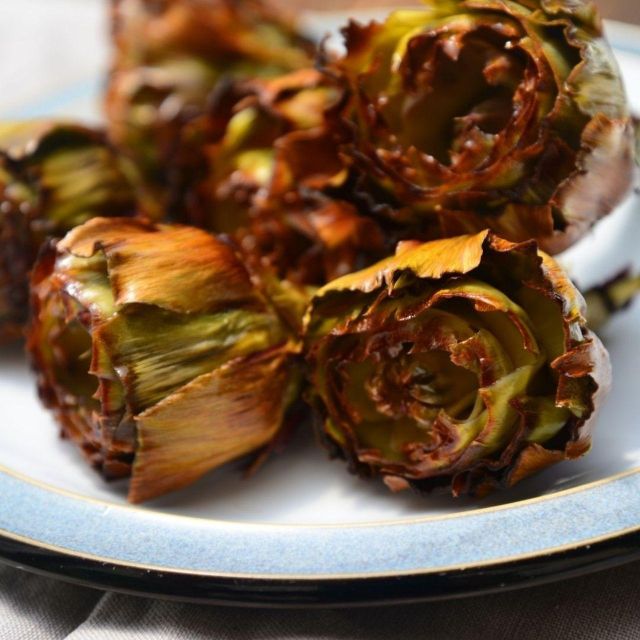
One of the standout themes is the tour’s attention to Jewish-Roman cooking. You’ll try Jewish-Roman artichokes, a dish type that reflects cultural fusion in the city. That pairing of food and history is exactly what I look for in a great guided meal.
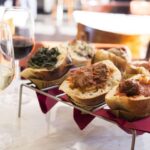
You’ll also encounter familiar Roman comfort food shapes. In one recent experience, the tastings included things like supplì (crispy rice balls), along with fried zucchini blossoms with cheese (and, in that particular stop, anchovy). Whether every dish matches your personal definition of vegetarian, the core point stays the same: you’re eating street-food style classics with explanations that connect them to local life.
And because it’s a walking format, you can smell what’s nearby and see what’s built into the neighborhood. That matters. It makes you want to return later on your own, which is the real goal of a good food tour—teaching you how to find your way back.
Sicilian Sweets in Rome: Cannoli Pistacchio and Ricotta You’ll Remember
Rome’s dessert world isn’t sealed off from the rest of Italy. This tour brings in Sicilian influence in a way that feels natural once you taste it. You’ll stop at a top Sicilian patisserie for cannoli-style sweets like pistacchio and ricotta, and you’ll get a sense of how pastry craft travels across regions.
I love that these stops are treated like part of the story, not just sugar at the end. When a guide explains what makes a pastry worth seeking—texture, filling style, and flavor balance—you start tasting with more detail. You notice the difference between a good gelato and a great one. You notice the difference between chocolate that’s just sweet and chocolate that actually tastes like ingredients.
If you’re the type who always orders dessert first (no judgment), this part of the tour does not disappoint.
You can also read our reviews of more tours and experiences in Rome

Cheese’n’Pear, Gelato, and Homemade Chocolate: The Middle Course That Feels Like a Show
Not every food tour plans a proper “in-between” moment. This one does. You’ll get a Cheese’n’Pear pairing, which sounds simple until you taste how well savory and fruit work together. The guide connects it to Roman gastronomic traditions, and the logic makes sense once you’re on the street with your fork.
Then comes gelato—because you can’t be in Rome and not do it right. The tour highlights an important point: not all gelato is made with the same attention. You’ll learn what makes cream-based texture taste clean and real, and you’ll get a break that doesn’t feel rushed.
Later, you reach a stop centered on top-awarded patisseries, including homemade chocolate. One of the best ways to describe it: you’re not just eating a sweet; you’re eating a skill. Chocolate here is about aroma, depth, and how the pastry case is actually built around craft.
Espresso Like a Local: Real Italian Coffee in the Right Setting

Coffee is one of the easiest things to “get wrong” while traveling, so I appreciate that this tour keeps it focused. You’ll enjoy real Italian espresso (or coffee/tea, depending on what’s provided on your date). The guide’s role is important: it helps you understand what you’re tasting and how the blend is meant to work.
If you’ve ever had espresso that tasted bitter but not flavorful, this is the fix. In Italy, “good” espresso has a balance—strong enough to stand up, smooth enough to keep you sipping.
This stop also gives you a mental reset. After savory bites and pastry samples, espresso is the palate tidy-up that makes the last tastings feel crisp instead of heavy.
Church Stops and Neighborhood Context: How Guides Turn Sightseeing into Food Clues
Food tours usually focus on eating. This one also gives you a map of the city through history and neighborhoods. In recent experiences, guides have included church interiors for paintings you might otherwise miss. It’s not a museum day, but it’s the kind of culture break that makes the route feel meaningful.
You’ll also hear local legends and context tied to what you’re eating and where you are. That’s the part that sticks after the meal: you start connecting streets to stories and flavors to people.
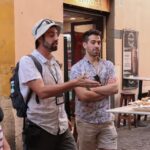
Guides you may meet include names like Vincenzo, Orso, Viola, and Lana. In practice, that variety is good. Different guides bring different energy, but the theme stays the same: food is the entry point to Rome.
Group Size, Languages, and Getting More From 2.5 Hours
This tour is limited to a small group of 10 participants. That size matters. You’re not competing for attention at each stop, and the guide can keep pacing under control. With a private guide, you can also ask follow-up questions like what to order next or where to go after the tour.
You can book in multiple languages: English, French, German, Italian, and Spanish. If you’re not a confident Italian speaker, that language support makes the experience feel easier right away.
Timing-wise, expect 2.5 hours. That’s enough to cover several tastings and get meaningful context, but it’s not so long that you’re stuck eating when you’re already full. Still, you’ll want comfy shoes. Rome’s sidewalks are flat enough for walking, but you’ll be on your feet.
Price and Value: Is $81 Worth It for Food, Guide, and Tastings?
At $81 per person for a 2.5-hour private-guide walking tour, the value comes from what’s included and what you learn along the way. You get a snack plus coffee and/or tea, bottled water, and the guide itself. It’s not just paying for food samples—it’s paying for the route and the explanation.
To judge value, think about how much it would cost to:
- book a guided walking session in central Rome,
- pay for multiple specialty tastings,
- and then still figure out what to do afterward.
This tour also helps you spend smarter after you leave. When the guide recommends where to eat next, you’re less likely to waste time on places that don’t match your interests.
The one caution on value is the food-style match. If you’re set on a very strict vegetarian diet, ask about specific ingredients before you go. This doesn’t mean the tour is wrong—it just means you should align expectations so the tastings feel satisfying to you.
Who This Tour Suits Best (and Who Should Rethink It)
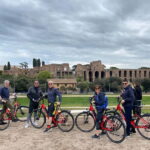
This experience is ideal if you want a structured way to eat your way through Rome’s flavors without planning each stop yourself. It’s also a strong choice if you enjoy explanations tied to places—Campo de’ Fiori and the Jewish ghetto areas are common parts of the route.
It’s also a good fit for families. One parent mentioned a 13-year-old stayed engaged, mostly because the guide kept it story-driven and food-focused rather than lecture-heavy.
Who might rethink it:
- If you want a meat-forward menu, you may feel limited.
- If you avoid fish or have strict dietary restrictions, confirm details in advance, since at least one savory dish referenced anchovy.
Should You Book Roman Vegetarian Food Tour?
Yes—if you want a focused, guided Rome food experience that blends seasonal logic, Roman classics, and Italian dessert craft in a single walk. The small group size and private guide approach make it easier to ask questions and remember what you tasted.
If your biggest goal is simply to eat, you might prefer a shorter or cheaper option. But if you’re the type who likes understanding why a dish exists, where it fits in Roman culture, and how to order better later, this tour is a solid bet.
If you book, do one smart thing: tell the guide what you can and can’t eat. Then you’ll get the best version of the menu—vegetarian-focused, flavor-forward, and guided by people who clearly know the streets.
FAQ
How long is the Roman Vegetarian Food Tour?
The tour lasts 2.5 hours.
What’s the price per person?
The price is $81 per person.
Is it a private guide or a group tour?
It includes a 100% private guide. The group is small, limited to 10 participants.
Where does the tour meet?
The meeting point is at the Giordano Bruno statue.
What languages are available?
The live tour guide is available in English, French, German, Italian, and Spanish.
Is the tour wheelchair accessible?
Yes, it is listed as wheelchair accessible.
What’s included in the price?
Included are a snack, coffee and/or tea, bottled water, and the 100% private guide.
Are alcoholic beverages included?
Alcoholic beverages are not included.
FAQ
Is free cancellation available?
The tour offers free cancellation up to 24 hours in advance for a full refund.