REVIEW · ROME
Rome: Colosseum Guided Tour
Book on GetYourGuide →Operated by Discover Rome Tours · Bookable on GetYourGuide
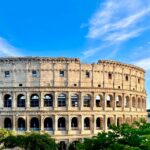
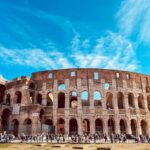
The Colosseum hits hard in person. This 75-minute guided visit gets you inside, slows the chaos down, and turns the stones into a story you can follow fast, with help from guides like Giovanna, Marco, and Scott. I love the small-group size and the way the tour starts inside the amphitheater instead of just circling outside. One thing to keep in mind: your Forum and Palatine Hill access is self-guided after the tour, so timing matters.
Two big wins: you walk through the Colosseum’s first level and get a clear picture of the arena, trapdoors, and how spectacles were staged. I also like the construction talk—travertine limestone and tuff, plus Roman arch engineering—because it explains why the building still holds up. A possible drawback is that the Colosseum can feel packed and noisy, so you’ll want patience and good listening conditions.
If you’re quick to Plan B, this tour is a strong value for what you get. The guides are friendly and make room for different ages, and the experience stays focused on what you can actually see in 75 minutes. Just know you’re doing a moderate amount of walking and you’ll face security checks at the entrance.
In This Review
- Key points to know before you go
- Rome’s Colosseum, in a guided format that makes sense
- Meeting point and timing: where to find your group fast
- Entering the Colosseum without the stress (and what ID you need)
- What the guide actually helps you see inside
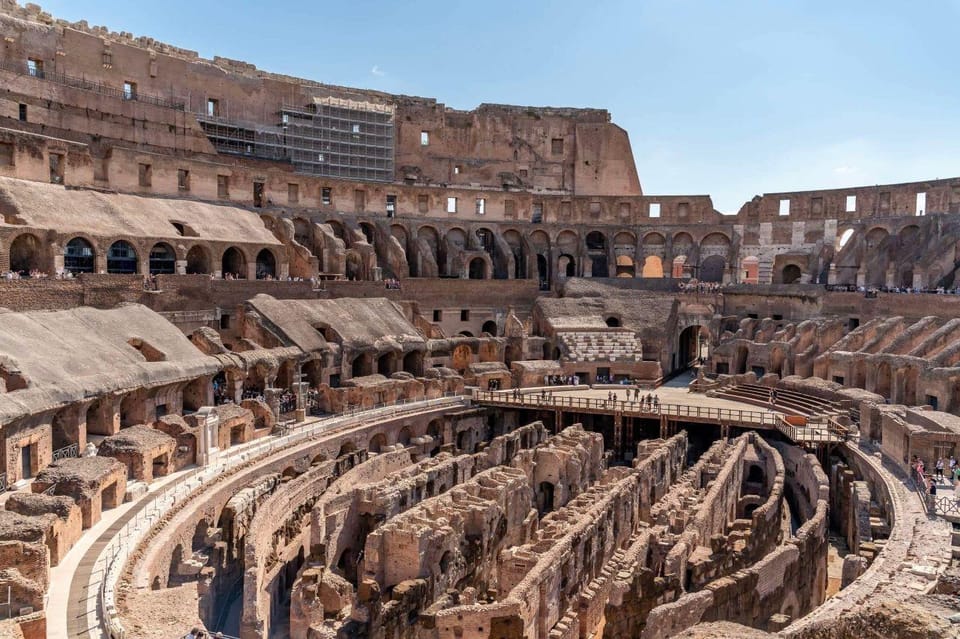
- The first level walk-through: arena, trapdoors, and spectacle mechanics
- Learning Roman construction: travertine, tuff, and the Roman arch
- Roman Forum and Palatine Hill: how to make the self-guided time count
- Value for $56.11: what you’re really paying for
- Who this tour suits best
- The main downsides to plan around
- Should you book this Colosseum guided tour?
- FAQ
- How long is the Colosseum guided tour?
- Where do I meet for the tour?
- Does the tour include tickets for the Roman Forum and Palatine Hill?
- Is skip-the-line entry included?
- How big is the group?
- What is included in the price?
- Is hotel pickup or drop-off included?
- Do food and drinks come with the tour?
- What ID do I need to enter the Colosseum?
- Is this tour wheelchair accessible?
- Is free cancellation available?
Key points to know before you go
- Skip the ticket line so you lose less time to queues inside the complex.
- Small group (max 24) keeps the storytelling on track and makes photos and questions easier.
- Arena-level storytelling connects gladiators, animal hunts, and Roman spectacle logistics to what you’re looking at.
- First level walk-through includes views of the arena area and details like trapdoors.
- Forum + Palatine Hill tickets after the tour let you go at your own pace, but hours can be tight.
Rome’s Colosseum, in a guided format that makes sense
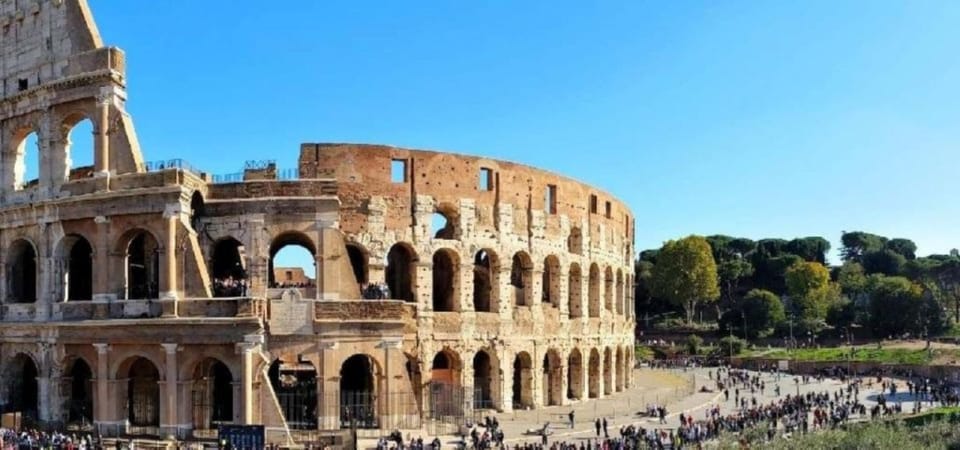
The Colosseum is one of those places where it’s easy to feel like you’re just reacting to scale. You see huge arches and think, wow, but then you move on and the meaning slips away. This tour helps you keep up by getting you into the amphitheater and handing you a map for what you’re looking at—then topping it off with Roman Forum and Palatine Hill tickets so you can keep the thread going after the guided portion ends.
The visit lasts about 75 minutes, which is long enough for a real guided experience but short enough that you don’t spend the whole day trying to interpret stone. You’ll get a guide in English, and the group stays capped at 24 people, which is a big deal at the Colosseum where large crowds can turn into a shuffle.
I also appreciate the practical mix of story and structure. The tour isn’t only about gladiators and drama. It also explains how Rome built something that lasts—materials, design, and engineering choices—so the sight feels earned, not just admired.
You can also read our reviews of more guided tours in Rome
Meeting point and timing: where to find your group fast
You start at Meet Outside the Colosseum Metro Station (Upper level), near the Caffe Roma BAR, close to the red M and SOS signs. Look for staff holding a Discover Rome Tours sign.
That detail matters because the Colosseum area is a maze of entrances and paths. If you arrive early, you’ll have time to locate the correct sign and settle into the group before the crowd pressure ramps up. The tour duration is 75 minutes, and starting times depend on availability, so check the schedule you book and plan your other sightseeing around that.
You don’t have hotel pickup, and the tour ends back at the meeting point. Translation: you’ll want to keep your shoes comfortable and your day flexible for walking.
Entering the Colosseum without the stress (and what ID you need)
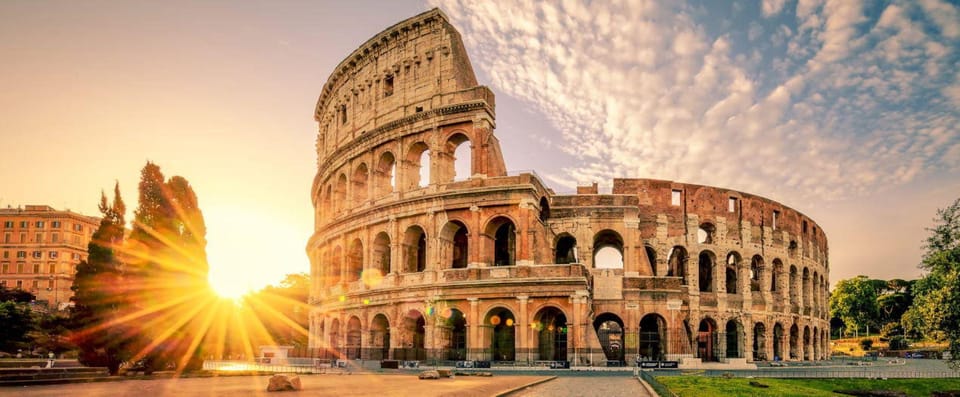
This experience includes access to the Colosseum, plus tickets for the Roman Forum and Palatine Hill afterward. You also get skip-the-ticket-line entry, which is exactly what you want at one of Rome’s most crowded sites.
The Colosseum does require picture ID to enter. The rules state it’s absolutely mandatory to have a picture ID (or a copy on your phone). Bring your passport or ID card, since a copy is accepted. During entrance checks, you may also go through security screening, so avoid bringing anything that slows you down.
Not allowed items include weapons or sharp objects, luggage or large bags, pets (assistance dogs allowed), and glass objects. If you’re traveling light anyway, you’ll have a smoother time.
Tip: bring a water bottle and consider hat and sunscreen in warm months. The tour is outdoors for parts, and even a short visit feels longer when the sun is doing its thing.
What the guide actually helps you see inside
The guided part begins inside the Colosseum, where you get a structured walk through the most important views. The point isn’t to throw facts at you. It’s to give you a way to look.
You’ll hear stories about the Colosseum built in AD 80 and its role in entertainment for tens of thousands of spectators. Your guide will connect that to what you see now: the arena area, how events were staged, and why certain architectural features mattered.
You’ll also learn about the gladiators and the spectacle logic behind their matchups. The tour description includes examples like heavily armored murmillo types and more mobile retiarius style fighters. Even if you don’t memorize the names, the guide helps you understand the idea: different body armor and weapons created different match rhythms, which shaped how Romans watched.
Then there’s the darker side of Roman entertainment: animal hunts with exotic beasts brought from distant places. The guide doesn’t just mention it; it frames it so you can picture the timing and scale of what the crowd was witnessing.
One thing I value in this format is how guides use visuals to make the past legible. In the group format, guides like Giovanna have been described as using pictures from books to help people envision what the Colosseum looked like in action. Scott also stood out for giving history in a way that made understanding easier, even when weather turned rough.
The first level walk-through: arena, trapdoors, and spectacle mechanics
The tour includes a walk through the first level, which is where a lot of visitors feel lost. From the ground, it’s easy to see the arena but hard to understand how the building was set up to run events.
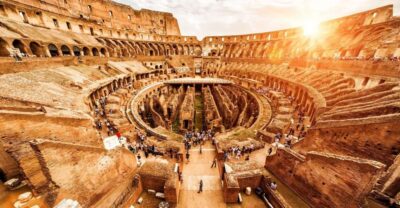
Here, you’re led to key spots where you can connect the story to the architecture. Expect to see the arena area and details tied to staging, including trapdoors. That’s an important stop because trapdoors are more than a cool detail. They explain how Romans could make surprises happen and control what the crowd saw and when they saw it.
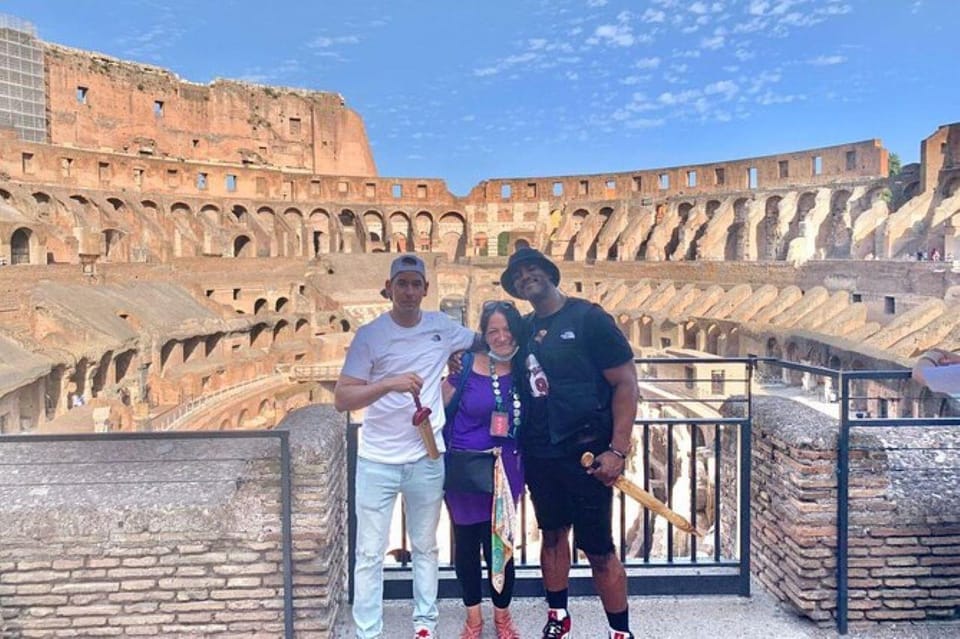
You also get help with photo timing and viewpoints. Some guides have been praised for helping people take pictures from the best spots and keeping the group moving at a comfortable pace. That matters in a place this crowded—if you stand still too long, you get swallowed by the crowd flow.
Weather can affect comfort. One guide was noted for doing a good job keeping the group drier during a storm. If it’s rainy, bring a light layer or compact umbrella if you’re allowed to carry it through security.



Learning Roman construction: travertine, tuff, and the Roman arch
A standout part of this tour is the construction explanation. You’ll hear how Romans built using travertine limestone and tuff, plus engineering innovations like the Roman arch.
Why that’s worth your attention: the Colosseum is often treated like pure theater—fun, dramatic, and myth-shaped. But the reason it lasts is engineering. When you learn the materials and design choices, the building changes from a legend into a working machine. It becomes easier to understand why it could handle massive crowds and repeated events for centuries.
This is also a smart way to break up the emotional weight of the gladiator stories. Instead of only thinking about violence, you’re also appreciating the design logic.
Roman Forum and Palatine Hill: how to make the self-guided time count
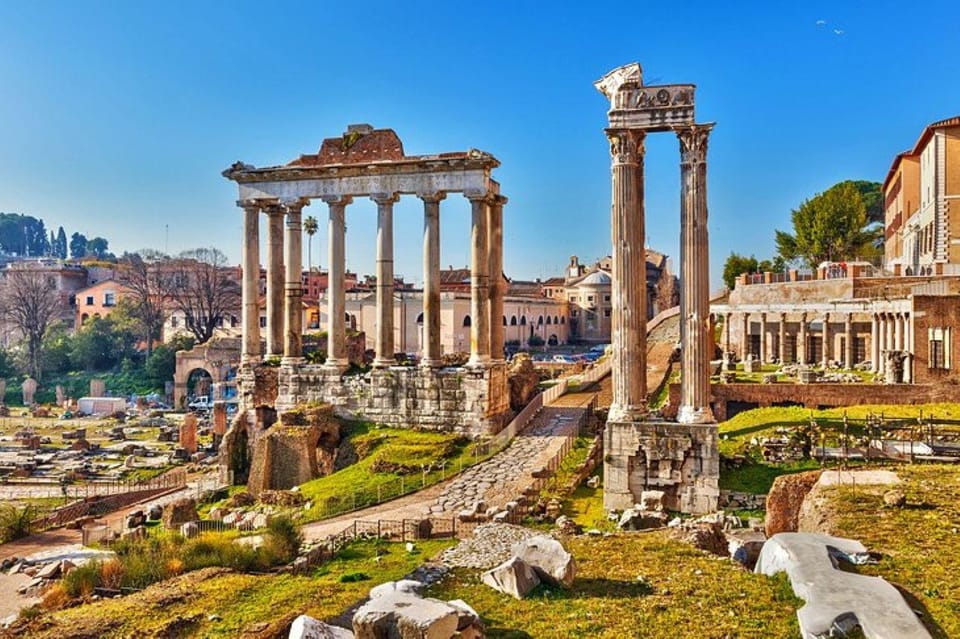
After the guided Colosseum portion, you receive tickets for the Roman Forum and Palatine Hill for a self-guided visit. The big advantage is freedom: you can linger where you’re most interested and skip what doesn’t grab you.
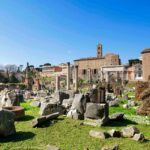
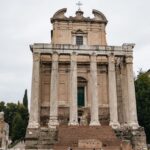
The Forum is where Romans handled business and politics, so expect ruins that feel more like a living city grid than a single monument. Palatine Hill is for views and atmosphere—standing there makes it easier to grasp why this area mattered to ancient Rome.
Here’s the practical caution: one review example described a timing problem where a tour at 3 p.m. led to the self-guided sites closing around 4 p.m., making the tickets feel wasted. The tour still says tickets are valid for 24 hours pre or post, but hours can affect whether you can actually enter right away.
So do this: once you book, check the current opening hours for the Forum and Palatine Hill and decide whether you should go before your tour or immediately after, depending on your schedule. If your tour time is late in the day, plan to move quickly after the Colosseum tour ends.
Value for $56.11: what you’re really paying for
At $56.11 per person (for this 75-minute format), you’re not paying for a long day. You’re paying for three things that matter at the Colosseum:
- Human guidance inside the site, including a walk that points you to details most people miss (arena views and first-level features like trapdoors).
- Skip-the-line entry, which saves time you can’t easily get back in Rome.
- Tickets beyond the Colosseum, specifically the Forum and Palatine Hill, so your money doesn’t stop when the guide session ends.
Is it a bargain compared to a self-guided ticket? Not really. But self-guided gets harder when you don’t know what you’re looking at. This tour tries to prevent the classic Colosseum problem: seeing a lot without understanding why any of it matters.
Also, the max 24 group size helps you feel less herded and more included. One guide (Marco) was praised for making sure everyone, including kids, could follow along. If you’re traveling with mixed ages, that kind of pacing is worth its weight.
Who this tour suits best
This experience is a great match if you want the Colosseum story with fewer pauses and less guesswork. It’s also a strong fit if you like the combo of drama and engineering—gladiators and Roman construction techniques in the same walk.
You might want to reconsider if you use a wheelchair, since the tour states it is not suitable for wheelchair users. And if you hate crowds, the Colosseum may still feel crowded even with skip-the-line entry. Guides can’t change that, but they can help you move efficiently through it.
It also works well for couples, solo travelers, and families who want a guided start and then time to roam.
The main downsides to plan around
The biggest potential friction points are practical:
- Crowding inside: even with a guide and skip-the-line, the Colosseum can feel packed. Plan for close quarters and keep your expectations focused on the main stops.
- Self-guided follow-through timing: Forum and Palatine Hill access is after the Colosseum tour. If your day is tight or you book a late slot, check closing times.
- Listening conditions: one comment noted that a guide’s accent was harder to understand at times in a crowded setting. If audio clarity is critical to you, arrive a bit early so you’re positioned well in the group.
If you go in with flexible timing and good expectations, these issues become manageable.
Should you book this Colosseum guided tour?
I’d book it if you want a structured, high-impact Colosseum visit that helps you understand what you’re seeing, not just what you’re standing beside. The small group size, guided arena-first focus, and included Forum/Palatine Hill tickets make it a practical way to cover more ground without turning the day into a scavenger hunt.
I wouldn’t book it only if your schedule is too tight to use the Forum and Palatine Hill time, or if crowds and standing/walking are a deal-breaker for you. In that case, you might prefer a fully self-guided plan with more buffer.
If you’re aiming for value and clarity, this is one of the smarter ways to do the Colosseum.
FAQ
How long is the Colosseum guided tour?
The tour duration is 75 minutes.
Where do I meet for the tour?
Meet outside the Colosseum Metro Station (Upper level) near Caffe Roma BAR, close to the red M and SOS signs. Look for staff with a Discover Rome Tours sign.
Does the tour include tickets for the Roman Forum and Palatine Hill?
Yes. You receive tickets for the Roman Forum and Palatine Hill for a self-guided visit after the Colosseum tour.
Is skip-the-line entry included?
Yes, the experience includes skip the ticket line.
How big is the group?
The tour is a small-group experience with a maximum of 24 people.
What is included in the price?
Included: small-group guided tour (max 24), access to the Colosseum, Roman Forum, and Palatine Hill, and an expert guide for the Colosseum.
Is hotel pickup or drop-off included?
No. Hotel pickup and drop-off are not included.
Do food and drinks come with the tour?
No. Food and drinks are not included.
What ID do I need to enter the Colosseum?
You need a picture ID to enter. Passport or ID card is accepted, and a copy on your phone is accepted.
Is this tour wheelchair accessible?
No. It is not suitable for wheelchair users.
Is free cancellation available?
Yes. You can cancel up to 24 hours in advance for a full refund.