REVIEW · ROME
Fettuccine & Tiramisu Masterclass: Pasta & Dessert
Book on GetYourGuide →Operated by Master pasta makers srl · Bookable on GetYourGuide
Fresh pasta on a Rome plate can feel like a gimmick. This one works because you actually make the fettuccine and assemble the tiramisu with a local chef. You’ll roll, cut, and shape the pasta yourself, then finish with wine plus limoncello or coffee.
Two things I especially like: you get real, practical technique for fresh pasta, and you sit down afterward to enjoy what you made, not just watch it happen. One consideration: the sauce is included, but from what you do at your station, it may be handled in the kitchen and finished for you rather than fully cooked from scratch at your hands-on workspace.
If you’re the kind of traveler who wants food skills you can repeat later, this class is a fun way to spend a few hours in Rome—right in Lazio, near the center of the city.
In This Review
- Quick hits
- Fettuccine and Tiramisu in Rome: More Than a Meal Ticket
- Where You Go: Restaurant Gusto in Central Rome
- The Hands-On Pasta Session: Rolling and Cutting Fettuccine
- Choosing Your Sauce: Tomato & Basil, Amatriciana, or Cacio e Pepe
- Tiramisu Workshop: Building the Layers the Right Way
- Eating What You Made: Wine, Water, and the Limoncello Finish
- What the Chef and English Instruction Add (and Why Reviews Keep Mentioning Them)
- Price and Value: Is $66 Worth 3 Hours in Rome?
- Who Should Book This (and Who Might Want Another Style of Class)
- Practical Tips Before You Go
- Should You Book the Fettuccine & Tiramisu Masterclass?
- FAQ
- How long is the Fettuccine & Tiramisu class in Rome?
- Where is the meeting point?
- What will I make during the class?
- Can I choose my sauce for the fettuccine?
- What drinks are included?
- Is the class taught in English?
- Is this class beginner-friendly?
- Is the experience wheelchair accessible?
- Is free cancellation available?
- Can I reserve now and pay later?
Quick hits
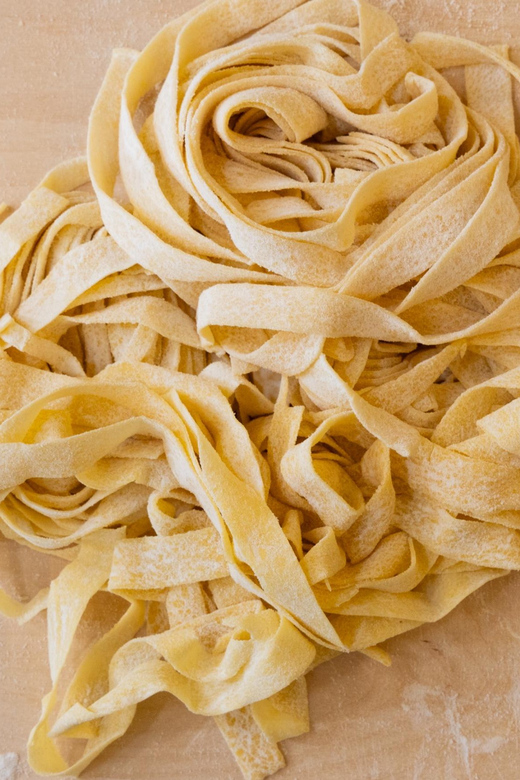
- Fresh fettuccine from scratch: rolling and cutting, not just eating it
- Classic tiramisu layering: mascarpone, espresso, and ladyfingers
- Choose your sauce: tomato & basil, amatriciana, or cacio e pepe
- Food plus drinks: wine and a finish of limoncello or coffee
- English instruction: chef guides you through the steps
- Short and social: 3 hours with interaction around the table
Fettuccine and Tiramisu in Rome: More Than a Meal Ticket
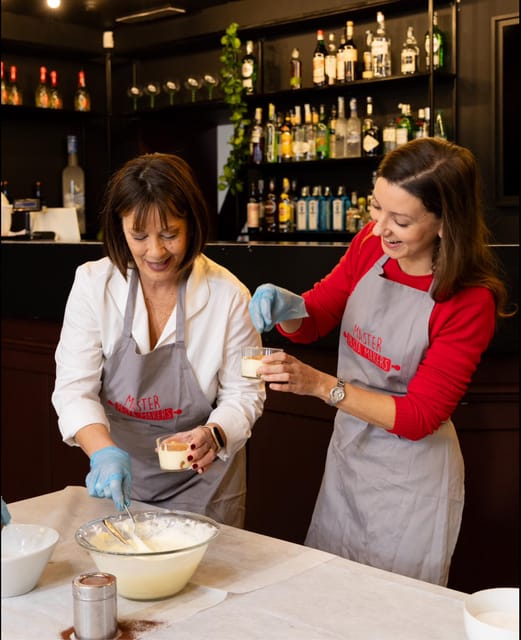
In Rome, you can easily spend a day eating and still leave without learning anything. This experience flips that. Instead of just ordering, you’re making the dishes that define Italian comfort food, and you get to bring home the process in your head.
The class covers two classics: fresh fettuccine and traditional tiramisu. The pasta is hands-on from start to finish, while the dessert is a guided assembly of the key components—mascarpone, espresso, and ladyfingers—layered into something you can be proud of.
For me, the biggest value is the mix of skill and payoff. You work, you eat, you compare notes with your chef and fellow classmates, and you’re done in a neat 3-hour window.
You can also read our reviews of more cooking classes in Rome


Where You Go: Restaurant Gusto in Central Rome
You meet at Restaurant Gusto, on Via Giuseppe Zanardelli 14. The location matters because it keeps the experience from turning into a travel project. You’re not factoring in long transfers, you’re getting to the class and getting started while you still have your energy.
Also, since the chef instruction is in English, you won’t spend your time guessing what you’re doing. That’s a small thing until you’re standing over dough, trying to remember the difference between a sheet you should thin and one you should keep thicker.
The Hands-On Pasta Session: Rolling and Cutting Fettuccine
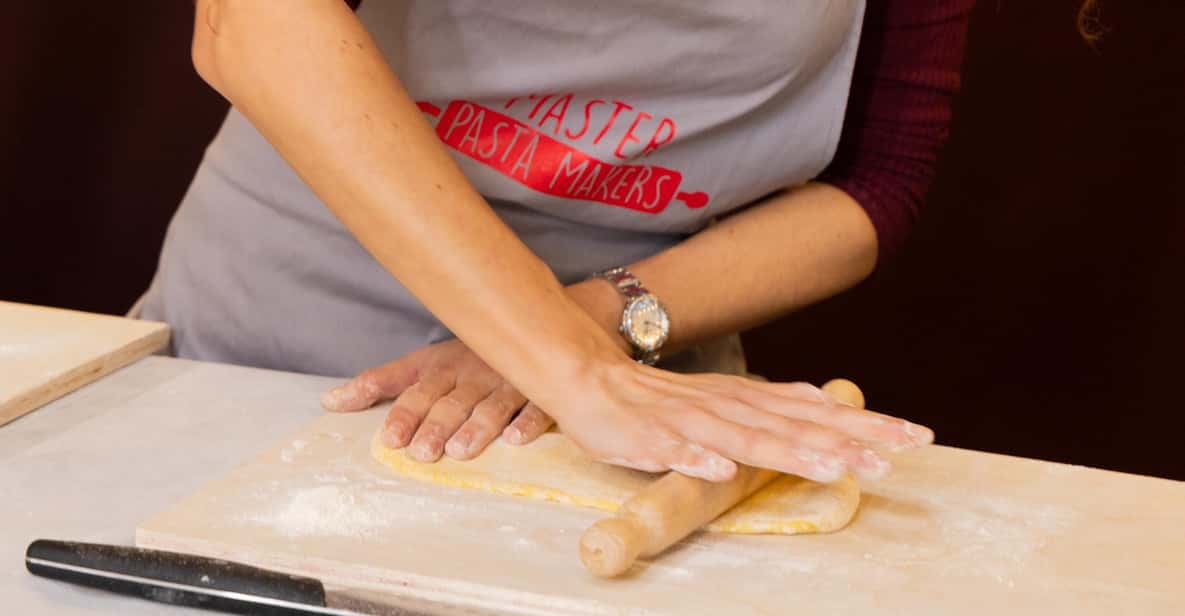
Fresh pasta is one of those things people talk about like it’s complicated. In practice, it’s more about rhythm and attention than secret talent.
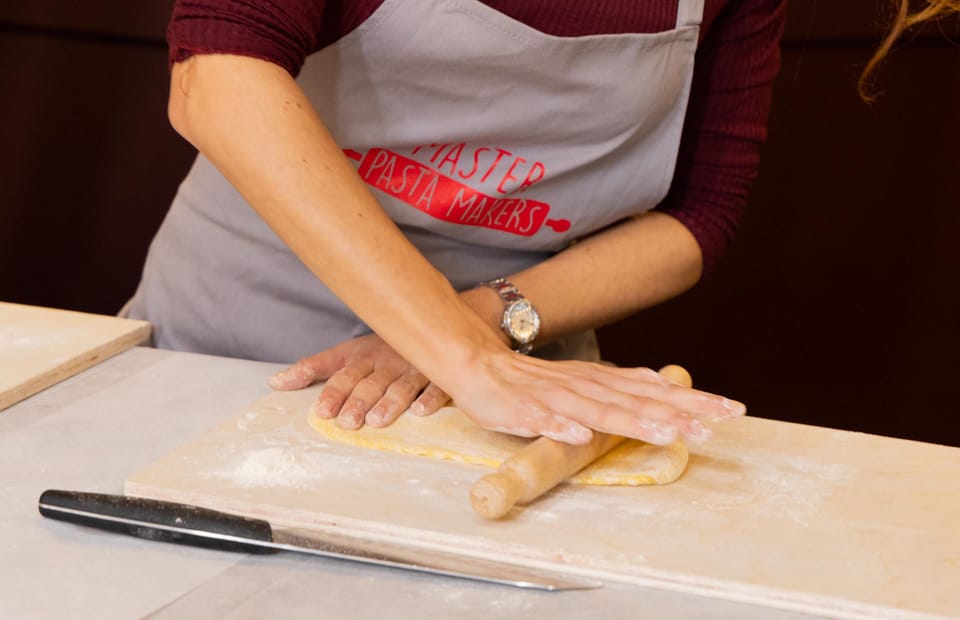
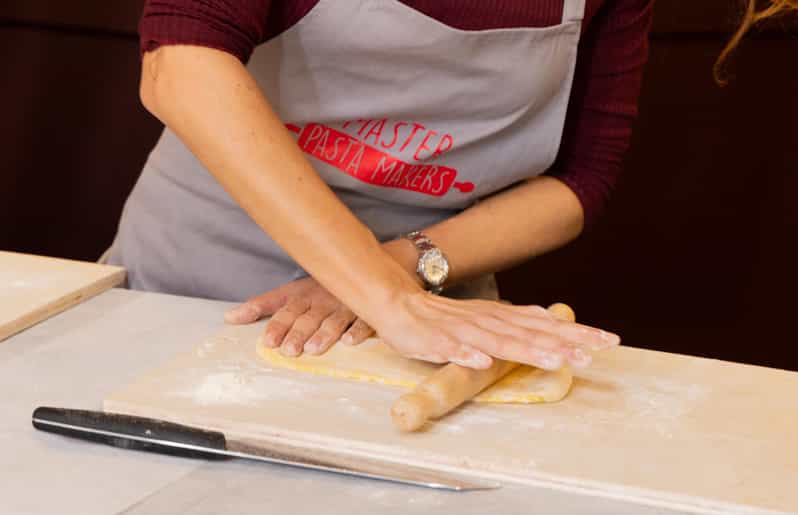
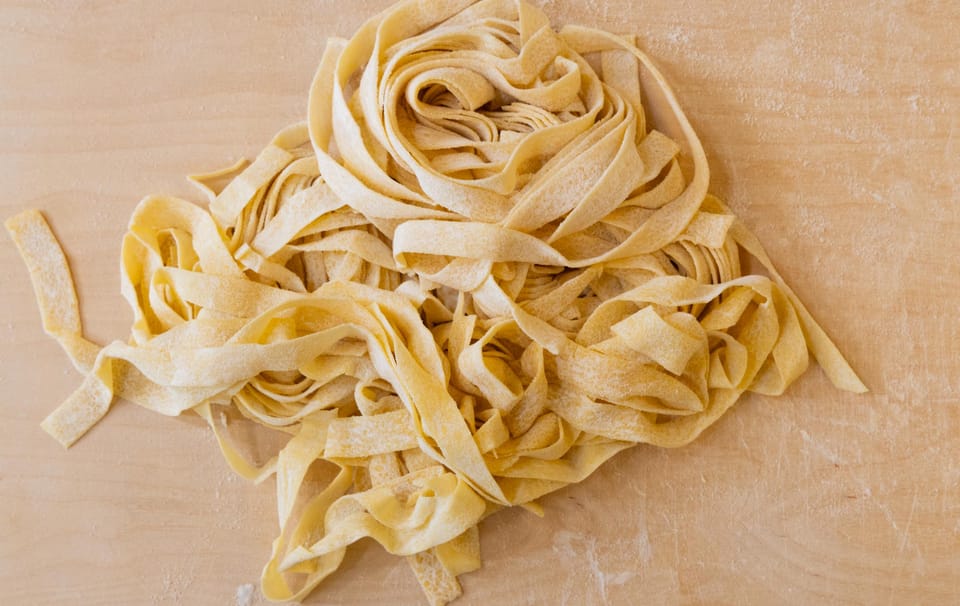
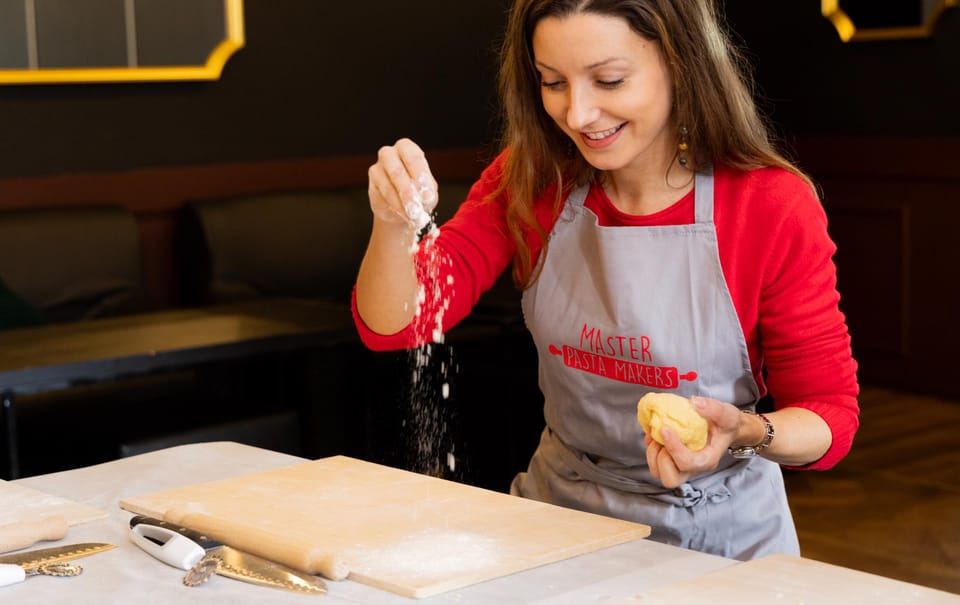
You start by making pasta dough and then roll it into sheets. From there, you cut the dough into fettuccine. That part is oddly satisfying. You watch the shape take form and realize you’re not just producing food—you’re producing a noodle format that holds sauce the way it’s supposed to.
One thing to know: your hands-on focus is mostly the pasta itself. A review note highlights that sauce prep can happen elsewhere in the kitchen, while your pasta gets cooked and brought back with sauce. So if you’re hoping to “do everything” on one station, adjust expectations: you’re mainly learning the pasta technique and then seeing it transformed into a finished plate.
This is still a win. Learning how to roll, thin, and cut is the hard skill. The sauce can be the fun finishing touch you taste, choose, and enjoy.
Choosing Your Sauce: Tomato & Basil, Amatriciana, or Cacio e Pepe
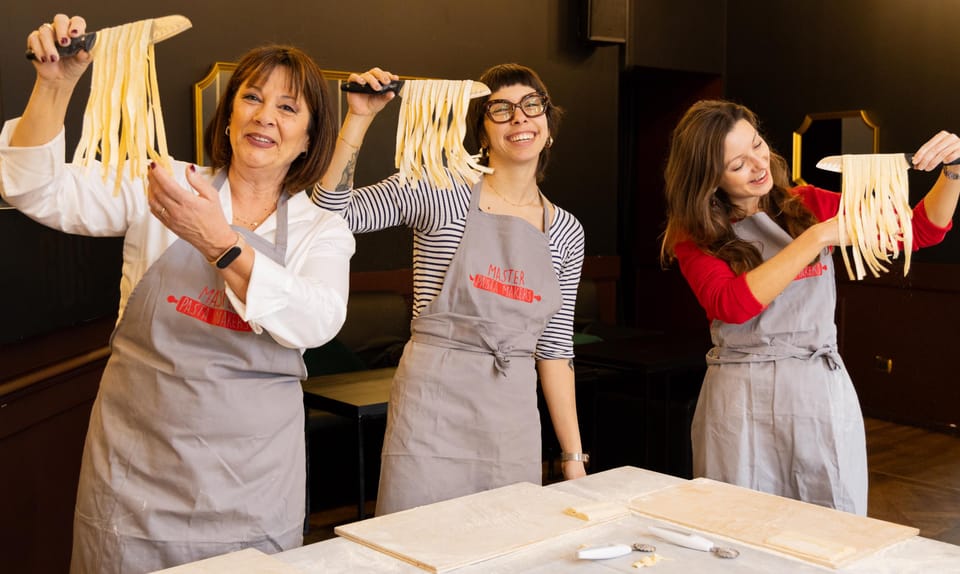
You get to choose how your fettuccine is served. The options are Tomato & Basil, Amatriciana, or Cacio e Pepe. That menu isn’t random. Each one highlights a different side of fresh pasta.
- Tomato & Basil is familiar and bright. It’s a good match if you want a lighter, straightforward pairing for your first bite of fresh fettuccine.
- Amatriciana adds a deeper, savory feel. It tends to make the pasta taste richer and more satisfying.
- Cacio e Pepe leans into simplicity: cheese and pepper. It’s a test of how well the pasta texture holds sauce.
Here’s the practical reality. Even if you’re not cooking sauce at your station, you still get the important part: you see how the sauce changes the final bite of the pasta you made. And because the experience includes the sauce choice, you still get some control over your dinner.
Tiramisu Workshop: Building the Layers the Right Way
Now for the dessert: classic tiramisu. If you think tiramisu is just a sweet you assemble from a tub, this class should correct you. You’re working with the building blocks that make it what it is.
The key elements you’ll use are mascarpone, espresso, and ladyfingers. The fun part is the layering. You’re not cooking tiramisu over heat; you’re creating texture and balance through assembly.
In a good tiramisu, the ladyfingers should give slightly without turning into mushy chaos. The mascarpone should taste creamy and not greasy, and the espresso should bring a noticeable coffee note without drowning everything.
The best part: you indulge in your homemade tiramisu afterward. That turns the workshop into a complete loop. You build it, you taste it, and you get immediate feedback from your own effort.
You can also read our reviews of more tours and experiences in Rome

Eating What You Made: Wine, Water, and the Limoncello Finish
One reason this experience feels different from a lot of cooking classes is that it turns into an actual meal with drinks. You get a glass of wine or a non-alcoholic beverage, plus fresh water. Then the experience finishes with limoncello or coffee.
That last piece matters more than you’d think. Limoncello is a sweet, lemony after-dinner drink that fits the way Italians use digestifs: as a gentle reset at the end of a rich meal. If coffee is your preference, you still get the closure. Either way, you end the class with something that feels like Rome, not just a culinary workshop.
And yes, the social element helps. A class where you eat together gives you an excuse to ask questions and compare what you did with what someone else did—even if your pasta isn’t identical, the goal is the same: learn, eat, repeat.
What the Chef and English Instruction Add (and Why Reviews Keep Mentioning Them)
When people talk about a food class that’s worth the money, they usually mention one thing: the chef. In this case, the chef is central to the experience, and you feel it through the pacing and guidance.
Since the instructor speaks English, you don’t have to rely on guessing from body language. You get clear steps for dough handling and dessert assembly, and you can ask questions without feeling like you’re slowing the group down.
Also, the class is interactive. You’re not stuck in a line watching someone else work. You’re doing the steps, then tasting the results. That interaction is a big part of why people rate it so highly.
Price and Value: Is $66 Worth 3 Hours in Rome?
At $66 per person for a 3-hour experience, you’re paying for several things at once: guided instruction, hands-on pasta practice, dessert assembly, and the meal component with wine and a finishing drink. In a city where a “light” dinner can easily run high, this starts to look more sensible.
You also get value in the form of skill. Cooking classes that only teach you one tiny trick can feel overpriced. This one gives you two full Italian staples—fresh pasta and tiramisu—so you leave with more than a photo opportunity. The techniques you learn are repeatable at home, which stretches the value beyond the evening.
One more practical value point: this is concentrated. You’re not committing a full day. Three hours is enough time to learn, cook, eat, and still keep your Rome schedule flexible.
Who Should Book This (and Who Might Want Another Style of Class)
This class is best for food lovers who want to do more than eat. If you like practical instructions, enjoy working with your hands, and you want a structured experience that ends with a real sit-down meal, you’ll likely love it.
It’s also a good fit for couples, solo travelers, and small groups who want an activity that feels social without being chaotic. You’ll share the workspace, talk to the chef, and eat what you made.
If you want to spend your whole time cooking every component from scratch (including sauces at your station), you might find the sauce portion less hands-on. Based on how the experience runs, sauce prep can happen in the kitchen and your pasta is finished and served for you. That’s not bad—it just means your learning focus is mainly pasta and tiramisu.
Practical Tips Before You Go
You don’t need special equipment. Still, a few small choices can make it easier.
Wear comfortable clothes. You’ll be working close to your station. If you’re bringing a camera, keep it ready for the moment when the pasta sheets turn into recognizable fettuccine and the tiramisu layers start to look like the real deal.
Come with an appetite, but don’t overpack your meal beforehand. You’re going to end up eating your creations, plus you’ll have wine or a non-alcoholic drink and then limoncello or coffee.
And if you’re worried about skill level, don’t. The class is designed for beginners and seasoned cooks alike. Even if your first cut of fettuccine isn’t perfectly uniform, the chef guidance is the point.
Should You Book the Fettuccine & Tiramisu Masterclass?
I’d book it if you want a memorable Rome food experience with real technique, not just a guided tasting. The combination of fresh fettuccine practice, classic tiramisu assembly, and the payoff meal with wine and limoncello or coffee is strong value for a 3-hour slot.
I’d think twice if your main goal is to cook everything—especially sauce—at your own station. From how the process is described, your core hands-on work is pasta and dessert, while sauce may be prepared back in the kitchen and served with your pasta.
If that sounds like your style of cooking class, this is an easy yes.
FAQ
How long is the Fettuccine & Tiramisu class in Rome?
The class lasts 3 hours.
Where is the meeting point?
You meet at Restaurant Gusto, Via Giuseppe Zanardelli 14.
What will I make during the class?
You’ll make fresh fettuccine and a classic tiramisu.
Can I choose my sauce for the fettuccine?
Yes. You can choose from Tomato & Basil, Amatriciana, or Cacio e Pepe.
What drinks are included?
The class includes a glass of wine or a non-alcoholic beverage, and the experience finishes with limoncello or coffee.
Is the class taught in English?
Yes, the instructor teaches in English.
Is this class beginner-friendly?
It’s described as suitable for both beginners and experienced cooks.
Is the experience wheelchair accessible?
Yes, it’s listed as wheelchair accessible.
Is free cancellation available?
Yes. You can cancel up to 24 hours in advance for a full refund.
Can I reserve now and pay later?
Yes. You can reserve now and pay later.