REVIEW · ROME
Rome: Pasta & Tiramisu Class with Fine Wine by the Vatican
Book on GetYourGuide →Operated by The Roman Food Tour · Bookable on GetYourGuide
Fresh pasta and tiramisu in Rome beats guessing. This small-group class turns an iconic Italian meal into something you can actually repeat at home, all in a locally loved restaurant near the Vatican.
I like the focus on handmade pasta from scratch (not just watching). I also really appreciate that drinks are part of the deal, with free-flowing fine wine and Prosecco alongside unlimited soft drinks.
One key consideration: the class centers on the traditional recipe with gluten, dairy, and eggs, so it’s not a fit for everyone with food restrictions, even if substitutions are offered for some needs.
In This Review
- Key things to know before you go
- A Rome cooking class near the Vatican that turns dinner into a lesson
- Homemade pasta: what you’ll learn and why it matters
- Traditional tiramisù: the sweet finale
- Wine-flow rules, small-group energy, and instructor style
- Where you eat: your pasta and tiramisù at a locally loved table
- Price, pace, and value at about $41 for 3 hours
- Dietary limits and allergy reality checks
- Best for first-timers, families, and serious food nerds
- Should you book this Pasta & Tiramisu Class by the Vatican?
- FAQ
- How long is the Pasta & Tiramisu class?
- Where does the class take place?
- What’s included in the price?
- Is wine included?
- Does the class offer dietary options?
- Is it suitable for vegans or lactose/gluten intolerance?
- What language is the class taught in?
- Do I get recipes to take home?
- What’s the cancellation and payment flexibility?
Key things to know before you go
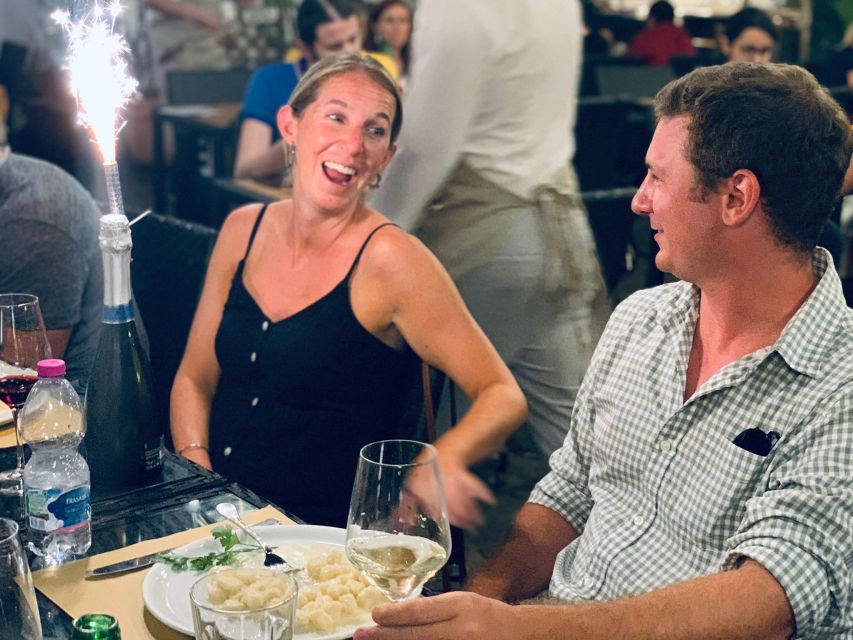
- Small-group format helps you stay hands-on and not get lost in the crowd
- Homemade pasta + tiramisù from scratch, with recipes to take home
- Free-flowing wine and Prosecco plus unlimited soft drinks and water
- English instruction makes the class easier to follow, even if your Italian is rusty
- Dietary limits are real, since the traditional method is the anchor
A Rome cooking class near the Vatican that turns dinner into a lesson
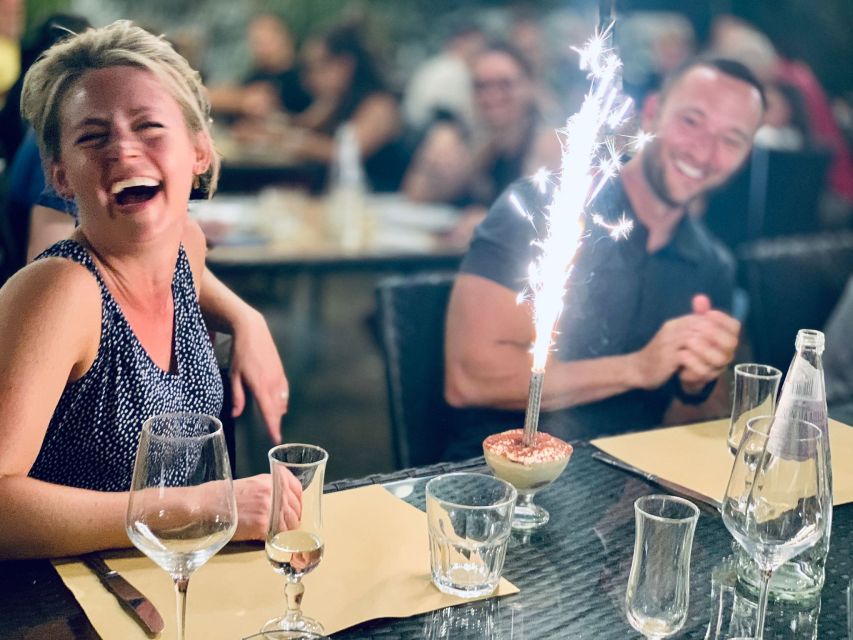
This is the kind of Rome activity that fits perfectly between sightseeing blocks: you’ll be in the Vatican-area foodie zone, then you move from watching Italian food being made to making it yourself. The structure is simple—learn, cook, and then sit down to eat what you made—so the time feels rewarding instead of scattered.
I like that it’s not pretentious. You get expert help, but the vibe stays relaxed and social, with a real restaurant feel rather than a staged demo setup. Plus, the drinks are included, which makes the whole evening warmer and more fun without turning it into a party.
The “near the Vatican” location matters more than you might think. After cooking, you’re not stuck crossing town in the dark just to get back to your hotel. It’s also an easy area to combine with a pre- or post-dinner walk if your schedule is flexible.
You can also read our reviews of more cooking classes in Rome

Homemade pasta: what you’ll learn and why it matters
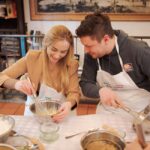
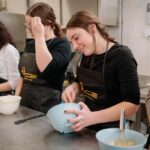
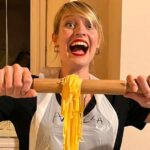
The class starts with the real foundation: handmade pasta from scratch. That means you’re not just assembling a pre-made kit. You’ll work through the dough-making process and learn the basics behind what makes pasta feel right—texture, handling, and the practical steps that help a simple dough turn into something silky and elastic.
For me, the value here is in the method. Store-bought pasta is fine, but it doesn’t teach you anything. Homemade pasta gives you the “aha” moments you’ll remember later—how the dough should behave as you work it and what to look for so you’re not guessing at home.
You’ll also get tips that help you avoid the common beginner traps. Even if you’ve never rolled dough before, a good instructor can correct tiny things quickly. And because it’s a small group, you’re more likely to get that kind of attention instead of waiting your turn.
After the pasta work, you’re not left standing around. This is built to lead into a shared meal where your cooking has payoff. You learn skills, yes—but you also finish with something you can taste immediately.
Traditional tiramisù: the sweet finale
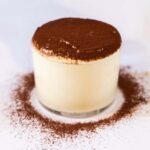
Then comes the other star: traditional tiramisù. The class doesn’t treat tiramisù as a vague dessert concept. You’ll create your own version using the classic approach the course is built around.
Tiramisu is one of those desserts people think they can wing. This is where instruction helps, because the method matters: how you assemble, the pacing, and how to get that classic balance. Even if your first attempt isn’t perfect, you’ll know what you did and what to adjust next time.
There’s also a nice emotional rhythm to the class. Pasta is hands-on and savory; tiramisù is satisfying and sweet. Ending with dessert makes it feel complete, not like you rushed through the best part at the beginning.
And because you’re learning in a restaurant setting, the experience stays grounded. It’s not theory hour. It’s a real food moment—something you’ll want to recreate when you’re back home and craving that specific Italian comfort.
Wine-flow rules, small-group energy, and instructor style

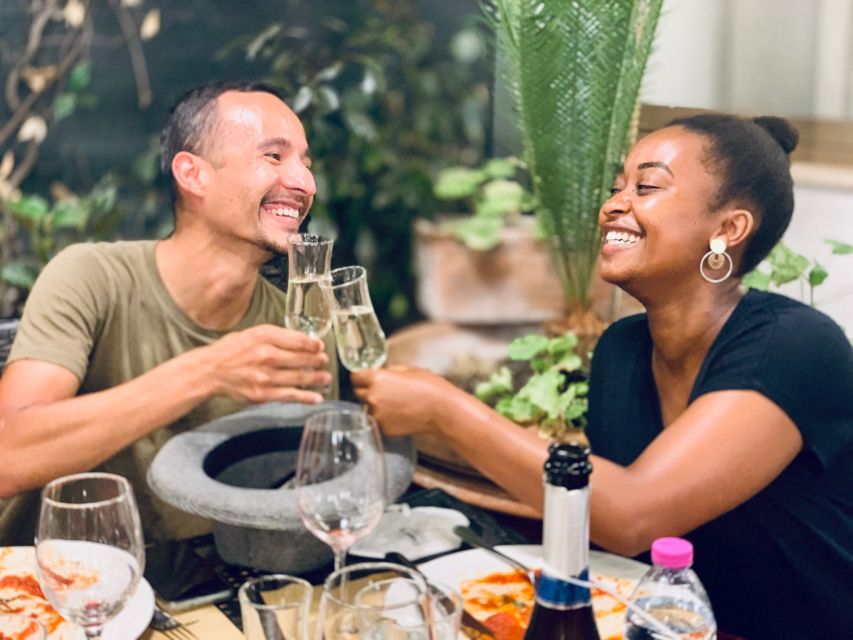
One of the biggest reasons people enjoy this class is the social feel. Fine wine and Prosecco are free-flowing, and you also get unlimited soft drinks and water. That doesn’t just add fun—it keeps the evening comfortable while you’re cooking, tasting, and resetting your station.
The teaching style seems to land well with mixed groups. Instructors like Chef Carlos and Irene are described as friendly and engaging, with a sense of humor that keeps things moving. Names like Cid and Patrik also show up in class accounts, and the consistent theme is personality plus technique—helpful corrections, not criticism.
Because the class is English-speaking, you’re not forced to play culinary charades. You can actually understand what to do next, which is the difference between a memorable cooking night and a stressful one.
Also, the small-group setup is a real quality factor. When the group is limited, the kitchen work feels doable. You’re more likely to get hands-on time and direct guidance, especially at the steps where beginners usually get stuck.
Where you eat: your pasta and tiramisù at a locally loved table
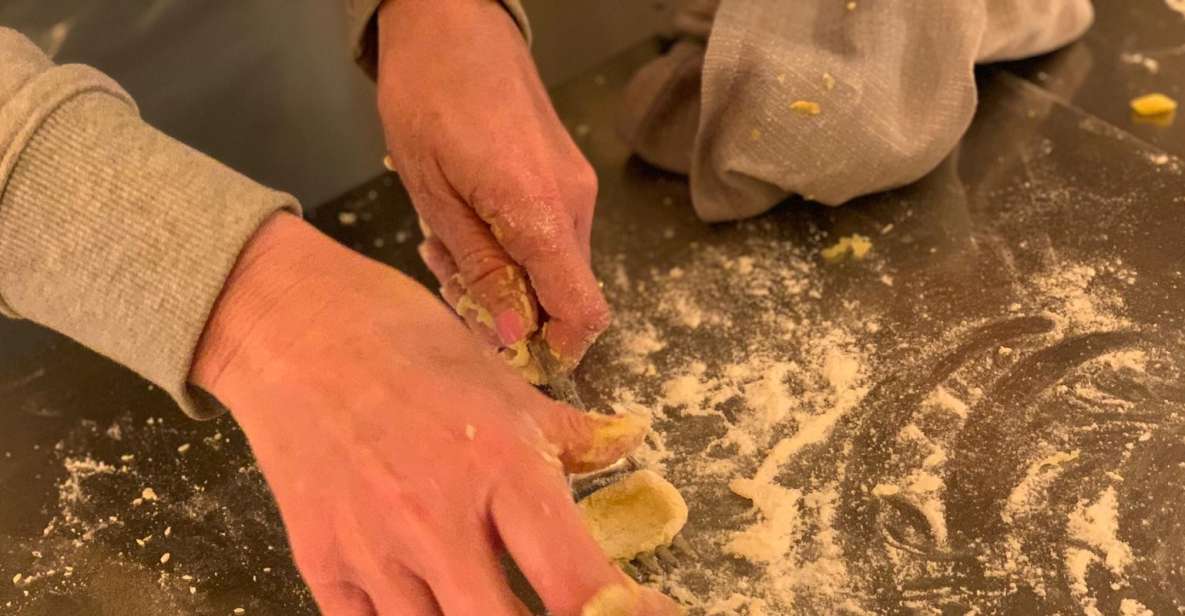
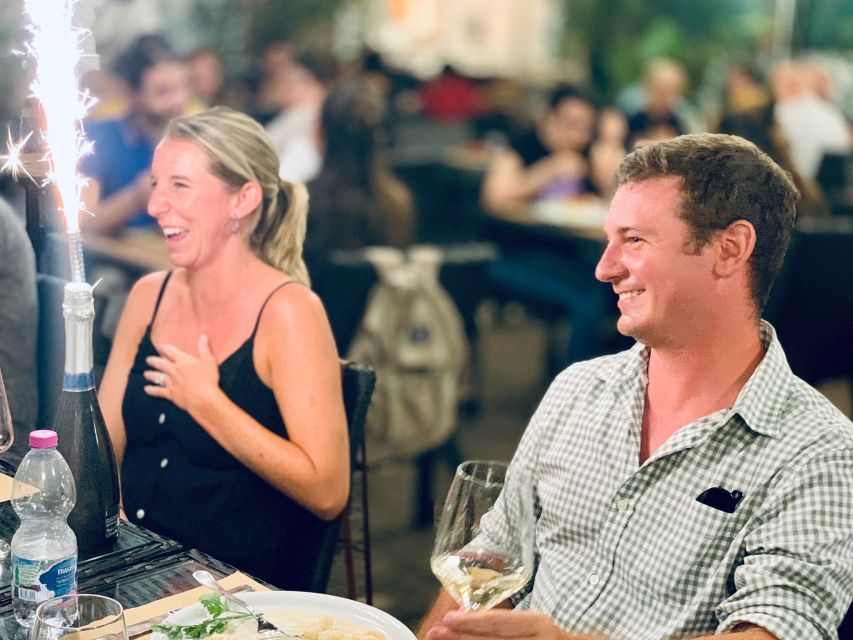
After the cooking, you sit down and enjoy the fruits of your labor in the restaurant. That part matters, because it turns the class into a full experience rather than a “half lesson, half snack” format.
The meal is part of the value: you’re not paying only for instruction. You’re paying for an evening that ends with you eating what you made while staying in the same comfortable setting.
This is also why location helps. Being near the Vatican doesn’t just mean easy transit. It means you’re in an area where food culture is visible—street life, restaurant density, and the general sense that eating well is the whole point. Your cooking class doesn’t feel isolated from the rest of Rome; it feels like a concentrated slice of local food life.
And since the course includes take-home recipes, the lesson doesn’t end at the table. You get a way to recreate the dishes later, which is where many classes quietly fall short.
You can also read our reviews of more wine tours in Rome


Price, pace, and value at about $41 for 3 hours
The price is listed at about $41 per person, with a duration of 2.5 to 3.5 hours depending on availability. For Rome, that’s not just “cheap.” It’s fairly strong value when you factor in what’s included: cooking instruction, the ingredients/meal, and wine and Prosecco with unlimited soft drinks and water.
If you’ve ever done a paid tour where you mostly stand and then go eat somewhere else, this feels different. You’re doing the work and getting the results. In other words, you’re not paying for a lecture—you’re paying for participation.
The pace also helps. You’re not stuck for a full day, and you’re not rushed either. The timing gives you enough minutes to actually learn and produce something you can eat without the feeling of “we got through it fast.”
One small practical note: the meeting point can vary by option booked. So before you go, double-check the exact meeting location so you can arrive calmly—Rome is better when you’re not sprinting with pasta dough in your mind.
Dietary limits and allergy reality checks
This is the area where you’ll want to be precise. The course offers dietary options (including vegetarian and mentions other diets supported), and it says you can inform the provider of your needs. It also says substitutes can be made for allergies or preferences.
But here’s the key detail you can’t ignore: the instructions always focus on the traditional recipe containing gluten, dairy, and eggs. And it explicitly says it’s not suitable for vegans, gluten intolerance, and lactose intolerance.
So what should you do? If you fall into those “not suitable” categories, I’d treat this as a hard no rather than trying to hope for a workaround. If your needs are different—like vegetarian—ask directly about how your meal will be handled and what substitutes look like in practice.
If you have a serious allergy, still plan that the cooking approach is built around traditional components. Confirm what substitutions are actually possible for your specific allergy before you book.
This may sound fussy, but it protects your experience. Cooking classes work best when you’re comfortable and not spending the whole time worrying about what’s in the dish.
Best for first-timers, families, and serious food nerds
This class works for a broad range of people because it’s hands-on and structured. If you’re a total beginner, the format is approachable. There’s an emphasis on learning the essentials, not advanced technique.
It also seems like a good family activity for older kids. In class accounts, families bring children around school age (one example mentions kids ages 8 and 5), and the tone described is fun and not stiff. That fits the cooking reality: kids often enjoy mixing, rolling, and building something edible.
It’s not for very young children (the class notes it’s not suitable for children under 2 and under 3). If you’re traveling with toddlers, you’ll need to look for a different activity.
For food lovers, the appeal is practical. You learn what you need to cook two iconic dishes, not just how to recognize them. Even if your first pasta isn’t restaurant-perfect, you’ll leave with a mental checklist you can use again.
And for the “I want one good thing to do in Rome” crowd, this checks boxes: it’s in a great part of town, it’s a single evening block, and it ends with an actual meal.
Should you book this Pasta & Tiramisu Class by the Vatican?
Book it if you want a hands-on Rome experience with real payoff: you make the food, you eat it, you get recipes to repeat it later, and you don’t have to worry about sourcing wine or drinks—those are included.
Skip it if you need a fully gluten-free or dairy-free menu, or if you’re vegan. The class is centered on the traditional recipe method, and the stated limits are pretty clear.
If your goal is to learn the basics and have a relaxed, friendly evening near the Vatican, this is a strong pick. The best part is that it’s not just a memory of eating—it’s a memory of doing.
FAQ
How long is the Pasta & Tiramisu class?
The class runs for about 2.5 to 3.5 hours, depending on the starting time available.
Where does the class take place?
It takes place in a locally loved restaurant in Rome in the foodie neighborhood near Vatican City. The exact meeting point can vary based on the option booked.
What’s included in the price?
You get instruction to make handmade pasta from scratch and a traditional tiramisù, plus a sit-down meal. Drinks are included: free-flowing fine wine and Prosecco, unlimited soft drinks and water. Small group size is also included.
Is wine included?
Yes. The class includes free-flowing fine wine and Prosecco.
Does the class offer dietary options?
Dietary options are mentioned, including vegetarian and other diets supported. You should inform the provider when booking.
Is it suitable for vegans or lactose/gluten intolerance?
It is not suitable for vegans, people with gluten intolerance, or people with lactose intolerance. The course also notes that instructions focus on the traditional recipe with gluten, dairy, and eggs.
What language is the class taught in?
The instructor provides the class in English.
Do I get recipes to take home?
Yes. You can take home the recipes so you can replicate what you learned later.
What’s the cancellation and payment flexibility?
Free cancellation is offered up to 24 hours in advance for a full refund. There’s also a reserve now & pay later option, so you can book without paying today.