REVIEW · ROME
Rome: Pasta Making with Wine Tasting and Dinner in Frascati
Book on GetYourGuide →Operated by From Scratch Experiences · Bookable on GetYourGuide
Fresh pasta starts with a wine cellar.
This Frascati experience takes you out of Rome and into a family 15th-century cellar for a real wine cave visit and tastings, plus the local background that explains how Frascati earned its reputation.
I also love the practical, hands-on part: you make fresh pasta from scratch and learn to shape Roman classics like Carbonara, Cacio e Pepe, and Amatriciana. You finish by eating your own pasta with the sauce you choose, which is way more satisfying than watching from the sidelines.
One consideration: the town and cellar setting involve about 100 steps with no elevator, so plan accordingly if stairs are tough for you.
In This Review
- Key things to know before you go
- Getting to Frascati: the easiest way to leave Rome behind
- Why this matters
- The Frascati walk: quick town context and a taste of the climb
- Inside the family wine cellar: tastings, cave history, and how Frascati works
- What you’ll likely enjoy most here
- Making Roman pasta from scratch: dough, shaping, and classic sauces
- The best part for skill-building
- Lunch or dinner in the cellar: eating your pasta, not just watching it
- Where value shows up
- Price and value: why $35 feels fair for what you get
- Who should book this pasta and wine day
- Should you book this Frascati wine and pasta class?
- FAQ
- How long is the experience?
- Where do I meet the host?
- How do I get to Frascati from Rome?
- Is the class taught in English?
- What’s included in the experience?
- Do I need to pay extra for wine?
- Is lunch or dinner included?
- Is it accessible for people who can’t do stairs?
Key things to know before you go
- 15th-century cellar + old wine cave: you tour the place where the family started making Frascati wines
- Two wine tastings with snacks: you’ll taste two family wines, paired with local meats and cheese
- Roman pasta skills, not just theory: knead, mix, shape, then cook with classic sauces
- Lunch or dinner included: timing depends on your slot, but food is part of the experience
- Short walk in town, then stairs: expect a climb and no elevator access
- English instruction: the instructor teaches in English during the class and tasting
Getting to Frascati: the easiest way to leave Rome behind
Rome can feel like constant motion. This outing gives you a clean break—by design. You start with a train ride from Roma Termini to Frascati (about 30 minutes), then you’re picked up at the Frascati Railway Station.
If you’re the type who hates last-minute chaos, here’s the simple strategy. Arrive at Roma Termini at least 20 minutes before your train departs so you can find the correct platform without stress. The experience itself is timed to match train schedules, so if you cut it too close, you’ll just be tired before the pasta even starts.
Once you arrive in Frascati, the team helps you orient quickly with a pickup at the station and a short walking tour through town.
You can also read our reviews of more food & drink experiences in Rome

Why this matters
This isn’t just a food activity inside Rome. It’s a day organized around stepping into a smaller place with its own rhythm. Frascati is close enough to be convenient, but far enough that you feel like you’ve actually left the city crowds.
The Frascati walk: quick town context and a taste of the climb
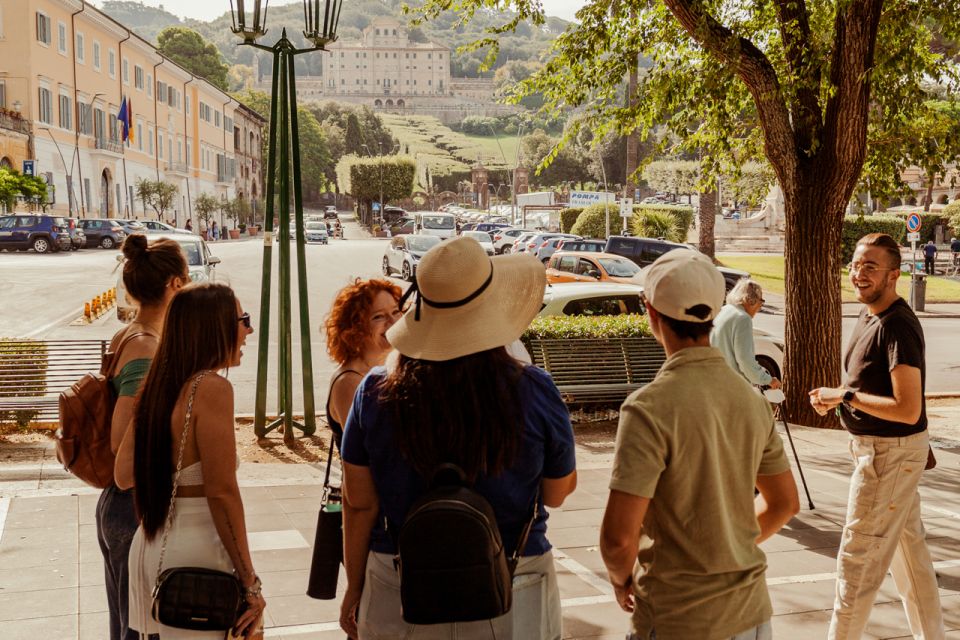
After pickup, you’ll get a brief guided walk through Frascati like a local. Expect charming streets and little views as you move toward the area connected to the wine operation.
Here’s the practical reality: you’ll climb around 100 steps to reach the top of the town, and there’s no elevator. This comes up because Frascati’s viewpoints and wine settings are on higher ground. If you’re traveling with limited mobility, plan for slower pacing or consider whether the stairs will wear you out before dinner.
Even if the steps sound manageable on paper, you’ll feel them more because you’re also walking in town and going underground later.
Inside the family wine cellar: tastings, cave history, and how Frascati works
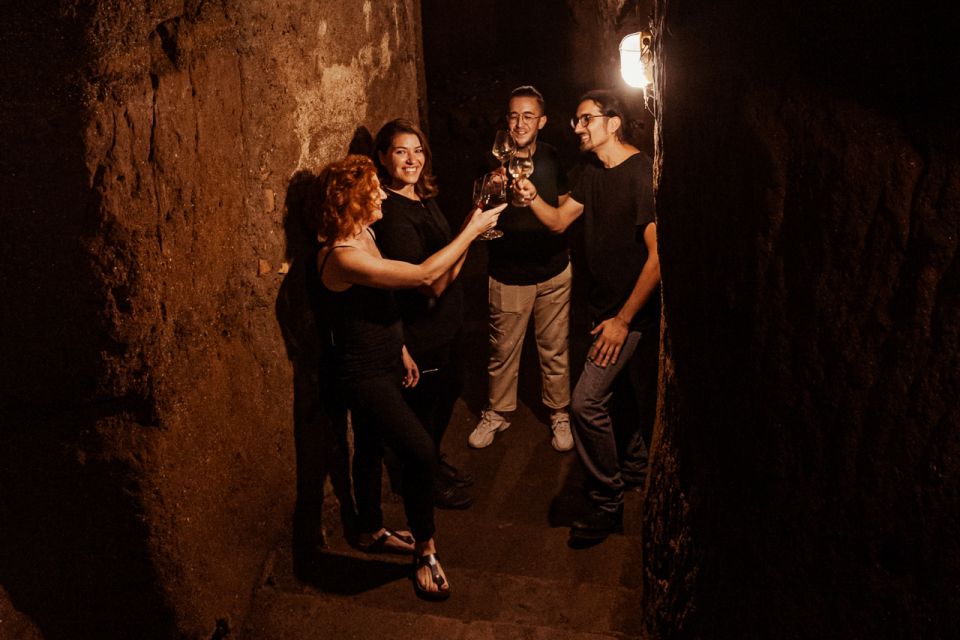
The heart of the experience begins in the wine world. You head to the old cellar connected to the family’s beginnings in Frascati, and you’ll tour the old wine cave where the winemaking started.
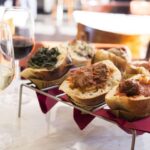
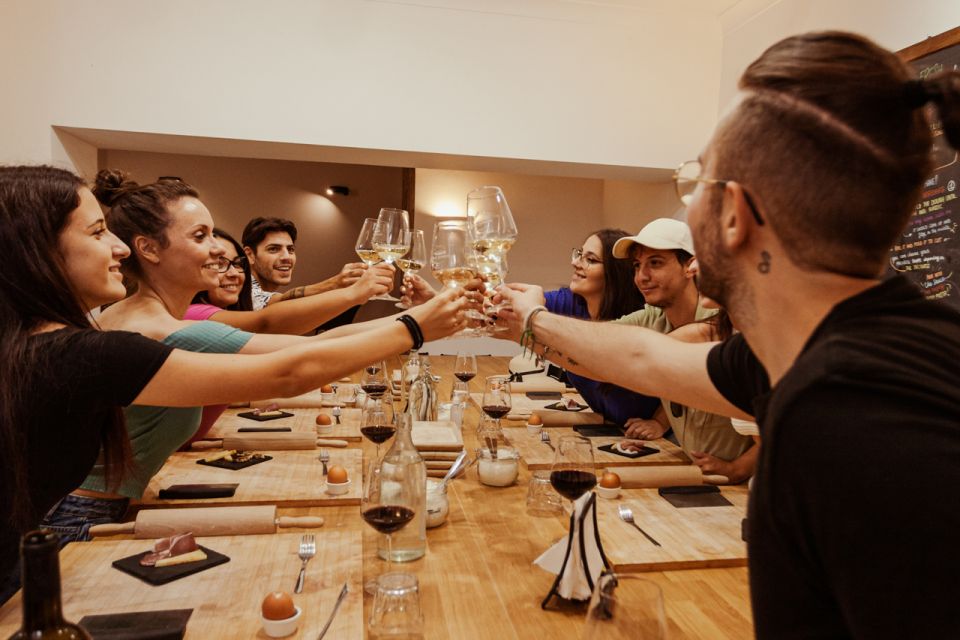
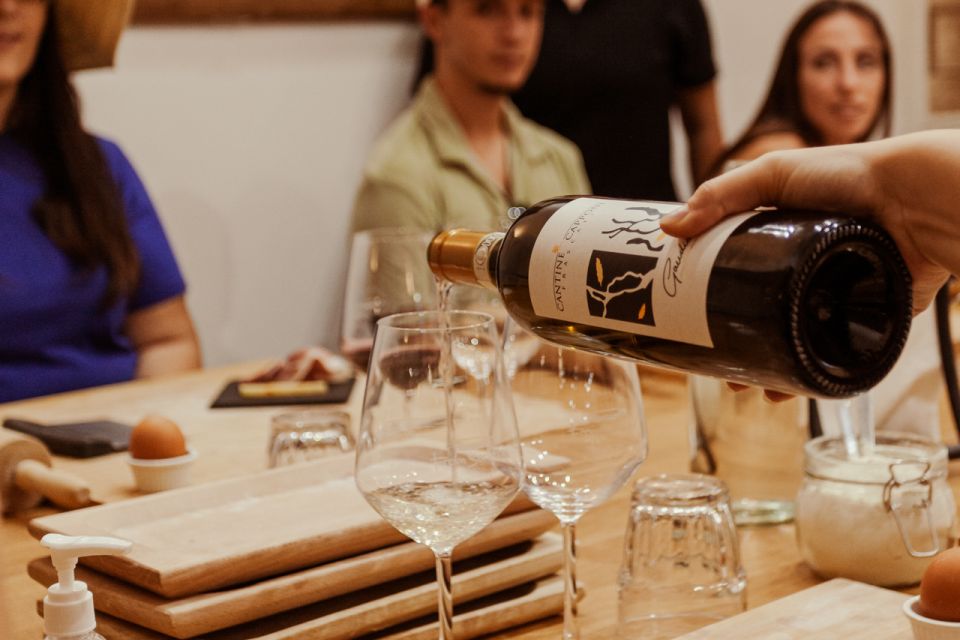
Then comes the part wine lovers remember: the tasting of two types of the family’s wine. The tastings come with snacks paired with the wine, and the food pairings include local items like cheese and cured meats (think salami and mortadella styles, plus cheese). This is one of those “small” details that actually changes the experience—wine makes more sense when it’s tasted with local flavors instead of on its own.
You’ll also see older elements of the wine operation, including old bottles and areas that many visitors never find on their own. One review notes that parts of the underground areas were used as shelter during WWII, which adds extra weight to the visit. Even if you don’t focus on the war story, it helps you understand why the caves matter: they kept wine safe, cool, and protected.
What you’ll likely enjoy most here
You’re not just tasting a product. You’re getting the setting that explains it: the temperature control of caves, the tradition of bottling and aging, and the family story that ties it all to Frascati.
And yes, the wine helps put you in a good mood before pasta. That’s not a marketing line—it’s how most people feel once they’re sitting in a cellar and learning the basics.
You can also read our reviews of more cooking classes in Rome



Making Roman pasta from scratch: dough, shaping, and classic sauces
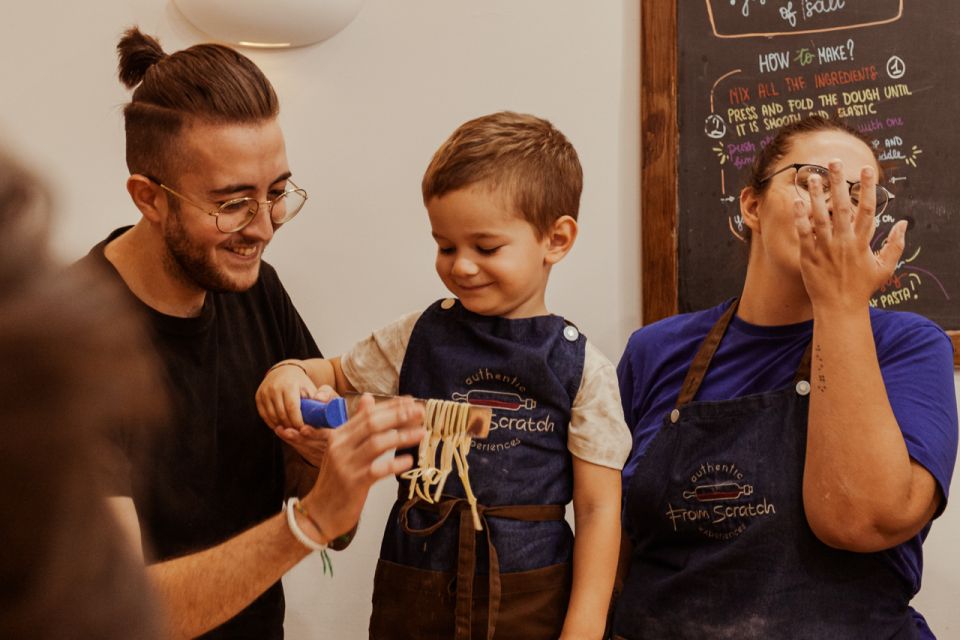
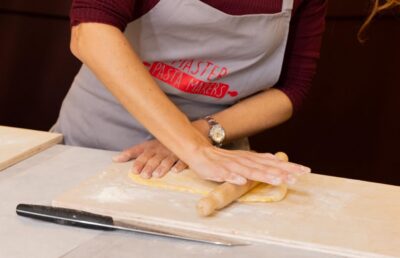
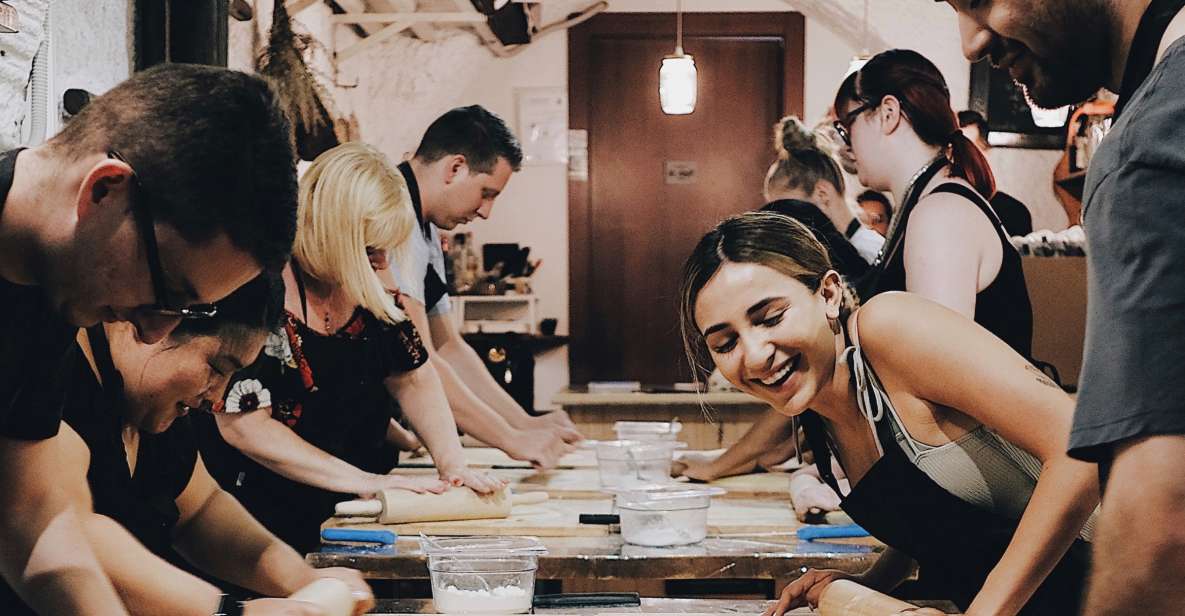
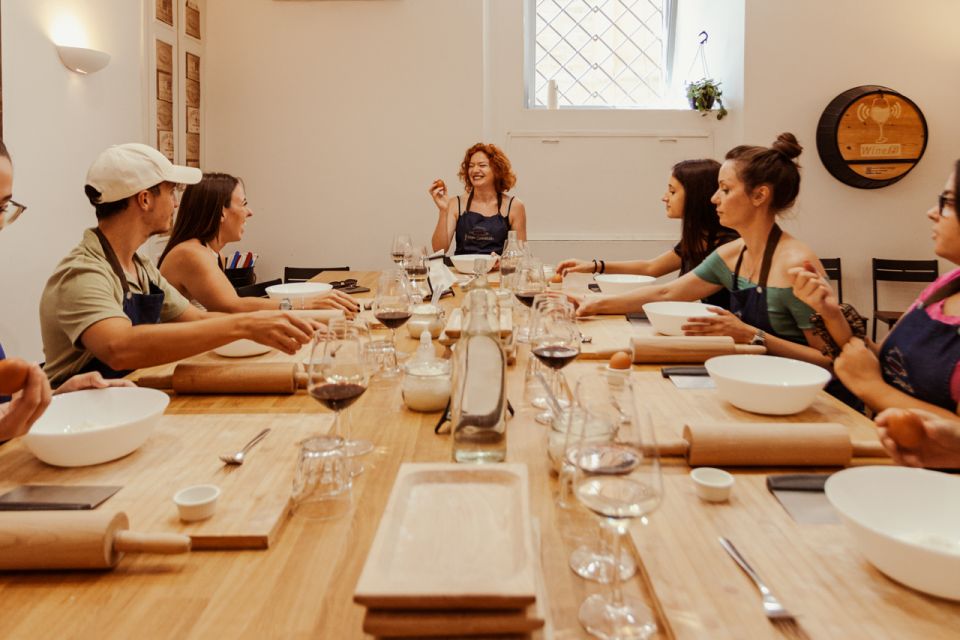
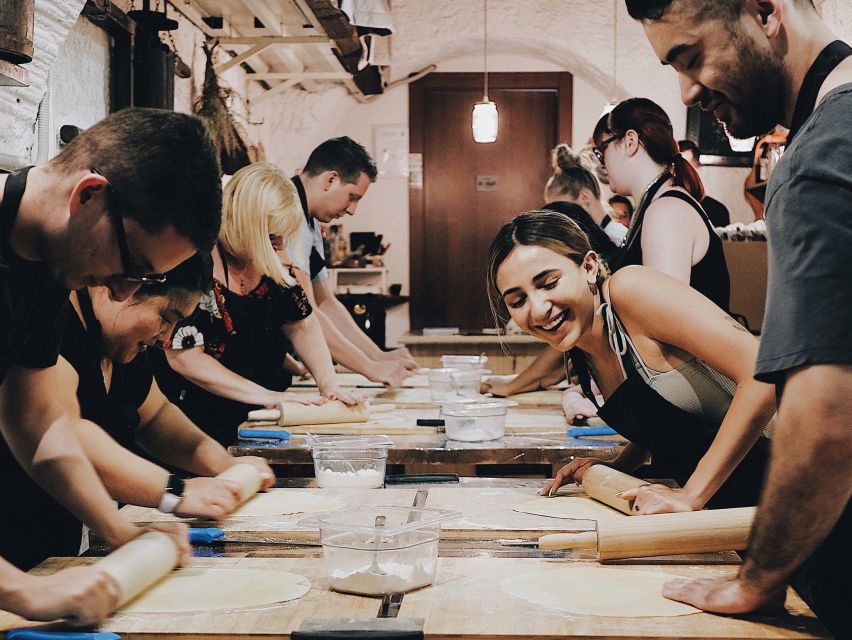
Next is your cooking moment. The pace shifts from listening to doing. All the necessary tools are provided, and you’ll wear an apron before you get to work.
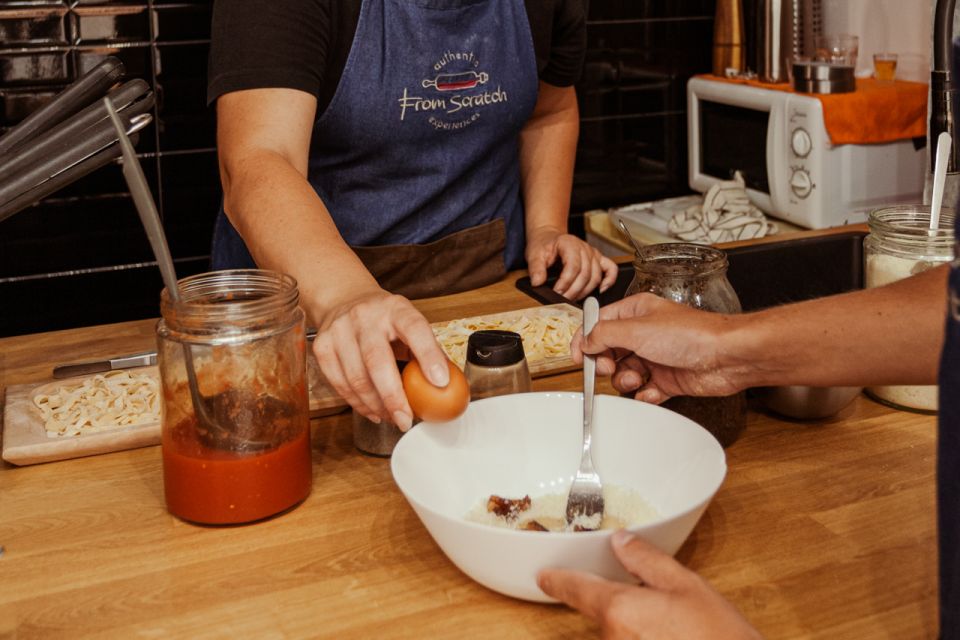
You’ll start by mixing ingredients and making pasta dough yourself. While you knead and work the dough, you’ll be drinking wine (part of the tour’s relaxed, social rhythm). You’re not just learning a recipe—you’re learning the mechanics of how fresh pasta behaves.
Then you’ll choose how you want your pasta served. The class focuses on Roman-style sauces, especially:
- Carbonara
- Cacio e Pepe
- Amatriciana
You’ll learn how these sauces connect to Roman cooking style and how they pair with fresh pasta shapes. Carbonara and friends aren’t just names on a menu here—they’re part of the practical lesson: match the sauce to the kind of pasta you’ve made, cook it properly, and serve it hot enough that the sauce clings the way it should.
The best part for skill-building
The class is built so you leave feeling like you can repeat the process. When you knead, shape, and then eat what you made, you’ll remember the feel of the dough and the timing you need. That’s what makes it more valuable than a one-off tasting.
And if you’re traveling solo, you still get the full hands-on flow. Several solo travelers mentioned they felt welcomed and comfortable, which is a good sign you won’t feel like you’re in the way.
Lunch or dinner in the cellar: eating your pasta, not just watching it
Once your pasta is ready, you’ll be able to enjoy what you made. The experience includes lunch or dinner depending on the timeslot, plus coffee and water.
This is when you’ll notice the payoff of the earlier work. Fresh pasta cooks fast, and it tastes different from dried pasta in a very obvious way. You’ll also understand why Roman sauces are built around simple ingredients done correctly. The flavors feel direct, and the sauce texture sits better on fresh dough.
One detail from real experiences: the pasta portions can be generous, and some people mentioned having leftovers boxed to take away. I can’t promise that for every slot, but it’s a smart move to come ready to eat—and if you think you might not finish, don’t be shy about asking.
Where value shows up
A lot of food tours include a plate at the end. This one includes a skill. That means you’re paying for an experience you can take home: the ability to make pasta and sauce again later, not just the memory of tasting it.
Price and value: why $35 feels fair for what you get
At $35 per person for a 2.5-hour experience, this is priced like a value-focused day out—not a high-end private cooking workshop.
Here’s what’s included:
- Pickup from Frascati Railway Station
- A short walking tour of Frascati
- Equipment to make fresh pasta
- Wine tasting of two family wines
- Snacks paired with the wine
- A visit to the old wine cave
- Coffee and water
- Lunch or dinner (depending on the timeslot)
That package matters because it bundles three costs people usually pay separately in Rome-style travel:
1) getting out to the countryside (train time and local coordination)
2) wine + food pairings
3) a real hands-on class with materials
Extra wine is available to buy, but you’re not required to. You can keep it simple and enjoy the included tasting, then decide if you want more bottles from the family.
If you want a day where you leave with both food satisfaction and a new cooking skill, the math here usually works.
Who should book this pasta and wine day
This is a strong fit if you:
- want a less-touristy alternative just outside Rome
- love practical cooking lessons you can reproduce later
- enjoy wine but don’t want an all-day winery bus tour
- like experiences hosted by a family and rooted in a specific town
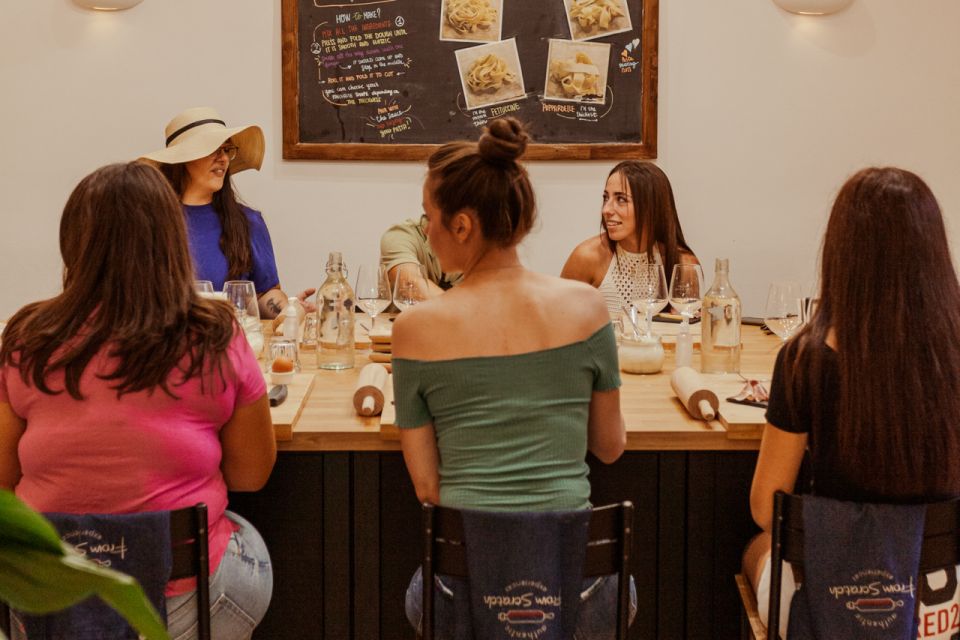
It’s also a decent option for couples and groups because it’s social without feeling chaotic. Several people also mentioned enjoying it with kids, but keep in mind the stairs and the cellar setting.
The main reason to skip (or at least think twice): if 100 steps with no elevator is likely to be difficult for you. The experience is physical enough that you’ll feel it in your legs.
Should you book this Frascati wine and pasta class?
Yes—if you want something more memorable than another meal in Rome. This combines a real wine cave visit, a guided town moment, and a hands-on pasta class where you learn classic Roman sauces and then eat what you made.
Book it if your ideal day includes:
- getting out to Frascati by train
- tasting two family wines with local snacks
- kneading dough and shaping pasta instead of just watching
Skip it if stairs are a hard no, or if you’re not interested in wine at all and you’d rather spend your time elsewhere. For most people, though, this is one of those Rome-region experiences that feels personal, practical, and worth the time you give it.
FAQ
How long is the experience?
The duration is listed as 2.5 hours.
Where do I meet the host?
You meet at Frascati Railway Station. If you reach the restaurant directly, you’ll meet at Corso San Giuseppe Calasanzio 21, Frascati about 20 minutes after the scheduled time.
How do I get to Frascati from Rome?
From Roma Termini, the train ride to Frascati takes about 30 minutes. The guidance is to arrive at Roma Termini at least 20 minutes before your train departs.
Is the class taught in English?
Yes. The instructor is listed as English.
What’s included in the experience?
It includes station pickup, a short walking tour, equipment for fresh pasta, wine tasting (two family wines), snacks paired with wine, a visit to the old wine cave, plus coffee and water and lunch or dinner depending on the timeslot.
Do I need to pay extra for wine?
Extra wine is not included, but you can buy additional wine at the place.
Is lunch or dinner included?
Yes. The experience includes lunch or dinner depending on the timeslot.
Is it accessible for people who can’t do stairs?
The experience notes that you will climb about 100 steps to reach the top of town, and there is no elevator.