REVIEW · ROME
Rome: Pasta Making Class with Wine, Limoncello, and Dessert
Book on GetYourGuide →Operated by Experience in Florence · Bookable on GetYourGuide
Rolling pasta beats another museum stop. In Rome, you learn three fresh pasta shapes step-by-step inside historic Palazzo Grazioli, near the Pantheon and Piazza Venezia. I love how hands-on it is: you knead, roll, and shape with your own dough, then sit down to enjoy what you made at a big shared table. Another highlight for me is the finish, with organic Tuscan wine plus a limoncello shot and dessert, so the class feels like dinner with a chef friend rather than a cooking demo.
One thing to keep in mind: this experience isn’t for everyone. It supports vegetarian diets, but it can’t accommodate vegan, gluten intolerance, or lactose intolerance, and it’s not suitable for wheelchair users or people with mobility impairments.
In This Review
- Key things I’d circle before you book
- Arriving at Palazzo Grazioli: the meeting spot that feels like Rome
- The 3-hour pasta lesson: how your hands get the hang of it
- Getting started: dough, eggs, and flour
- Shaping time: ravioli, tortelli, and fettuccine
- Cooking your work together
- The sauce game: tomato simmer, then butter and sage right before serving
- The dinner moment: wine, limoncello, and dessert in a shared Roman table
- What you take home: the recipe booklet method, not just the memory
- Price and value: does $48 in Rome actually add up
- Dietary and comfort realities: who should book, and who should skip
- Who this is best for (and what kind of trip it fits)
- Practical tips so your class goes smoothly
- FAQ
- Where is the class meeting point?
- How long does the pasta-making class last?
- What pasta types will I learn to make?
- Is the class in English?
- Is the group small?
- What is included with the price?
- Are dietary needs accommodated?
- Is alcohol included, and who can drink?
- Is there a minimum age requirement?
- Can I get a refund if my plans change?
- Should you book this Rome pasta-making class?
Key things I’d circle before you book
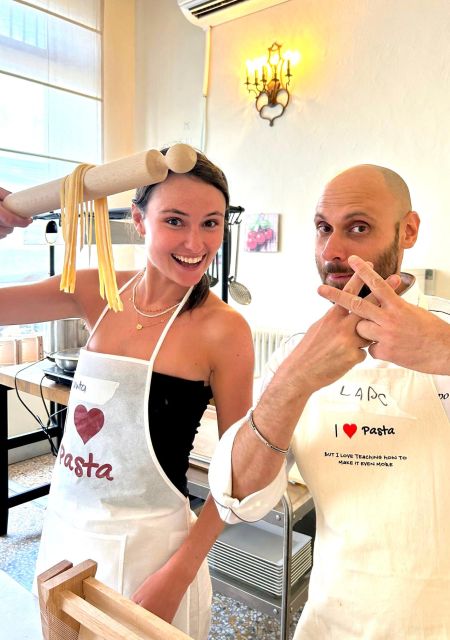
- Pastas you actually make: ravioli, tortelli, and fettuccine (with the ravioli/tortelli typically filled).
- Central location: a short walk from the Pantheon and Piazza Venezia, in Via della Gatta at Palazzo Grazioli.
- Sauce timing that matters: tomato sauce simmers for hours, while the butter and sage sauce is made right before cooking.
- Drinks included: an organic Tuscan wine from Dalle Nostre Mani, plus a limoncello shot.
- Small group feel: limited to 10 participants, taught in English.
- Take-home help: detailed English recipe booklets so you can repeat the method at home.
Arriving at Palazzo Grazioli: the meeting spot that feels like Rome
Your class starts in the heart of Rome, in Palazzo Grazioli, right off Via della Gatta. You’ll come directly to the cooking school at Via della Gatta 14, 00186 Roma, and ring the bell for Pastamania. The entrance is at the back corner of the palazzo, and there’s a famous marble cat statue on the street that gives Via della Gatta its name.
The location is a practical win. You’re close enough to pair this with other sightseeing days without burning half your afternoon crossing town. No hotel pickup is included, so plan to walk or take a short taxi/ride for the last stretch.
Because the group is small, arriving a few minutes early helps. You can settle in, get your apron situation sorted, and be ready when the instructor starts talking dough science and the pace of the class.
You can also read our reviews of more cooking classes in Rome

The 3-hour pasta lesson: how your hands get the hang of it
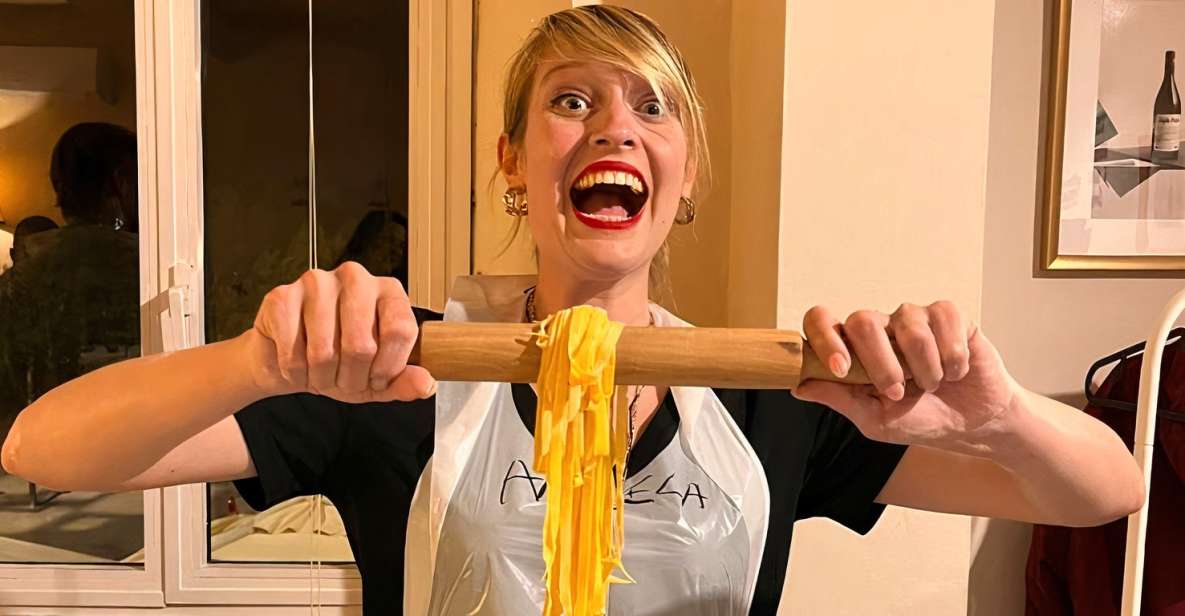
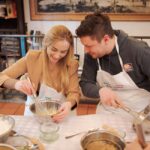
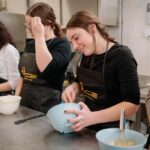
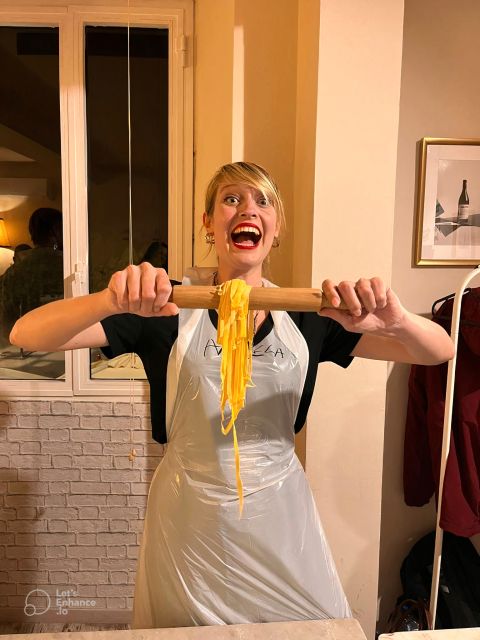
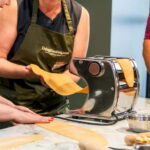
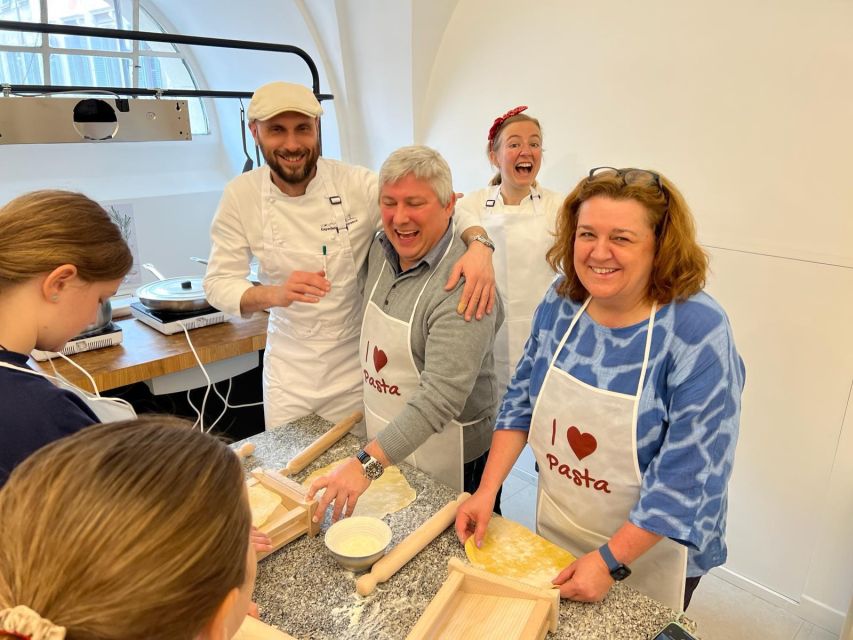
This is a true hands-on class. You’ll learn three pasta types in about three hours, with professional instructors guiding you at each step, not just once at the beginning. The instructors teach in English, and the class stays structured so you don’t end up watching while everyone else works.
Getting started: dough, eggs, and flour
The first part is learning the dough. You’ll mix eggs and flour, knead, and get a feel for how the dough should look and behave. If you’re a total beginner, this is where the class earns its value: you don’t need prior skills, you just need to follow the instructor’s corrections while you’re working.
In many sessions, the instructor’s personality sets the tone. Names I’ve seen connected to these classes include Fabrizio and Noemi, Olga, Giorgio, Christian, and others. Even with different teachers, the pattern is the same: they check in closely, guide your rolling thickness, and tell you when to move forward.
Shaping time: ravioli, tortelli, and fettuccine
Next comes the fun part: shaping.
- Ravioli: typically filled, with a folding/sealing method you practice with your own dough.
- Tortelli: another filled shape, with a similar workflow but its own form and technique.
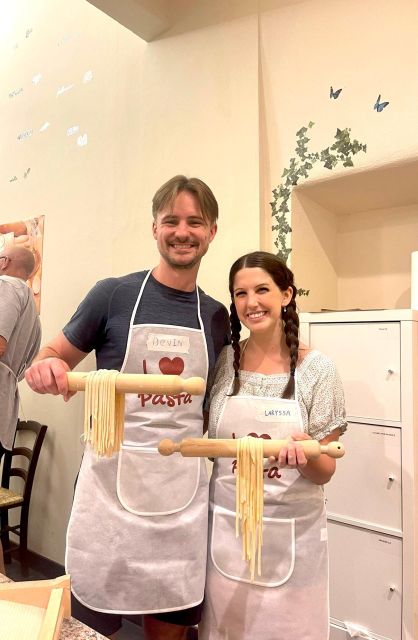
- Fettuccine: rolled and cut into ribbons, so you can compare fresh pasta texture versus what you might expect from dried noodles.
It’s also helpful that the class builds skills in order. If you learn the folding and handling for ravioli and tortelli, fettuccine later feels less intimidating. And when the class is working well, you can see your improvement in real time—your dough gets easier to handle as you gain a little confidence.
Cooking your work together
After you finish shaping, you don’t take everything home raw and hope for the best. The class cooks everything together in the same pot, like a shared meal. That matters because it keeps timing consistent, and it means your finished plates are as good as the cooking method.
An instructor cooks the pasta for you as well, so you still get that final professional touch. Several people specifically call out that the cooking turned out perfect after they made the dough themselves.
You can also read our reviews of more wine tours in Rome

The sauce game: tomato simmer, then butter and sage right before serving
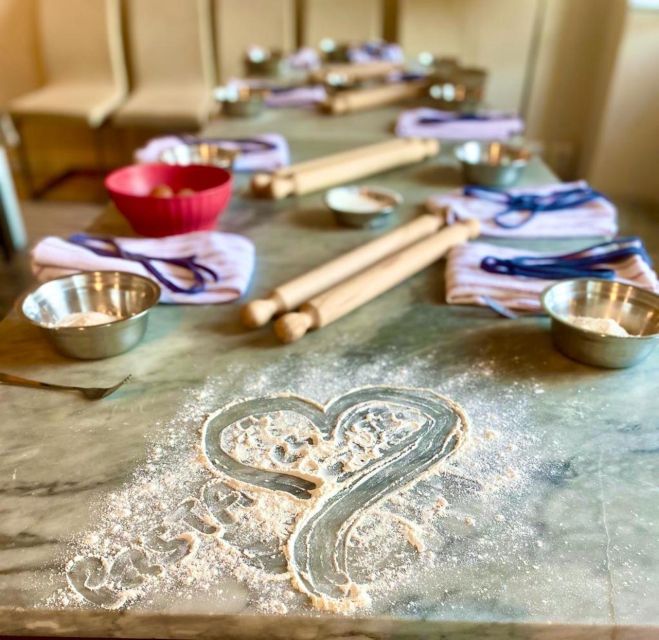
Fresh pasta can be good even with simple sauce. What makes this class feel Roman is how intentional the sauces are.
You’ll get to watch a signature tomato sauce that simmers for hours in advance. That slow cook isn’t a random waiting period; it’s what builds depth in a sauce that can cling to pasta instead of tasting flat or watery.
For the ravioli and tortelli, the class uses a butter and sage sauce. The key detail is timing: the sauce is prepared right before it goes with the pasta. That keeps the sage aromatic and the butter tasting fresh instead of heavy.
This is also where you learn something useful for later. A lot of home cooks under-season or rush sauce timing. In class, you see the difference between a sauce that’s been cooked patiently and one that’s made last-minute for flavor punch.
The dinner moment: wine, limoncello, and dessert in a shared Roman table
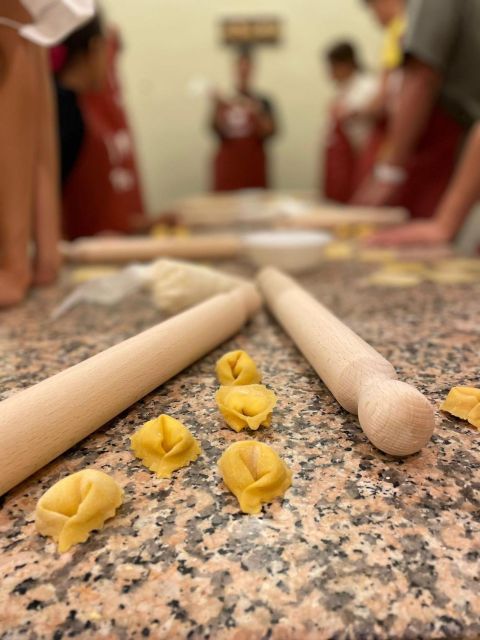
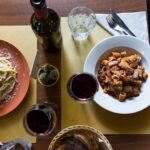
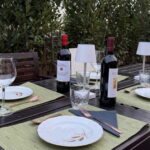
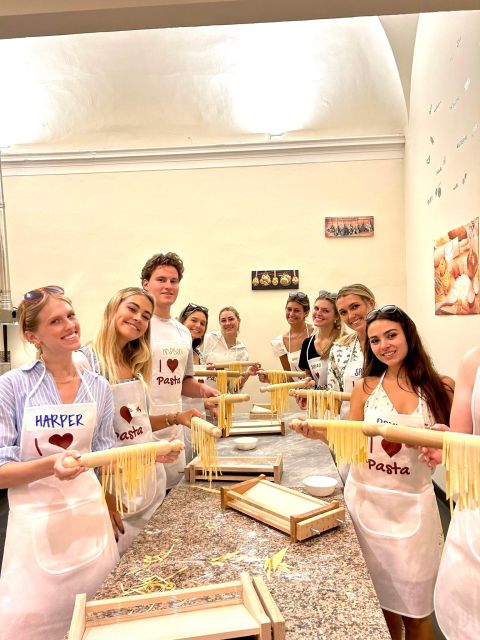
When you’re done cooking, you sit down and eat with the group at a big communal table. This isn’t quiet and stiff. You chat while you eat, and the meal turns the lesson into a social evening.
The included wine is an organic Tuscan wine from Dalle Nostre Mani, produced on their own farm. It’s served alongside your pasta, and since the class is small, you actually get to talk with the people next to you. Several people note how easy it is to connect, and how the conversation is part of why the experience sticks in memory.
After pasta comes the finish:
- a shot of limoncello
- and dessert (cake is mentioned, and one guest even noted a chocolate salami-style treat as part of the sweet end)
If you don’t drink, you should still be able to join in. One review mentions there were alternatives available for people who didn’t want alcohol, though the general rule is that wine is served only to participants of legal drinking age. Either way, the class isn’t just about getting a buzz; it’s about the full meal arc from pasta to sweet finish.
What you take home: the recipe booklet method, not just the memory
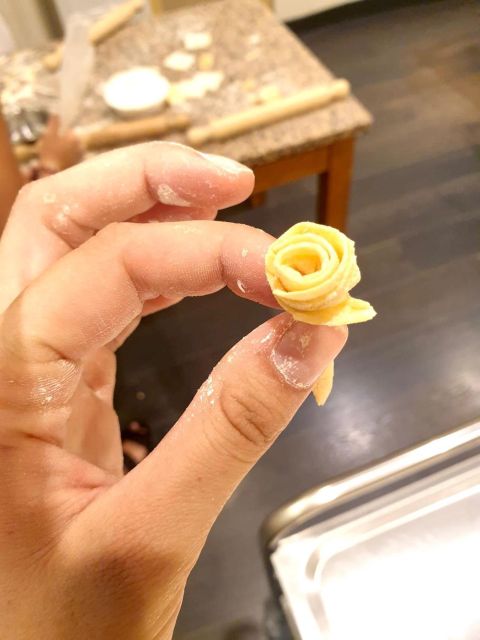
The best classes help you repeat the results. Here, you get detailed English recipe booklets, so you can recreate the pasta process later without guessing measurements or order of steps.
I like how the lesson teaches technique you can reuse:
- dough consistency you can aim for
- how to roll without tearing
- how to handle filled pasta
- and how to pair pasta with sauce that makes sense for the shape
Also, because you make three pastas, you’re not stuck with one trick. You come away knowing when to choose a filled shape versus ribbons, and you understand the role of sauce timing (hours simmer versus last-minute finishing).
Price and value: does $48 in Rome actually add up
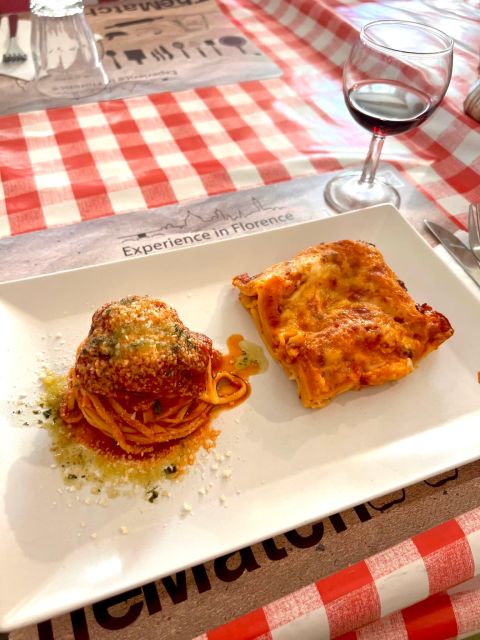
At $48 per person for about three hours, this isn’t a “cheap” activity in the sense of bargain shopping. But it’s strong value for what’s included.
You’re getting:
- instruction from a professional chef/instructor in English
- ingredients and hands-on teaching to make pasta from scratch
- the meal you eat, using what you made
- an organic Tuscan wine
- dessert
- and a limoncello shot
- plus take-home English recipe booklets
In Rome, cooking classes can balloon in price fast, especially if they include food and drinks. Here, the price lines up with a full experience that starts with dough and ends with a proper dessert-and-digestif finish. You’re also in a small group (up to 10), so the instructor-to-student time is part of the value, not a marketing claim.
Dietary and comfort realities: who should book, and who should skip
This class is friendly for many people, but not everyone.
Vegetarian options are available, and other diets are supported if you tell the provider your needs when booking. That’s a good sign for flexibility.
But there are clear no-go categories:
- vegan is not accommodated
- gluten intolerance is not accommodated
- lactose intolerance is not accommodated
- people with nut allergies are not accommodated
And on the comfort side, it’s not suitable for wheelchair users or people with mobility impairments. Pasta-making typically means standing, moving around, and working close to prep surfaces.
What I’d do if you’re on the edge: message your specific dietary restrictions early. The class can only support what the provider has set up, and they ask you to inform them in advance.
Who this is best for (and what kind of trip it fits)
This works beautifully if you want something different from church façades and line-ups. It’s a hands-on food activity in the middle of a sightseeing-heavy city.
It’s a great match for:
- couples looking for an evening plan that feels special but not fussy
- groups of friends who want a shared activity with a meal at the end
- families with kids age 8 and up
- students or food lovers who want a practical skill, not just a taste
- even corporate teams, since the format is social and structured
If you’re the type who learns by doing, you’ll like this. If you want a silent photo-op activity, you might find it less your style.
Practical tips so your class goes smoothly
A few small choices can make a big difference:
- Wear comfortable clothing suitable for cooking. Pasta dough is messy in the best way.
- Plan to arrive at the meeting point in Via della Gatta 14 and ring the bell at Pastamania at the back corner of Palazzo Grazioli.
- Come hungry, because you’re making and then eating a full meal.
- If you don’t drink alcohol, let them know. Wine is included, but the class still centers on the pasta and food.
One more practical detail: smoking isn’t allowed during the experience.
FAQ
Where is the class meeting point?
Come directly to the activity provider’s cooking school in Via della Gatta 14, 00186 Roma and ring the bell at Pastamania.
How long does the pasta-making class last?
The class duration is 3 hours.
What pasta types will I learn to make?
You’ll learn to make three fresh pasta types: ravioli, tortelli, and fettuccine.
Is the class in English?
Yes, the instructor teaches in English.
Is the group small?
Yes. The group is limited to 10 participants.
What is included with the price?
The class includes the pasta-making session, instructors, meal, Tuscan wine, dessert, and a shot of limoncello.
Are dietary needs accommodated?
Vegetarian and other diets are supported if you inform the provider when booking. Vegan, gluten intolerance, lactose intolerance, and nut allergies are not accommodated.
Is alcohol included, and who can drink?
Tuscan wine and limoncello are included. Wine is served only to participants of legal drinking age.
Is there a minimum age requirement?
Participants must be at least 8 years old.
Can I get a refund if my plans change?
Free cancellation is available up to 24 hours in advance for a full refund. There’s also a reserve now and pay later option.
Should you book this Rome pasta-making class?
If you want a hands-on food experience that also gives you a full dinner-style ending, I’d book it. The value is in the combination: you make three pastas, you eat what you produced, and the evening includes wine, limoncello, and dessert in a small group near major Rome sights. Just double-check your dietary needs first, and if accessibility is an issue for you, this one may not be the right fit.