REVIEW · ROME
Rome: 3-in-1 Fettuccine, Ravioli, and Tiramisu Cooking Class
Book on GetYourGuide →Operated by Eat and Walk Italy · Bookable on GetYourGuide
Rome tastes better when you make it. I love the hands-on pasta dough practice and the fact that tiramisu comes first, so you’re not waiting forever for the best part. The only real downside is that the pace can feel a bit fast if you like to take your time.
This 3-hour Rome cooking class is set in the center of town at Restaurant Gusto, taught in English, and built around tasting what you make. You’ll finish with a full plate meal plus a glass of wine and limoncello or coffee, which turns the workshop into a proper Italian sit-down—not just a demo.
In This Review
- Key things I’d pin on your planning map
- Where you meet in Rome (and why location matters)
- Tiramisu first: the sweet warm-up that sets the mood
- Fettuccine from scratch: dough practice that pays off later
- Ravioli: learning fillings by season (not just memorizing)
- The wine-and-limoncello finish: your meal as the final lesson
- Price and value: is $81 really fair for 3 hours?
- How to get the best results in your class
- Who this is best for (and who might want a different plan)
- Should you book Rome: 3-in-1 Fettuccine, Ravioli, and Tiramisu?
- FAQ
- How long is the Rome cooking class?
- Where does the class meet?
- What dishes will I make?
- What sauces and components are included?
- What drinks are included with the meal?
- Is the instruction available in English?
- Is the class wheelchair accessible?
- Is it suitable for children?
- Are pets allowed?
- Can I cancel for a refund?
Key things I’d pin on your planning map
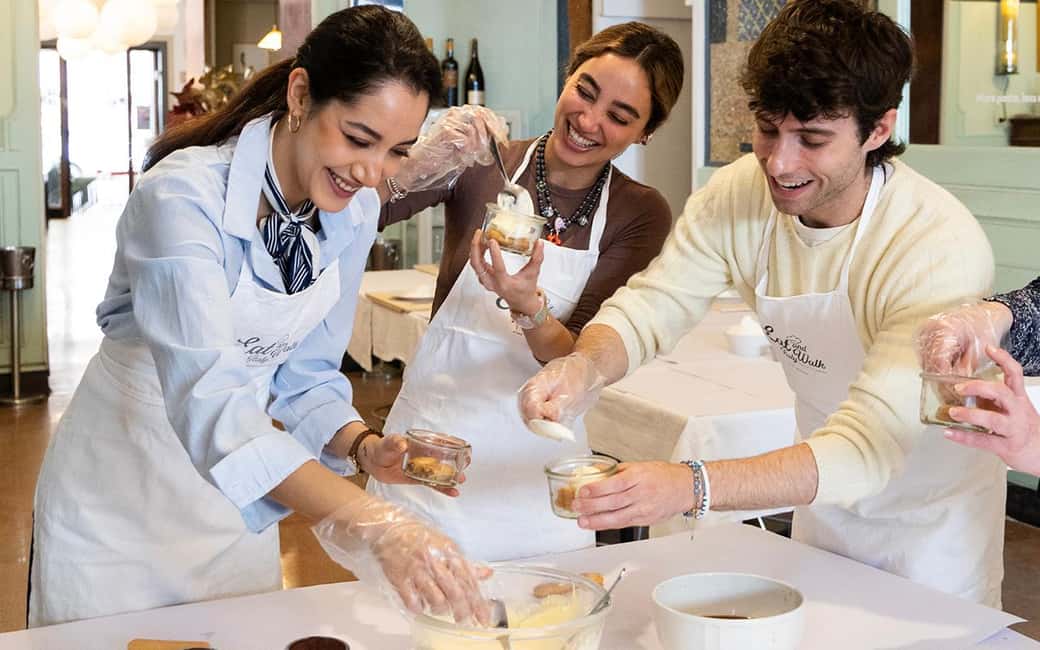
- You make three core dishes: fettuccine, ravioli, and tiramisù, all from scratch
- Tiramisu starts the clock, then the workshop switches to pasta dough and shapes
- Sauce choices actually matter: tomato and basil, cacio e pepe, or amatriciana for the fettuccine
- Ravioli ends with butter and sage, so you’re not guessing what goes with it
- You eat what you made, with wine plus limoncello or coffee
Where you meet in Rome (and why location matters)
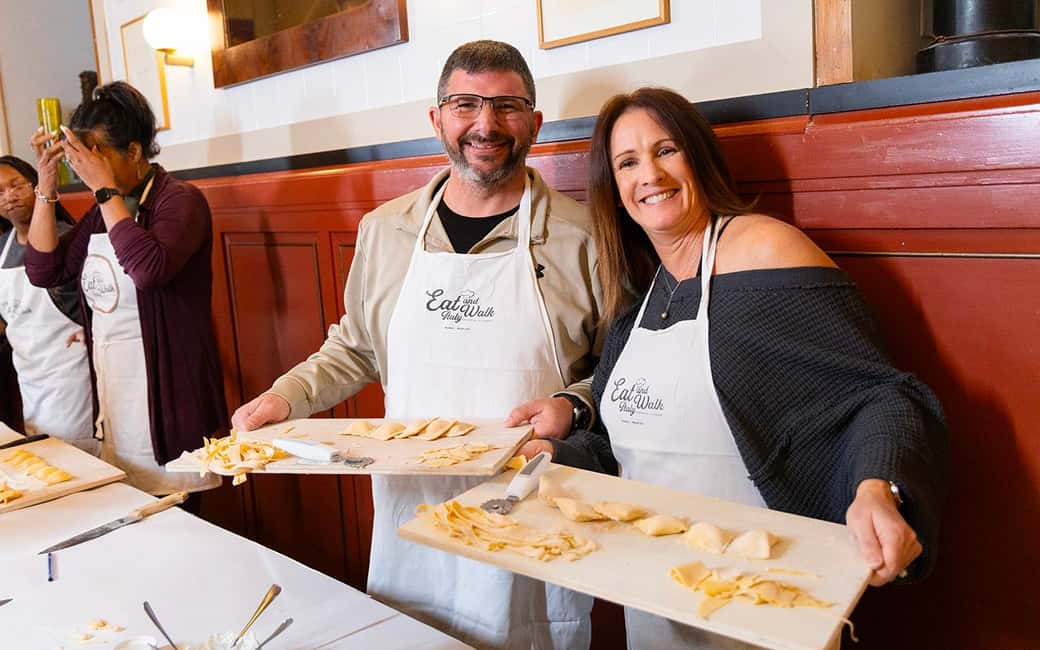
You’ll meet at Restaurant Gusto in Via Giuseppe Zanardelli 14, right in the heart of Rome. That central setup is more than convenient. It keeps the class from feeling like a full-day project, and it makes it easy to tack onto sightseeing before or after.
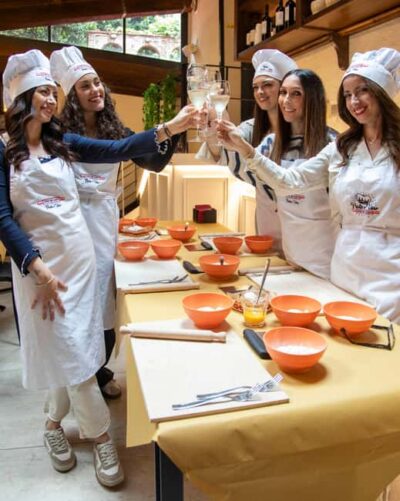
I also like that you’re in a restaurant setting rather than some far-flung studio. You’re cooking in a real-food environment, then you sit down to eat. That rhythm—work, then meal—makes the whole experience feel complete.
One more practical note: this class is taught in English, so you won’t be stuck translating or guessing during key moments. And the workshop is wheelchair accessible, which is a big plus if you’re traveling with mobility needs.
You can also read our reviews of more cooking classes in Rome


Tiramisu first: the sweet warm-up that sets the mood
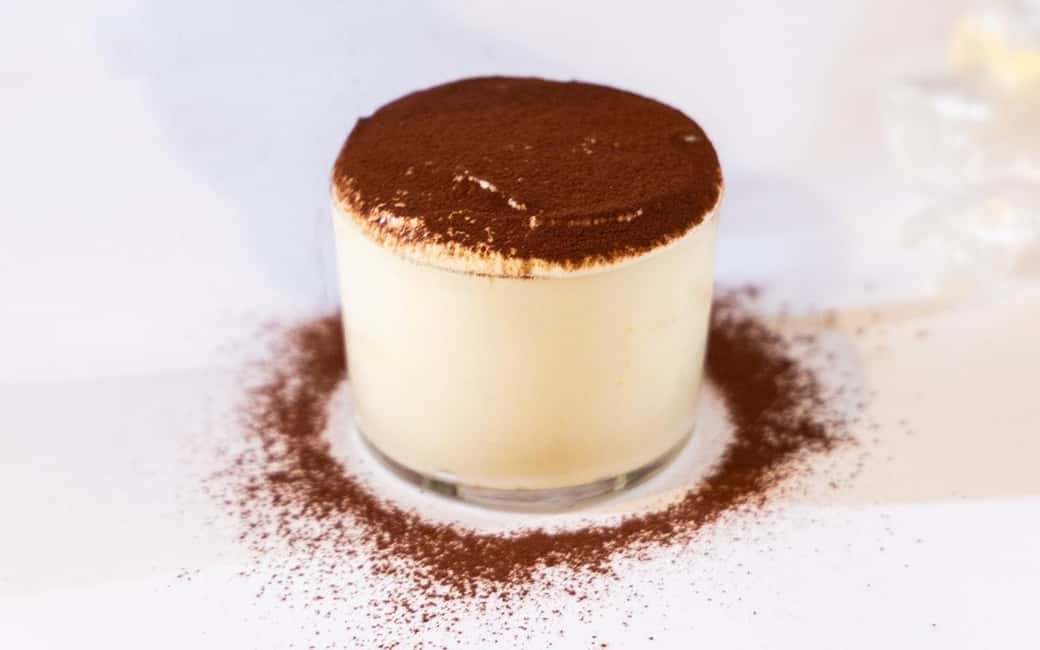
Most cooking classes in Rome start with pasta, because pasta is the headline. This one flips the order: you learn tiramisù right away, then move into the savory work.
That choice is smart for two reasons. First, dessert tends to lower everyone’s stress level—you’re not already tired from rolling dough when you start. Second, it gives you a quick win before you tackle the part that takes more hand strength and timing.
You’ll learn the basics of making traditional Italian tiramisù as part of the workshop, and you’ll take that know-how home with you. Even if you think you already make tiramisù, this kind of chef-led approach usually corrects little details—like texture, layering logic, and timing—without turning the class into a rigid lecture.
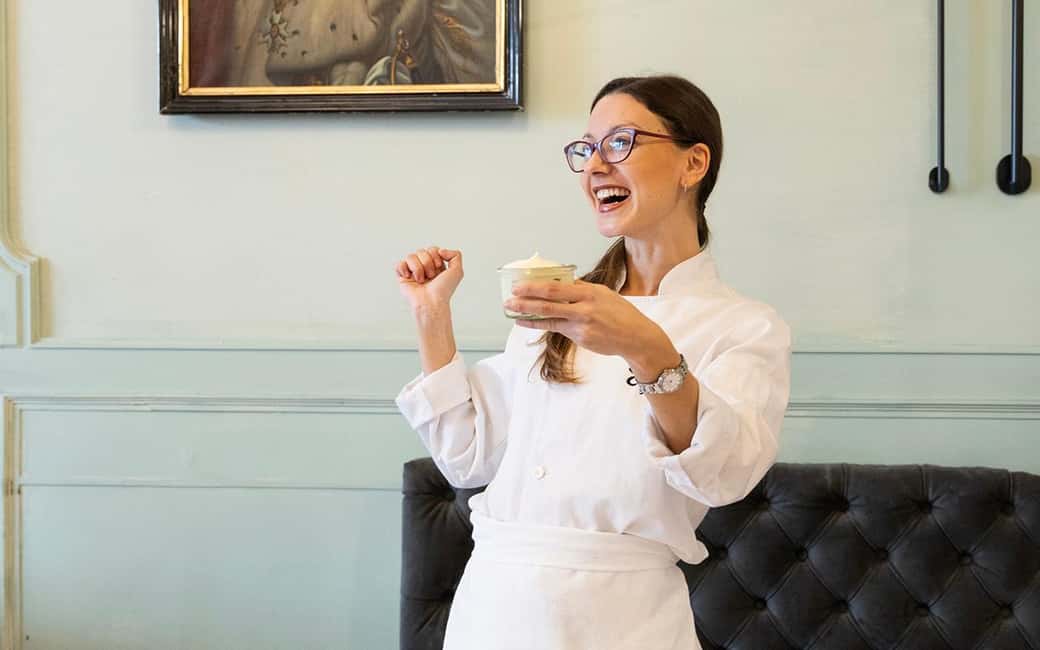
In the room, the best sessions feel relaxed but attentive. In past groups, instructors like Lori and Maria have been called out for clear explanations and keeping everyone involved, so you’re not left standing around.
Fettuccine from scratch: dough practice that pays off later
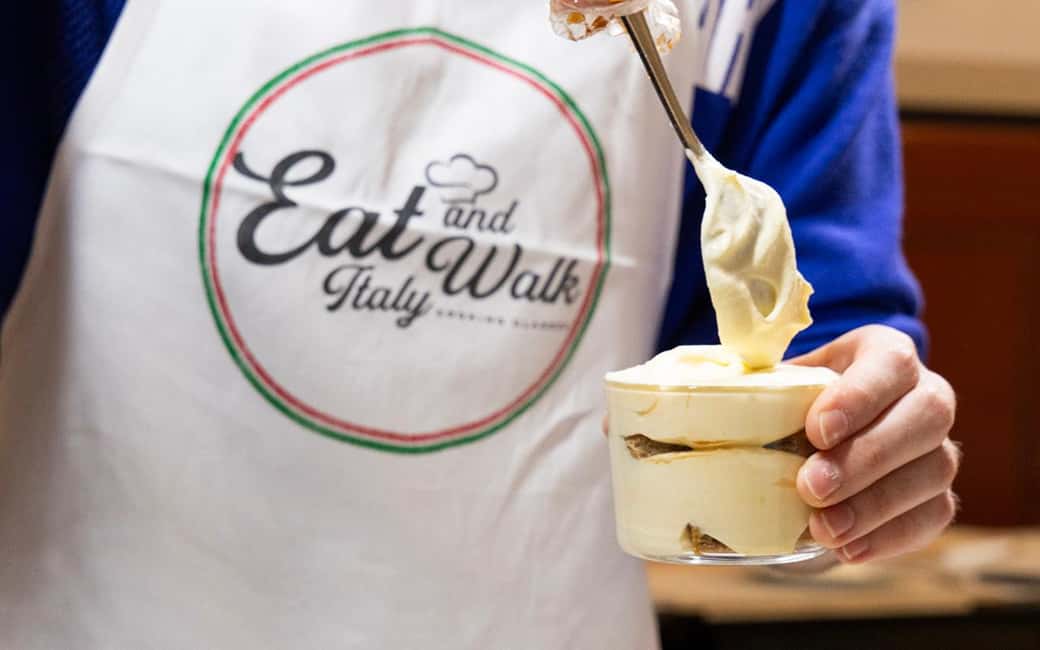
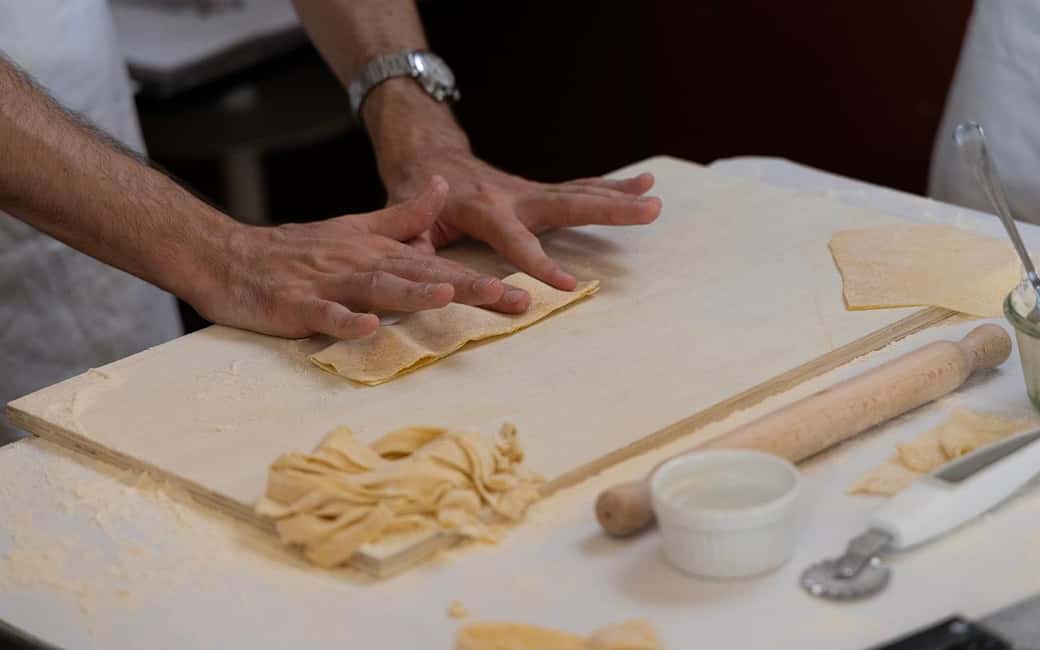
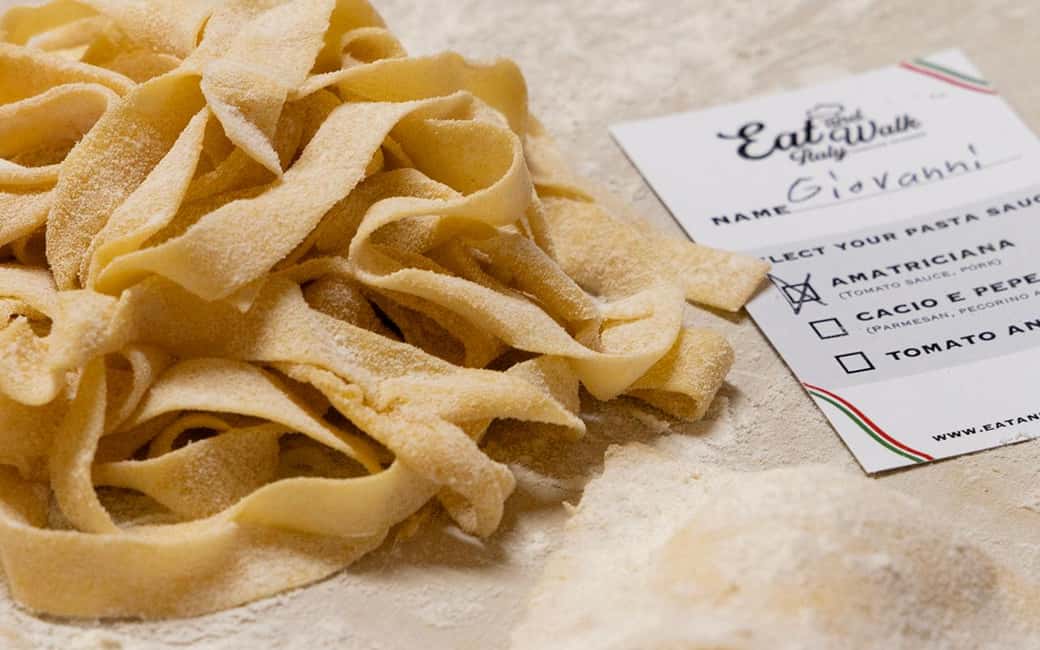
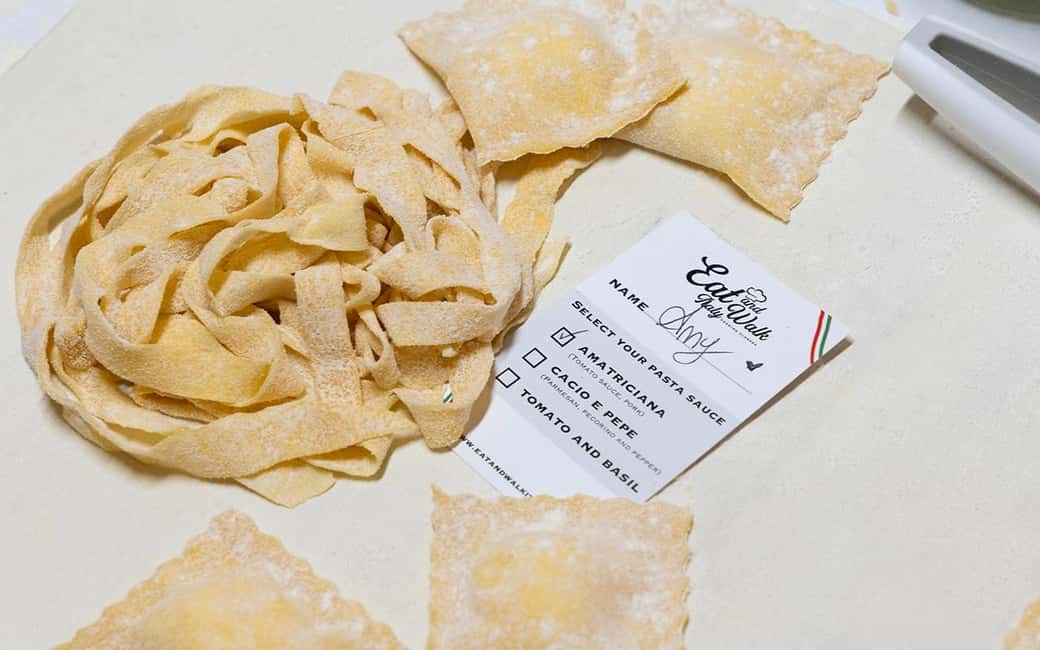
Once the tiramisù foundation is underway, the class shifts to pasta. You’ll learn to make fettuccine from scratch, starting with the pasta dough.
The goal here isn’t just to produce noodles. It’s to understand how the dough behaves—how it should feel while you work it and how to handle it so you can shape it without tearing or going too thick. That’s the part you’ll actually use back home, long after the recipe card is filed away.
For the sauce, you get a real choice:
- tomato and basil
- cacio e pepe
- amatriciana
That matters because each sauce is built on a different flavor logic. If you’re the type who cares about pairing, you’ll leave knowing how to match a sauce style to the pasta. And if you’re not picky, you’ll still be happy, because all three options are classic Italian comfort: simple ingredients, strong flavor payoff.
If your instructor is someone like Mattia or Leo (names that show up often), you can expect the class to stay moving while still getting hands-on help. The reviews repeatedly point to instructors checking on people individually when needed—especially when group members have different skill levels.
Ravioli: learning fillings by season (not just memorizing)
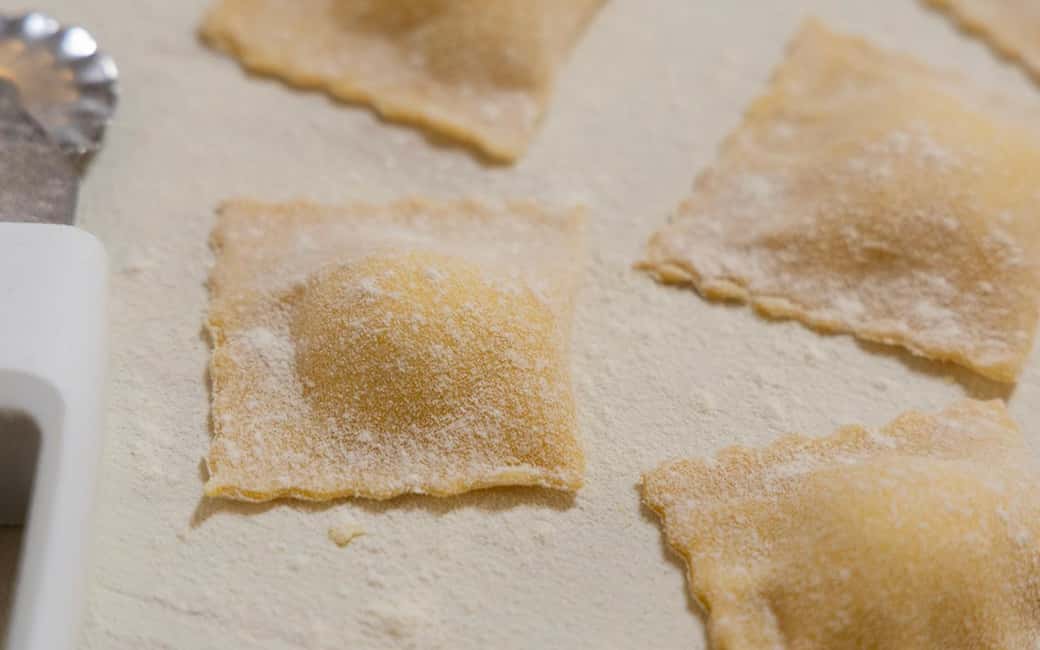
Then comes ravioli—hands-on, shaped by you, and finished with a sauce. You’ll learn how to prepare ravioli dough and how to work with fillings. The workshop also teaches which fillings work best by season, which is a helpful Italian cooking habit.
That season-based idea is the real advantage. Most people don’t fail at ravioli because they can’t fold. They fail because they choose fillings that don’t taste like the time of year. So the chef’s guidance helps you build a mindset, not just a one-off recipe.
For the end result, ravioli in this class is served with butter and sage. Simple, but not boring. Butter and sage is one of those combinations that makes homemade pasta taste like it came from a trattoria—especially when your ravioli are actually sealed well and cooked properly.
Also, group classes can be surprisingly welcoming. In one session, a teen group reportedly started skeptical and ended up enjoying it. That’s usually a sign the instructor keeps the lesson practical and the atmosphere light, not stiff or show-off.
The wine-and-limoncello finish: your meal as the final lesson
After you cook, you eat. This is a key part of the experience: you sit down and taste what you made, not just get a snack and a pat on the back.
You’ll get a glass of wine or a non-alcoholic beverage. Then you’ll also receive a glass of limoncello or coffee. That turns the workshop into a real Roman evening-in-a-box: you work with your hands, then you relax with something you’d actually order with dinner.
A small heads-up from real feedback: a couple people noted oddities like wine being served warm, so your best bet is to treat the drinks as part of the included experience, not as a flawless bar menu. Still, the overall value is strong because the food is the centerpiece and the meal is included with your class.
The most common praise pattern is that the instructors keep everyone engaged to the end, so you leave with a plate you can feel proud of. Names that come up frequently include Carlotta, Lori, Maria, Mimi, Tommy, and Valentina, and the emphasis in those sessions is consistently on hands-on guidance and a fun, friendly tone.
You can also read our reviews of more tours and experiences in Rome
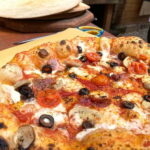
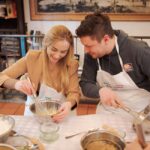
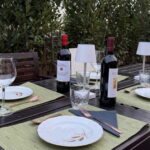
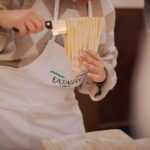

Price and value: is $81 really fair for 3 hours?
$81 per person for a 3-hour Rome cooking class sounds like a splurge until you break down what you’re actually getting.
You’re paying for:
- hands-on instruction in English
- three dishes made from scratch (fettuccine, ravioli, tiramisù)
- specific included components and sauce options
- a full meal you eat at the end
- a glass of wine or a non-alcoholic drink
- limoncello or coffee
For many visitors, that’s comparable to what you’d spend on dinner plus wine in central Rome. But the big difference is that this doesn’t just feed you—it teaches you how to recreate the flavors at home. If you care about taking home skills, not just souvenirs, the price starts to make sense fast.
And because it’s only 3 hours, you’re not paying for a half-day tour with endless waiting. It’s structured around doing work, tasting the results, and leaving with something useful.
How to get the best results in your class
Here’s how to make this workshop feel smooth instead of stressful.
First, show up ready to cook. The dough work and shaping take focus. If you arrive hungry, pacing issues can feel worse; if you arrive a little calmer, the same pace feels doable.
Second, be ready to ask questions. The class structure is hands-on, so the best learning happens when you speak up during trouble spots—like when a dough is too sticky or when you’re unsure about sealing ravioli.
Third, lean into the sauce choices. Pick the one you’ll want at home on a random weeknight. If you choose cacio e pepe, you’re essentially learning a workflow for a cheese-and-pepper style dish. If you choose amatriciana, you’re stepping into a pork-and-tomato vibe. Either way, you’ll have a clear flavor path to remember.
Finally, plan your timing around it. This is a short block of time in a busy city. If your next stop is too tight, you might feel rushed after dinner.
Who this is best for (and who might want a different plan)
I think this class works especially well for:
- couples who want a shared activity with a satisfying payoff
- food lovers who want real technique, not a lecture
- visitors who want something different from churches and ruins
- groups where at least one person wants to try pasta making seriously
It’s also a good pick if you’re traveling with teens. The best sessions are structured so even skeptical eaters end up enjoying the final meal.
What about drawbacks? If you’re someone who hates interactive cooking or expects a slow, sit-back experience, you may feel the pace. A small number of people have described feeling a bit rushed. You should still consider it, but go in with the mindset that this is a workshop with momentum.
Kids under 4 aren’t suitable, and pets aren’t allowed. If you’re traveling with young children, check that the age requirements fit your group.
Should you book Rome: 3-in-1 Fettuccine, Ravioli, and Tiramisu?
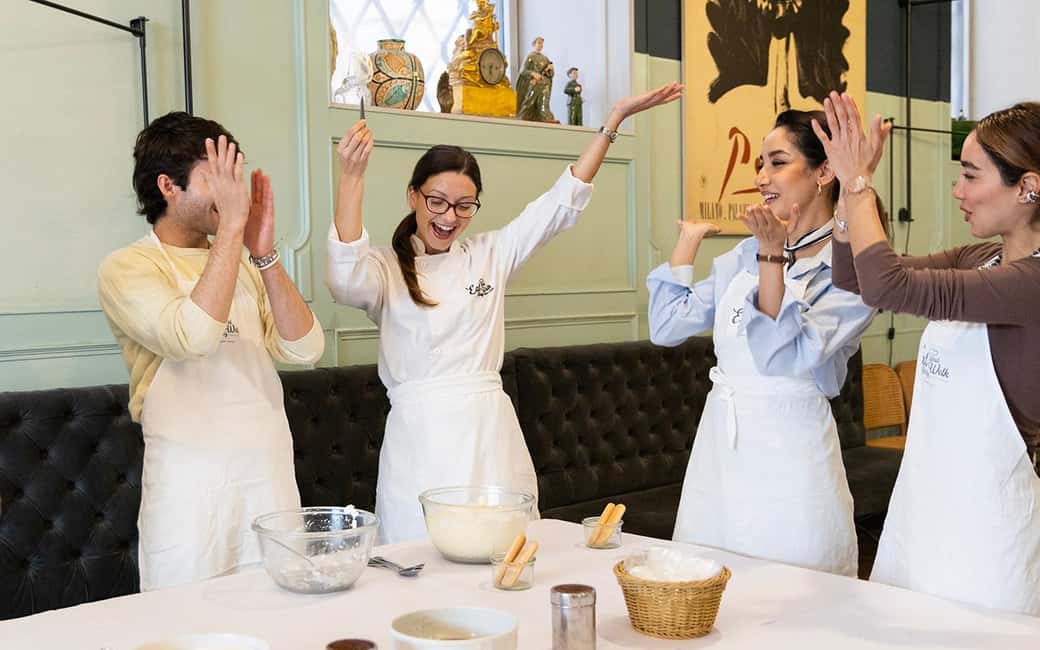
Yes, I’d book it if you want a practical, hands-on Rome experience with a real dinner at the end. The biggest strength is the combination: three classics in three hours, taught in English, with included wine and limoncello so you truly get to sit and enjoy the results.
If you’re nervous about cooking, don’t be. The class is built for guided participation, and many instructors are praised for patient coaching and keeping groups involved all the way through. If you’re worried about pace, just be mentally prepared for a working session, not a leisurely cooking club.
If you want a memorable Rome activity that doesn’t end with photos but ends with skills and a full plate of pasta, this one fits.
FAQ
How long is the Rome cooking class?
The class lasts 3 hours.
Where does the class meet?
The meeting point is Restaurant Gusto, Via Giuseppe Zanardelli 14.
What dishes will I make?
You’ll make fettuccine, ravioli, and tiramisù.
What sauces and components are included?
For the fettuccine you can choose among tomato and basil, cacio e pepe, or amatriciana. The ravioli are served with butter and sage.
What drinks are included with the meal?
You’ll have a glass of wine or a non-alcoholic beverage, plus a glass of limoncello or coffee. Water is also included.
Is the instruction available in English?
Yes, the instructor is listed as English-speaking.
Is the class wheelchair accessible?
Yes, it’s described as wheelchair accessible.
Is it suitable for children?
It isn’t suitable for children under 4 years.
Are pets allowed?
No, pets are not allowed.
Can I cancel for a refund?
Free cancellation is available up to 24 hours in advance for a full refund.