REVIEW · ROME
Rome: Combo Pizza and Pasta Cooking Class with Wine
Book on GetYourGuide →Operated by Once in Rome Authentic Experiences · Bookable on GetYourGuide
Pizza dough and wine in the open air—yes, please. In about 3 hours, you’ll make Neapolitan pizza dough and fresh pasta step-by-step, with unlimited white and red wine keeping the meal friendly and relaxed. One heads-up: this is an excursion outside central Rome, starting at metro Laurentina and ending back there, so plan a bit more time than a walk-up activity.
What I really like is the human teaching style. Instructors such as Giuseppe, Eduardo, and Alessandro coach you through dough feel, shaping, and wood-oven timing, and the group vibe is built for families and first-timers. You’ll even get a recap document so the techniques don’t vanish the moment you’re back in your own kitchen.
In This Review
- Key Highlights You’ll Care About
- Finding Laurentina Metro And The Shuttle Rhythm Out Of The City
- Wood-House Countryside Kitchen: The Setting That Makes Food Feel Bigger
- Meet Your Chefs: How The Teaching Actually Works
- Pizza From Scratch: Neapolitan Dough To Wood-Fired Oven Timing
- Fresh Pasta With Three Dough Styles And Classic Shapes
- The Meal Pace: Unlimited Wine Without Turning It Into a Party
- Tiramisu And Limoncello: The Finish That Feels Proper
- What You Take Home: Techniques, A Recap Sheet, And Real Confidence
- Who Should Book This Pizza And Pasta Class
- Should You Book It? My Honest Take
- FAQ
- Where is the meeting point in Rome?
- How long is the class?
- Is wine included?
- What are the age rules?
- Is round-trip transport included?
- What do I make during the class?
- Does the class include dessert and a finale?
Key Highlights You’ll Care About
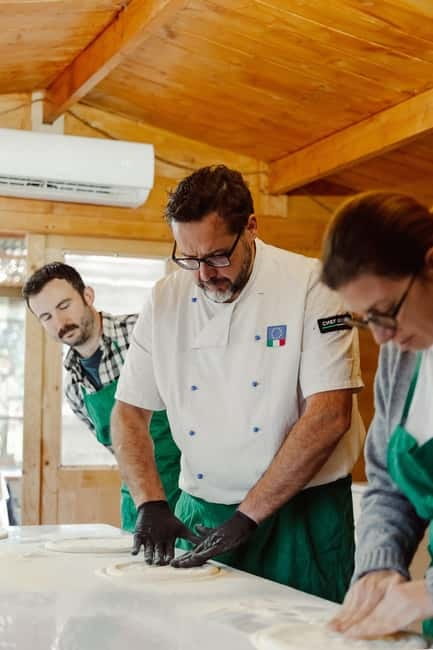
- Wood-fired Neapolitan pizza from scratch: dough, shaping, and baking in the oven you actually use
- Unlimited local wine during the meal: red and white served throughout the class
- Three dough types for pasta: egg pasta, water-based pasta, and pizza dough, then shaped into classic forms
- Hands-on pasta and pairing sauces: you make pasta and eat what you produce with seasonal sauces
- Tiramisu plus a limoncello finale: homemade tiramisù tasting followed by a chilled limoncello shot
- Round-trip transport via shuttle: you meet at Laurentina and get carried to the countryside venue (with some exceptions)
Finding Laurentina Metro And The Shuttle Rhythm Out Of The City
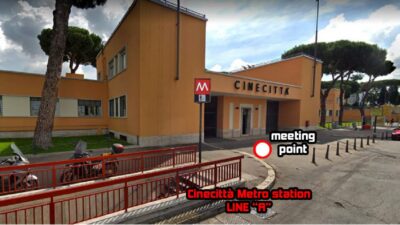
You start at metro stop Laurentina, where a partner staff member meets you at the exit with a cooking class sign. It’s not a “hard to find at all” situation, but you’ll still want to arrive a few minutes early to catch the group.
From there, you’ll ride out to the cooking venue outside the city center. The ride is part of the experience because it moves you away from the loud center and into a quieter, countryside kitchen setting. The tradeoff is simple: you’re committing to a half-day stretch, not a quick city stop.
Transport is included round-trip from central Rome, but the exact pickup details can vary, so treat the Laurentina meeting point as your reliable anchor. Also keep in mind pickup hours can shift by up to 1 hour, which matters if you’re timing another reservation nearby.
You can also read our reviews of more cooking classes in Rome

Wood-House Countryside Kitchen: The Setting That Makes Food Feel Bigger
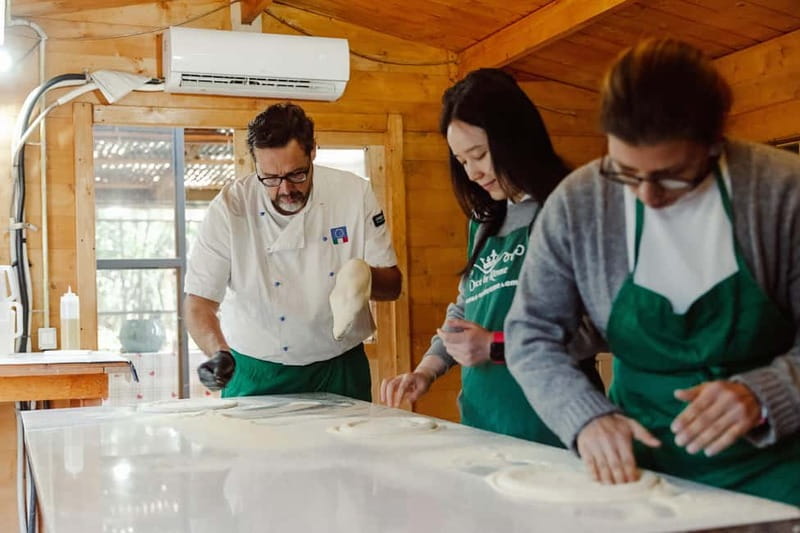
The cooking takes place at an outdoor countryside venue called the “Wood Houses,” described as an open-air countryside kitchen surrounded by nature. This is one of those rare classes where the location actually affects the mood: your dough and sauces feel more alive when the air is fresh and you can hear real kitchen work happening around you.
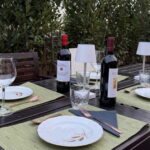
Dining happens al fresco in an elegant Roman countryside patio. That’s not just scenery; it helps you settle in, talk with the group, and stay comfortable during the hands-on parts.
Since it’s outdoor-focused, bring sensible reality checks: you might want bug spray if the evening air has insects, and you’ll likely appreciate a light layer if weather turns cool during shoulder seasons. One small “be practical” note: this is a garden-style setup, not a glossy studio, so you’ll be comfortable in a working-venue environment.
Meet Your Chefs: How The Teaching Actually Works
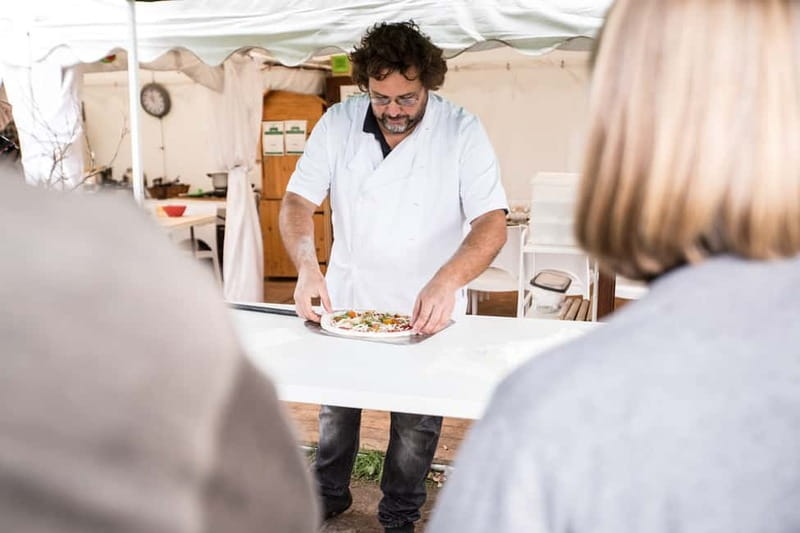
You’re welcomed by your guide and introduced to the chef, described as a licensed Mastro Pizzaiolo and Pasta Maker. In plain terms, that credential matters because you’re not just watching someone explain pizza and pasta—you’re learning technique from a professional who can correct how your dough moves.
The instruction runs multilingual, with English and Italian used by the chefs and staff. I like this because it supports different learning styles: if you learn better by hearing words, you get them; if you learn better by copying hands, you still see everything clearly.
The class format is also built for variety in the group. Kids are allowed from age 3, and staff are described as patient, which usually means you won’t feel rushed while you learn. That makes a real difference when everyone in your group is at a different comfort level with dough.
Pizza From Scratch: Neapolitan Dough To Wood-Fired Oven Timing
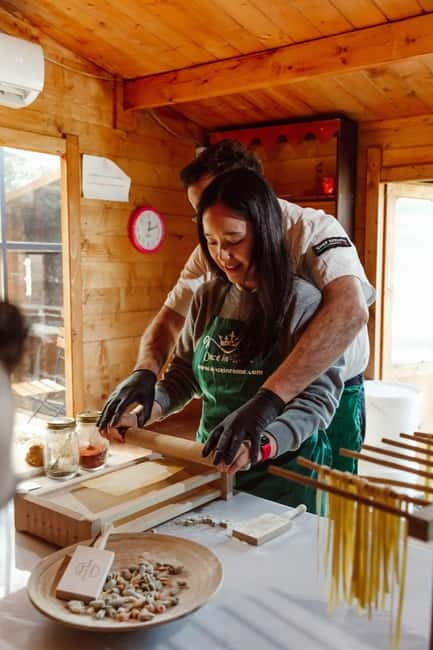
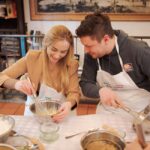
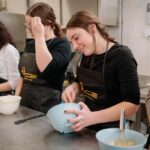
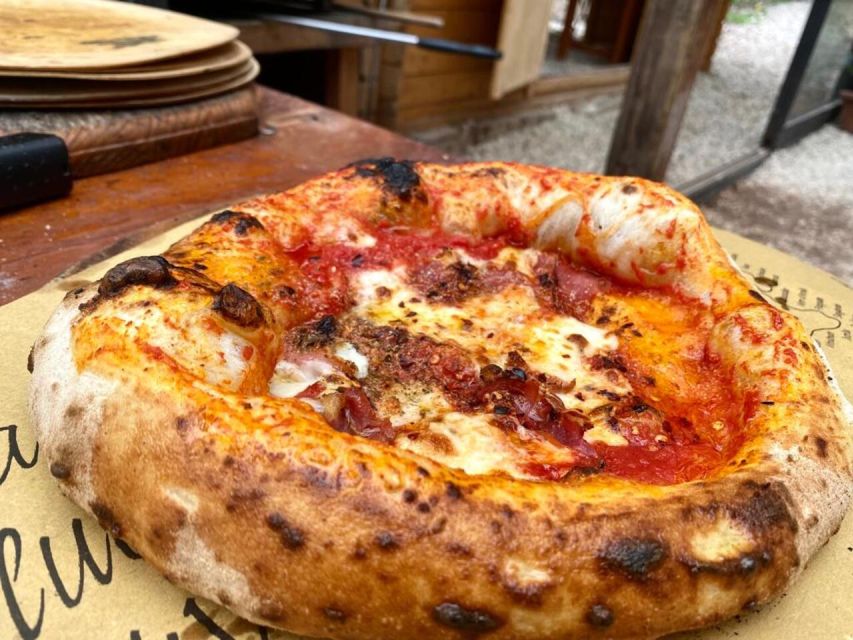
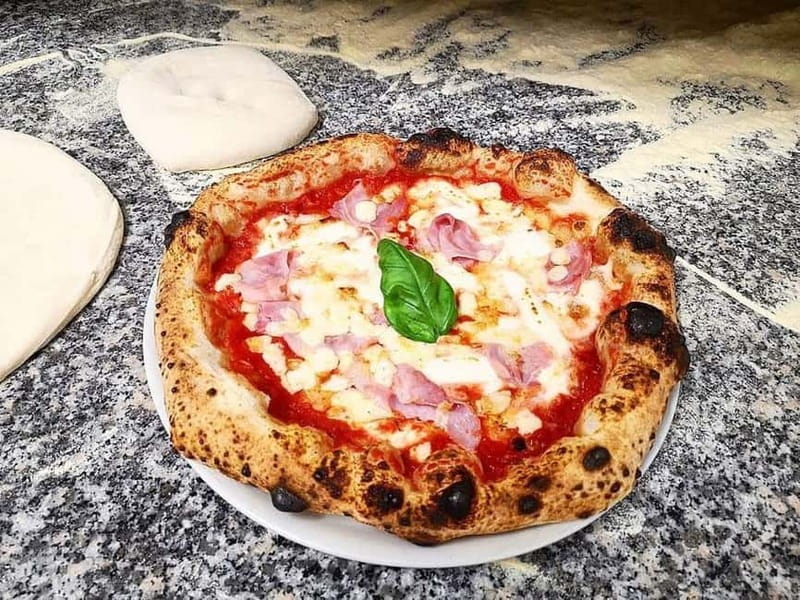
The pizza portion starts with dough. You’ll learn how to prepare pizza dough from scratch, knead it by hand, and then shape it with your own toppings choices. This is the part where most classes either skip the details or only demo them—here you’re actively doing it.
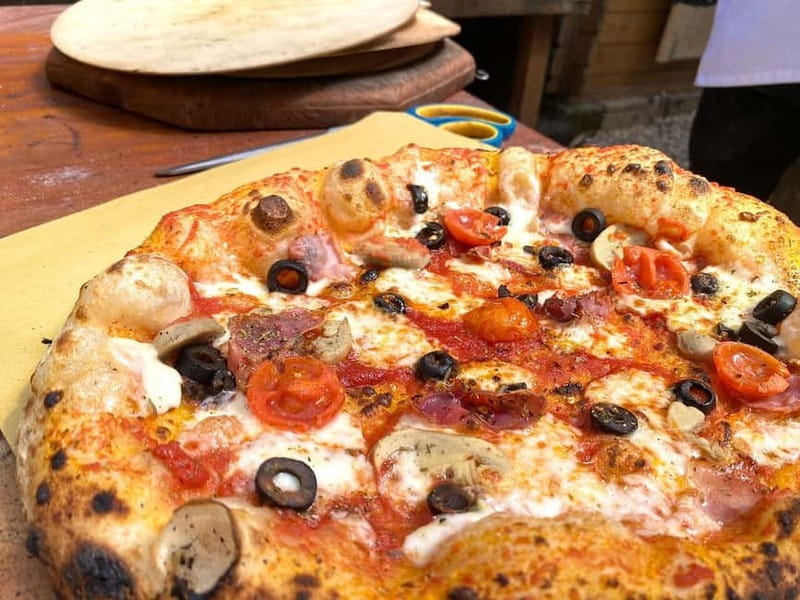
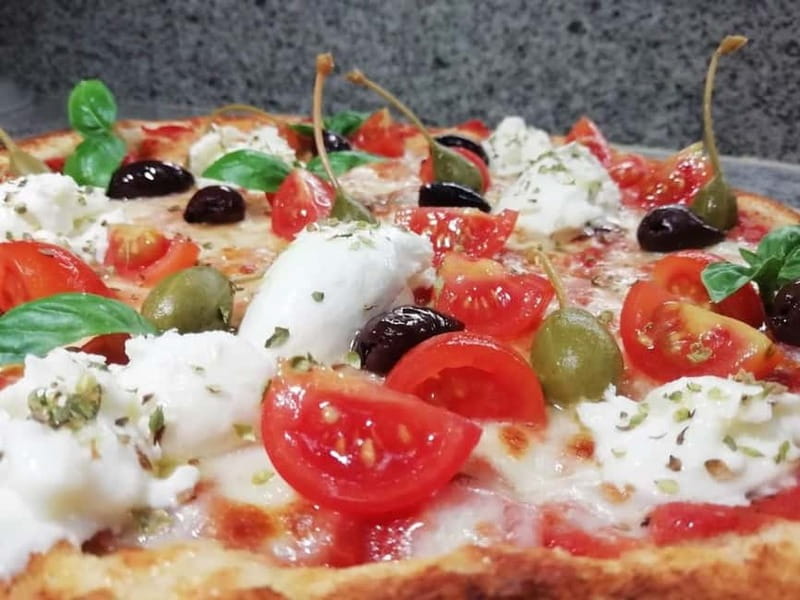
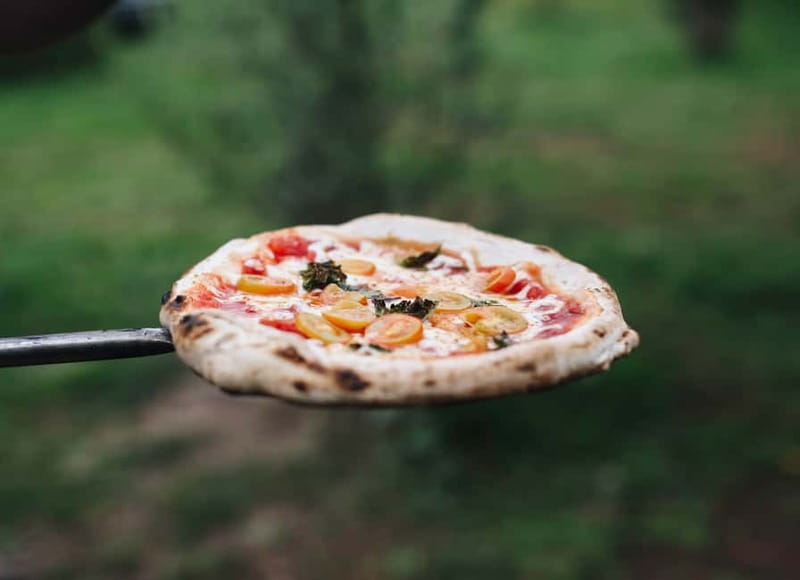
Then comes the oven step. You bake your pizza in a wood-fired oven, and that’s where things get practical: the oven’s heat and timing change how the crust behaves. You taste what you make, fresh and bubbling with flavor, which is the best way to connect technique to results.
A helpful detail: some reviews suggest the final pizza quality may not feel like a top restaurant pie. I take that as an honest expectation setter. This isn’t a magic trick; it’s technique-building. Once you understand dough feel and shaping cues, you can improve later when you control ingredients, oven conditions, and timing at home.
Also note there can be different levels of complexity depending on the dough and shaping steps. If you want more time to practice every portion of the pizza forming, you might find the class moves at a pace that assumes you’ll learn by doing and listening.
Fresh Pasta With Three Dough Styles And Classic Shapes
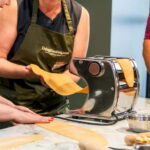
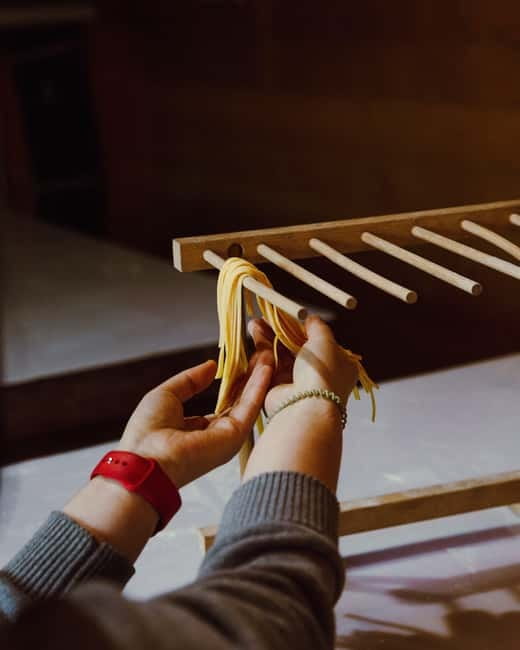
Next you move from pizza to pasta, and you’ll learn to make three different types of dough: traditional egg pasta, water-based pasta, and pizza dough. That matters because it teaches you how different doughs behave, not just one recipe.
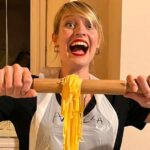
You’ll shape the dough into several classic forms, including tagliatelle, fusilli, and farfalle. Even if you’ve watched pasta videos online, there’s a big difference between seeing a fold and actually forming it with your hands. This class pushes you past the passive version of learning.
You’ll also cook two seasonal sauces to pair with your handmade pasta. That pairing step is more valuable than it sounds. Pasta isn’t just pasta; sauce changes everything, and cooking the sauce is part of learning how Italians build flavor balance.
Then you get to eat what you made. You’re tasting your own work, not just sitting down to a separate meal. That keeps motivation high, especially for first-timers who might otherwise feel they’re only contributing to a classroom project.
You can also read our reviews of more wine tours in Rome
The Meal Pace: Unlimited Wine Without Turning It Into a Party
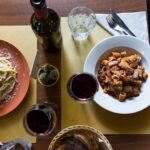
Wine is part of the rhythm here. You get free-flowing red and white Italian wines during the class, served alongside the food. This setup works because the alcohol is integrated into the meal experience, not treated as a separate activity.
The minimum drinking age is 18, so wine applies accordingly. If you’re traveling with teens or younger kids, you can still join for the cooking, but the wine part won’t be for them.
I also like how the pacing tends to balance hands-on work and eating. You’re kneading, shaping, and baking, then you’re seated long enough to enjoy what you produced. That avoids the classic “too much demo, not enough eating” problem.
Tiramisu And Limoncello: The Finish That Feels Proper
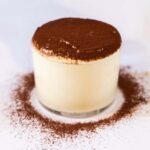
After the cooking, you get a homemade tiramisù tasting made fresh on-site. Then the finale is a chilled shot of limoncello, described as Italy’s iconic digestivo.
This is the classic order: you eat something creamy and coffee-sweet, then you reset your palate with a lemon-forward liqueur. It’s not an afterthought. It’s one of the reasons food-focused classes stick in your memory.
A small caution based on what you might encounter: one detail mentioned is that the tiramisù tasting could be portioned in a small container rather than a full plated serving. If your priority is dessert quantity, adjust expectations and treat it as a tasting that ends the course, not a full-on pastry sprint.
What You Take Home: Techniques, A Recap Sheet, And Real Confidence
One of the most practical parts is that you receive a recap document summarizing the techniques you learned. That’s the difference between having a fun evening and actually improving your cooking later.
Here’s the value lens I’d use: for around $64 per person for a 3-hour class, you’re not just paying for ingredients. You’re paying for professional guidance on dough handling, shaping practice, wood-fired baking experience, and a full food program (pizza, pasta, sauces, tiramisù, plus wine and limoncello) with transport included.
If you like food as a skill—hand skills, not only tasting—this value adds up fast. If you only want to eat, you might still enjoy it, but the real payoff is learning technique and leaving with a usable recipe/technique summary.
You’ll also notice that the teaching style seems built around patience. Reviews specifically mention instructors being friendly and supportive, including for children, which usually means you’re more likely to get corrections when something is off in your dough or shaping.
Who Should Book This Pizza And Pasta Class
This class is a strong fit if you want an authentic Roman food evening that’s not stuck in a tourist-bus format. It’s especially good for:
- Couples or friends who want an activity that includes eating and drinking, not just watching
- Families with kids (minimum age is 3 for participation)
- First-time cooks who learn best hands-on
- Anyone who cares about technique: dough feel, shaping, and wood-oven results
It also seems to work for different dietary needs. One account notes a vegan guest was accommodated, so it’s worth asking ahead if you have specific requirements.
If your schedule is tight and you don’t want an out-of-center ride, this might feel like more commitment than you want. But if you’re okay with a short shuttle and an afternoon outdoors, the setting is part of the charm.
Should You Book It? My Honest Take
Yes, I’d book it—if your goal is to leave with real confidence making pizza dough and shaping pasta. The combination of wood-fired pizza, multiple pasta dough types, and a full meal finish (tiramisu and limoncello) is a lot to pack into 3 hours.
I’d hesitate only if you’re expecting restaurant-level perfection on your first try or you hate transportation logistics. The class is out of the center, you return to Laurentina at the end, and the experience is better thought of as a food excursion than a quick city activity.
Overall, this is a high-value, hands-on way to get Roman food culture into your hands, not just your camera roll.
FAQ
Where is the meeting point in Rome?
Meet your guide at metro stop Laurentina. At the exit, you’ll find a staff member with a cooking class sign.
How long is the class?
The experience runs for 3 hours. Starting times vary, so check availability.
Is wine included?
Yes. You’ll have free-flowing red and white Italian wines during the class.
What are the age rules?
Minimum age to take part is 3 years old. The minimum drinking age is 18. Infants up to 2 years can go for free, but they must be booked for the transportation count and sit on the legs of the parents.
Is round-trip transport included?
Round-trip transportation from central Rome is included, but there can be exceptions. You’ll still meet at Laurentina metro for the start and return back to the meeting point at the end.
What do I make during the class?
You’ll make Neapolitan pizza dough and bake your pizza in a wood-fired oven. You’ll also make fresh pasta using three dough types and shape pasta such as tagliatelle, fusilli, and farfalle, paired with seasonal sauces.
Does the class include dessert and a finale?
Yes. You’ll taste homemade tiramisù and have a chilled limoncello shot to finish.