REVIEW · ROME
Full day in Rome with Jubilee path and Pope Francis Tomb
Book on GetYourGuide →Operated by Forever holidays · Bookable on GetYourGuide
Rome is a city that moves fast. This day tour is built to get you from Florence to Jubilee holy doors and the Tomb of Pope Francis, then drop you back with time to breathe.
I like the simple payoff: you get guided time for the big landmarks, and you also get the sacred, front-and-center part of the day with a focus on the four holy doors. I also like that the planning is straightforward—train from Florence, guided walking in Rome, then free time to see what you personally want more of. One thing to consider: the experience depends heavily on day-of logistics, and some past guests reported trouble finding the guide, so you’ll want to confirm the meeting point and timing the day before.
In This Review
- Quick hits before you go
- Why this Rome day-trip works (even if you’re short on time)
- Florence to Rome: train time that shapes the whole day
- The Jubilee path and the four holy doors: what you’ll actually do
- Tomb of Pope Francis: a solemn stop that adds context
- The headline sights: Colosseum, Trevi, Spanish Steps, Pantheon, Navona
- St. Peter time: where the day’s mood shifts
- Free time in Rome: use it to fix your personal priorities
- Language, guide style, and what support you’ll get
- Price and value: is $180.80 actually fair?
- The missing piece: no food served, so plan your breaks
- Logistics and meeting point reality (the part you should take seriously)
- Who this tour fits best
- Should you book this Rome Jubilee and Pope Francis tour?
- FAQ
- How long is the tour?
- Where does the tour start and end?
- Does the tour include train transportation from Florence?
- What’s the Rome schedule like during the day?
- What are the main religious highlights?
- Which languages are offered for the guide?
- Is food included?
- Do I get time to explore on my own?
- Is free cancellation available?
Quick hits before you go
- Jubilee path + four holy doors in one day, not as an add-on
- Tomb of Pope Francis visit built into the main schedule
- Florence–Rome by train (about 2 hours each way) to keep the day realistic
- Guided sightseeing stops at major icons like the Colosseum and Trevi Fountain
- Free time (about 2 hours) so you can linger where you care most
- Live guide in English or Spanish, with German audio included
Why this Rome day-trip works (even if you’re short on time)
If you’re staying in Florence and you really want Rome without turning it into a multi-night project, this plan makes sense. You’re not guessing your route all day or coordinating separate tickets for transport and guiding. The big idea is that you trade time for structure: train first, then a guided walking block that hits the headline sites, then a controlled slice of free wandering.
The other practical win is how the day is paced. You get a full guided period in Rome (about 4 hours), then you get about 2 hours to do your own thing. That mix is ideal when you’re traveling with a group of different interests—because the “must-see” stuff is handled, and you’re not locked into a schedule for every minute.
You can also read our reviews of more tours and experiences in Rome
Florence to Rome: train time that shapes the whole day
You start in Firenze Santa Maria Novella, then take the train to Rome for about 2 hours. That sounds like “just transit,” but it actually matters: it sets the tone so you arrive ready to walk rather than exhausted. You’ll then spend about 4 hours on a guided tour once you’re in Rome, followed by roughly 2 hours of free time.
The ending is just as important for stress levels. You return to Firenze Santa Maria Novella after your Roman day, keeping you from dealing with last-minute transport decisions. For a day trip, that simplicity is part of the value.
Tip for your planning: build in the mental habit of Rome photos and Rome lines. Even with guidance, you’ll want to stay flexible and move with the group when the moment is right.
The Jubilee path and the four holy doors: what you’ll actually do
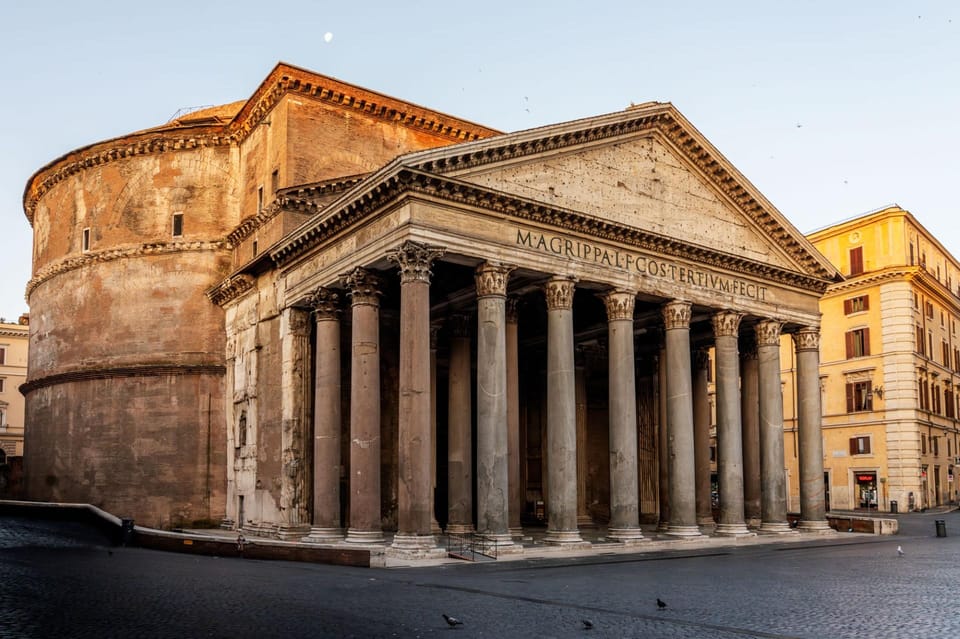
The core religious highlight here is the Jubilee path and walking in the four holy doors. That’s not a vague cultural stop—it’s positioned as one of the day’s main acts, with your guide leading the experience and keeping you oriented to where you’re going and what you’re seeing.
What makes this valuable is that it’s not just sightseeing. A holy doors visit changes the rhythm of your day: you slow down for a reason, you pay attention to symbolism, and you’re guided through the meaning behind what you’re witnessing. Even if you’re not doing this for faith, you still get a better read on why these moments matter to people and to Rome itself.
One practical consideration: religious sites can come with quiet expectations and crowd flow. You’ll do best when you follow the guide’s timing closely rather than trying to run ahead for photos. If your goal is the holy doors and the tomb, your best strategy is to stay with the group and let the schedule work for you.
Tomb of Pope Francis: a solemn stop that adds context
The itinerary includes a visit to the Tomb of Pope Francis, which is a strong contrast to the busy, photo-heavy landmark circuit. Icons like fountains and squares give you Rome’s visual punch. The tomb stop gives you the human, contemporary layer—an on-the-ground moment tied to modern Catholic life.
Why this matters for your day-trip experience: it keeps the tour from feeling like a checklist of buildings. It also gives the guide a chance to connect what you’re seeing with why pilgrims come. That kind of framing often helps you remember more than just locations.
If you care about both spirituality and history, this pairing is a smart one. You’re not choosing between “ancient Rome” and “what’s happening now.” You get both in the same 8.5-hour structure.
The headline sights: Colosseum, Trevi, Spanish Steps, Pantheon, Navona
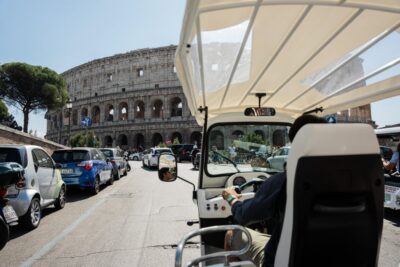
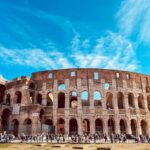
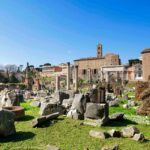
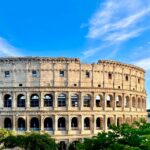
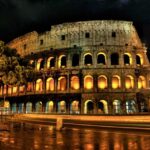
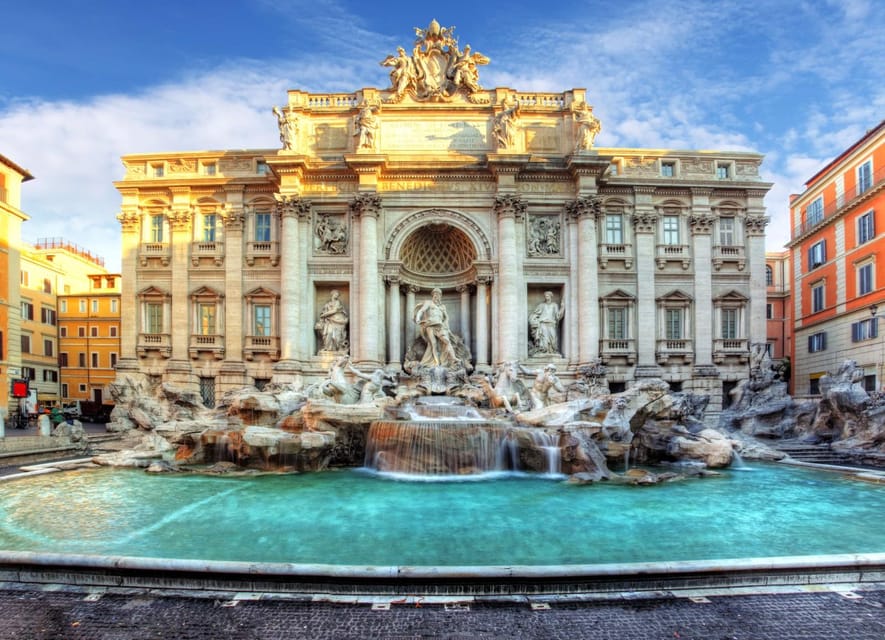
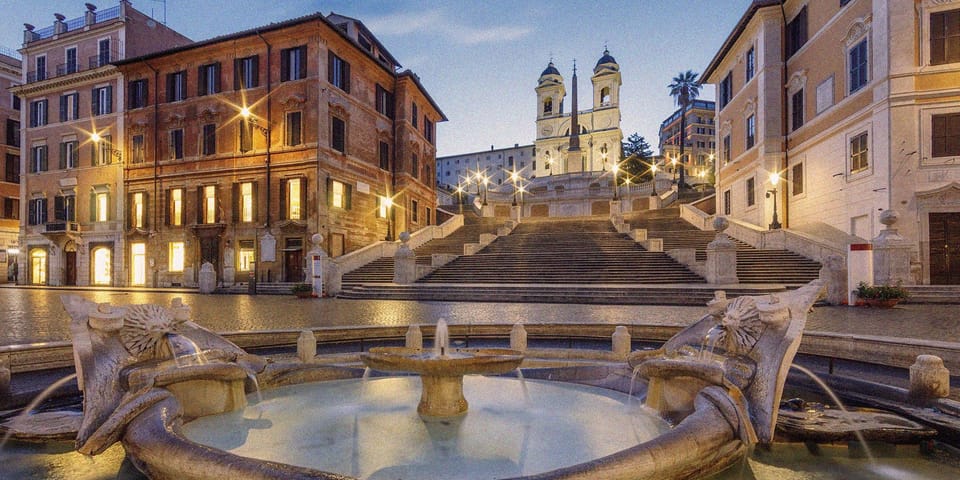
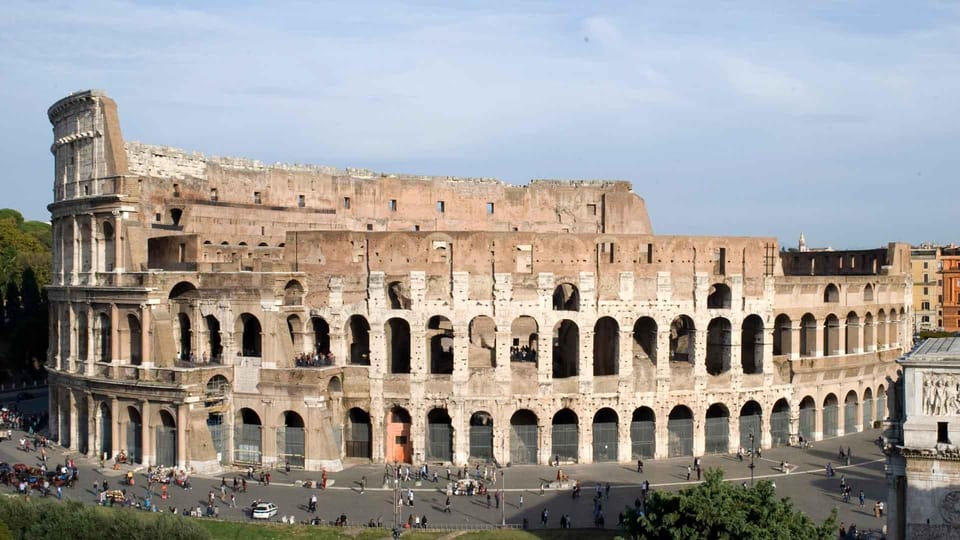
The guided Rome portion is designed to hit the big names, including the Colosseum, Trevi Fountain, the Spanish Steps, the Pantheon, and Piazza Navona. That list is a classic reason to book a day tour at all: you get a clear hit-rate without having to map everything yourself.
Here’s how to think about pacing. In a schedule like this, you’re rarely going to get long, linger-like time at each stop. Instead, you’ll get a guided route where the guide points out what to notice, and you move on. The benefit is momentum: you leave with a “Rome snapshot” of the most famous places and why they matter.
Also, don’t underestimate the value of someone walking you through photo opportunities without guesswork. For example:
- At Trevi Fountain, you’ll know where the crowd bottlenecks tend to form, so you can time your photos better.
- At the Pantheon, the focus is more about what you notice than how fast you pass through—so you’ll get more out of it if you pay attention to what the guide highlights.
- At Piazza Navona, the charm is in the details, but in a group schedule you’ll need to choose where to look first.
My practical advice: choose one or two stops as your “slow down” targets during the free time block later. The guided part gives you orientation; your free time lets you deepen what you liked most.


St. Peter time: where the day’s mood shifts
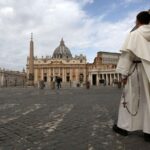
Your day also includes St Peter, listed among the major attractions. Even without special instructions provided here, St Peter typically changes the feel of a trip: it’s more about awe and scale than quick sightseeing.
Within this tour format, St Peter is part of the guided flow, meaning you’ll likely be moving through in a structured way. If you want the most from it, come ready to slow down physically and mentally. That’s when you’ll start noticing elements that a fast glance misses.
If you’re traveling with someone who gets bored easily by “churches,” this is one of the few stops that usually wins anyway because it’s built for impact. Just be prepared for crowd movement and plan to follow the guide’s cues.
Free time in Rome: use it to fix your personal priorities
After the guided block, you’ll get about 2 hours of free time in Rome. This is your chance to do the smart thing most day-trip tours can’t do: adjust the plan to your own tastes.
Use free time for things that don’t fit neatly into a guided group rhythm, like:
- going back to one favorite stop for better photos
- grabbing a coffee or quick bite if you want a break
- walking a side street you keep seeing while waiting for the group
- simply sitting somewhere and watching Rome happen
Because you don’t get long stays at every landmark during the guided portion, free time is where you turn “I saw it” into “I understood it.”
Language, guide style, and what support you’ll get
This tour includes a live guide in English or Spanish. It also includes an audio guide in German. That’s useful if you’re in a mixed-language group, or if you prefer audio support for context while walking between stops.
One detail worth noting from the quality signals you were given: the name Matteo shows up as an example of a guide who was described as amazing and knowledgeable. That matters because it suggests the guiding experience can genuinely elevate the day when the guide is on point.
Still, it’s also clear that problems can happen on day-of logistics. Some people reported situations where the guide wasn’t found at the meeting point in the expected way. So while language coverage is a plus, your safety net is your own prep: confirm details and keep your confirmation info handy.
Price and value: is $180.80 actually fair?
At $180.80 per person for roughly 8.5 hours, you’re paying for two big chunks of value:
1) train transportation between Florence and Rome
2) a guided tour for the day
Many “Rome day trips” start cheap but then quietly cost more through add-ons (guiding time, transit, entrance fees, local assistance). Here, the structure is more “all-in” for the core experience: you’re not left to stitch the day together from scratch.
That said, you should look at what’s not included. There’s no food served. That doesn’t make the trip overpriced by default, but it means your personal budget has to include at least a snack or a drink stop. If you hate searching for something last minute, plan to bring or buy something simple near where you’re meeting later.
The value question comes down to this: if your priority is seeing Rome’s headline landmarks plus Jubilee holy doors and the Pope Francis tomb in one packed day, the guided + train combo is a solid deal. If you’d rather linger for hours in fewer places, you might feel rushed.
The missing piece: no food served, so plan your breaks
This tour doesn’t include food, so you’ll need to handle meals on your own. In a schedule that includes multiple high-demand stops, skipping food can turn sightseeing into grumpiness fast. You don’t want your “Rome memory” to be mostly about finding a place to sit.
What I’d do in your shoes:
- plan on at least a snack during your Rome time
- keep water with you if you can
- treat free time as your chance to eat without stress
If you’re sensitive to crowds or you’re likely to feel tired by walking, food breaks matter more than you think on day trips.
Logistics and meeting point reality (the part you should take seriously)
The day starts at Firenze Santa Maria Novella, but the meeting point and time are sent the day before. The tour also asks you to contact the company to confirm the meeting point and timing.
Based on the quality signals from the info you were given, this is the single most important step you can take to protect your day. Some guests described trouble locating the tour guide at the station. Whether that’s an exception or a timing mismatch, you don’t want to gamble with your first arrival in a busy train hub.
My practical recommendation:
- confirm the meeting point and time the day before
- arrive early enough to handle platform confusion
- keep your confirmation message accessible offline
If the guide doesn’t appear, your backup plan should still be to follow the details you were given for meeting location and time—then escalate through whatever contact method the company provides.
Who this tour fits best
This works best if you want:
- a big Rome overview without planning every transit step yourself
- the Jubilee holy doors and the Pope Francis tomb as part of the main day
- a structure that includes both guidance and free time
- a day trip from Florence rather than spending extra nights
It may be less ideal if you:
- hate group walking and prefer slow self-guided exploring
- want long time at every landmark
- would struggle if a meeting point is unclear at the station (because preparation is required here)
For many people, it’s a great “first Rome trip” setup—especially when your schedule doesn’t allow two or three days.
Should you book this Rome Jubilee and Pope Francis tour?
If your dream day includes Jubilee holy doors plus a visit to the Tomb of Pope Francis, and you’re okay with a structured, fast-moving “greatest hits” route, I think this is worth considering. The price lines up with the train + guided package concept, and the free time helps you personalize the day.
But don’t treat it like a set-and-forget reservation. This is the kind of tour where your best outcome depends on you confirming the meeting details the day before and arriving early. If you do that, you dramatically reduce the risk of a frustrating start.
FAQ
How long is the tour?
The duration is about 8.5 hours. Exact starting times depend on availability.
Where does the tour start and end?
It starts at Firenze Santa Maria Novella and returns to the same meeting point.
Does the tour include train transportation from Florence?
Yes. Train transportation between Rome and Florence is included.
What’s the Rome schedule like during the day?
You’ll have a guided tour in Rome for about 4 hours, followed by free time for about 2 hours.
What are the main religious highlights?
The tour includes the Jubilee path and walking in the four holy doors, plus a visit to the Tomb of Pope Francis.
Which languages are offered for the guide?
The live guide is available in English and Spanish, and an audio guide is included in German.
Is food included?
No. Unfortunately, no food will be served on this tour.
Do I get time to explore on my own?
Yes. There’s about 2 hours of free time in Rome.
Is free cancellation available?
Yes. You can cancel up to 24 hours in advance for a full refund.
If you’d like, tell me your travel dates and whether you prefer big landmarks or more sacred time, and I’ll help you decide if this pacing matches your style.