REVIEW · ROME
Rome: Rooftop Cooking Class with Wine Tasting near Vatican
Book on GetYourGuide →Operated by Cook and Eat Rome · Bookable on GetYourGuide
Rooftop cooking beats another crowded museum day. You get a small-group, hands-on Rome class where I like the fresh fettuccine lesson and the rooftop setting near Vatican at the same time, then you eat what you make with wine. It’s a very “Rome feels real here” kind of afternoon, not a sit-and-watch show.
One consideration: the experience isn’t set up for wheelchairs, and they also don’t allow baby strollers or oversized luggage or large bags, so pack light and keep it simple.
In This Review
- Key points you’ll care about
- A rooftop near the Vatican: what makes the setting special
- The first stop: bruschetta with local olive oil and how it sets the tone
- Making fresh fettuccine: the part you’ll remember
- Choosing the sauce: turning your pasta into a real Roman plate
- Tiramisu technique: dessert first if you want the best payoff
- Wine tasting that actually pairs with the food
- Limoncello toast: the neat little Roman closing move
- The chef factor: why names like Alfons keep showing up
- Size, language, and pacing: what your afternoon will feel like
- Price and value: is $78.73 reasonable?
- Who should book this Rome rooftop class
- Practical tips so your 2.5 hours go smoothly
- Should you book the rooftop cooking class near the Vatican?
- FAQ
- FAQ
- How long is the cooking class?
- How big is the group?
- What language is the instructor?
- Where do we meet for the class?
- What food and drinks are included?
- Are dietary restrictions accommodated?
- Can children join?
- Is it wheelchair accessible?
Key points you’ll care about
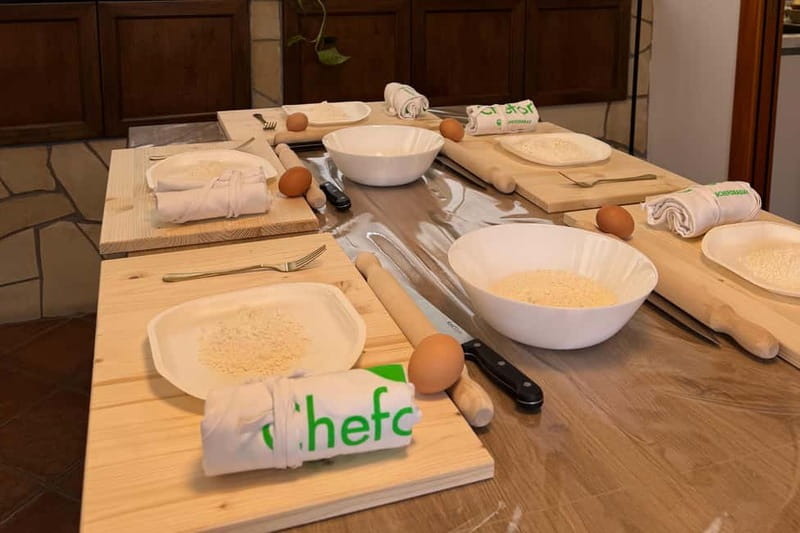
- Rooftop apartment dining near the Vatican: you cook and eat upstairs in a private-feeling setting.
- Small group size (max 8): more hands-on coaching and better chance you’ll actually nail the steps.
- Two white, two red, one rosé plus a traditional Roman wine: wine happens alongside the meal, not after it.
- You make both fettuccine and tiramisu from scratch: not just one dish to sample.
- Recipes and a participation certificate: you leave with something you can use at home.
A rooftop near the Vatican: what makes the setting special
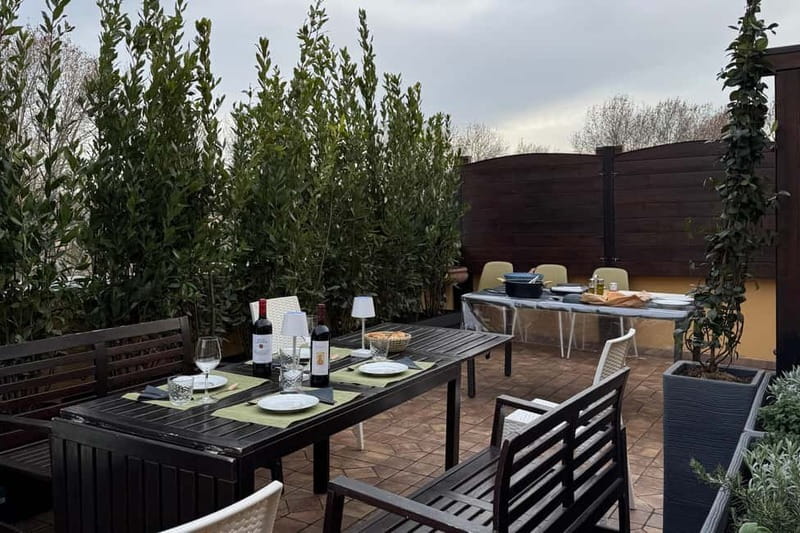
This class is set up like a home kitchen with a view. You meet in the area of the Vatican and then head to a private rooftop apartment. From the way the experience is described, it’s more intimate than a typical restaurant cooking show, and that matters because you’ll be working with dough, tools, and sauces—not just standing nearby.
The private rooftop angle is the big “why this is worth it” factor. In Rome, a lot of food experiences get squeezed into a busy, high-traffic space. Here, your meal and your prep happen in one place, so the afternoon keeps a calm rhythm, even if you’re doing something new. Several comments also mention the location feeling quiet and local, which is exactly what you want if you’re tired of the same tourist loop.
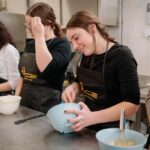
And yes, you’re not just watching. The format is built for doing: knead, roll, shape, sauce, assemble tiramisu, then sit down to eat what you made.
You can also read our reviews of more food & drink experiences in Rome

The first stop: bruschetta with local olive oil and how it sets the tone
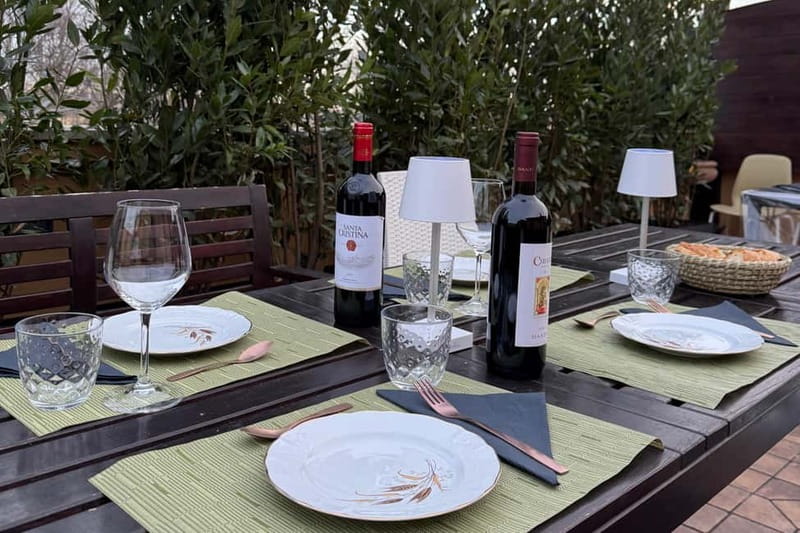
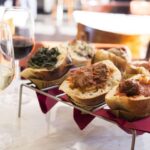
Before you start turning flour into dough, you begin with an antipasto-style moment: bruschetta drizzled with extra virgin olive oil from a local farm. It’s simple, but that’s the point. In a cooking class like this, a starter like bruschetta helps you get oriented. You taste something Roman and straightforward, then you start building your own meal around flavors that don’t rely on complicated tricks.
If you’re new to Italian cooking, this also gives you an easy mental map for what comes next. You’re not chasing novelty. You’re learning a few core ideas: good ingredients matter, and basic techniques create the real magic.
This is also a good time to settle in and get your bearings before the hands-on part ramps up.
Making fresh fettuccine: the part you’ll remember
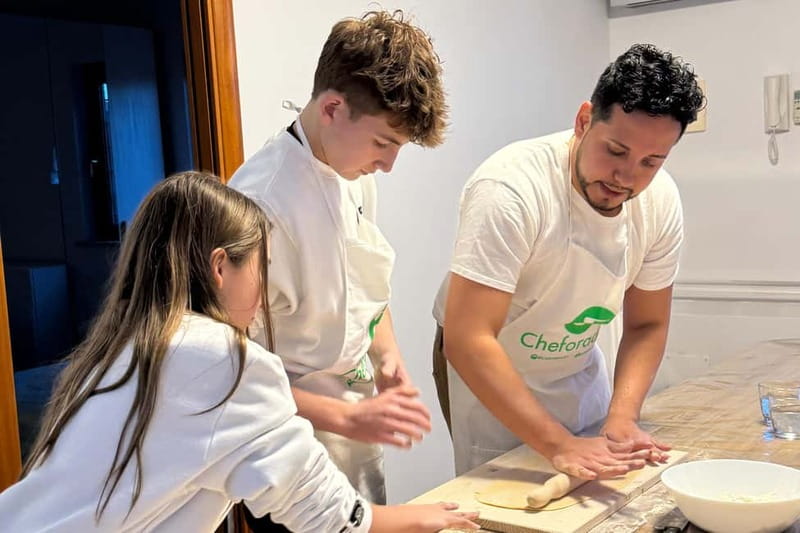
The main cooking work centers on fresh pasta—specifically fettuccine. The class walks you step by step on making it from scratch. That includes what you mix, how you handle the dough, and how you work it into shape without stressing it out.
One of the most repeated themes in the feedback is how clear the instruction feels. Many people specifically call out patience and good pacing, including families with kids, which tells me the chef really focuses on making the process understandable. And that’s crucial for pasta. If you get one small step wrong—drying the dough, rushing the rolling, or not handling it gently—you’ll feel it immediately.
There are also nods to technique beyond the single pasta shape. Some participants mention the chef demonstrating other pasta shapes, which usually means you’ll leave with a broader understanding of how Roman pasta dough behaves. Even if you only make fettuccine, that kind of practical context helps you repeat it at home.
Choosing the sauce: turning your pasta into a real Roman plate
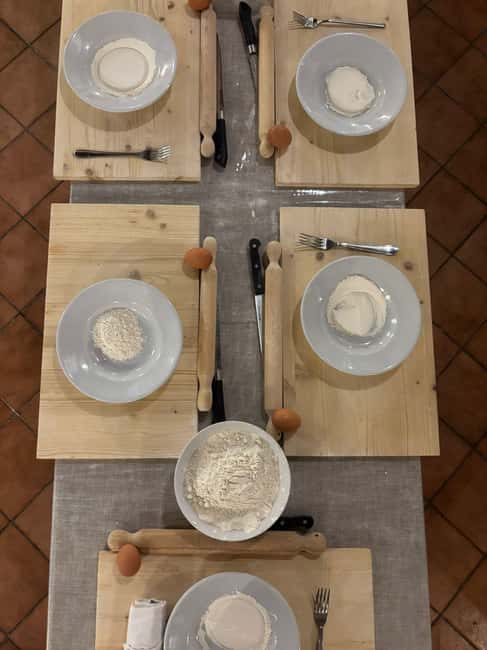
After the pasta work, you move into sauces. The class includes classic Italian sauces paired with what you’re making. You’ll learn how the sauces connect to the pasta, and then you’ll get to sit down with your finished plate.
In a class like this, the sauce step is where people often realize why restaurant pasta tastes different. It’s not only the noodles. It’s the balance between cooking style and ingredients. You’re learning that balance, not just assembling a dish.
A few comments also mention choosing sauces during the session. That’s a nice touch because it lets you tailor the meal to your taste rather than being locked into one option from start to finish.
Tiramisu technique: dessert first if you want the best payoff
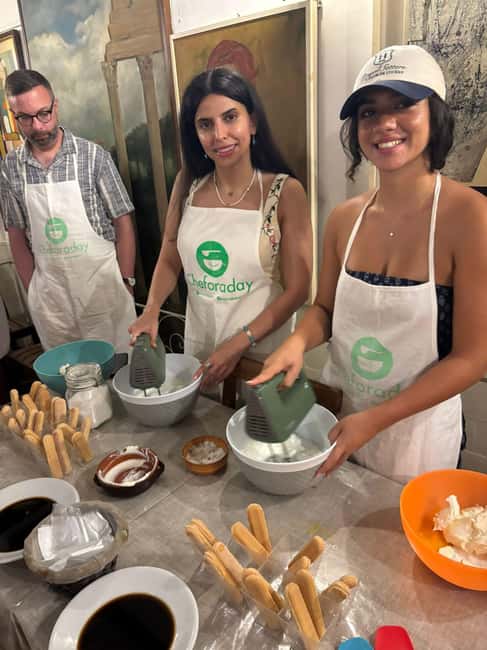
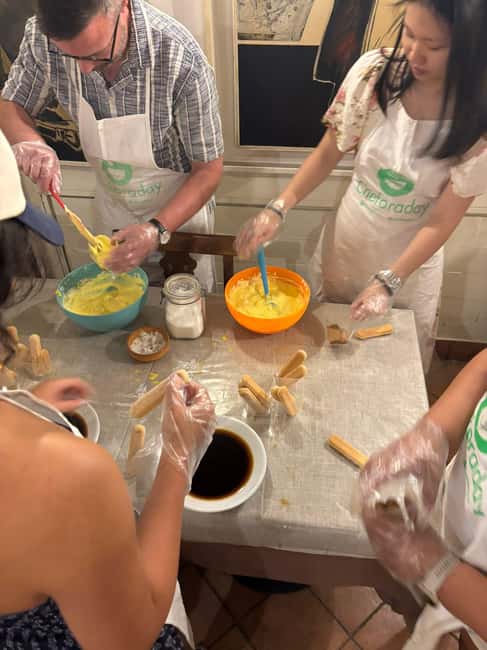
Tiramisu is the other major headline: you make it using traditional Roman techniques. Depending on how the session flows, you might work on tiramisu early, and that actually makes sense. Tiramisu needs time to rest so flavors settle. Some participants say they ended up making dessert first, which also builds anticipation because you can smell it coming together while you work on pasta.
People consistently praise how the chef explains each stage. Tiramisu is one of those desserts where the steps matter: what you mix, how you assemble, and how you handle the components. When instruction is clear, it feels almost like confidence-building baking rather than a scary dessert project.
The win here is that you don’t end up with a plate of tiramisu you only watched being assembled. You build it, then you eat it. That’s the difference between learning and collecting recipes you never make.
You can also read our reviews of more cooking classes in Rome


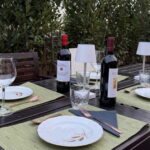
Wine tasting that actually pairs with the food
Wine is built into the experience in a real way. You get a curated selection of two white wines, two red wines, one rosé, and a traditional Roman wine while preparing and savoring the dishes. You also get water available throughout the class, which is a simple but smart inclusion if you’re tasting multiple pours.
The key for you: wine isn’t just an extra line on the itinerary. It becomes part of the meal’s timing. You’re tasting while you’re working, then you’re tasting as you eat, so the flavors make sense together. If you like wine but usually end up feeling rushed at tastings, this setup is calmer and more food-centered.
Several feedback comments also highlight that the wine was part of what made the afternoon feel like a proper sit-down meal rather than a classroom exercise. Pairing is one of those skills you can’t fully copy at home without seeing how it feels in context, and this helps.
Limoncello toast: the neat little Roman closing move
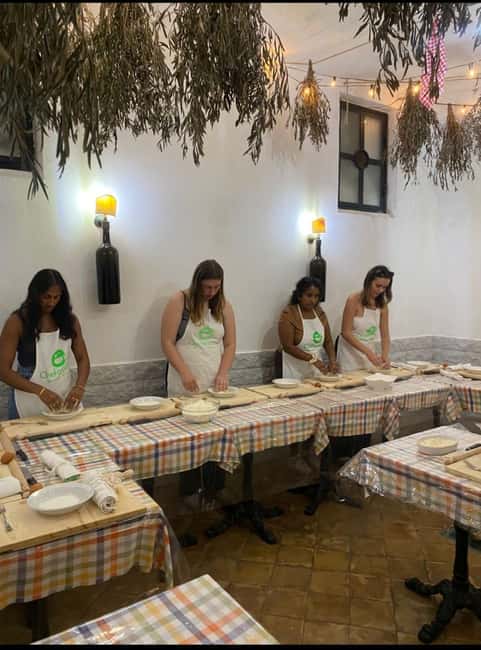
At the end, you finish with a limoncello toast, a refreshing Italian digestif. It’s the kind of small ritual that helps the whole event land with a satisfying conclusion. After pasta and tiramisu (both rich), limoncello helps clear your palate and sets you up for the walk back into Rome.
It also gives the chef an easy way to wrap up. Many people mention getting recommendations for Rome and practical tips. Even if the main focus is cooking, those final conversation minutes matter because you’re learning what to do next in the city after the class is over.
The chef factor: why names like Alfons keep showing up
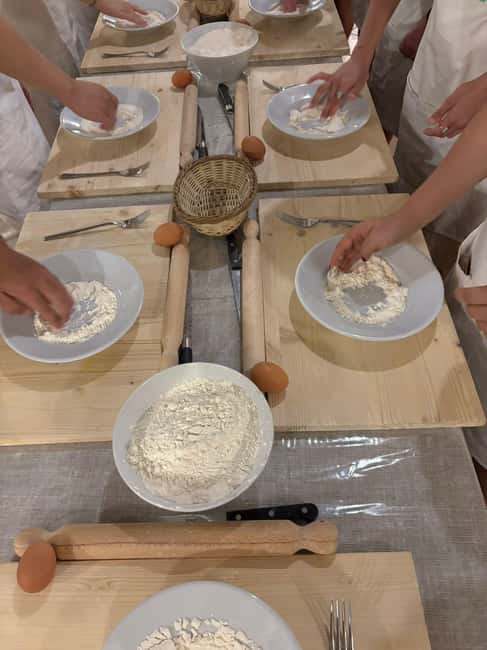
Chef Alfons (sometimes listed as Alphonse or Alfonso in session feedback) is repeatedly praised for being enthusiastic, organized, and attentive. In plain terms: he’s doing the two hard parts well. First, he’s teaching. Second, he’s managing a room where everyone is learning at once.
That combination shows up in comments about the class being well organized, hands-on, and easy to follow. People also mention him being patient with kids and families, which suggests the teaching style adapts to the group.
If you’re worried about not being a confident cook, this is reassuring. The class is designed to make beginners successful, and the instructor is a big reason it works.
Size, language, and pacing: what your afternoon will feel like
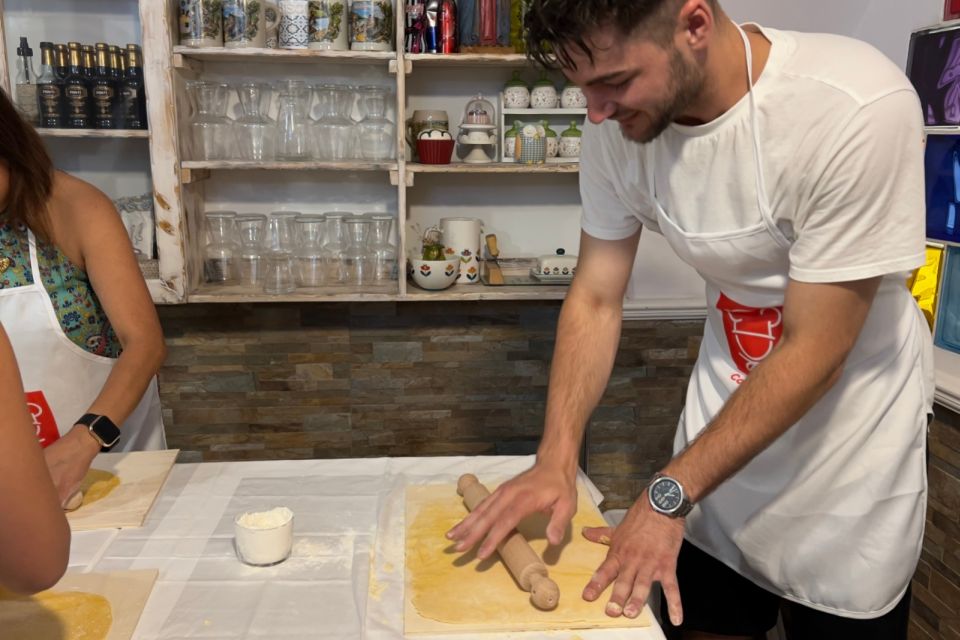
The group is limited to 8 participants, which keeps things from turning chaotic. That small size is usually what separates a pleasant learning experience from a crowded “try not to spill flour” situation.
The class is also English-instructed, so you can focus on technique and questions rather than translating. And with a 2.5-hour duration, the schedule is tight enough to feel full, but not so long that you lose momentum.
Expect a rhythm like this: start with bruschetta, then pasta work, then sauce choices, then tiramisu assembly (sometimes earlier), then sit down to eat with wine, and finish with limoncello. If you show up hungry, you’ll do better. You’re not only working; you’re also eating a full meal you created.
Price and value: is $78.73 reasonable?
At $78.73 per person, the price looks like a lot at first glance. But it can make sense because you’re paying for several things at once: a real instructor-led class, all equipment and ingredients, and the fact that you eat what you make with a multi-wine tasting plus limoncello.
Most cooking activities either:
- teach a skill and give you a small tasting, or
- feed you but keep the “cooking” part short.
This one checks both boxes: you craft fettuccine and Roman tiramisu from scratch, then you eat the result in the rooftop setting. Add the wine tasting (multiple bottles’ worth across the tasting menu) and the limoncello toast, plus recipes to recreate the dishes later, and it starts to look like value instead of a premium splurge.
Another quiet value point: recipes and a participation certificate. That’s not just a souvenir. The recipes make it more likely you’ll actually repeat what you learned rather than leaving Rome with great photos and no plan for dinner at home.
Who should book this Rome rooftop class
This is a great fit if you want:
- a hands-on cooking experience in a small group (max 8)
- to learn real Roman-style pasta and tiramisu techniques
- a food-and-wine afternoon near the Vatican without a stressful logistics headache
It’s especially good for families who want something interactive. Many sessions mention kids doing well, and that the chef is patient and keeps younger participants engaged.
You might reconsider if you:
- need wheelchair access (the experience is not suitable for wheelchair users)
- rely on strollers (they’re not allowed)
- hate the idea of being asked to arrive on time and follow simple rules about bags and luggage
Practical tips so your 2.5 hours go smoothly
A few small things can make a big difference.
First: arrive at least 15 minutes early. You’ll wait outside the building, and staff will meet you and bring you inside. Late arrivals may not be accepted, so plan to get there with buffer time.
Second: pack like you’re going to cook. They don’t allow oversize luggage, baby strollers, or large bags. If you’re touring Rome that day, keep your carry small and easy.
Third: tell them about dietary restrictions or allergies in advance. The class mentions you should inform them so they can handle your needs properly.
Fourth: go in ready to taste. You’ll have a wine tasting lineup (whites, reds, rosé, plus a traditional Roman wine) and a limoncello toast, so bring a calm pace and some curiosity.
Should you book the rooftop cooking class near the Vatican?
Book it if you want an afternoon that feels local and personal: you cook fresh pasta, make Roman tiramisu, and eat it with multiple wines in a rooftop apartment setting close to the Vatican area. The small group size and the repeat praise for Chef Alfons’s patience and clarity make this one of the better choices for learning, not just “doing a thing.”
Skip or think twice if you can’t manage the rules about luggage, strollers, and timing, or if mobility needs require a wheelchair-accessible setup.
If you’re already doing the big Rome sights and want one ticket that trades crowds for hands-on food, this is a strong pick.
FAQ
FAQ
How long is the cooking class?
The class lasts about 2.5 hours.
How big is the group?
The group is limited to a small size, with up to 8 participants.
What language is the instructor?
The instructor teaches in English.
Where do we meet for the class?
You should arrive and wait outside the building. A staff member meets you there and accompanies you inside.
What food and drinks are included?
You start with bruschetta with local olive oil, then cook fresh fettuccine with sauce and make tiramisù. You also get water, a wine tasting selection (2 white, 2 red, 1 rosé, plus a traditional Roman wine), and a limoncello toast.
Are dietary restrictions accommodated?
You should inform the organizers in advance about any dietary restrictions or allergies.
Can children join?
Children under 7 can join for free, but they must share a workstation with an accompanying adult.
Is it wheelchair accessible?
No, the experience is not suitable for wheelchair users.