REVIEW · ROME
Rome: 3-Hour City Tour by Vintage Fiat 500
Book on GetYourGuide →Operated by Eco Move Rent Tours · Bookable on GetYourGuide
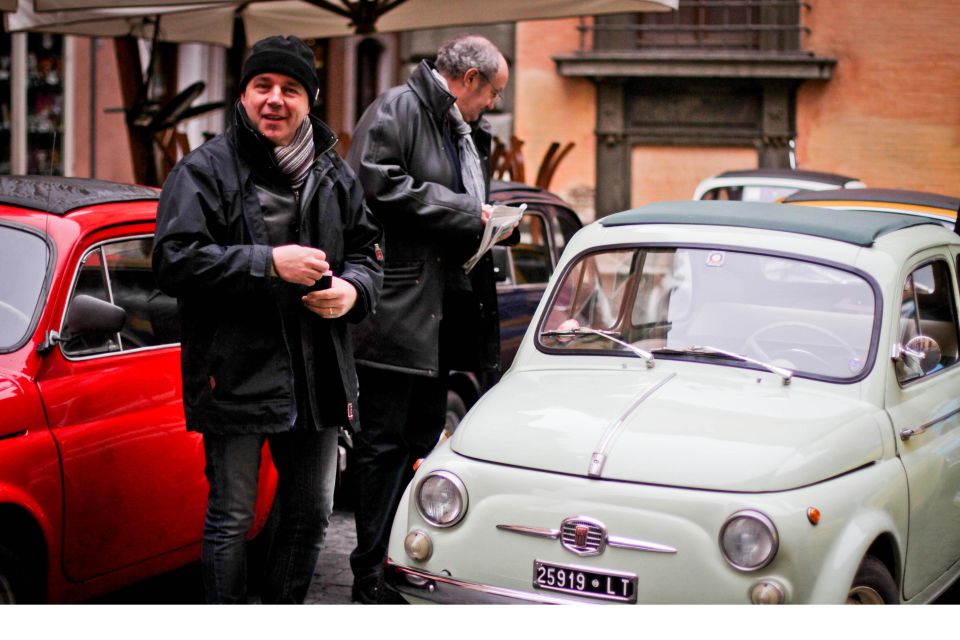
Few city tours let you feel street-level Rome. This one puts you behind the wheel of a vintage Fiat 500, with sunroof panoramas over domes, rooftops, and big-name landmarks. You also get access areas tour buses can’t reach, which matters in a city where every corner has its own rhythm.
I love the chance to drive a manual if you want, and I love the viewpoint angle you get through the car’s sunroof. Those two details change the whole feel of the tour, from sightseeing to actually moving through Rome.
One thing to consider: this is a vintage car, and the tour notes that no airbags are included (and there’s no backseat safety belt). If you’re picky about modern safety gear, it may not feel like the right fit.
In This Review
- Key things that make this Fiat 500 Rome tour fun
- Why a vintage Fiat 500 tour feels different in Rome
- Behind the wheel: manual clutch, small car comfort, and sunroof views
- Colosseum area driving: Via Cavour, Roman Forum, and classic sight angles
- Pantheon and narrow-street Rome: how small-car access changes your photos
- Seven Hills viewpoints: Aventine Hill and the Janiculum for dome-and-rooftop views
- Circus Maximus, Baths of Caracalla, and St. Peter’s Basilica from the road
- The Appian Way stretch: a taste of Rome beyond the core
- Coffee or gelato break: a small pause that keeps the tour enjoyable
- Price and value: is $192.58 for 3 hours actually fair?
- Who should book this Fiat 500 Rome tour
- Should you book the Vintage Fiat 500 Rome City Tour?
- FAQ
- How long is the Rome 3-Hour City Tour by Vintage Fiat 500?
- Where do you get picked up, and do you get dropped off afterward?
- What’s included in the tour price?
- Can I drive the Fiat 500?
- Does the tour cover the major landmarks in central Rome?
- Is there a safety belt or air bags in the car?
- Can the itinerary change during the tour?
- Is free cancellation available?
Key things that make this Fiat 500 Rome tour fun
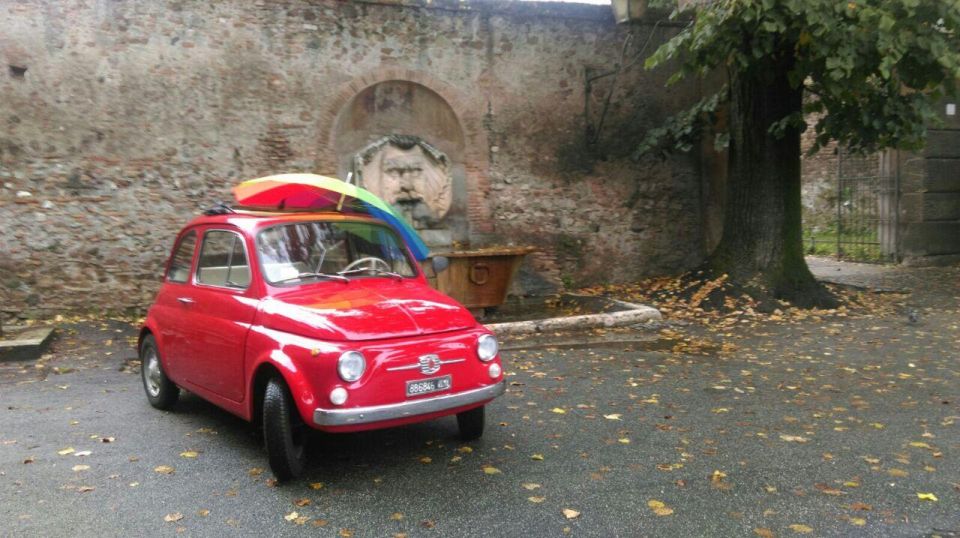
- Behind-the-wheel option in a manual car for anyone who can use the clutch
- Sunroof views as you pass the Colosseum area and climb Rome’s viewpoints
- A route built for small-car access, reaching streets buses and bigger vehicles can’t
- Stops and passing views around major sights, including Pantheon, Roman Forum, and St. Peter’s Basilica
- Coffee or gelato break, so the tour gives you a breather, not just driving
- Hotel pickup and drop-off with an English-speaking driver/guide
Why a vintage Fiat 500 tour feels different in Rome
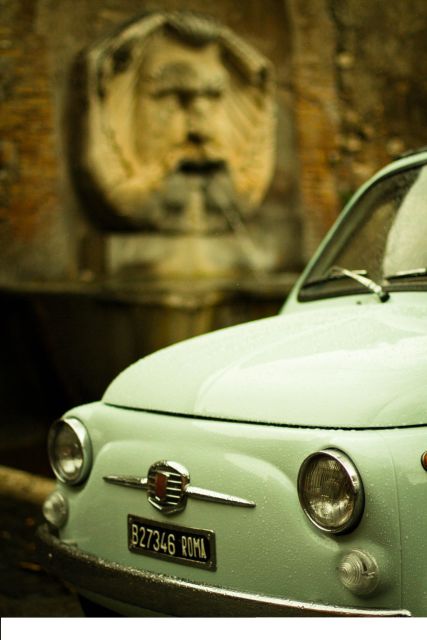
Rome can be seen from a bus window. It can also be felt when the streets narrow and the city gets close. This tour leans hard into that second option. You’re in a small, iconic car, so the pace feels more like you’re moving with Rome than watching Rome from a distance.
The vintage Fiat 500 is the main hook, but the real win is what it allows. The tour specifically mentions access to areas larger vehicles can’t reach, which usually means tighter streets, better photo angles, and less time stuck watching traffic from far away. In a city where routes can be blocked fast, having a small vehicle option helps.
The other big ingredient is the guide. The experience is built around an English-speaking driver/guide, and the tone is friendly and animated. You’re not just getting names of places. You’re getting context that helps you recognize what you’re seeing as you pass it.
You can also read our reviews of more city tours in Rome

Behind the wheel: manual clutch, small car comfort, and sunroof views
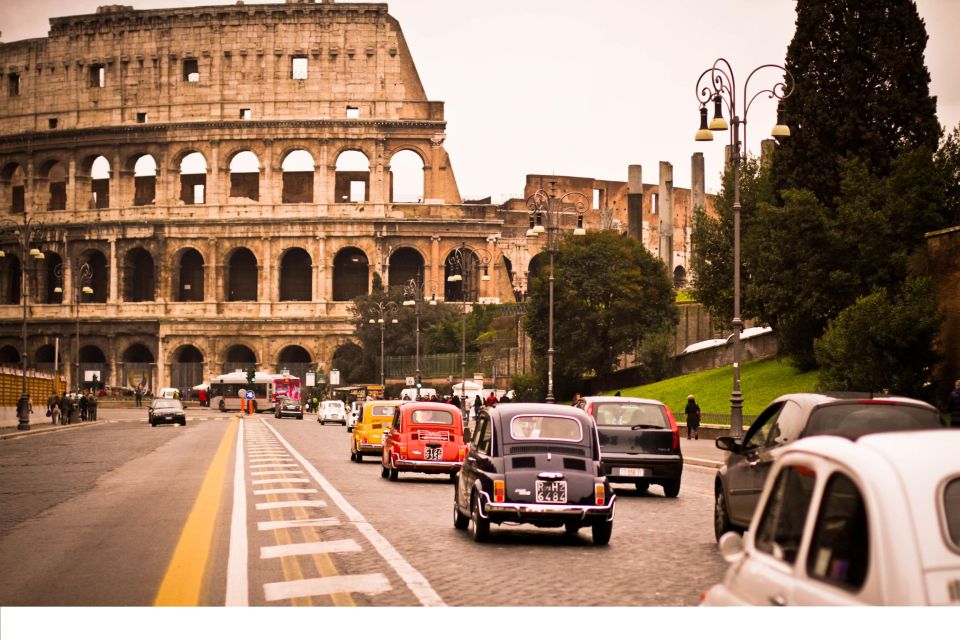
If you want to drive, this tour gives you a real shot. The key detail is straightforward: drivers must be able to use a manual clutch. So if you’re comfortable with stick shift, you can turn the tour into a hands-on memory, not just a seated ride.
Even if you’re not driving, the layout matters. This Fiat 500 seats three total, including the driver. That makes the experience more intimate than a standard group bus tour. In practical terms, it can feel easier to ask questions, react in real time, and get that you-are-here perspective that helps Rome click.
Then there’s the sunroof. You’ll see Rome through it as you go. That sounds simple until you realize how much of Rome’s drama is vertical: domes, church façades, rooftop lines, and hill viewpoints. Through the opening, the city looks taller and closer. It’s also a nice way to take photos without leaning awkwardly around poles or glass.
The one caution is vintage-car expectations. The tour notes there are no airbags, and there’s no backseat safety belt. It’s still a guided, insured experience, but it’s not trying to pretend it’s a modern rental. If you travel with that in mind, you’ll be more comfortable with what this tour really is.
Colosseum area driving: Via Cavour, Roman Forum, and classic sight angles
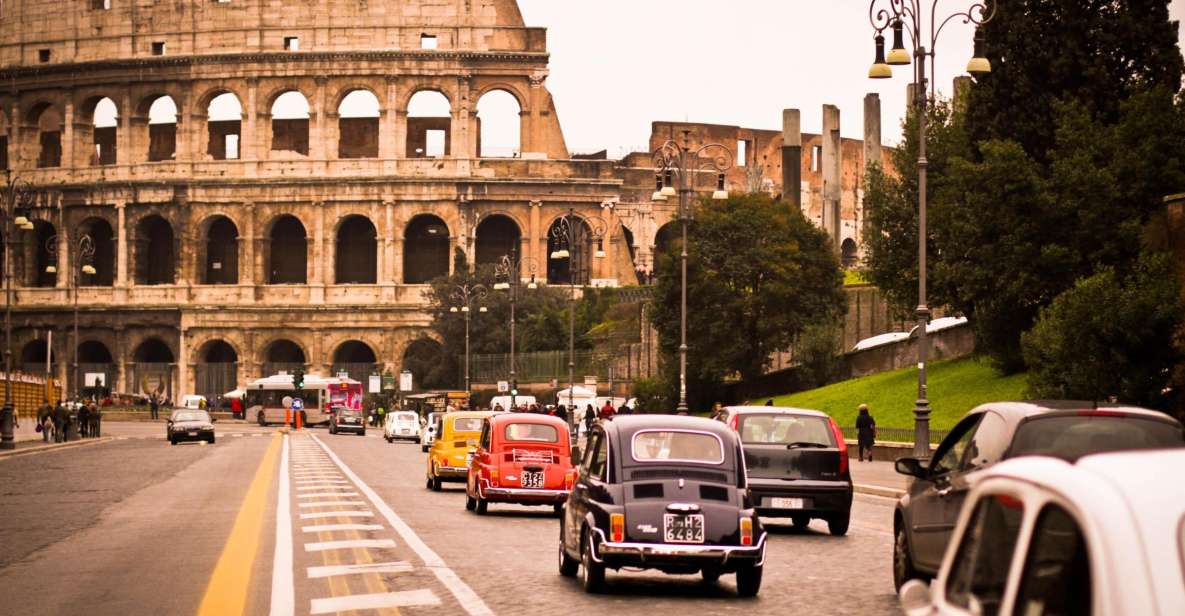
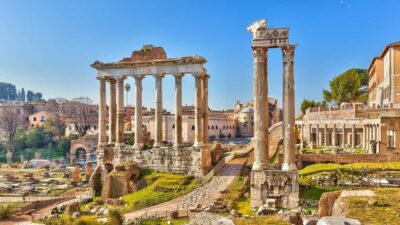
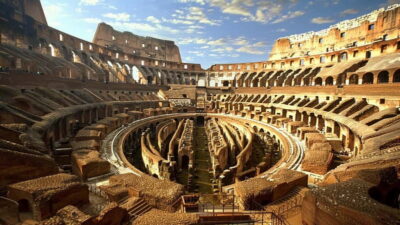
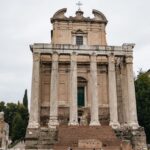
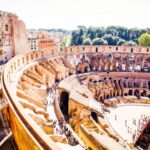
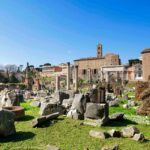
A smart Rome tour gives you the skyline first, then the details. This one does a lot of that driving-by in and around the Colosseum area. You’ll travel down Via Cavour, and you’ll drive past the Colosseum and Roman Forum. You also get Pantheon in the mix as part of the big-sight flow.
Here’s why this matters: the Colosseum isn’t just a building. It’s an entire neighborhood of sightlines. When you approach from the right roads and move with the traffic flow, you can catch views that feel less like postcards and more like you’re actually walking into the scene.
Also, don’t expect a museum-style stop-and-enter structure from every stop listed. The focus here is scenic driving with key passes and some viewpoint time. So your photos might be taken from the car, at brief pauses, or during the driving segments when traffic allows. That’s normal for this format, and it’s part of the value: you’re covering more ground in the 3-hour window.
If you’re the type who likes to orient fast, this portion helps. The tour gives you reference points you can later use for independent wandering, because you’ll know what direction the main landmarks sit in.
Pantheon and narrow-street Rome: how small-car access changes your photos
Rome’s most photogenic moments often happen on streets that feel too tight for a big bus. That’s the logic behind choosing a small vintage vehicle. The tour specifically mentions access areas tour buses can’t reach, and that usually translates to better angles and less waiting.
When you’re passing places like the Pantheon, the details that show up are often the ones you’d miss from far away: street context, building edges, and the way people move through a particular block. Even if you’re not stopping for a long walk, you’re seeing Rome the way pedestrians do.
One practical tip: keep your camera ready but don’t assume every famous landmark will be framed perfectly. In real city driving, you’ll catch certain views in motion when the road opens up. The sunroof helps with this, because you’re not limited to glass glare like you’d be in some vehicles.
The best way to enjoy this segment is to treat it like a moving orientation. You’ll likely leave with a clearer mental map of Rome’s center, which pays off later when you decide where to linger on your own.
Seven Hills viewpoints: Aventine Hill and the Janiculum for dome-and-rooftop views
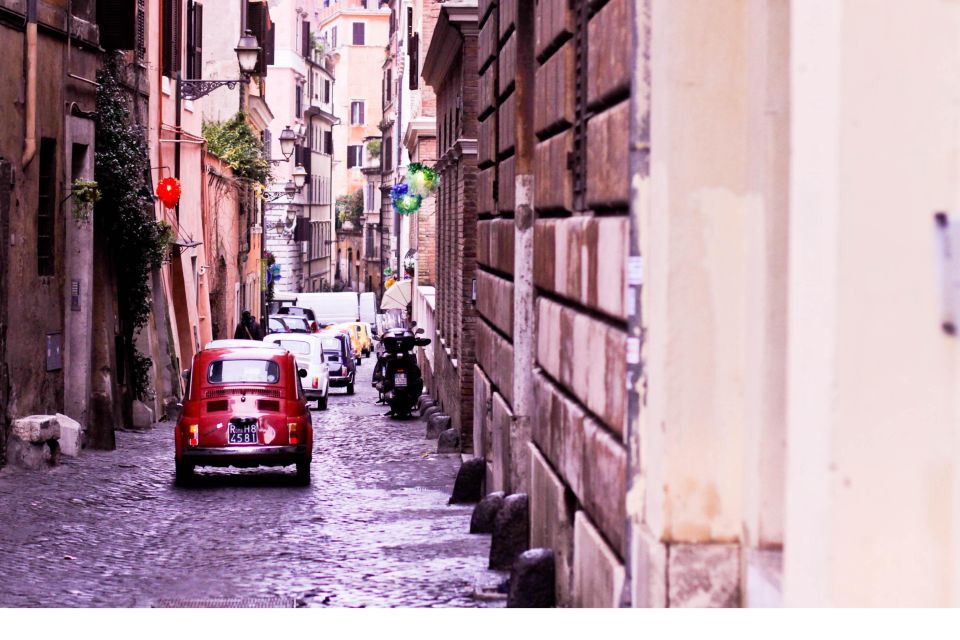
Driving Rome’s viewpoints is where you get the payoff for all that moving around. This tour includes panoramic viewpoints from Aventine Hill and the Janiculum, plus it mentions going up some of the 7 Hills of Rome.
If you’ve only seen Rome from ground level, hills can surprise you. The city’s beauty is partly in scale, and hills reveal the geometry: domes layered over rooftops, church towers marking distance, and the city spreading out in directions you can’t guess from street corners.
These are also the moments when a sunroof view shines again. Even when you’re not parked for long, you’re likely traveling through sections where the skyline opens up. It’s the kind of visual rhythm that makes the tour feel more like a guided scenic drive than a list of monuments.
Drawback to keep in mind: hill viewpoints often depend on traffic and route adjustments. The tour notes the itinerary may change due to things like traffic limits or events. That doesn’t mean you lose the experience, but it does mean you should be flexible about the exact timing of each view.
You can also read our reviews of more tours and experiences in Rome



Circus Maximus, Baths of Caracalla, and St. Peter’s Basilica from the road
Rome isn’t just the center. This tour also works in the broader layers around it. It mentions passing by the Circus Maximus, the Baths of Caracalla, and St. Peter’s Basilica.
From a driving format, these sights work best as recognition points. You’re seeing enough to connect the place name to what’s around it: the space the monument takes up in the neighborhood, the way surrounding streets feed into the landmark, and the sense of what used to be a major public space.
It also helps that these locations vary the scenery. You go from the dense landmark corridor near the Colosseum to wider-feeling zones around major ruins and religious monuments. That variety prevents the tour from feeling repetitive.
One more subtle benefit: when you pass these places with a guide, you often start noticing how Rome was designed for movement, gathering, and procession. Even without a long stop, that context makes the city feel less like scattered stops and more like one system.
The Appian Way stretch: a taste of Rome beyond the core
A big-city day can start to feel like a highlight reel if every minute is spent near the same dense cluster of streets. This tour includes travel along the Appian Way, which adds a different mood.
Why it’s valuable: even a short segment of a historic road changes how you picture the city’s reach. It’s a shift from downtown intensities to a more open-feeling corridor, even if you’re still in urban traffic. That makes the tour feel like it doesn’t just circle the same landmarks.
If you’re planning to do other Rome experiences afterward, the Appian Way segment is a nice transition. It can help you mentally separate the old-road vibe from the central monument vibe, so your next walk feels more intentional.
Coffee or gelato break: a small pause that keeps the tour enjoyable
The tour includes a coffee or gelato break. In a 3-hour experience, that break isn’t a throwaway extra. It gives you a moment to reset, recharge your phone and feet, and keep your attention sharp for the next scenic segment.
It also makes the tour feel less like a nonstop transit service. You’re not just getting driven; you’re being hosted. And in this particular setup, where the car is small and the experience is close up, that human pause matters.
If you tend to get travel-day fatigue easily, plan to use the break strategically. Take it when you feel your focus slipping. A fresh drink or a gelato scoop can do more for enjoyment than another photo angle.
Price and value: is $192.58 for 3 hours actually fair?
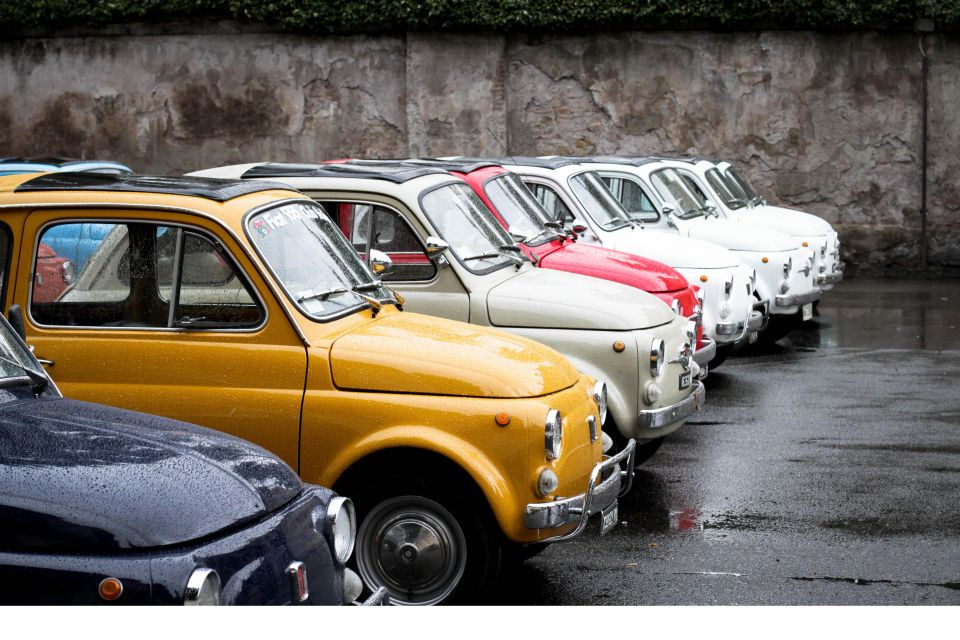
At $192.58 per person for a 3-hour tour, the price is not “cheap.” But it’s also not trying to be. You’re paying for three things that are hard to replicate on your own: a vintage Fiat 500 experience, hotel pickup and drop-off, and an English-speaking driver/guide who can guide you through the route efficiently.
What makes it feel like value is the format. In a normal sightseeing day, getting access to certain streets and managing traffic constraints can eat time. Here, you’re paying to avoid that guesswork and to get a guided scenic route that’s tailored to the vehicle size.
Is it worth it for every type of traveler? Not necessarily. If you prefer quiet museum time, you might want a walking tour instead. But if you want a fast way to see multiple top sights while also collecting a memorable driving story, this price starts to make sense.
A hint from the vibe of the experience: the guide’s humor and spirit are repeatedly praised, and the experience gets described as unforgettable and worth the money. That kind of satisfaction usually comes from the same core equation: you feel cared for, you see more than you expected in a short window, and you’re doing something you can’t DIY easily.
Who should book this Fiat 500 Rome tour
This tour fits best if you want:
- A fun, fast Rome orientation with major landmarks and viewpoints
- A hands-on experience (especially if you can drive a manual)
- Scenic coverage in a small vehicle, not a crowded bus ride
- A light, friendly guide vibe with practical context while you drive
It’s also a strong pick for a special occasion. One described it as a perfect surprise for a wife’s birthday. If you’re the planner in the group, this is the kind of booking that feels personal rather than generic.
If you’re traveling with someone who wants to maximize walking and ticketed stops, you may find this format too driving-focused. But if your idea of a great day includes movement, viewpoints, and iconic sights without waiting in long lines, it’s a good match.
Should you book the Vintage Fiat 500 Rome City Tour?
I’d book it if you want Rome in motion, with a guide who keeps things lively and a vehicle that turns sightseeing into an experience. The best part is the combination of sunroof panoramic views plus the practical advantage of small-car access in a city where buses don’t always fit the best routes.
I’d think twice if you’re very safety-gear sensitive (since the tour notes no airbags and no backseat safety belt) or if you don’t like the idea of a manual-clutch requirement for anyone who wants to drive. Also, if you need long time at specific monuments, this is more of a scenic driving highlights tour than a slow, stop-everywhere plan.
For most visitors, though, it’s an easy recommendation: you get a memorable way to see the big names, plus enough viewpoints to make Rome feel wide, layered, and real.
FAQ
How long is the Rome 3-Hour City Tour by Vintage Fiat 500?
The tour duration is 3 hours.
Where do you get picked up, and do you get dropped off afterward?
You get personalized hotel pickup and drop-off.
What’s included in the tour price?
Included features are transportation by vintage Fiat 500, an English-speaking driver/guide, insurance, personalized pickup and drop-off, and a coffee or gelato break.
Can I drive the Fiat 500?
There’s a chance to get behind the wheel. Drivers must be able to use a manual clutch.
Does the tour cover the major landmarks in central Rome?
Yes. It includes scenic driving past or around sights such as the Colosseum, Roman Forum, Pantheon, Circus Maximus, Baths of Caracalla, and St. Peter’s Basilica, plus viewpoints on the Aventine Hill and Janiculum.
Is there a safety belt or air bags in the car?
The tour information says air bags are not included, and there is no backseat safety belt.
Can the itinerary change during the tour?
Yes. The tour leader may change the itinerary due to traffic jams, traffic limitations, sports or political events, adverse weather, or other force majeure situations.
Is free cancellation available?
Yes. Free cancellation is available up to 24 hours in advance for a full refund.