REVIEW · ROME
Rome: Ancient Rome Nighttime Sightseeing Tour
Book on GetYourGuide →Operated by Romes Ultimate · Bookable on GetYourGuide
Rome looks better after dark, trust me. I love the small-group pace and the way guide Dimitri turns facts into an interactive conversation instead of a straight lecture. The one drawback to plan for: it’s a walking tour, and it’s not suitable for mobility impairments, so comfortable shoes are non-negotiable.
This is a classic “layered Rome” route: you start in Rione Monti, then move through piazzas and monuments that show how the city kept reinventing itself—ancient Forum energy, Renaissance design, medieval power, and government-era Rome. You end in the right mood, too, with a complimentary drink at the Highlander Pub, a nice payoff after a cool evening stroll.
At $82 for about 3 hours, you’re paying for a live guide, tight routing, and that included nightcap. If you want to maximize your first nights in the Eternal City, it’s a solid value because you hit major landmarks without spending the evening trying to figure everything out alone.
In This Review
- Key things you’ll notice on this night walk
- Why Rome at night makes the stone feel alive
- Starting in Rione Monti: the oldest neighborhood vibe
- Piazza Quirinale: the Roman elite’s seat after dark
- Trajan’s Forum: from imperial power to the first shopping street
- Piazza Campidoglio: Michelangelo’s design in a night-lit spotlight
- Palazzo Venezia and the Unification Monument: Rome moves into modern power
- Piazza Colonna: ending at Italy’s government seat
- Highlander Pub nightcap: the relaxed finish you’ll remember
- Price and time value: what you get for $82
- Small groups and the Dimitri factor: why the guide style matters
- Who this tour suits best (and who should choose differently)
- Quick tips to get the most out of the evening
- Should you book this Rome Ancient Rome Nighttime Sightseeing Tour?
Key things you’ll notice on this night walk
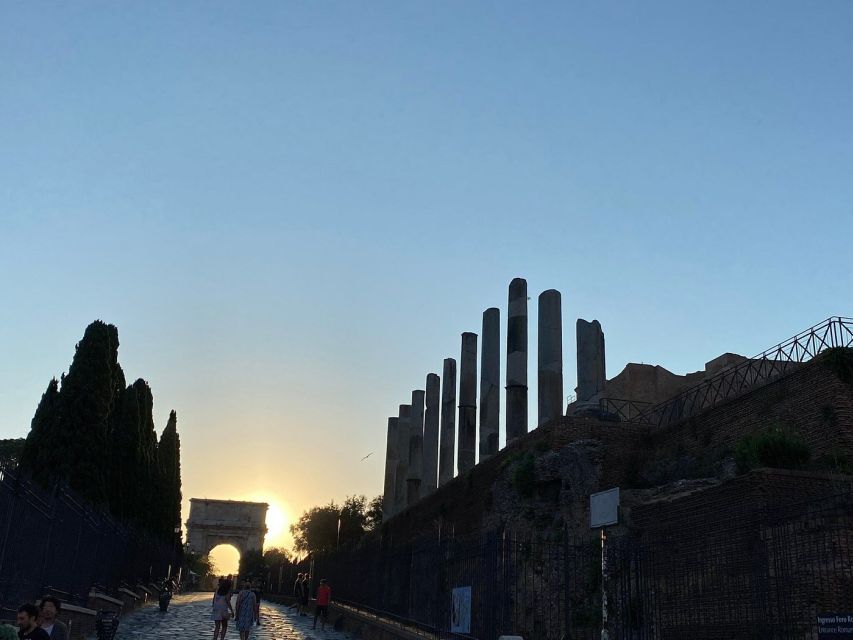
- Rione Monti start: you begin in the oldest residential area of Rome, so the night feels grounded, not touristy
- Piazza Quirinale by night: you get the Roman elite vibe without daytime crowds
- Trajan’s Forum storytelling: it’s described as the largest and last Imperial Forum, and even framed as the world’s first shopping mall
- Michelangelo’s Piazza Campidoglio: Renaissance design takes on a different mood after dark
- Palazzo Venezia and Vittorio Emanuele II: you see how power evolved into modern Rome’s iconic monuments
- Piazza Colonna + Highlander Pub nightcap: a clean ending with a glass of wine or a cocktail
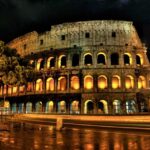
Why Rome at night makes the stone feel alive
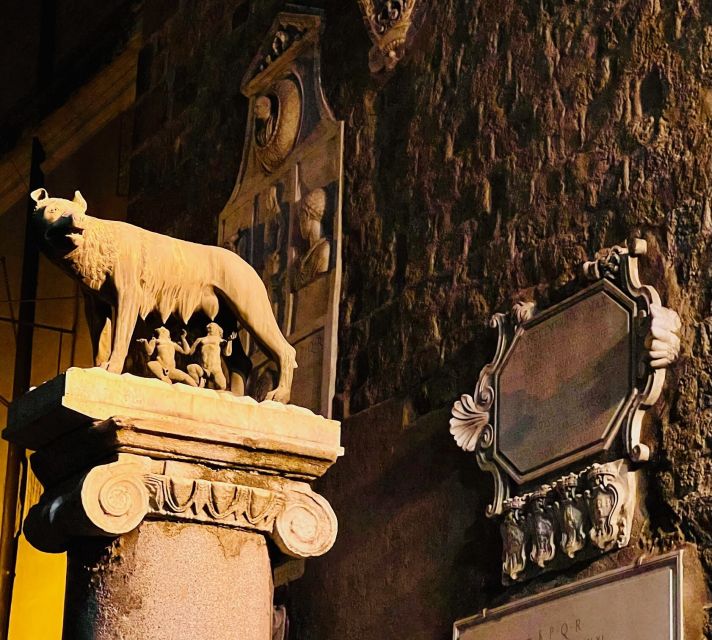
Rome’s daylight can be flashy, but night is where the city starts whispering details. On this tour, the whole idea is simple: you walk from one major square to the next while a guide connects the architecture to the people who once ran, lived in, shopped in, and ruled over these spaces.
I like how the pacing keeps you moving but not sprinting. You get a guided line through the city’s big moments—ancient, Renaissance, medieval, and government-era—without feeling like you’re being herded from one photo op to another.
One practical note: because it’s outdoors rain or shine, you should expect real street time. If you’re the type who hates standing around for views, this will still work, but you’ll want shoes that can handle cobblestones and uneven sidewalks.
You can also read our reviews of more tours and experiences in Rome.

Starting in Rione Monti: the oldest neighborhood vibe
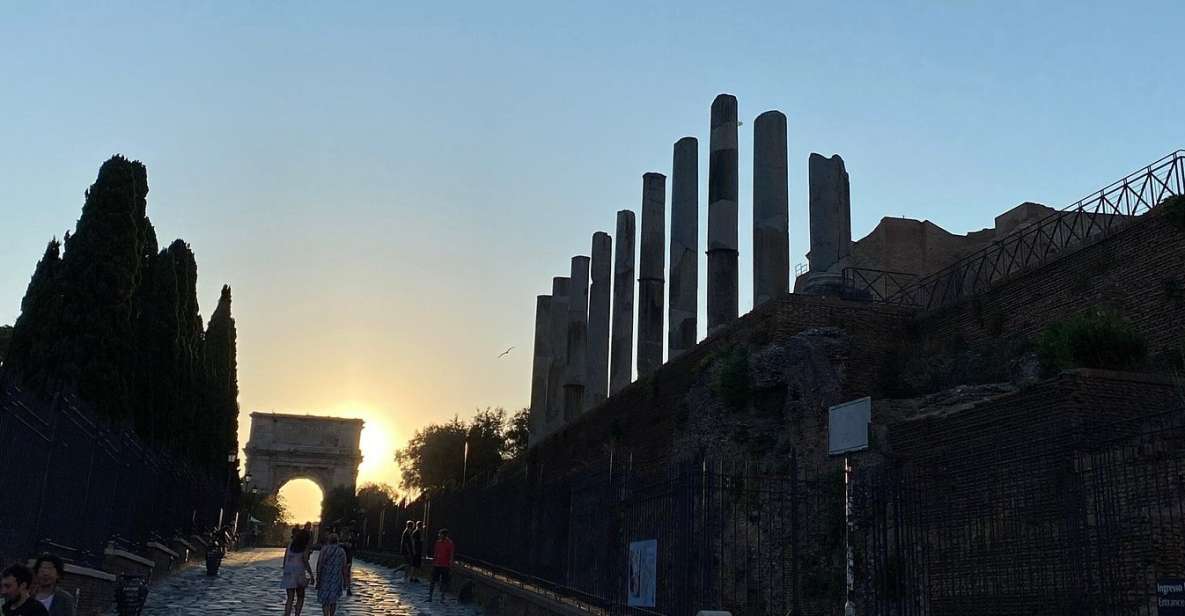
The tour starts in Rione Monti, described as the oldest residential area in Rome. That matters more than it sounds, because you’re not beginning in a “destination” area made solely for visitors. You’re starting in a neighborhood feel, where the streets and setting help you understand that Rome wasn’t built once and finished—it was lived in, rebuilt, and layered over centuries.
This first leg sets your mental map. When you begin a night walk in a lived-in area, later stops like piazzas and forums don’t feel like isolated monuments. They start to feel like parts of a city that evolved.
If you’re trying to orient yourself fast on your first Roman evening, this start is a big help.
Piazza Quirinale: the Roman elite’s seat after dark
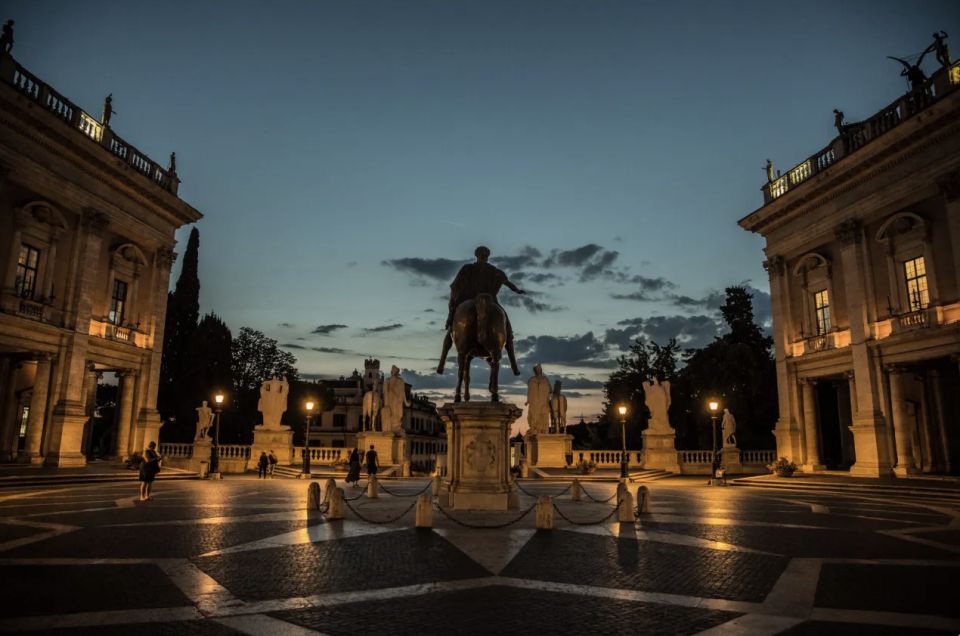
From Rione Monti, the route leads you to Piazza Quirinale, described as the seat of the Roman elite throughout the ages. At night, the square feels calmer and more “official,” which makes the history lesson land better.
This stop is also a good example of what makes the tour worth it: you’re not just seeing a named place. You’re learning what it meant. A guide turns the space into a story about status, authority, and how Rome’s power shifted over time.
With an interactive guide like Dimitri—who adds funny comments and keeps you involved rather than letting the group go quiet—you’re more likely to remember the why, not just the what.
Trajan’s Forum: from imperial power to the first shopping street
Next up is Trajan’s Forum, called the largest and last Imperial Forum to be built in Rome. Even more interesting is the framing that it was the world’s first shopping mall. That comparison isn’t about brand-new storefronts; it’s about the idea of a place where public movement and commerce meet under a grand architectural umbrella.
At night, this kind of site can feel surprisingly cinematic. The architecture reads more clearly when your eyes aren’t overloaded by crowds and harsh midday glare. And with a guide talking you through what you’re looking at, it’s easier to see the forum not just as ruins, but as a functioning “center” that helped shape Roman life.
Practical takeaway: wear shoes you can trust here. Even if you’re not going deep into any one building, the surrounding streets and paving are part of the experience.
Piazza Campidoglio: Michelangelo’s design in a night-lit spotlight
Then you reach Piazza Campidoglio, where you’ll see Michelangelo’s famous designs. Renaissance planning can look impressive in daylight, but at night it turns more graphic. Angles, symmetry, and stair lines become easier to appreciate when the square feels quieter and the lighting guides your eye.
This is a stop that rewards you for slowing down. The design isn’t just decorative—it’s a statement about how Rome wanted to present itself centuries later. In other words, the city keeps returning to its own image and refining it, and this piazza is a perfect example.
If you like architecture or you simply want to understand why certain squares in Rome feel “important,” don’t rush this one.


Palazzo Venezia and the Unification Monument: Rome moves into modern power
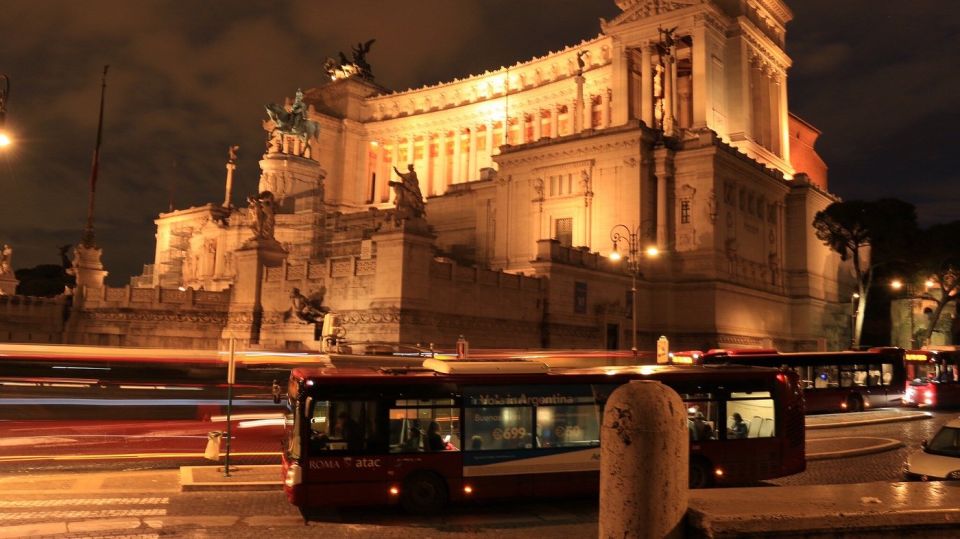
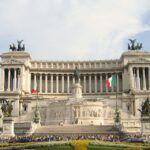
The tour also includes the area around Palazzo Venezia, described as a central hub of Rome, facing the Unification Monument of Vittorio Emanuele II. This pairing is clever because it shows you Rome not only as an ancient world, but as a stage for later political identity.
You start with imperial Rome, shift to Renaissance design, then you’re looking at a later symbol of Italian unification. That’s the “ever changing Rome Centre” idea in real form: different eras take over the same city, and the city keeps reinterpreting itself.
I like that the tour doesn’t pretend Rome is stuck in one time period. It’s more useful—and more honest—to see how the story keeps going.
Piazza Colonna: ending at Italy’s government seat
The walk concludes at Piazza Colonna, described as the seat of the government of Italy. Ending here works because it ties the night’s themes together: power and public space.
By the time you reach Piazza Colonna, you’ve already seen elite Rome, imperial Rome, Renaissance Rome, and the political language of later Italy. The tour closes the loop by reminding you that Rome is still a working capital, not a museum that stopped moving.
And if you’ve been enjoying the guide’s interactive style, it’s a good place to let it land—this is where the city’s layers start to feel like one continuous story rather than separate stops.
Highlander Pub nightcap: the relaxed finish you’ll remember
A major practical plus: the tour ends with a complimentary drink at a nearby Highlander Pub—a glass of wine or a cocktail. After a few hours walking at night, that small “landing” moment matters. It’s not a gimmick; it’s a chance to cool down, compare notes with your group, and just enjoy the city without rushing to your next reservation.
In one of the experiences tied to this tour, the guide took the group to his pub, described as beautiful, and the drinks and staff were called out as friendly. That kind of ending makes the night feel complete rather than abruptly over at a monument.
If you’re the type who likes to end a city walk with something simple and warm (not another museum ticket), you’ll appreciate this.
Price and time value: what you get for $82
At $82 per person for a 3-hour evening tour, you’re paying for three things that add real value in Rome:
- A live guide for the full time
- A tight route through multiple landmark piazzas
- A included nightcap (wine or cocktail)
This is where it makes sense to do the math in your head. You’d otherwise spend that evening either researching routes alone (and walking longer to connect the sites) or paying for separate tours/entry-focused experiences that don’t connect the story. Here, the goal is story + orientation + a satisfying ending.
The “small groups” detail also matters. In big crowds, night sightseeing becomes chaotic and you miss the context. Small groups usually make it easier to ask questions and keep the energy up—especially if your guide is interactive.
Small groups and the Dimitri factor: why the guide style matters
Guide quality is often the difference between a fun walk and a forgettable one. With Dimitri, the tour experience is described as interactive, funny, and question-friendly. Instead of treating the evening as a nonstop talk, he keeps people engaged, with extra time added to accommodate questions about the city.
That’s more than personality—it changes how you experience the landmarks. If you understand why Piazza Quirinale is called out, or what makes Trajan’s Forum special beyond the basics, the night becomes meaningful. You stop collecting “names” and start seeing patterns: power moves, art changes, and public space keeps getting reinvented.
If you care about storytelling and you like asking questions, this tour’s format fits your style.
Who this tour suits best (and who should choose differently)
This is a great match if you:
- Want a guided orientation to major Roman sites in one evening
- Like history told through places, not through long lectures
- Prefer small groups and a more conversational guide
- Want an included drink at the end to pace your night
It’s not a good fit if you:
- Have mobility impairments (it’s listed as not suitable)
- Need a fully seated experience or minimal walking
- Hate outdoor activities in unpredictable weather (it runs rain or shine)
If you’re traveling with kids, it could be fun, but you’d want to judge your group’s stamina and interest level based on how they handle walking tours at night.
Quick tips to get the most out of the evening
- Bring comfortable shoes you’ve already worn before. Cobblestones are not the place to test new footwear.
- Dress for rain and cool night air since it runs rain or shine.
- If you’re arriving eager to learn, be ready with one or two questions. A good guide will often turn them into teachable moments.
- Take a slow moment at Piazza Campidoglio. Michelangelo’s design reads best when you give it a few seconds of attention instead of rushing for the next photo.
Should you book this Rome Ancient Rome Nighttime Sightseeing Tour?
I’d book it if you want a compact evening that covers big-ticket landmarks while still explaining how the city layers its eras. The combination of Rione Monti, piazzas like Quirinale and Colonna, major sites like Trajan’s Forum, Michelangelo’s Piazza Campidoglio, and the included Highlander Pub nightcap makes for a well-rounded night plan.
I would skip it if you can’t do much walking or if outdoor rain-or-shine tours don’t match your style. Also, if you already know Rome deeply and you’re hunting for ticketed, inside-only experiences, you might feel you want a more focused option.
But for most first-timers—or anyone who wants a memorable night with a real guide and an easy finish—this is a strong value play.