REVIEW · ROME
Rome: Appian Way, Aqueducts, and Catacombs Tour
Book on GetYourGuide →Operated by Walks of Italy · Bookable on GetYourGuide
Rome feels quieter at closing time. This Appian Way and aqueduct tour pairs a walk on the Appian Way with a calm catacomb visit at the end of the day, plus that big wow moment when you pause for Mausoleum of Cecilia Metella photos. I also like that you get out of the city hustle without feeling rushed, thanks to private air-conditioned transport between stops.
One consideration: the catacombs are tight, and there are strict rules—so if you’re claustrophobic or hate feeling boxed in, you’ll want to think twice.
Key highlights you’ll feel fast
- Appian Way pacing: real walking time on ancient paving, but with breaks built in
- Cecilia Metella stop: the circular tomb is iconic and photogenic without long lines
- Aqueduct Park photos: tall stone structures and open sky at Parco degli Acquedotti
- Closing-time catacombs: San Sebastiano or Domitilla accessed near the end of the day for a calmer visit
- Private, air-conditioned transport: a practical way to go far beyond the city center
In This Review
- Starting at Piramide: Getting Out to the Ancient Sites Without the Headache
- The Appian Way: Why Via Appia Still Feels Special
- Cecilia Metella’s Mausoleum: A Photo Stop That Teaches You Something
- Parco degli Acquedotti: Aqueducts Up Close, Not as Background
- Catacombs at Closing Time: San Sebastiano or Domitilla, Quiet and Spooky in the Best Way
- Walking It Out: Timing, Pacing, and How the Day Feels
- What’s Included (and What You Should Plan to Pay for Yourself)
- Rules and Practical Tips: How to Make the Day Smooth
- Who Should Book This Tour (and Who Should Skip It)
- Should You Book the Rome: Appian Way, Aqueducts, and Catacombs Tour?
- FAQ
- Where is the meeting point for this tour?
- How early should I arrive?
- What catacombs will I visit?
- How long is the tour?
- Is hotel pickup included?
- What is included in the price?
- Are cameras allowed?
- What should I wear to enter the catacombs?
- Is this tour suitable for wheelchair users or people with mobility impairments?
- Is the tour okay if I have claustrophobia?
Starting at Piramide: Getting Out to the Ancient Sites Without the Headache
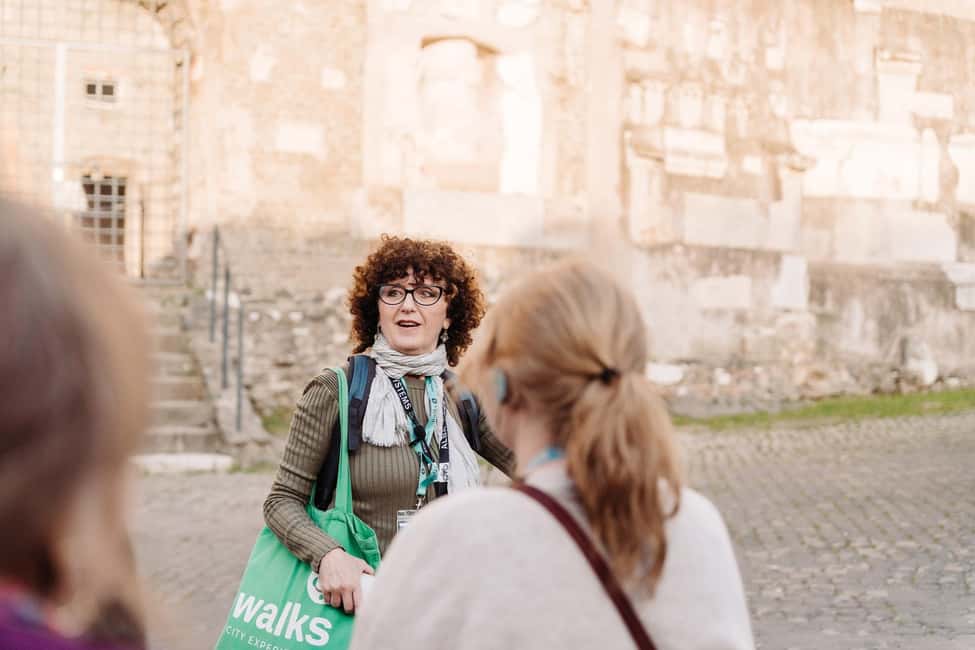
This is the kind of Rome day that works because it starts logically and ends farther away than most sightseeing circuits. The tour meets in front of the Piramide metro station, across from Piazzale Ostiense. Show up about 15 minutes early, and look for your guide holding a green Walks sign.
Once you’re moving, the biggest quality-of-life win is the transport. You ride in private, air-conditioned comfort between stops, which matters because the day includes long stretches outdoors. Even if the walking portions are manageable, Rome can turn sweaty fast—one reviewer called out a 36° day, and the guide worked to keep people in shade when possible. That kind of small attention makes a difference.
You’ll also notice the route isn’t staged like a “drive-by.” You park, you get out, you look up, and you walk. It’s a day built for your eyes and your legs, not just for photos from a window.
The Appian Way: Why Via Appia Still Feels Special
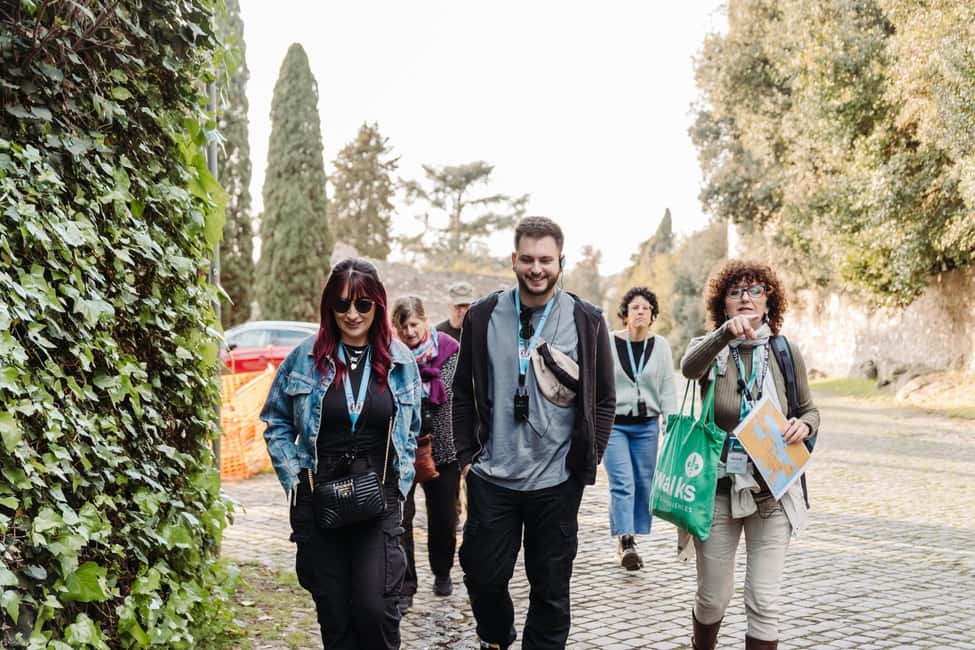
The Appian Way (Via Appia Antica) is famous for a reason: it’s one of Rome’s earliest, most durable roads, and you feel that durability underfoot. On this tour, you get a focused walk—about 25 minutes—where you can actually sense the age in the paving stones. It’s not just scenery. It’s the physical evidence that Roman engineering was meant for movement: legions, merchants, travelers, and everything the empire needed to move fast.
What makes this stretch satisfying for me is the contrast. You start in a modern Rome meeting point, then you’re out in the quieter outskirts setting where the road feels like it belongs to another era. Reviews also mention that the road is still active, which can surprise first-timers. If you expect a dead-quiet walking path, you might be a little different from what you pictured—but that’s also part of the reality of the Appian Way today: ancient infrastructure that still functions.
A practical tip: wear shoes you trust. One review warned the roads can be bumpy, especially on the way to/from stops. The day is designed for moderate walking, but Rome’s surfaces don’t always act “smooth.”
You can also read our reviews of more tours and experiences in Rome.

Cecilia Metella’s Mausoleum: A Photo Stop That Teaches You Something
Next comes the Mausoleo di Cecilia Metella, a circular tomb from the 1st century BCE. Even if you’ve seen it in pictures, it lands differently in person. It’s imposing, built to last, and it helps you understand how Roman elite families signaled power with stone.
Why I like this stop: it gives you a clear anchor point before you shift from tombs above ground to the idea of underground burial. The guide can connect the monument to the people behind it and the politics of who got to be remembered. And because this stop is short and structured (another ~25 minutes), it doesn’t swallow your day.
If you care about context, this is where a strong guide helps. Multiple reviews praised guides like Federico, Sylvie, and Antonella for making details click—so the tomb becomes more than a shape in a photo. You leave with a sense of what the Romans were thinking when they built permanent memorials.
Parco degli Acquedotti: Aqueducts Up Close, Not as Background
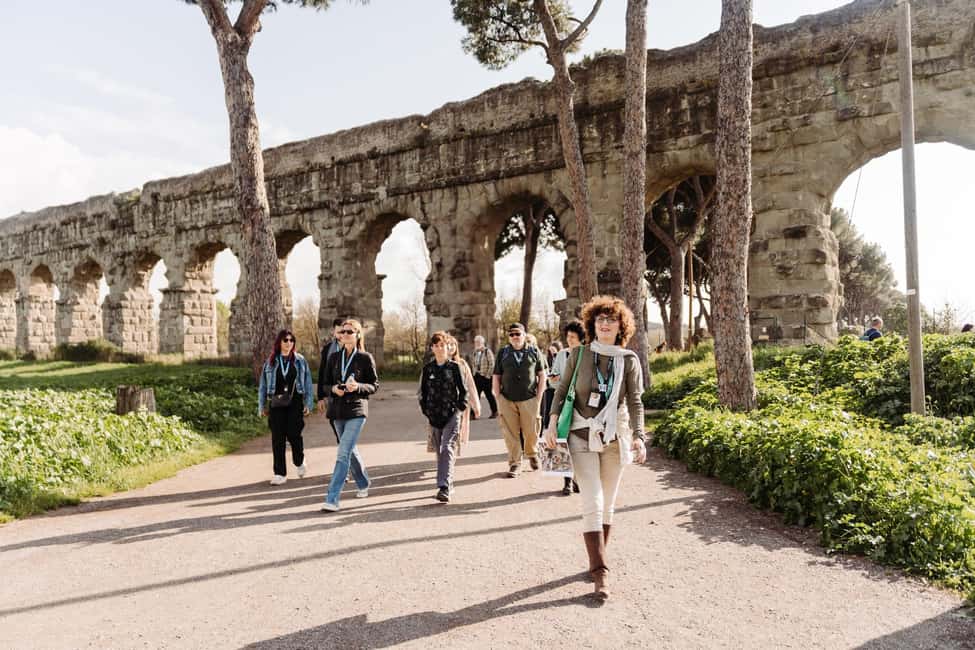
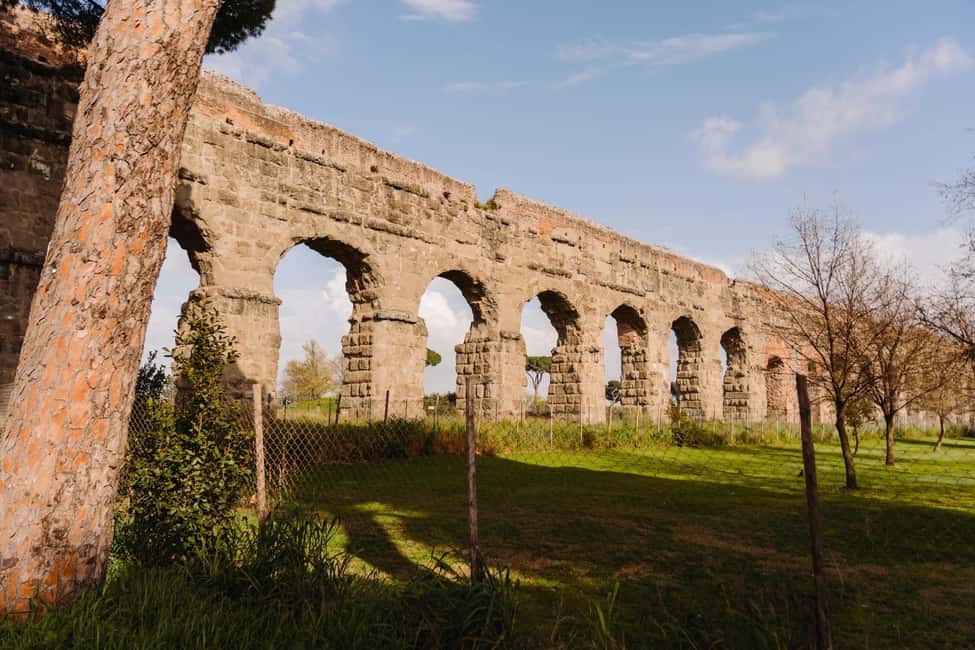
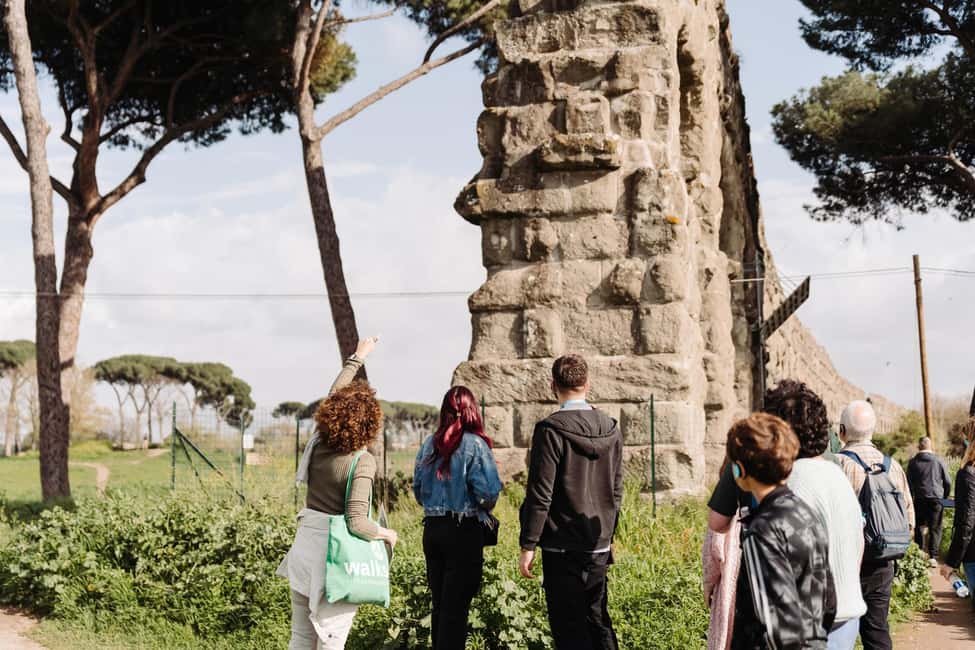
Then you head into Parco degli Acquedotti, where the aqueduct ruins become the main event. This part is about standing under (and looking along) towering stone remains and realizing these structures weren’t decorative—they were infrastructure.
The tour gives you about 45 minutes here, which is just enough time to get your bearings, take in the scale, and understand the engineering idea: the ancient city depended on water brought from outside. When you’re up close, you can see how the system was designed to carry fresh water over distance. The best “aha” is visual. Once your eyes adjust to the height and angles, the aqueducts stop being a postcard and start looking like real-world technology.
One review said they loved the aqueduct park most. That’s a common reaction, because it feels like a breath of open air compared with central Rome’s crowds. Also, the park setting helps: fewer tour groups, more space to look around, and the satisfaction of seeing the ruins as part of a broader landscape.
Catacombs at Closing Time: San Sebastiano or Domitilla, Quiet and Spooky in the Best Way
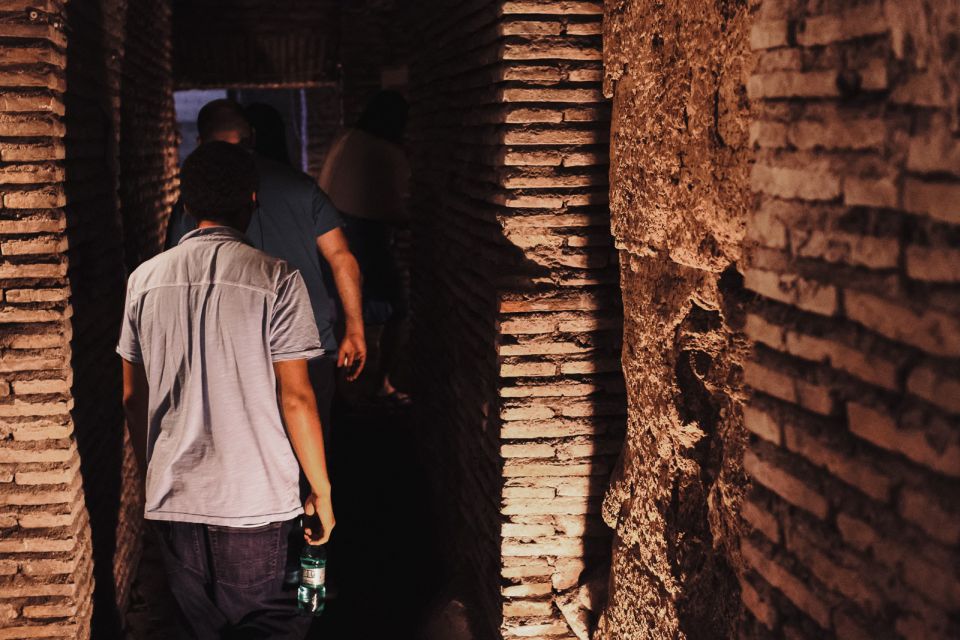
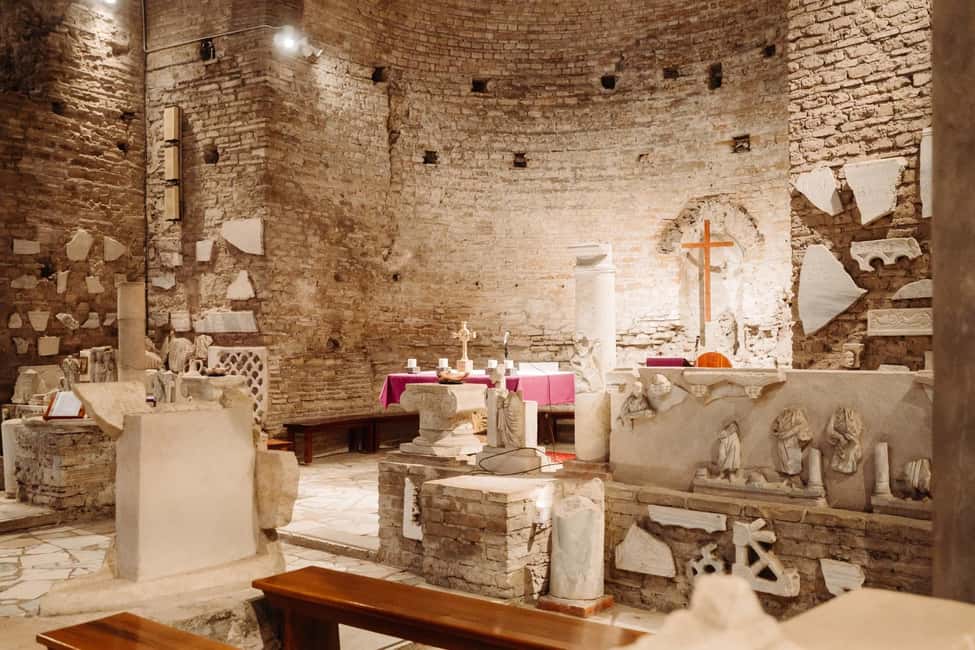
The final major stop is the catacombs, timed so you can go in at closing time. You’ll visit either the Catacombs of Saint Sebastian (San Sebastiano) or Domitilla, depending on the day. Either way, you get about 80 minutes underground with a guide.
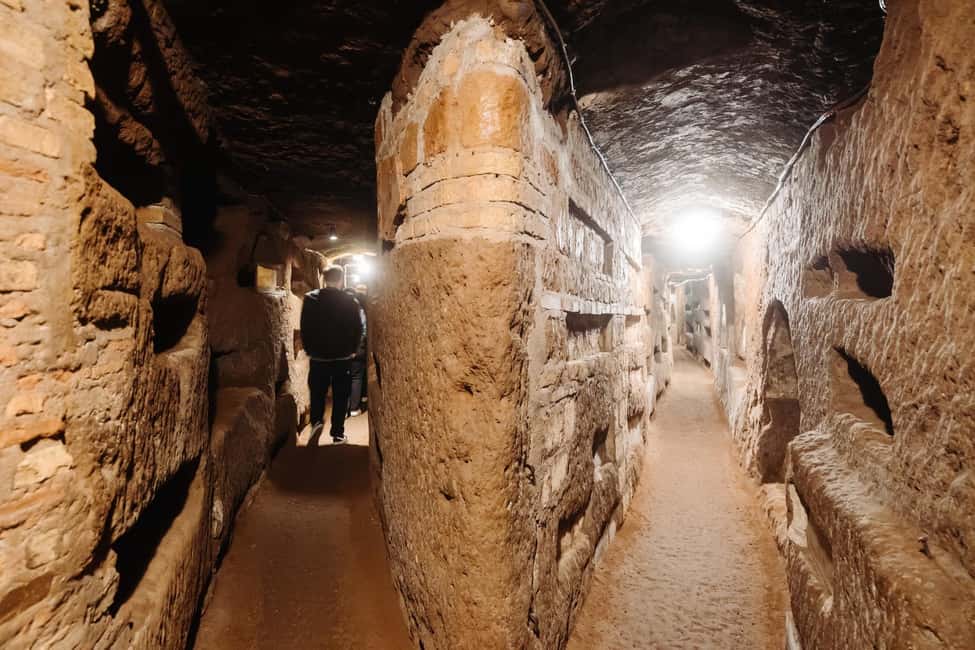
This is where the tour earns its reputation. Catacombs are always a bit intense, but going late (near closing) usually means the vibe is calmer. Reviews repeatedly highlight that you’re not stuck in a wall of people, and that quiet makes the underground atmosphere easier to take in.
Now, a reality check you should respect: catacombs are tight. Even without claustrophobia, the corridors and the movement can feel narrow and enclosed. Also, there’s a strict no-cameras rule, and photography inside isn’t allowed. So if your plan is a lot of shooting and filming, you’ll need to shift to watching, listening, and absorbing.
One thing that came up in feedback: people sometimes expect scenes similar to other famous catacombs where you see lots of bones. Here, you should be prepared for a different experience—more about burial history and early Christian spaces than a bone-display style.
Dress rules matter down there too. Because the catacombs relate to religious sites, you must cover shoulders and knees. The tour also specifies bringing long pants and a long-sleeved shirt, and it bans shorts, short skirts, sleeveless shirts, and other bare-shoulder/bare-knee clothing. If you have a light layer or scarf, that helps: some people bring extra covering just before entering.
Also, consider comfort in your expectations. Several reviews noted the catacombs part was a highlight, but others wished it were longer. That can be a sign you should commit to listening closely—because the time slot you get is packed.
Walking It Out: Timing, Pacing, and How the Day Feels
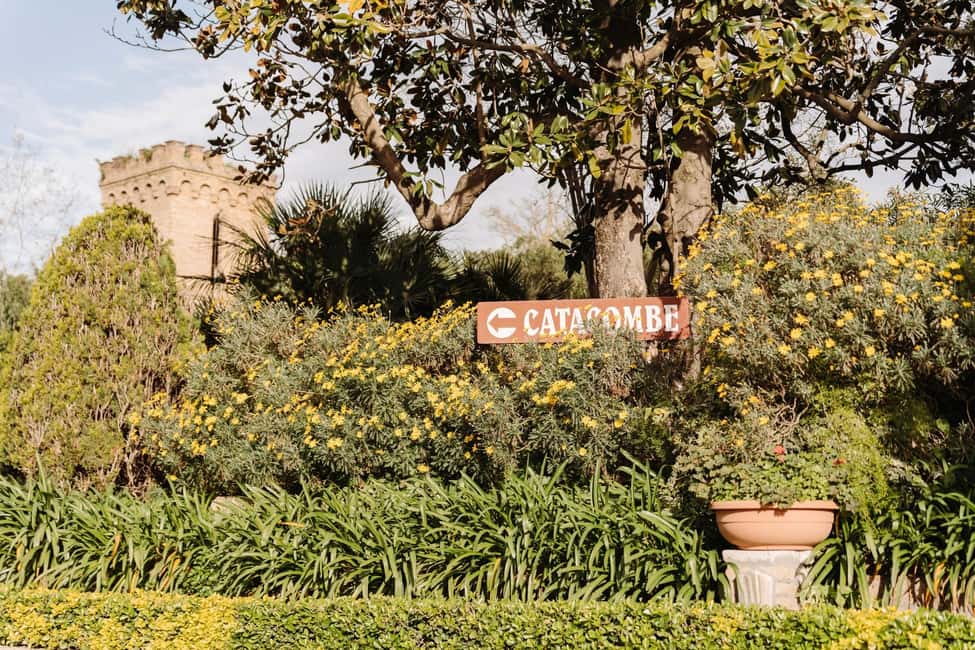
The tour runs about 195 minutes total. It’s not an all-day grind like some Rome marathons, but it also isn’t a quick bus tour with one photo stop. The day is built as a sequence of three main sites plus transport breaks, with walking segments at each historical location.
Here’s how it tends to feel:
- You start outside the center and ease into the ancient road idea with the Appian Way walk.
- You shift into monuments with the Cecilia Metella stop, a shorter and easier segment.
- You spend real time at the aqueduct park, which is often where people slow down and take it in.
- You cool off—mentally and physically—in the catacombs, where the lighting, temperatures, and narrow corridors change the tempo.
One review also mentioned the walking was great and not too strenuous. That fits the “moderate pace” guidance. You should still be prepared for uneven surfaces and a bit of standing around for photos and explanations.
If you’re the type who likes to ask questions, bring that energy. Guides such as Federico, Chiara, Annalise, Aurelio, and others stood out in feedback for how they answered people and kept the stories connected to what you were looking at.



What’s Included (and What You Should Plan to Pay for Yourself)
For $64 per person, the value comes from what’s bundled into the day. You get:
- Entry to the catacombs (San Sebastiano or Domitilla, depending on the day)
- A dedicated expert catacombs tour guide
- Private air-conditioned transport between sites
What you do not get:
- Hotel pickup and drop-off
That means you’re responsible for getting yourself to the meeting point at Piramide. For many visitors, that’s no big deal because you’re already in the metro system. But if your hotel is far from transit, you’ll want to plan your route early so you’re not stressing in the last 20 minutes.
As for value: you’re paying for three things that are hard to replicate casually—access timing for the catacombs, a guide who can interpret what you’re seeing underground, and AC transport that turns a long, spread-out day into something manageable.
Rules and Practical Tips: How to Make the Day Smooth
This tour runs with real rules, mostly because you’re going into active religious/heritage spaces and underground areas.
Do plan for:
- Long pants and a long-sleeved shirt
- Shoulder and knee coverage for the catacombs
- No cameras, and no photography inside
Also, don’t count on it being stroller-friendly or wheelchair-friendly. The tour isn’t suitable for guests with mobility impairments, wheelchair users, or strollers. It also isn’t a great fit for claustrophobia due to the tight catacomb conditions.
One small logistics note from feedback: the gift shop situation can vary, and one person said it was closed by the time they exited. You’ll want to mentally file that under normal museum unpredictability. If a book is important to you, check availability while you’re there.
Finally, think about heat and timing. The catacombs help break up a warm day, but you’ll still spend time outdoors around the Appian Way and aqueduct park.
Who Should Book This Tour (and Who Should Skip It)
This tour is best for you if you want Rome beyond the classic center-crowd route. I think it’s especially smart for:
- People who want scale without huge lines (aqueducts and the Appian Way deliver that)
- Visitors who care about how Rome worked, not just what it looked like
- Anyone who wants a quieter catacomb experience at closing time
You might skip it if:
- You need wheelchair accessibility or you’re traveling with a stroller (this one isn’t designed for that)
- You have claustrophobia
- You hate rigid dress rules or you rely on photography as your main activity
If you’re on the fence because you’re not sure you’ll enjoy catacombs: the late-day timing and the guided interpretation are exactly what makes this experience work for many people.
Should You Book the Rome: Appian Way, Aqueducts, and Catacombs Tour?
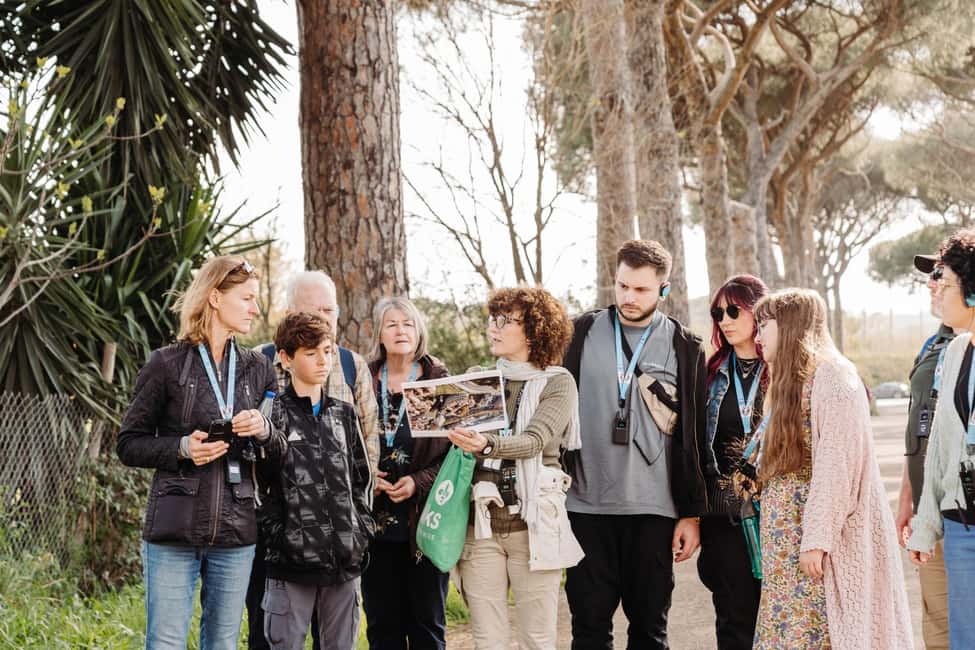
Yes—if your goal is an out-of-center Roman day that feels calmer and more intentional than the usual hit-list.
Book it if you’re drawn to:
- Walking a real ancient road segment on the Appian Way
- Seeing aqueducts in a park-like setting where the scale is unmistakable
- Going underground with closing-time access, ideally with a guide who can connect the burial spaces to the story of early Rome and early Christians
Don’t book it if you can’t manage tight spaces or you’re traveling with mobility needs that this tour can’t accommodate. And if you absolutely need cameras inside, you’ll be disappointed.
If your schedule allows only one day outside the city core, this is a solid choice. It’s structured, it’s efficient, and it hits the three big themes—roads, water, and burial—without drowning you in crowds.
FAQ
Where is the meeting point for this tour?
The tour meets in front of the Piramide metro station, located across from Piazzale Ostiense.
How early should I arrive?
Please arrive 15 minutes prior to the start of your tour.
What catacombs will I visit?
You will visit either the Catacombs of Saint Sebastian or the Catacombs of Domitilla, depending on the day.
How long is the tour?
The duration is 195 minutes.
Is hotel pickup included?
No. Hotel pickup and drop-off are not included.
What is included in the price?
Entry to the catacombs (San Sebastiano or Domitilla) and an expert catacombs tour guide are included, along with private air-conditioned transport.
Are cameras allowed?
No cameras are allowed, and photography inside is not allowed.
What should I wear to enter the catacombs?
You’ll need long pants and a long-sleeved shirt. You must also cover your shoulders and knees for the religious nature of the catacombs.
Is this tour suitable for wheelchair users or people with mobility impairments?
No. It is not suitable for guests with mobility impairments or with wheelchairs.
Is the tour okay if I have claustrophobia?
The tour visits tight catacombs, so it is not considered suitable for those with claustrophobia.