REVIEW · ROME
Rome: Appian Way Golf Cart Tour with Roman Catacombs Entry
Book on GetYourGuide →Operated by Biga Tours · Bookable on GetYourGuide
One road tells you a lot about Rome. This Appian Way golf cart tour mixes easy riding with real stops, then throws you underground for the Roman Catacombs.
Two things I really like: you get to see major sites beyond the city core without turning your trip into a leg-burner, and the catacombs visit is led by a dedicated guide rather than just a quick pass. The route also includes standout ruins and viewpoints along the way, from the Circus Maximus area to the Baths of Caracalla, plus photo stops that help you connect what you see to what came before.
The main consideration is that the catacombs part involves walking on uneven ground and climbing down and up steep stairs. It’s also cool and humid underground, so you’ll want weather-appropriate layers you can handle both outside Rome’s summer heat and inside about 16°C (61°F) in the crypt spaces.
Key points to know before you go
- Electric golf cart comfort: less walking, more time for photos and explanations
- Small group feel: up to 14 people across two carts, guided through earpieces
- Catacombs entry with a real site guide: about 30–35 minutes underground on foot
- Big Roman names, short time: Circus Maximus, Baths of Caracalla, Aurelian Walls
- Stairs and uneven surfaces: plan for the underground portion of the route
- Guide quality varies by pairing: you’ll still hear the main guide via headsets, but the catacombs guide can differ
In This Review
- Why this Appian Way golf cart tour works (and why it feels different)
- Meeting at Via Monterone 19 near the Pantheon: how to find it fast
- The cart setup: small group, shared commentary, and two vehicles
- Circus Maximus viewpoint: how to see the scale before you overthink it
- Baths of Caracalla: the ruins that shout about Roman life
- Riding the Appian Way: the road that made Rome feel reachable
- Tomb stop: Cecilia Metella and the power of a single monument
- Roman Catacombs: your 30–35 minute walk underground
- What it feels like inside
- Sound and guide clarity
- Why this stop is worth the stairs
- Aurelian Walls and Pyramid of Cestius: finishing with Rome’s boundary lines
- Guide quality is the real centerpiece: Francesco, Amber, Marco, Leo, and more
- Timing, walking effort, and comfort: how hard is this tour really?
- Price and value: what you’re really paying for
- Who should book this Appian Way and catacombs tour?
- Should you book it or skip it?
- FAQ
- How long is the Rome Appian Way golf cart tour with Roman catacombs entry?
- Where does the tour start and end?
- Is this tour a small group?
- Do I get a guided visit in the catacombs?
- What should I wear for the catacombs?
- Does the tour include hotel pick-up?
- What languages are available for the guide?
- Are children allowed?
- Is the tour accessible for people with limited mobility?
Why this Appian Way golf cart tour works (and why it feels different)
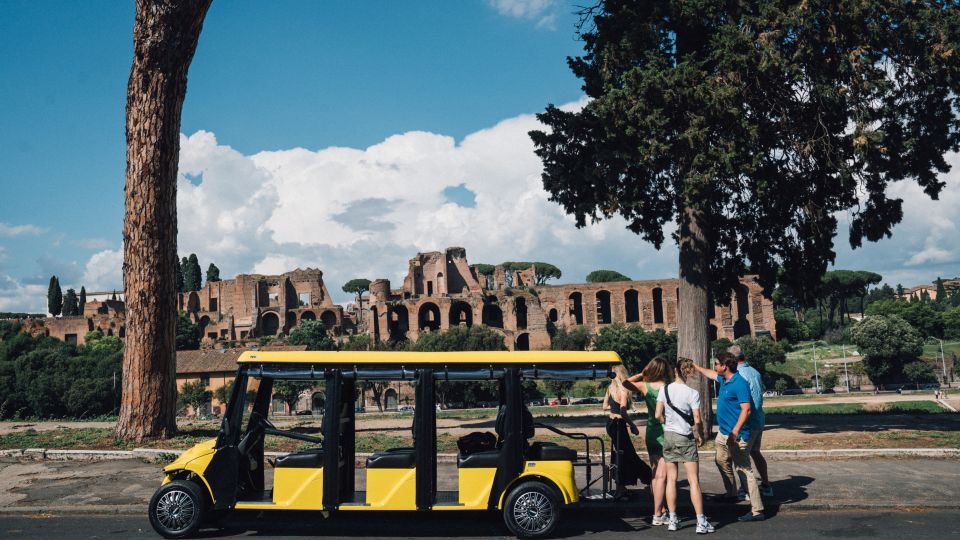
Rome can be overwhelming fast. One minute you’re dodging traffic and crowds, the next you’re staring at a ruin and guessing what it was for. This tour helps you get your bearings quickly by taking you out of the tight center and onto one of the most famous roads in the Roman world: the Appian Way.
The format is simple and smart. You ride an eco-friendly electric golf cart, so the day stays comfortable. You also still stop often enough to stay engaged, not just carried along for the ride. And you get a guide who explains what you’re seeing as you go, which turns a list of monuments into something that makes sense.
It’s also a practical choice if you want less effort in the heat. Several guides described in the reviews did a great job keeping it safe and smooth through the busy streets. Even if you usually love walking, the cart section is a breather that helps you enjoy the stops more.
Meeting at Via Monterone 19 near the Pantheon: how to find it fast
Your tour starts and ends at the company office on Via Monterone, 19, which is near the Pantheon area. The road is shaped like an L, and the location is on the section next to Via di Torre Argentina. You’ll meet inside the office, and you’re told to look for glass doors.
This matters more than people think. Rome has a lot of narrow streets, and small addresses can be easy to miss when you’re on your phone with spotty signal. Give yourself a little extra buffer time and arrive ready to check in.
The tour runs for about 2.5 hours, and it’s designed as a compact “Rome beyond the center” day rather than an all-day archaeology marathon.
You can also read our reviews of more tours and experiences in Rome.



The cart setup: small group, shared commentary, and two vehicles
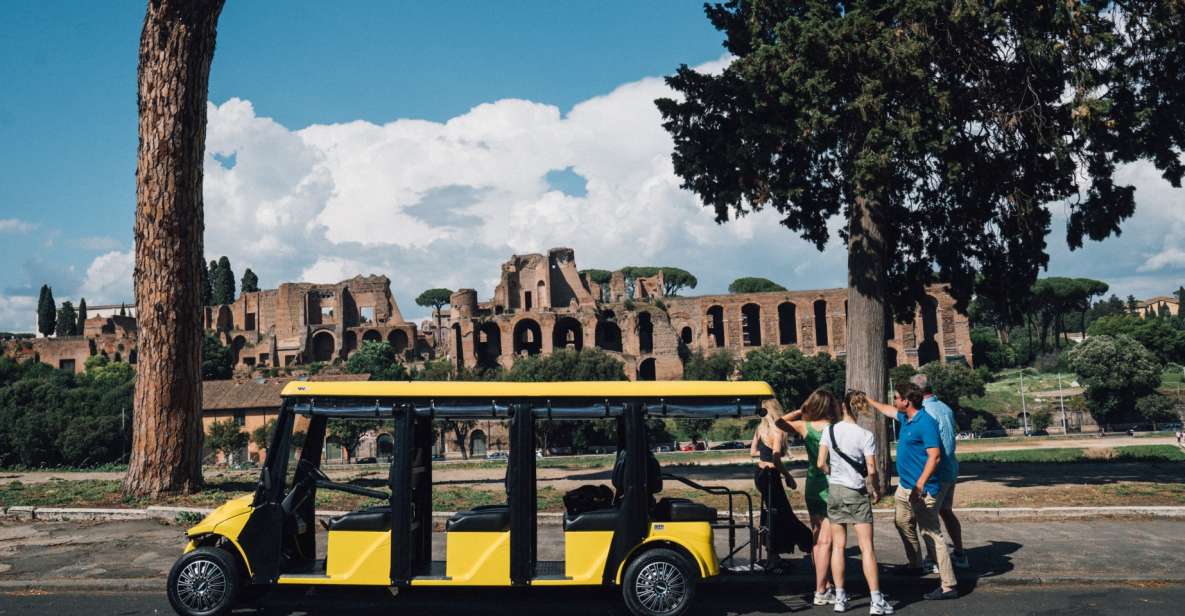
This isn’t a huge bus tour. The vehicle limit is 7 seats per cart, and the group caps at up to 14 participants total, often split across two connected carts. You’ll all listen to the same main guide using earpieces.
One detail worth noting: since two vehicles may run together, there are times when people who booked together can be asked to separate between the carts. If that would bother your group, plan for it ahead of time and agree to reconnect later at the stops.
The upside is you still get a guided experience while keeping the vehicle ride manageable. It also helps the day stay efficient, especially when you’re bouncing between photo stops and then heading to the catacombs.
Circus Maximus viewpoint: how to see the scale before you overthink it
The day kicks off with a Circus Maximus stop, mostly a photo stop and guided sightseeing from a viewpoint. This is one of those sites where your brain needs context. You’re not standing inside a full, intact stadium. You’re looking at remnants and trying to picture the crowds and chariot action that once defined the place.
That’s exactly why this stop works on a cart tour. You can slow down for a few minutes, get the guide’s explanation, take photos, and then move on without spending hours trying to read ruins on your own.
If it’s your first time in Rome, this early viewpoint helps you understand what kind of public spectacle the Romans built. If you’ve visited before, it still gives you a refresher—plus the timing here avoids the crush you might run into later near the most famous landmarks.
Baths of Caracalla: the ruins that shout about Roman life
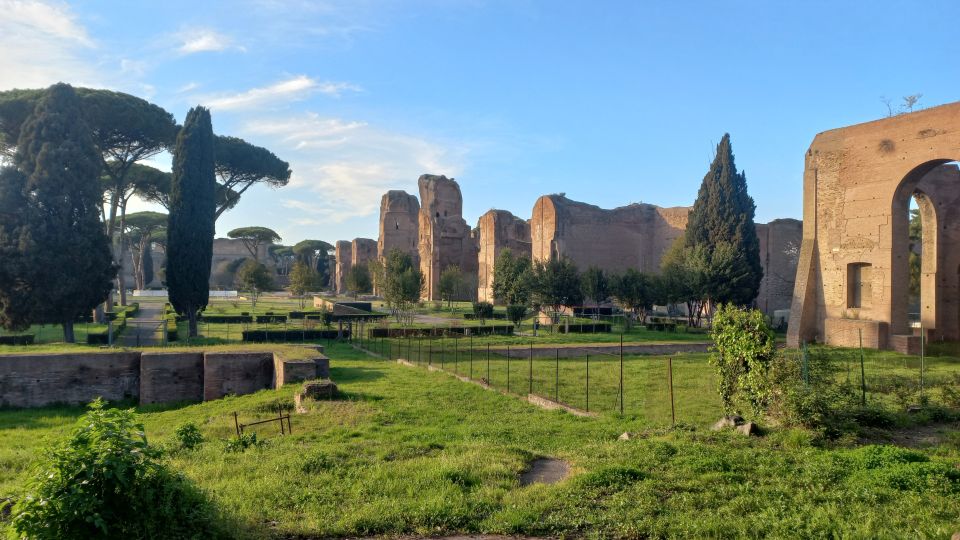
Next up is the Baths of Caracalla area. Again, you’ll have a guided stop plus time to take photos. These baths are famous for their size and for the idea that bathing wasn’t only about cleanliness. It was social life, exercise, meeting up, and staying in the same complex for long stretches.
On a cart tour, you get the big-picture explanation without needing to commit an entire day to a deep museum visit. The guide can point out what you’re actually looking at—foundations and remaining structures—and tie it to how Romans used public spaces.
One practical bonus: this stop is timed so you don’t burn your energy too early. You get a strong “wow” moment early, then you still save your legs for the catacombs later.
Riding the Appian Way: the road that made Rome feel reachable
This is the heart of the tour: the Appian Way itself. You’ll ride out along this historic thoroughfare, with photo stops and guided commentary as you go. The Appian Way is famous because it wasn’t just a road. It was a tool of empire—movement, supply, control, and connection.
What I like about this part is that the road changes the mood of your day. You trade tight city streets for a more open, scenic feel. Even with modern traffic and the reality of being in Rome today, the Appian Way corridor helps you imagine older travel rhythms.
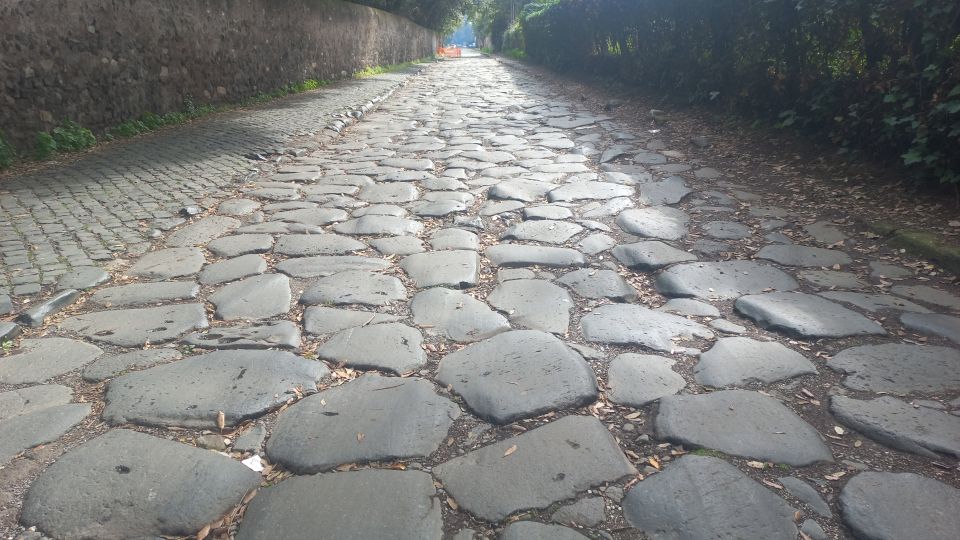
There’s also a stop that includes walking steps on ancient stones—your feet get to meet the same kind of paving that people used centuries ago. That small physical moment is often what makes the tour stick in your memory.






Tomb stop: Cecilia Metella and the power of a single monument
One of the key named stops on the route is the Tomb of Cecilia Metella. You’ll have a photo stop, plus guided sightseeing. This is a great example of how the Romans used architecture as a public statement, not just as a private burial marker.
If you’re the type who likes a clear storyline, this stop helps. You can see how monumental tombs sat along major routes, basically acting like landmarks for people traveling through the Roman world. It’s not subtle. It was meant to be seen.
Also, tombs on the Appian Way often feel more meaningful than the same type of structure inside a museum, because the setting is part of the story. The road is doing half the interpretation for you.
Roman Catacombs: your 30–35 minute walk underground
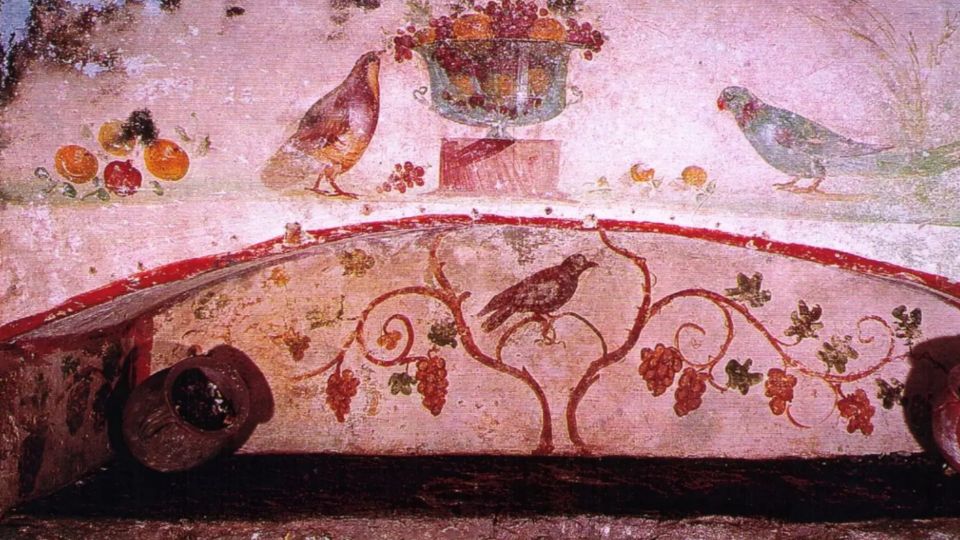
Now for the part most people remember: Catacombs of Rome.
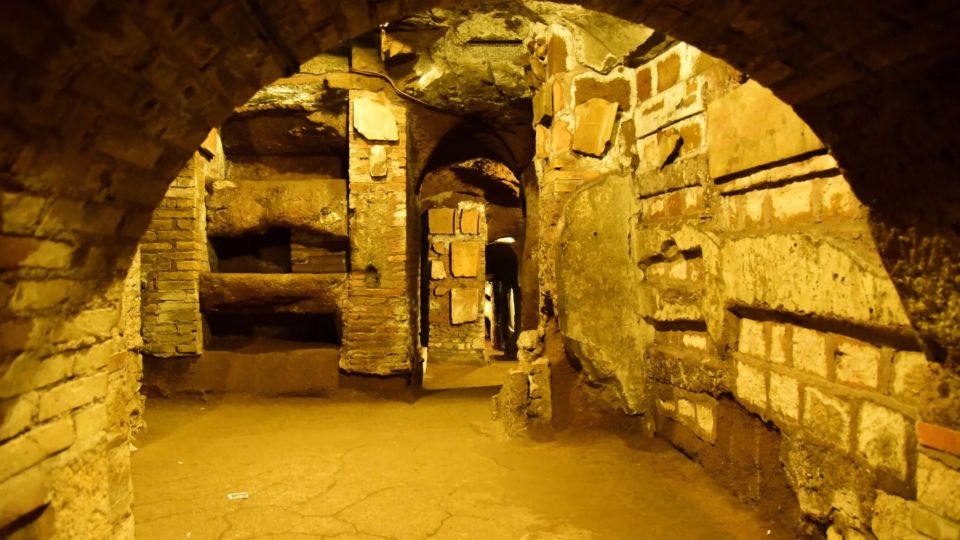
You get catacombs entry that includes a guided walking tour underground for about 30 minutes (some info also notes about 35 minutes). This is not a self-guided shuffle. The underground portion is led by an official resident catacombs guide, so you’re hearing history and burial practices from someone focused on this exact site.
What it feels like inside
Plan on stairs and uneven paths. The ground isn’t smooth like a tourist corridor. You’ll also be climbing down and up steep steps. The temperature inside is about 16°C / 61°F, and humidity runs high. It can feel pleasantly cool if you’re coming from Rome heat, but you still need a layer.
One practical tip: wear shoes you trust on rocky, uneven surfaces. This isn’t the moment to test your newest sandals.
Sound and guide clarity
Earpieces help you hear the main guide during the cart ride and while traveling together. Inside the catacombs, the separate resident guide leads the walking portion. In the reviews, people praised some catacombs guides for clarity, while one guest found the resident guide’s English hard to catch because it was spoken quickly and at a softer volume.
So if you’re someone who struggles with audio in quiet spaces, go a little proactive. Keep your earpiece in place if they’re using them there, and don’t be shy about asking for a quick check if you’re not hearing well.
Why this stop is worth the stairs
The underground spaces are fragile and carefully handled, which makes your visit feel more serious than a typical “see it, move on” stop. You’re walking through an environment shaped by real burial routines and the long timeline of early Christian history.
Even if you’re not a church-history person, the catacombs connect architecture to ordinary human lives. It’s one of the rare places in Rome where the scale feels intimate: you’re not just looking at monuments from far away.
Aurelian Walls and Pyramid of Cestius: finishing with Rome’s boundary lines

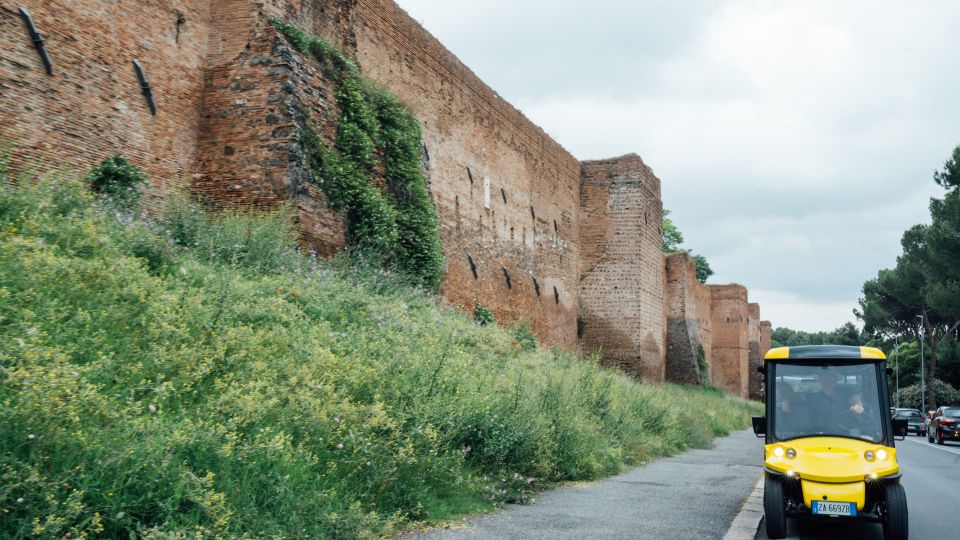
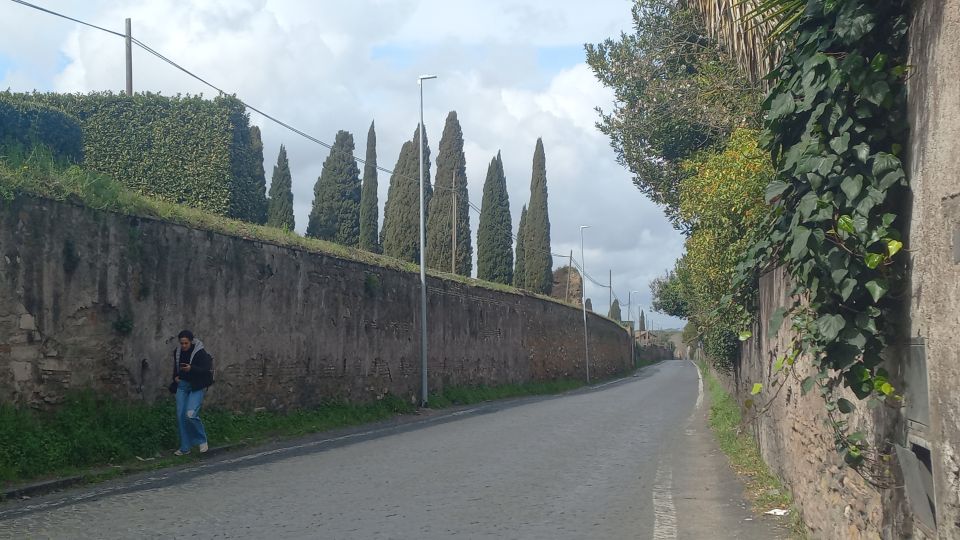
On the return, you’ll ride along the Aurelian Walls, the ancient fortifications that once protected the city. You’ll have another guided/photo stop here. This part is less about one structure and more about perspective: it reminds you that Rome had borders, defensive thinking, and a city-scale view.
Then there’s the Pyramid of Cestius stop. You’ll get guided sightseeing plus time for photos. It’s a curious shape in a city full of classical rectangles and arches, and seeing it as the tour winds down helps your day end with something visually different.
This “finish with walls and landmarks” sequence is useful. It gives you a quick sense of where Rome’s limits were, and how the city’s identity wasn’t only about the center’s famous ruins.
Guide quality is the real centerpiece: Francesco, Amber, Marco, Leo, and more

In reviews, guide praise shows up again and again. People mention safety, storytelling, and how smoothly the day stays paced. That matters because Rome traffic and crowd behavior can wear you down fast. A good guide keeps you relaxed and informed.
Several named guides earned standout comments:
- Francesco for fun, knowledgeable commentary and a feeling of safety while driving
- Amber and Sabina for engaging English and strong storytelling
- Marco for humor and clear history along the Appian Way
- Leo for presenting Roman facts in a way that clicks, with a big emphasis on Rome beyond what you expected
- Gaia and Andreas for keeping the group involved and making stops feel connected
- Jason for a conversational style and lots of information presented at a good pace
Even if your guide isn’t one of these names, this tour’s structure tends to depend on that guide’s performance. With earpieces and frequent stops, the guide becomes the thread that ties the day together.
Timing, walking effort, and comfort: how hard is this tour really?
Outside the catacombs, the day is mostly comfortable. You’re riding in a golf cart, stopping for photo moments, and doing short guided segments at each stop. That makes it a good match for people who want to see more than they can walk in a single day.
The effort ramps up only during the catacombs visit. The key challenge isn’t distance—it’s the combination of uneven ground and steep stairs down and up. If you have balance issues, plan carefully. If stairs are no problem but you tire easily, the cart sections should help a lot.
If you’re traveling with kids, note the age rule: infants under 2 years aren’t accepted, while children from 2 to 12 can join.
For families with mixed ages, the format can work well because no one spends hours walking between far-flung points. The catacombs are the one moment where everyone needs to be ready for the physical part.
Price and value: what you’re really paying for
You don’t get unlimited time in every location. This is a 2.5-hour tour, so you’re paying for efficiency plus guided context, not for marathon access.
Here’s the value logic that makes sense:
- You get an electric cart to cover ground quickly and comfortably
- Your guide provides interpretation while you’re seeing the big names
- The catacombs stop includes entrance and a guided walking tour underground
- The group stays small (up to 14), so the day feels more personal than a mass transport outing
In other words, you’re paying to reduce guesswork. Rome is easier when someone points and explains. And you’re also paying to include the one “hard to fit yourself in” component—catacombs access—without needing to plan around it.
Who should book this Appian Way and catacombs tour?
I think this tour is a strong match if you want:
- A first-timer day that still feels like more than a quick highlights loop
- A way to reach the Appian Way and catacombs without exhausting walking
- A guided approach that helps you connect Circus Maximus, Caracalla, and the walls to the bigger Roman story
- A small-group experience with earpieces so you stay included even if two carts are running
It’s not the best fit if you’re very limited by stair climbing. The catacombs portion is the deciding factor. Also, if you’re extremely sensitive to audio clarity, keep in mind that the resident guide inside the catacombs can vary in how easy they are to hear, depending on speaking speed and volume.
Should you book it or skip it?
Book this tour if you want the Appian Way and Roman Catacombs to be the center of your day, with a guided plan that keeps the pace reasonable. You’ll likely appreciate the electric cart for the comfort and the expert stops for the context—especially if you’re trying to fit more Rome into fewer hours.
Skip it only if you can’t manage steep stairs and uneven ground inside the catacombs. Otherwise, this is one of the more practical ways to see Rome’s ancient layers without turning the trip into constant walking.
If you do book, come dressed for both environments—Rome outside and cooler, humid underground spaces—and give your feet the right grip shoes. Then let the guide do the heavy lifting of making sense of what you’re seeing.
FAQ
How long is the Rome Appian Way golf cart tour with Roman catacombs entry?
The tour duration is about 2.5 hours, including the underground guided catacombs walking time.
Where does the tour start and end?
It starts and ends at the meeting office on Via Monterone, 19, near the Pantheon.
Is this tour a small group?
Yes. There are 7 seats per vehicle, and tours run with up to 2 vehicles for a maximum of 14 participants.
Do I get a guided visit in the catacombs?
Yes. Catacombs entry is included with a guided walking tour underground led by a resident catacombs guide, lasting about 30 minutes (and also described as a guided tour of about 35 minutes).
What should I wear for the catacombs?
Wear weather-appropriate clothing, and plan for the catacombs conditions. The temperature underground is around 16°C / 61°F with high humidity, and the route includes uneven ground and steep stairs.
Does the tour include hotel pick-up?
No, the tour does not include hotel pick-up.
What languages are available for the guide?
The live tour guide is in English.
Are children allowed?
Infants under 2 years old are not accepted for safety regulations. Children aged 2 to 12 are welcome.
Is the tour accessible for people with limited mobility?
The cart ride is comfortable, but the catacombs portion requires walking on uneven ground and climbing down and up steep stairs, so mobility limitations should be considered for that part.