REVIEW · ROME
Rome: Pasta, Ravioli & Tiramisu Cooking Class by Colosseum
Book on GetYourGuide →Operated by EnjoyCooking.com · Bookable on GetYourGuide
Fresh pasta beats most Rome souvenirs. In this class near the Colosseum area, you get hands-on pasta and tiramisu lessons plus free-flowing Italian wine from local chefs who actually care about the details.
I like two things most: you learn by doing, not watching, and the food you make is the kind you’ll want to recreate at home. The small setup also means you’re not stuck in a loud cattle line. One consideration: this is real cooking work, and late arrivals aren’t guaranteed to join the activity.
In This Review
- Key Takeaways Before You Book
- Why This Rome Class Feels Like a Real Italian Night
- The Pasta Lesson: Dough, Ravioli, and Sauce You Can Actually Recreate
- Tiramisu From Scratch: Cream Layers, Structure, and Timing
- Wine at the Table: How It Changes the Experience (and How to Use It)
- What the “Small Group” Actually Gives You
- Included Recipe Book: Why It’s More Than a Souvenir
- Price and Value: Does $112.15 Add Up?
- Who This Class Is Best For (and Who Should Think Twice)
- Timing, Meeting Point, and How to Plan Your Evening
- A Simple Plan After: Colosseum Views Without the Rush
- Should You Book This Pasta, Ravioli & Tiramisu Class?
- FAQ
- How long is the Rome pasta and tiramisu cooking class?
- What dishes do I make during the class?
- Is wine included?
- Is the class taught in English?
- How big is the class?
- Do I get a recipe book to take home?
- Is transportation included to and from the meeting point?
- What if I have allergies or dietary restrictions?
Key Takeaways Before You Book
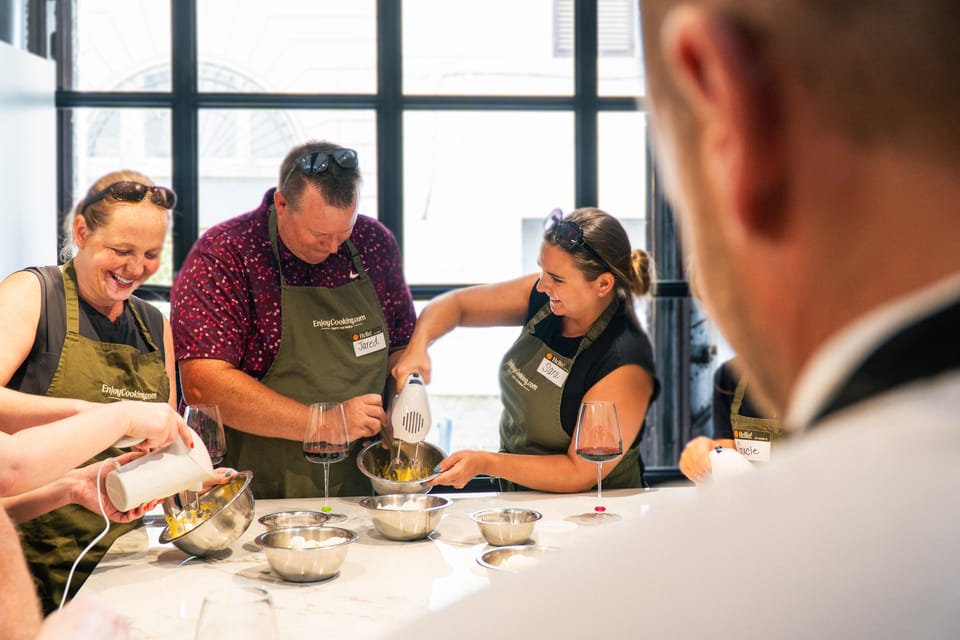
- Max 10 people means real attention, especially when you’re rolling dough and filling ravioli
- Two handmade pasta types + tiramisu with step-by-step help so you leave with usable technique
- Free-flowing Italian wine is part of the experience, not a side note
- A recipe book helps you repeat what you made instead of just eating it and moving on
- Allergies can be tricky, especially nut allergies and gluten-free needs due to trace ingredients
- It runs in any weather, so plan for cooking clothes you don’t mind getting a little flour on
Why This Rome Class Feels Like a Real Italian Night
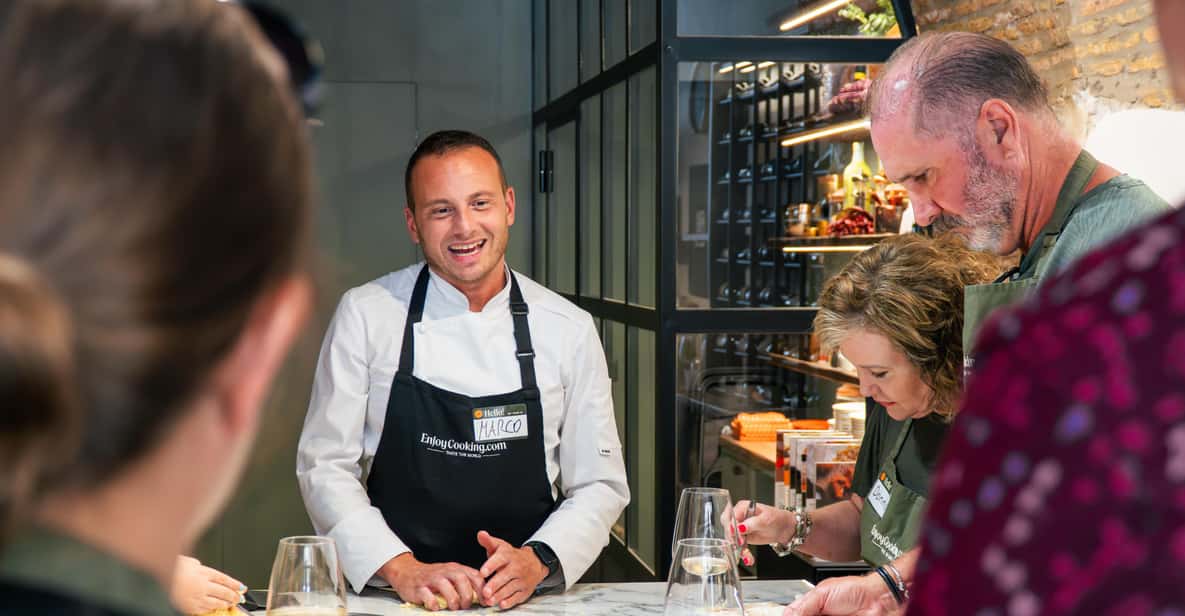
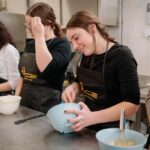
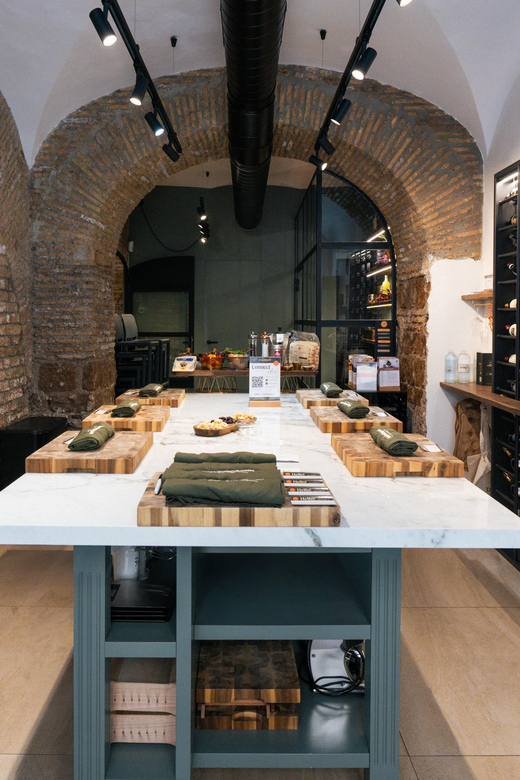
This isn’t a museum-style cooking demo. You walk into a kitchen setup built for hands-on work, and you leave with the food in front of you and the techniques in your head. The vibe is relaxed and social, which matters in Rome. When the evening’s too rushed, you miss the point. Here, you get three hours where your hands do the learning.
You also get a strong sense of “Roman” Italian food through what you make: handmade pasta from scratch and tiramisu built layer by layer. It’s comfort food, but it’s also craft. And yes, the wine shows up early enough to help you settle in without turning it into a party.
You can also read our reviews of more cooking classes in Rome

The Pasta Lesson: Dough, Ravioli, and Sauce You Can Actually Recreate
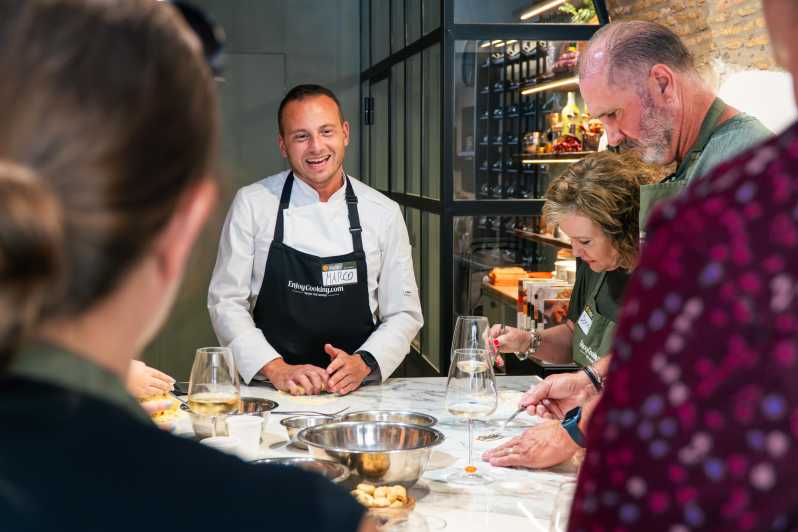
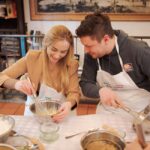
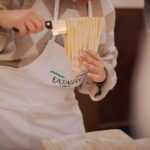
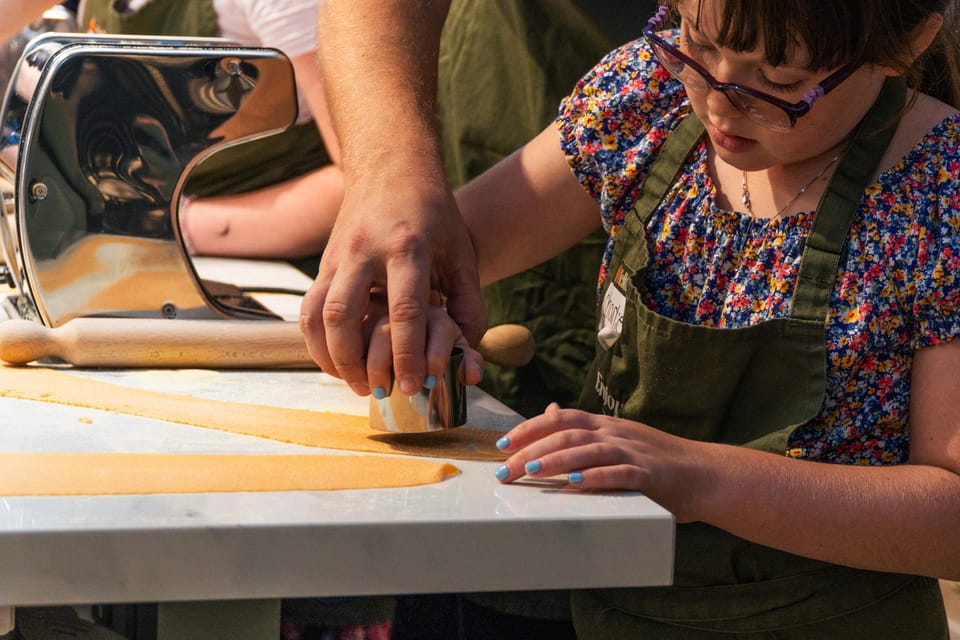
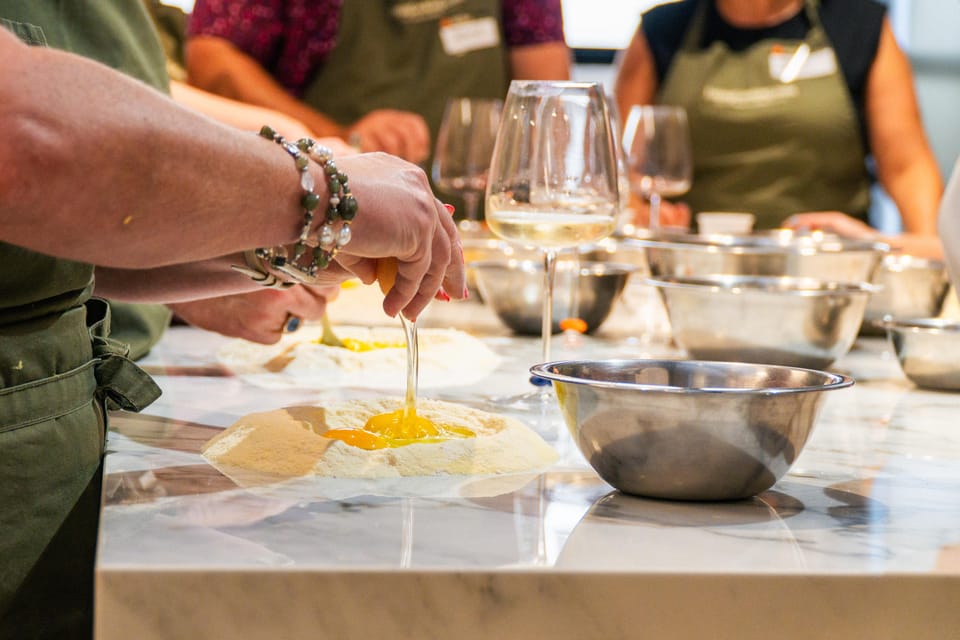
You start with pasta dough, made from scratch with guidance from the chef. The whole point is that pasta isn’t just ingredients—it’s feel. You learn how the dough should look and feel as you work it, then you roll and cut with enough coaching that you understand what you’re aiming for.
Then comes the part most people remember: forming ravioli. You work through filling and assembling, finishing with sauce. What makes this valuable is that the chefs don’t treat sauce as an afterthought. They explain how to think about fillings and how the sauce ties the whole plate together. That’s the difference between copying a recipe and reproducing a result.
Small details from the style of instruction help you at home later:
- you learn how to manage dough thickness so it cooks right
- you learn how much filling to use so it doesn’t burst or taste under-seasoned
- you get a system for assembling so you’re not guessing each step
The chefs you might meet include names like Marco, Max, or Alex. The consistent thread is the same: they keep the mood light while giving practical, ingredient-based advice. Marco, in particular, came across as funny and reassuring—exactly the energy you want when you’re about to roll pasta that could end up either perfect or… character-building.
Tiramisu From Scratch: Cream Layers, Structure, and Timing
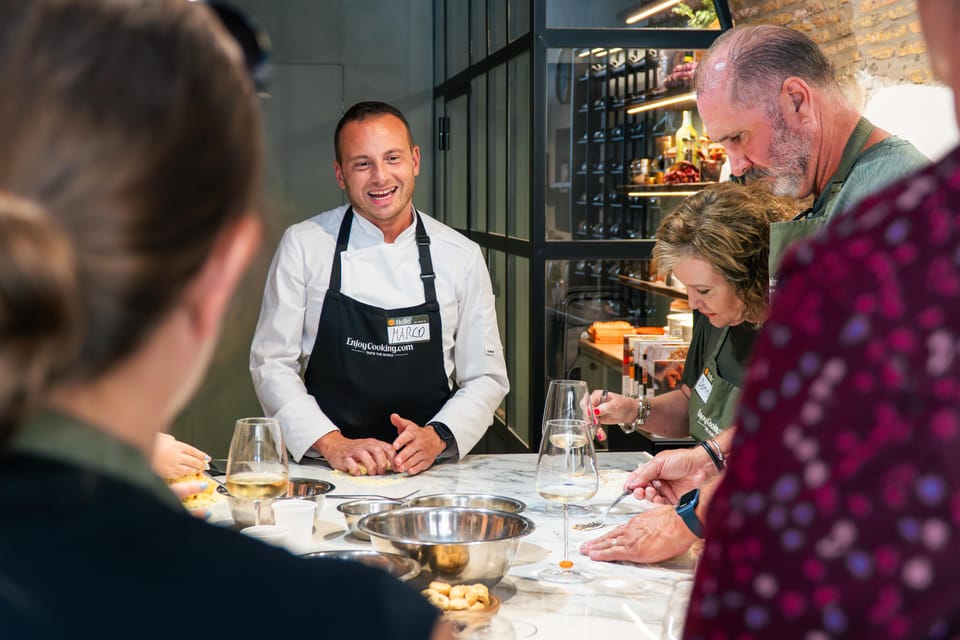
After pasta, you shift gears to tiramisu. This is where the class earns its keep. Tiramisu can be easy to get wrong at home because it’s partly technique and partly timing. Here, you make it layer by layer from scratch, with the chef coaching you while you’re standing right there.
You work on the creamy components and how they combine. The key skill isn’t just mixing—it’s building the structure so it holds up when you serve it. That’s why making it in class helps you more than reading a recipe later. You see what the cream texture should look like and you learn how the layers behave.
And because you’re not doing it alone, you avoid the most common beginner mistakes: runny layers, uneven spreading, and a finish that tastes good but doesn’t have that classic, balanced feel.
Wine at the Table: How It Changes the Experience (and How to Use It)
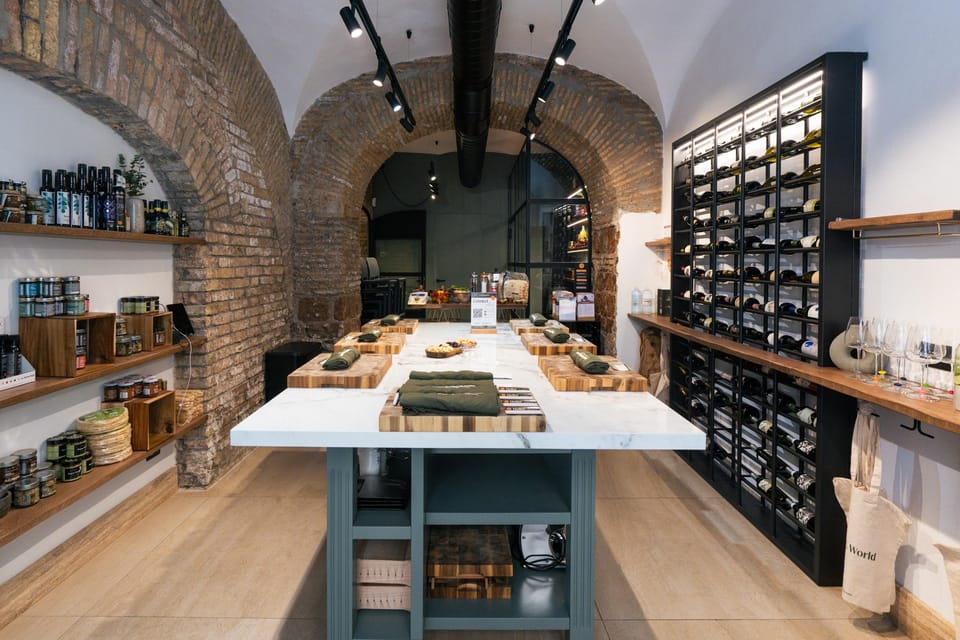
This class includes free-flowing Italian wine. It’s not a token pour. You’ll be drinking while you work and then eating what you made together at the end.
One nice detail: the wine is set up so you can manage your own pace, and the table stays social rather than formal. That matters. In cooking classes, wine can either help you relax or distract you. Here, it seems designed to do the first without killing the learning.
Practical tip: if you want to focus on technique, take a slower approach early on. Pasta dough rewards patience. If you’re half-focused, you’ll miss the cues the chef is giving you about texture and timing.
Also, remember this is an included part of the experience, so plan to keep the rest of your evening simple afterward—no big logistics required.
What the “Small Group” Actually Gives You
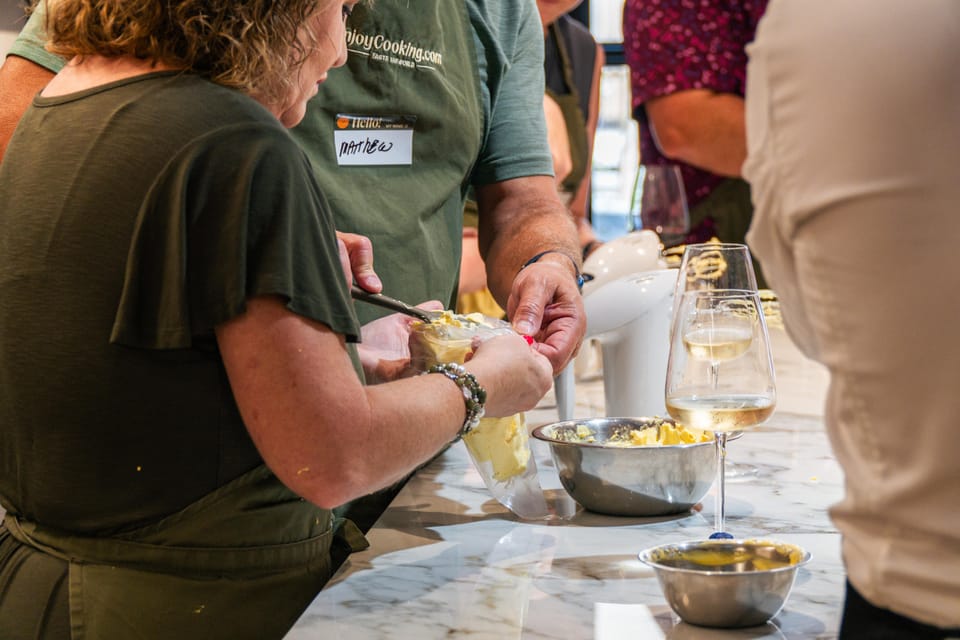
The class caps at 10 participants, which isn’t just marketing. It shows up in how often you get eyes on your work. When you’re filling ravioli, you need quick guidance. If you roll dough too thin or too thick, it affects everything. A larger group means longer waits. A smaller group means the chef can correct you right away.
It also makes the experience feel personal. You’re more likely to chat about ingredients, cooking logic, and what makes the Italian approach different from what you do at home. The chefs often take time to explain origins and ingredient choices, not just the steps.
If your date happens to have very low booking numbers, the class may feel close to private. That’s not guaranteed, but the small size helps even on a normal night.
You can also read our reviews of more tours and experiences in Rome

Included Recipe Book: Why It’s More Than a Souvenir
You get a recipe book to take home. That’s important because you’ll forget steps if you only rely on memory (especially after wine). The book is where the class becomes repeatable.
I like that you’re not leaving with vague ideas. You’re leaving with actual written guidance for two kinds of handmade pasta and tiramisu, plus the practical notes that make the techniques workable at home.
In Rome, it’s easy to over-plan. This is one of the best ways to bring something back that isn’t just a magnet.
Price and Value: Does $112.15 Add Up?
At about $112.15 per person for a 3-hour hands-on class, this isn’t the cheapest way to eat in Rome. It’s also not trying to be.
Here’s why it can still feel like good value:
- You’re not just tasting—you’re making multiple dishes from scratch
- The group size stays small (max 10), which makes the instruction more useful
- Wine is included, and you sit down to eat what you made
- You get a recipe book you’ll likely use again
If your goal is only to eat a good meal, you can spend less in the city. But if you want a skill you can repeat and a fun, structured evening near major sights, this price starts making sense fast.
For me, the “value test” is simple: would you happily pay for the food and instruction separately? In this setup, you basically get both in one ticket.
Who This Class Is Best For (and Who Should Think Twice)
This is a great fit if you:
- want an interactive evening with a clear payoff
- enjoy cooking and want techniques you can use later
- travel with friends, family, or even solo and want conversation
- like the idea of tasting and eating while learning
It’s also a good choice for different skill levels because the class is step-by-step. People who cook at home tend to appreciate how much thought goes into dough and fillings. People new to cooking still benefit because you’re supported while you’re making the mistakes in a safe, guided way.
But keep these limits in mind:
- It’s not suitable for people with nut allergies. Trace ingredients can be an issue, and the activity can’t guarantee a nut-free setup.
- Severe gluten-free diets might not be possible for the same trace reason.
- If you don’t want alcohol at all, you should consider how this class is built around free-flowing wine.
Also, wear clothing you don’t mind getting a little flour on. You’re making pasta by hand. That’s the whole point.
Timing, Meeting Point, and How to Plan Your Evening
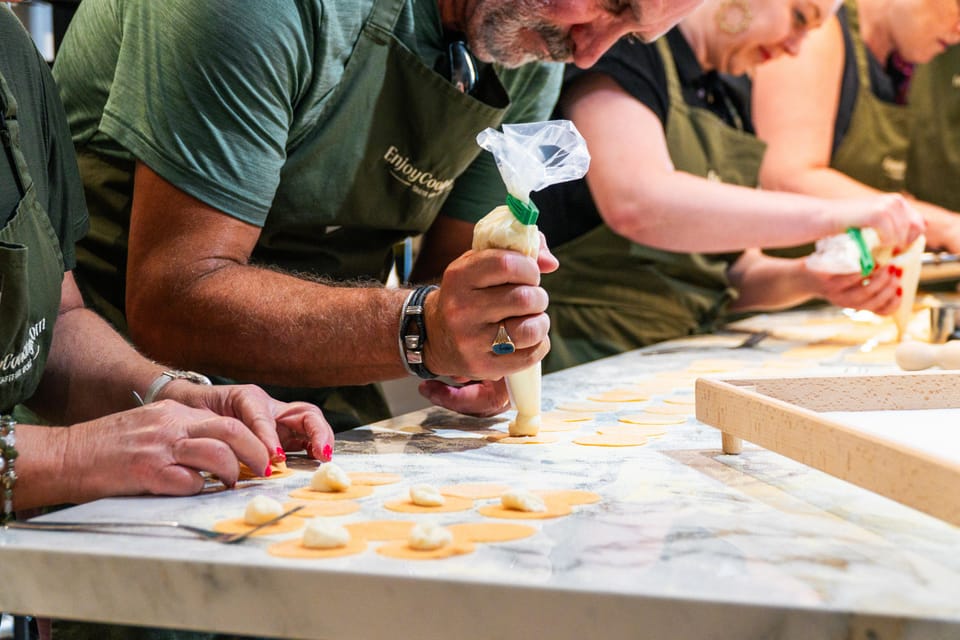
The class lasts 3 hours, and the start time depends on the option you book. The meeting point can vary, and the activity ends back where it starts. Transportation isn’t included, so you’ll want to budget for your own route.
Because it runs regardless of weather, plan to dress for actual working conditions, not just walking around Rome. If it’s wet or chilly, you’ll be happier in comfortable layers and shoes you trust.
One good Rome habit: keep your schedule light after this class. You’ll be fed, a little tipsy if you choose, and probably carrying a bag of ingredients you’ll want to recreate later.
A Simple Plan After: Colosseum Views Without the Rush
Since this experience is associated with the Colosseum area, it pairs well with a nighttime walk. You’ve got enough time for a relaxed look afterward, especially if you keep your expectations realistic: you’re here for food and craft first, sights second.
If you’re using the class as your evening anchor, aim for a slow wander afterward rather than racing to a dozen landmarks. You’ll enjoy it more—and you won’t feel like the class stole your energy for the wrong reasons.
Should You Book This Pasta, Ravioli & Tiramisu Class?
If you want a fun, hands-on evening where you learn real technique and leave with recipes, I’d book it. The small group, the chance to make two types of handmade pasta, and the fact that you also build tiramisu from scratch make it more than a one-and-done meal.
Skip it if you can’t do nuts, if you need strict gluten-free handling, or if you hate the idea of cooking while wine is part of the atmosphere.
If you do book, show up on time, wear practical clothes, and go in curious. You’ll end up with food you made with your own hands—and a skill you can actually use again once you’re back home.
FAQ
How long is the Rome pasta and tiramisu cooking class?
The class runs for 3 hours. Start times vary by the option you choose.
What dishes do I make during the class?
You’ll learn to make two types of handmade pasta from scratch and also prepare tiramisu, including recipes for both.
Is wine included?
Yes. The experience includes free-flowing Italian wine during the class.
Is the class taught in English?
Yes, the instructor teaches in English.
How big is the class?
It’s a small group with a maximum of 10 participants.
Do I get a recipe book to take home?
Yes. You receive a recipe book so you can practice and share what you learned after the class.
Is transportation included to and from the meeting point?
No. Transportation is not included. The activity meets at a meeting point that can vary, and it ends back at that same meeting point.
What if I have allergies or dietary restrictions?
You should inform the provider immediately after booking. The activity is not suitable for people with nut allergies, and gluten-free diets may not be possible due to trace ingredients.