REVIEW · ROME
Rome: Barberini Palace Guided Tour
Book on GetYourGuide →Operated by Doooing · Bookable on GetYourGuide
Baroque Rome, indoors. I love how this tour pairs Raphael’s La Fornarina with the drama of Pietro da Cortona’s Divina Provvidenza ceiling, so you don’t just look—you understand what you’re seeing. It’s a focused, high-art walk through Palazzo Barberini, where the Barberini family’s taste and power shaped what Rome put on display.
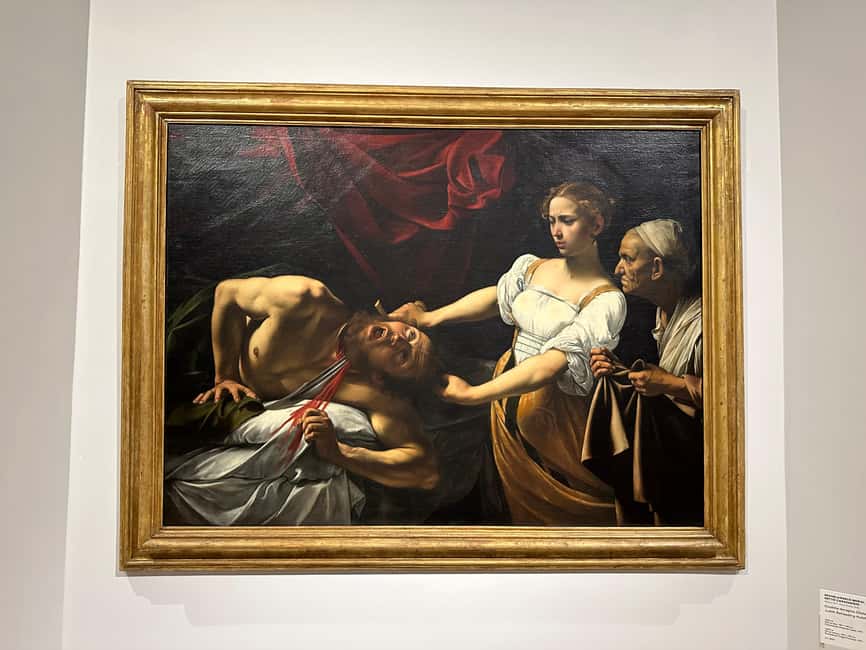
One thing to plan around: depending on your dates, Caravaggio’s Judith Beheading Holofernes may not be on view (from the end of August 2025 until January 2026), and part of the palace may be closed in late August through October. If you come at the wrong time, you’ll still get a lot, but you might miss one of the headline works.
In This Review
- Key Things You Should Know Before You Go
- Entering Palazzo Barberini: Where to Meet and How to Find It
- The 2-Hour Rhythm: How This Tour Feels in Real Life
- Raphael’s La Fornarina: The Painting That Puts the Room in Focus
- Caravaggio Dates: What You Can Expect Around Judith Beheading Holofernes
- A Special Stop Till Sept 30, 2025: Conversione di Saulo
- Pietro da Cortona’s Divina Provvidenza Ceiling: Why Looking Up Matters
- Bernini and Borromini Inside Palazzo Barberini: Power in Stone
- What Else You’ll See: Holbein, Tintoretto, and More Big Names
- Why the Barberini Story Changes How You Read the Art
- Guides Matter: Zenda and Federica’s Art-and-Architecture Approach
- Timing Notes: Room Closures and What It Could Mean for You
- Value and Logistics: When This Tour Makes Sense
- Should You Book the Rome: Barberini Palace Guided Tour?
- FAQ
- How long is the Rome: Barberini Palace Guided Tour?
- Where do I meet the guide?
- What languages are offered?
- Is there skip-the-line entry?
- What is the maximum group size?
- Is the tour suitable for wheelchair users or people with mobility impairments?
- Can I bring luggage or a large bag?
- Will Caravaggio’s Judith Beheading Holofernes be on display?
- Are any rooms closed during part of 2025?
Key Things You Should Know Before You Go
- Skip-the-line entry so you lose less time to queues and more time with the art
- Small group size (max 20) which makes it easier to ask questions and hear the guide
- Masterpieces in one circuit, from Raphael and Caravaggio to Bernini and Borromini
- The guide is language-flexible (Spanish, Italian, English) with a clear art-and-architecture approach
- Date-sensitive highlights, especially Caravaggio’s painting and the 18th-century rooms
Entering Palazzo Barberini: Where to Meet and How to Find It
This tour starts at Palazzo Barberini in a pretty, practical spot: meet inside the garden of Palazzo Barberini, around the fountain on Via delle Quattro Fontane, 13, 00184 Rome. Your staff will be holding a blue flag that says Doooing Experience.
If you like using navigation the easy way, plug in the provided map link or the coordinates (41.903358459472656, 12.489826202392578). Arrive a little early. Rome is Rome, and your best move is to be standing by the fountain before the group gets called.
Also note the rule that helps the whole visit run smoothly: no luggage or large bags. This is a palace tour, not a coat-check-and-baggage adventure. Wear comfortable shoes and keep your load light.
You can also read our reviews of more guided tours in Rome

The 2-Hour Rhythm: How This Tour Feels in Real Life
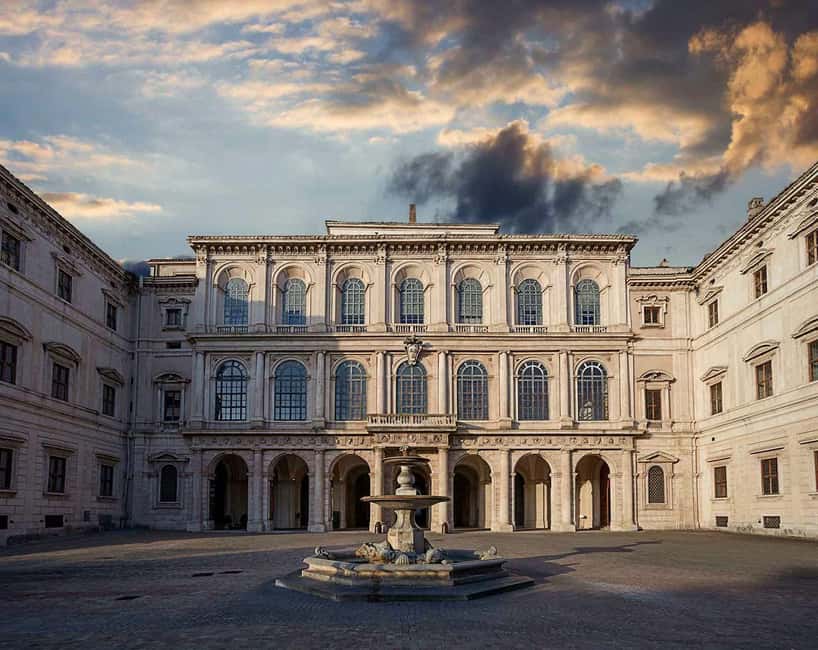
The tour is 2 hours, and that timing matters. You’re not stuck in a long, slow march. Instead, you get a guided path through key rooms and standout artworks, with the guide linking what you’re seeing to why it mattered.
The pace is ideal for first-timers who want the big names without feeling lost, and for repeat visitors who want better context around the same walls. With max 20 people, it’s usually the right size for hearing explanations without everyone getting shuffled around like a herd.
And yes—there’s a live guide. The tour runs in Spanish, Italian, and English, so you can pick the language you’ll understand best (not the one you studied in high school and forgot right after).
Raphael’s La Fornarina: The Painting That Puts the Room in Focus
When people talk about Renaissance Rome, they usually bring up monuments. Here, you start closer to the human side of art.
You’ll spend time with Raphael’s La Fornarina, one of those iconic works that changes how you look at the rest of the collection. The guide’s job is to turn a famous painting into something you can actually read—what’s happening, what makes the image feel so alive, and why it fit into the world the Barberinis were building.
I like this stop because it does two helpful things for you:
- It grounds the visit in a clear Renaissance moment.
- It gives you a baseline, so the later Baroque spectacle has something to contrast with.
If you’ve ever felt overwhelmed by “greatest hits” museum tours, this is the kind of placement that keeps you from drifting. Raphael gives you a focal point early, and then the tour can build momentum.
Caravaggio Dates: What You Can Expect Around Judith Beheading Holofernes
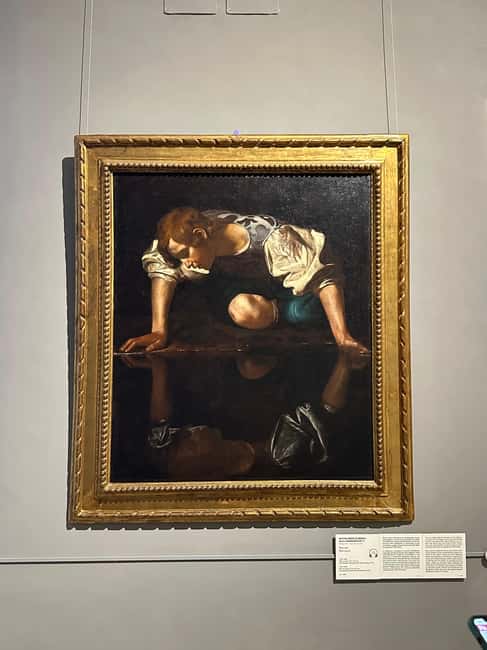
Caravaggio is the kind of artist who turns a room into a spotlight. This tour includes Caravaggio’s Judith Beheading Holofernes, but there’s a major scheduling catch.
- Not on display from the end of August 2025 until January 2026
- The tour information explicitly flags this, so you should treat it like a calendar item, not a guess
If you’re visiting during that window, you’ll still get a strong program, but this specific headline painting won’t be there. My advice: check your travel dates first, then decide whether Caravaggio is a must-see for you personally.
In other words, don’t book purely for one painting if your timing might clash with the loan schedule. Rome is generous with art, but it’s not always predictable.
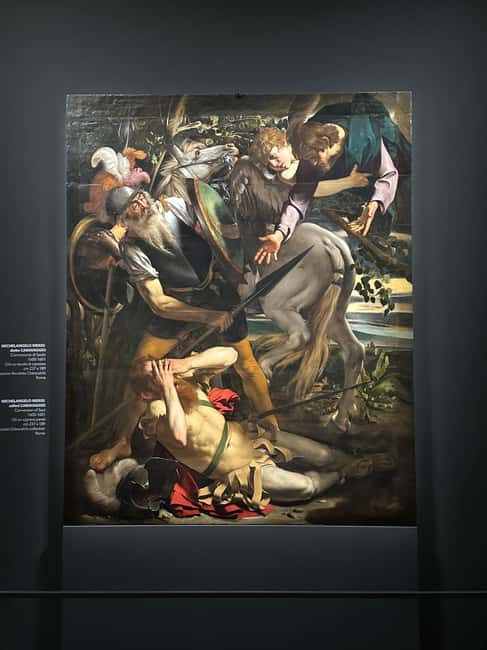
A Special Stop Till Sept 30, 2025: Conversione di Saulo
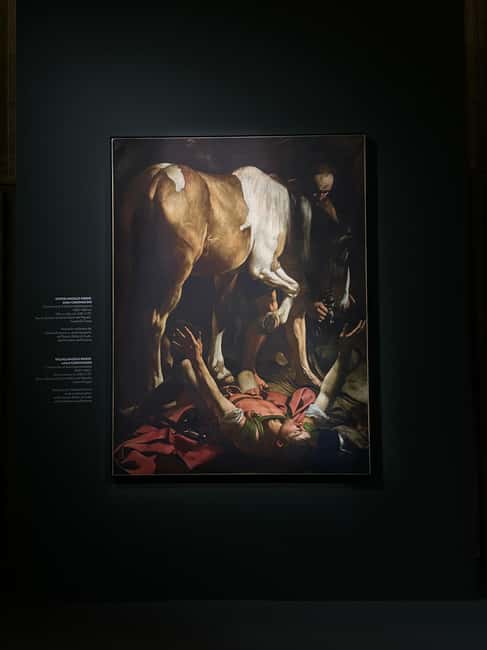
One of the more interesting “you might get lucky” moments is Conversione di Saulo (Conversion on the Way to Damascus). It’s part of a private collection, and it will be exceptionally exhibited in the palazzo until September 30, 2025.
This kind of temporary showing is exactly why a guided tour can feel more valuable than a basic ticket. Even if you’ve seen pictures online, seeing it in the setting the collection is presenting it in can change the impact.
If you’re traveling before October, this is a highlight worth placing on your short-list. If you’re traveling after it leaves, don’t worry—you’ll still see plenty of big names.


Pietro da Cortona’s Divina Provvidenza Ceiling: Why Looking Up Matters
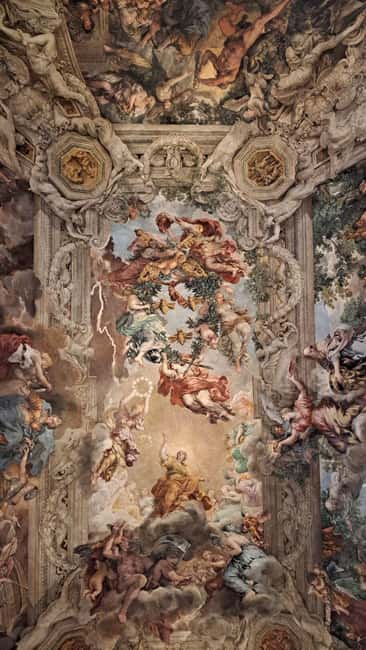
Here’s where the tour leans into the Baroque energy. You’ll get to see Pietro da Cortona’s Divina Provvidenza ceiling, and you should plan to spend real time up there.
Baroque ceiling frescoes can feel like ceiling clutter if no one explains what to watch. With this tour, the guide’s role is to help you see the structure and the storytelling—how the fresco pulls your eye and how it fits into the palace’s overall message.
I love this stop because it flips the usual museum habit. Instead of “keep your eyes at painting level,” you learn to look upward and read the composition like a stage performance. You walk out understanding why people in that era treated art like persuasion.
Bernini and Borromini Inside Palazzo Barberini: Power in Stone
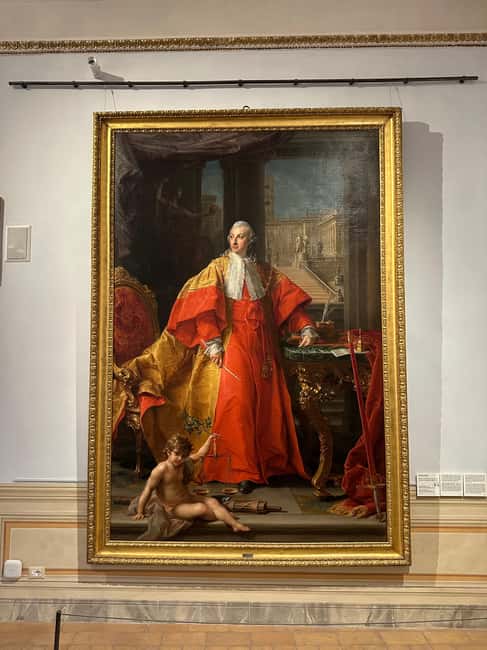
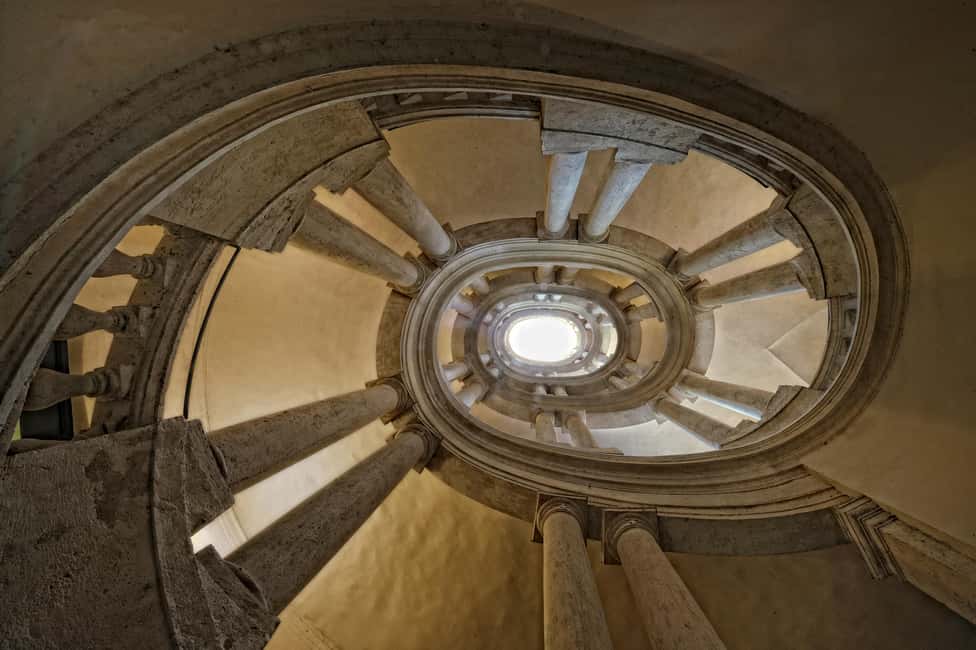
Rome’s architecture is not neutral. At Palazzo Barberini, you’ll see the thinking of Bernini and Borromini, and it helps to know that the building itself is part of the show.
This is one of the reasons the tour format works. A guided look at these two architects isn’t just a list of names. You get to connect the physical design choices with the broader culture—how patrons wanted their power to feel, and how artists made stone do emotional work.
You don’t need an architecture degree to enjoy it. You just need a guide to point out what to notice. Then suddenly you’re seeing curves, tensions, and dramatic spatial tricks rather than “decorative building stuff.”
What Else You’ll See: Holbein, Tintoretto, and More Big Names
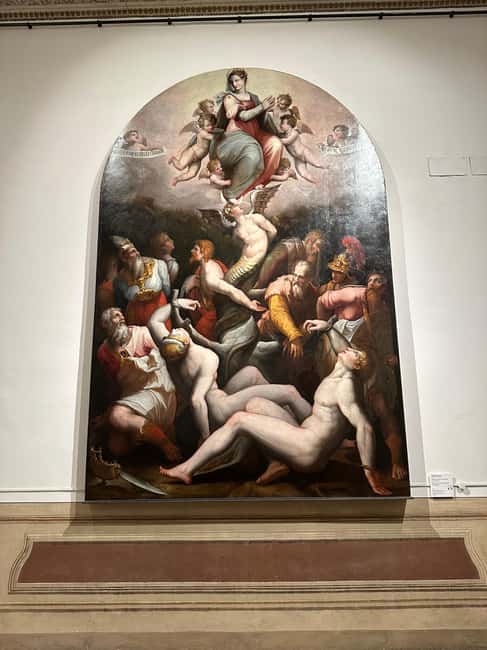
Beyond the headline names, the collection includes additional major artists, including Holbein and Tintoretto, along with other works connected to the palace’s patrons.
I like how the tour avoids turning into a nonstop name-drop. You get a curated set of moments that represent different artistic styles and political-religious moods—so the palace doesn’t feel like a random stack of masterpieces.
Also, if you’re a Rome “I want the classics” type of person, this collection hits a lot of the right buttons in a short time.
Why the Barberini Story Changes How You Read the Art
The Barberini family wasn’t just collecting art. They were shaping Rome’s image through patronage—who got seen, what messages spread, and which visual languages carried authority.
The guide provides that bigger frame, including how political and religious changes influenced what artists created. That context is what turns the visit from pretty pictures into a clearer story.
And yes, you can feel the difference as you move from Renaissance through Baroque. The art starts to look like communication. You’ll notice symbolism and intensity more readily because you know what kind of world these works were built for.
As an extra bonus, the tour also includes time for pointers around the wider city—famous landmarks and smaller side sights—so you can connect the dots during the rest of your Rome day.
Guides Matter: Zenda and Federica’s Art-and-Architecture Approach
Two names stand out from the guide experiences you can expect to align with: Zenda and Federica.
Zenda’s approach is described as bridging art and architecture across time periods, giving context that makes the whole tour feel more connected. Federica’s style is noted for bringing in both history and architectural beauty, then unlocking the works with skill and energy.
Even if you don’t get the same guide I’m thinking of, this is the kind of tour quality you should look for. If the guide isn’t tying the paintings to the space they live in, you’ll feel the difference right away. With this experience, that connection is the point.
Timing Notes: Room Closures and What It Could Mean for You
Rome loves a schedule twist. Here are the two date-related issues specifically called out:
- Starting August 26, 2025: the 18th-century Rooms of Palazzo Barberini are temporarily closed to the public, reopening October 21.
- Starting September 4, 2025: Caravaggio’s Judith Slaying Holofernes is not on display until January 31, 2026 (loan to KAM Art Museum in Fort Worth, Texas).
The practical takeaway:
- If you’re going in late summer or early fall, you’ll likely still see major highlights, but your route inside may be different.
- If you’re traveling specifically for Caravaggio, cross-check your dates so you’re not chasing a painting that isn’t there.
Value and Logistics: When This Tour Makes Sense
There’s a simple reason this experience tends to feel like good value: you’re getting a guided, timed, small-group walkthrough of a palace with big-name art—plus skip-the-ticket-line—in 2 hours.
If your Rome plan is packed (and most are), this is a smart way to add high-impact art without consuming half your day. It’s also a good choice if you’re the kind of visitor who wants context rather than just wandering.
Who it suits best:
- First-time Rome visitors who want a structured hit of Renaissance and Baroque masterpieces
- Art lovers who care about why patrons and events shaped what they saw
- Anyone who likes being shown what to notice, especially with ceiling frescoes and architectural details
Who might want another option:
- People who need wheelchair access (this tour is not suitable for mobility impairments and wheelchair users)
- Anyone traveling with large luggage (not allowed)
Should You Book the Rome: Barberini Palace Guided Tour?
Book it if you want a focused Palazzo Barberini experience with clear storytelling and major art names—especially if Raphael and Pietro da Cortona’s ceiling are on your list. The small group size and language options make it easy to settle in and actually hear the guide.
Hold your decision a little tighter if Caravaggio is a top priority and your travel dates land in late 2025, since the painting is explicitly off display during that stretch. Also double-check whether your dates overlap the closure of the 18th-century rooms starting August 26.
If you’re flexible and come for the big picture—Barberini power, Renaissance refinement, Baroque drama—this tour is a strong use of your time in Rome.
FAQ
How long is the Rome: Barberini Palace Guided Tour?
The guided tour lasts 2 hours.
Where do I meet the guide?
Meet inside the garden of Palazzo Barberini, around the fountain on Via delle Quattro Fontane, 13, 00184 Roma RM. Staff will be holding a blue flag that says Doooing Experience.
What languages are offered?
The live guide is available in Spanish, Italian, and English.
Is there skip-the-line entry?
Yes, the tour includes skip the ticket line.
What is the maximum group size?
The tour has a maximum group size of 20 people.
Is the tour suitable for wheelchair users or people with mobility impairments?
No. The tour is not suitable for people with mobility impairments and wheelchair users.
Can I bring luggage or a large bag?
No. Luggage or large bags are not allowed.
Will Caravaggio’s Judith Beheading Holofernes be on display?
It depends on your dates. It will not be on display from the end of August 2025 till January 2026, because it is on loan.
Are any rooms closed during part of 2025?
Yes. Starting August 26th, 2025, the 18th-century Rooms of Palazzo Barberini are temporarily closed and are scheduled to reopen on October 21st.