REVIEW · ROME
Rome: Best of Rome Three Days Private Chauffeured Tour
Book on GetYourGuide →Operated by Tour in the City - Travel Agency Rome - · Bookable on GetYourGuide
Rome can feel like sprinting. This tour helps you walk smart.
The big win here is private, skip-the-line access to the Vatican Museums and Sistine Chapel, plus the Colosseum and Roman Forum. I also like how the driving part is built in: you’re picked up from your hotel and routed through the city with real breathing room. One drawback to plan around: lunch isn’t included, and some key churches can close during major religious events.
What makes this experience work is the mix of famous sites and the quieter hits—like the Appian Way catacombs and a private visit to the Baths of Caracalla. In the feedback I saw, people also praised guides who adjust when Rome throws curveballs (queues, timing shifts, and the usual chaos). If you’re the type who wants Rome’s highlights without spending half your trip in lines or backtracking, this format fits.
In This Review
- Key Points at a Glance
- A Chauffeured Start Through Rome’s Real Streets
- Vatican Museums and the Sistine Chapel: Why Skip-the-Line Matters
- Day 2: Appian Way Catacombs and the Colosseum in One Flow
- Walking Underground on the Appian Way
- Colosseum and Roman Forum: Skip-the-Line, Guided and Focused
- Day 3: Castel Sant’Angelo’s Fortress-to-Museum Story
- Baths of Caracalla: The Roman Monument You Don’t Need to Queue For
- Pacing That Works: Lunch Breaks, Weather Shifts, and Realistic Expectations
- Private Group Energy: Better Guidance, Better Flow
- What to Bring (and What Rome Won’t Let You Wear)
- Is This Worth It for Your Time in Rome?
- Should You Book This Three-Day Rome Plan?
- FAQ
- Which major sites are included across the three days?
- Do they help you avoid ticket lines?
- Are lunches included?
- What languages are guides available in?
- What should I bring for museum entry?
- Is there any dress code or item restrictions?
Key Points at a Glance
- Skip-the-line pair: Vatican Museums and Sistine Chapel, with the same idea at the Colosseum and Roman Forum
- Hotel pickup plus chauffeured routing: saves time and helps you see more of Rome’s squares and bridges
- Appian Way catacombs as a semi-private stop: underground early Christian burial tunnels with a guided tour
- Private Baths of Caracalla: a calmer, more architectural experience than the usual central route
- Castel Sant’Angelo with rooftop views: a fortress story plus big photo potential
- Multi-language guides: English, German, French, Spanish, Russian, Italian, and Portuguese
A Chauffeured Start Through Rome’s Real Streets
This is a three-day private plan, so you’re not hustling between ticket windows and meeting points all on your own. Day 1 begins with a convenient hotel pickup, then your driver helps you get to some of Rome’s most photogenic spots while steering you away from the worst crowd crush.
You’ll pass through classic landmarks like the Spanish Steps, Piazza Navona, and Piazza di Santa Maria della Pace, then make your way toward the city’s showpieces: the Trevi Fountain, the Tiber River, and the Pantheon. Even if you’ve seen photos, seeing these places in daylight, with a guide keeping the day moving, feels different than wandering solo and constantly checking maps.
Practical note: you’ll be walking. Rome days like this are best with comfortable shoes and a plan to keep your bag light—this tour also has rules against large luggage.
You can also read our reviews of more private tours in Rome
Vatican Museums and the Sistine Chapel: Why Skip-the-Line Matters
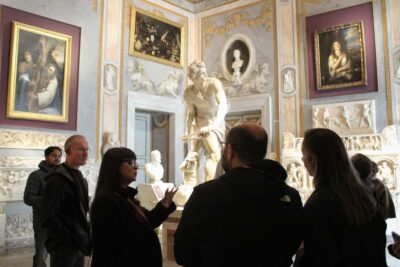
Day 1’s star is the skip-the-line Vatican Museums and Sistine Chapel private tour after a short lunch break (about one hour, not included). This matters because the Vatican can be an all-day queue trap. With a private guide and a fast entry approach, you spend your time looking at art and architecture instead of watching people shuffle forward.
Inside, you’ll move through major collections gathered over centuries by popes. The highlights built into this visit include the Gallery of Maps (a must if you like cartography and political power), the Tapestry Gallery, and then the payoff: Michelangelo’s Sistine Chapel.
What I’d watch for while you’re there:
- The Gallery of Maps is where you can see how the Vatican thought about the world—Rome’s religious authority expressed as geography.
- In the tapestries, look for the way images are arranged to feel like a moving scene; it’s not just decoration.
- In the Sistine Chapel, give yourself a little time to adjust your eyes—ceiling details can feel overwhelming fast.
One thing to keep in your mental checklist: the tour notes that the Basilica and Sistine Chapel may close without notice, especially during religious holidays and ceremonies. If that happens, you won’t be able to visit the Basilica during those times. Your itinerary may also shift due to weather or events.
Day 2: Appian Way Catacombs and the Colosseum in One Flow
Day 2 has two of Rome’s most unforgettable experiences, and the order is smart: you start with the underground and then move up into the open-air roar of ancient spectacle.
Walking Underground on the Appian Way
The day begins with a 45-minute catacombs visit along the Appian Way. These tunnels span roughly 93 miles (150 km) and served as burial sites for early Christians during periods of persecution. It’s a different Rome than you get at street level. Instead of ruins in sunlight, you’re seeing a hidden city of remembrance—tight passageways and a guide explaining what you’re looking at.
Because this is listed as a semi-private tour for the catacombs, you’ll likely move with a small set of people rather than a totally isolated group. That’s usually a good balance: personal guidance, but not so private that you feel awkward inside a narrow space.
Tip for enjoying it: slow down. The catacombs aren’t “quick photos then leave.” The meaning sits in the details your guide points out.
Colosseum and Roman Forum: Skip-the-Line, Guided and Focused
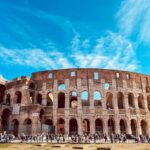
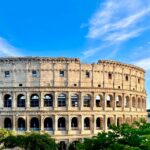
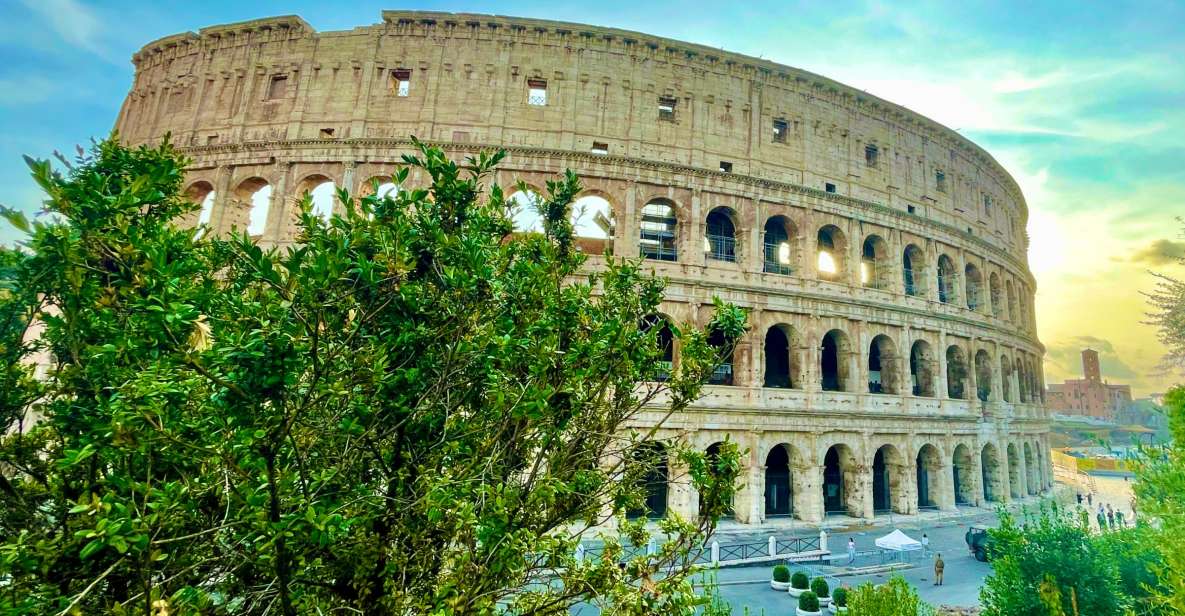
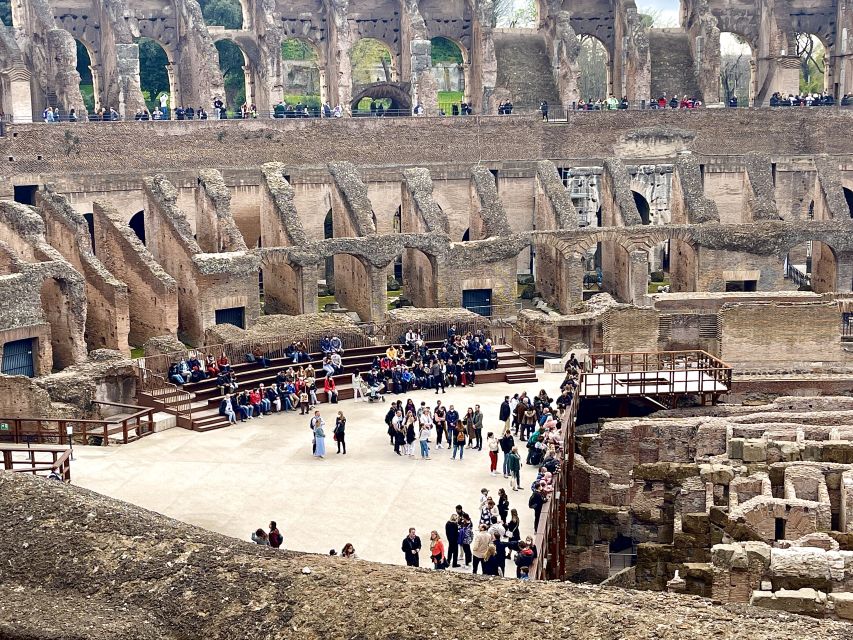
After the catacombs, you’ll take a brief panoramic drive to the Colosseum. There’s then a lunch break (about 1.5 hours, not included), followed by a private skip-the-line Colosseum and Roman Forum tour.
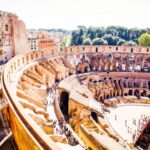
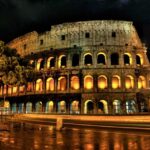
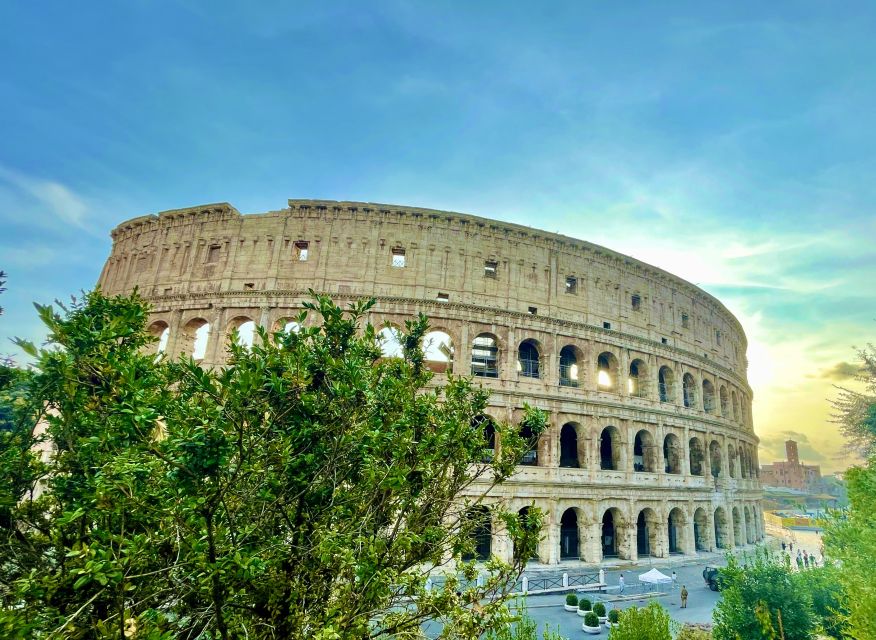
Once you’re inside, the focus is on how the Romans built and staged the world-famous arena. You’ll learn about construction techniques, the skills behind gladiatorial combat, and the history of the spectacle—down to exotic animal fights.
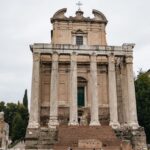
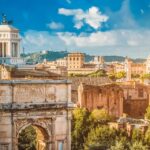
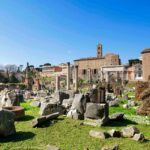
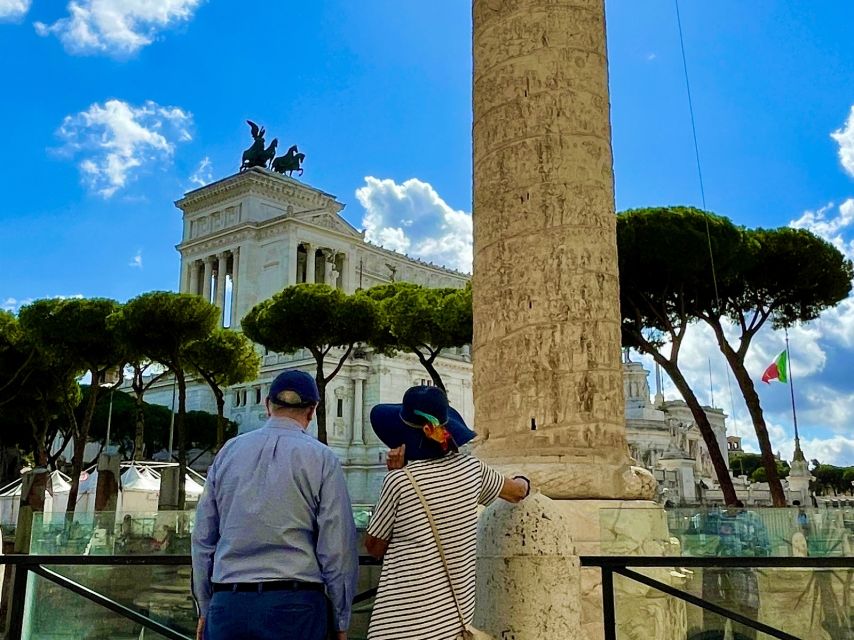
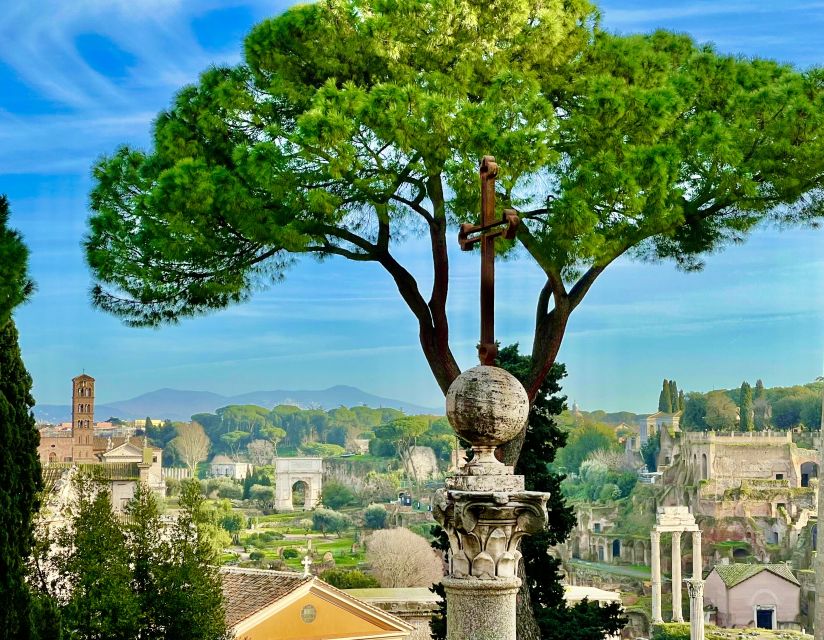
Then comes the Forum and Palatine Hill area, where power and everyday life mixed. You’ll see key ruins and landmarks such as:
- the old Senate House area
- the Temple of Vesta
- the triumphal arches of Constantine, Titus, and Septimius Severus
If you’ve only ever visited the Colosseum from the outside, this guided combination changes the whole picture. The Colosseum is the theater; the Forum and Palatine are the setting where decisions were made.
You can also read our reviews of more tours and experiences in Rome

Day 3: Castel Sant’Angelo’s Fortress-to-Museum Story
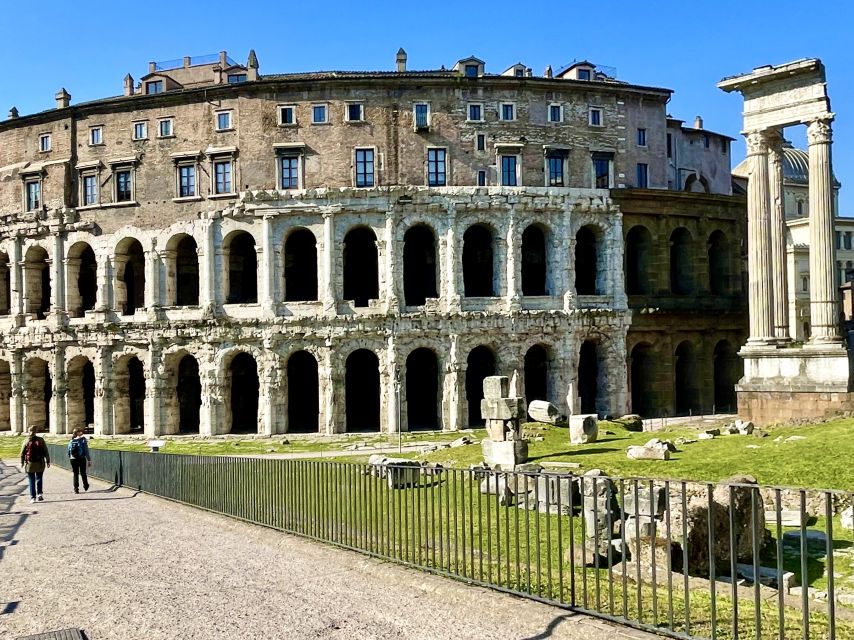
On Day 3, the tour gives you a two-hour private Castel Sant’Angelo visit. This site is easy to underestimate until you’re standing in front of it. It has served as a Roman tomb, a papal residence, a fortress, a prison, and an execution site—then it evolved into a museum. That long “many lives” story is part of why Castel Sant’Angelo feels so different from other monuments.
With private guidance, you bypass queues and explore the collections inside. The experience also includes one of Rome’s nicer practical perks: the rooftop terrace for panoramic views. It’s not just sightseeing. It’s a chance to get your bearings—map out where everything sits in the city.
What to do with your eyes while you’re up there:
- Look for how the Tiber and major bridges shape the city’s movement.
- Notice the relationship between the fortress vantage point and the historic core below.
- Use the view to connect what you saw over the last two days: Vatican-area grid, ancient center, and the modern sprawl around it.
Baths of Caracalla: The Roman Monument You Don’t Need to Queue For
After lunch (about 1.5 hours, not included), you’ll head to the Baths of Caracalla for a two-hour private guided tour.
These baths are the second-largest public baths of Ancient Rome, and they’re among the most satisfying places to slow down. Where the Colosseum is drama, Caracalla is about engineering and daily ritual. You’ll explore the preserved remains and details such as:
- sections of the ancient heating system
- fragments of intricate mosaic floors
- vaulted rooms and porticoes
Also, the sheer scale makes this a great contrast to the Vatican and Colosseum. If you’re worried about “too much museum in one trip,” Caracalla helps balance the week. It’s not just relics; it’s a working layout of how people moved, cooled, heated, socialized, and restored.
Pacing That Works: Lunch Breaks, Weather Shifts, and Realistic Expectations
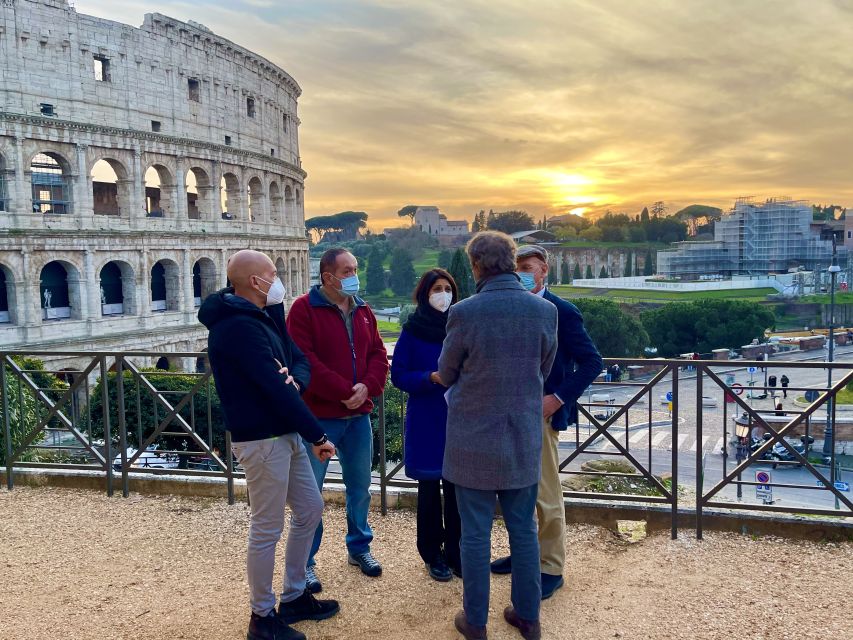
This tour is built around heavy hitters, but it doesn’t pretend you won’t need time to regroup. Each day includes a set lunch break—Day 1: about one hour, Day 2 and Day 3: about 1.5 hours—and lunch itself is not included.
Here’s how to make that work for you:
- Have a short plan for where you’ll eat before you get hungry. Rome has plenty, but the closer you wait, the more you end up in the same tourist circles.
- Keep water handy during walking-heavy segments.
- Treat “not included” as normal, not a problem. You can pick the food style you want.
The tour also notes that the itinerary may vary due to weather (ice, rain, high temperatures) or other events beyond the agency’s control. That’s an important consideration in Rome. You want a guide who can adjust without turning your day into a scramble.
Private Group Energy: Better Guidance, Better Flow
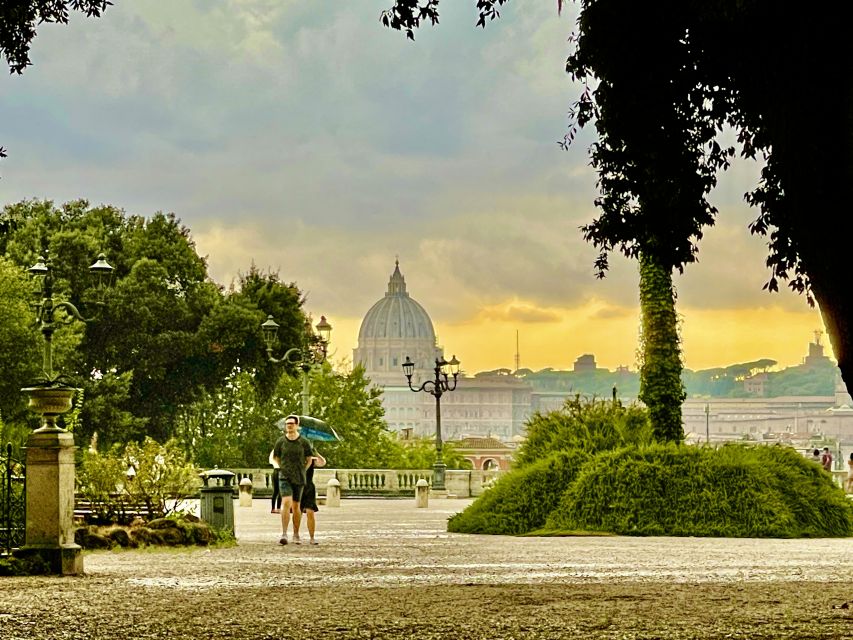
Because this is a private group, the guide can shape the pacing around what you care about—architecture, political storylines, art details, or the mechanics of ancient sites. The tour is also supported by live guides in multiple languages, including English, German, French, Spanish, Russian, Italian, and Portuguese.
In the kind of booking where people specifically call out guide professionalism, names like Stefano show up for being on time and running the experience professionally. Another guide name you’ll see praised is Giorgio. What both have in common in the feedback is a strong ability to keep the day organized and explain what you’re seeing without turning it into a lecture you can’t process.
One more small but meaningful point: your driver isn’t just transport. A good driver helps you keep moving and reduces the “what street is this again?” time.
What to Bring (and What Rome Won’t Let You Wear)
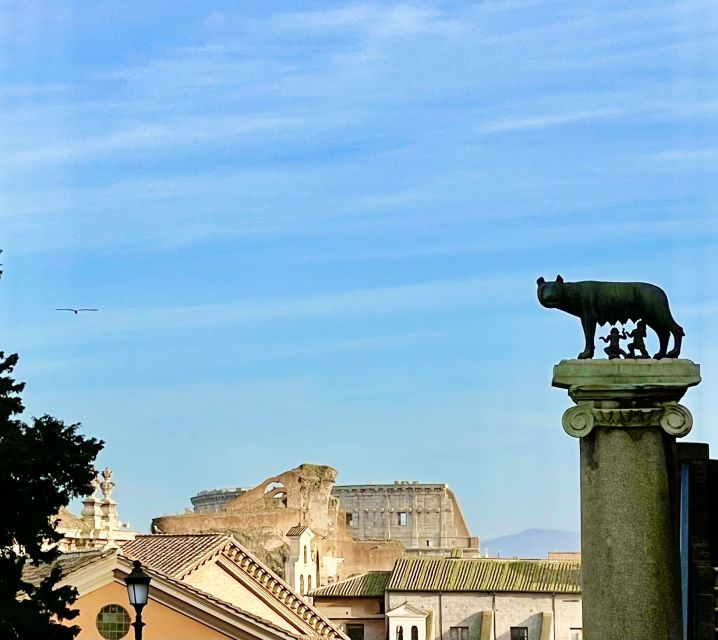
You’re given straightforward rules, and following them makes a big difference in Rome’s high-security museum environment.
Bring:
- Passport or ID card (you must show a valid ID at museums and archaeological areas)
- Comfortable shoes
- Change of clothes
Not allowed:
- Shorts
- Short skirts
- Sleeveless shirts
- Luggage or large bags
- Alcohol and drugs
This dress code matters most for the Vatican-related sites. Plan to dress slightly more covered than you normally would for a hot Roman day—then use light layers you can manage as the temperature changes.
Is This Worth It for Your Time in Rome?
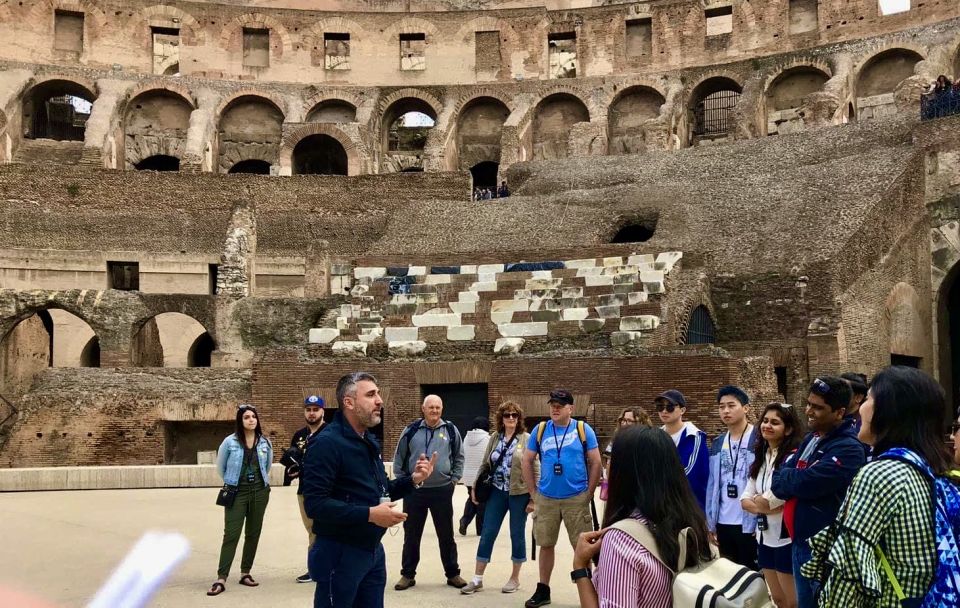
If you’re coming to Rome with limited days, this tour is strongest for you. The value isn’t just the number of stops—it’s the way it reduces wasted hours:
- Skip-the-line access where it counts (Vatican Museums/Sistine Chapel and Colosseum/Roman Forum)
- A hotel pickup plus private chauffeured movement across the city
- A mix of the big icons with less “tour bus central” choices like catacombs and Baths of Caracalla
Also, if you don’t want to choose between “art day” and “ancient day,” this plan does both, and it does it in a sensible order.
What might make it less ideal: if you love to wander slowly at your own pace and don’t like structured days, a multi-stop private tour may feel like too much planning. Also, since lunch is not included, you’ll need to be proactive about where you eat during the breaks.
Should You Book This Three-Day Rome Plan?
I think you should book this tour if your priority is seeing Rome’s top sites with minimal friction—especially if you’re worried about lines at the Vatican and Colosseum. It’s also a great fit if you like guides who can connect the dots between places: Vatican art, early Christian burial history, Roman politics, and the fortress views over the city.
Skip it if your ideal day is mostly spontaneous wandering with no guidance and no fixed stops. Rome is amazing that way too. But for a first-time visit—or a short visit where you want real coverage—this private, multi-day format is one of the most practical ways to get it done.
FAQ
Which major sites are included across the three days?
You’ll visit the Vatican Museums and Sistine Chapel, Colosseum and Roman Forum, the Appian Way catacombs (semi-private), the Baths of Caracalla (private), and Castel Sant’Angelo (private), plus key city sights during transfers.
Do they help you avoid ticket lines?
Yes. The tour includes skip-the-ticket-line access for the Vatican Museums and Sistine Chapel and also for the Colosseum and Roman Forum.
Are lunches included?
No. The itinerary includes lunch breaks (about one hour on Day 1 and 1.5 hours on Days 2 and 3), but lunch itself is not included.
What languages are guides available in?
Live tour guides are available in English, German, French, Spanish, Russian, Italian, and Portuguese.
What should I bring for museum entry?
Bring a passport or ID card and show a valid ID at museum and archaeological areas. Also plan for comfortable shoes and a change of clothes.
Is there any dress code or item restrictions?
Yes. Shorts, short skirts, sleeveless shirts, luggage or large bags, and alcohol and drugs are not allowed.