REVIEW · ROME
Rome: Castel Sant’Angelo Tour With Skip-the-line Access
Book on GetYourGuide →Operated by Doooing · Bookable on GetYourGuide
Castel Sant’Angelo gets a shortcut. With skip-the-line entry, I like how you step straight into Papal corridors and the story of the mausoleum tied to Hadrian. Your guide keeps it moving, so you get more than just rooms and walls.
I also love the way the tour makes the castle name make sense—through the legend of Archangel Michael and the big-picture shift from Roman emperor to Papal power. One thing to consider: this visit is not recommended for limited mobility or wheelchair users due to the route inside.
In This Review
- Key highlights to look for
- Why skip-the-line access makes Castel Sant’Angelo worth it
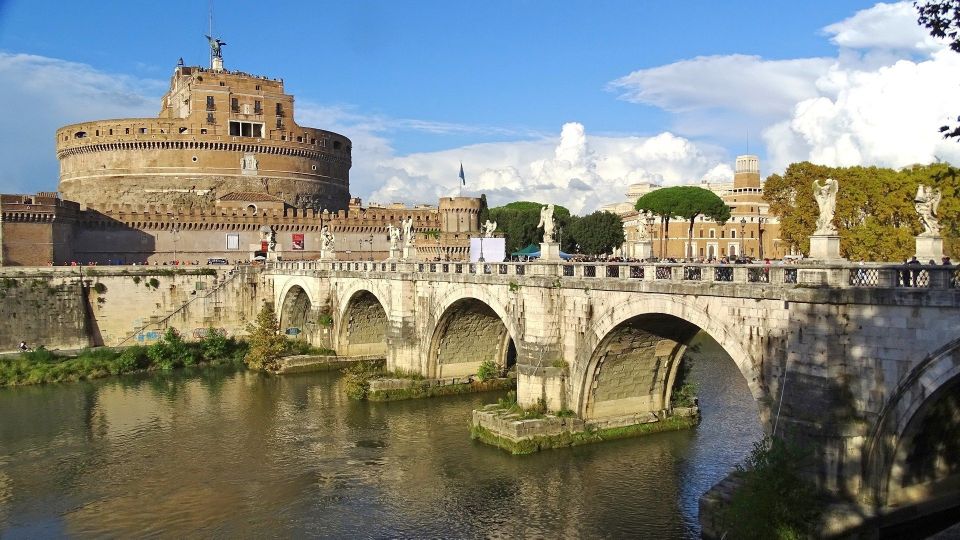
- Meeting by St. Angelo Bridge and getting oriented fast
- Hadrian’s Mausoleum: the tomb of an emperor and the origin of the name
- Papal corridors and apartments: when the castle became a power symbol
- Angels by Bernini, Raggi, and Morelli: art you can actually place
- Terrace views and the defensive wall: the payoff at the top
- Duration, pace, and language options for a short visit
- Price and value: how the 16€ ticket fits into what you’re paying for
- Should you book this Castel Sant’Angelo skip-the-line tour?
- FAQ
- How long is the Castel Sant’Angelo tour with skip-the-line access?
- Where do we meet for the tour?
- Does this tour include skip-the-line entrance?
- What languages are the live guides?
- What should I bring?
- Is this tour suitable for people with mobility impairments or wheelchair users?
- Can I cancel and get a refund?
Key highlights to look for
- Skip-the-line access so you spend time inside, not stuck at the entrance
- Hadrian’s tomb (the Mausoleum of Hadrian) with clear, guided context
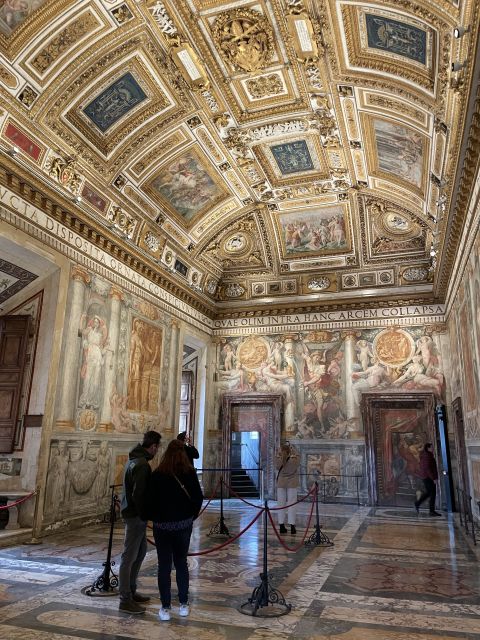
- Papal corridors and frescoes that show how the castle changed hands and meaning
- Archangel Michael legend tied to the end of the 590 plague
- Angel sculptures by Bernini, Raggi, and Morelli you can spot with a guide’s pointers
- Terrace views and defensive walls for strong photo angles and the big exterior feel
Why skip-the-line access makes Castel Sant’Angelo worth it
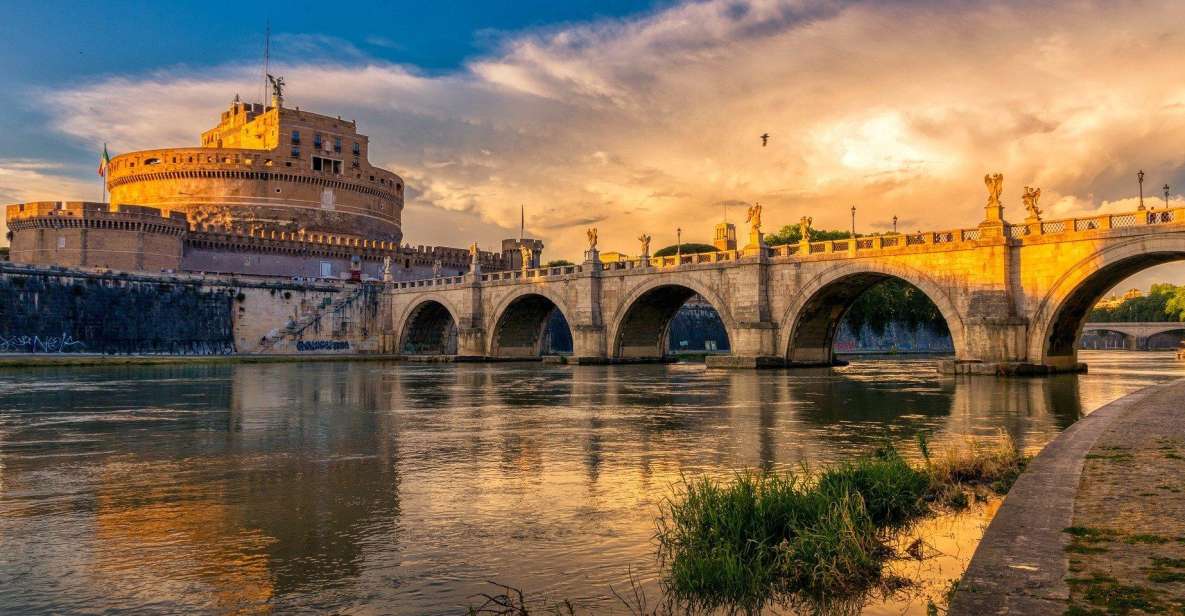
Castel Sant’Angelo is one of those Rome sights where the lines can quietly eat your day. This tour focuses on getting you in fast with a skip-the-line ticket, which matters if you’re trying to balance the big classics with real time for wandering.
I like that you’re not just handed entry and told good luck. You’re paired with a live guide and (if needed) headsets, which is a big deal inside passages where sound can bounce. Instead of reading small labels and guessing, you get the story as you move—so your time inside actually feels like progress.
There’s also a simple value angle. The official ticket price is listed as 16€, so you’re paying for the guidance plus the time savings. If you’re the type who enjoys hearing how and why places changed—Roman to Papal, emperor to fortress—this format tends to click.
You can also read our reviews of more tours and experiences in Rome



Meeting by St. Angelo Bridge and getting oriented fast
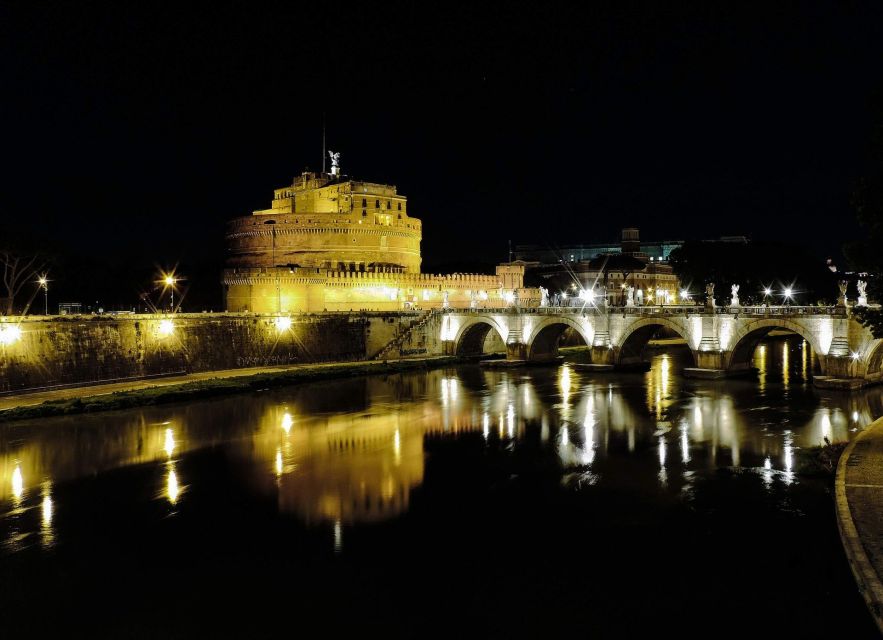
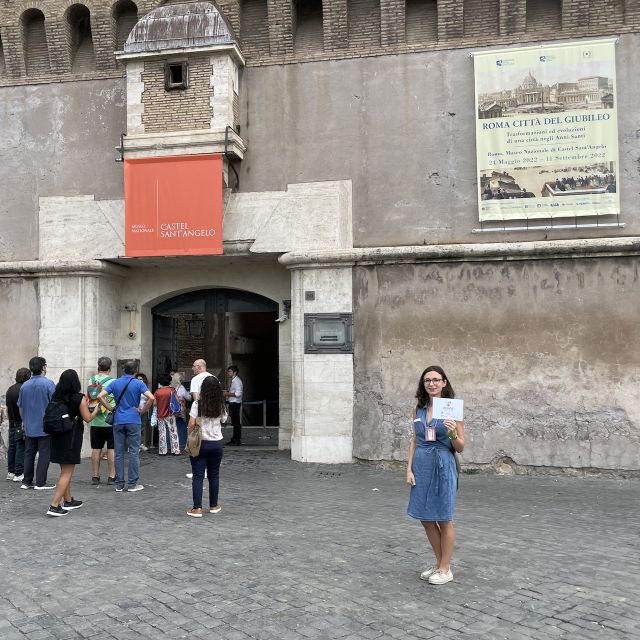
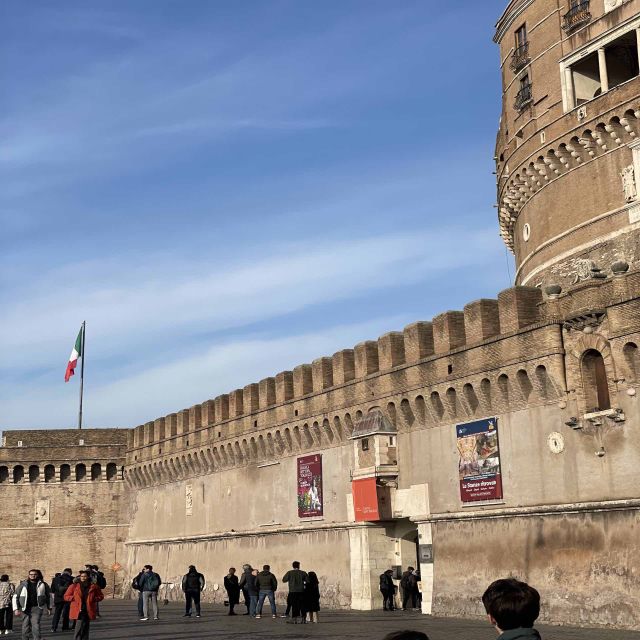
You meet at the start point near St. Angelo Bridge, then your group heads toward the castle entrance. The meeting point is described as right in front of the main entry of Castel Sant’Angelo, and your guide carries a blue flag with the Doooing Experience logo, which makes it easier to find your group.
Come in with comfortable shoes. The tour is short (about two hours), but Castel Sant’Angelo isn’t a flat museum stroll. You’ll want shoes that feel stable on uneven or busy surfaces around the building.
Also plan your bag situation ahead of time. Luggage or large bags aren’t allowed, and pets aren’t allowed either. If you travel light, you’ll avoid friction at check-in.
A practical note for timing: access routes can change during the Jubilee because some monuments may be under restoration. Check your messages before you go, because Rome can reroute foot traffic fast.
Hadrian’s Mausoleum: the tomb of an emperor and the origin of the name
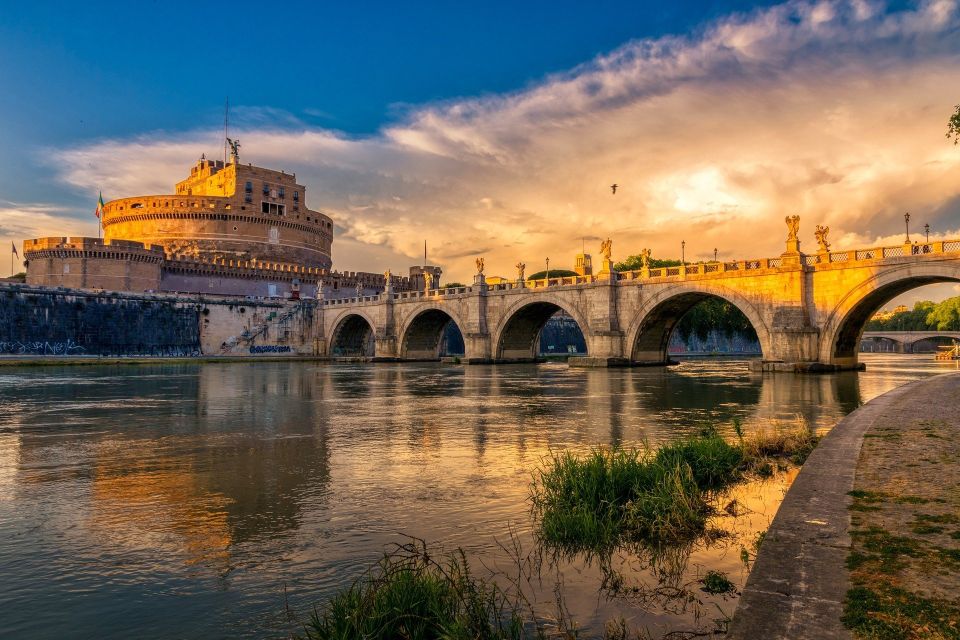
This is where Castel Sant’Angelo stops being just a “nice castle” and turns into a full-on historical story. You visit the Mausoleum of Hadrian, usually called Hadrian’s tomb. The guide helps connect the architecture to the person it was built for, so you don’t just see stone—you understand why it looked the way it did.
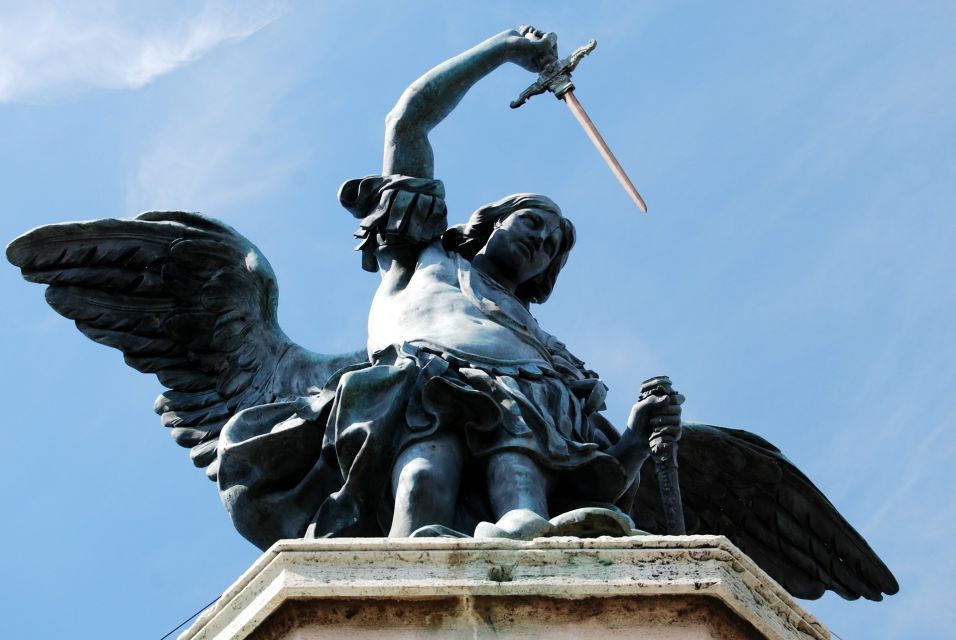
Then comes the legend that gives the castle its modern identity: the tale of Archangel Michael appearing atop the mausoleum, sheathing his sword and signaling the end of the 590 plague. That story isn’t just folklore trivia. It helps explain why the castle became associated with the idea of protection and miracle, long after its Roman purpose had faded.
If you like symbolism (or you just like stories that make monuments feel human), this is one of the tour’s best moments. Your guide’s job is to translate what you’re looking at into something you can actually picture—what the space meant then, and why it mattered later.
Papal corridors and apartments: when the castle became a power symbol
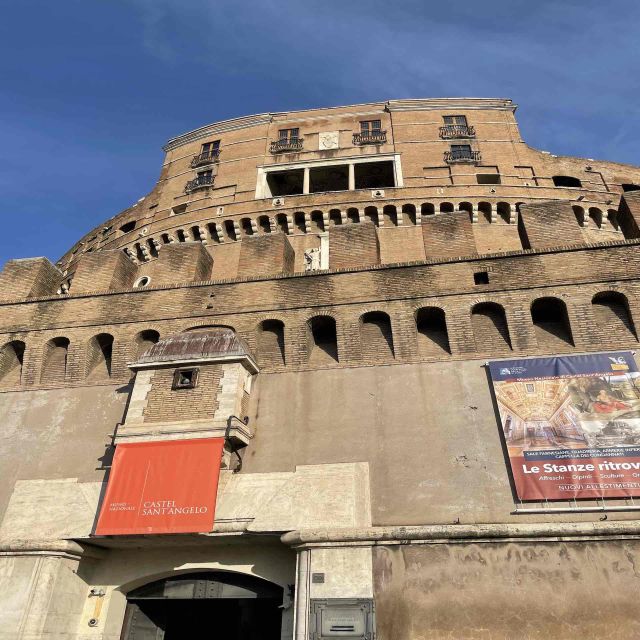
After the Roman emperor angle, the tour shifts into Papal territory. You’ll explore Papal corridors and see parts of the castle tied to the Papacy, including frescoes and Papal apartments.
This change is the big reason to do a guided visit here. Castel Sant’Angelo can feel like a single structure to you at first glance, but guided context shows the different layers of meaning. One era uses the place for burial and imperial memory. Another uses it for political authority, ceremony, and the practical world of a stronghold inside Rome.
You also get help spotting the details that you’d otherwise miss. Corridors and rooms are easy to walk through like a blur. A good guide helps you slow down at the right spots—so you notice iconography, layout, and the kind of art that signals status and power.
In past groups, guides such as Irene and Marcello have been praised for being engaging and for answering questions as you go. Names like Silvia Conforti and Maria also come up when people describe clear explanations that add a whole second layer to the visit.
Angels by Bernini, Raggi, and Morelli: art you can actually place
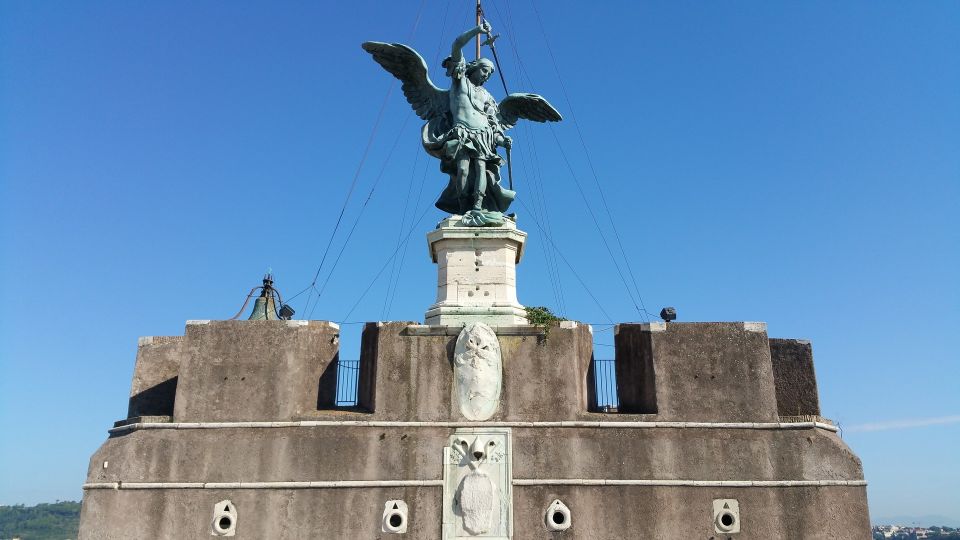
One of the standout promises in this tour is the chance to see angel sculptures by Bernini, Raggi, and Morelli. If you don’t know what to look for, Baroque angel statues can blend together. But with a guide you get context: what kind of scene it represents, how the placement fits the architecture, and how the style supports the castle’s spiritual image.
You’ll also see frescoes, and this is where a guided approach helps most. Frescoes can be dim, high, or partially obscured by the way groups move. A guide can point you toward the sections worth focusing on, so the art doesn’t become a quick glance and forget.
This is also a strong choice if you care about photos. One guide, Alexandra, has been highlighted for walking people through the castle while taking them to especially good spots for pictures. Another guide, Alessandra, has been described as even acting like a personal photographer—useful if you want fewer random shots and more intentional angles.



Terrace views and the defensive wall: the payoff at the top
The terrace is your reward. You’ll get stunning views from the terrace and a clear look at the defensive wall of the castle from above. This is where you start seeing Castel Sant’Angelo less as a museum set and more as a real fortress.
I like that the tour doesn’t stop at the indoor rooms. Fortresses make sense only when you understand their height and defensive thinking. Seeing the walls from the terrace helps you understand why this structure was built where it was and how it functioned.
You’ll also get time to orient yourself visually—so if you’ve been walking around Rome all day, you can connect what you saw outdoors earlier to what you learned inside. Even if you’re not a “views person,” this terrace stop usually lands.
Duration, pace, and language options for a short visit
The tour runs for about two hours, which is a good length for Castel Sant’Angelo. It’s long enough to cover the key areas—Hadrian’s tomb, Papal corridors, frescoes, and the terrace—without turning into a half-day commitment.
Because it’s designed as a small group tour, the pacing tends to feel more personal than a large bus-style schedule. You also have a chance to ask questions, and guides like Andrada have been praised not just for information, but for being patient and helpful when someone had a hurt ankle in the group.
Language options are Spanish, Italian, and English. If you’re choosing between them, go with the one you’re most comfortable for details. History and art labels can be hard work in a second language, even if you have basic conversation skills.
Timing tip: guests arriving after the departure time can’t be accommodated and tickets won’t be refunded. So arrive a few minutes early, match up with your guide’s blue flag, and start on time.
Price and value: how the 16€ ticket fits into what you’re paying for
The official ticket price is listed as 16€. This tour price shows $78.57 per group (with the booking showing up to 1), which may look steep until you split out what you’re really buying.
You’re paying for:
- Skip-the-line entry management
- A live guide who explains what you’re seeing (not just where to stand)
- Headsets if required, which improves the quality of the experience
- A structured visit that hits the key highlights efficiently
If you’re the type of person who likes to self-tour with a guidebook, you can save money by going on your own. But if you want the story of Archangel Michael, the shift from Roman to Papal use, and the art connections (like Bernini and the angel sculptures), paying for a guide is often the difference between passively looking and really getting it.
Also, time has a cost in Rome. Skip-the-line access can be the difference between seeing Castel Sant’Angelo comfortably and feeling rushed. For many people, that alone makes the pricing feel more reasonable.
Should you book this Castel Sant’Angelo skip-the-line tour?
If you want the castle’s big stories—Hadrian’s tomb, the Papal corridors, and the Michael-and-plague legend—without wasting time fighting entry lines, this is a strong pick. I especially think it works well for first-timers who want to understand what they’re looking at, fast.
Book it if:
- You want guided context for Roman and Papal layers
- You care about specific highlights like Papal corridors, angel sculptures, and the terrace view
- Your schedule is tight and skip-the-line access helps you plan
Skip it (or consider something else) if:
- You need wheelchair-friendly routing or have limited mobility, because it’s not recommended for that
- You prefer a slower, self-paced walk with no guide
If you do book, bring your ID or passport, wear comfortable shoes, and double-check any updates for Jubilee-related route changes.
FAQ
How long is the Castel Sant’Angelo tour with skip-the-line access?
The tour duration is listed as 2 hours. Check availability for starting times.
Where do we meet for the tour?
The meeting point is in front of the main entrance of Castel Sant’Angelo. Your guide carries a blue flag with the Doooing Experience logo. The activity ends back at the meeting point.
Does this tour include skip-the-line entrance?
Yes. It includes skip-the-line entrance ticket access.
What languages are the live guides?
The live guide languages listed are Spanish, Italian, and English.
What should I bring?
Bring a passport or ID card and wear comfortable shoes.
Is this tour suitable for people with mobility impairments or wheelchair users?
It is not recommended for people with limited mobility and is not suitable for wheelchair users.
Can I cancel and get a refund?
Yes. Free cancellation is offered up to 24 hours in advance for a full refund.