REVIEW · ROME
Rome: City Highlights E-Tuk Tuk Tour
Book on GetYourGuide →Operated by Luxurbe · Bookable on GetYourGuide
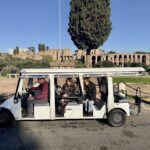
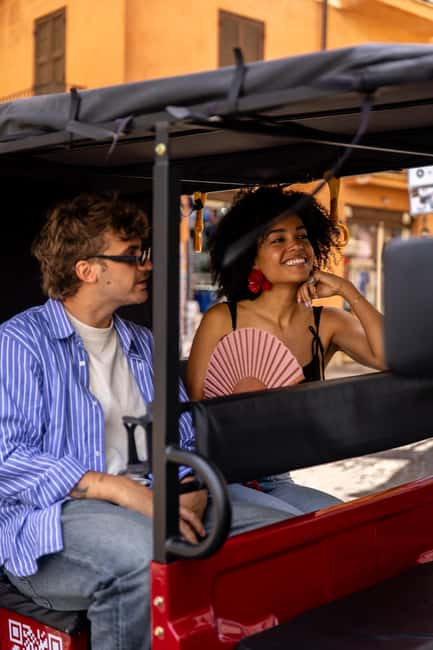
Rome moves fast, but this tour keeps you moving. You’ll glide through the historic center on a quiet electric E-Tuk, with short guided stops that make it easy to hit major landmarks without turning your day into a stair workout. My favorite part is the pacing: you get enough explanation to understand what you’re seeing, then time to grab photos and roll on.
One thing to plan for: it’s a quick-hit highlights route, not a slow, deep-dive walking tour. Also, if you end up seated toward the back, you may catch less of the guide’s commentary depending on how the vehicle is set up that day.
In This Review
- Key things to know before you ride
- Why an Electric Tuk-Tuk Works So Well for Rome’s Big Hits
- Piazza del Popolo 11: The Meeting Point That Keeps Tours on Time
- The 3-Hour Rhythm: How the Timing Really Feels
- Piazza Venezia: Starting Big With a Classic Rome View
- Pantheon: Quick Orientation for an Icon You’ll Want to Remember
- Scenic Stops in the Middle: Theater di Marcello, Foro Piscario, and the Jewish Ghetto
- Vatican City Views From the Outside: Big Scale Without Ticket Lines
- Colosseum Exterior and the Imperial Fora: Seeing the Framework
- Trevi Fountain and Piazza Navona: Two Stops That Test Your Timing
- Santissima Trinità dei Monti: The Panoramic Let-Down That Isn’t a Let-Down
- Guides and Audio: How to Get the Most From the Talking Part
- Price and Value at About $47: What You’re Buying
- Who This Tour Fits Best (And Who Should Skip It)
- Practical Tips: What to Bring and How to Avoid Common Snags
- Should You Book the Rome City Highlights Electric Tuk-Tuk Tour?
- FAQ
- How long is the Rome City Highlights E-Tuk Tuk tour?
- What major sights are included in the route?
- Is there a lot of walking?
- Are monument entrance tickets included?
- Where do I meet the tour?
- Is hotel pickup available?
- Does the tour run in bad weather?
Key things to know before you ride
- Electric and street-friendly: ideal for narrow lanes and busy piazzas where traffic can slow you down.
- Timed sightseeing stops: you’re generally given about 15 minutes at big landmarks, plus shorter tuk-tuk legs between them.
- A smart Rome mix: classic monuments plus neighborhoods like the Jewish Ghetto, with Vatican City views from the outside.
- Low-walk format: you’ll spend more time looking and less time marching.
- Guides can tailor the trip: several guides mentioned in feedback made adjustments based on what people already saw or wanted to focus on.
- Bring a weather plan: the tour runs in light rain, so dress for umbrellas not tantrums.
Why an Electric Tuk-Tuk Works So Well for Rome’s Big Hits
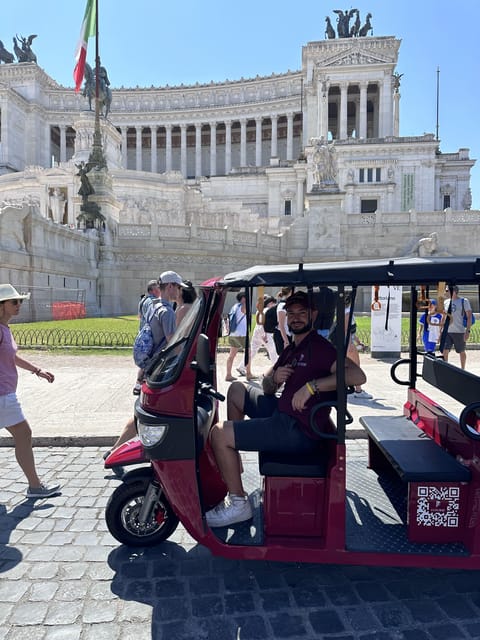
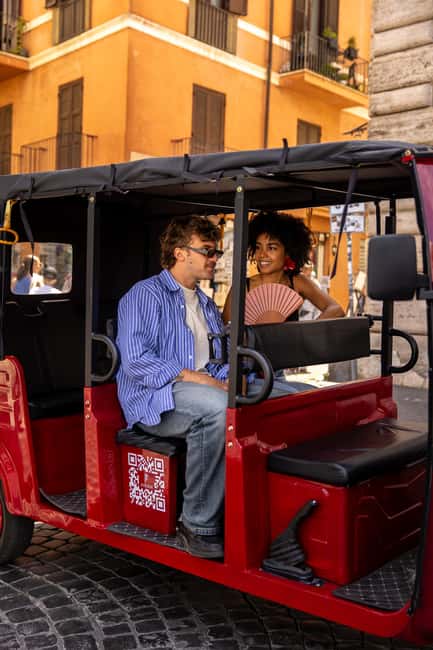
Rome’s center can feel like a pinball machine. Cars, scooters, buses, crowds, and sudden detours make it hard to enjoy the scenery when you’re spending energy just getting from A to B. An electric tuk-tuk solves the “how do I see it all without burning my legs” problem by keeping you in motion while still letting you look around.
You’re also on a vehicle that fits the streets. Think narrow roads, tight corners, and lively squares where larger buses can struggle. The big win is that the day doesn’t turn into constant stop-and-go walking. Instead, you get a steady rhythm: drive, brief orientation, photos, repeat.
For most people, this tour is a strong first pass at Rome. It helps you build a mental map fast, so your next day can be more intentional—whether that means revisiting the Pantheon area, spending longer near the Trevi Fountain, or planning a separate Colosseum visit on your own.
You can also read our reviews of more city tours in Rome

Piazza del Popolo 11: The Meeting Point That Keeps Tours on Time
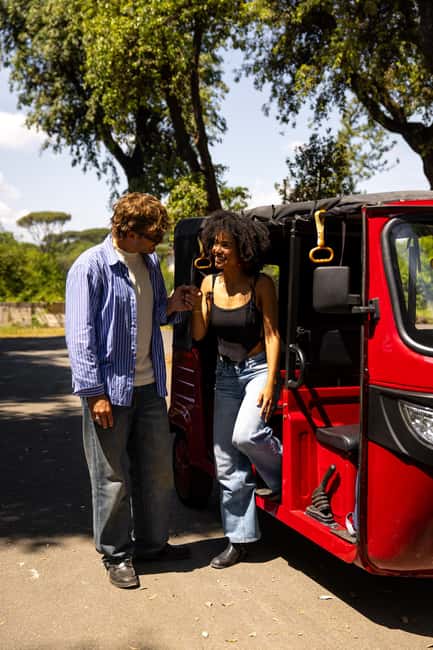
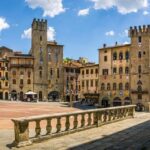
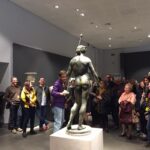
Your meeting point is Piazza del Popolo 11, in front of the Leonardo da Vinci Museum. The instructions are clear: wait outside the entrance and do not go in. There’s also no Luxurbe sign, so you’re looking for the electric tuk-tuk itself—easy to recognize once it arrives.
Give yourself a cushion. You can allow up to 10 minutes of waiting time, and hotel pickup (if you chose it) happens at street level outside your hotel entrance. If you’re picking your own way to the start, arrive early enough that you’re ready when the guide rolls in. Late arrivals can miss the grace period and lose the tour.
Practical tip: stand where the route view is easiest—right by the museum entrance area—so there’s no confusion when the driver arrives with the tuk-tuk.
The 3-Hour Rhythm: How the Timing Really Feels
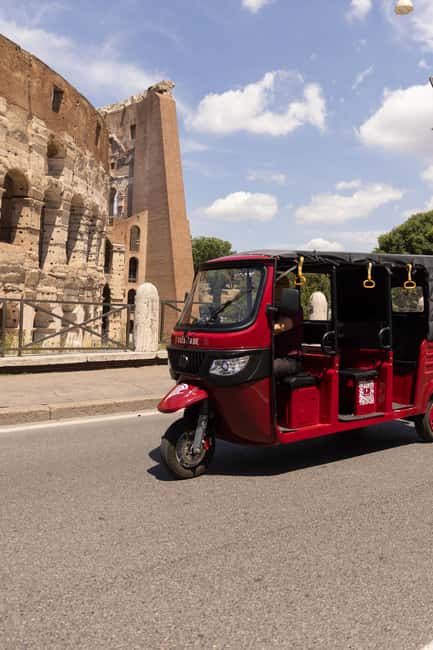
This is built as a highlights circuit. You’ll spend most landmark moments in guided bursts, with short driving stretches between them. The tour generally uses about 15 minutes at major stops, plus shorter tuk-tuk rides in between (some are closer to 10 minutes).
That timing matters. If you’re the type who likes to understand what you’re looking at—then grab a photo and move on—this format clicks. If you prefer long museum-style explanations or extended time inside monuments, you’ll likely want separate tickets and an extra day for that.
Also, because it’s a city route, expect normal Rome reality: traffic, road closures, and weather can shift the order or exact driving segments. Light rain doesn’t stop it, so plan clothing accordingly.
Piazza Venezia: Starting Big With a Classic Rome View
The route typically kicks off with Piazza Venezia. This is a strong opener because the square is one of those places that immediately tells you you’re in the historic core. You get a guided orientation—about 15 minutes—which helps you recognize nearby landmarks as you move.
What I’d focus on here: use this stop to learn the “shape” of central Rome. Once you understand the layout, later landmarks like the Pantheon, Trevi Fountain, and the river-side corridors feel less random and more connected.
If you like photos, this is one of the stops where the architecture gives you instant context even from outside. Let the guide point out what to look for—then take your shots quickly so you’re not rushing at the later, busier squares.
Pantheon: Quick Orientation for an Icon You’ll Want to Remember
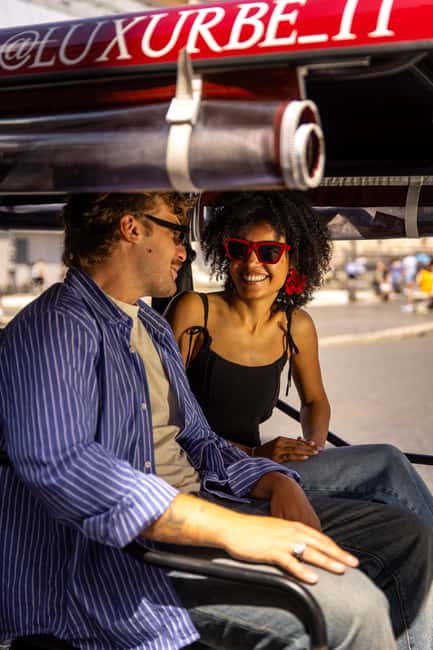
Next up is the Pantheon with another 15-minute guided stop. Even if you’ve seen photos online, the Pantheon hits differently in person—especially because the space makes you notice details fast: the scale, the symmetry, and how the building sits in the urban fabric.
Here’s how to get value from the short stop:
- Pay attention to what the guide says about what you’re seeing from outside.
- Use your time for a couple of photos from angles that show the building in context.
- If you think you’ll want to go inside later, treat this as your “decide where to return” moment.
One caution: if you’re expecting a long stay at major monuments, you’ll probably feel rushed. This tour is designed for moving between icons, not lingering for ticketed experiences.


Scenic Stops in the Middle: Theater di Marcello, Foro Piscario, and the Jewish Ghetto
After the central classics, the route moves into areas that make Rome feel more layered. You’ll pass Teatro di Marcello and the Foro Piscario area, then head toward the Jewish Ghetto, which is known for its distinct atmosphere and deep historical presence.
The Jewish Ghetto stop is short (again, about 15 minutes), but it’s meaningful because it shifts the day from purely monumental Rome to neighborhood Rome. That’s where guided context helps. Instead of just seeing streets and buildings, you start understanding how communities formed and how different eras left their mark.
If your goal is to get oriented beyond the postcard sights, this is one of the best parts of the itinerary. It adds texture, and it also helps you decide whether you want a focused return later for food, walking, and deeper exploration.
Vatican City Views From the Outside: Big Scale Without Ticket Lines
The tour continues toward Vatican City scenic views, with guidance focused on what you can see from the route rather than entry. This is valuable for two reasons.
First, you get the payoff of seeing the Vatican area without spending your whole day dealing with entry logistics. Second, the viewpoint approach helps you understand how Vatican-side streets sit in relation to the rest of central Rome. Once you know the sight lines, planning a separate Vatican visit is easier.
At this stage, you’re also building energy for the next cluster of ancient icons. The route design avoids forcing you to walk too much while still hitting the Rome checklist.
Colosseum Exterior and the Imperial Fora: Seeing the Framework
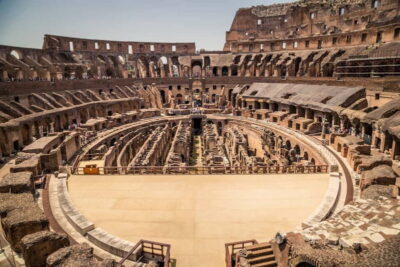
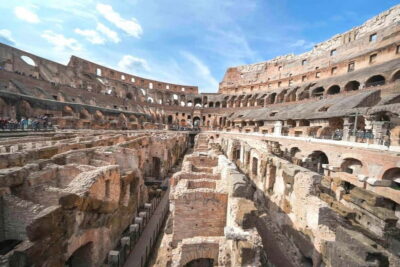
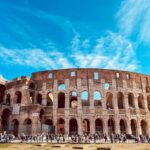
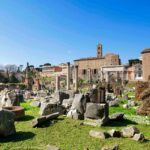
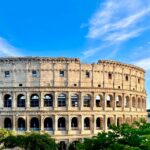
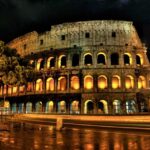
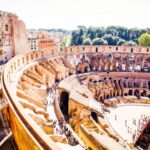
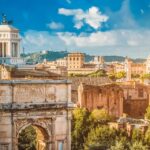
You’ll get exterior views of the Colosseum and the Imperial Fora, plus a guided stop near the Colosseum. Even when you don’t go inside, seeing it from the right angles gives you a clearer mental model of how Roman monumental architecture dominated the landscape.
Then you continue toward Circus Maximus, with another 15-minute guided stop. Circus Maximus is one of those sites where the open space makes you think differently about Roman daily life. It’s not a “stand and stare” monument like you might expect; it feels more like a reminder of scale and movement—where events once drew crowds.
If you’re doing this tour as your first or second day, use these stops to decide what you’ll do next:
- If the Colosseum captivates you, plan an official ticket visit later.
- If Circus Maximus sparks your interest, consider a walking loop afterward when the area is quieter.
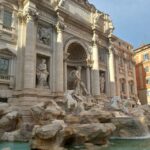
Trevi Fountain and Piazza Navona: Two Stops That Test Your Timing
Then comes the postcard-heavy pair: Trevi Fountain and Piazza Navona. Both are guided stops (about 15 minutes each) with photo time built in.
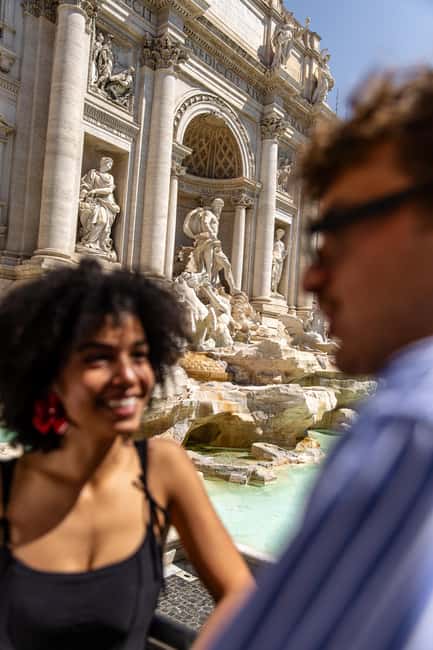
Trevi is famously busy, so this tour’s format works well because it gets you there in a controlled way. You’ll want to focus on the “look” first—then snap a few photos without waiting around for an impossible quiet moment.
Piazza Navona is a different vibe: more open space and a sense of street-life, plus the kind of architecture that reads beautifully from outside. The guide’s commentary helps you connect what you see to the site’s role in Rome over time, even if you don’t step into any ticketed space.
One practical mindset: treat these stops as photograph and orient moments. If you want time for a long linger or sit-down meal here, you’ll be happier doing that on a separate return.
Santissima Trinità dei Monti: The Panoramic Let-Down That Isn’t a Let-Down
The tour finishes near Santissima Trinità dei Monti, which is great for a final change of pace. You get a panoramic viewpoint feel, plus a more relaxed sightseeing wrap-up before you roll back toward the end point near Piazza del Popolo.
What makes this finish special is psychological. By the time you reach the last segment, you’ve already seen enough “major hits” that you can appreciate the city view as a reward—not as another checklist item.
At the end, you return around Piazza del Popolo, 11. That’s handy because it’s a useful central spot for getting your next plan in motion.
Guides and Audio: How to Get the Most From the Talking Part
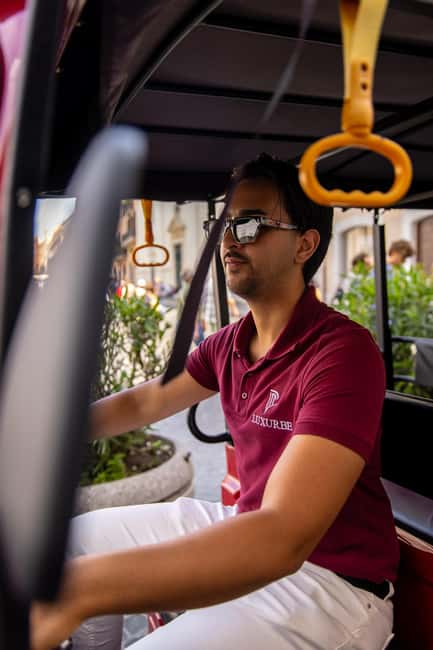
The tour includes a live guide/driver, with languages listed as English and Italian. Audio is also available by request (English, Italian, Spanish), if offered at the time.
The biggest upgrade here is how guides handle the short time window. Some guides are the “keep it moving and still explain it” type. Others add personal touches that make the tour feel warmer. In feedback, guides like Lorenzo and Alessandro were singled out for strong driving and clear explanation. Fabrizio was noted for being friendly and for adding extra visuals—like using a tablet with drawings of Rome’s architecture across centuries—so you can follow what you’re seeing more easily.
That said, there’s one real-world consideration: a review mentioned that people in the back couldn’t hear the driver as well. So if you’re sensitive to audio, try to sit where you can face the guide comfortably, not where you’re behind the guide’s voice.
Tip: come with 1–2 things you want from the day. If you already visited the Pantheon earlier, you can ask for emphasis on what’s new to you. Guides who adapt in the moment can turn a highlight loop into a genuinely personal orientation.
Price and Value at About $47: What You’re Buying
At around $47 per person for 3 hours, you’re paying for convenience and structure. This isn’t about ticketed monuments; it’s about getting an efficient Rome route with guided storytelling, photo stop support, and transportation that fits the streets.
Here’s what that value looks like in real terms:
- You don’t have to map an efficient route across scattered landmarks.
- You get guided context at major stops instead of guessing what you’re seeing.
- You reduce walking strain, which matters in Rome’s heat and uneven sidewalks.
- You avoid separate transport planning between multiple sites.
What’s not included: entrance tickets to monuments and attractions, plus food and drinks. So think of this as your “see it, understand it, then decide” day. You’ll still want tickets if you plan to go inside places like the Pantheon, Colosseum, or Vatican-area sites later.
If you’re traveling with someone who tires fast, or you want an easy way to get bearings on day one, this price starts to make sense quickly.
Who This Tour Fits Best (And Who Should Skip It)
This tour is best for people who want a highlights overview without turning their legs into souvenirs. It’s also a strong choice for anyone visiting in hot months, because the format reduces the time you’re exposed and standing in lines or navigating on foot for hours.
It’s also useful if you’re traveling with:
- older adults who don’t want long walks
- anyone who wants to return later to a few sites they care about most
- first-time visitors who need a map built in their head fast
A few limits to keep in mind:
- Not suitable for children under 3 years.
- Strollers and wheelchairs are mentioned in conflicting ways: one section says wheelchair accessible, but another says it isn’t suitable for wheelchair users. Same with baby strollers not allowed, yet strollers allowed if notified. If either matters to you, contact the operator after booking to confirm what will work in practice.
- Pets and luggage/large bags aren’t allowed, along with weapons or sharp objects.
If you prefer deep museum time or long guided walks at each site, you might feel this is too short. But if your goal is orientation plus iconic photos, you’ll probably enjoy the structure.
Practical Tips: What to Bring and How to Avoid Common Snags
Bring comfortable shoes even if the walking is limited. Streets can still be uneven, and you may need to step off the route briefly for photos or guidance.
Dress for the weather. The tour runs even in light rain, so plan on staying ready. A compact rain layer is often better than relying on a giant umbrella you can’t control in windy piazzas.
Also, be ready on time. There’s a grace window of up to 10 minutes after the scheduled start. Arrive a few minutes early at the start location so you’re not trying to locate the tuk-tuk while everyone else is already boarding.
Finally, be aware that the route may shift due to traffic, road closures, or city events. That’s normal in Rome, and it’s one reason a guided vehicle format can still be a good day even when plans change.
Should You Book the Rome City Highlights Electric Tuk-Tuk Tour?
Book it if you want an efficient, low-stress way to hit the “main sights” in one go—especially if it’s your first trip to Rome or you’re traveling with limited time or limited walking ability. The guided format and photo stops make it easy to leave with real orientation, and the electric vehicle approach fits Rome’s narrow streets better than you might expect.
Skip it if you’re hoping for long explanations, plenty of ticketed time at monuments, or a slow, walking-based experience. This tour is about movement and quick understanding—not spending hours in one place.
If you do book, pick your seat with hearing in mind, and come with at least a couple of priorities. Guides can make a big difference in how satisfying the short stops feel—so your best outcome usually comes from partnering with the guide instead of treating the day like a drive-by checklist.
FAQ
How long is the Rome City Highlights E-Tuk Tuk tour?
The tour is 3 hours long.
What major sights are included in the route?
You’ll see stops connected to Piazza Venezia, the Pantheon, the Jewish Ghetto, Vatican City views, Trevi Fountain, Piazza Navona, the Colosseum (exterior), the Imperial Fora area, Circus Maximus, and Santissima Trinità dei Monti, with the tour ending back near Piazza del Popolo.
Is there a lot of walking?
The tour is designed for a relaxed pace with guided stops and photo opportunities while minimizing long walks.
Are monument entrance tickets included?
No. Entrance tickets are not included. Food and drinks are also not included.
Where do I meet the tour?
The meeting point is Piazza del Popolo 11, in front of the Leonardo da Vinci Museum. You should wait outside the entrance and do not enter.
Is hotel pickup available?
Hotel pickup and drop-off are optional if selected. If not selected, pickup can be arranged after booking by contacting the provider.
Does the tour run in bad weather?
It operates in light rain.