REVIEW · ROME
Rome: Colosseum, Ancient Rome and Catacombs Tours & Tickets
Book on GetYourGuide →Operated by Tour in the City - Travel Agency Rome - · Bookable on GetYourGuide
Rome’s big Roman day starts fast. You get queue bypass access to the Colosseum area, plus an underground visit on the Appian Way Catacombs with vivid guided storytelling or an audio option for pacing your own tour. I especially like the way this experience pairs two “modes” (guided or self-audio) with the same core sites, and then adds a second act underground. One thing to keep in mind: with the audio route, crowd levels and on-site orientation can make the numbered stops feel a bit harder to follow.
This is a smart option if you want the classics—Colosseum, Roman Forum, Palatine Hill—without wasting hours figuring out where to go next. For the Catacombs portion, the underground setting is real work for your senses: it’s about 60°F with high moisture, and you’ll be descending into a long network of tunnels.
Before you go, plan around the rules and the ID requirements. Tickets are named, timed, and tied to your ID, and security can stop you if the info doesn’t match.
In This Review
- Key things I’d bet on
- Two ways to experience the Colosseum: guided tour or self-audio
- Entering The Colosseum with timed tickets, security, and headsets
- Colosseum views from the first and second tiers
- Roman Forum: the nerve center you can actually walk
- Palatine Hill panoramas and imperial palaces
- A tight timeline through three giants: how the route feels
- Appian Way Catacombs: frescoes, crypts, sarcophagi, and tombs
- Transfer details: what’s included (and what to confirm)
- Price and value: what $73 buys for Colosseum + Catacombs
- Who should book this Colosseum and Catacombs combo
- Should you book it?
- FAQ
- Do I need an ID to enter the Colosseum?
- Is there a way to avoid long lines at the Colosseum?
- How long does the tour take?
- What languages are available?
- How do I get to the Catacombs?
- What’s the cancellation policy?
Key things I’d bet on
- Skip-the-line entry keeps your day moving instead of starting with a long stare at a queue.
- Roman Forum + Palatine Hill access on the same tickets means you don’t have to re-plan mid-day.
- Two-choices pacing: guided with a headset system at the Colosseum, or a smartphone audio guide with 44 points of interest.
- Appian Way Catacombs guided visit with frescoes, crypts, sarcophagi, and tombs.
- Transfer included on the main guided option so you’re not scrambling to get to the Appian Way.
Two ways to experience the Colosseum: guided tour or self-audio

The biggest practical decision here is how you want your Colosseum day to feel. You can go with a live English (plus other languages) guide for the Colosseum/Palatine Hill/Roman Forum portion, or use a self-guided audio app for the Colosseum + nearby hills and forum. Either way, you end up with the Catacombs on the Appian Way with a guided group tour.
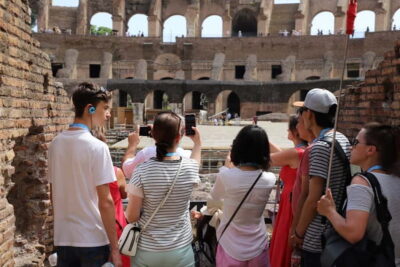
Guided mode tends to work best when you want context fast. Your guide can turn the site into a story—gladiators, animal hunts, and even naval battles—so you’re not just looking at stone. The Colosseum guided option also includes a headset system, which matters in Rome where voices compete with crowds and noise.
Audio mode is for travelers who like to set their own pace. The app covers 44 points of interest and supports multiple languages (including English, French, Spanish, Italian, and German, plus Chinese in some versions). You’re not locked to a group rhythm, which can be a relief if you prefer to linger on views from the tiers or re-read a stop when your brain is catching up.
You can also read our reviews of more tours and experiences in Rome



Entering The Colosseum with timed tickets, security, and headsets
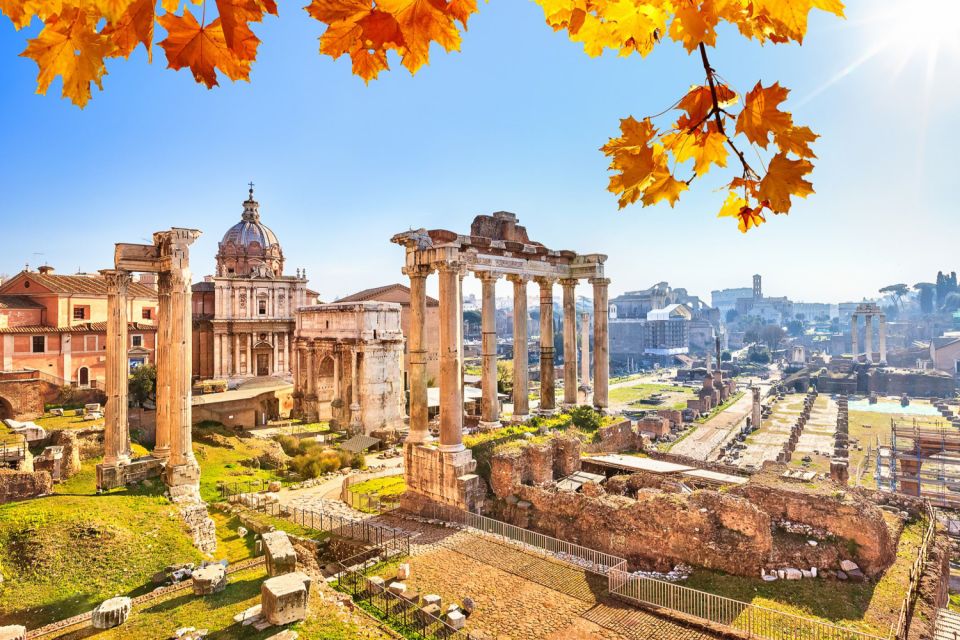
This experience is built around timed, named tickets, and that’s not just fine print—it affects how smoothly your entry goes. Tickets are timed and dated, and you’ll need a valid passport or ID for entry (including children). Security will prevent you from entering if the name and details you booked don’t match your ID exactly.
That’s the trade-off for the big advantage: the guided experience is designed to help you bypass the queue and get into the monument without losing half your day waiting. When the entry process is tight, timed tickets reduce the stress of guessing when you’ll get inside.
If you choose the guided Colosseum option, you also get a headset system at the Colosseum. In practice, that’s what keeps your guide’s explanations clear while you’re moving through galleries and standing where sound bounces off stone. It also helps if you’re traveling with a group and you don’t want to constantly ask each other what you missed.
Colosseum views from the first and second tiers
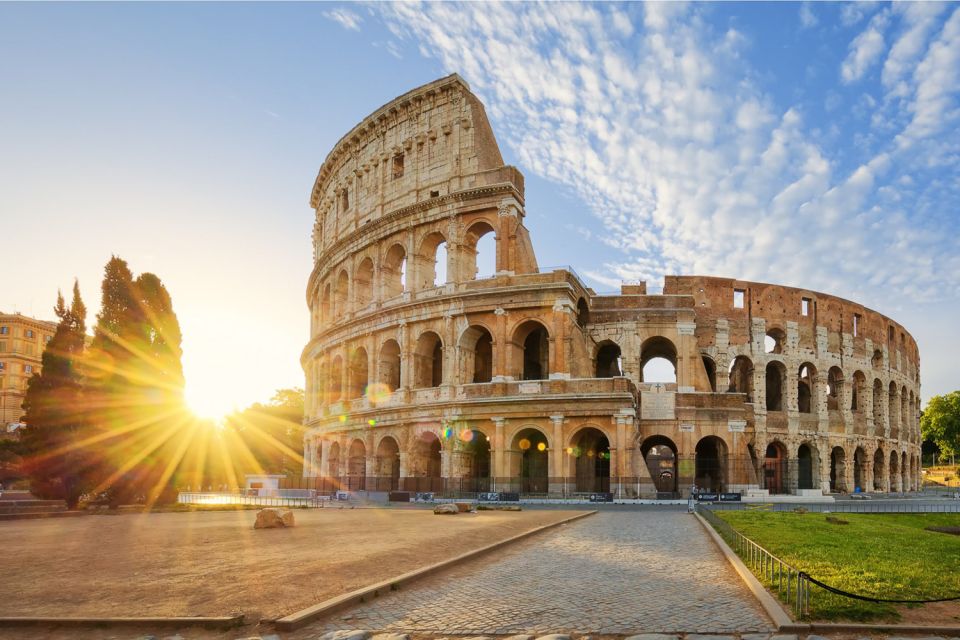
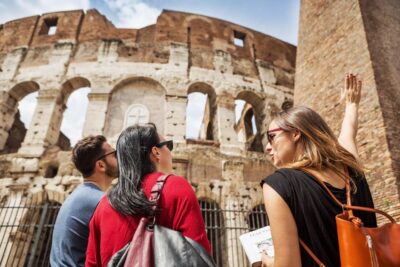
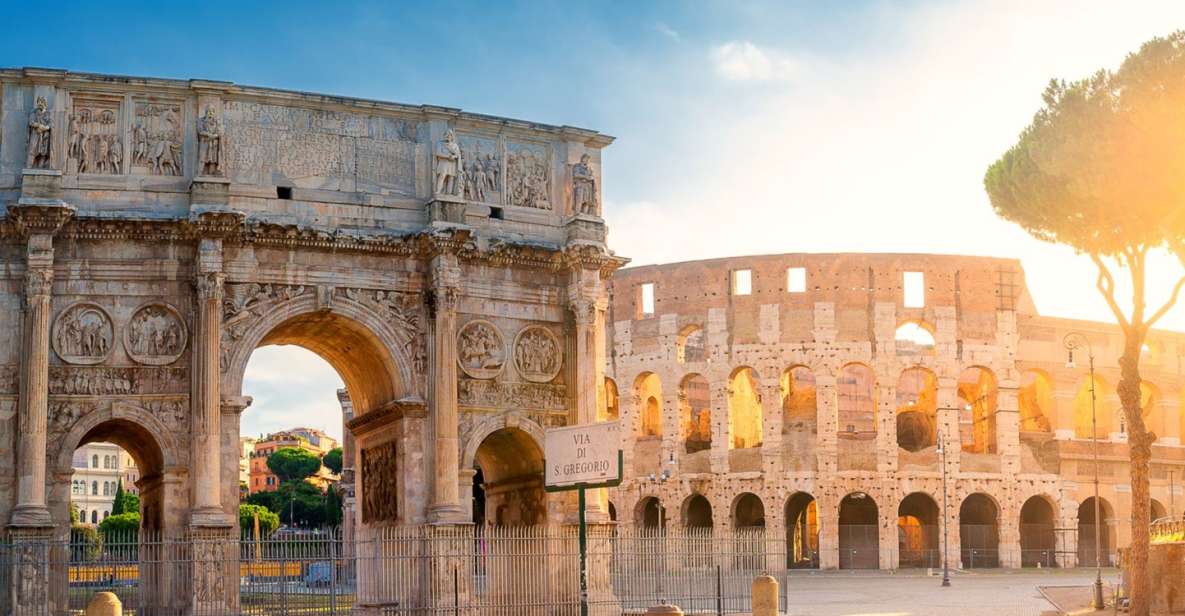
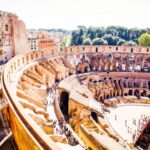
One of the real reasons to book a guided or structured visit is what you can see once you’re inside. This tour focuses on great viewpoints from the first and second tiers, which are where you can better understand the arena’s scale and the surrounding architecture.
The Colosseum is more than a photo stop. You’re looking at engineering decisions that made spectacle possible—how the space is arranged, where visitors would have moved, and how the tiers frame the arena. With the stories from your guide (or the audio points), the stone starts to connect to daily life in Ancient Rome: entertainment, politics, and public power all in one place.
If you’re choosing audio, keep expectations realistic. Audio is fantastic for pacing, but it can be less forgiving if signage on-site doesn’t make the route obvious. One review noted that audio parcours numbers didn’t always match what people saw on the ground. You can reduce frustration by giving yourself a little patience at each transition—especially early in the visit when your bearings are still settling.
Roman Forum: the nerve center you can actually walk
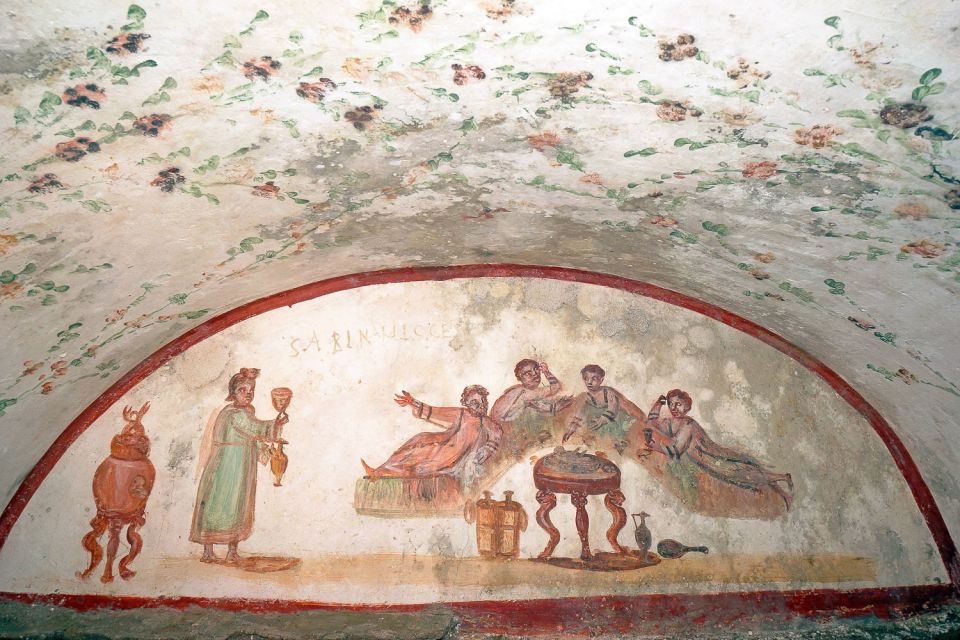
After the Colosseum portion, your tickets carry you into the Roman Forum and Palatine Hill. This matters because the Forum is not a place you want to stitch together on your own between train stops and snack breaks.
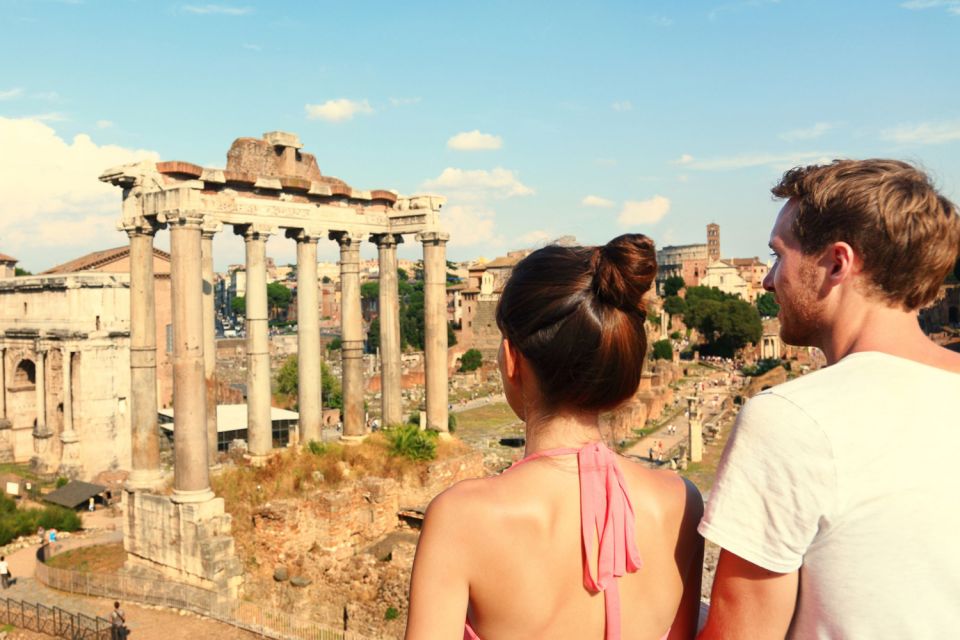
The Forum is described here as the nerve center of Rome’s power, and that’s exactly what it feels like once you’re on the ground. You’ll see remains tied to Rome’s political and religious life: the Senate area, temples dedicated to Roman gods, the house of the Vestals, triumphal arches, and even the altar where Julius Caesar was cremated.
With a guide, the Forum visit becomes more than “ruins in a field.” A structured walkthrough helps you understand what you’re looking at and why it mattered. If you’re doing audio, the advantage is the freedom to pause and look longer. Either way, this part rewards attention. The Forum is big, and without context it can turn into a list of stones.
Palatine Hill panoramas and imperial palaces
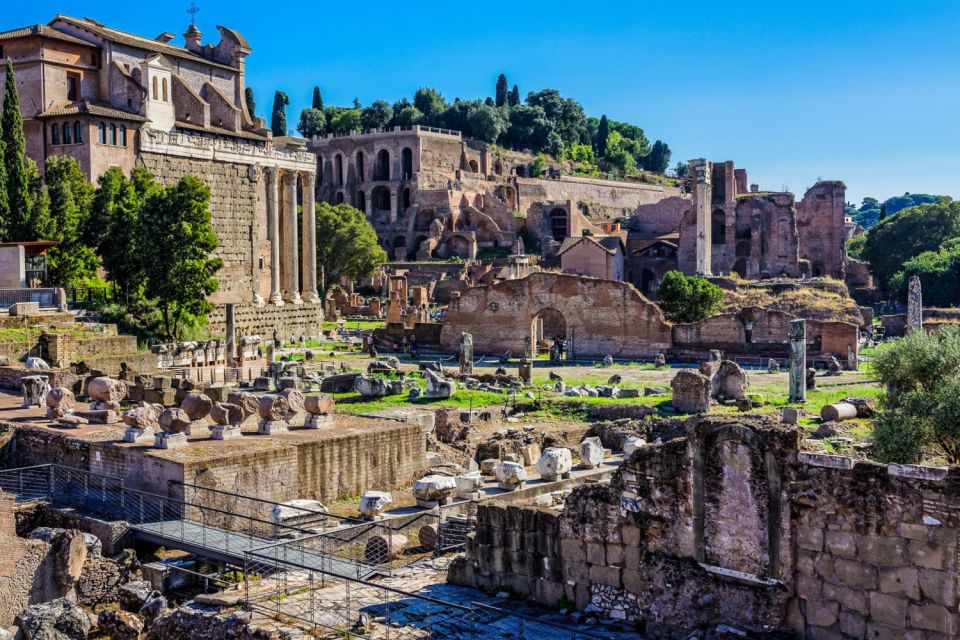
Palatine Hill is where the day starts to feel scenic and strategic at the same time. This tour includes time to climb toward a panoramic view over the Circus Maximus valley, and then explore remains of the sumptuous palace areas where emperors lived.
The key value of Palatine is that it helps connect the “big public stage” of the Colosseum and Forum to the private world of rulers. You’re standing in the landscape that shaped power—literally elevated above the rest of the city—so you get a different angle on how Rome worked.
If you’re on the guided version, the guide can help you make sense of palace remnants that might otherwise look like random piles of rock. If you’re on the audio option, you’ll have the freedom to spend more or less time based on your interest level. Either way, the hill’s views are part of the point, not just a bonus.



A tight timeline through three giants: how the route feels
This is one of those “big day” experiences. Depending on your option, you’ll spend about an hour at the Colosseum (self-guided or timed guided structure), about 45 minutes on Palatine Hill if you’re on the self-audio choice, then around 105 minutes at the Roman Forum for guided time, before you head out for the Catacombs.
That means you’ll be walking a lot on a schedule. It’s not meant to be a slow afternoon where you drift between monuments. If you like active travel days and you don’t mind moving from one major site to another, you’ll probably enjoy the efficiency.
There’s also a practical rhythm: after the Colosseum tour, you’re given a short break, then you return for the Catacombs portion. The Catacombs trip includes a transfer driver and a short drive to the Appian Way—so you’re not doing the transit puzzle yourself.
The only caution is energy. The Colosseum and Forum areas are dense with people, and the Catacombs adds a second environment—cool, damp, and dim. If you’re sensitive to claustrophobic spaces or fatigue, consider whether you want to compress this much into one day.
Appian Way Catacombs: frescoes, crypts, sarcophagi, and tombs
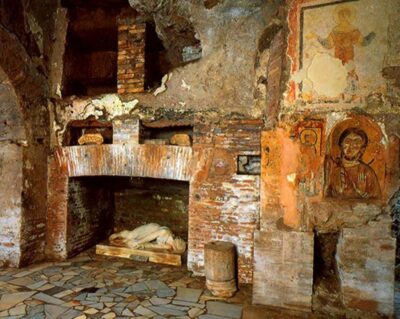
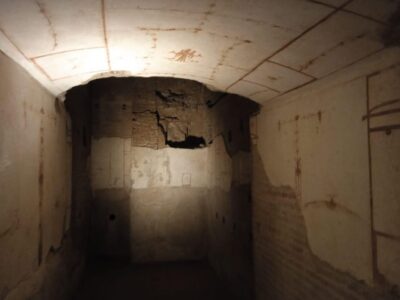
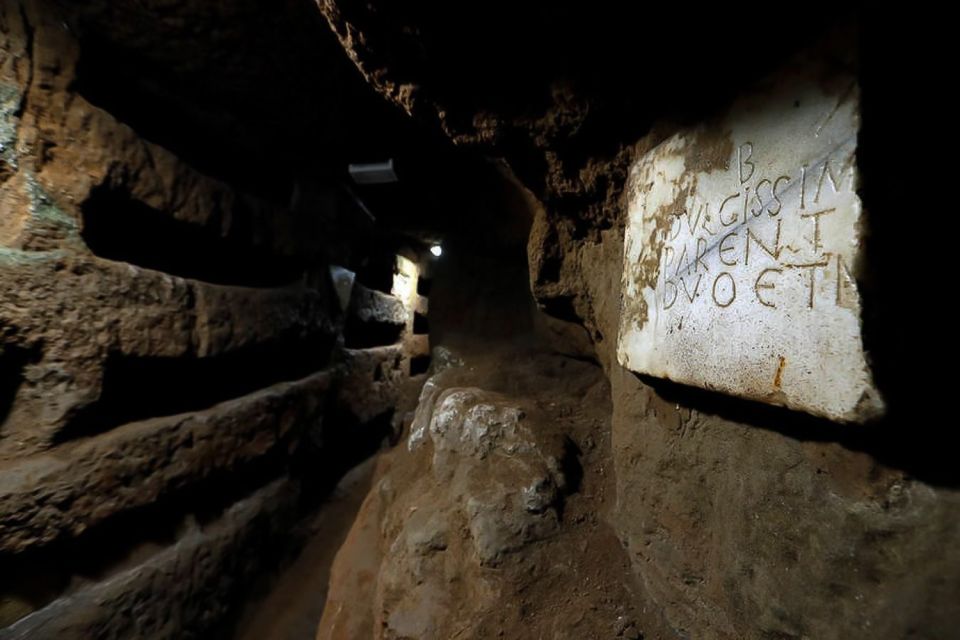
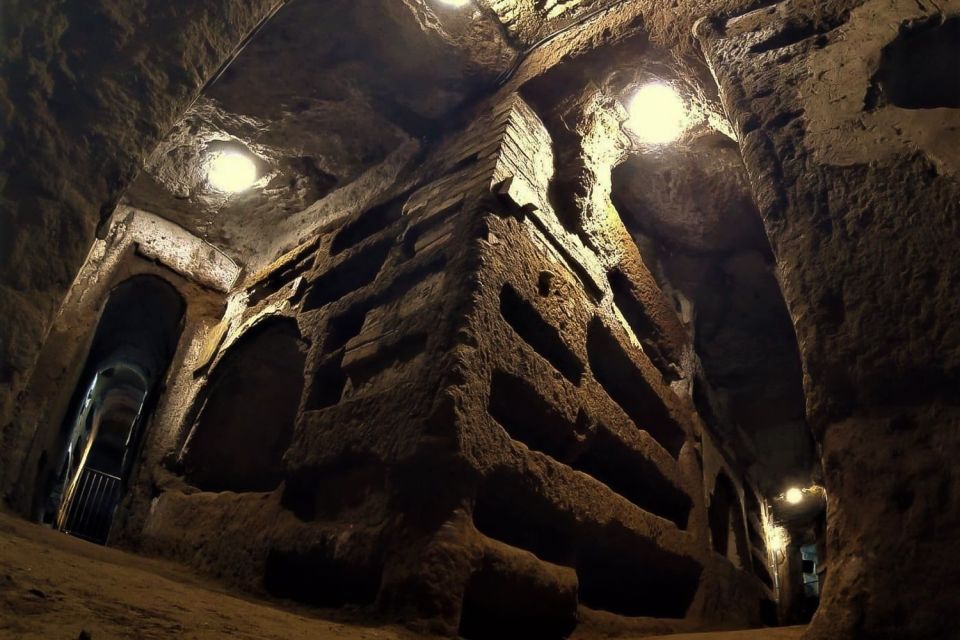
The Catacombs section is the second half of the day—and it’s the one most likely to feel “different” from the mainstream sightseeing circuit. You’ll descend into a complex network of underground tunnels described as among the longest in the world, where you can see frescoes, inscription-rich crypts, small mausoleums, sarcophagi, and tombs.
This is a guided group visit, and it’s where storytelling matters again. In the info you’re given, the Catacombs include burial sites associated with famous religious figures (including popes and martyrs) and—according to legends—some apostles. That mix of history, tradition, and archaeology is what makes the underground feel personal instead of just spooky.
Two practical notes for your comfort:
- The temperature is about 60°F and the moisture is high, so you’ll feel the chill even in warm seasons.
- This portion is not recommended for people with impaired mobility, and the tour is not suitable for wheelchair users.
Also, transportation to the catacombs is led by a professional driver (not a guide). That’s normal and fine, but it means you’ll want to get your questions answered during the Catacombs guide time, not while you’re in transit.
Transfer details: what’s included (and what to confirm)
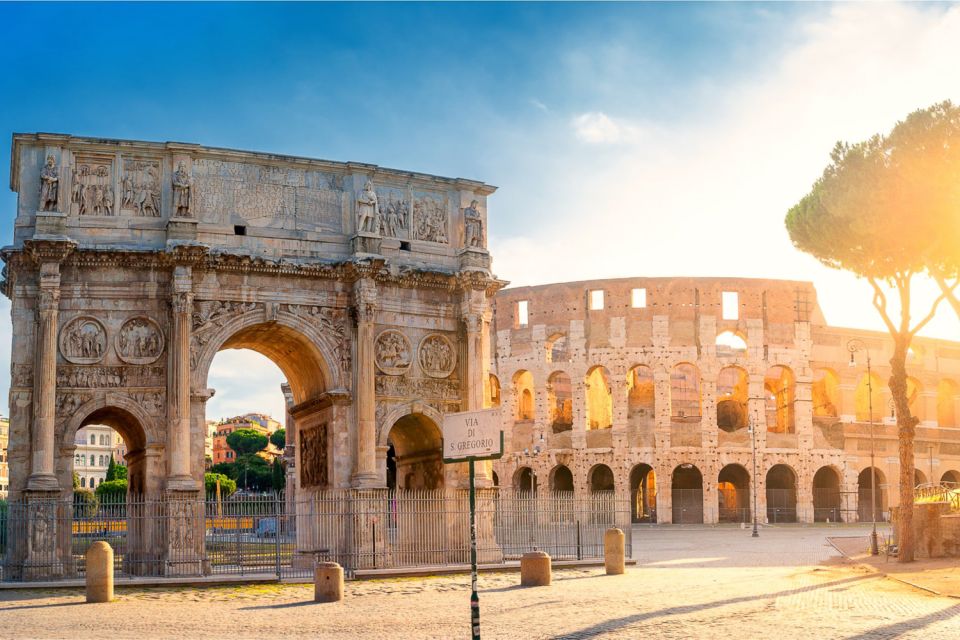
On the main guided package, you’ll get round-trip transfer between the Colosseum and the Catacombs, and the driver will meet you at the same place where the Colosseum tour starts. After the Catacombs, your driver drops you back at the Colosseum.
For self-audio-only setups, the data states that self-audio transfer options are not included. That’s important. If you choose the audio option for the Colosseum/Forum/Palatine part but want the Catacombs that day too, you’ll want to confirm exactly how you’re getting to the Appian Way for the underground tour.
The key idea: don’t assume all options include the same ground transportation. The guided version is clearly designed as a one-day bundle. Audio choices can be packaged differently.
Price and value: what $73 buys for Colosseum + Catacombs
At about $73 per person, you’re paying for a full day that would be expensive in both time and planning if you pieced it together yourself. You’re getting access to the Colosseum area (including Roman Forum and Palatine Hill via the same tickets), plus a guided Catacombs visit on the Appian Way with transfer service in the main guided package.
The value comes from three things:
- Time savings with timed entry and queue bypass design.
- Context: live guide or structured audio with many points of interest, which helps you make sense of what you’re seeing.
- Two environments: the iconic arena and the underground burial network, both handled with guided structure.
If you’re traveling solo or with a small group and you’re comfortable with self-guided travel, the audio option can feel like better value for money because you’re not paying for a live guide for every minute. But if you want maximum clarity in the Forum and want sound organized through headsets at the Colosseum, the guided option is usually the smoother experience.
Who should book this Colosseum and Catacombs combo
This tour fits best if you want an efficient, high-impact Roman archaeology day. You’ll likely enjoy it if you:
- Want Colosseum + Roman Forum + Palatine Hill in one connected plan.
- Prefer guided interpretation at least for the Catacombs, where the setting is unfamiliar.
- Like a mix of big sights and quieter, atmospheric underground spaces.
It’s not a great match if you rely on wheelchair access or have medical limitations that would make attendance difficult. The Catacombs environment is described as not recommended for impaired mobility, and the tour isn’t suitable for people with pre-existing medical conditions.
It’s also worth noting that the experience is built for travelers who can follow strict site rules. Security limits what you can bring inside (no backpacks, no selfie sticks, no alcohol or drugs, no aerosols, and no sharp objects). So pack light and keep things simple.
Should you book it?
Book this experience if you want a structured way to hit the Colosseum area and then go underground on the Appian Way without turning your day into a logistics project. The combination of timed entry, strong interpretation options (guided or audio), and a true Catacombs guided component makes it a solid value at around $73.
Skip it (or consider a different format) if you want a fully leisurely pace, or if the Catacombs’ mobility limits and cool, damp conditions could be a problem. Also, if you’re very dependent on perfect on-site navigation, keep in mind that the audio route can feel harder to follow when site realities don’t match the numbered stops.
If you’re an “I want the big stuff done well” traveler, this is a practical way to experience some of the most important archaeology sites in Rome—above and below ground.
FAQ
Do I need an ID to enter the Colosseum?
Yes. You must provide a valid passport or ID card for entry, and the details you provide when booking must match the ID. Security will prevent entry if the information isn’t accurate.
Is there a way to avoid long lines at the Colosseum?
The experience is designed to bypass the queue for better use of your time once you arrive at the Colosseum area.
How long does the tour take?
The overall duration is listed as 1 to 5 hours depending on the option you choose and your timing. The Colosseum visit is about 1 hour (self-guided option), Palatine Hill can be about 45 minutes (self-guided option), and the Roman Forum guided time is about 105 minutes, with the Catacombs guided visit about 1 hour.
What languages are available?
Live tour guides are listed in English, French, German, Italian, and Spanish. The optional audio guide is available in French, English, Spanish, Italian, and German, and the audio content includes multilingual storytelling with 44 points of interest.
How do I get to the Catacombs?
There is a round-trip transfer included on the main guided option, with a professional driver meeting you at the Colosseum start location and returning you back after the Catacombs visit. Self-audio transfer options are not included, so you should confirm your transport plan if you choose audio for the Colosseum-area portion.
What’s the cancellation policy?
You can cancel up to 4 days in advance for a 50% refund.