REVIEW · ROME
Highlights of Rome: Historical Center Walking Tour
Book on GetYourGuide →Operated by Tour in the City - Travel Agency Rome - · Bookable on GetYourGuide
Rome’s center hits fast. This private walking tour threads together major Baroque and Renaissance sights with just enough history to make the streets feel personal, not like a checklist.
Two things I really like: the pace is designed to stay comfortable (yes, even for kids), and the guide-led storytelling seems to be the real engine of the experience, with explanations that feel precise and easy to follow. One thing to consider: it’s a lot of walking in a compact area, so comfortable shoes matter, and you should be ready for slow bits only when the guide stops you.
In This Review
- Key things worth knowing before you go
- Meeting point and how the walk starts at Piazza della Trinità dei Monti
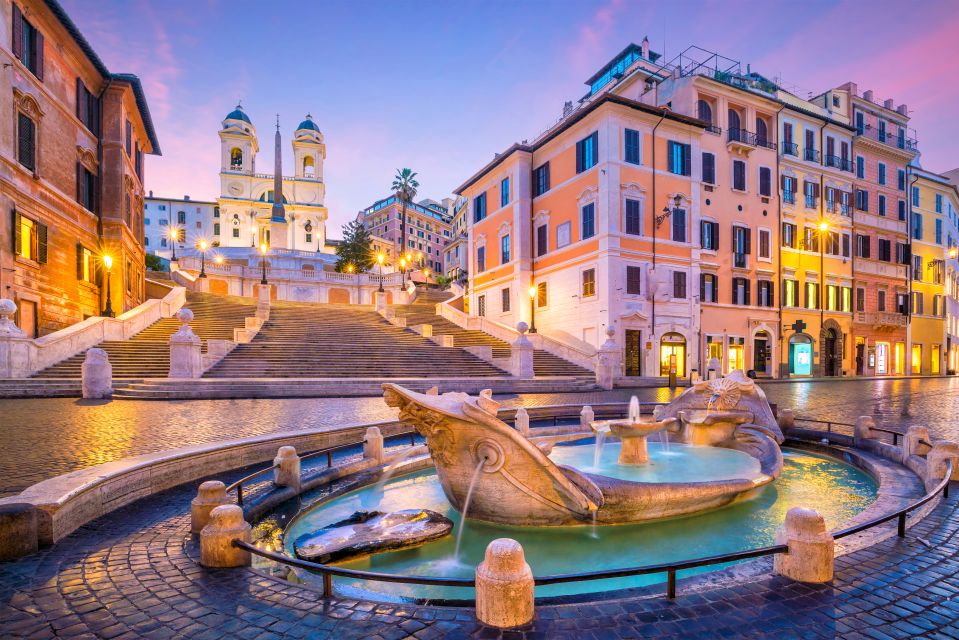
- Spanish Steps and the Barcaccia Fountain: the perfect photo-to-story launch
- Trevi Fountain: beyond the postcard, with a guide’s explanations
- Piazza Colonna and the Temple of Hadrian: classic landmarks with structure
- The Pantheon: a headline monument with a real payoff
- Piazza Navona and the Fountain of the Four Rivers: baroque drama in a human scale
- Campo de’ Fiori and local-market atmosphere since 1869
- Largo di Torre Argentina: Julius Caesar’s assassination site in plain view
- Ponte Sant’Angelo and Castel Sant’Angelo: the Tiber crossing feels cinematic
- Vittoriano and St. Peter’s Basilica: from Italian unification to the Vatican mega-stops
- Price and what you actually get for $141.61
- Who this tour suits best (and who should think twice)
- Should you book this Rome historical center walking tour?
- FAQ
- How long is the Highlights of Rome walking tour?
- Where does the tour meet?
- Is this tour private?
- What languages are available for the live guide?
- Is the tour wheelchair accessible?
- Are entrance fees included?
- Is food or drinks included?
Key things worth knowing before you go
- Private group feel: You’re not squeezed into a big crowd, so questions and slow moments work better.
- Headsets included: If your group is larger than 8, you’ll get headsets so you don’t strain to hear.
- High-impact stops: Spanish Steps, Trevi Fountain, Pantheon, Piazza Navona, and St. Peter’s Basilica are all in the mix.
- Real “Rome on foot” pacing: The route is built for sightseeing on foot over about 3 hours.
- Entrance fees are included (with limits): You get some paid access, but not the Dome or the Necropolis/Treasury Museum.
- Family-friendly approach: The tour pace is described as suitable for youngsters.
Meeting point and how the walk starts at Piazza della Trinità dei Monti
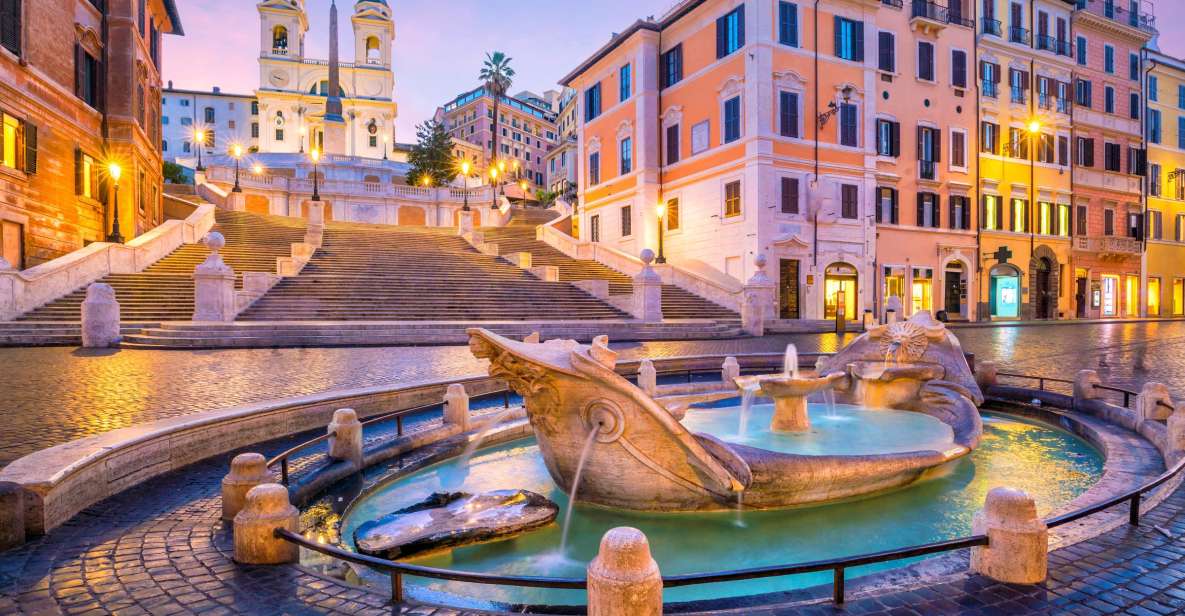
Your tour begins at Piazza della Trinità dei Monti, next to the obelisk in the middle of the square. It’s a smart start point because you’re positioned right where Rome’s grand stair-and-splash drama begins—without having to figure out transportation or complicated rendezvous.
You’ll start with a short guided stop at Santissima Trinità dei Monti, including a photo moment and guided sightseeing along the way. Even before the big icons, this helps you get your bearings fast: you’re watching how the city’s elevations, piazzas, and viewpoints work together. That’s the stuff that turns “I saw a fountain” into “I understand why it’s placed there.”
If you’re traveling with kids, this opening stretch is useful. It’s not an instant marathon toward the most crowded scene. It sets a rhythm: look, listen, move.
You can also read our reviews of more walking tours in Rome
Spanish Steps and the Barcaccia Fountain: the perfect photo-to-story launch
Soon you’ll reach the Spanish Steps area and the Barcaccia Fountain (the one in the middle of the square). This is where the tour earns its momentum. The steps are famous for a reason, but what you really get from a guided format is context—how the square became a social stage and why the fountain looks the way it does.
This first big “wow” matters because it changes how you see the rest of the walk. When you understand the mix of theater (the piazza) and symbolism (the art), later stops like Trevi and Navona hit harder. It’s not just beauty. It’s designed beauty.
Practical note: the Spanish Steps zone can get packed, so the best value from a guided walk is that you’re not wandering aimlessly. You follow the plan and get the most useful viewing angles when the guide pauses you.
Trevi Fountain: beyond the postcard, with a guide’s explanations
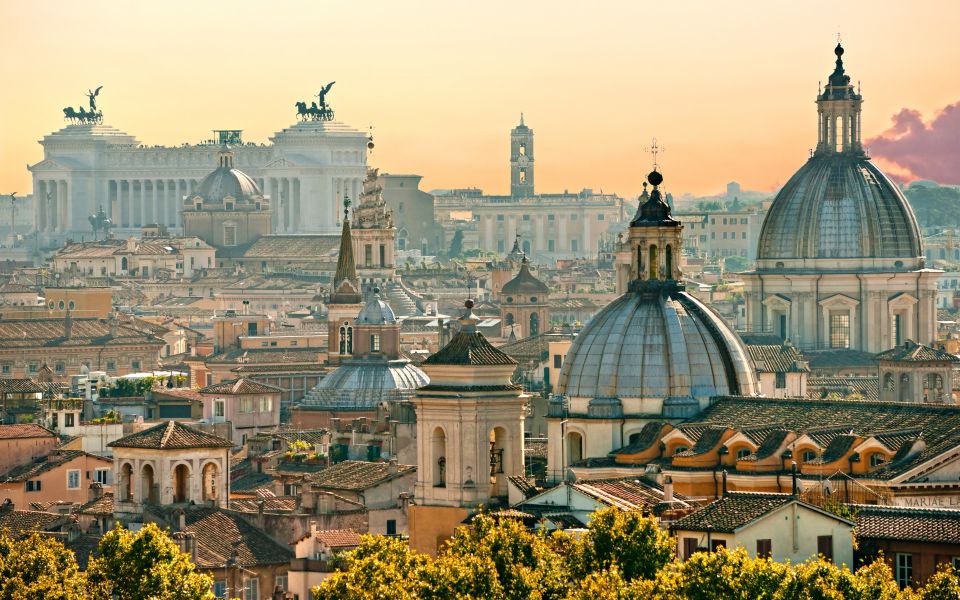
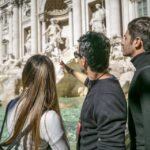
Next up is Trevi Fountain, widely regarded as one of the most stunning fountains in the world. Yes, it’s a must-see. But the value here is in what’s behind the fame. The tour is built to explain that Trevi isn’t just a pretty splash—it has meaning, and your guide connects the visual details to the larger story of Rome.
You’ll have a photo stop, then time to visit and listen. That combination is key. If you only stand there taking pictures, you miss what makes Trevi feel theatrical. If you only hear explanations, you miss the scale and composition. This tour tries to give you both.
One consideration: Trevi is one of Rome’s busiest icons, so don’t expect long empty-space viewing. Instead, treat the guided timing as the advantage—so you’re not there waiting while the crowds shift unpredictably.
Piazza Colonna and the Temple of Hadrian: classic landmarks with structure
After Trevi, the route moves toward Piazza Colonna and then the Temple of Hadrian (Rome). These stops are where the tour balances out the “big square, big photo” energy with more rooted, architectural attention.
Why I like this part of the itinerary: it’s a shift from fountains and baroque spectacle to Roman engineering and sacred-classical design. The temple stop gives you a clearer sense of what Rome built first—and how later eras reused and reinterpreted the city’s bones.
This is also a good section for anyone who likes to understand the why behind the what. You’re not only hearing that something is old. You’re learning how the past is still visible in the present street plan.
The Pantheon: a headline monument with a real payoff
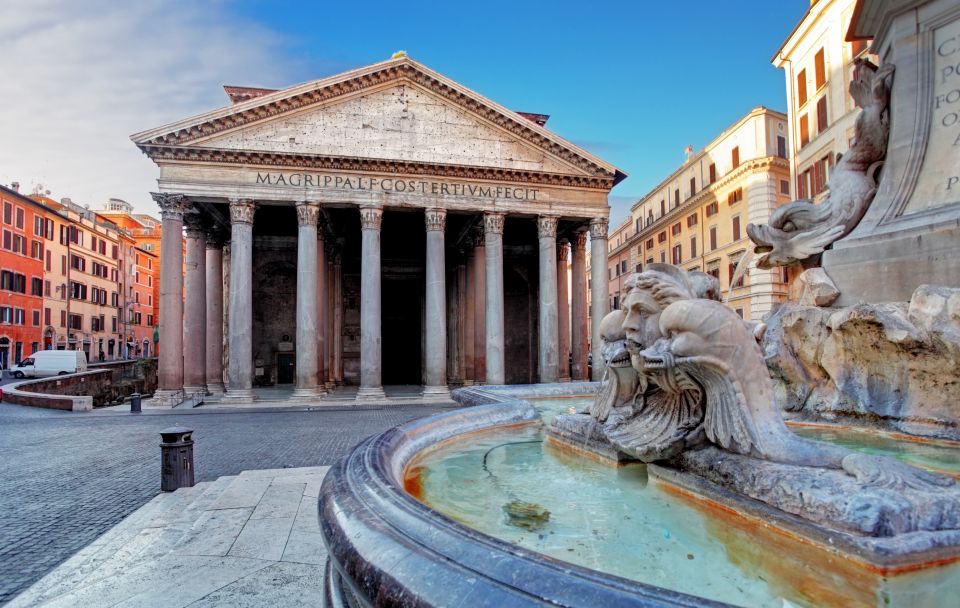
The Pantheon is next, and it’s one of the best “guided walk investments” in central Rome. You get the main visit, plus narration that helps you appreciate what you’re actually looking at.
The Pantheon’s dome—constructed in ancient times and described as the largest in the world—is the obvious jaw-drop. The less obvious value is how your guide frames the building as a temple to all the gods of Olympus. That single detail helps you interpret the space instead of treating it like a museum shell.
If you’ve seen other Roman churches and ancient buildings, this stop functions like a foundation lesson. It helps you connect earlier stops to later ones, so you don’t leave Rome feeling like you only collected names.
Tip for your comfort: plan on lingering a little less than you might want. With a 3-hour route, the guide keeps the pace moving so the day stays doable and you still reach the later sights.
You can also read our reviews of more historical tours in Rome


Piazza Navona and the Fountain of the Four Rivers: baroque drama in a human scale
Then it’s Piazza Navona, described as the delight of Baroque Rome. You’ll spend time here with a guided tour and photo opportunities, including stops tied to major baroque-era artistic names.
This is where the tour leans into the art-lovers’ side of Rome:
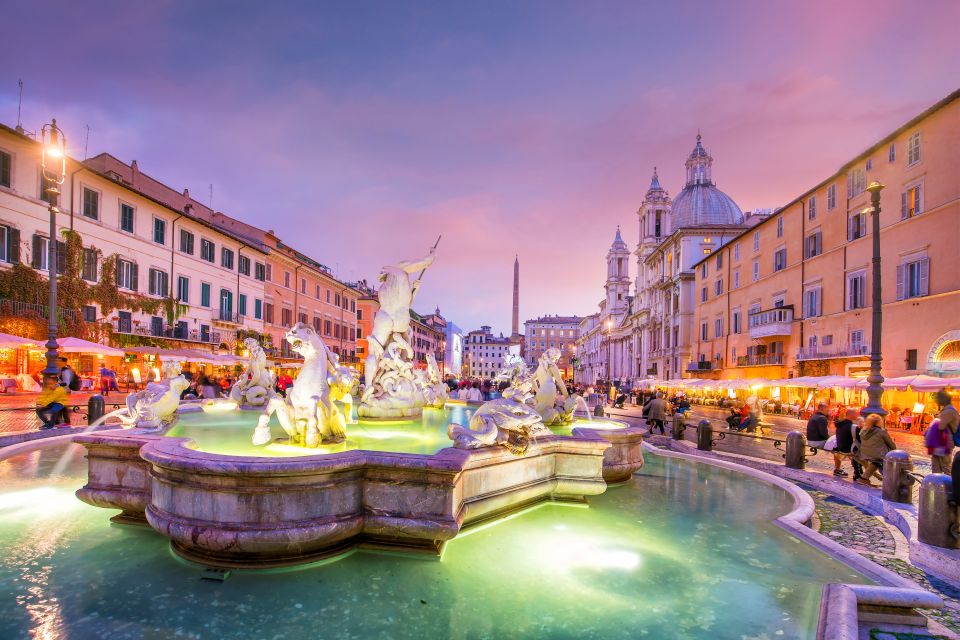
- Bernini is connected through the Fountain of the 4 Rivers
- Borromini shows up via the influence around the area
- Rainaldi connects to the Church of St. Agnes in Agony
- da Cortona connects to frescoes in the Palazzo Pamphili
Even if you don’t know these names yet, you’ll likely understand them after this stop, because the guide connects them directly to what you see. It’s not “here are artists.” It’s “here is why that sculpture is shaped that way, and why this plaza looks like it does.”
The Fountain of the Four Rivers deserves its own moment. The guide helps you slow down long enough to notice details that most quick passersby miss—so you get the satisfaction of actually seeing the work, not just snapping it.
Campo de’ Fiori and local-market atmosphere since 1869
From Navona, the tour continues to Campo de’ Fiori. Since 1869, this square has been home to a colorful local market. That detail matters because it positions Campo de’ Fiori as more than an attraction; it’s part of how Romans live in the center of the city.
On a walking tour like this, market squares can be a great reset. You’re still in sightseeing mode, but the setting feels more everyday. It’s a useful contrast after a string of monuments and formal architecture.
If you’re a shopper or you like watching people, you’ll appreciate that the guide is placing you in a living neighborhood pattern, not just a decorative stop.
Largo di Torre Argentina: Julius Caesar’s assassination site in plain view
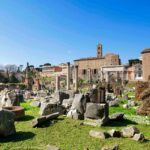
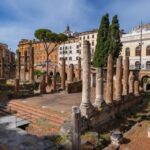
Next comes Area Sacra di Largo di Torre Argentina, tied to the place where Julius Caesar’s assassination is known to have occurred. This is an emotional pivot in many Rome itineraries, and having a guide matters because you’re looking at history that can feel scattered if you’re on your own.
This stop is valuable because it reminds you that Rome isn’t only about surviving buildings. It’s also about choices, power, and consequences. A guided approach helps you connect the broader narrative to the specific location.
If you’re the type who prefers “story first,” this is likely one of the most memorable parts of the walk. If you’re more into architecture, it still works because it sets a context for why later monuments were built with such intensity.
Ponte Sant’Angelo and Castel Sant’Angelo: the Tiber crossing feels cinematic
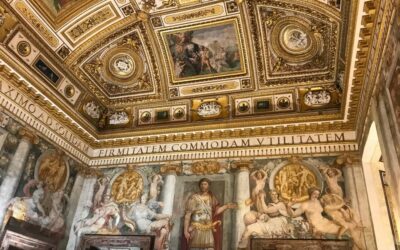
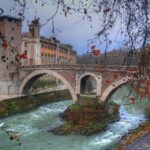
After the historic center squares, the tour shifts toward the river and connects the dots visually. You’ll pass through Ponte Sant’Angelo (with guided sightseeing and photo stops) and then reach Castel Sant’Angelo.
These stops can feel cinematic because the riverfront changes your perspective. Suddenly you’re seeing how the city’s landmarks sit relative to water and travel routes. It’s a nice payoff after hours of piazzas: you get a broader “city picture,” not just close-up icons.
At Castel Sant’Angelo, the guide gives context so the building doesn’t feel like a stop where you only take a quick picture. Even without additional paid entrances called out here, the guided explanation helps you understand why this area matters.
And yes, you’ll get scenic viewing along the way—use it. Rome is full of angles, and this is the kind of part of the day where a ten-second pause can become a great memory.
Vittoriano and St. Peter’s Basilica: from Italian unification to the Vatican mega-stops
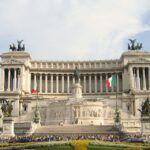
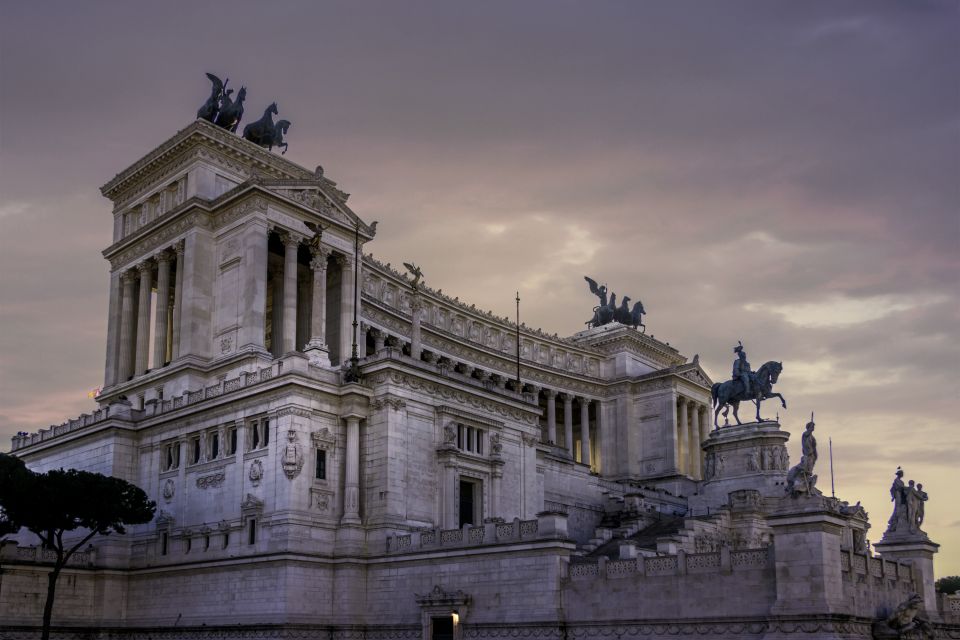
As you move through the later stages of the walk, you’ll encounter the Vittoriano, which commemorates the unification of Italy. Work began in 1885 and it was inaugurated in 1911 in honor of Victor Emmanuel II of Savoy, the first king of Italy. That’s exactly the kind of detail that makes a huge monument feel less abstract and more meaningful.
Then your route ends with St. Peter’s Basilica for scenic views. The tour includes a St. Peter’s Basilica audio guide in Italian, English, Spanish, and French, plus a paper map of St. Peter’s Basilica.
Important practical note: the tour data specifies that it does not include entrance to the Dome and does not include the Necropolis and the Treasury Museum. So if you’re hoping to go up to the dome or see those ticketed areas, plan to do that separately.
What you can do here is use the audio guide to make the time count. With a guided walking tour approach, audio guides work best when you’re already oriented. You get that orientation from the tour, then you can use the audio for the heavy details without feeling rushed.
Price and what you actually get for $141.61
At $141.61 per person for a 3-hour private walking tour, the value comes from the bundle: professional guide, private group, entrance fees included, and headsets when your group is larger than 8.
Here’s how I’d think about the price: you’re paying for (1) time efficiency in a crowded city center, (2) access where it’s included, and (3) the guide’s explanations that turn landmarks into a story you can remember later. In Rome, doing these sights without guidance often means extra self-planning and lots of time spent “figuring out what you’re looking at.”
A key limiter: skip-the-line entrance isn’t included, and the paid areas at St. Peter’s (Dome and certain sub-areas) aren’t included. So the cost isn’t pretending you get every possible interior. It’s priced for a strong sights route with guided context and selected entrances.
Also, you should budget for your own food and drinks—those aren’t included.
Who this tour suits best (and who should think twice)
This tour is a great match if you want the center of Rome without turning your vacation into logistics. You’ll get a smart sweep of major icons—Spanish Steps, Trevi, Pantheon, Piazza Navona, and the St. Peter’s Basilica zone—while still getting time to listen and make sense of what you see.
It also fits families because the pace is described as suitable for youngsters. Private tours often work better with mixed ages because you can pause and reset without feeling like you’re slowing down a large bus group.
Think twice if you:
- Are hoping for a minimal-walking itinerary
- Want guaranteed access to the Dome or the Necropolis/Treasury Museum as part of the same booking
Should you book this Rome historical center walking tour?
I’d book it if you like your Rome tours with a plan and explanations, not just pictures. The mix of fountains, piazzas, and landmark architecture gives you a complete feel for the city center in a short time, and the guide is the highlight—punctual, specific, and strong at telling stories clearly.
If you’re mainly hunting for ticketed add-ons like the dome climb, then you may want to book this tour and pair it with separate timed entry plans for the areas that aren’t included.
Overall: for $141.61 and about three hours, this is a solid value route when you want to see the famous Rome sights and still understand what you’re looking at.
FAQ
How long is the Highlights of Rome walking tour?
The tour lasts 3 hours.
Where does the tour meet?
You meet at Piazza della Trinità dei Monti, next to the obelisk in the middle of the square.
Is this tour private?
Yes, it’s a private group walking tour.
What languages are available for the live guide?
The live guide is available in English, Spanish, Italian, French, and Russian.
Is the tour wheelchair accessible?
Yes, the tour is listed as wheelchair accessible.
Are entrance fees included?
Yes, entrance fees are included, but the Dome, and the Necropolis and Treasury Museum are not included.
Is food or drinks included?
No. Food and drinks are not included.