REVIEW · ROME
Rome: Colosseum, Roman Forum, and Palatine Hill Guided Tour
Book on GetYourGuide →Operated by Find Rome Tours · Bookable on GetYourGuide
Ancient Rome is loud and crowded—until you get in. This Colosseum–Forum–Palatine guided tour uses priority access and clear English storytelling through included headsets, so you can focus on the ruins instead of line-hunting.
I also like the built-in pacing across the three big sites: 75 minutes in the Colosseum, then 45 minutes in the Roman Forum, and 30 minutes on Palatine Hill, where Rome’s ruling class once lived. It’s a tight schedule, but it helps you see the main ideas without wandering.
The main drawback is physical: it is not suitable for wheelchair users or people with mobility impairments, since you’ll be walking on uneven ground and moving through packed areas.
In This Review
- Key points worth knowing before you go
- Why the Colosseum–Forum–Palatine combo hits so hard
- Meeting at Piazza del Colosseo and finding the group fast
- Entering the Colosseum with priority access and a real game plan
- Roman Forum: the politics-and-religion walk you’ll remember
- Palatine Hill: emperors, open-air views, and the Palatine Museum
- How the 2.5-hour format keeps your visit from turning into chaos
- What the priority-access price really buys you ($67.19 per person)
- What to bring and what to skip before you leave
- Who this tour suits best (and who should rethink it)
- Should you book the Colosseum, Roman Forum, and Palatine Hill guided tour?
- FAQ
- How long is the Rome Colosseum, Roman Forum, and Palatine Hill guided tour?
- Where do I meet the tour group?
- What are the main stops during the tour?
- Do I get a guided explanation and headsets?
- Is priority access included?
- Are entry tickets included?
- What should I bring?
- Is the tour wheelchair accessible?
- Is there anything I can’t bring?
Key points worth knowing before you go
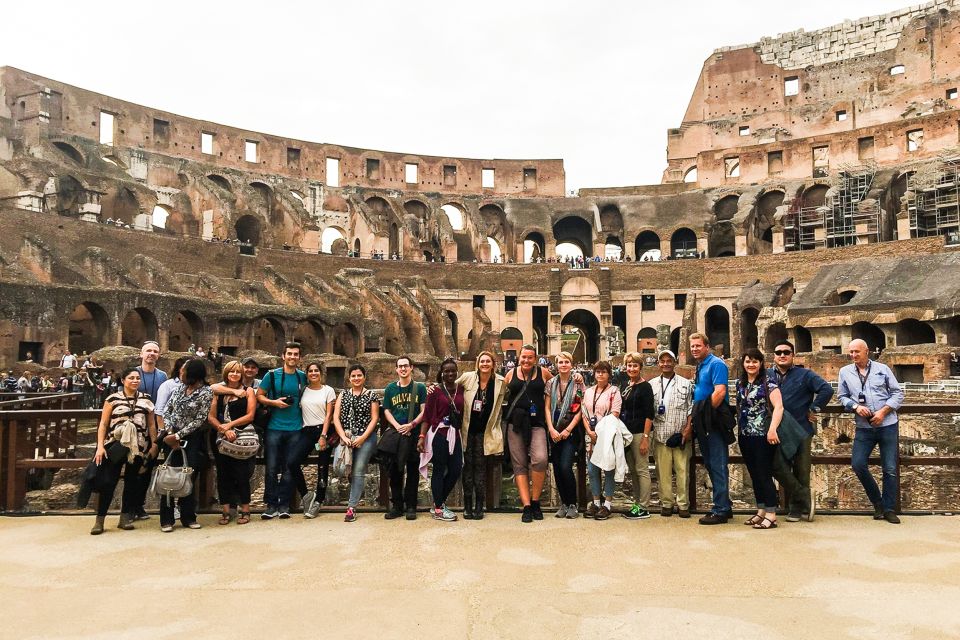
- Priority access at the Colosseum helps you skip the worst waiting and start seeing sooner.
- Headsets included make the English guide’s explanations easier to catch in noisy stone spaces.
- A focused time plan (75/45/30 minutes) keeps you moving through all three landmarks.
- Roman Forum context explains how the valley went from swamp to political and religious center by the 7th century BCE.
- Palatine Hill stops include the open-air museum vibe plus the Palatine Museum’s artifacts.
- A clear meeting point near the Colosseo metro symbol and SOS sign makes it simpler to find Find Rome Tours.
Why the Colosseum–Forum–Palatine combo hits so hard
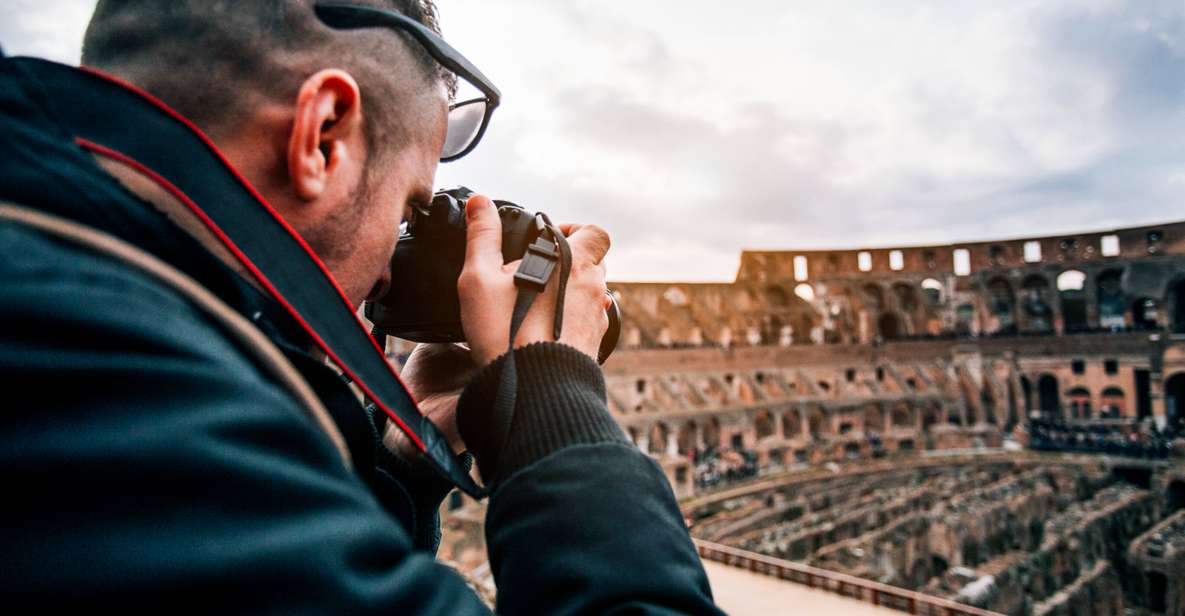
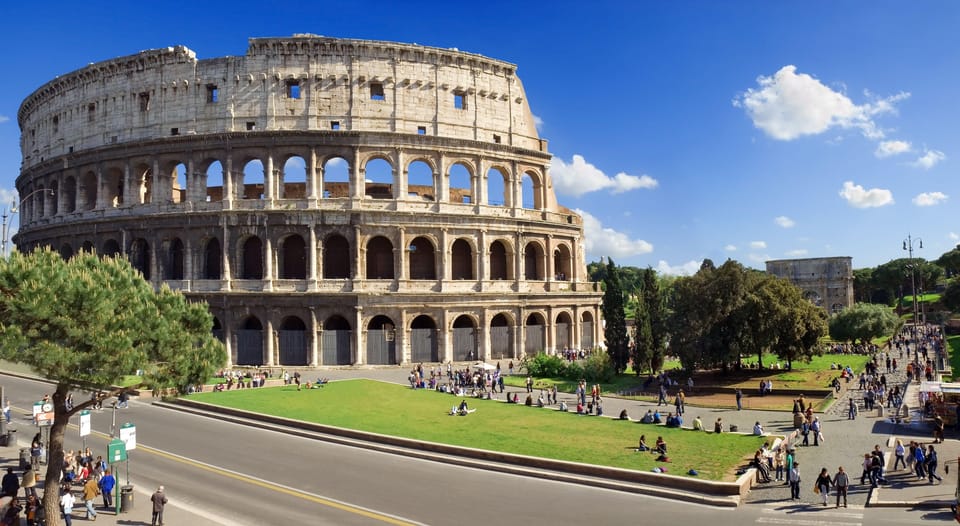
If you care about how Rome worked, this tour makes the ruins understandable fast. You don’t just look at big stones. You get the story of power in layers: arena spectacle in the Colosseum, civic and religious life in the Forum, and private rule on Palatine Hill.
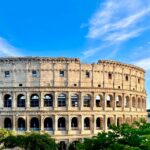
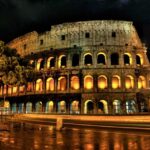
I like that the tour is built around the three places you’d want anyway. You’re covering the largest Roman amphitheater ever built, the historic heart of political Rome, and the hillside where emperors called home. That means fewer tickets to manage, fewer decisions once you arrive, and less time spent figuring out what you’re looking at.
You should expect a mix of indoor and outdoor spaces, plus some areas where crowds can press in. That’s normal here. The value is that priority access reduces the biggest time sink at the start.
You can also read our reviews of more guided tours in Rome
Meeting at Piazza del Colosseo and finding the group fast
This tour does not include hotel pickup, so your day starts with getting to the meeting point on your own. The official start is at Piazza del Colosseo, 21, and the easiest landmark is the upper level of the Colosseo metro station.
Go to the upper level near the M metro symbol and the SOS sign, close to Caffe Roma. Look for Find Rome Tours staff. The tour ends back at the same meeting point, so you’re not pushed into a long end-of-tour transport hunt.
Practical tip: give yourself a little extra time in the station area. Metro corridors near the Colosseum can be busy, and you don’t want to arrive right as the group is moving.
Entering the Colosseum with priority access and a real game plan
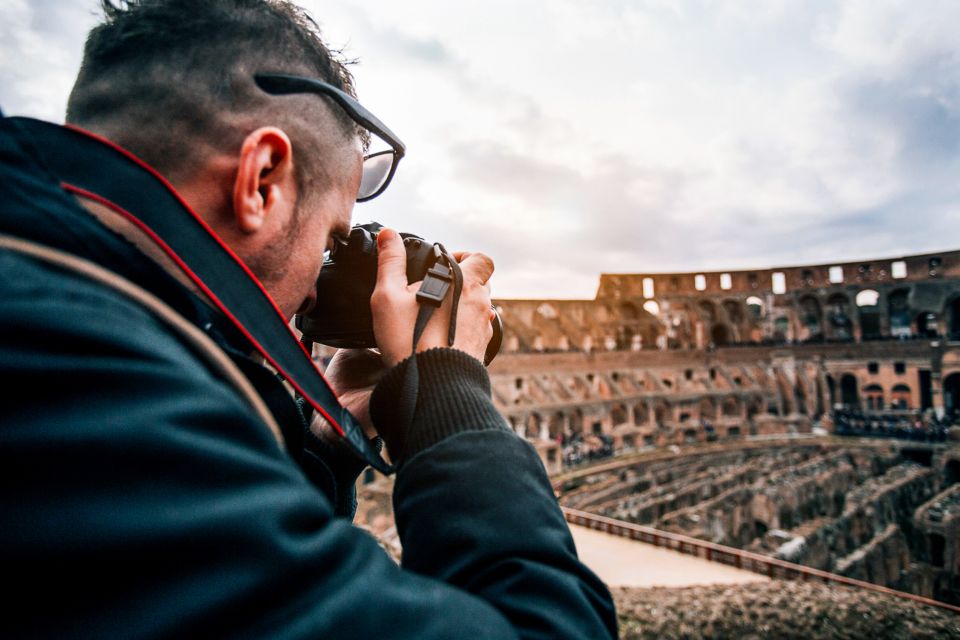
The Colosseum is the main event, and priority access is the part that matters most. Skip the ticket line means you spend your energy on the building, not the queue.
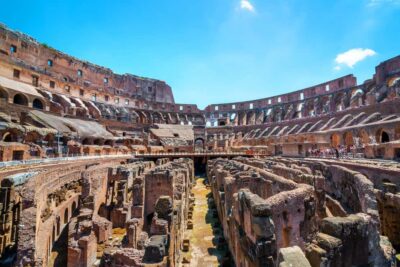
Inside, your guide’s job is to turn what you see into something you can picture. The Colosseum held more than 50,000 spectators at peak times, and it wasn’t just gladiator fights. Expect the broader range: epic plays and public executions are part of the story too. A good guide helps you connect the shape of the arena, the idea of crowds packed shoulder to shoulder, and how the spectacle served political messaging.
During the 75-minute Colosseum portion, you’ll likely notice that the site is information-heavy even without a guide. There are plenty of signs and explanations on site, so you’re not completely dependent on narration to get value. Still, the guide ties it together into a timeline you can follow.
One more thing: the Colosseum complex can feel intense. Even with priority access, there’s security, and there are bottlenecks at entry points. The payoff is that once you’re in, the guided flow keeps you from wasting time figuring out where to go next.
Roman Forum: the politics-and-religion walk you’ll remember
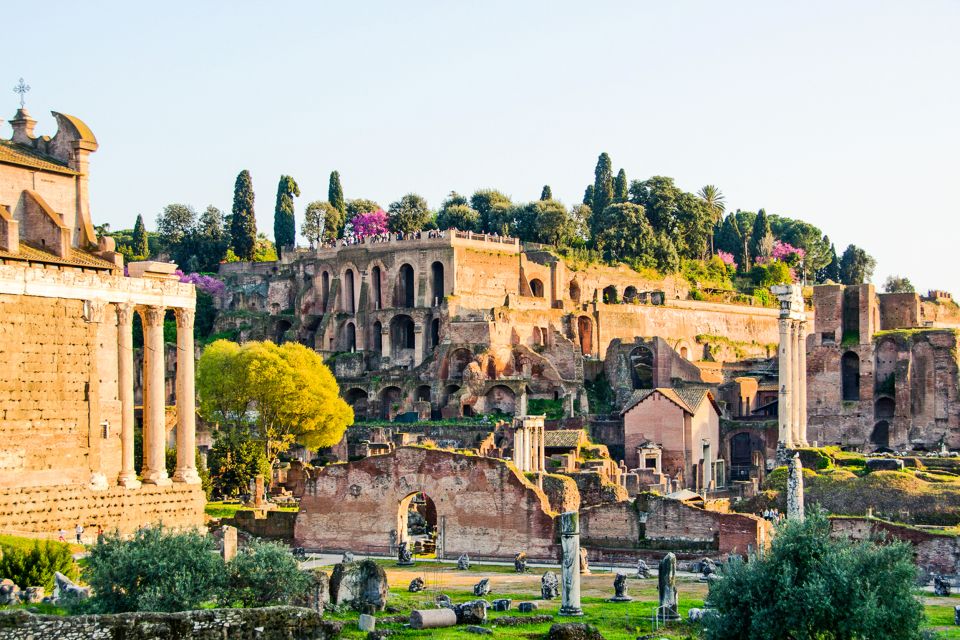
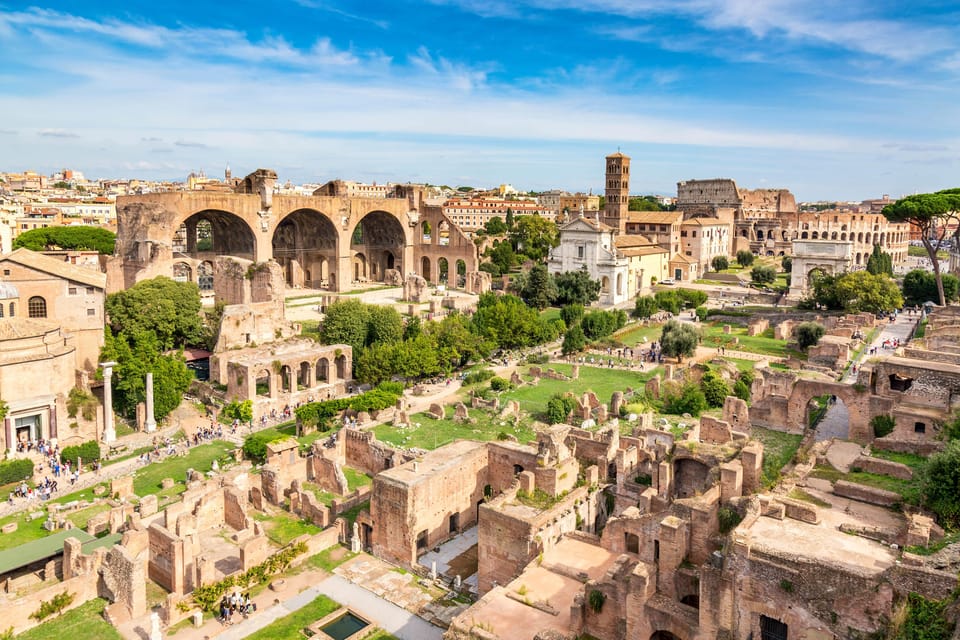
After the arena, the mood shifts. The Roman Forum is less about one huge structure and more about a landscape of roles—courts, temples, and public decision-making—spread across the valley.
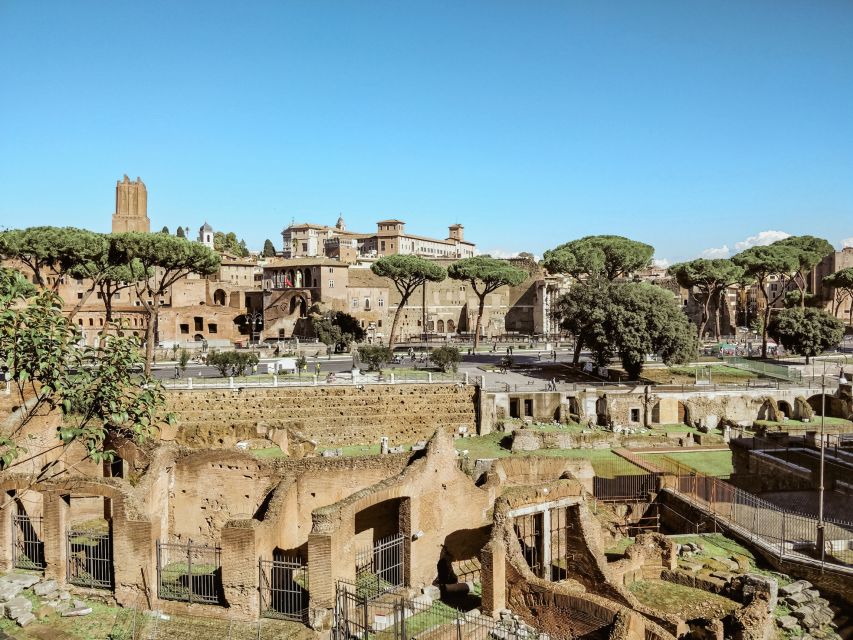
This tour includes a 45-minute guided walk in the Forum, with the key context that makes it make sense. The Forum area was originally a swamp, and it later became the reclaimed center of daily life and state power. By the 7th century BCE, it’s portrayed as the bustling hub for political, social, and religious activity.
That “from swamp to capital center” detail matters. Without it, the Forum can feel like random ruins scattered across an open space. With it, you can understand why people would care so much about this ground—who controlled it, why ceremonies mattered, and how public life connected to religion and government.
A practical way to enjoy the Forum: pay attention to how sightlines work. Even if you’re not able to climb for every viewpoint, you’ll start to recognize where you’d stand to see civic action, and where leaders might be positioned. The guide helps connect those dots without turning the walk into a lecture.
Palatine Hill: emperors, open-air views, and the Palatine Museum
Palatine Hill is where Rome’s power gets personal. The guide frames it as the center of Roman rule, since emperors lived here. Instead of just public spectacle and civic institutions, you get the idea of where rulers actually spent their days—on a hill that overlooks the city.
Your Palatine Hill portion runs 30 minutes and includes access to the open-air museum area and the Palatine Museum. The museum stop is where artifacts come into focus: items uncovered in the Palatine area and discoveries tied to ancient Italy more broadly.
Why this pairing works: the open-air setting helps you see the hill as a living space, not just a backdrop. Then the museum gives you physical proof of what people owned, built, used, and collected.
A word on timing: 30 minutes is not a long museum slot. It’s enough to get the main points and leave with a sense of what the evidence shows, but you won’t do a slow, page-by-page museum reading. If you’re the type who wants to linger over every object, consider saving extra time later on your own. But if you want the “big picture,” this stop hits the right notes.


How the 2.5-hour format keeps your visit from turning into chaos
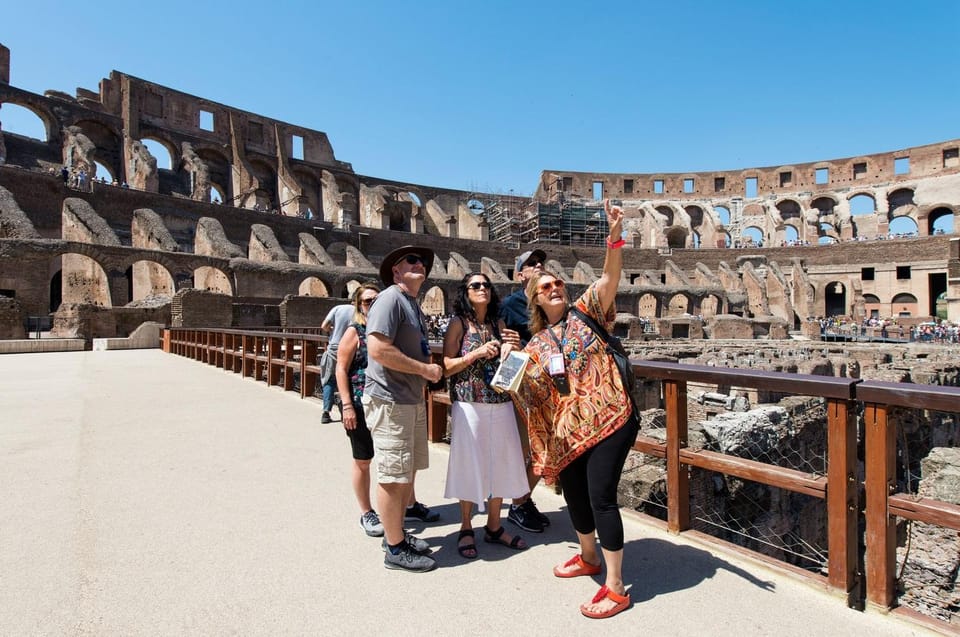
This is a 2.5-hour tour, split into three parts. That structure is a real benefit in Rome, where entry lines, walking time, and crowd pressure can eat your whole morning.
The tour also includes headsets. That’s not a small detail. In the Colosseum and Forum, sound bounces around and groups can get separated. Headsets help you stay connected to the guide’s explanations without having to keep adjusting your position.
You’ll also benefit from having all entry fees handled as part of the tour. You’re not juggling tickets or trying to figure out which access line goes with which site. For a first visit to Rome’s ancient core, this reduces the mental load.
One more practical angle: the tour is in English. If you don’t speak Italian, you’ll get the main story beats clearly, without relying on your own patchwork of translations.
What the priority-access price really buys you ($67.19 per person)
At $67.19 per person, this isn’t the cheapest way to see these ruins. But it isn’t meant to be.
Here’s how I’d judge value. Priority access and a guided flow trade money for time and clarity. Time matters most at the Colosseum entrance, where lines and security checks can eat up your plan. A guide also helps you avoid the common DIY problem: you pay for entry, then spend your time trying to decode what’s in front of you.
Some people compare this to the cost of buying tickets on your own (you may see figures around €18 mentioned elsewhere), and it’s smart to think about that. If you show up early, buy online, and you’re happy reading signs at your own pace, DIY can work.
But if you want a guided storyline across all three sites and want to skip the most painful waiting at the start, the price starts to look fair. Add in included headsets and entry fees, and you’re paying for reduced stress plus better use of your limited sightseeing time.
What to bring and what to skip before you leave
You’ll be outside a lot, and you’ll move between sites. Pack like you’re doing a walking day.
Bring:
- Comfortable shoes
- Hat
- Camera
- Sunscreen
- Water
Not allowed:
- Pets (assistance dogs allowed)
- Backpacks
If you’re used to touring with a small bag, this is a key check. Leave bulky storage behind and plan for what fits in your day-to-day carry.
Also, think about sun and heat. Even if the air feels fine when you start, Rome can warm up fast once you’re in the open Forum areas.
Who this tour suits best (and who should rethink it)
This guided experience is a strong choice if you want the three big landmarks in one go and you’d rather let someone else manage the pacing.
It’s especially good for:
- First-time visitors who want context fast
- Anyone who appreciates a clear timeline connecting arena, civic life, and imperial power
- People who’d hate getting stuck in entry lines and want priority access
It may not fit if:
- You use a wheelchair
- You have mobility impairments
The tour involves walking and moving through crowded historic spaces, so it isn’t designed for limited mobility.
If that applies to you, look for an option that explicitly matches your needs or offers alternative access routes. Don’t gamble on “maybe it will be okay.”
Should you book the Colosseum, Roman Forum, and Palatine Hill guided tour?
If you’re trying to make the most of one half-day and you want more than random wandering, I think you should book it. Priority access reduces the biggest time drain, and the guide plus headsets help you understand what you’re seeing across all three sites—Colosseum spectacle, Forum public life, and Palatine imperial power.
I’d skip this tour only if you’re traveling with mobility needs that don’t match the tour’s physical reality, or if you prefer a slow, self-paced visit where you control every stop and linger in museums for a long time.
If you fit the usual profile—comfortable walking, want clear explanations, and want to hit the highlights efficiently—this is a solid way to see Rome’s ancient core without turning your day into logistics.
FAQ
How long is the Rome Colosseum, Roman Forum, and Palatine Hill guided tour?
The tour lasts about 2.5 hours.
Where do I meet the tour group?
You meet on the upper level of the Colosseo metro station near the M metro symbol and the SOS sign, close to Caffe Roma, and you should look for Find Rome Tours staff.
What are the main stops during the tour?
The tour includes the Colosseum, the Roman Forum, and Palatine Hill.
Do I get a guided explanation and headsets?
Yes. You’ll have a live English tour guide and included headsets to hear the guide clearly.
Is priority access included?
Yes. The tour includes skip-the-line and priority access for the Colosseum.
Are entry tickets included?
Yes. Entry to the Colosseum, Roman Forum, and Palatine Hill, along with all entry fees, is included.
What should I bring?
Bring comfortable shoes, a hat, a camera, sunscreen, and water.
Is the tour wheelchair accessible?
No. It is not suitable for wheelchair users or for people with mobility impairments.
Is there anything I can’t bring?
Backpacks are not allowed, and pets are not allowed (assistance dogs are allowed).