REVIEW · ROME
Rome: Colosseum, Roman Forum & Palatine Hill Guided Tour
Book on GetYourGuide →Operated by Walks of Italy · Bookable on GetYourGuide
Three hours, and Rome turns on like a switch. This guided tour is interesting because you get express access into the Colosseum and then move on with a max 8-person group for the Roman Forum and Palatine Hill.
I like that it is built for real understanding, not just photos: you are led step-by-step through the Colosseum’s levels, then guided through the Forum’s ruins by an expert historian, and finally up Palatine Hill where Rome’s founding legend comes alive. One possible drawback is that the pacing is efficient, so you may not have much time for independent wandering inside the Colosseum.
In This Review
- Key things to know before you go
- Why this 11:15 Colosseum–Forum–Palatine tour feels different
- Entering the Colosseum through pre-reserved access
- First and second levels: gladiators, emperors, and graffiti
- A quick heads-up on pace
- Roman Forum on foot: turning ruins into real places
- Why this stop is worth it even if you like history
- Palatine Hill: the legend of Romulus and Remus plus palace ruins
- Small group comfort: what the 8-person limit changes
- Where you start and finish (and how to avoid confusion)
- A practical navigation tip
- What’s included for the price—and how it adds up
- Is it good value?
- Who this tour is best for (and who should skip it)
- Should you book this Colosseum, Forum, and Palatine Hill guided tour?
- FAQ
- How long is the Rome Colosseum, Roman Forum & Palatine Hill guided tour?
- What time does the tour start?
- Is the group kept small?
- What is included in the ticketing for these sites?
- Is the tour suitable for wheelchair users or mobility impairments?
- Is there free cancellation?
Key things to know before you go
- Express entry helps you skip the worst of the waiting and start seeing fast
- Max 8 guests keeps the tone intimate and makes questions easy
- Forum interpretation turns scattered stones into recognizable spaces like baths and shops
- First and second Colosseum levels get you more than a quick peek
- Headsets for groups over 6 keep the guide easy to follow
- Bring ID and wear walking shoes because the route is strict and on foot
Why this 11:15 Colosseum–Forum–Palatine tour feels different
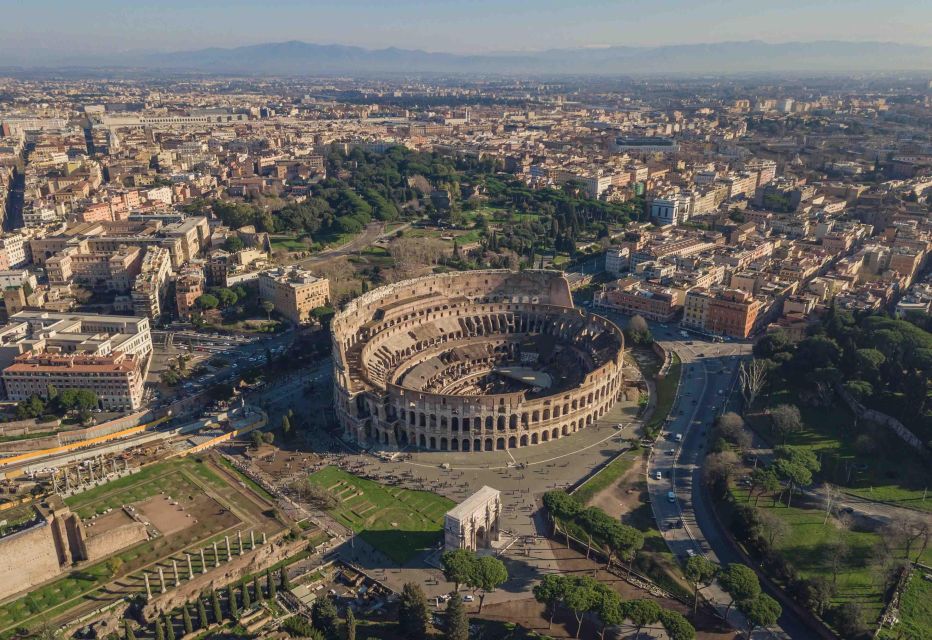
If you only do one big ancient-Rome outing, this is the kind that makes the rest of your trip click. The key is the structure: you are not just walking from landmark to landmark. You are moving through a set of places that are physically close, but mentally far apart—sports arena, political center, then the myth-and-power hill that started it all.
The tour runs for about 3 hours, with a single 11:15 AM departure time. That matters because it shapes the experience: you get enough time for guided stops that actually teach, yet you are not stuck for a half-day. And because it is small-group only (up to 8), the guide can slow down when you ask something. You do not feel like you are being dragged along with a megaphone.
You can also read our reviews of more guided tours in Rome
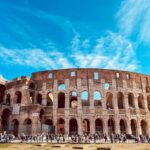
Entering the Colosseum through pre-reserved access
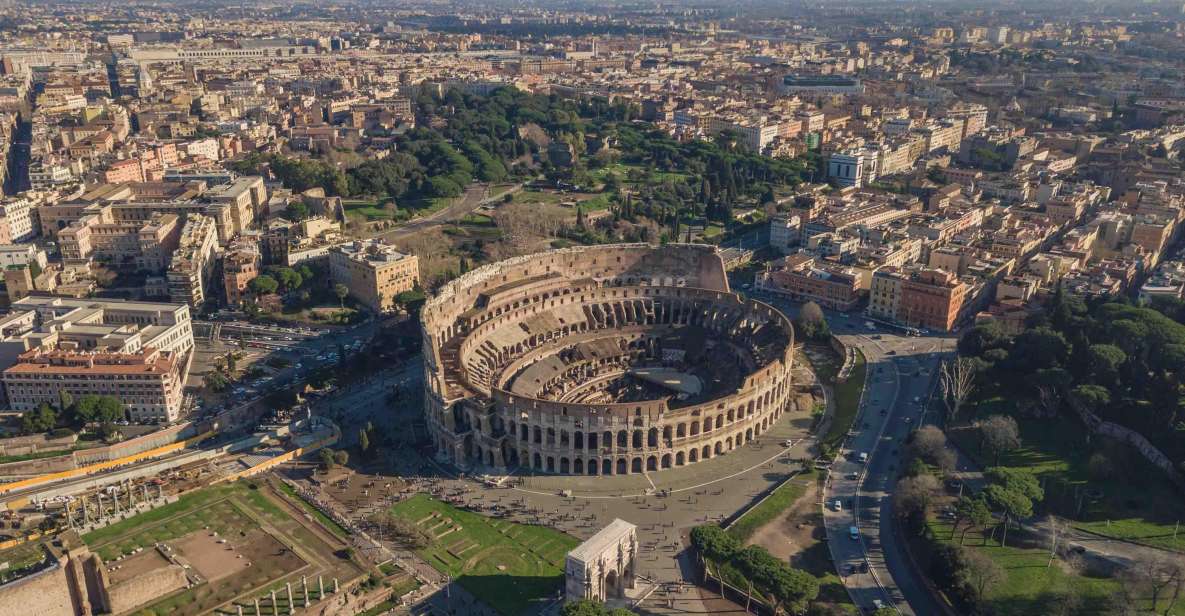
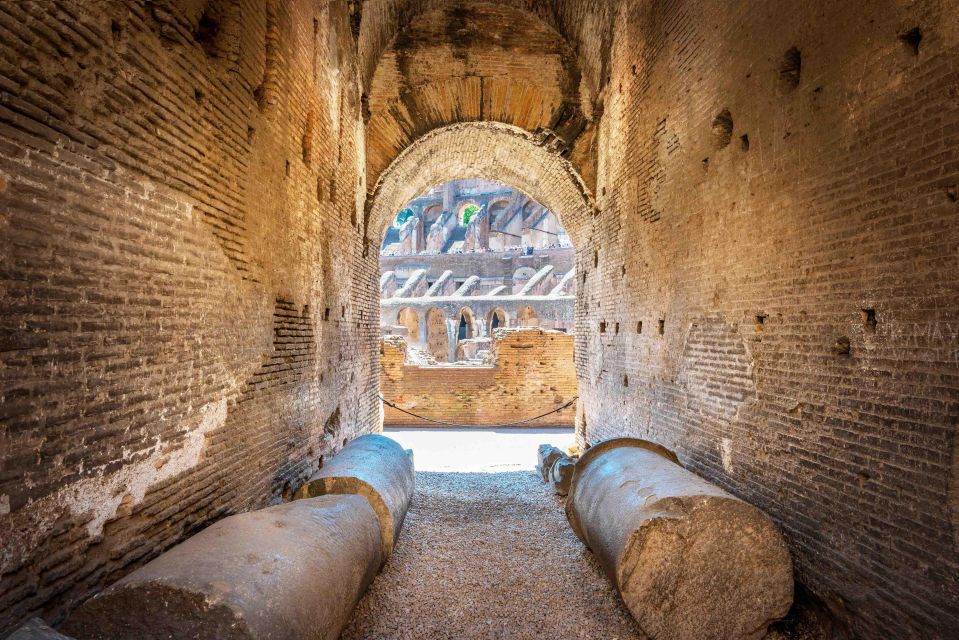
Your first stop is the Colosseum, and the big practical win is pre-reserved access. Instead of spending your morning in lines, you get guided entry and a straightforward route into the monument.
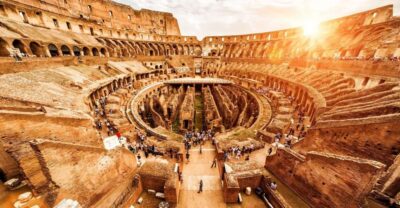
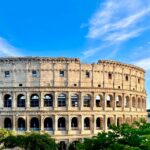
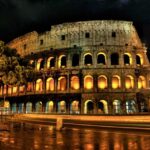
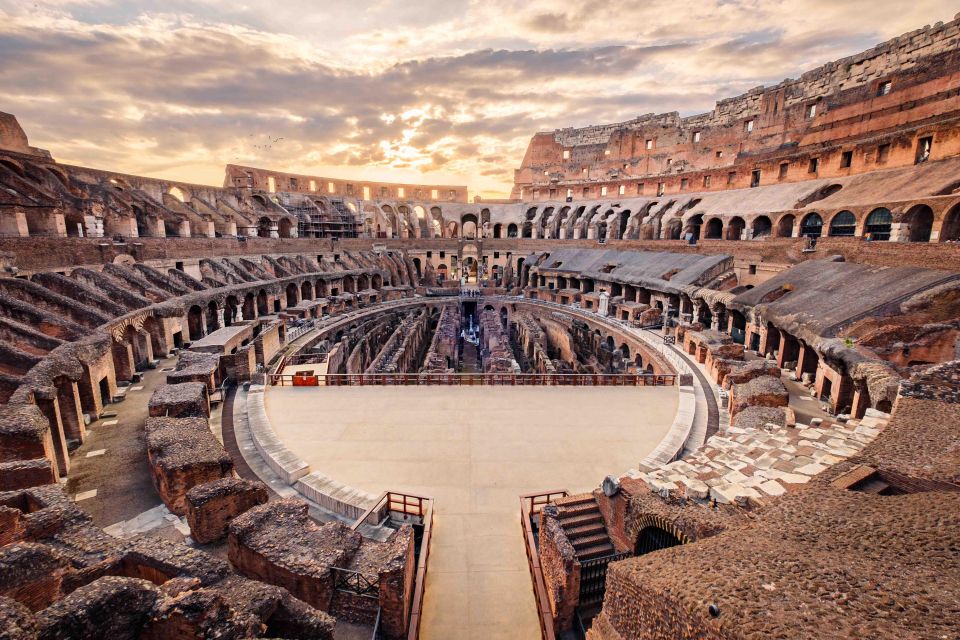
From there, the guide leads you inside and through the main arches and stairs to start your first views of the arena. That first moment counts. The Colosseum looks impressive from outside, but inside you understand scale—the seating tiers, the way you can imagine crowds pressing in, and the sense that the whole structure was built to control the audience.
One more detail I appreciate: the tour includes ticket access as part of the price. That removes one common pain point in Rome planning, where you sometimes end up coordinating separate tickets and separate timings for neighboring sites.
First and second levels: gladiators, emperors, and graffiti
This tour spends time on the Colosseum’s first and second levels, and that is a meaningful choice. A quick surface visit can leave you thinking it was just an old stadium. Going up through the levels gives you a better grasp of how spectators would have watched, where attention concentrated, and why certain rooms mattered.
The guide tells the stories that make the architecture feel functional:
- Gladiators: not just warrior legends, but the reality of how fighters ended up on the sand—some by choice, others not
- Emperors and power: the way rulers shaped what happened here and who got to be featured
- A captive audience with visible marks: the guide points out how graffiti from ancient spectators still interrupts the stone today
That last bit is the one that tends to surprise people. You are used to ruins being quiet and empty. Instead, you get evidence that real humans stood in the same spots and left their marks. It turns the Colosseum from a museum into a moment in time.
A quick heads-up on pace
A common theme in the feedback is that the tour is tightly managed. That is good for time, but it can mean limited free roaming once you are inside. If you love lingering to browse exhibits or shop aisles, plan to do that either before or after your guided portion (and do not assume you will have long solo breaks in the arena).
Roman Forum on foot: turning ruins into real places
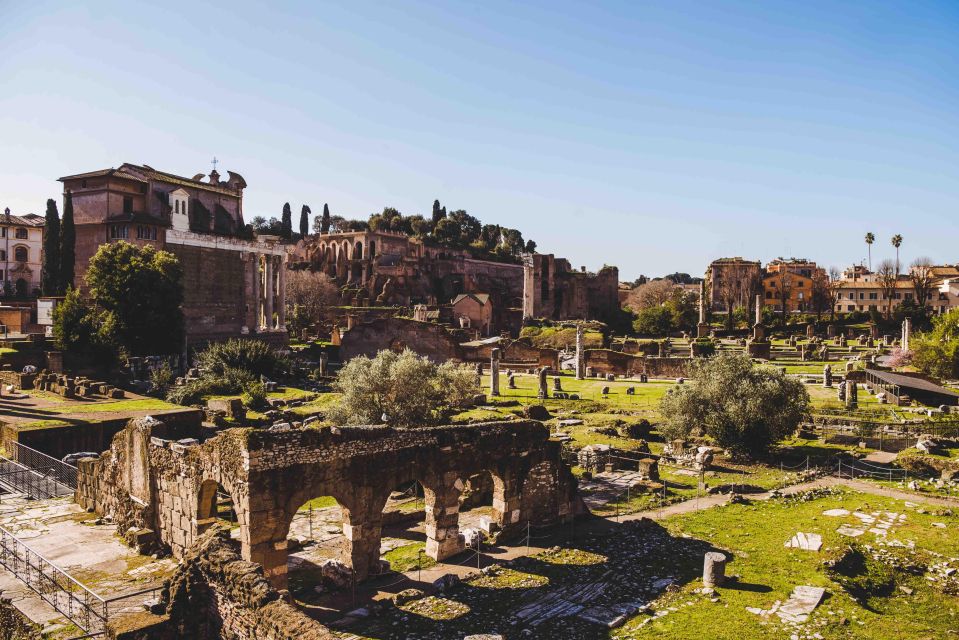
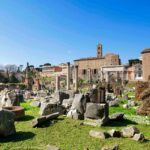
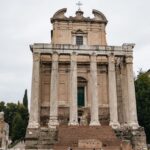
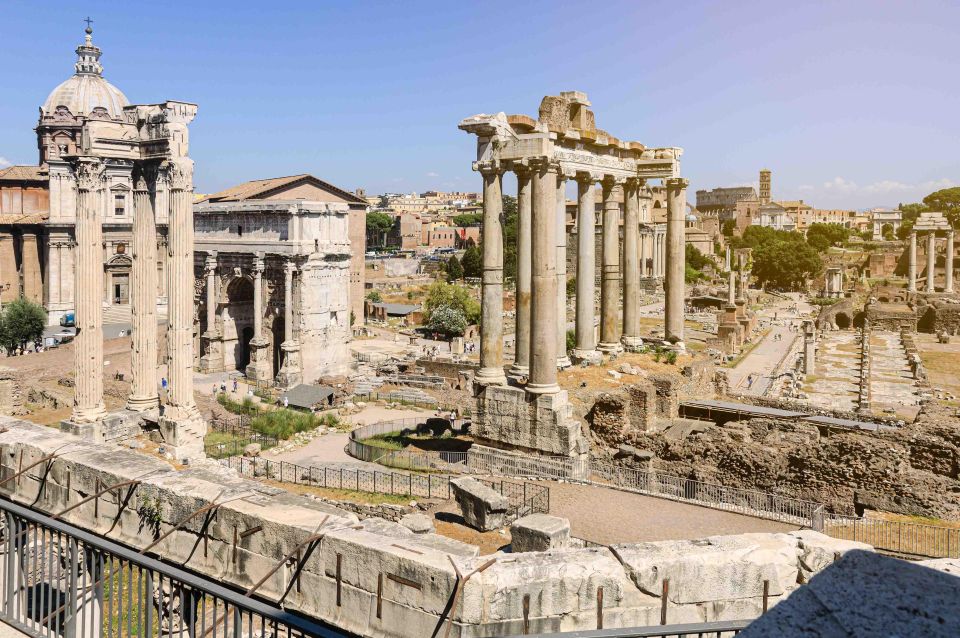
After the Colosseum, you shift to the Roman Forum with a shorter guided segment. The magic here is that the Forum can feel confusing if you walk it alone. The ruins look like fragments until someone connects each fragment to a role.
This is where having a historian as your guide earns its keep. As you wander the Forum’s lanes and open areas, the guide helps you read the site:
- you learn what kinds of buildings you might be standing near
- you notice differences that can hint at functions, like whether an area was used like a bath or something more like a shop space
- you get an explanation of how daily public life worked in different eras
The stories tie to named figures—days of Caesar, Nero, and Hadrian—so you can map the ruins to political and social change rather than seeing them as one endless pile of stone.


Why this stop is worth it even if you like history
The Forum’s power is not in big rebuilt walls. It is in how much meaning is packed into what is left. With guidance, you start to recognize patterns: where crowds would gather, where officials would operate, and why certain structures faced certain directions. Without that, you can end up walking fast and forgetting what you saw.
Palatine Hill: the legend of Romulus and Remus plus palace ruins
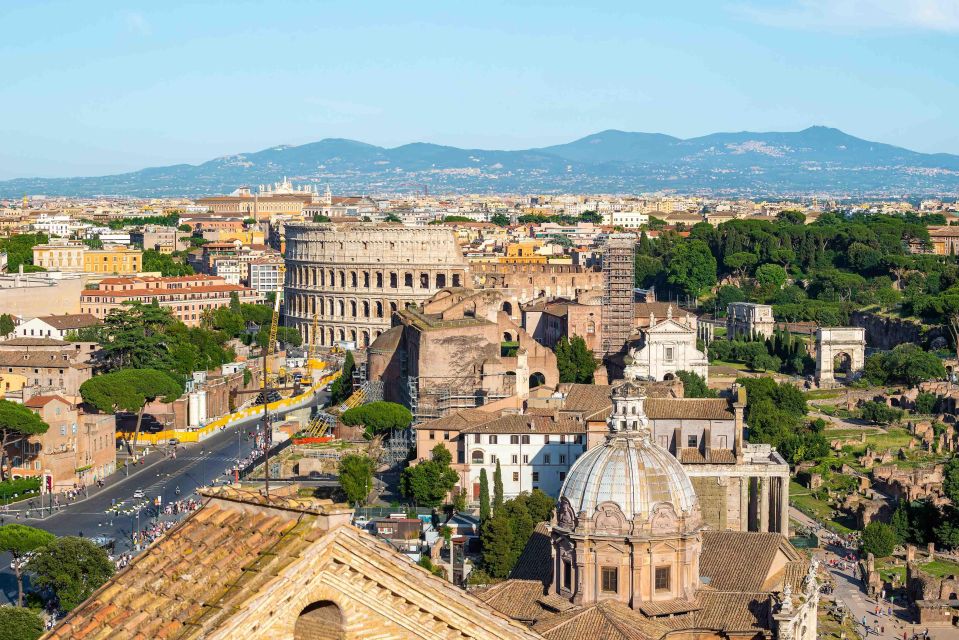
The final stop is Palatine Hill, where the tour moves from politics and spectacle into origins and myth. You climb the hill to see the remains of the palaces built on the grounds linked to Rome’s founding legend—Romulus and Remus and the she-wolf.
This part is different in feel. The Colosseum is a controlled arena; the Forum is civic space; Palatine is about power concentrated into one place. Even if you only catch the outlines of what once stood here, the hill context helps you understand why leaders wanted to claim this ground.
Expect guided time to connect the legend to the physical site. You do not just hear the story. You look at the terrain and the idea of the palace zone and understand how location and symbolism worked together.
Small group comfort: what the 8-person limit changes
A max group of eight guests is not a marketing detail. It changes how the tour runs.
You get:
- easier back-and-forth questions (the guide does not have to keep everything one-way)
- more flexibility for attention spans and hot-day needs
- a more human pace as you move between stops
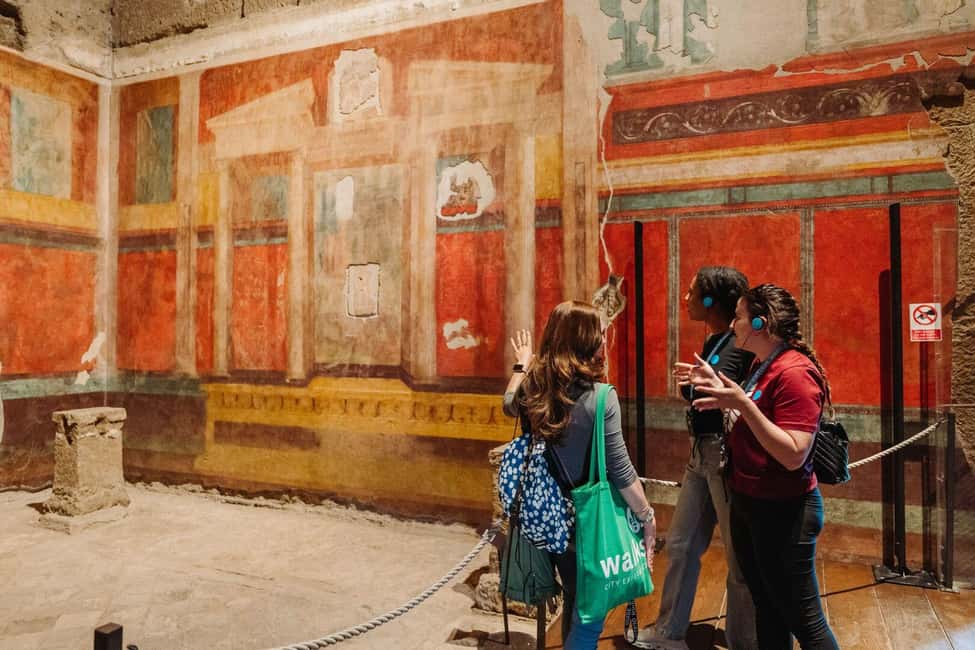
If your group size is over 6, you are also given headsets. That matters in Rome, where street noise and crowd noise can swallow casual explanations.
The feedback also highlights real comfort moments that I think you should take seriously: guides make time for things like water refills and breaks, especially when the weather turns. On one hot day, shade stops were part of the plan, which is the difference between a tour you remember and one that feels like survival.
Where you start and finish (and how to avoid confusion)
Start details can vary depending on the option you book, with one listed meeting spot near Via delle Terme di Tito, 72 (Oppio Caffè). End points are also listed with a Roman Forum address option near Via della Salara Vecchia, 6.
Because of those differences, the best move is simple: check your confirmation for the exact start point and exact end point for your date. Rome is full of street detours, and some entrances can change based on construction or access routes.
A practical navigation tip
One helpful tip that shows up in the experience feedback: if you are walking from elsewhere, consider using the access route near the Colosseo metro station for the start area. Some map directions can route you toward paths that are not actually usable. If you want stress-free arrival, plan your final approach with a live map view and be ready to pivot.
What’s included for the price—and how it adds up
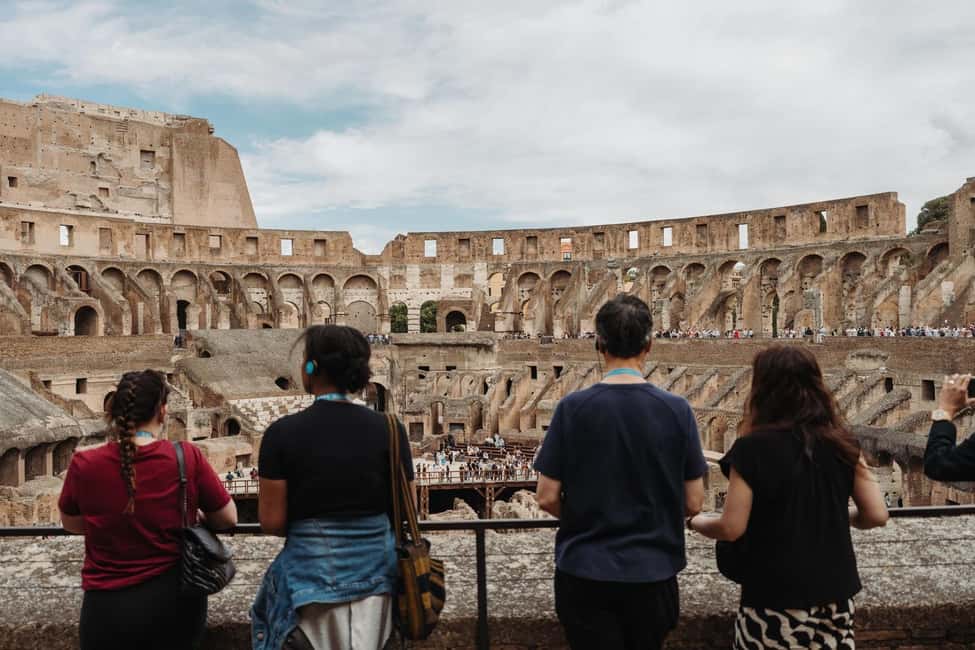
This tour costs $75.45 per person, lasts about 3 hours, and includes:
- a live guide
- a walking tour
- your Colosseum ticket
- access to the Roman Forum and Palatine Hill
- headsets for groups over 6
Hotel pickup and lunch are not included.
Is it good value?
For this specific trio of sites, value comes from three places:
- Tickets are built in, so you are not paying extra or coordinating separate entry times
- You get time in the right places, including Colosseum levels and guided interpretation of the Forum
- The small group limit makes the guidance more effective, not just louder
If you love ancient Rome but hate guesswork, that is where you feel the value most. You are paying to understand what you are looking at, not just to stand near big stones.
Who this tour is best for (and who should skip it)
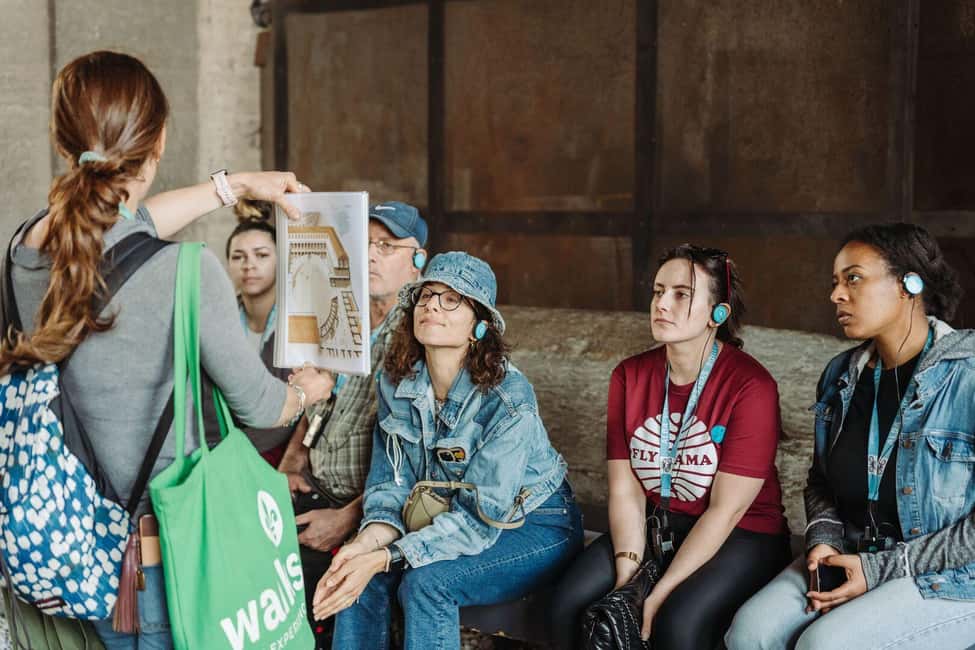
This is best for you if:
- you want a guided, narrative flow through three signature sites
- you like asking questions and getting direct explanations
- you prefer efficient sightseeing that still leaves you with context
It is not a fit if you need wheelchair access or have major mobility limitations, since the tour is not suitable for people with mobility impairments or wheelchairs. It also does not allow baby strollers or luggage/large bags, so keep your daypack light.
Bring comfortable shoes, and carry your passport or ID card. You will need government-issued ID for every participant, including children.
Should you book this Colosseum, Forum, and Palatine Hill guided tour?
I think you should book it if you want the fastest path from seeing ancient Rome to understanding it. The combination of express entry, guided Colosseum levels, historian-led Forum navigation, and Palatine Hill’s origin-legends makes the experience feel like a connected story instead of three separate stops.
You might skip it if you want lots of unstructured time inside the Colosseum for browsing and lingering. This is a tight guided format, and the tour’s strength is the plan, not a free-for-all.
If you do book, choose the 11:15 AM departure and arrive with shoes ready for walking. Then lean into the guide’s explanations. That is where you get the payoff.
FAQ
How long is the Rome Colosseum, Roman Forum & Palatine Hill guided tour?
The tour lasts about 3 hours.
What time does the tour start?
There is an 11:15 AM start time only.
Is the group kept small?
Yes. This option is limited to a maximum of 8 guests.
What is included in the ticketing for these sites?
The tour includes a ticket to the Colosseum and access to the Roman Forum and Palatine Hill, plus a live English-speaking guide.
Is the tour suitable for wheelchair users or mobility impairments?
No. It is not suitable for guests with mobility impairments or with wheelchairs, and it also does not allow baby strollers.
Is there free cancellation?
Yes. You can cancel up to 5 days in advance for a full refund. Within 5 days, it is 100% non-refundable.