REVIEW · ROME
Rome: Illuminati Trail Angels & Demons Tour
Book on GetYourGuide →Operated by Romaetravel · Bookable on GetYourGuide
Dan Brown energy, real Roman art. This Rome: Angels & Demons Illuminati Trail tour strings together major landmarks and the story’s symbols with small-group pacing and a guide who clearly separates fact vs fiction. I like how you decode the four elements clues (fire, air, earth, water) while standing in front of famous masterpieces, and I love the way Bernini’s work and hidden iconography are treated as more than movie props. The main watch-out: expect a lot of walking, and the tour is not suitable for wheelchair users.
In This Review
- Key things to know before you go
- Following Robert Langdon on the Illuminati Trail across Rome
- Starting at Santa Maria della Vittoria: where the clues begin
- What to watch for
- Decoding the four elements as you walk between masterpieces
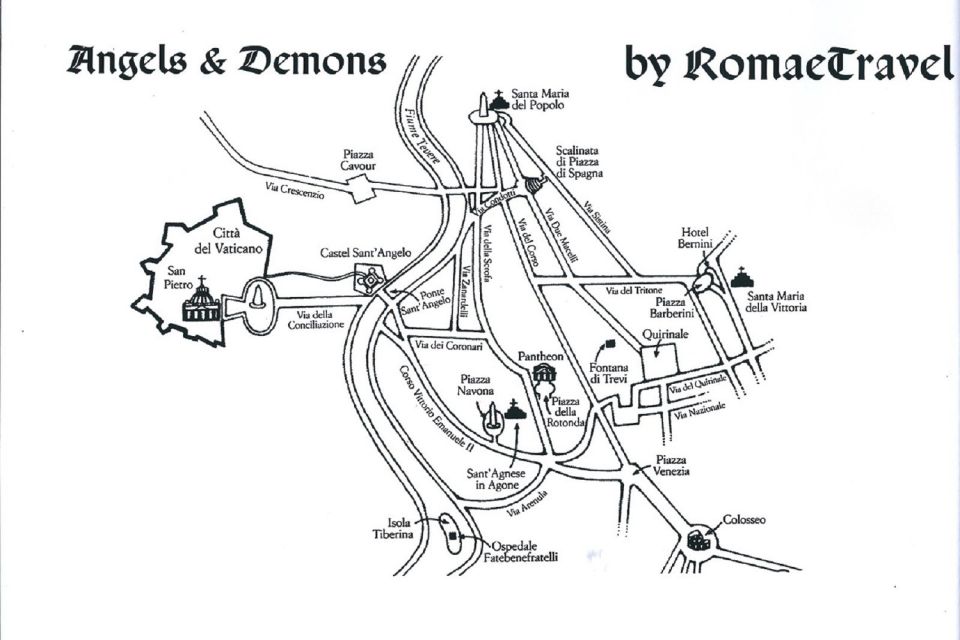
- Castel Sant’Angelo and the Passetto: the secret passage story
- Ticket note
- Pantheon time: ancient architecture with story tension
- Practical tip
- Santa Maria del Popolo: where art details get real
- St. Peter’s Square drama: story peak meets real Vatican scale
- Where the tour ends
- Pacing, group size, and why this tour moves fast
- Price and value: is $79 fair for a 4-hour story-walk?
- Who should book this Illuminati Trail tour?
- Guides and style: what the tour tends to feel like
- Should you book this Angels & Demons Illuminati Trail tour?
- FAQ
- How long is the Rome: Illuminati Trail Angels & Demons tour?
- What does the tour include?
- How much does the tour cost?
- Where is the meeting point?
- Where does the tour end?
- Which main sights are part of the route?
- Is admission to Castel Sant’Angelo included?
- What languages are available?
- Is the tour wheelchair accessible?
- Can I cancel and get a full refund?
- Is there a reserve and pay later option?
Key things to know before you go
- Four elements clue trail: fire, air, earth, water symbols get explained as you move site to site.
- Bernini and symbol-spotting: you focus on art details and hidden meanings, not just plot points.
- Passetto and secret passage vibes: Castel Sant’Angelo’s hidden route toward Vatican City is part of the story.
- Small groups with real Q&A time: guides can answer questions and keep the walk lively.
- One ticket not included: Castel Sant’Angelo admission is extra if you want to go inside.
Following Robert Langdon on the Illuminati Trail across Rome
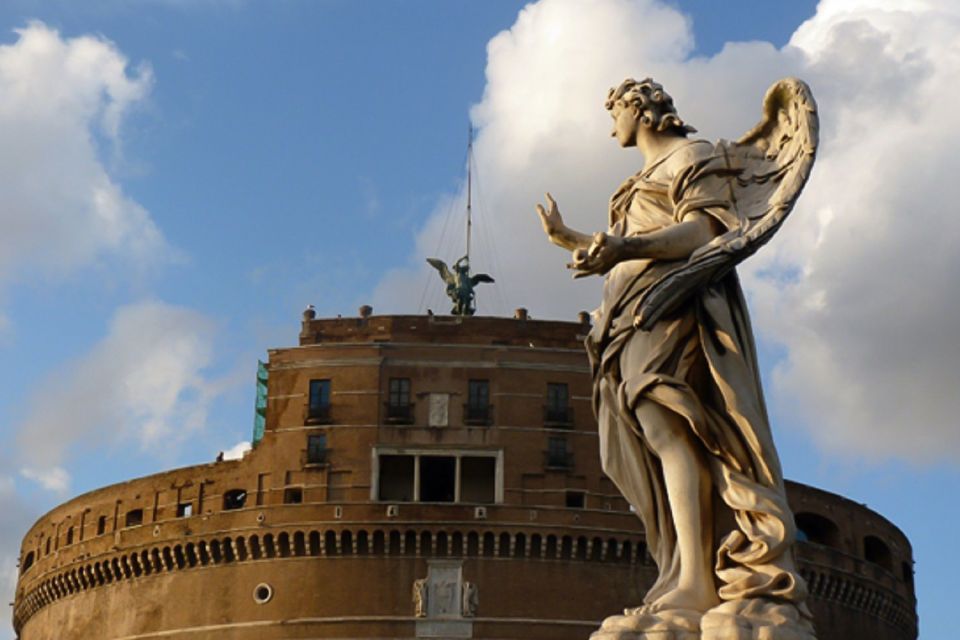
This is a walking tour built around the feel of Angels & Demons, but it doesn’t stop at spoilers and famous movie frames. You follow Robert Langdon’s path through Rome while your guide connects the novel’s symbols to the real city: church art, architecture, and the kind of icon details most people miss while racing between landmarks.
It works best if you bring curiosity more than just Dan Brown fandom. The guide helps you read Rome like a puzzle. And you get a compact route that hits big-name stops in a way that feels like story momentum instead of a checklist.
You can also read our reviews of more tours and experiences in Rome.

Starting at Santa Maria della Vittoria: where the clues begin
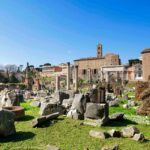
The tour kicks off at Chiesa di Santa Maria della Vittoria (Via Venti Settembre 17). This is where the mystery atmosphere starts, and it’s a smart opener because you’re inside a church environment right away—quiet enough to focus, rich enough to justify the symbolism talk.
Here’s what you’ll likely enjoy: your guide points out how the story’s signs connect to actual religious art and visual symbolism. You’re not just told what the Illuminati might mean in the book. You’re taught how to look for meaning in what’s in front of you, so the rest of the route makes sense.
What to watch for
Churches can involve crowds, changing light, and steady standing time. If you’re the type who needs frequent breaks to keep your focus, you’ll want to pace yourself from the first stop.
Decoding the four elements as you walk between masterpieces
As you move through the route, the four elements idea is a thread tying the story together. You’ll be asked—directly by your guide—to think about the symbols for fire, air, earth, and water and how those ideas show up in art and imagery.
I like this approach because it turns the tour into something you can do with your eyes. Instead of hoping the guide points out everything, you’re learning a method: find the symbol, understand what it might mean in context, and then connect it back to the story.
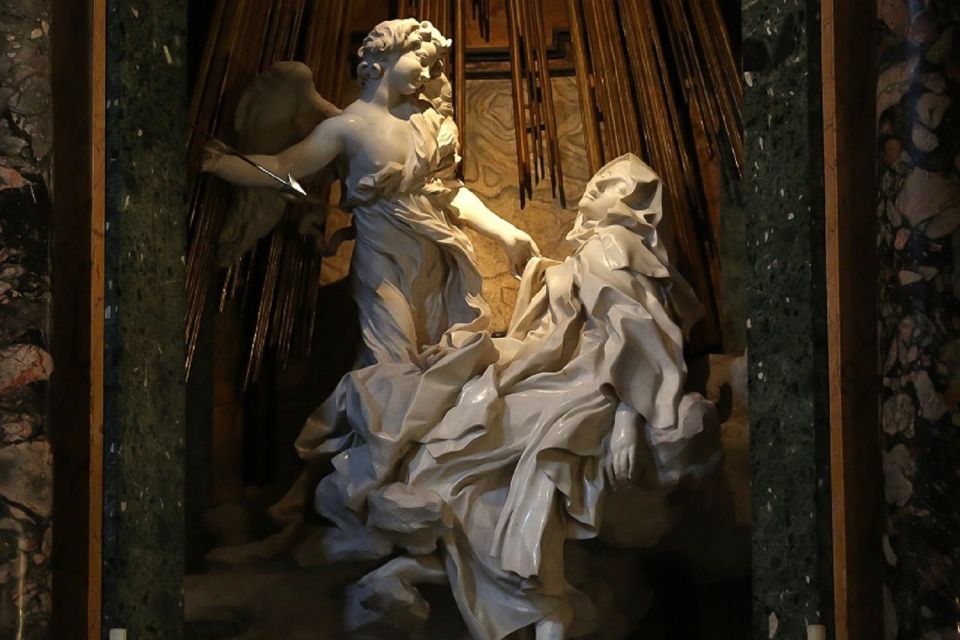
This is also where Bernini enters the conversation. The tour is built to help you appreciate Bernini’s impact as an artist whose work carries emotion and messaging. That matters because the novel leans hard on visual power. Once you see it in the real places, the book’s tone clicks faster.
Castel Sant’Angelo and the Passetto: the secret passage story
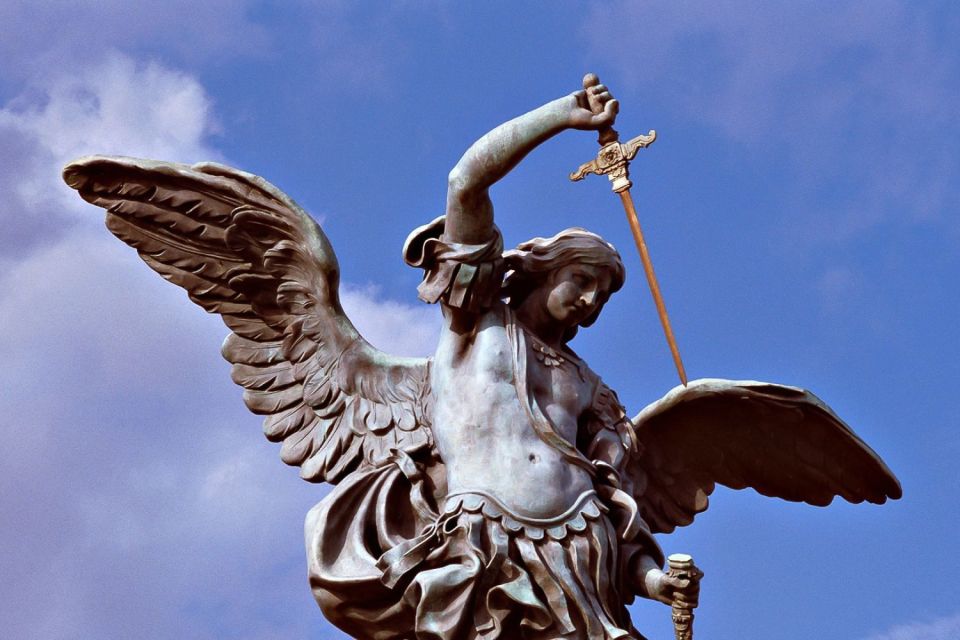
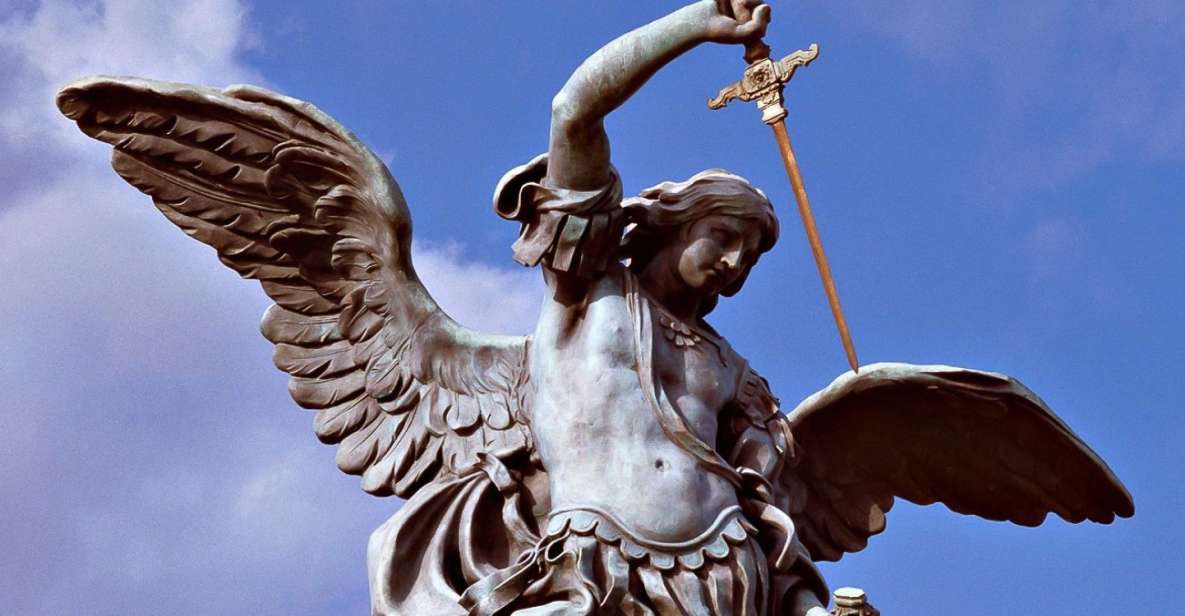
One of the route’s big narrative beats is Castel Sant’Angelo. Even if you don’t plan on going inside, this stop is a useful stage-set: the fortress look, the river area, and the famous association with the Vatican story-world make it easy to follow the plot logic.
The tour also focuses on the Passetto, the hidden passage described as a route toward Vatican City. The key value here isn’t just the cool-factor of secret corridors. It’s how the guide explains why Rome built things like this—how power, movement, and security shaped the city.


Ticket note
Castel Sant’Angelo’s admission fee is not included. If you want to go further than the exterior views and storytelling, plan on paying extra on your own.
Pantheon time: ancient architecture with story tension
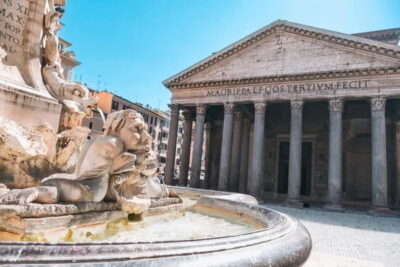
You’ll then hit the Pantheon. This stop adds weight because it’s not a niche church detail—it’s one of Rome’s most iconic engineering-and-art moments. Your guide uses it as a contrast point: the novel’s drama sits on top of Rome’s real layers.
I like this part because it resets your brain. One minute you’re tracking symbol meanings and story beats; the next you’re standing before a building that explains why people keep coming back to Rome. The guide’s job is to keep you oriented so you don’t treat the Pantheon as just a photo stop.
Practical tip
Expect standing and walking between sites. If you’ve got tight time in Rome, this tour is still efficient because it gives you context while you’re already seeing the highlights.
Santa Maria del Popolo: where art details get real
The tour includes the Church of Santa Maria del Popolo, and it’s here that the experience often feels less like a movie set and more like a guided art walk. This church is a strong setting for symbol decoding because it’s designed for visual reading: altars, artworks, and decorative choices that reward patience.
If you’re a Dan Brown fan, your guide helps you map what you’ve seen on the page or screen to what’s actually here. If you’re not, you still get something valuable: a way to look at churches as crafted spaces, not just buildings you pass.
Some past departures have also highlighted the Chigi Chapel as a standout moment for visitors who love the art side of the story. If it’s part of your group’s route that day, it’s worth slowing down for the visual payoff.
St. Peter’s Square drama: story peak meets real Vatican scale
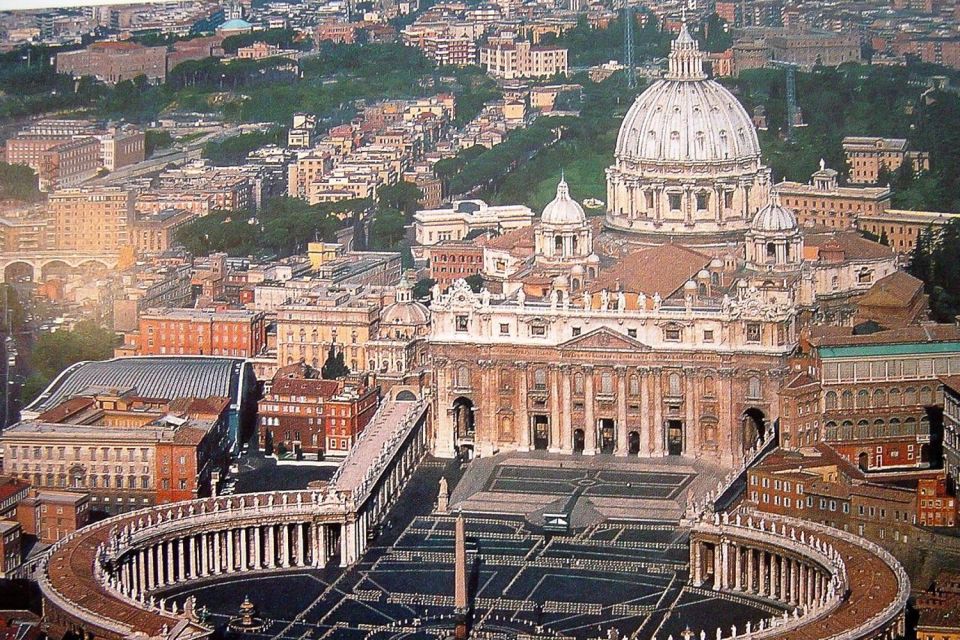
The walk continues to St. Peter’s Square, where the tour leans into the drama of Angels & Demons. This is where big-story energy meets the huge scale of the Vatican setting. Even if you’ve visited St. Peter’s before, the guide’s symbol and narrative thread can make the space feel newly readable.
This part works well because the square is visually “loud,” but the guide helps you pick out what matters. You’re not just looking at impressive architecture. You’re tracking clues and connecting them to the elements thread and the story’s key turning point.
Where the tour ends
The tour finishes in Piazza San Pietro. Ending here makes sense because it closes the story arc on a place you can keep exploring on your own afterward—slowly, at your pace.
Pacing, group size, and why this tour moves fast
This is a 4-hour walking tour with small groups. That small-group size matters more than the label. It’s what keeps the guide from talking at you for hours. You get time for questions and the pacing tends to stay flexible.
Plan for steady walking. One of the most repeated practical lessons from other bookings is simple: wear comfortable shoes. Rome is famous for uneven pavement, and 4 hours can feel longer than you expect when you’re also stopping to look up at details.
You might also get a break in the middle on certain departures, and past groups have enjoyed pauses like a coffee and pastry moment during the walk. The exact timing can vary, but the route is designed with real people in mind, not just a tour van schedule.
Price and value: is $79 fair for a 4-hour story-walk?
At $79 per person for about 4 hours, the value depends on what you want out of your Rome day. If you want the cheapest way to see famous landmarks, you can do that on your own. But if you want your route to include symbolism, art context, and guided linking between story and real sites, you’re paying for interpretation and time with a local guide.
What you get for that price:
- A local guide
- A small-group walking tour
- Guided visits to key Angels & Demons locations
- Personalized attention from the limited-size group
What costs extra:
- Castel Sant’Angelo admission fee (not included)
In other words, you’re not just buying access to buildings. You’re buying a guided “read” of the city using the novel as a framework. That’s the part you’ll feel most strongly once you’re standing in front of the art details.
Who should book this Illuminati Trail tour?
I’d point you toward this tour if:
- You love Dan Brown and want a route that connects plot symbols to real Roman art.
- You like church art and sculpture details and want a guide to show you what to look for.
- You enjoy walking tours that feel more like a guided lecture plus sightseeing than a rushed museum circuit.
I’d think twice if:
- You hate walking. This one is built on moving between churches, monuments, and squares.
- You need wheelchair access. It’s not suitable for wheelchair users based on the tour’s stated restrictions.
- You only want one or two sites. This route is designed as a continuous story line, so you’ll be happier if you’re okay with the full arc.
Guides and style: what the tour tends to feel like
The experience lives or dies with the guide, and this tour tends to attract strong storytellers with an art-and-history bent. Past bookings have highlighted guides such as Antonio, who’s noted for explaining the difference between real facts and movie/book fiction. Luisa has also been described as having a deep academic angle, including being presented as a medieval history professor. Other guides named in past experiences include Irene, Felice, Elisa, Giorgia, and Estefania—each praised for keeping the flow engaging and answering questions.
One practical upside of that style: you can tune the tour to your interests. If you want the symbolism, you’ll get it. If you want art and architecture context, you’ll get that too, with explanations aimed at helping you connect what you’re seeing to why it mattered.
Should you book this Angels & Demons Illuminati Trail tour?
Book it if you want a Rome day where you don’t just collect sights—you learn how to read them. The tour is a great fit for Dan Brown fans who also care about art and want the “why” behind the clues. It’s also a smart choice for first-time Rome visitors who want a compact, story-driven path that hits major highlights without feeling like a sprint.
Skip it if you’re short on energy, have mobility limits, or want a more relaxed, sit-down sightseeing format. For everyone else, this is a fun way to see Rome twice: once through the story, and once through the real symbols and craft behind the buildings.
FAQ
How long is the Rome: Illuminati Trail Angels & Demons tour?
It lasts 4 hours.
What does the tour include?
You get a local guide, a small-group walking tour, guided visits to key Angels & Demons locations, and personalized attention due to the limited-size group.
How much does the tour cost?
The price is $79 per person.
Where is the meeting point?
You meet in front of Chiesa di Santa Maria della Vittoria, Via Venti Settembre, 17, 00187 Rome.
Where does the tour end?
The tour finishes at Piazza San Pietro.
Which main sights are part of the route?
The tour covers stops including Santa Maria della Vittoria, Castel Sant’Angelo, the Pantheon, Santa Maria del Popolo, and St. Peter’s Square.
Is admission to Castel Sant’Angelo included?
No. Castel Sant’Angelo admission fees are not included.
What languages are available?
The live guide is available in English and Italian.
Is the tour wheelchair accessible?
No, it is not suitable for wheelchair users.
Can I cancel and get a full refund?
Yes. You can cancel up to 24 hours in advance for a full refund.
Is there a reserve and pay later option?
Yes. You can reserve now and pay later.