REVIEW · ROME
Rome: Tour of Colosseum Arena Floor with 1st and 2nd Levels
Book on GetYourGuide →Operated by TOURS OF ROME · Bookable on GetYourGuide
You get chills fast at the Colosseum. This 3-hour, small-group tour lets you enter the arena area first, then you move up to feel the stadium from a spectator point of view, and you finish with the nearby ancient sites of the Roman Forum and Palatine Hill.
Two things I love: stepping close to the Gladiator’s Gate and touring the arena floor, where the staging of battles starts to make sense; and the guided storytelling, with standout guides like Christina and Anna who keep the pace lively, answer questions, and even help with photos. One thing to plan for: you’ll do plenty of walking and stairs, and the arena floor can be closed in ice or heavy rain.
In This Review
- Key Takeaways Before You Go
- Meeting at the Colosseo Metro: Find the Green Kiosk Fast
- Entering the Colosseum: Why the Gate Stops Matter
- Walking the Arena Floor Like a Gladiator’s Moment
- First and Second Levels: What Spectators Saw (and Why It Changes Everything)
- Roman Forum and Palatine Hill: Keep the Ancient Story Going
- What This Tour Includes for $88: Ticket Value Plus Guided Time
- Pacing, Photos, and the Role of the Guide
- Weather, Closures, and What to Do If the Arena Floor Isn’t Available
- Practical Advice: Tickets, Security, and How to Survive the Walk
- Who This Colosseum Arena Floor Tour Fits Best
- Should You Book This Colosseum Arena Floor + Forum Tour?
- FAQ
- How long is the tour?
- Where do I meet the guide?
- Is a passport required?
- What parts of the Colosseum are included?
- What parts are not included?
- Is the tour wheelchair accessible?
Key Takeaways Before You Go
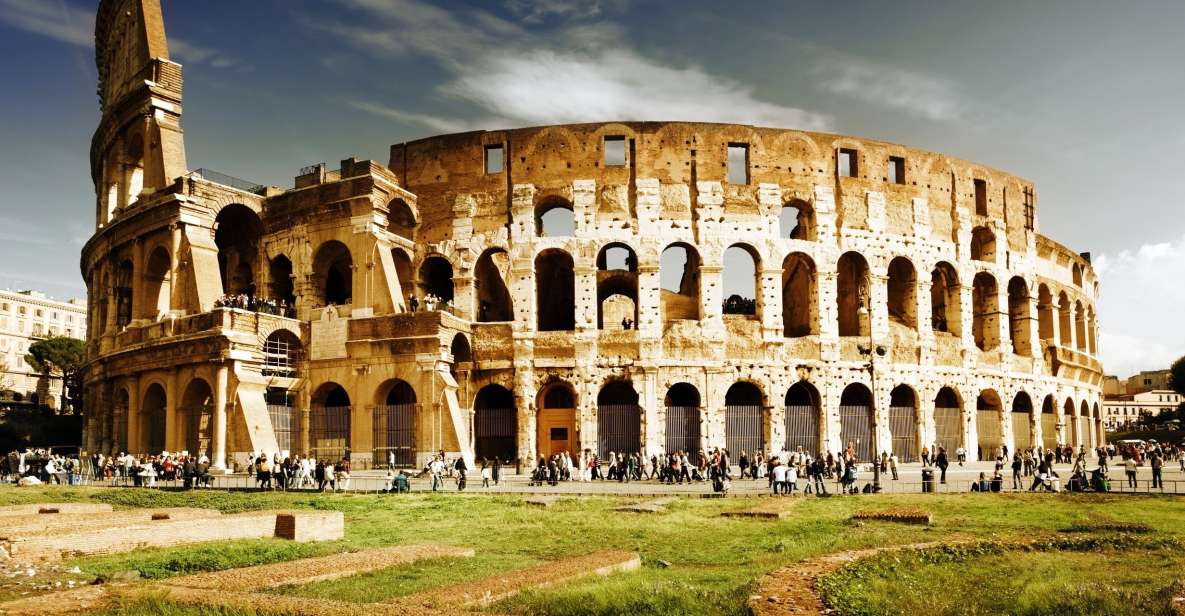
- Arena floor access: You get the gladiator-side perspective, not just a quick look from the seating.
- First and second levels: You see the Colosseum’s “audience vibe” from above, which really changes how the building reads.
- Gladiator’s Gate focus: The route is designed around key drama points, not random roaming.
- Roman Forum + Palatine Hill add-on: You leave the Colosseum and keep the ancient story going immediately.
- Small-group pacing: Your guide can keep you together and stop for questions and photos at good spots.
- Weather matters: The arena floor may shut if conditions turn, so bring a flexible mindset.
Meeting at the Colosseo Metro: Find the Green Kiosk Fast
Your tour meeting point is practical and easy once you know what to look for. Meet your guide by the lower level exit of the Colosseo metro station. The guide is holding a sign that says Tours of Rome, standing next to a green kiosk.
This matters because the Colosseum area is a busy tangle. If you arrive late, you can easily lose the group before the first checkpoint. I’d treat it like a train: show up early, stay where the sign is, and double-check you’re at the right metro level.
A quick note on what you bring: you’ll need your passport (or a copy accepted). That passport piece comes up again at security screens once you’re in the Colosseum zone, and it can include children too, so don’t leave paperwork behind in your hotel safe.
You can also read our reviews of more tours and experiences in Rome.

Entering the Colosseum: Why the Gate Stops Matter
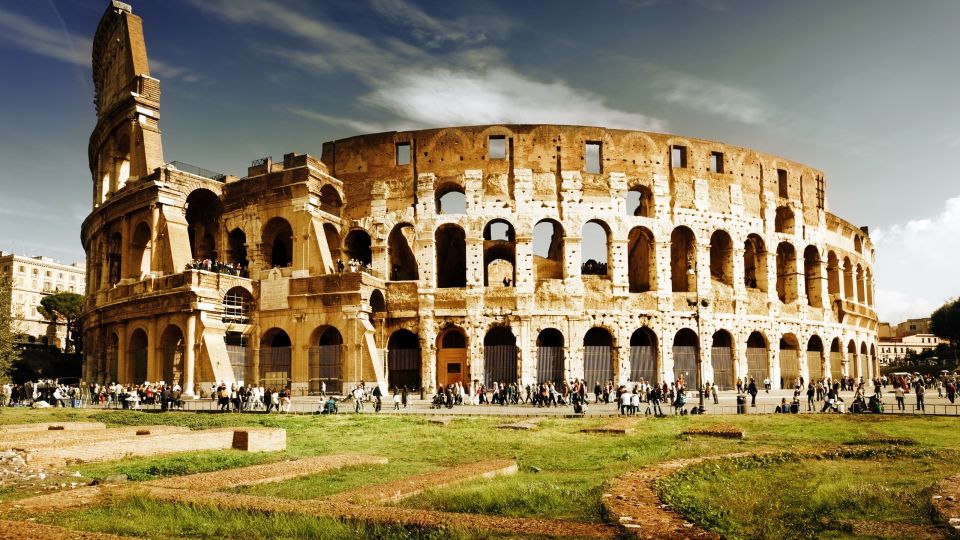
The tour starts with a guided introduction inside the Colosseum area. You’ll get a structured walkthrough (about 25 minutes), and it’s not just facts on stone. It’s orientation—helping you understand where you are in the stadium’s drama.
The tour route is built around a specific idea: the Colosseum wasn’t designed for casual sightseeing. It was built for spectacle. That’s why you’ll be directed toward the Gladiator’s Gate and nearby focal points before you ever get near the arena surface.
Even if you’ve read about Roman games before, this stage helps you connect those names and dates to physical space. You start to see how entrances, sightlines, and crowd pressure would shape what happened next.
If you’re the kind of person who likes to ask questions, this is a good time to do it. Guides often use simple visual explanations here—some even bring illustrated reference materials to help you picture rules and roles.
Walking the Arena Floor Like a Gladiator’s Moment
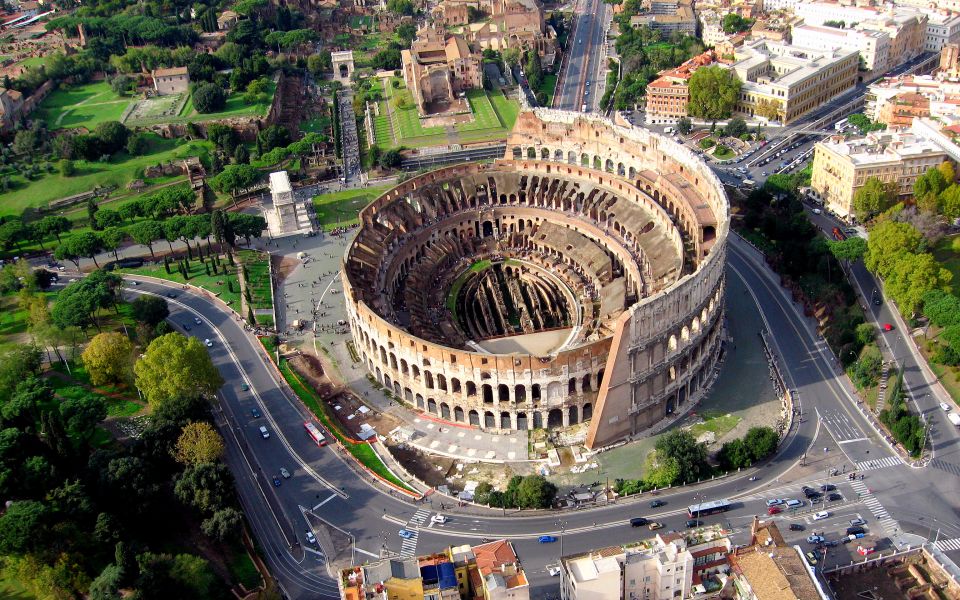
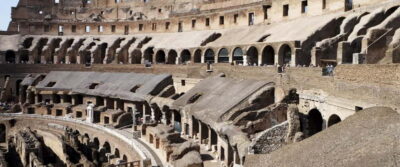
This is the headline. You’ll head to the arena floor for a guided segment of about 30 minutes. The experience is designed to make you feel what it meant to cross from backstage into a roaring crowd.
You’ll tour the arena area and hear how gladiators entered, how the space functioned, and why the layout mattered. The big payoff is perspective. Standing on the level where the action happened turns the Colosseum from a monument into a working stage.
Two practical tips help a lot here:
- Wear shoes you trust. The ground and walkways can be uneven, and you’ll be on your feet while listening.
- Pay attention to guide cues about where to stand for viewing lines and stories. The tour isn’t a free-for-all, and the guide will point you toward the most meaningful angles.
Weather can affect this part. The arena floor may be closed in cases of ice, and the arena itself can close in heavy rain. If that happens, you’ll still get the rest of the experience, but you should expect fewer moments on the floor than you planned for. Keep that possibility in your timing mindset, especially when Rome’s shoulder seasons get unpredictable.
First and Second Levels: What Spectators Saw (and Why It Changes Everything)
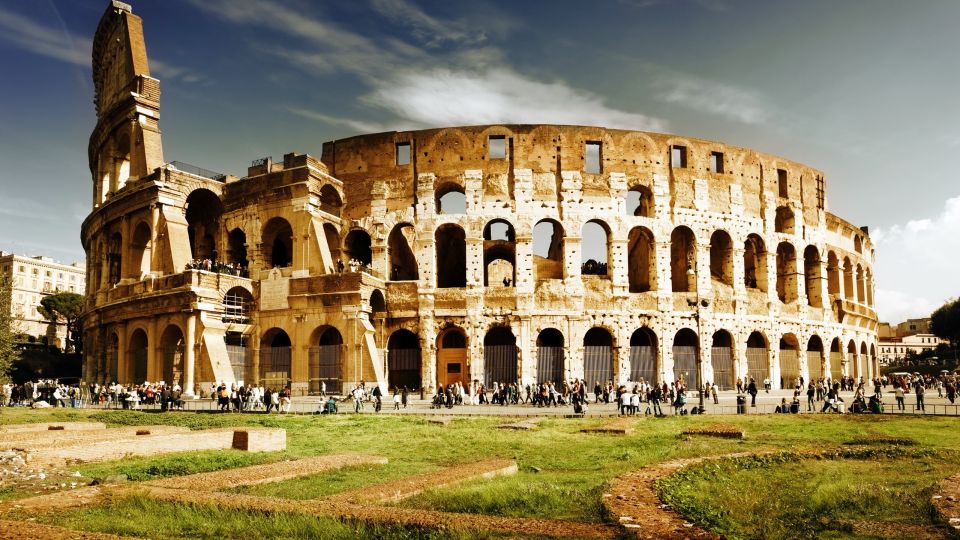
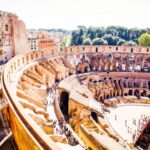
After the arena-floor segment, you move up into the first and second levels. This isn’t just a second round of photos. It’s the shift from participant to audience.
From these levels, you start to grasp what the Romans were doing with crowds: distributing people, shaping visibility, and controlling the emotional temperature of a huge venue. The guide explains the structure and what it was like to watch in Roman times, turning those tiers into a story.
This part can feel almost like two different landmarks:
- From the arena, the Colosseum feels like a stage built for motion and conflict.
- From the levels, it feels like a theater built for attention and reaction.
Also, you get a strong sense of scale. That’s one reason this tour includes both levels instead of only one. The building reads better when you see it from multiple “rings.”
Plan for steps and tight spaces. Even if you’re used to walking, this is still a 3-hour itinerary with changes in elevation.
Roman Forum and Palatine Hill: Keep the Ancient Story Going
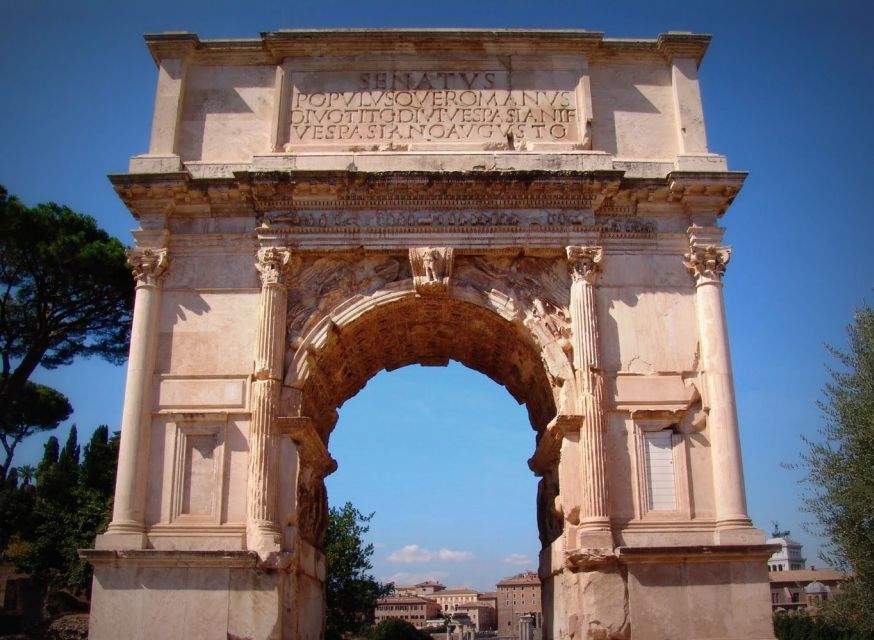
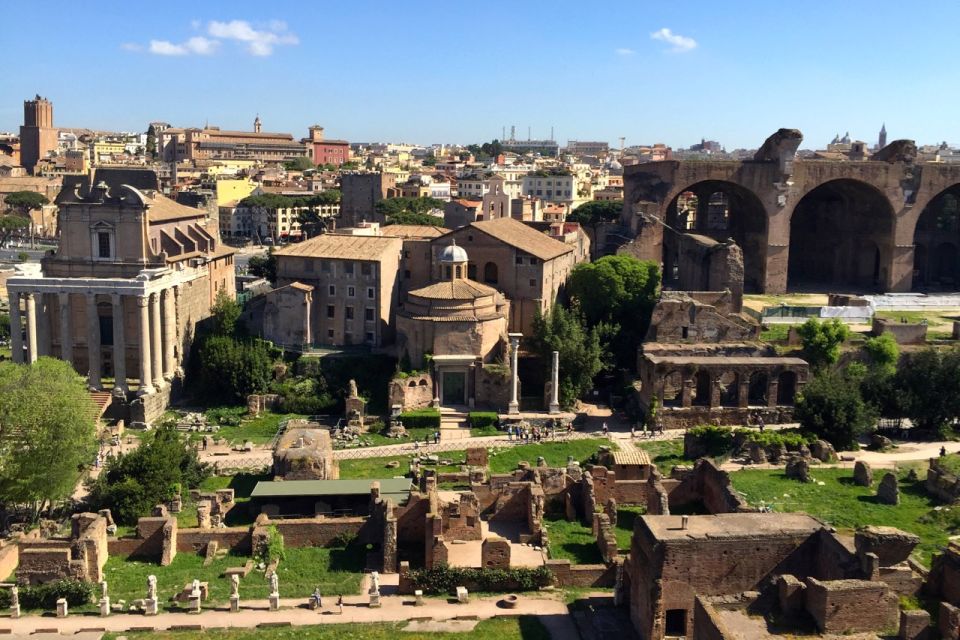
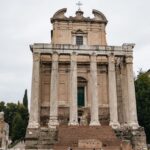
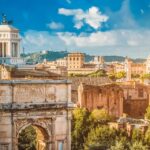
Leaving the Colosseum, you’ll continue to the heart of Rome’s political and ceremonial life with a guided walking tour that covers the Roman Forum and Palatine Hill (each around 30 minutes on the guided portion).
This is where the tour earns its value. The Colosseum is dramatic, but it can feel isolated if you only stop there. Pairing it with the Forum and Palatine Hill ties the games to the people and power that made them possible.
Here’s what you should expect from the Forum segment:
- You’ll see key ruins and hear stories that connect them to emperors and sacred spaces.
- The guide helps you understand why certain locations mattered for religion, authority, and public life.
Then you move to Palatine Hill, which adds the palace-and-empire angle. The hill is often described as a seat of prestige, and the walking tour gives you the practical way to read it: how palace spaces and sacred areas fit into the broader Rome story.
If you like your ancient Rome in big arcs instead of scattered stops, this pairing works. You don’t just visit structures. You get a narrative thread that keeps your brain engaged.


What This Tour Includes for $88: Ticket Value Plus Guided Time
At $88 per person and about 3 hours, the price feels reasonable because it includes more than a simple entry ticket.
You’re getting:
- A live English guide
- Guided access tied to the arena floor
- Guided time on the first and second levels
- Entry tickets for everything included
- A guided walking portion for the Roman Forum and Palatine Hill
That matters because Colosseum entry and prime guided access can be pricey when purchased piece by piece. Here, the cost is mostly covering the time your guide spends leading you through the right spots, plus the included ticket coverage.
Also, small-group formats often translate into fewer “stand around waiting” moments. Guides can pause for questions, keep the group moving, and direct you to photo stops that actually line up with meaningful angles.
One reality check: this is not a sit-down tour. You’ll be walking for the full experience, with stairs and heat sometimes adding friction. If you’re hoping for a low-effort, slow-paced stroll, you might want to look at a shorter tour format.
Pacing, Photos, and the Role of the Guide
This tour’s quality often comes down to your guide. The consistent theme in guide feedback is engagement and clear explanations, plus the ability to manage the crowding and keep the group together for a smooth flow.
Some guides add extra value through practical teaching tools—like using a binder of illustrations to explain rules and roles. Others are simply great at storytelling cadence: talking clearly, answering questions, and making sure everyone sees the key parts without rushing.
Photo support also tends to show up. You may find your guide stopping at good photo spots and even offering help taking pictures. That little bit of assistance can save time and keep you from asking strangers in a crowded place.
In short: if you like to learn while you move, this tour format is built for that.
Weather, Closures, and What to Do If the Arena Floor Isn’t Available
Rome weather is a wildcard, and this itinerary builds in a reality: the arena floor may be closed in ice, and the arena may close in heavy rain.
That doesn’t mean you lose the whole day. It means the “greatest photo moment” on the floor might be reduced or skipped, depending on what’s shut down at the site level.
So I’d do two things:
- Bring a flexible attitude. Have a plan for rain or cold.
- Focus on the included alternatives: you’ll still tour upper levels and still get the Forum and Palatine Hill sections.
If you’re traveling in colder months where ice is possible, that’s when the closure risk rises. In hot months, your challenge becomes heat and dehydration, not closures.
Practical Advice: Tickets, Security, and How to Survive the Walk
Security at the Colosseum is serious. Expect to show your passport at screenings inside the area. One useful tip: plan on being asked more than once.
That means keep your passport accessible. Don’t bury it under layers of bags. If you’re traveling with kids, make sure you can produce their documents as well if required.
Also, you can’t bring luggage or large bags. If you’re arriving from the train station with baggage, consider dropping it at a hotel or storage service before your tour.
Finally: wear comfortable shoes. This is a walking and stair experience, and a 3-hour visit can turn tiring in the summer. Bring water and take smart breaks when your guide gives you a moment.
Who This Colosseum Arena Floor Tour Fits Best
This tour fits you if:
- You want the Colosseum story told through space, not just facts.
- You care about seeing the arena from the floor and then understanding spectator experience from above.
- You also want Roman Forum and Palatine Hill covered in one coordinated outing.
It’s also a good pick if you enjoy guided explanation and like asking questions. The best guides here handle curiosity well.
It might not fit you if:
- You’re looking for minimal walking or step-free access. This tour is not suitable for wheelchair users.
- You’re obsessed with Colosseum lower-access areas beyond what’s included. This tour does not include the Colosseum Undergrounds, and it does not include the 3rd, 4th, and 5th levels.
Should You Book This Colosseum Arena Floor + Forum Tour?
If you want one tour that links the Colosseum’s spectacle to the power center of ancient Rome, I’d book it. The combo of arena floor, first and second levels, and then Roman Forum + Palatine Hill is exactly how you stop the Colosseum from becoming a standalone photo stop.
I’d especially lean toward it if you’re the kind of person who learns best with a guide—someone like Christina or Anna can turn the stones into a lived-in story. And at $88, you’re not paying just for a ticket; you’re paying for organized time in the spaces you actually came for.
Just be honest with yourself about effort and weather. If your travel style is “short and easy,” this isn’t that. But if you can handle 3 hours of walking with the payoff of real perspective changes, it’s a strong choice.
FAQ
How long is the tour?
The tour runs for about 3 hours total.
Where do I meet the guide?
Meet your guide at Piazza del Colosseo, 23. They’ll be at the lower level exit of the Colosseo metro station, next to the green kiosk, holding a sign that says Tours of Rome.
Is a passport required?
Yes. A passport is required, and a copy is accepted.
What parts of the Colosseum are included?
You’ll tour the arena floor plus the Colosseum first and second levels. Entrance tickets are included for what the tour covers.
What parts are not included?
This tour does not include the Colosseum Undergrounds and does not include the Colosseum 3rd, 4th, and 5th levels.
Is the tour wheelchair accessible?
No. The tour is not suitable for wheelchair users.