REVIEW · ROME
Rome: Colosseum and Ancient Rome Guided Walking Tour
Book on GetYourGuide →Operated by Know my City · Bookable on GetYourGuide
Rome clicks faster with a real guide. I really like the skip-the-line entry and headsets, which keep the commentary clear while crowds swirl. One thing to plan for: even with skip-the-line, you still pass the metal-detector security check, and on busy days that can mean a short queue.
What makes this tour truly work is the structure. You move from the Colosseum to the Palatine Hill Terrace viewpoints and then into the Roman Forum, with a guide who turns ruins into stories (and yes, a few guides like Alessandra, Radu, and David get praised for being funny as well as smart). Language options are Spanish, English, German, French, so you can pick a tour that feels comfortable from the start.
In This Review
- Key things I’d zero in on
- Entering the Colosseum with skip-the-line and smart security timing
- Colosseum storytelling that brings the arena back to life
- Palatine Hill ruins and that Terrace panorama over Rome
- Roman Forum: the political heart you can finally picture
- How the tour runs: pace, headsets, and photo-friendly pauses
- Price and value: what you’re really paying for
- What to bring (and what to avoid) for a smoother visit
- Who should book this Colosseum and Ancient Rome tour
- Should you book it? My practical call
- FAQ
- How long is the Rome Colosseum and Ancient Rome guided walking tour?
- What is the price per person?
- Does the tour include entry tickets?
- Is skip-the-line entry included?
- What languages are available for the guide?
- What is the meeting point?
- Where does the tour end?
- What should I bring and what is not allowed?
Key things I’d zero in on
- Skip-the-line tickets plus headsets so you actually hear the guide (not just the crowd)
- Colosseum first-floor time for big views like you’re part of the action
- Palatine Hill Terrace panorama with photo-friendly stops
- Roman Forum focus on how power and politics worked in ancient Rome
- Guides who pace the group and answer questions, with humor showing up in many reviews
- A realistic heads-up that security lines can still happen, even when the ticket line is handled
Entering the Colosseum with skip-the-line and smart security timing
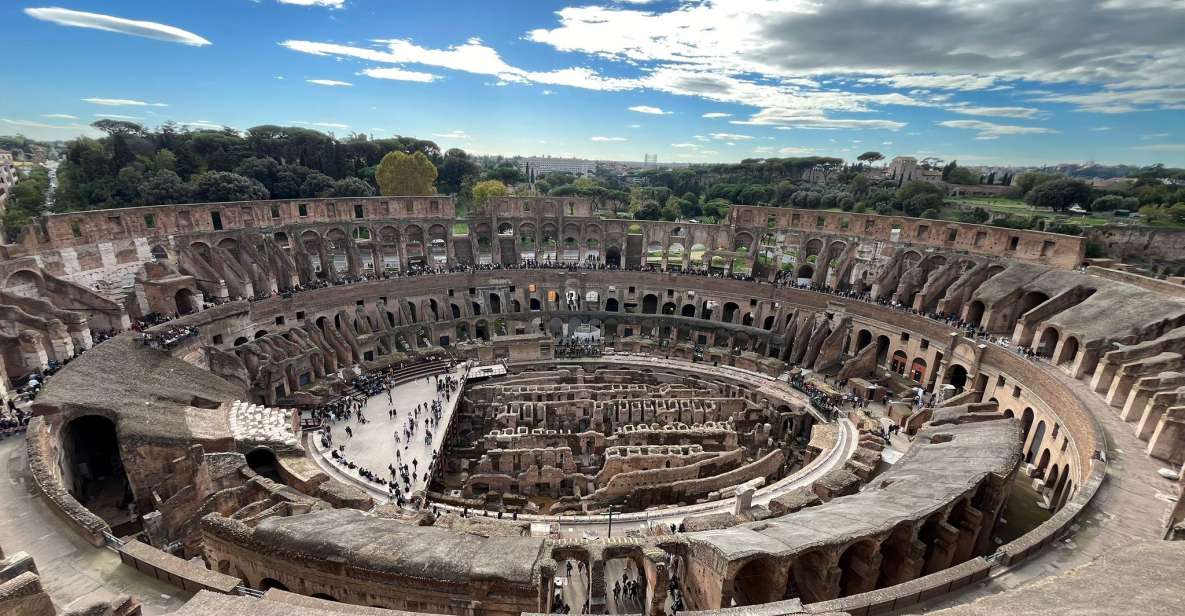
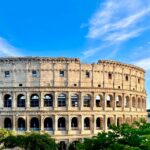
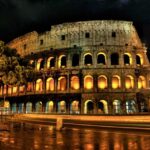
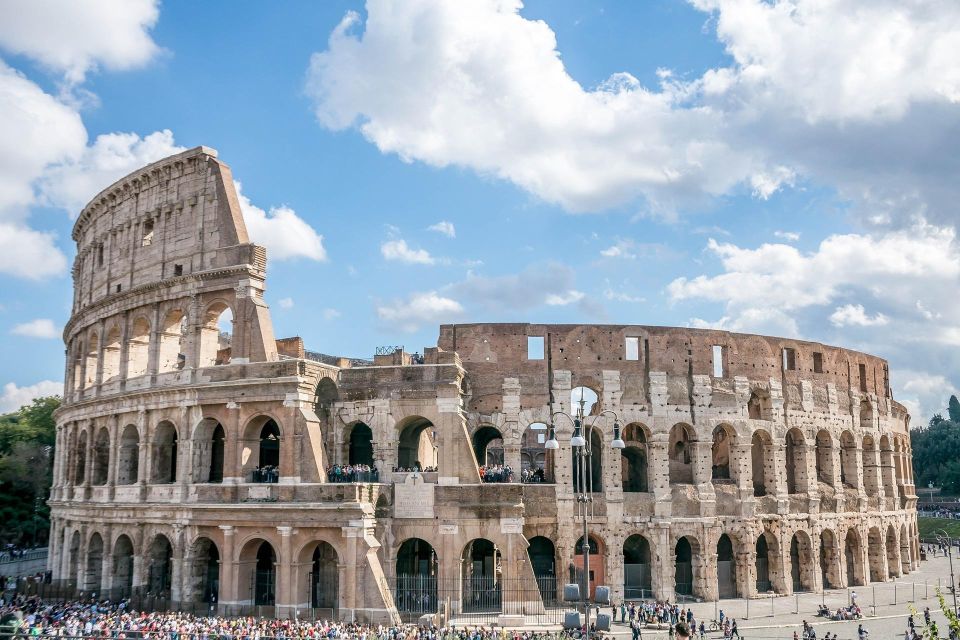
The Colosseum is one of those sights where your brain goes quiet for a second, then asks a thousand questions. That’s exactly where this tour helps. You get skip-the-line entry, so you don’t waste the morning (or afternoon) stuck just to get your tickets checked. The added bonus is that you receive headsets, which matters more than you’d think once you’re inside—voices carry differently in big stone spaces, and it’s easy to miss details without a system.
Now the fine print that you should treat like a rule, not a suggestion: you still go through a metal-detector security check to enter. On quiet days, it’s quick. On busy days, it can create a line even though the ticket line is skipped. Translation: wear comfy shoes, bring patience, and don’t schedule a tight connection right after.
Also, the tour starts from a meeting point that can vary by option booked. In the information I see, one of the listed options is L.go Gaetana Agnesi, 5, but you should still double-check your confirmation. Timing can shift slightly too—if that happens, you’ll be contacted in advance—so don’t assume your start time is carved in marble.
You can also read our reviews of more walking tours in Rome


Colosseum storytelling that brings the arena back to life
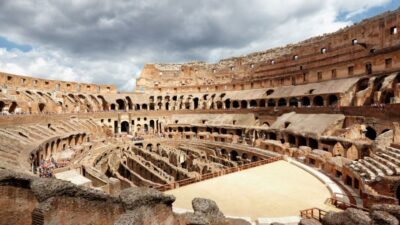
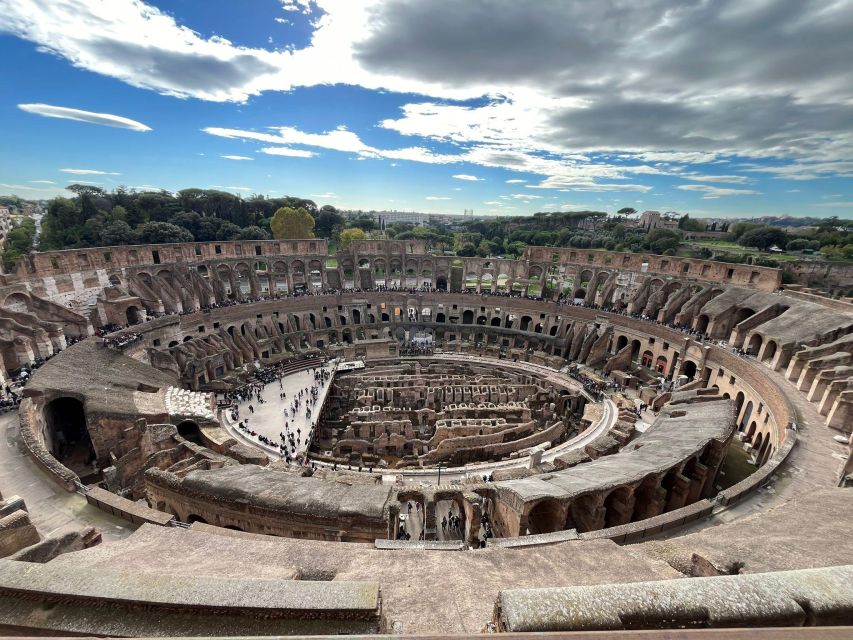
The Colosseum portion runs about 75 minutes. That’s enough time to see the big chunks of the site without rushing like you’re in a museum sprint. What I like most is that you’re not just looking at walls—you’re getting a guided framework for what you’re seeing.
The tour includes time on the inside level where spectators once watched events. The guide’s job here is to connect the physical layout to the experience: seating areas, the feel of scale, and why certain spaces mattered. Several reviews praise guides for making the Colosseum feel like more than a photo spot. People specifically call out the way guides explain details so you can picture the gladiator era more clearly, and a guide named Radu is mentioned as dispelling myths about the gladiator fights.
One practical tip: plan to move with the group, but don’t forget your camera. Guides often build in short moments for pictures, and those pauses can be the difference between getting one decent shot and getting the shot where you can actually tell what you’re looking at.
Palatine Hill ruins and that Terrace panorama over Rome
After the Colosseum, you head up to Palatine Hill, where the mood changes fast. The crowds can feel different here—less like a single spectacle and more like you’re walking through layers of power. This part lasts about 45 minutes.
What you’re exploring is the area tied to emperors and elite Roman life. You’ll walk through ruins and keep hearing what they represent. People mention that guides show comparisons and reference images—one review specifically credits Arian with using before-and-after pictures of the Colosseum and Palatine Hill, which helps your brain lock onto what’s missing now and what once stood there.
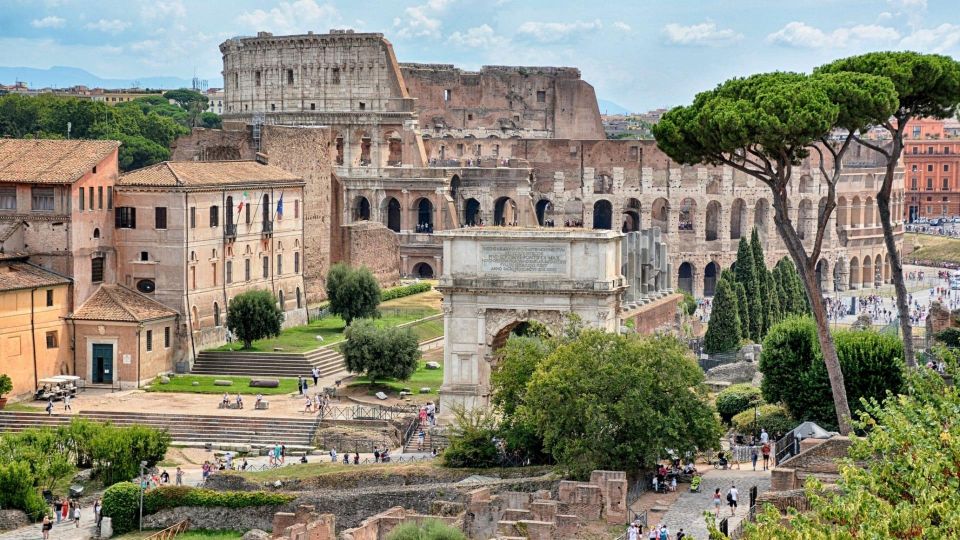
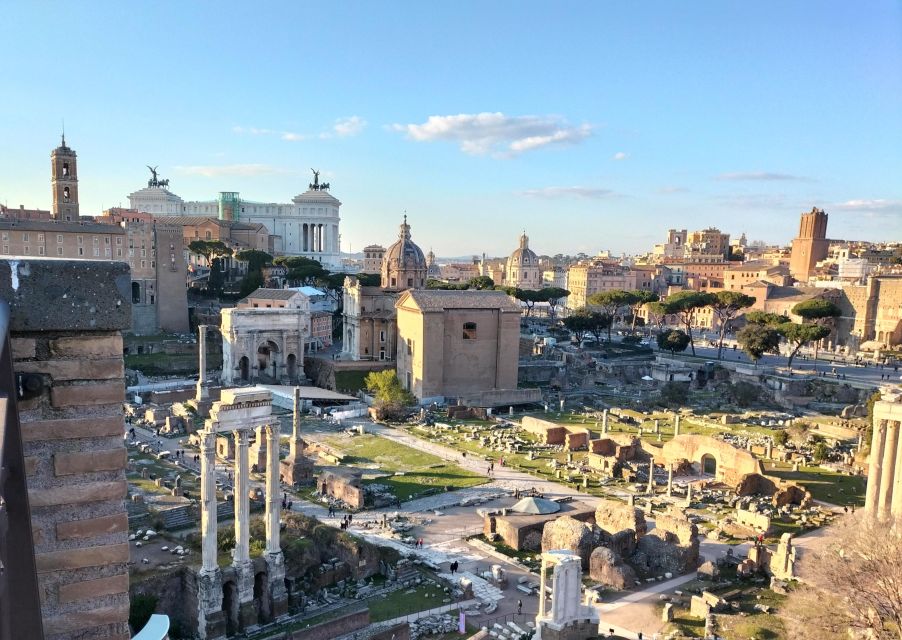
Then comes the moment that makes the effort worth it: the Palatine Hill Terrace viewpoint. You get panoramic views over Rome and the surrounding ruins. Even if you’ve seen Rome from other terraces, the Palatine angles hit differently because you’re looking over the exact “ancient center” the Roman Forum is later known for. It’s a great place to pause, catch your breath, and take photos that show scale, not just shapes.
Roman Forum: the political heart you can finally picture
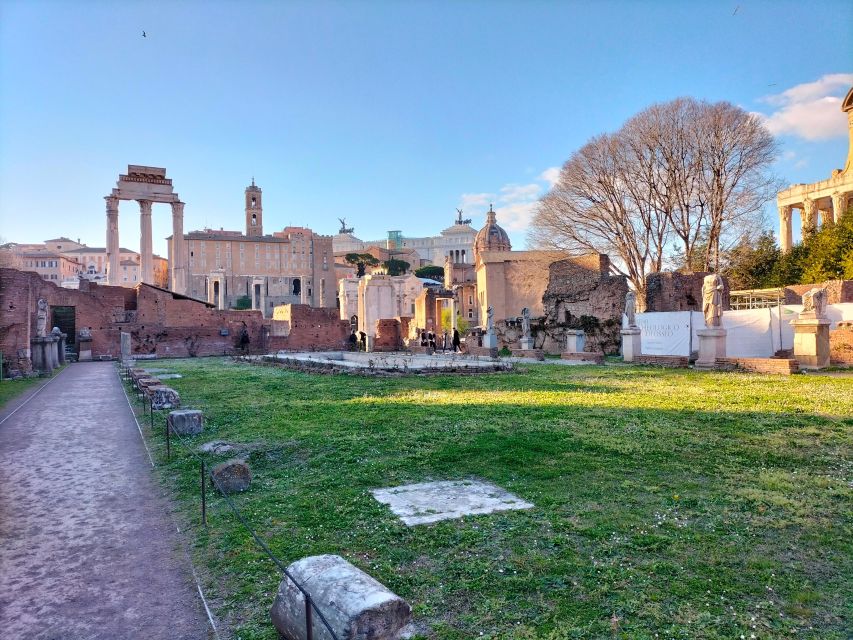
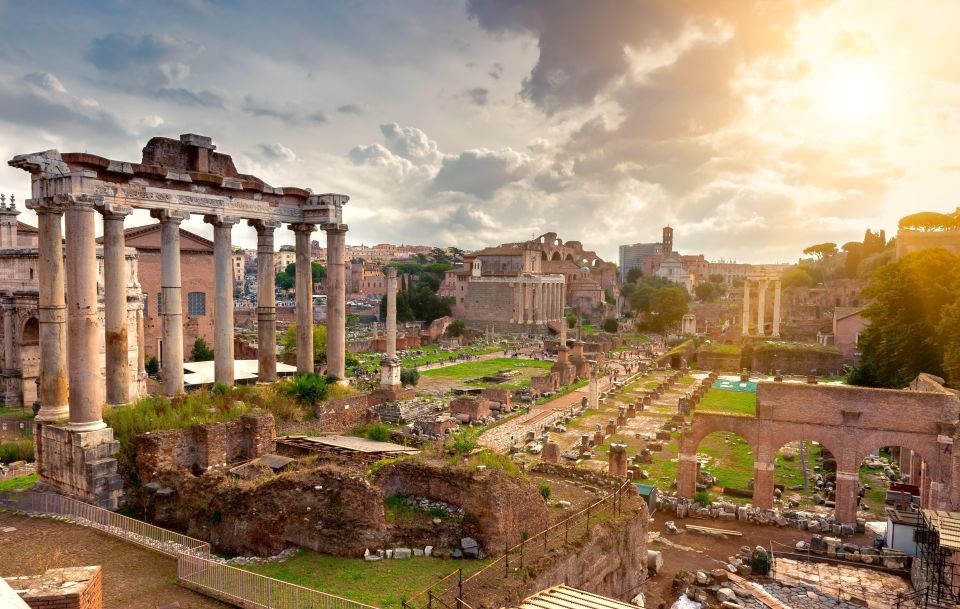
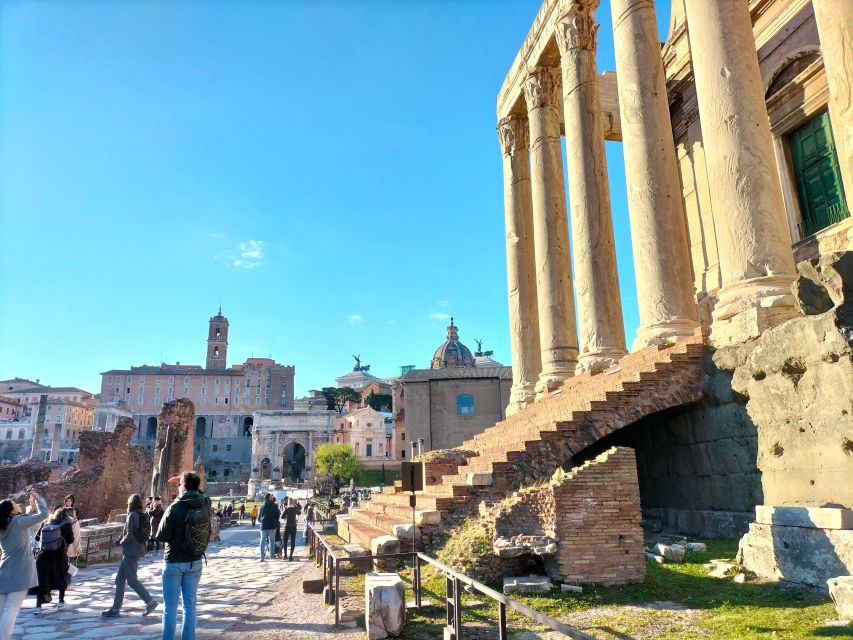
The Roman Forum portion runs around 45 minutes, and it’s where a good guide earns their keep. This is the political center you’ve probably seen in guidebooks as a set of ruins. With context, it stops being random stone and becomes a map of authority.
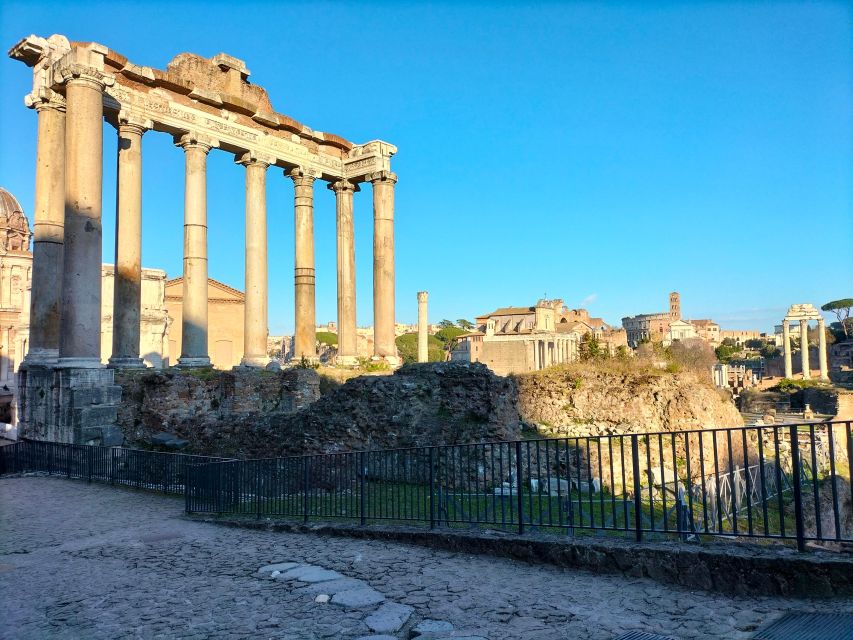
You’ll walk through the remains and hear stories about how ancient Rome operated—who held power, why places mattered, and how the Forum functioned as more than just a dramatic backdrop. The tour’s structure matters here: you leave the spectacle of the Colosseum, climb the imperial story on Palatine Hill, then come down into the Forum. That order (or a possible swap of order, depending on the day) helps you build a mental timeline.
Also, you’ll appreciate any guide who stops to answer questions. Many reviews mention guides taking time to respond and keep the group engaged. That’s especially useful at the Forum, where people often ask the same thing: what am I looking at, and what was it used for?
One caution that’s more about your comfort than your understanding: the terrain can be uneven, and there’s plenty of walking. This tour is not suitable for wheelchair users or people with mobility impairments, so plan accordingly.
How the tour runs: pace, headsets, and photo-friendly pauses
This is a 2.5-hour guided walking tour, which is a sweet spot. It’s long enough to feel like you’re getting real context at three major sites, but short enough that you’re not spending your whole day queued up and confused.
A quick start briefing happens first—there’s a 20-minute guided orientation segment before you head into the main stops. This is handy because it sets expectations: where you’re going, what to look for, and how the guide will keep the story moving.
A few details matter for your day:
- Headsets are included, so you can keep your eyes on the ruins and still hear explanations clearly.
- The pace should include short pauses for photos and questions at key points. Many reviews mention guides making time to let people explore briefly.
- The itinerary order can change. The information says it’s possible you visit the Roman Forum and Palatine Hill before the Colosseum. That’s not a dealbreaker—it can actually help if you prefer to start with views and end at the most iconic structure.
Languages are covered with Spanish, English, German, and French. One review notes that an accent can be hard to understand at times for an English speaker. That’s not the norm from the overall feedback, but it’s a fair reminder to choose a language you’re comfortable with.
You can also read our reviews of more guided tours in Rome


Price and value: what you’re really paying for
At $58 per person for about 2.5 hours, you’re not just buying access to one monument. You’re getting entry tickets for the Colosseum, Roman Forum, and Palatine Hill, plus the guide and headsets.
Value here comes from three places:
- Time saved with skip-the-line ticket handling (while accepting the security-check queue as a reality).
- Interpretation. These sites are impressive on their own, but they’re also confusing if you’re flying blind. The guide helps you connect what you see to what it meant.
- A structured route that stitches the story together: arena → imperial spaces → political heart.
If you love history and want more than a quick photo stop, this price tends to make sense. If you hate walking, or you only want the Colosseum exterior, you might feel like you’re paying for more than you care about. But for most people tackling Rome’s biggest trio, it’s a solid use of a limited trip window.
What to bring (and what to avoid) for a smoother visit
This tour is simple, but it has rules. Bring:
- Passport or ID card (you’ll need it)
- Comfortable shoes (seriously)
Don’t bring:
- Luggage or large bags
- Drones
- Selfie sticks
- Weapons or sharp objects
- Alcohol and drugs
- Sprays or aerosols
- Glass objects
These restrictions aren’t there for fun; they’re part of how security works. If you travel with a bulky daypack, consider downsizing before you leave your hotel. Your future self will thank you when you’re trying to move through lines and checkpoints quickly.
Also, plan to arrive a little early. One review specifically recommends arriving about 20 minutes before your slot, because the meeting point can be tricky to find at first.
Who should book this Colosseum and Ancient Rome tour
This tour is a great fit if you want:
- A guided route through three top sites without spending your time figuring out what’s where
- A sense of the story behind the stones, not just the stones themselves
- Clear audio via headsets so you can focus on what’s in front of you
It’s probably not the best fit if:
- You have mobility limitations or use a wheelchair (the tour is not suitable)
- You’re expecting a fully barrier-free experience
- You want total freedom to wander at your own speed without group structure
If you’re traveling with kids, the format can work well because guides often keep energy up and use explanations in a way that makes the place easier to grasp. Still, your comfort with walking is the deciding factor.
Should you book it? My practical call
Book it if you want your first visit to the Colosseum, Roman Forum, and Palatine Hill to feel like a guided story with skip-the-line convenience and headset audio. The $58 price is easier to justify when you consider you’re getting access to three major sites plus real interpretation, not just a map.
Skip it (or consider another format) if you can’t handle uneven ground, long walking stretches, or you need a very quiet, independent experience. Also, if security lines make you nervous, remember: you’ll still do the metal-detector check, even when ticket lines are handled.
FAQ
How long is the Rome Colosseum and Ancient Rome guided walking tour?
The tour duration is about 2.5 hours.
What is the price per person?
The price is listed as $58 per person.
Does the tour include entry tickets?
Yes. Entry tickets for the Colosseum, Roman Forum, and Palatine Hill are included.
Is skip-the-line entry included?
Yes. Skip-the-line tickets are included, but you still need to pass a metal detector security check, and on busy days there may be a queue for that.
What languages are available for the guide?
The guide is available in Spanish, English, German, and French.
What is the meeting point?
The meeting point may vary depending on the option booked. One listed option includes L.go Gaetana Agnesi, 5. Your exact meeting point is tied to the option you book.
Where does the tour end?
Drop-off locations include the Roman Forum area, listed as Via della Salara Vecchia, 5.
What should I bring and what is not allowed?
Bring a passport or ID card and comfortable shoes. Not allowed: weapons or sharp objects, luggage or large bags, drones, selfie sticks, alcohol and drugs, sprays or aerosols, and glass objects.