REVIEW · ROME
Vespa Sidecar Tour: Highlights of Rome
Book on GetYourGuide →Operated by Luxurbe · Bookable on GetYourGuide
Rome by Vespa feels like a movie scene. In three hours you get tight views of Rome’s big icons—Trevi Fountain, the Colosseum, and more—plus clear commentary through earphones as you glide through traffic-free-feeling alleyways. I like how this tour keeps the group small, so the vibe stays friendly and your guide can actually tailor the pace. I also like the payoff stop at Janiculum Hill, where the ride ends with wide rooftops and sky.
One drawback to keep in mind: most stops are short (think 10–15 minutes), and the route can shift with weather and traffic—so this isn’t a slow, sit-and-stroll kind of tour.
In This Review
- Key highlights you’ll feel on this Vespa sidecar loop
- Vespa Sidecar Tour Rome: how this 3-hour plan gets you oriented fast
- Largo Carlo Goldoni meet-up: what’s included and how it changes your comfort
- Piazza del Popolo and Trevi Fountain: two quick hits with big emotional payoff
- Pantheon pass-by and Piazza Navona: when the stops feel like a guided walking tour—without the walking
- Piazza Venezia, the Jewish Ghetto, and Trastevere side streets: the Rome you don’t get just by sightseeing photos
- Vatican City and Janiculum Hill: the view stop that often steals the whole tour
- Piazza Venezia to Colosseum finale: what to notice as you roll in
- Guide quality matters here: why Matteo is a name to remember
- Price and value: is $113.27 per person a smart deal?
- Who should book this Vespa Sidecar Tour—and who should skip it
- Should you book? My practical take
- FAQ
- How long is the Vespa Sidecar Tour: Highlights of Rome?
- Where do we meet, and does the tour end there too?
- Is pickup from a hotel available?
- Which major sights are included on the route?
- What safety and audio gear is included?
- What languages is the live guide available in?
Key highlights you’ll feel on this Vespa sidecar loop
- Small-group size (max 10) keeps it personal on busy Roman streets
- Earphones + live guide mean you can hear directions and stories over engine noise
- Icon checklist in 3 hours: Popolo, Trevi, Navona, Vatican area, Jewish Ghetto, Trastevere, Colosseum
- Photo stops built in at major landmarks, not just pass-by moments
- Janiculum Hill viewpoint often steals the show, with a chance to catch the 12:00 cannon if timing lines up
- Expert drivers and certified helmets make the ride feel controlled and safe
Vespa Sidecar Tour Rome: how this 3-hour plan gets you oriented fast
If Rome feels like a blur when you first arrive, this is a smart fix. You’re not trying to see everything; you’re getting the shape of the city in a few hours—major landmarks, classic neighborhoods, and the best angles for photos. The sidecar format does something buses and walking tours can’t: you move quickly, but you still feel close to the streets and buildings.
This tour is built around a loop that strings together famous sights and a few less-obvious districts. You’ll start in the historic center, ride past big piazzas, stop briefly at headline attractions, and finish with the Colosseum as your final moment of wow.
The result is a trip that works as either a first-day orientation or a high-energy refresher if you’ve already walked Rome for a while.
You can also read our reviews of more tours and experiences in Rome


Largo Carlo Goldoni meet-up: what’s included and how it changes your comfort
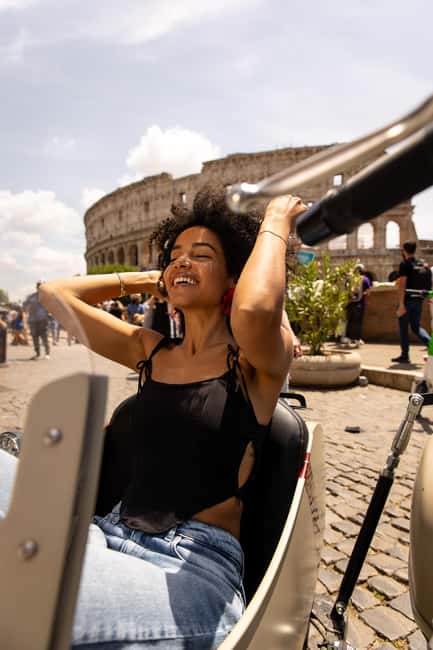
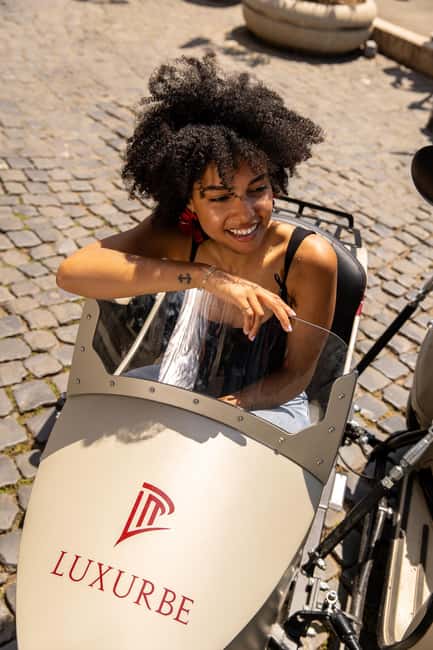
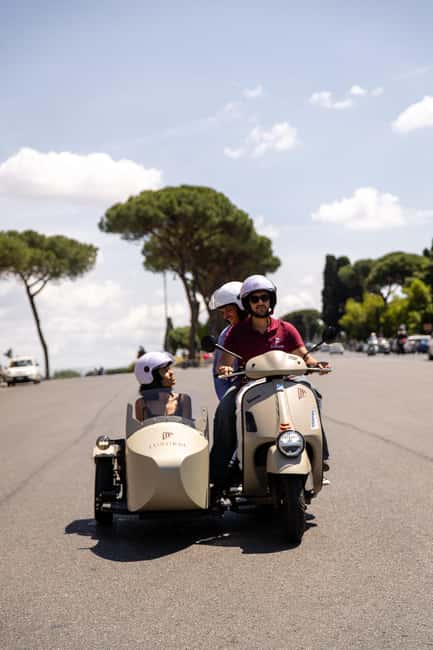
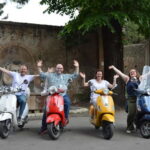
You meet the driver at Largo Carlo Goldoni—and the tour ends back at the same place. The operator uses a signature Luxurbe Vespa-sidecar, driven by an expert. If you pick the hotel pickup option, the driver waits outside your hotel (and Rome traffic can mean a waiting time of up to 20 minutes, depending on timing).
Here’s what makes the ride feel easy for most people:
- Certified helmets are provided (safety gear ready to go)
- Earphones let you clearly hear the driver/guide while moving
- Passenger insurance is included, so you’re covered during the activity
- The group stays small, limited to 10 participants
That combination matters more than it sounds. In Rome, the hardest part of sightseeing is often not the sights—it’s the friction: noise, crowds, and trying to keep everyone together. Earphones help you catch details without stopping the flow every five minutes. Helmets remove the mental load of figuring out safety gear.
Practical tip: wear comfortable shoes with a stable grip. You’ll be on and off the sidecar for brief stops, and you’ll want to move easily in short bursts.
Piazza del Popolo and Trevi Fountain: two quick hits with big emotional payoff
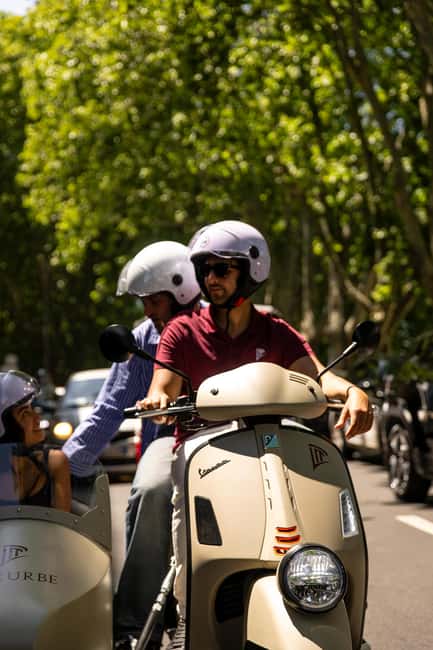
The tour kicks off near Largo Carlo Goldoni and quickly heads toward Piazza del Popolo, where you pass by. This piazza is the grand entrance vibe of Rome—wide, architectural, and instantly recognizable. Even as a pass-by moment (about 10 minutes), it helps you understand where you are in the city’s classic layout.
Then comes Trevi Fountain, with a short guided stop (around 10 minutes). Trevi is one of those places where your first reaction is usually obvious: wow. The tour builds in the classic tradition—there’s time to toss a coin and make a wish.
What you’ll actually get from the guide here is the context. Instead of just photographing a famous fountain and moving on, you’ll have someone pointing out what you should notice and how it fits into Rome’s story.
One consideration: Trevi is busy. The stop is short by design, so plan to prioritize one thing—either a clean photo angle or a slower look—rather than trying to do everything at once in a few minutes.
Pantheon pass-by and Piazza Navona: when the stops feel like a guided walking tour—without the walking
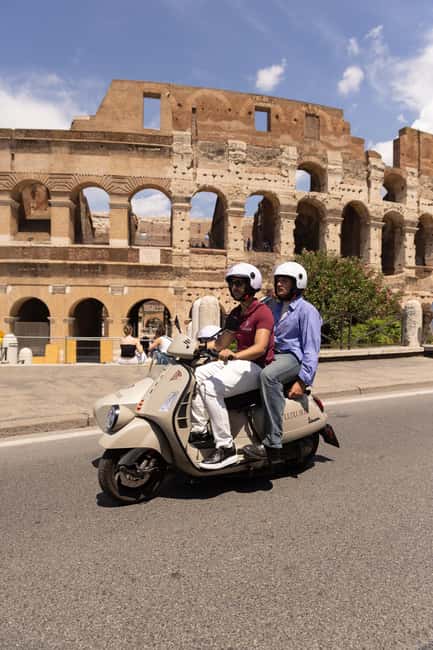
After Trevi, you head toward the Pantheon area. The Pantheon itself is passed by (about 15 minutes). You won’t be doing a long indoor visit here, so it’s not a substitute for a full Pantheon experience. But it’s still valuable because the guide will help you notice how the monument sits in the broader streetscape.
Then you reach Piazza Navona for a guided stop (about 15 minutes). This is where the tour’s “intimate” style comes through. Navona is known for its lively atmosphere, and the tour connects it to Bernini’s Fountain of the Four Rivers.
Even with brief timing, Piazza Navona works well on a moving itinerary because:
- it’s visual—easy to appreciate while you’re paused near the action
- it has layers of baroque art and street energy that a guide can explain quickly
- it’s a place where you naturally wander a bit without committing to a long schedule
If you’re the type who likes to ask questions, Navona is a good moment to do it. The short guided time keeps it focused, but it’s long enough to get a few answers and still enjoy the square.
Piazza Venezia, the Jewish Ghetto, and Trastevere side streets: the Rome you don’t get just by sightseeing photos
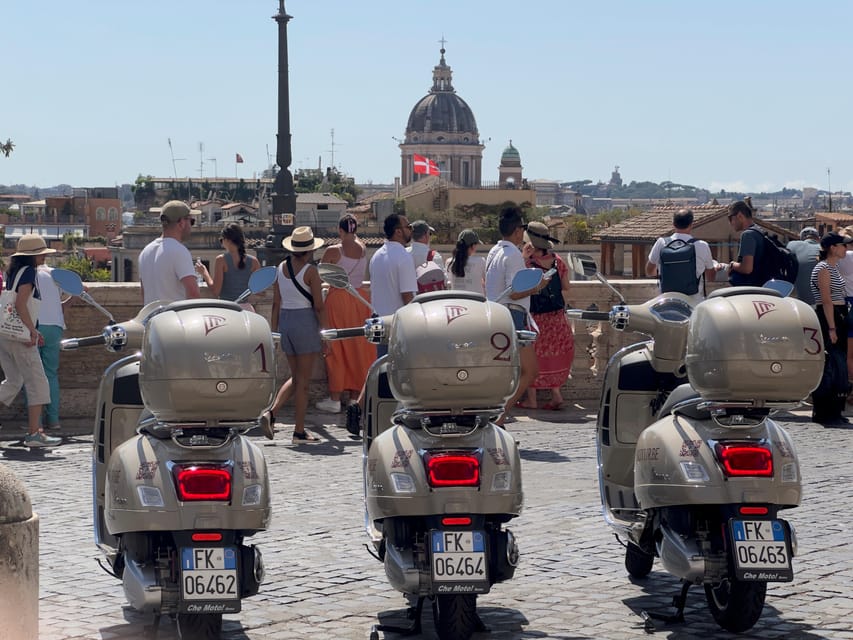
A big strength of this tour is that it doesn’t end after the headline list. You’ll pass Piazza Venezia (guided stop around 10 minutes) and see the imposing Altar of the Fatherland area.
From there you move into the Jewish Ghetto, with a guided stop of about 15 minutes. This part changes the tone. The streets feel more neighborhood-like, and the guide’s stories can help you place what you see into a wider timeline.
Next up is Trastevere (guided stop around 10 minutes). You’re not getting a deep dive here. But you are getting a taste of the district’s personality—enough to make you want to come back later for a slower evening walk and dinner.
One small reality check: because the tour is compact, you’ll experience these areas in bursts. That’s intentional. If your goal is to learn every detail of one neighborhood, you’ll still want separate time on foot. But if your goal is to sample the city’s variety, this is exactly the right format.
You can also read our reviews of more tours and experiences in Rome
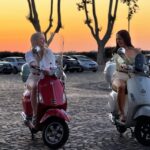

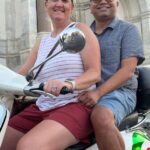
Vatican City and Janiculum Hill: the view stop that often steals the whole tour
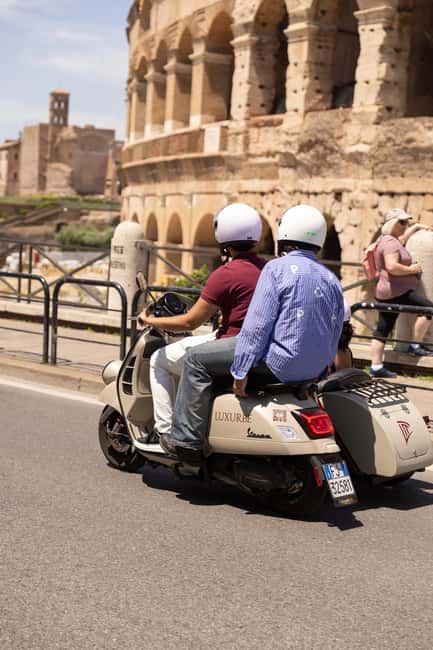
As you continue toward the Vatican, you’ll reach St. Peter’s Square (the heart of Vatican City). The tour includes a guided stop of about 15 minutes at Vatican City, plus a short pause to take it in.
This is a good example of why the sidecar format works for Rome. You get to cover distance quickly, which matters when the city is congested or when you want multiple iconic stops in a limited time window.
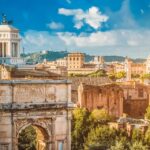
Then you climb to Janiculum Hill for a guided stop of about 10 minutes. This is one of the best panoramic terraces in Rome, and it’s where the tour tends to feel like it pauses just long enough for your brain to catch up. You get rooftops, domes in the distance, and the “oh, this is the whole city” perspective.
A detail I love from guide storytelling: if timing works out, you might catch the 12:00 cannon tradition associated with Janiculum Hill. It’s not guaranteed by the tour description, but if your schedule lands near noon, it can be a memorable add-on.
The main drawback to note: if the day is windy or chilly, panoramic stops can feel bracing. Helmets are included, but your comfort still depends on weather, since you’ll be outside for a short while.
Piazza Venezia to Colosseum finale: what to notice as you roll in
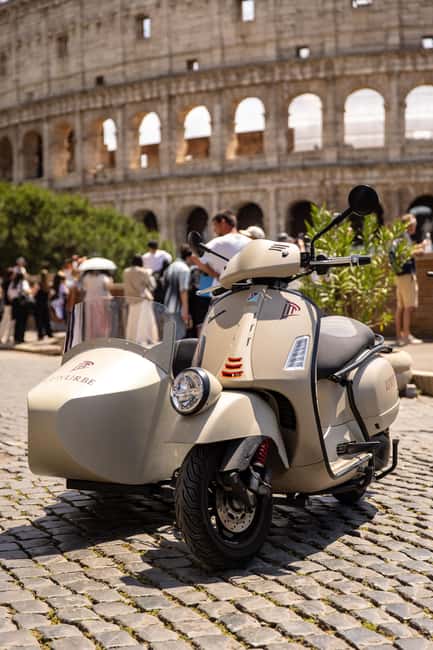
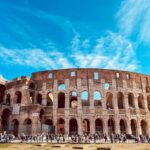
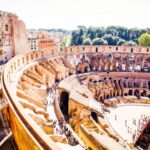
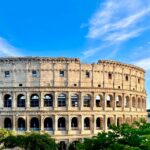
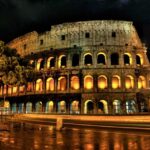
The tour ends with a final guided moment at the Colosseum (about 15 minutes), one of Rome’s most iconic monuments. You’ll also see it as a kind of emotional payoff: after fountains, piazzas, and viewpoints, the Colosseum lands as a big statement about Roman spectacle and imperial power.
What I think is smart about the timing: you’re not rushing straight to the Colosseum and losing the rest of the context. By the time you arrive, you’ve already gathered the “Rome map” in your head—so your guide can connect sights and streets to a bigger picture.
You’ll also have photo stops at iconic landmarks throughout the tour. That doesn’t mean every shot will be perfect (Rome is Rome), but it does mean the tour is designed so you’re not guessing when you should stop for photos.
Guide quality matters here: why Matteo is a name to remember
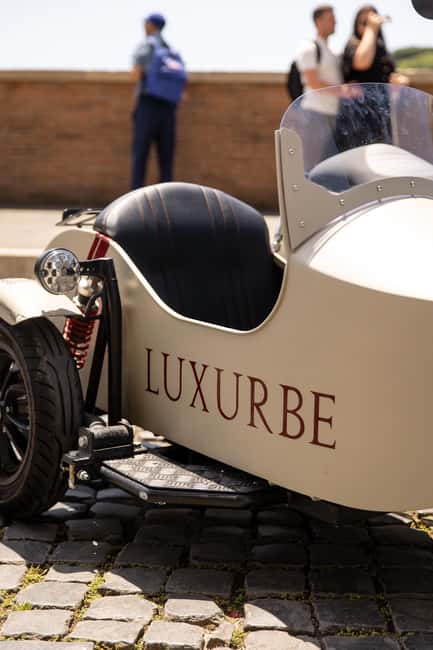
The tour’s success depends heavily on the guide’s pacing and tone, because the time at each stop is brief. One guide name that stands out from past experiences is Matteo. The way he’s described—welcoming, passionate, and willing to add small surprises—signals what you should look for: explanations that make you look twice, plus practical timing that keeps the group moving.
Another theme you’ll likely benefit from is adaptability. One group experience noted the guide modified the tour to match their needs. That doesn’t mean the itinerary becomes random. It means the guide is paying attention to what your group can handle and how long certain moments need.
If you’re the type who enjoys stories—why something exists, not just that it exists—this tour leans in that direction.
Price and value: is $113.27 per person a smart deal?
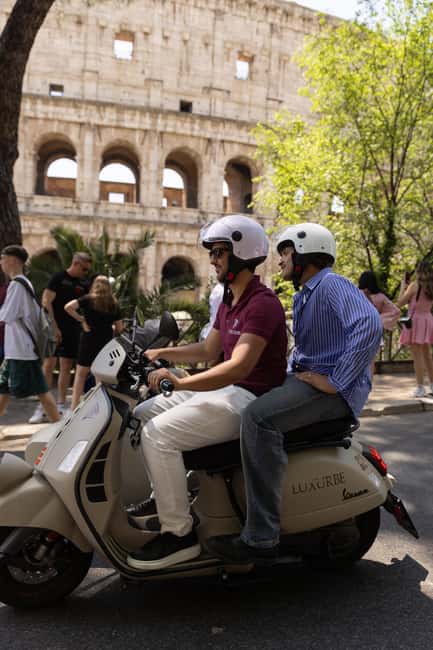
At $113.27 per person for a 3-hour small-group ride, you’re paying for convenience plus guided storytelling. What you get that you might otherwise have to buy separately:
- a live guide in Italian, English, or Spanish
- earphones (so you actually hear the guide while moving)
- certified helmets and passenger insurance
- transportation by Vespa-sidecar through key central areas
- photo stops at major landmarks
You’re also getting a format that can compress a lot of Rome into one clean morning or afternoon block. If you only have a short visit, this can be a good value because it reduces the number of decisions you need to make. Instead of juggling transport, route planning, and where to spend your limited time, the tour handles the flow.
That said, the value depends on what you want from Rome. If you want long museum time, ticket lines, and detailed neighborhood immersion, you’ll likely prefer walking tours and separate visits. If you want the highlights, orientation, viewpoints, and quick guided explanations in one shot, this price starts to feel reasonable.
Who should book this Vespa Sidecar Tour—and who should skip it
This tour is a great match if you:
- want a first-day Rome overview
- like photo stops but don’t want to spend the whole day walking
- enjoy local stories and quick context
- prefer a small group (max 10) over a big crowd
It’s less ideal if you:
- need long time at each landmark (most stops are 10–15 minutes)
- get uncomfortable in windy street conditions or on a moving vehicle (you’ll be outside at multiple stops)
- fall outside the age suitability: it’s not suitable for children under 2 and not suitable for people over 95
Also, keep in mind that the itinerary may vary with traffic, weather, or special events. That flexibility helps the tour function smoothly, but it means you should stay open-minded rather than schedule other strict plans right after.
Quick packing thought: bring a light layer for wind, and keep essentials easy to reach for short stops.
Should you book? My practical take
Book it if you want the Rome highlights with a guide, from a perspective that feels fun and efficient. The combination of small group, earphones, helmets, and a tightly planned loop makes it a strong option for travelers who want orientation plus iconic sights without spending hours figuring out routes.
Skip it (or pair it with more time on foot) if you crave slow, deep visits at one or two places. The Colosseum, Trevi, Navona, and Vatican area are all big moments here—but they’re brief by design.
If your travel style is: see a lot, learn a bit, get great photos, and still have energy left for dinner, this Vespa sidecar tour is a very sensible bet.
FAQ
How long is the Vespa Sidecar Tour: Highlights of Rome?
The tour lasts 3 hours.
Where do we meet, and does the tour end there too?
You meet the driver at Largo Goldoni. The tour ends back at the same meeting point.
Is pickup from a hotel available?
Pickup is optional. The Vespa-sidecar driver will wait for you outside your hotel if you select the pickup option. Due to traffic conditions, there may be a waiting time of up to 20 minutes.
Which major sights are included on the route?
You’ll have the chance to visit or pass by places including Piazza del Popolo, Trevi Fountain, Pantheon, Piazza Navona, Piazza Venezia, St. Peter’s Square/Vatican City, the Jewish Ghetto, Janiculum Hill, Trastevere, and finish with a guided stop at the Colosseum.
What safety and audio gear is included?
The tour includes certified helmets, earphones so you can clearly hear the driver/guide, and passenger insurance.
What languages is the live guide available in?
The live tour guide is available in Italian, English, and Spanish. The tour is not suitable for children under 2 years, and it is not suitable for people over 95 years.