REVIEW · ROME
Catacombs of Saint Agnes Entry Ticket & Guided Tour
Book on GetYourGuide →Operated by OPERA ROMANA PELLEGRINAGGI · Bookable on GetYourGuide
St Agnes waits below Rome’s streets. This 30-minute tour packs a lot into a short time, with an official guide and a story that starts in the third century and keeps changing as popes and pilgrims added layers of devotion. I really like that you get smartphone ticket entry, which keeps the start smooth, even when you’d rather not spend time fussing.
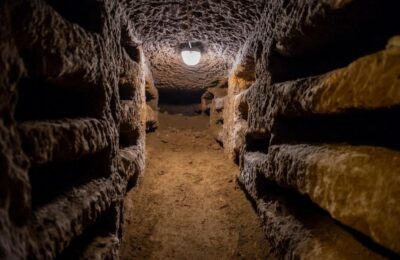
One thing to take seriously: this visit goes about 9 metres underground, and it’s not a good match for claustrophobia or mobility limits.
In This Review
- Key highlights to look for
- Saint Agnes in the 3rd Century: what the guide teaches fast
- 30 minutes underground: how the tour flows
- From the ticket office to the descent: practical timing tips
- The hypogeum origins and how Agnes’s tomb shaped the network
- Marble slabs, papal inscriptions, and early sacred art
- Price, rules, and who this $16 visit is best for
- Should you book the Catacombs of Saint Agnes tour?
- FAQ
- How long is the Catacombs of Saint Agnes guided tour?
- What does the ticket include?
- Where do I meet for the tour?
- How early should I arrive?
- Can I show my ticket on my smartphone?
- Is the tour suitable for claustrophobia or mobility issues?
Key highlights to look for
- Official guide focus: you’ll hear the history of Saint Agnes and how the catacombs formed over time
- Fast 30-minute pacing: enough time for the key sights without turning into a long slog underground
- Smartphone-ready tickets: get your pass by email and show it on your phone
- Saint Agnes’s story, age 12 martyrdom: the guide connects the tomb to centuries of veneration
- Noticeable early art and inscriptions: marble slabs and papal text are part of what you’ll be pointed toward
Saint Agnes in the 3rd Century: what the guide teaches fast
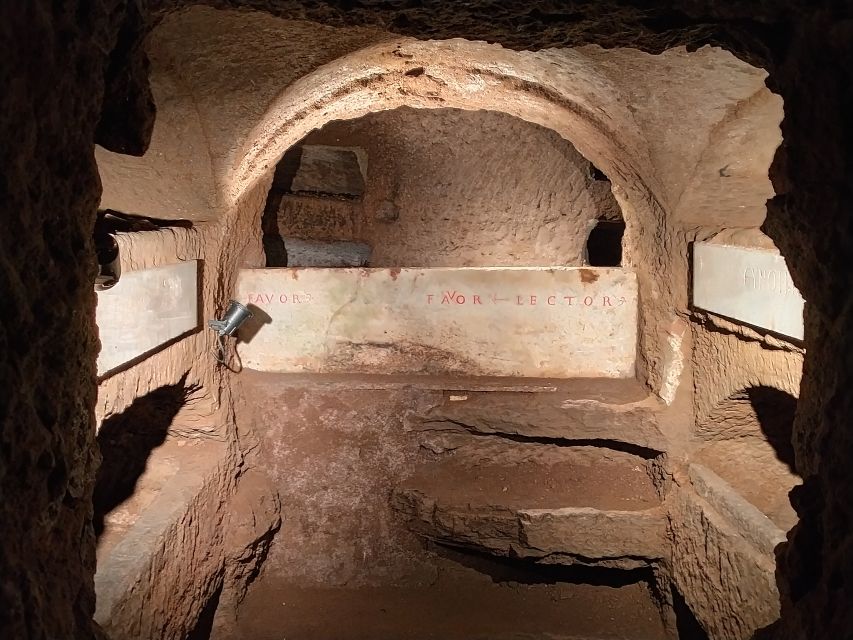
The Catacombs of Saint Agnes center on one of Rome’s best-known Christian martyrs. The guide frames her as a young person whose martyrdom is linked to late Roman persecutions (often discussed around the time of Decius or Valerian, with other scholars placing the events in the era of Diocletian). You’ll learn that Saint Agnes died at just 12 years old, and that Pope Damasus later referred to a dramatic detail: a stake in which the saint would have thrown herself.
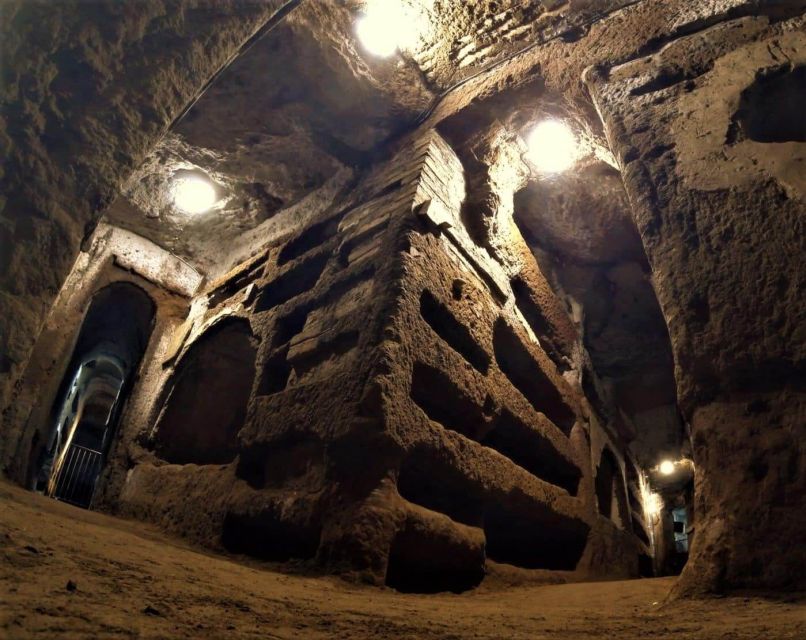
What I like most is how the story isn’t treated like a single moment. It becomes a chain reaction. After her death, her body was placed in a hypogeum (an underground family burial space) owned by her family, on the left of Via Nomentana. That matters because it explains why the catacombs didn’t appear out of nowhere. There was already a surface necropolis nearby, with individual tombs and mausoleums—and once Agnes’s venerated burial was added, a larger underground community network took shape.
In a short tour, this kind of framing helps you “read” what you see. Instead of treating the corridors as spooky decoration, you understand them as a living religious memory—kept, expanded, and retold by later generations.
You can also read our reviews of more tours and experiences in Rome



30 minutes underground: how the tour flows
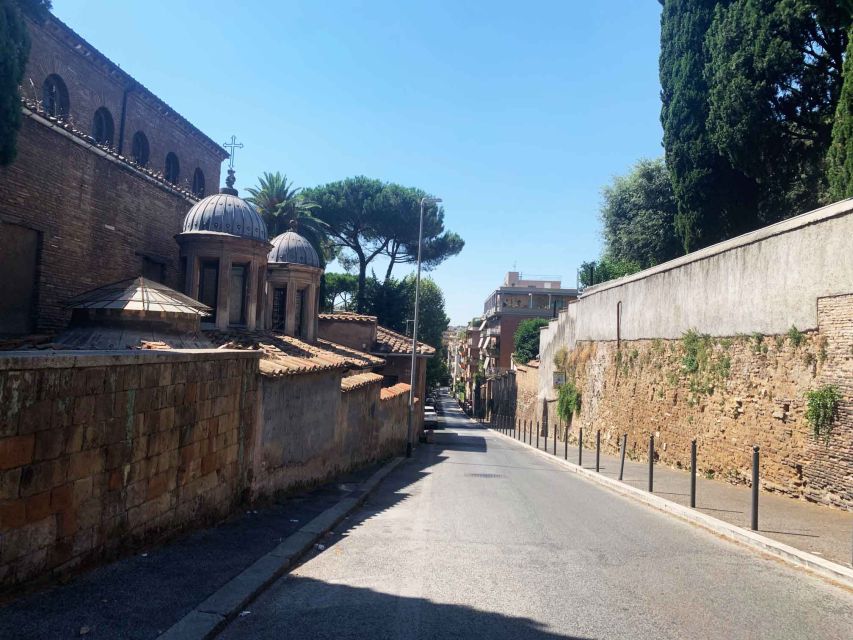
This isn’t a long, slow wandering session. The format is a 30-minute guided visit, which is a practical choice. You’ll get the main story beats and the key places to look, without feeling like you need to plan your whole afternoon around underground time.
You can expect the guide to connect four themes as you move through the catacombs:
- Origins: Agnes’s hypogeum burial and the earlier necropolis nearby
- Growth: how the venerated tomb became the anchor for a wider catacomb community network
- Commemoration: how popes changed or enhanced what was remembered at the tomb
- Devotion over time: how later worship encouraged more buildings and beautification above ground
The experience is designed to be understandable even if you’re not a scholar. You’ll get context for why a specific tomb mattered and why certain details (like inscriptions or decorative elements) were added later. That’s the kind of guidance you want underground, where there’s less to “figure out” on your own than in a typical museum room.
If you’re the kind of visitor who likes structure, this duration works well. If you were hoping for an hour-plus exploration where you stop and study everything at leisure, you may wish it lasted longer.
From the ticket office to the descent: practical timing tips
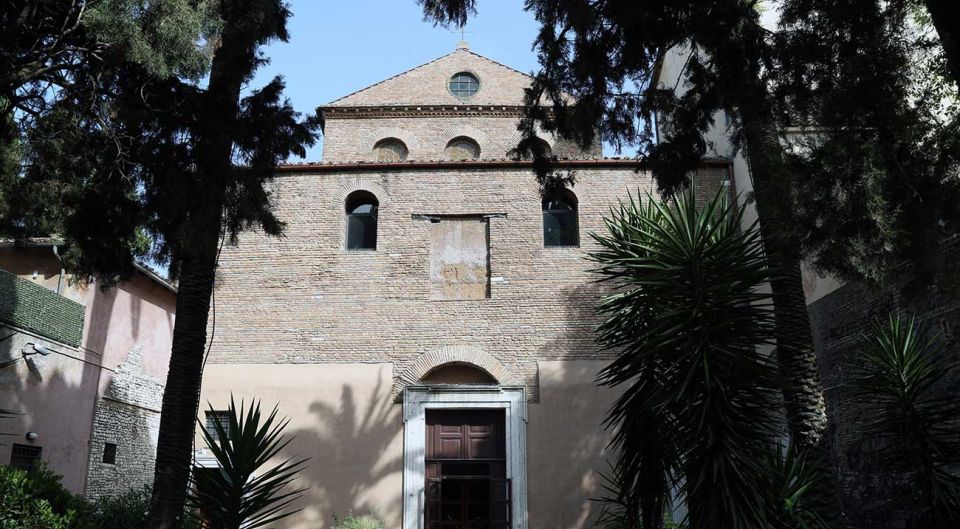
Start is simple, but you must be on time. Go directly to the catacomb ticket office and show your reservation at least 10 minutes before your scheduled tour. Don’t try to arrive late and wing it—this is a timed entry setup, and the whole point is that the visit is short.
You’ll also want to come prepared for the practical rules of underground sites:
- No cameras
- No oversize luggage
- Comfortable shoes and clothes that work for walking on enclosed paths
For logistics, I like that you can receive tickets by email and show them on your smartphone. That cuts down on the “where is my printout?” stress. It also helps if you’re pairing this with other sights in Rome where you don’t want one more ticket-management chore.
One more practical note: because the route goes roughly 9 metres underground, your headspace matters. The space may not feel physically tight, but the idea of going deep can still trigger anxiety for some people. If that’s you, skip this tour and choose something above ground.
The hypogeum origins and how Agnes’s tomb shaped the network
The guide’s history lesson has a clear payoff: it explains why Saint Agnes’s burial location is the seed for the catacombs.
After Agnes’s martyrdom, her body was placed in a family-owned hypogeum. This hypogeum sat near Via Nomentana, to the left side of the road. There was already a surface necropolis there, with individual tombs and mausoleums, so the area wasn’t empty land waiting for a religious landmark. Instead, Agnes’s burial added a powerful focal point to an existing burial landscape.
From that starting point, a much larger catacomb system developed. The logic is straightforward. When a site becomes venerated, people come to remember. Over time, more burials, access routes, and commemorative elements grow around the main devotional center. That’s why the catacombs feel like a network, not one single tunnel.
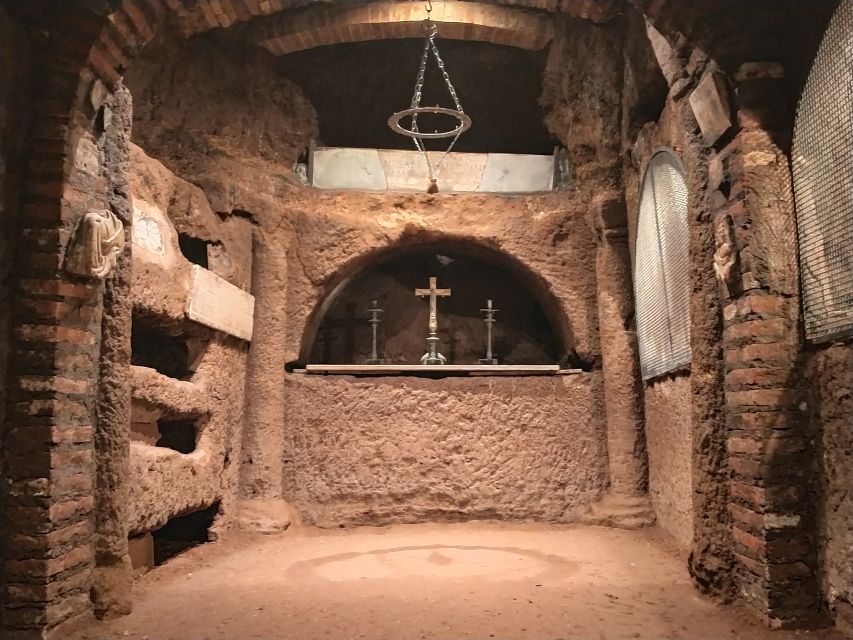
A key detail you’ll hear is that the tomb of Agnes became the object of special attention. At the time of Pope Liberius, Agnes’s tomb was decorated with marble slabs. One of those slabs is believed to be the one currently exhibited in the entrance staircase of the “honorian” basilica. The guide may also point you to how the design shows a young girl in a prayerful posture, framed by panels with geometric motifs. Even if you can’t see everything at once, learning what the carvings represent changes how you look at the surrounding stonework.
Marble slabs, papal inscriptions, and early sacred art
This is where the tour stops feeling like a generic underground history stop and starts feeling personal. You get the sense that real people—popes, patrons, and worshippers—kept returning to the same memory and reworking how it was presented.
Two papal interventions are highlighted in the story:
- Pope Liberius decorated Agnes’s tomb with marble slabs
- Pope Damasus added an inscription dedicated to the martyr, with the inscription now posted in the staircase
That inscription detail is useful because it tells you the devotion didn’t just live underground. The “message” of Agnes was carried and displayed as the centuries passed and as worship spaces evolved.
And then there’s the broader artistic context. The devotion also shaped what appeared on the surface. The guide explains that Romans’ deep devotion contributed to embellishing Agnes’s sanctuary with buildings above ground. Nearby, perhaps on imperial property, a basilica in a Roman circus shape with an atrium was built on the behest of Constantine (or Constance)—notably Constantine’s daughter, who was a strong devotee of Agnes. Later, Honorius I raised the current basilica on Via Nomentana. That basilica is described as semi-underground, reachable from a majestic staircase, with interior features including a narthex, three naves, and a women’s gallery.
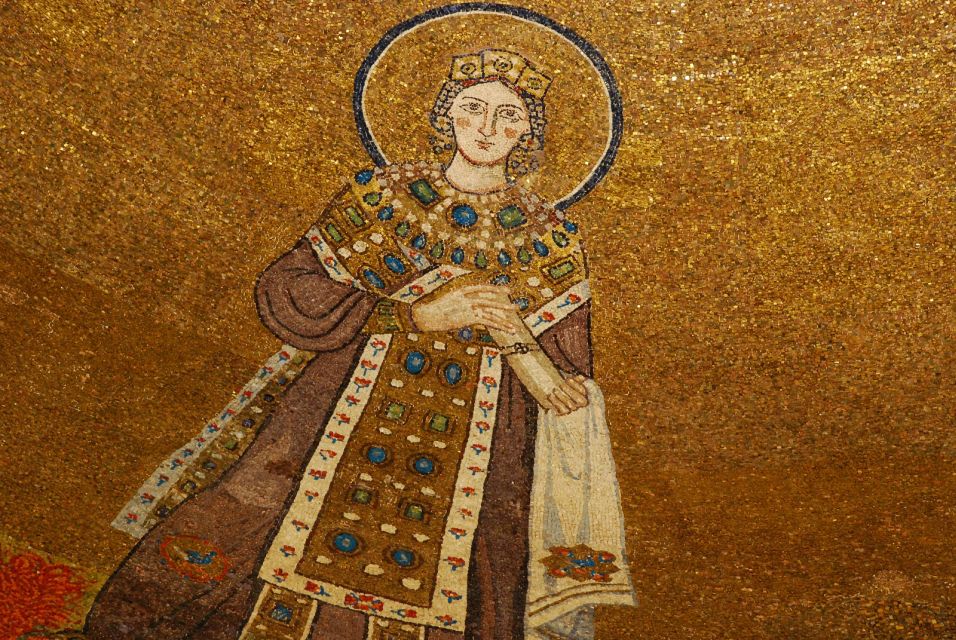
What about art? The tour context includes a standout: a mosaic in the apse that represents Agnes between Pope Honorius, who carries a model of the church, and likely Pope Symmachus. You might not study every architectural detail during the catacomb portion, but hearing how the iconography connects to the tomb makes the whole site feel like one ongoing project of belief and memory.
You can also read our reviews of more guided tours in Rome






Price, rules, and who this $16 visit is best for
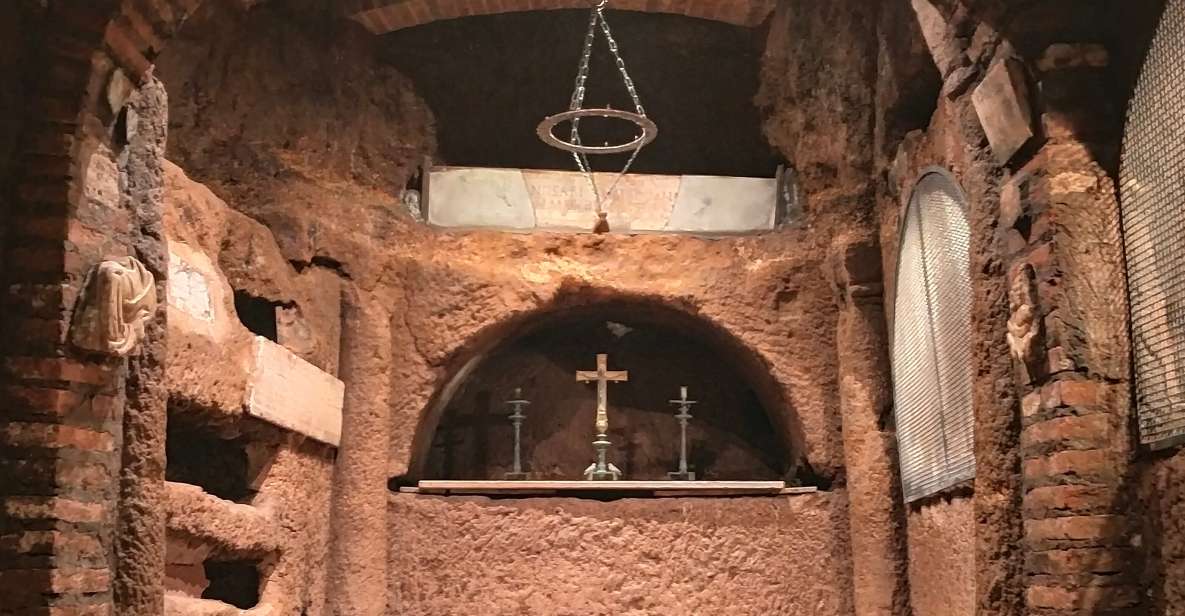
At about $16 per person for a 30-minute guided tour, you’re paying for three things: interpretation from a guide, an official entry, and a smooth timed experience that avoids ticket-line headaches. Add in that your tickets can be delivered by email and shown on your phone, and the value gets easier to justify—especially if you’re trying to keep your Rome schedule tight.
What’s included:
- Entry ticket
- Guided tour with an internal official guide in your chosen language (English, Italian, or French)
- Booking fees
What’s not included:
- Transportation to or from the catacombs
- Hotel pickup/drop-off
- Food and drink
The short duration makes this a good “connector” activity. It fits well if you want a serious religious-art history moment without sacrificing half your day.
Who it suits best:
- You like Christian history with clear storytelling
- You want an efficient, guided underground visit
- You’re comfortable walking on enclosed routes and following site rules
- You prefer guided context over self-guided guessing
Who should reconsider:
- If you have mobility impairments (the tour is not suitable)
- If you’re claustrophobic, even if you think you might handle it. The route goes down to around 9 metres underground, and that mental factor matters.
Should you book the Catacombs of Saint Agnes tour?
Yes—with the right expectations. Book it if you want a guided, time-limited visit that explains how Saint Agnes’s tomb grew from a family hypogeum into a larger catacomb world, and how later popes and patrons helped shape what people remember. The official guide and the structured 30 minutes are a strong match for travelers who want value and clarity, not an all-day commitment.
Skip or switch plans if underground spaces make you anxious, or if mobility is an issue. Also, remember the site rules: no cameras and plan for comfortable shoes.
If you’re unsure where this fits, think of it as a focused chapter in Rome’s Christian story—short, specific, and easier to enjoy when you’re not fighting anxiety about being deep underground.
FAQ
How long is the Catacombs of Saint Agnes guided tour?
The tour runs for 30 minutes.
What does the ticket include?
It includes entry, a guided tour with an internal official guide in your chosen language, and booking fees.
Where do I meet for the tour?
Go directly to the catacomb ticket office.
How early should I arrive?
Show your reservation at least 10 minutes before the scheduled tour.
Can I show my ticket on my smartphone?
Yes. Your tickets can be delivered by email, and you show them on your smartphone.
Is the tour suitable for claustrophobia or mobility issues?
No. It is not suitable for people with claustrophobia or mobility impairments.