Ostia Antica is a Roman ruin with real breathing space. What I love most is the simple train ride from Rome, plus a live English guide that makes the site feel understandable fast.
The second thing I like is the vibe: it’s designed for smaller groups, so you’re not stuck behind a wall of selfie sticks. One thing to consider is the walking: you’ll want comfortable shoes, and it’s not suitable for wheelchair users or people with mobility impairments.
Here’s the trade-off: you get less “wow” spectacle than Pompeii, but you get something I think is better for most people—an easier, closer day trip with a working-city feel. And yes, you can tack on beach time at the end if you want that sea-breeze break from archaeology.
In This Review
- Key highlights you’ll feel right away
- Ostia Antica vs Pompeii: why this day trip makes sense
- Getting there from Rome: Piramide Metro to the ruins
- The guides make the difference: humor + clarity in English
- Step-by-step itinerary: what happens during those 3.5 hours
- Start in Rome: Caffé Piramide meeting point
- Train transfer: about 25 minutes each way
- Ostia Antica on foot: 2.5 hours of ruins with meaning
- What you’ll actually see: baths, amphitheater, temples, and the port-town feel
- The baths: why they’re a highlight
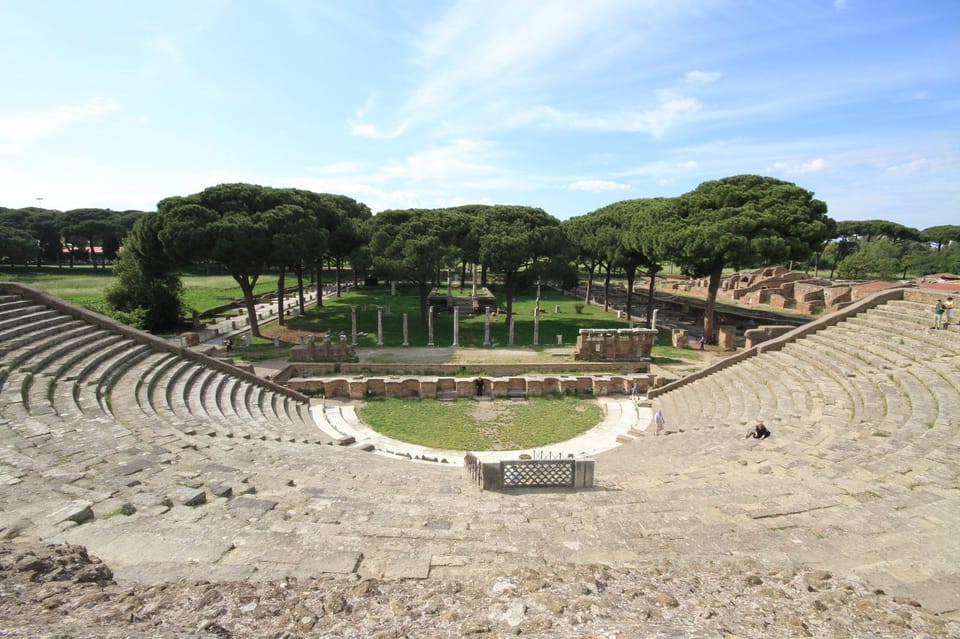
- The amphitheater: entertainment with a purpose
- Temples and Mithraic sites: religion you can read in stone
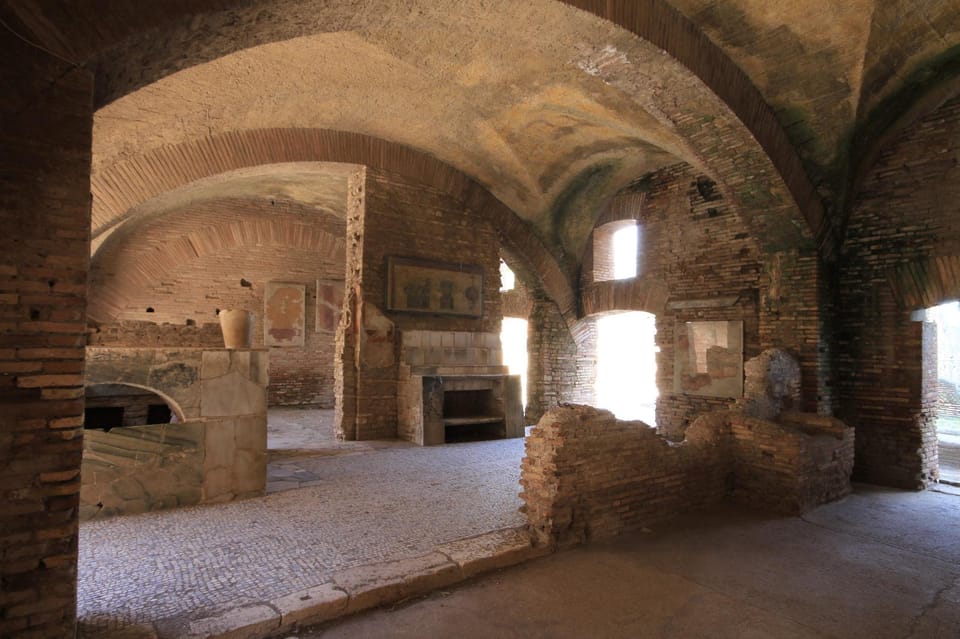
- Apartment complexes and everyday spaces
- The tour vibe: smaller groups, shade, and an easy way to enjoy the day
- Beach time after the ruins: how to keep the day from feeling too heavy
- Money and value: what $68 buys you (and why it’s fair)
- What to bring: your comfort kit for Ostia Antica
- Who this tour suits best (and who should skip it)
- Should you book Ostia Antica with an English guide and transfer?
- FAQ
- FAQ
- How long is the Ostia Antica guided tour with transfer?
- Where do I meet the guide in Rome?
- How do I get to Ostia Antica from Rome?
- Does the tour include train tickets and entrance fees?
- Is this tour in English?
- What ruins and sights will I see during the tour?
- Will I be able to keep exploring after the guided portion?
- Is food included?
- What should I bring to make the day more comfortable?
- Is the tour suitable for wheelchair users or people with mobility impairments?
Key highlights you’ll feel right away
- 25-minute train transfer from Rome to the port town area, so the day doesn’t eat your whole schedule
- English mother-tongue live guide who tells the story in a clear, funny way (Sean, Janelle, and Mike are among the guides people get)
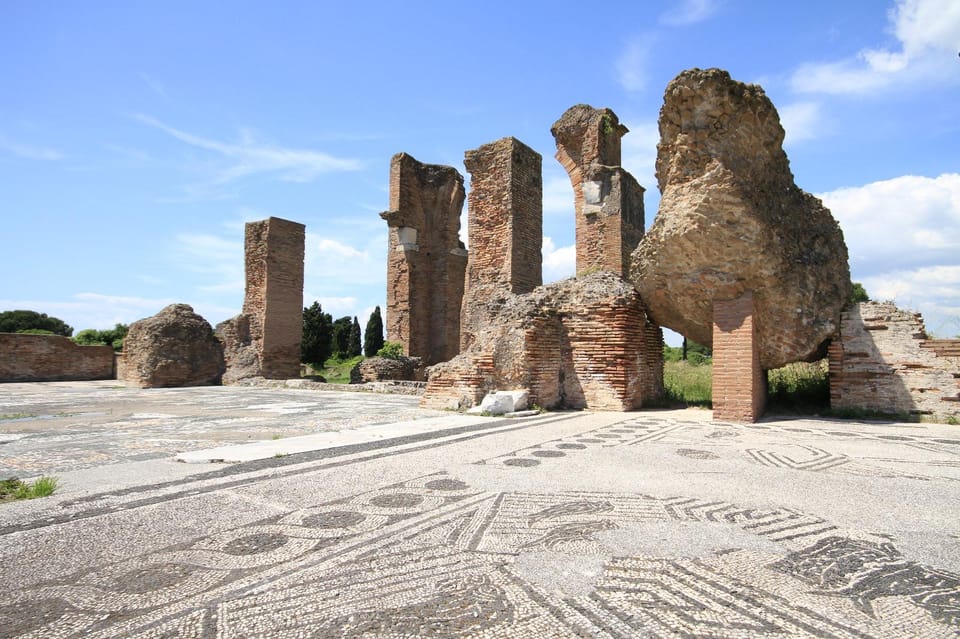
- 2.5 hours on site covering baths, an amphitheater, temples, and the forum areas
- Less-crowded experience with small/private group energy, plus shade and enough bathrooms
- Mithraic temples and everyday life details, including what people ate, worshipped, and how the town functioned
- Easy add-on to Ostia Beach for a swim, lunch, and shops/restaurants
Ostia Antica vs Pompeii: why this day trip makes sense
If you’re trying to pick between the big Roman ruin names, Ostia Antica has a strong logic. This tour practically leans into three advantages: the site is much closer (about 25 minutes by train from Rome city center), it’s a better example of a real, day-to-day working-class port town, and the overall trip tends to feel less crowded than the most famous choice.
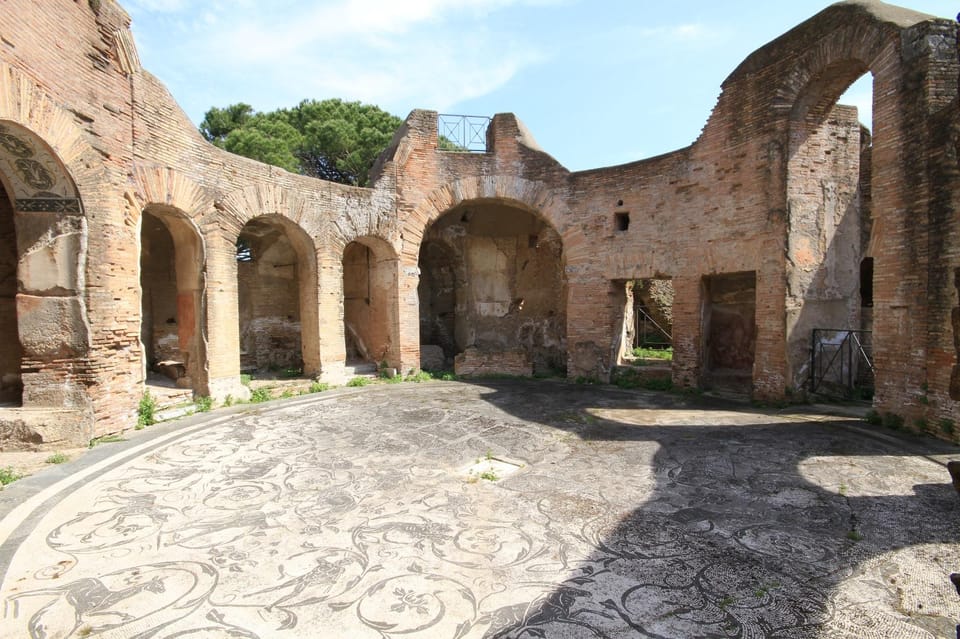
What that means for you on the ground: Ostia doesn’t ask you to “imagine” what a city looked like. You walk through it. You see the apartment-like structures and the bones of streets, so it feels like a place where people lived and worked—not just a museum of dramatic disaster.
And you’re not stuck on a long, exhausting timeline. At the end of 3.5 hours, you can still be yourself: eat, wander, or head toward the beach for a swim and an easy lunch. That flexibility is part of the value, not a bonus.
You can also read our reviews of more guided tours in Rome



Getting there from Rome: Piramide Metro to the ruins
The tour starts in Rome at Caffé Piramide, right in front of the café under the BAR T sign, next to Piramide Metro Station. You meet there, then the group heads out together.
The transfer is part of why this works as a day trip. You’ll take a round-trip train from Rome, and the ride to the area takes about 25 minutes. While you’re on the train, your guide sets context: the geography of the region, Ostia’s role as Rome’s port, and how this town rose during the Imperial era.
Practical take: treat the train time as part of the experience. If you show up with a little patience and water, you’ll feel less rushed the moment you step into the ruins.
The guides make the difference: humor + clarity in English
This is a live English tour led by a mother-tongue guide. The best reviews point to a very specific style: guides who can talk like a walking guidebook, but also know when to add humor and human details.
You may meet guides like Sean, Janelle, or Mike (names people have experienced). The common thread: enthusiasm that doesn’t turn into a lecture. People loved how the guide brought the site to life with clear explanations and stories about how people lived, worshipped, and spent time.
For you, that matters because Ostia Antica can feel like “lots of stone rooms” if you’re moving on your own. With a guide, the same walls start to make sense fast: baths aren’t just baths, temples aren’t just temples, and the amphitheater isn’t just a seating bowl.
One more detail I’d take seriously: the tour is timed for about 2.5 hours on site after the train. That means the guide can explain without rushing every single moment.
Step-by-step itinerary: what happens during those 3.5 hours
Let’s break down the flow so you know where the time goes.
Start in Rome: Caffé Piramide meeting point
You begin at Caffé Piramide near Piramide Metro. The guide meets you at the café entrance area, under the BAR T sign. Arriving 5–10 minutes early helps. You want to start with your shoes on and your water ready.
You can also read our reviews of more city tours in Rome






Train transfer: about 25 minutes each way
The transfer isn’t just transit. Your guide uses it to frame what you’re about to see—Ostia’s position near the Mediterranean, its port function, and how the town fits into the broader Roman story.
On the way back, you’ll likely feel the site more clearly in your head. It’s a good moment to connect the dots before you hit Rome again.
Ostia Antica on foot: 2.5 hours of ruins with meaning
This is the main event. You’ll spend over 2.5 hours exploring with your guide, moving through key areas including:
- Baths (one of the best parts of the site)
- Amphitheater
- Temples, including Mithraic temples
- Forum areas with temples
- Residential and street-level remains, including apartment-like complexes
- A “bygone restaurant” stop in the tour narrative, plus stories about taverns and even the town’s more uncomfortable aspects of urban life (like brothels)
The pacing matters. Ostia is large, and 2.5 hours is enough to see the highlights without turning it into a sprint.
If you want to stay longer, you’re welcome to continue exploring on your own after the guided portion ends.
What you’ll actually see: baths, amphitheater, temples, and the port-town feel
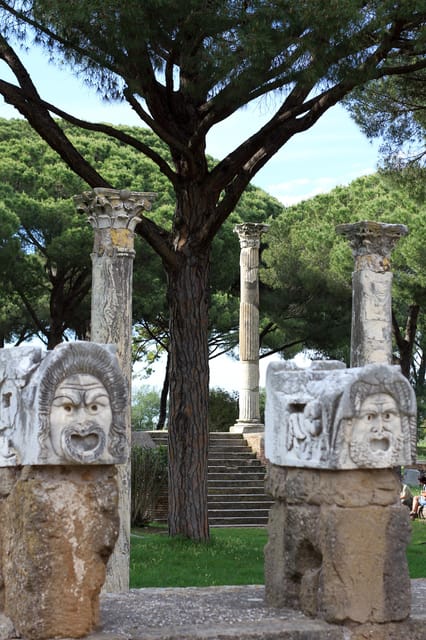
Ostia Antica is often praised for being one of Italy’s best-preserved ancient sites. On a guided tour, you don’t just “see” the ruins—you learn what each space likely meant in daily life.
The baths: why they’re a highlight
Roman baths were social spaces, not just hygiene stops. When your guide points out bath areas, you get a clearer picture of how routine and leisure worked together. In a working city like Ostia, baths also tell you something about how people gathered, talked, and spent free time.
This tour calls the baths out because they’re among the most rewarding spots to understand with guidance.
The amphitheater: entertainment with a purpose
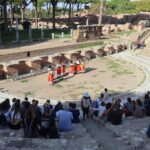
The amphitheater is your clue that this wasn’t a sleepy backwater. There was public entertainment—loud, crowded (in its day), and important for community life. With a guide, you can connect that to the city’s role as a port town full of movement.
Temples and Mithraic sites: religion you can read in stone
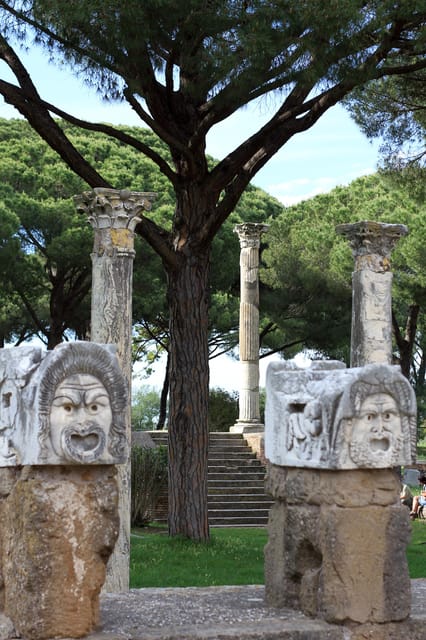
One of the more distinctive elements here is the presence of Mithraic temples. Your guide also talks through bizarre-sounding religious cults and how they fit into Roman life.
Even if you don’t know the names ahead of time, you’ll leave with a basic map: certain groups worshipped, built spaces for it, and used the city’s structure for their practice. That gives the ruins a stronger “how people lived” vibe.
Apartment complexes and everyday spaces
This is where Ostia wins for many people. Pompeii can feel like a famous stage set. Ostia feels more like “how the city ran.” You’ll move past remains of places that look like apartment complexes, and that gives the best reminder that Romans weren’t only gladiators and senators—they were also neighbors, tenants, shopkeepers, and commuters.
The tour vibe: smaller groups, shade, and an easy way to enjoy the day
A big chunk of the value isn’t a single ruin. It’s the way the day is shaped.
This tour is built around the idea of less-crowded time and small/private groups. That matters because Ostia can get busy at peak hours. When you don’t have to fight for position, the guide can slow down just enough for you to notice details.
From the experience people shared, Ostia also brings practical comfort:
- there’s shade
- there are enough bathrooms
- and the overall pace lets you absorb more without feeling trapped in a nonstop march
That’s the kind of comfort that makes a difference when your goal is history plus a good day, not history plus suffering.
Beach time after the ruins: how to keep the day from feeling too heavy
After the guided tour ends, you have options. The site allows you to keep exploring. And if you want a break, you can take the train a few more stops out toward Ostia Beach.
That matters if you’re traveling with any kind of mixed group—someone who loves ruins, someone who wants lunch, and someone who just wants sun. The tour itself sets you up for that. You’re not forced to go straight back to Rome right at the end.
The plan is simple: you finish your guided time, then decide whether you stay on-site, grab food at the on-site Caffe, or head toward the beach for a swim, lunch, and shops/restaurants.
Money and value: what $68 buys you (and why it’s fair)
At $68 per person for a 3.5-hour experience, the value comes from what’s included.
You get:
- Round-trip train tickets from Rome
- Entrance tickets to Ostia Antica
- A live English mother-tongue guide
- Skip-the-ticket-line
You still pay for food and drinks on your own, but that’s normal for day tours.
Here’s the part I think most people miss: the guide and the included transport reduce friction. When you have to coordinate tickets, timing, and navigation yourself, the “cheap” option can turn into stress. This one packages the hardest parts—getting there, getting in, and understanding what you’re looking at.
So if you like ruins but hate feeling like you’re decoding them with an iPhone and guesses, this price feels sensible.
What to bring: your comfort kit for Ostia Antica
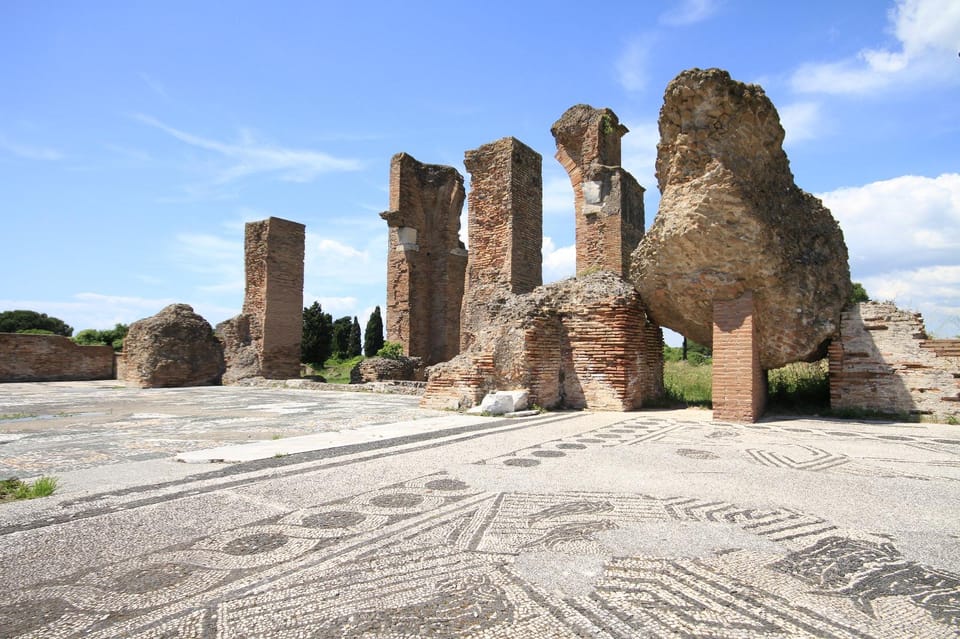
The site is outdoors and you’ll walk a moderate amount. Bring the basics and you’ll enjoy the day more.
Pack:
- Comfortable shoes (non-negotiable)
- Water bottle
- Hat
- Sunscreen
- Camera (if you like photos)
If you want lunch later, plan on bringing picnic-style items or using the on-site Caffe. The tour mentions picnic-friendly options, and beach time after can also be a simple food solution.
Weather matters. Check the forecast and dress appropriately. Rome in warm months can feel sunny even when the stone ruins look cool from the shade.
Who this tour suits best (and who should skip it)
This tour is a good fit if you want:
- a short day trip from Rome
- English commentary that makes the site feel understandable
- major stops like baths, amphitheater, forum, and Mithraic temples
- a more relaxed experience than the biggest crowds
It’s not suitable for people with mobility impairments or wheelchair users, since it involves walking through the site.
If you’re traveling with kids, it could work if they’re patient for ruins and you keep expectations realistic. If your group needs step-free routes, I’d look for a different format.
Should you book Ostia Antica with an English guide and transfer?
If you’re on the fence, here’s my straight take: book it if you want an easier day trip that teaches you what you’re seeing, without the long slog and crowd chaos of the most famous Roman option.
This is especially appealing when:
- you want a working city feel, not just dramatic stones
- you prefer small-group energy
- you like the idea of adding beach time after your ruins
Skip it if your priority is minimal walking or a highly accessible route. Otherwise, this tour hits a sweet spot: closeness to Rome, guided highlights, and enough time to make the day feel complete.
FAQ
FAQ
How long is the Ostia Antica guided tour with transfer?
The tour lasts about 3.5 hours, including the transfer and around 2.5 hours on site.
Where do I meet the guide in Rome?
You meet at Caffé Piramide, in front of the café under the BAR T sign next to Piramide Metro Station.
How do I get to Ostia Antica from Rome?
You take a train from Rome. The transfer is about 25 minutes one way.
Does the tour include train tickets and entrance fees?
Yes. Round-trip train tickets from Rome and entrance tickets to Ostia Antica are included.
Is this tour in English?
Yes. The tour is in English with a live English mother-tongue guide.
What ruins and sights will I see during the tour?
You’ll see major areas including baths, the amphitheater, temples (including Mithraic temples), and forum areas with temples, plus guided stops through the site’s ruins.
Will I be able to keep exploring after the guided portion?
Yes. You’re welcome to stay after the tour ends to explore the site on your own.
Is food included?
No. Food and drinks are not included, though there is an on-site Caffe where you can eat.
What should I bring to make the day more comfortable?
Bring comfortable walking shoes, a hat, sunscreen, a camera (if you want), and water.
Is the tour suitable for wheelchair users or people with mobility impairments?
No. It is not suitable for people with mobility impairments or for wheelchair users.