REVIEW · ROME
Rome: 3-hour guided city tour by electric golf cart
Book on GetYourGuide →Operated by Experiences Of Rome · Bookable on GetYourGuide
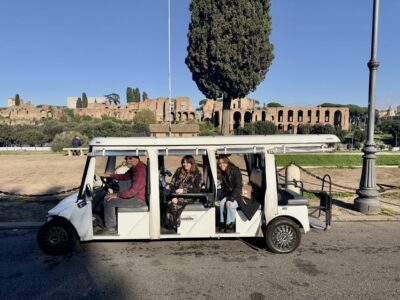
Seeing Rome from a golf cart changes everything. You glide past big sights with a live guide, stop often for photos, and get scenic terrace views without spending hours walking. I like the quiet electric ride (easy on the legs) and the guide-led storytelling that helps you understand what you’re looking at—especially at places like Trevi, the Pantheon area, and the Colosseum.
The main drawback is time. Each stop is short, so this is best for getting oriented and snapping photos rather than lingering for long, ticket-heavy visits.
- Small group setup (up to 7) keeps the pace human and the photo stops less stressful
- 360-degree view from the cart helps on terraces like Pincio and Janiculum
- Iconic Rome coverage in 3 hours: Trevi, Pantheon area, Vatican City viewpoints, Trastevere, Colosseum
- Photo stops built into the route so you can plan your shots instead of improvising between crowds
- Frequent convenience breaks for quick gelato or coffee along the way
- Guide support in both English and Italian, including tips for what to do after the tour
In This Review
- Rome by Electric Golf Cart: Why This 3-Hour Format Works
- Starting at Piazza della Repubblica: A Smooth, Easy Beginning
- Pincio Terrace and Piazza del Popolo: Getting the Best Angles First
- Piazza di Spagna and Trevi Fountain: Two Icons, One Efficient Photo Plan
- Pantheon and Vatican City: Major Stops Without the Full-Day Commitment
- Janiculum Hill and the Roman View Economy
- Trastevere and Aventine Hill: Neighborhood Feel, Not Just Monuments
- Circus Maximus to the Colosseum Arena Floor: From Giant Scale to Real Presence
- Price and Value: Is $135.94 Worth It?
- Who This Tour Fits Best (and Who Might Prefer Something Else)
- Tips to Get Better Photos and a Better Day
- Should You Book This Rome Golf Cart Tour?
- FAQ
- How long is the Rome electric golf cart tour?
- Where do we meet for the tour?
- What major sights does the route include?
- Is the tour private, and how big is the group?
- Is it wheelchair accessible?
- Is there free cancellation and a pay-later option?
Rome by Electric Golf Cart: Why This 3-Hour Format Works
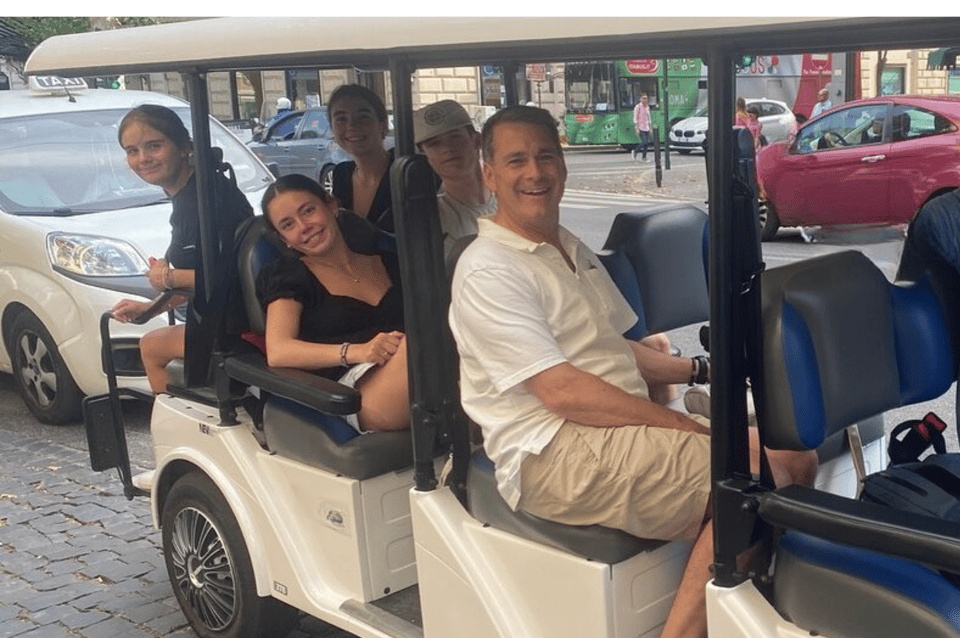
Rome is huge, and first-time days can turn into a race between must-sees. This tour solves a very practical problem: it’s designed to move you efficiently through the historic center while keeping you close to the main attractions.
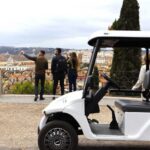
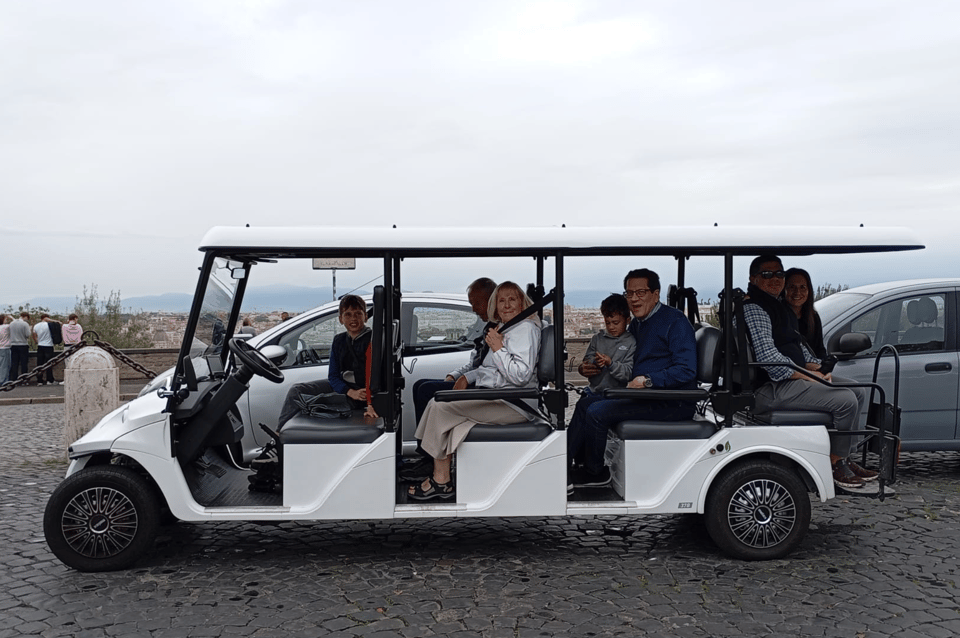
The vehicle matters. A comfortable, quiet electric golf cart gives you an easy rhythm—sit, look, listen, stop, photo, go. You also get a 360-degree perspective, which is a big deal in Rome because the best angles often come from viewpoints and terraces, not from street level.
You’ll also appreciate the human side: your local guide shares anecdotes and practical tips as you go. In the small group (limited to 7), it’s easier to ask questions and get suggestions that match your interests and energy level.
The itinerary is private, and it can be customizable, which helps if you want the emphasis to lean more toward viewpoints, photo stops, or neighborhood atmosphere.
Starting at Piazza della Repubblica: A Smooth, Easy Beginning
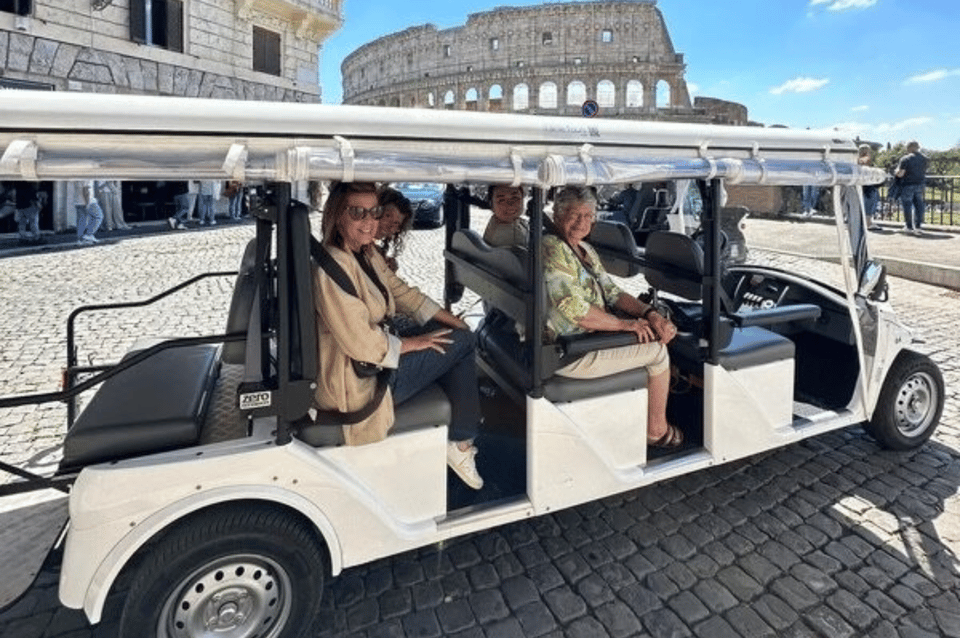
You meet in front of the Hotel Anantara Palazzo Naiadi, near the Repubblica Metro stop. That location is convenient because it puts you close to transit and makes the start feel organized instead of chaotic.
The first quick cart ride segment gets you moving right away, and within minutes you’re headed toward one of Rome’s best “okay, now I get the city” zones. This matters because the first hour sets your bearings. Rome can feel like a maze—until you see it from the right angles.
If you’re traveling with limited mobility, this is where the value shows. The route is built to reduce walking, and the tour is wheelchair accessible. The guide support can help you get as close as possible to the points you’re viewing.
You can also read our reviews of more guided tours in Rome
Pincio Terrace and Piazza del Popolo: Getting the Best Angles First
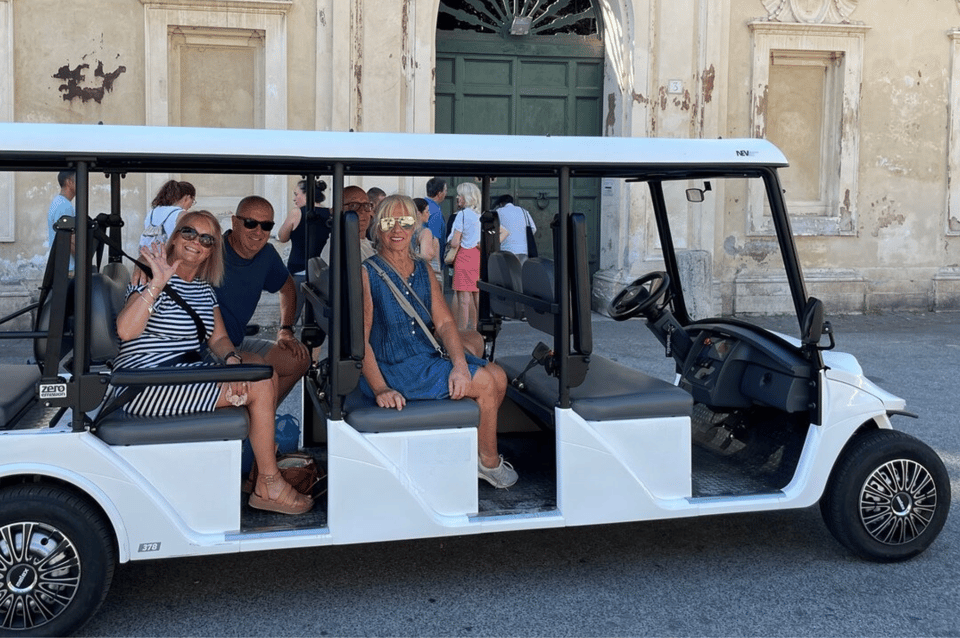
Your first real viewpoint stop is Pincio Terrace. This is one of those places where Rome stops looking like a list of landmarks and starts looking like a city with levels—terraces, roofs, domes, and long sight lines. You’ll have time for a photo stop and a quick visit.
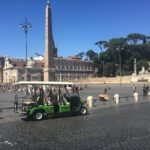
Then you move to Piazza del Popolo for another short visit/photo stop. Even if you don’t linger, you’ll get the sense of how this area connects major routes through the center.
Here’s the practical trick: use these early stops to set your photo plan. If you’re shooting Instagram-style wide angles, start with the terrace views. Your later stops will be great, but the panoramas tend to be easier to nail when you’re fresh and not rushing.
Piazza di Spagna and Trevi Fountain: Two Icons, One Efficient Photo Plan
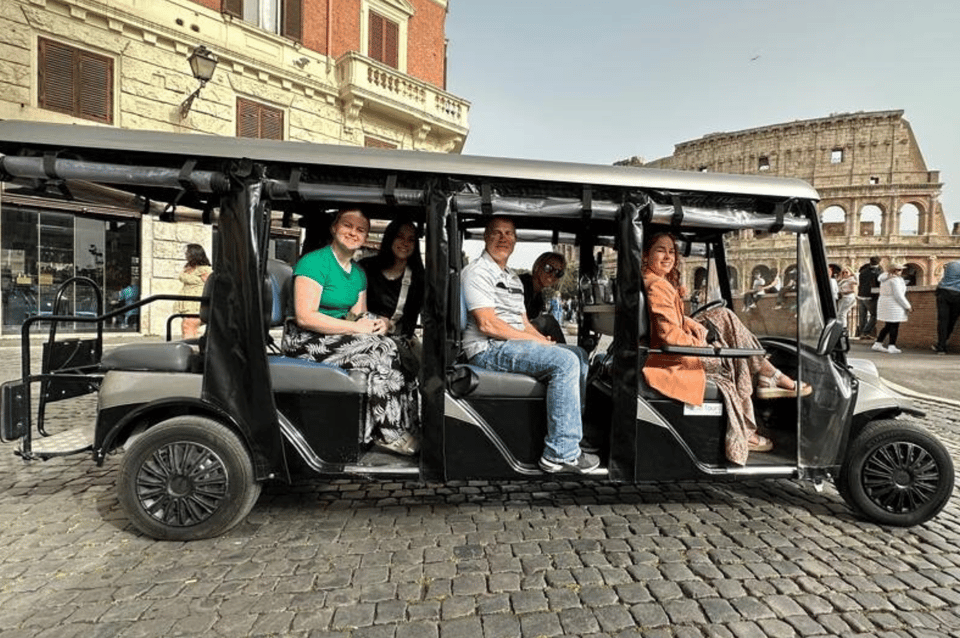
Next comes Piazza di Spagna—another timed photo stop and brief visit. This square is famous for a reason: the geometry is photogenic, and it’s a natural transition point between different Roman vibes.
Then you reach Trevi Fountain. The tour includes a photo stop and visit time here, which is exactly what you need if your priority is seeing Trevi without spending your whole day trapped in crowd logistics.
Trevi can be overwhelming at peak moments. The cart-and-stop approach doesn’t erase crowds, but it reduces the time you spend trying to maneuver your way to a good angle. Also, if you’re doing a nighttime departure, you may find the photo lighting useful—just know some fountains can be closed for cleaning in low season, based on what has happened on departures during off-peak times.
Pantheon and Vatican City: Major Stops Without the Full-Day Commitment
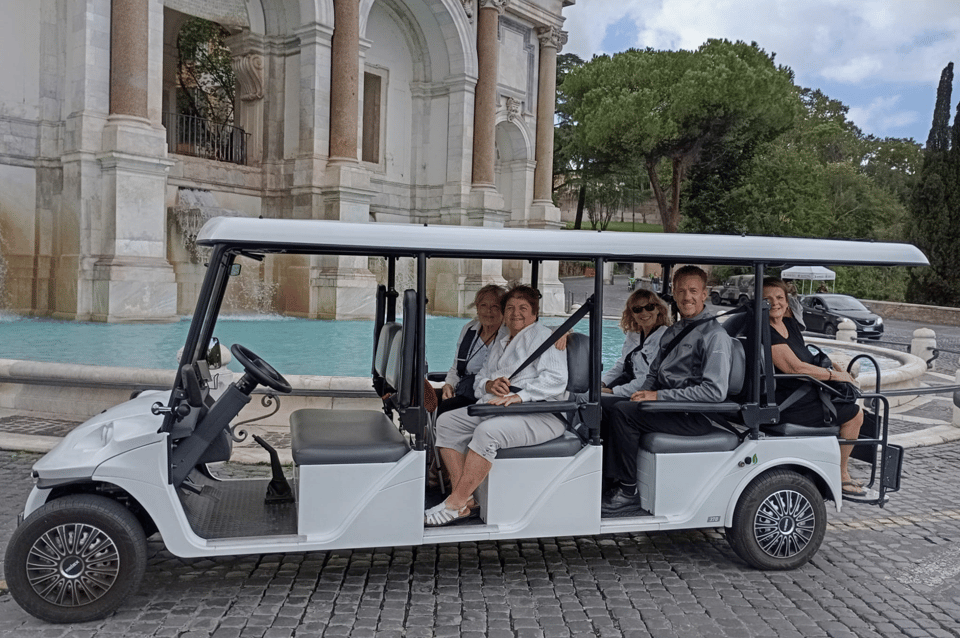
From Trevi you continue toward Pantheon for a photo stop and visit. The Pantheon area is compact and visually powerful. The short timing can feel limiting if you want an in-and-out deep experience, but it’s still a solid way to register the place and understand why it’s so famous.
After that, you head toward Vatican City for another photo stop and visit. The goal here isn’t to turn this into a museum marathon. It’s to give you clear sight lines and the big visual context, so later, if you want to go back for longer, you’ll know where to focus.
If you like structure, this section is satisfying. It takes two of the world’s most recognizable religious-art sites and packs them into a short, digestible block so you don’t lose momentum.
Janiculum Hill and the Roman View Economy
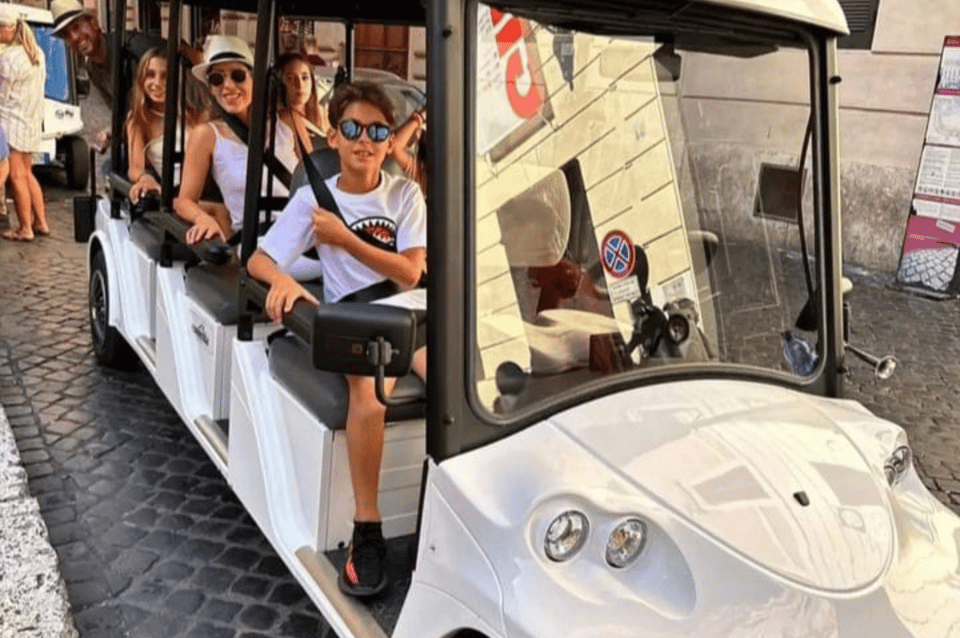
One of the most “Rome” moments on this route is Janiculum Hill. You get a photo stop and visit time, then a short cart segment onward. This hill is a reminder that Rome’s greatest hits aren’t only statues and buildings—they’re also how the city looks from above.
Janiculum also helps balance the day. Earlier stops are dense and central. This gives you open sky and a different kind of perspective. With the cart’s 360-degree view, you can get photos without always jockeying for position on a street corner.
It’s also a good moment to reset your brain. The pace is fast, but the viewpoint breaks keep it from feeling like you’re sprinting from landmark to landmark.
You can also read our reviews of more city tours in Rome

Trastevere and Aventine Hill: Neighborhood Feel, Not Just Monuments

Then you roll into Trastevere for a photo stop and visit time. Trastevere is the kind of neighborhood where you can almost taste the atmosphere—narrow lanes, lively street scenes, and a more lived-in feeling than many parts of central Rome.
This is also a smart inclusion because it gives your day texture. If your trip includes other tours that focus only on the biggest showpieces, this neighborhood stop helps your memories feel less like a postcard checklist.
You’ll also have time for quick breaks that can include gelato or coffee at good spots along the way. These short stops are worth it because they turn the tour from pure sightseeing into a real pause—like you’re being looked after, not rushed through.
After Trastevere, you continue to Aventine Hill for a photo stop and visit. Aventine is another viewpoint area, and it works as a nice “finish the day with your eyes up” segment before the largest monuments.
Circus Maximus to the Colosseum Arena Floor: From Giant Scale to Real Presence
Next up: Circus Maximus. You get a photo stop and visit time. Even though it’s not always the first place people think of, it’s a powerful way to understand Roman life beyond gladiators and cathedrals. Seeing it in context helps the Colosseum land better later, because you connect the idea of public spectacle across eras.
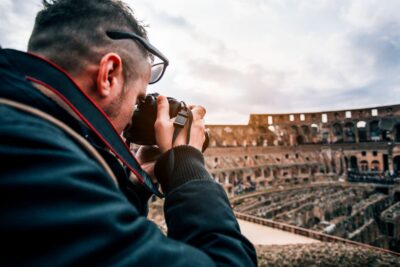
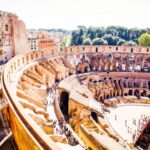
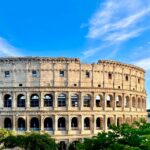
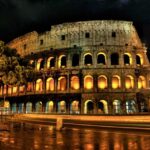
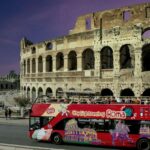
Then comes the big one: the Colosseum arena floor area for a photo stop and visit time. This is the kind of moment that makes the whole day feel worth it. You’re seeing not just the exterior, but the idea of the arena itself—the stage where events happened.
Important note for expectations: this is still a timed stop. If you want long, in-depth explanations of every section of the complex, you’d likely add a separate Colosseum visit. But for first-time orientation and a strong photo moment, this works well.
Price and Value: Is $135.94 Worth It?

At $135.94 per person for a 3-hour private golf cart tour, you’re paying for four things at once:
First, you’re paying to reduce walking time in Rome’s densest zones. That has real value. If you’re doing Rome for only a couple days, saving your legs can be the difference between seeing highlights and spending your afternoon recovering.
Second, you’re paying for the guide. Reviews and the overall tour design both point to story-driven context, not just a list of stops. A guide who knows how to explain what you’re seeing—and can suggest extra places to visit—changes how the city sticks in your mind.
Third, you’re paying for the vehicle efficiency. The golf cart helps reach viewpoints and keep you near sights without long detours on foot.
Fourth, you’re paying for photo stops and short breaks. You’re not just moving through Rome; you’re stopping often enough to actually get usable pictures and enjoy quick gelato/coffee moments.
If you love slow travel, you might prefer doing neighborhoods on foot with a self-guided plan. But if your goal is maximizing a short trip while staying comfortable, this price can feel fair.
Who This Tour Fits Best (and Who Might Prefer Something Else)
This tour is a great match if:
- you have 2–3 days in Rome and want a high-impact overview
- you want photo-friendly stops without spending the day fighting for angles
- you’d rather reduce walking while still seeing a lot
- you like having a guide explain what you’re looking at, then using that knowledge later
It may feel less ideal if:
- you want deep, unhurried time inside major sights for hours at a time
- you prefer a fully independent route with no scheduled stops
- you’re the type who enjoys getting lost and exploring streets without a plan
Tips to Get Better Photos and a Better Day
You’ll enjoy this tour more if you come prepared to shoot smart.
Wear comfortable clothing and shoes anyway. Even though you’re on the cart, you’ll still do short walks at viewpoints and around photo spots.
Think in terms of angles:
- prioritize the terraces early for wide shots (Pincio and Janiculum are your “big view” moments)
- aim for iconic frontal compositions at Trevi and the Pantheon area
- use Circus Maximus and the Colosseum segment as your scale-building photos
Bring a phone or camera battery that’s fully charged. With so many timed stops, you won’t want to scramble for power midway.
And if you’re considering a night-style departure for photos, keep in mind that some fountains can be affected by cleaning schedules in low season.
Should You Book This Rome Golf Cart Tour?
If your trip is short and you want to see major sights plus Roman viewpoints plus Trastevere in one day, I’d say yes. This is one of the easiest ways to get your bearings fast, take great photos, and leave with a clearer sense of how Rome fits together.
Book it especially if you want comfort. The electric cart, small group size, and guide-led stops make it a practical choice when you don’t want sore feet to steal your sightseeing.
If your dream Rome day is long museum time and lots of wandering without structure, you might be happier with a slower, walking-first plan. But if you want a guided, efficient hit of Rome’s highlights with room for good pictures and a gelato break, this tour is a solid bet.
FAQ
How long is the Rome electric golf cart tour?
The tour lasts 3 hours.
Where do we meet for the tour?
You meet in front of the Hotel Anantara Palazzo Naiadi near the Repubblica Metro stop. The tour ends back at the same meeting point.
What major sights does the route include?
The tour includes photo stops and visits at several big highlights such as Pincio Terrace, Piazza del Popolo, Piazza di Spagna, Trevi Fountain, the Pantheon area, Vatican City, Janiculum Hill, Trastevere, Aventine Hill, Circus Maximus, and the Colosseum arena floor.
Is the tour private, and how big is the group?
It’s a private tour with a small group size limited to 7 participants.
Is it wheelchair accessible?
Yes, it’s wheelchair accessible.
Is there free cancellation and a pay-later option?
Yes. It offers free cancellation up to 24 hours in advance for a full refund, and there is a reserve now & pay later option.